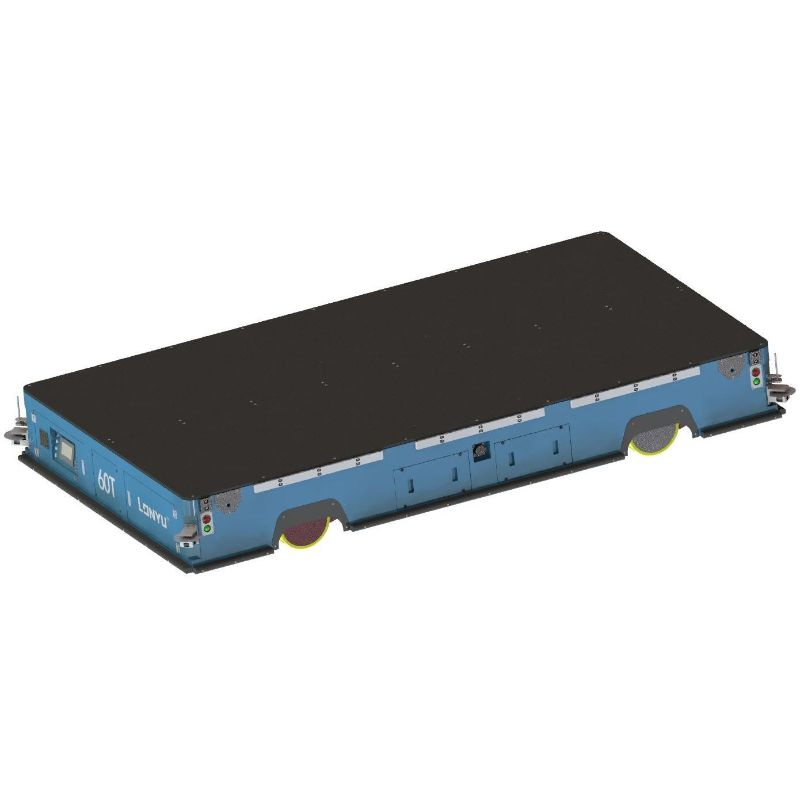
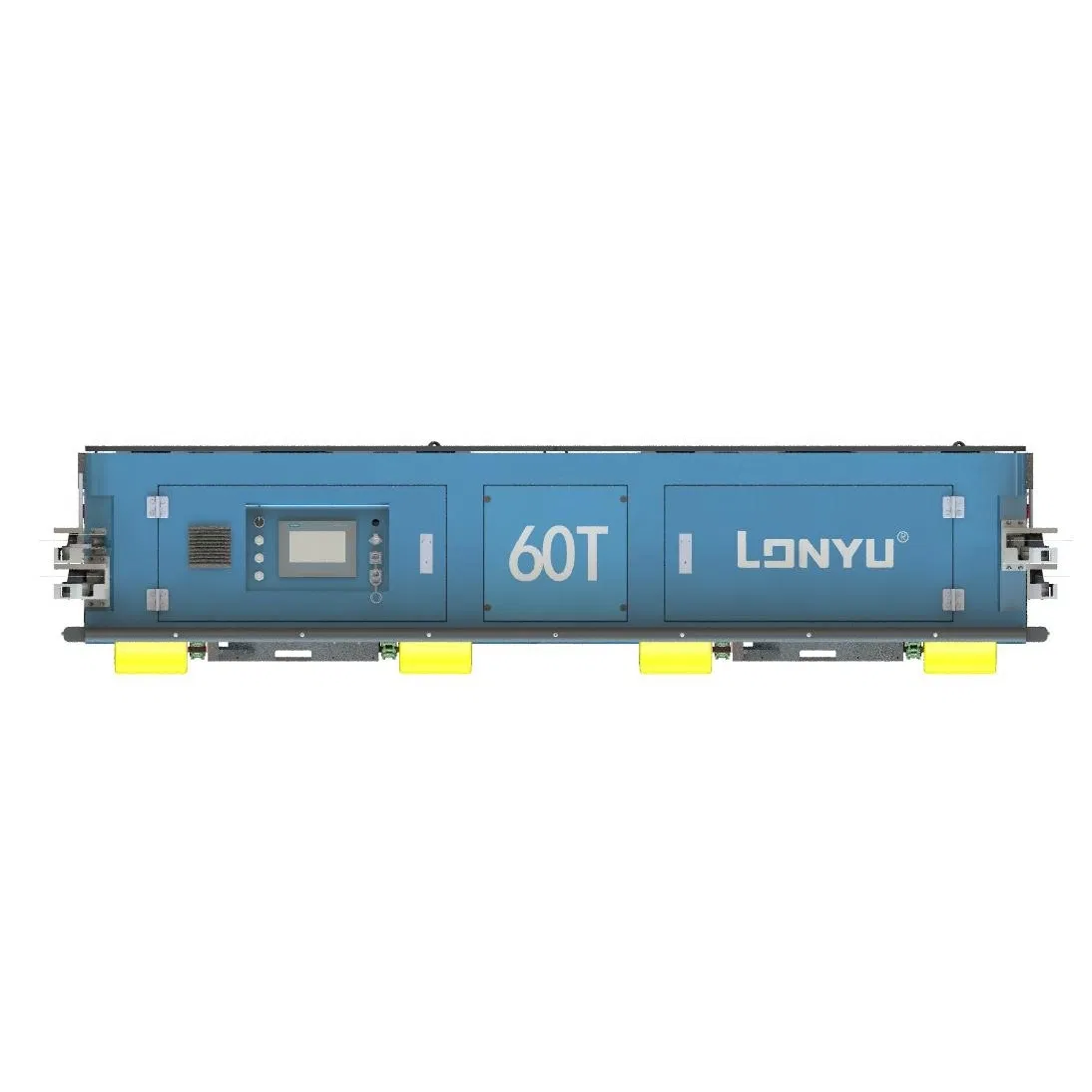
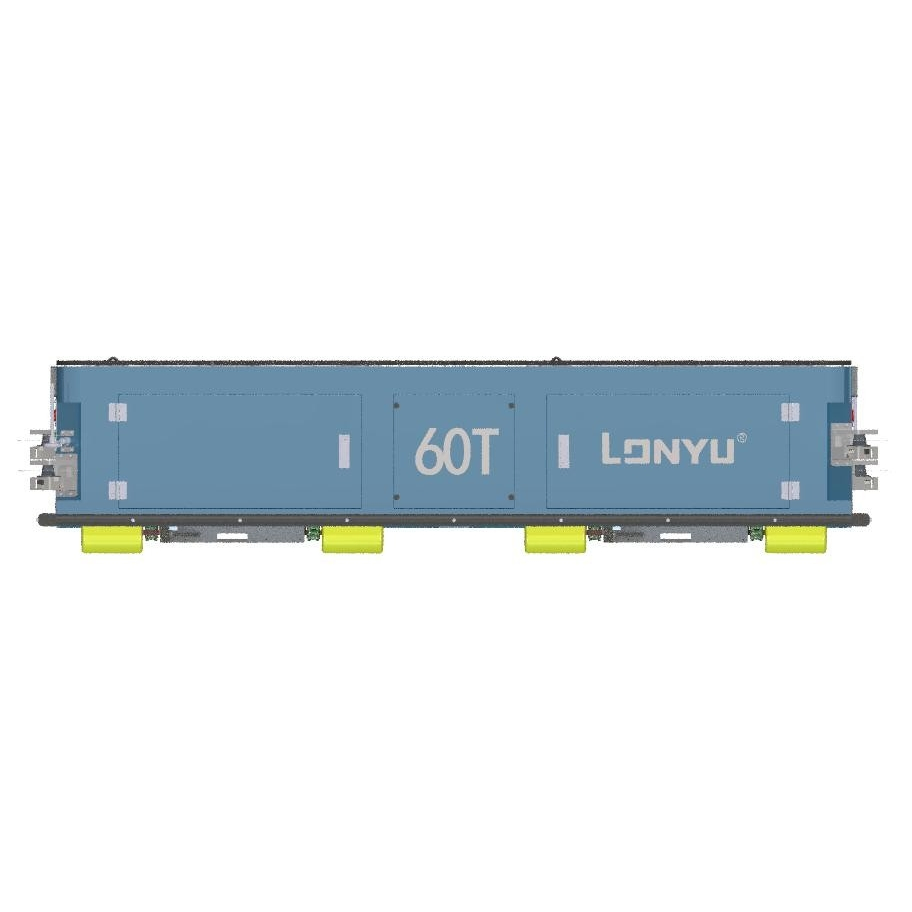
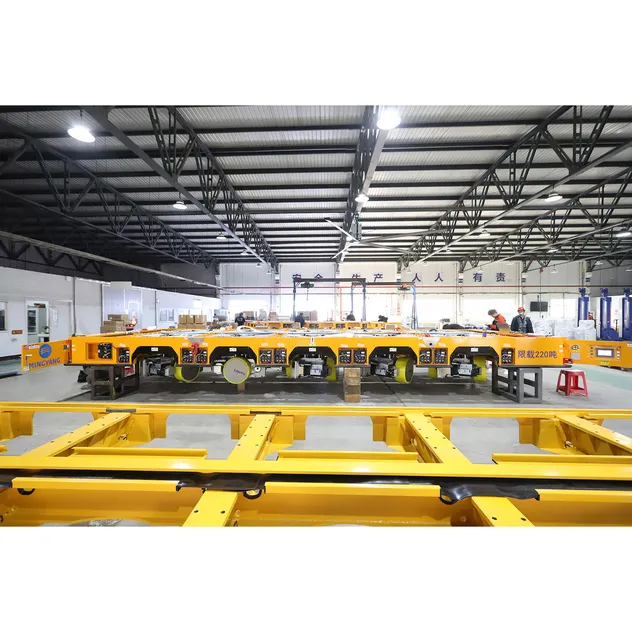
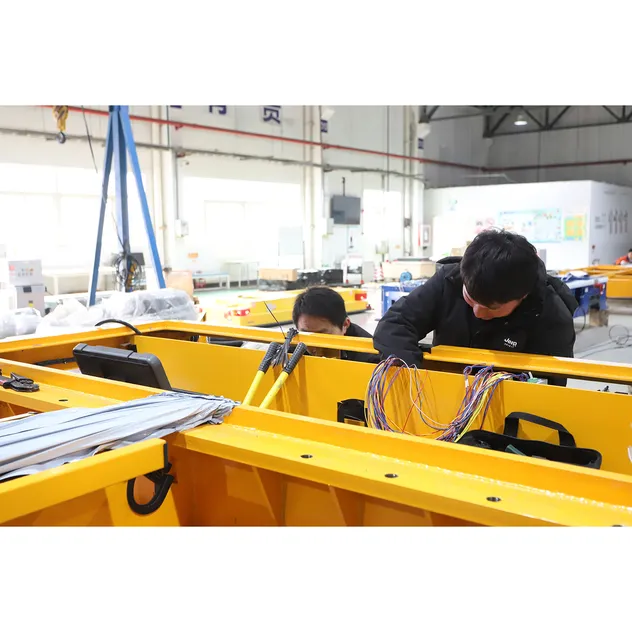
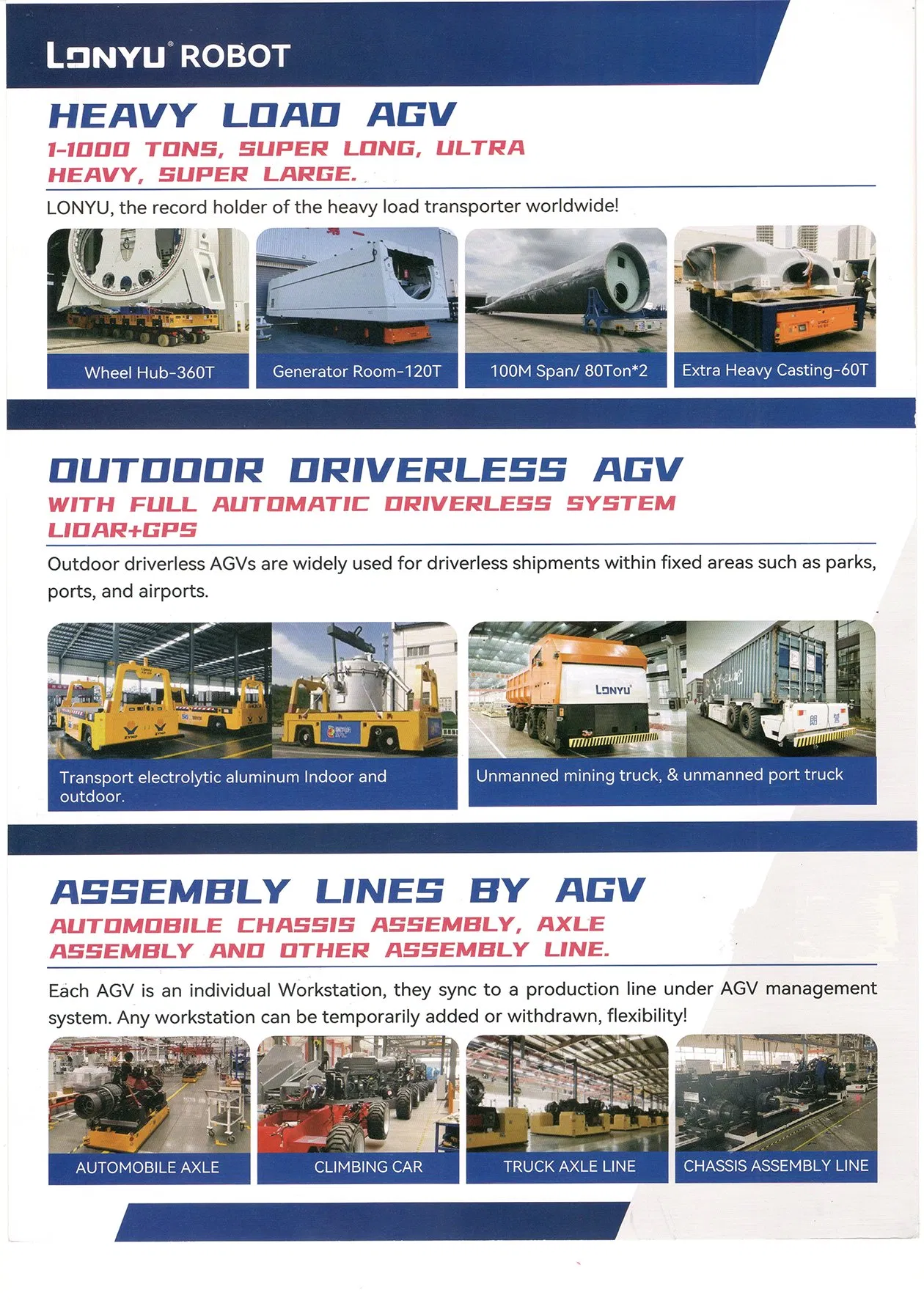
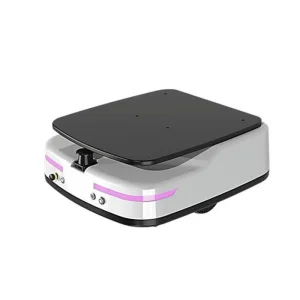
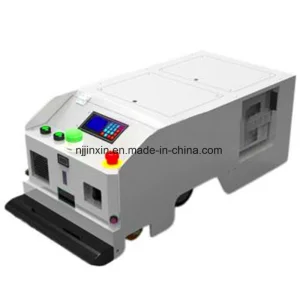
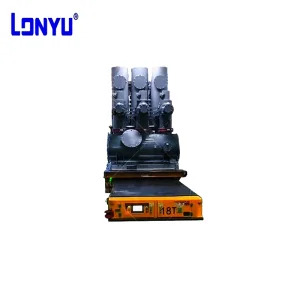
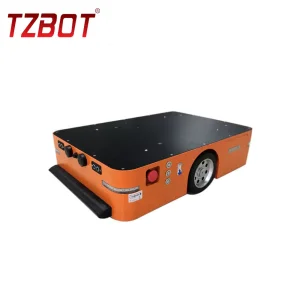
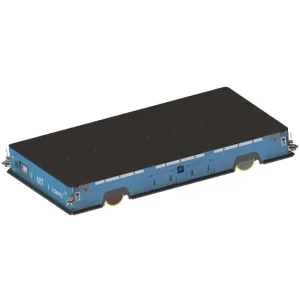
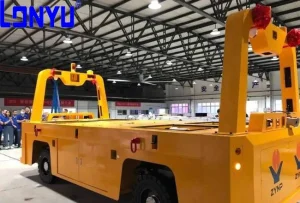
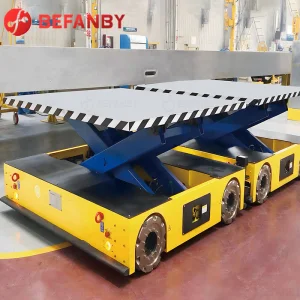
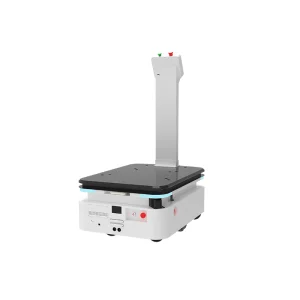
Development of heavy-duty AGVs began in 2012. After years of key technology accumulation, heavy-duty AGVs with a single vehicle load of up to 240 tons have been successfully delivered, with technical support for 10-1,000 tons. The products and services cover the production, assembly, transportation and storage of large workpieces in aerospace, industry, high-speed rail, wind power, ships, heavy trucks and other fields. It is an effective solution for dealing with over-long and over-weight objects in the industrial Internet of Things system, and is the realization of heavy industrial production. An indispensable basic hardware platform for flexibility, digitalization and intelligence.
Frequently Asked Questions
Would an AGV be a good solution?
This is a good question because there are many material handling solutions on the market! Which one is the right choice? First, an AGV is a movable platform used to move materials, components, and other items horizontally. The weight of the load and the travel requirements of the application must be considered.
What are the benefits of using heavy-duty AGVs?
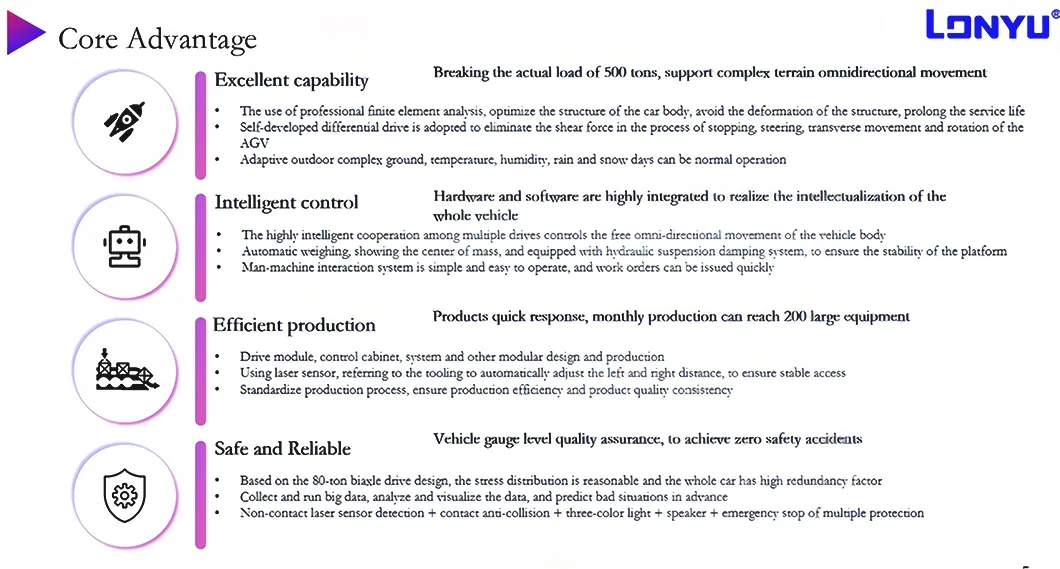
Heavy-duty AGVs are transport vehicles used to load and transport heavy parts or components, and are one of the most critical equipment in current logistics automation systems. AGV transfer vehicles are more suitable for moving long loads through restricted passages or doorways. For heavier loads, AGV transfer vehicles are a very affordable option because they are able to handle heavy loads. Heavy-duty AGV transport has the advantages of easy operation, high safety, and stable operation. It has automatic lifting, hydraulic independent suspension, automatic leveling, automatic operation, anti-collision, rapid operation, all-round steering, and adaptability to uneven ground.
What product handling applications use heavy-duty AGV transfer vehicles?
Heavy-duty AGVs are mainly used in warehousing, manufacturing, ports, airports, hazardous places, special industries, etc. to realize the automated handling of large materials (overweight, overlong), improve the level of logistics automation in the heavy-duty field, reduce the labor intensity of workers, improve production efficiency, shorten the logistics cycle, accelerate capital turnover, and improve economic benefits.
What safety systems are equipped on the heavy-duty AGVs?
The heavy-duty AGV is equipped with comprehensive safety features, including a Collision Avoidance System, Emergency Stop Button, Obstacle Detection Sensors, and a Safety Laser Scanner to ensure safe operation alongside factory workers and equipment.
Can the specifications of these heavy-duty AGVs be customized?
Yes, custom configurations are available upon request. Dimensions, rated loads, suspension types, safety features, and battery capacities can be tailored to fit specific industrial material handling scenarios.
How does the AGV navigate and handle uneven ground?
These heavy-duty AGVs utilize a differential drive body structure paired with a hydraulic independent suspension and automatic leveling system. This allows the vehicle to adapt seamlessly to uneven indoor surfaces with a climbing capability of up to ≤ 3 degrees.
 RAB Logistics