RAB Logistics
1 / 1
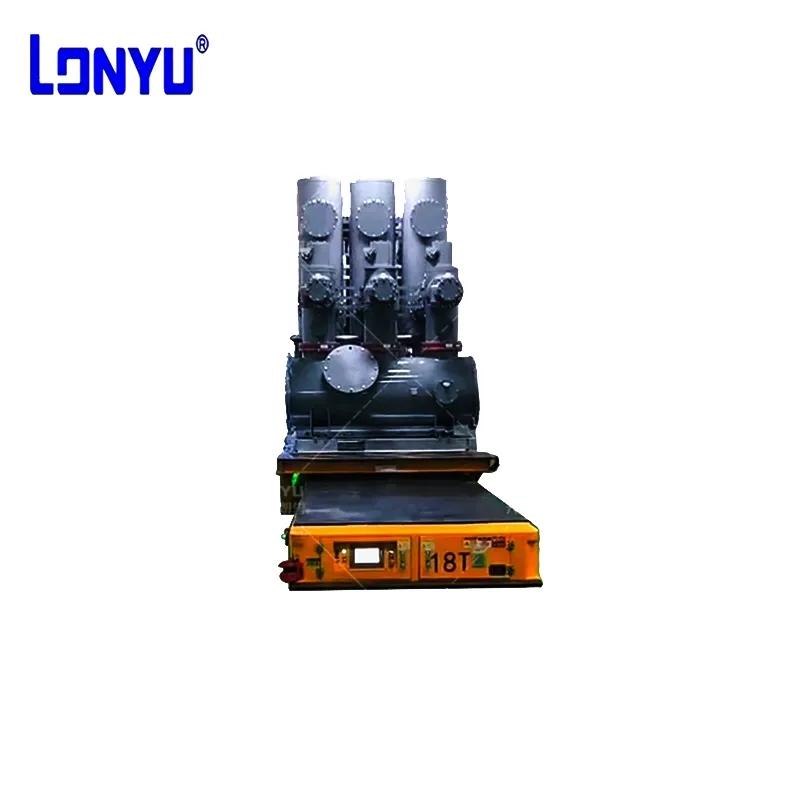
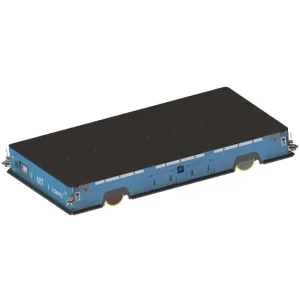
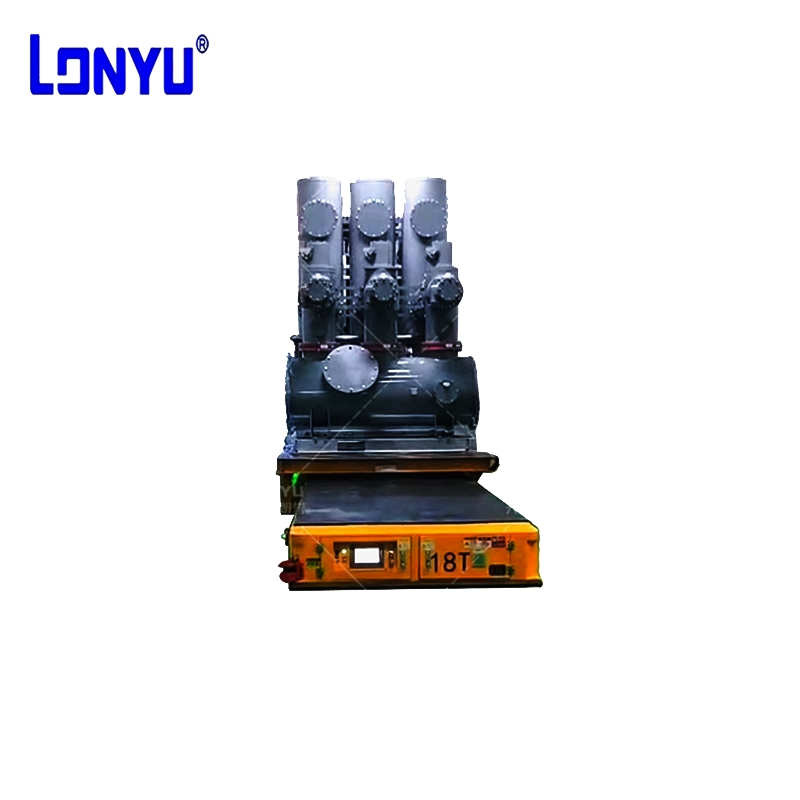
| Rated load: | 18T |
| Body shape: | L7000×W1800×H450mm |
| Operation direction: | omnidirectional operation |
| Drive mode: | differential drive |
| Control mode: | remote control |
| Operation speed: | 0-25m/min |
| Positioning progress: | ±10mm |
| Protection level: | IP54 |
| Lifting height: | 100mm |
| Battery type: | lithium iron phosphate battery |
| Safety protection: | five-fold safety protection, non-contact laser obstacle avoidance sensor + mechanical anti-collision touch edge + emergency stop button + sound and light warning + safety warning sign |
The AGV Control system is connected with Party A's MES system With automatic/manual dual insurance scheduling mode. Party A's MES system issues instructions for handling tasks to the AGV scheduling system. Then scheduling system issues instructions for handling to AGV vehicles. After the AGV completes the tasks, it feeds back the completion information to the MES system.
AGV central management software realizes highly intelligent automated management of AGV vehicles by monitoring and control of the running AGV, real-time dynamic monitoring of the position of the AGV vehicle in the electronic map, updating the operating parameters of the AGV, controlling the behavior of the AGV vehicle and implementing traffic control at the intersection, which helps operators improve work efficiency and ensure safe driving of vehicles.
This automatic charging device is developed to meet the need of frequent material delivery of production and logistics. When its energy is lower than the preset value at working, the AGV will move to the charging station and communicate with this charging device. After the connection establishment, the charge electrodes will dock with the AGV automatically to achieve automatic charging. The electrodes will be separated from the AGV automatically when it finishes the charging and the AGV moves back to the working area for material delivering. Thus, this device keeps the operator away from moving the heavy battery and the hassle of installation and disassembly, which greatly save charging time and make the whole system much more humanized and automated.

A: This is a good question because there are many material handling solutions on the market! Which one is the right choice? First, an AGV is a movable platform used to move materials, components, and other items horizontally. The weight of the load and the travel requirements of the application must be considered.
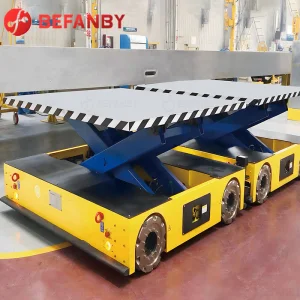
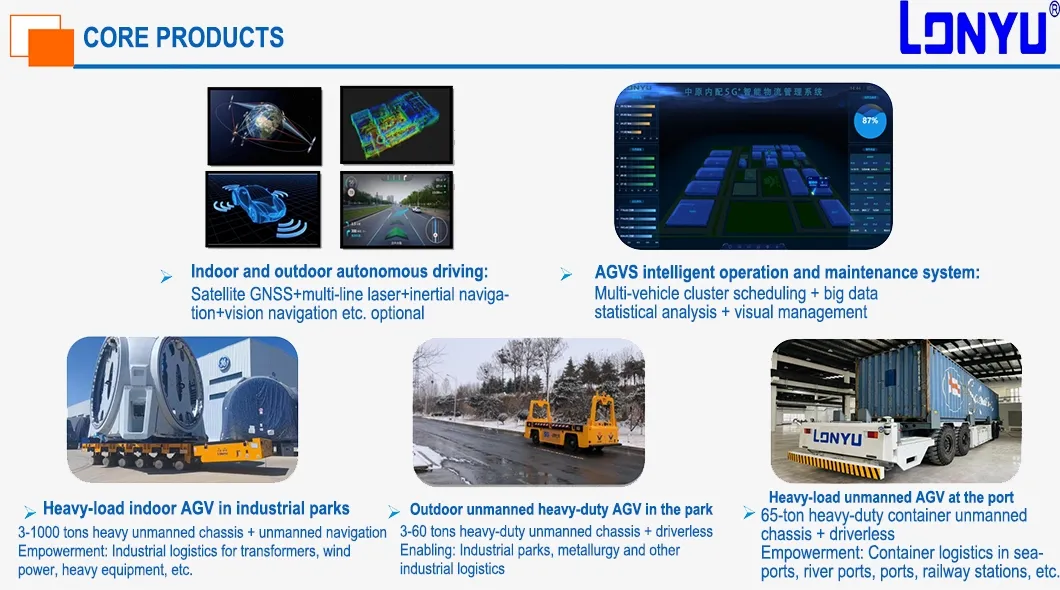
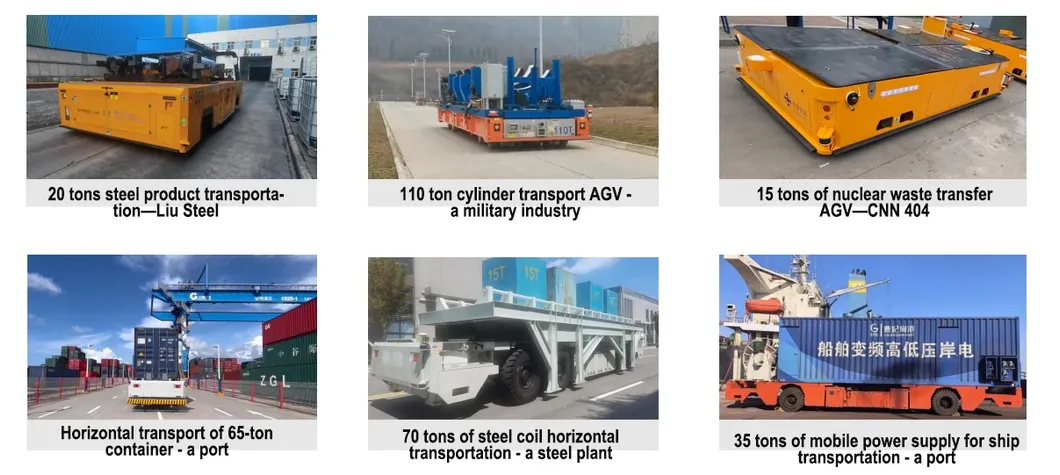
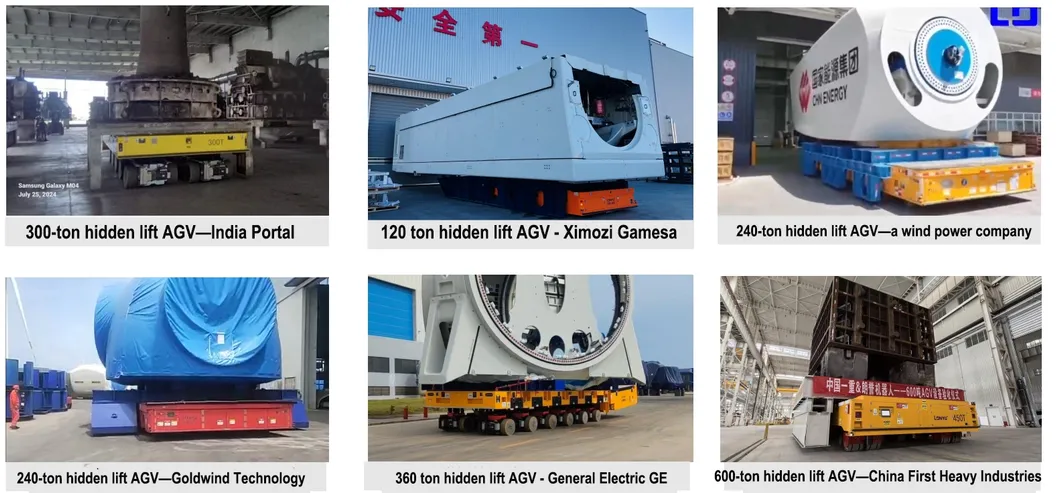
A: Heavy-duty AGVs are transport vehicles used to load and transport heavy parts or components, and are one of the most critical equipment in current logistics automation systems. AGV transfer vehicles are more suitable for moving long loads through restricted passages or doorways. For heavier loads, AGV transfer vehicles are a very affordable option because they are able to handle heavy loads. Heavy-duty AGV transport has the advantages of easy operation, high safety, and stable operation. It has automatic lifting, hydraulic independent suspension, automatic leveling, automatic operation, anti-collision, rapid operation, all-round steering, and adaptability to uneven ground.
A: Heavy-duty AGVs are mainly used in warehousing, manufacturing, ports, airports, hazardous places, special industries, etc. to realize the automated handling of large materials (overweight, overlong), improve the level of logistics automation in the heavy-duty field, reduce the labor intensity of workers, improve production efficiency, shorten the logistics cycle, accelerate capital turnover, and improve economic benefits.
A: It features a five-fold safety protection system including a non-contact laser obstacle avoidance sensor, mechanical anti-collision touch edge, emergency stop button, sound and light warning, and safety warning signs to ensure safe operation and collision avoidance.
A: When the battery energy drops below a preset level, the AGV automatically navigates to the charging station and docks its electrodes. Once fully charged, the electrodes separate automatically, allowing the vehicle to return to work without manual battery changes.
A: The AGV has a rated load capacity of 18 tons, dimensions of L7000×W1800×H450mm, a lifting height of 100mm, a protection level of IP54, and runs via an omnidirectional differential drive system powered by a lithium iron phosphate battery.