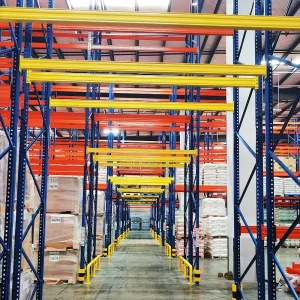
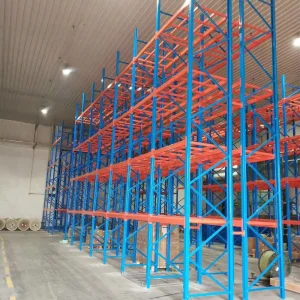
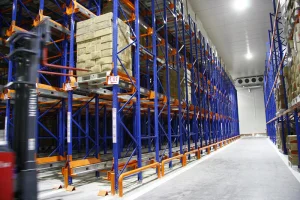
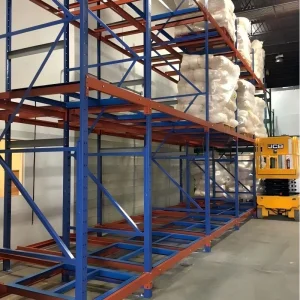
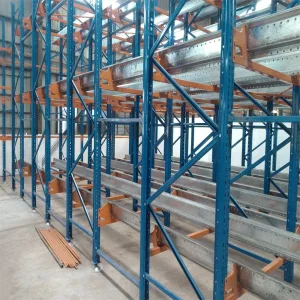
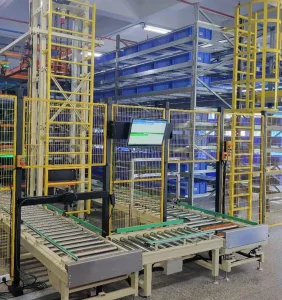
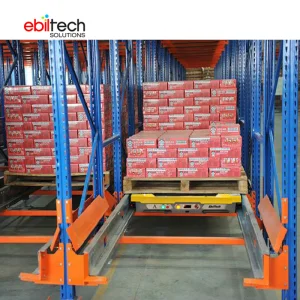
Explore our top-tier heavy-duty industrial storage racks designed for optimized footprint utilization and logistics throughput.
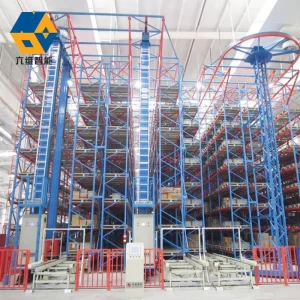
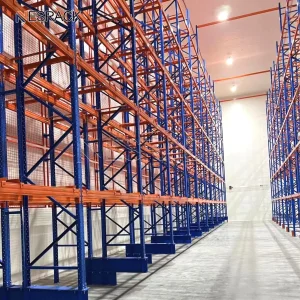
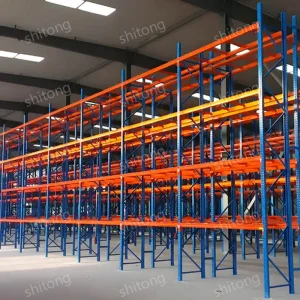
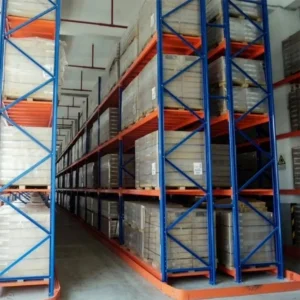
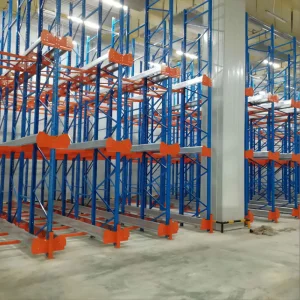
With industrial land pricing rising by up to 18% globally year-over-year, spatial optimization is no longer optional. Modern supply chains demand dynamic, multi-tier pallet racking systems to scale vertically.
Engineering parameters now prioritize safety under structural stress. Compliance with standards such as RMI (ANSI MH16.1), EN 15512, and CE ensures operational continuity during seismic occurrences.
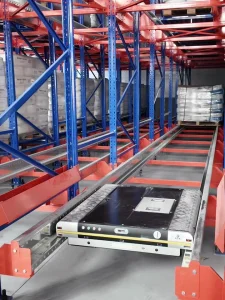
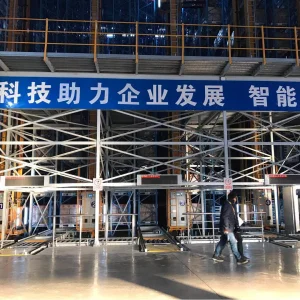
The convergence of heavy-duty steel profiles with Automated Storage and Retrieval Systems (AS/RS) and Smart Radio Shuttle platforms is redefining logistics speed, dropping error rates to under 0.1%.
In the modern era of automated logistics, the manufacturing and integration of industrial pallet racking systems are fundamental to warehouse operations. Driven by the rapid growth of cross-border e-commerce, automated cold chains, and high-velocity manufacturing distribution centers, organizations are moving away from simple static storage. Instead, they are adopting structural racking engineered to interface with automated Guided Vehicles (AGVs), Autonomous Mobile Robots (AMRs), and stacker cranes (AS/RS).
As a leading supplier, Hangzhou RAB Logistics Co., Ltd. analyzes spatial metrics, load capacities, and logistics workflows. The selection of storage systems directly affects variables like building cost, picking frequency, and workspace safety. Our engineering department uses structural calculation models, Finite Element Analysis (FEA), and high-grade steel profiles to build systems that support load capacities from 1,000 kg up to 4,000 kg per level.
Hangzhou RAB Logistics Co., Ltd. is a professional provider of intelligent warehousing and modern logistics solutions. Built on years of industry experience and continuous technological innovation, RAB Logistics is committed to helping enterprises transform traditional warehouse operations into highly automated, data-driven, and efficient supply chain systems.
Since our establishment, we have focused on integrating advanced logistics technologies such as Warehouse Management Systems (WMS), Automated Storage and Retrieval Systems (AS/RS), AGV/AMR robotics, intelligent sorting systems, and real-time data visualization platforms. These solutions enable clients to achieve higher operational accuracy, faster fulfillment speed, and significantly reduced logistics costs.
With strong capabilities in system consulting, solution design, equipment integration, software development, and project implementation, Hangzhou RAB Logistics Co., Ltd. delivers end-to-end intelligent logistics solutions tailored to diverse industry needs. Our expertise ensures seamless coordination between hardware and software, creating scalable and future-ready warehouse infrastructures.
We serve a wide range of industries including manufacturing, cross-border e-commerce, fast-moving consumer goods (FMCG), pharmaceuticals, and automotive parts. Our solutions are trusted for their stability, innovation, and proven performance in complex, high-demand environments.
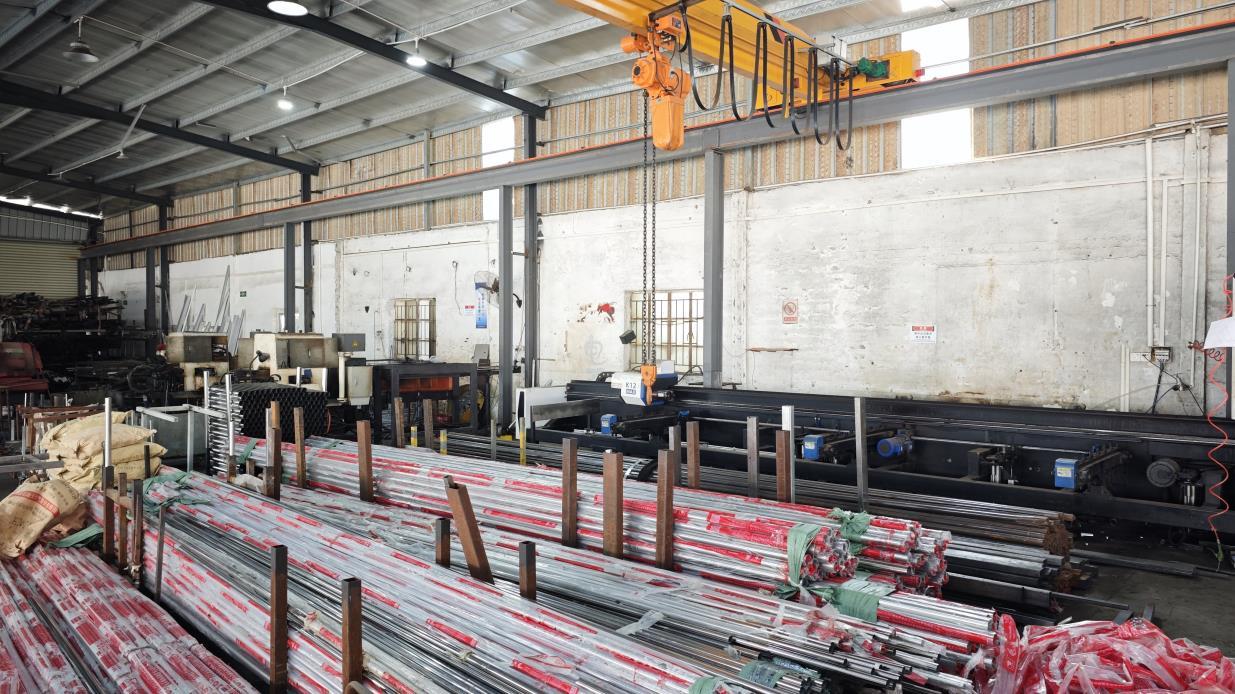
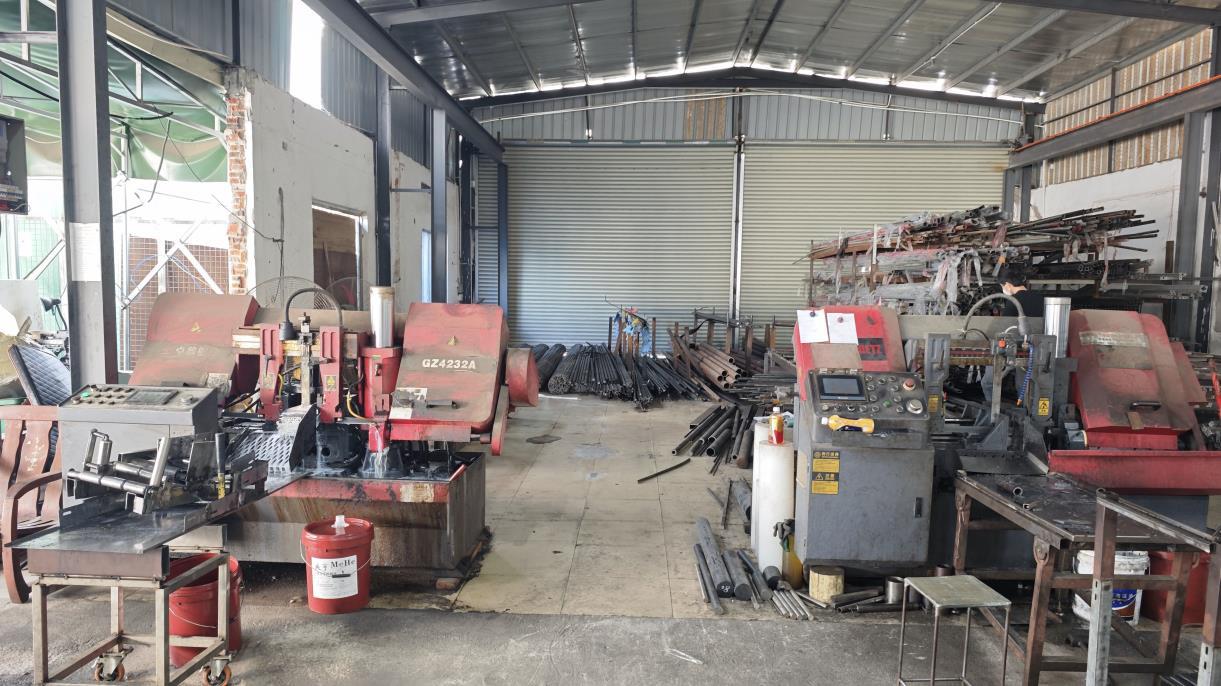
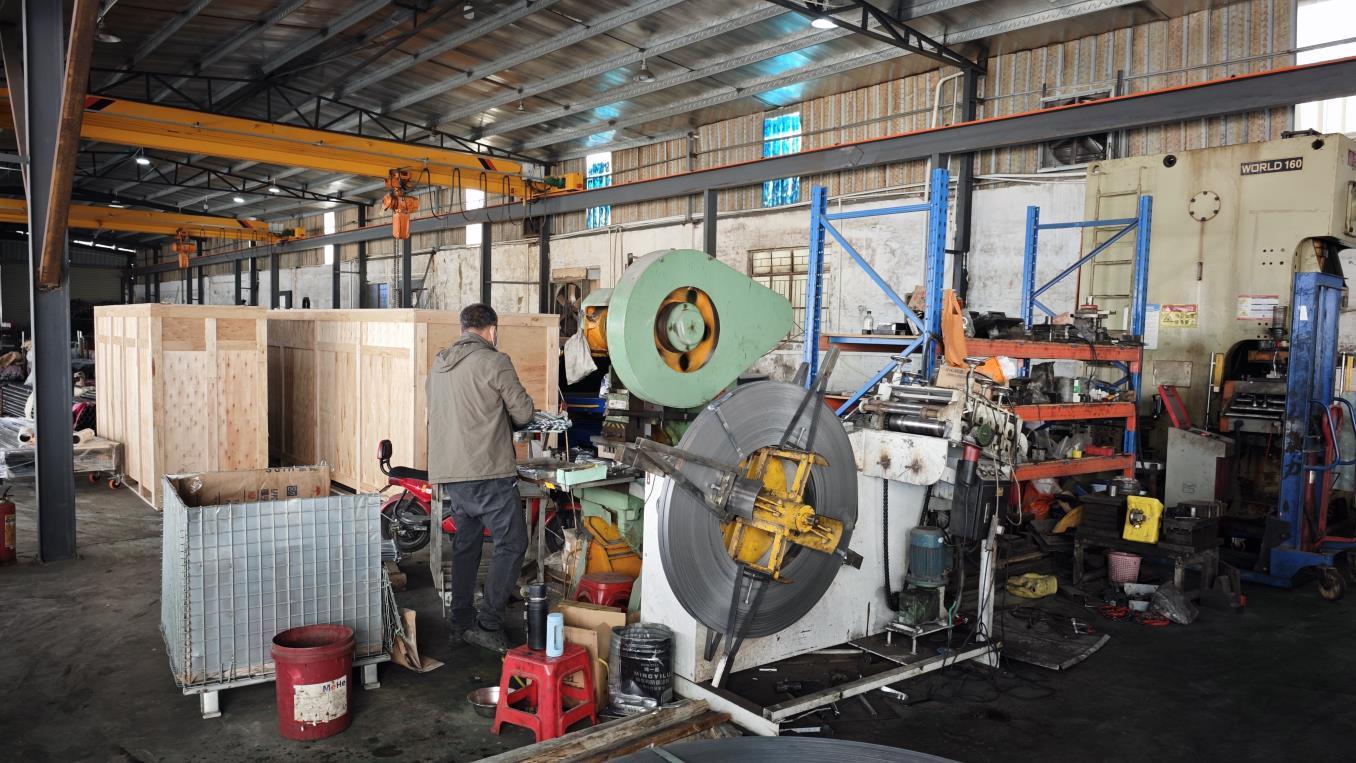
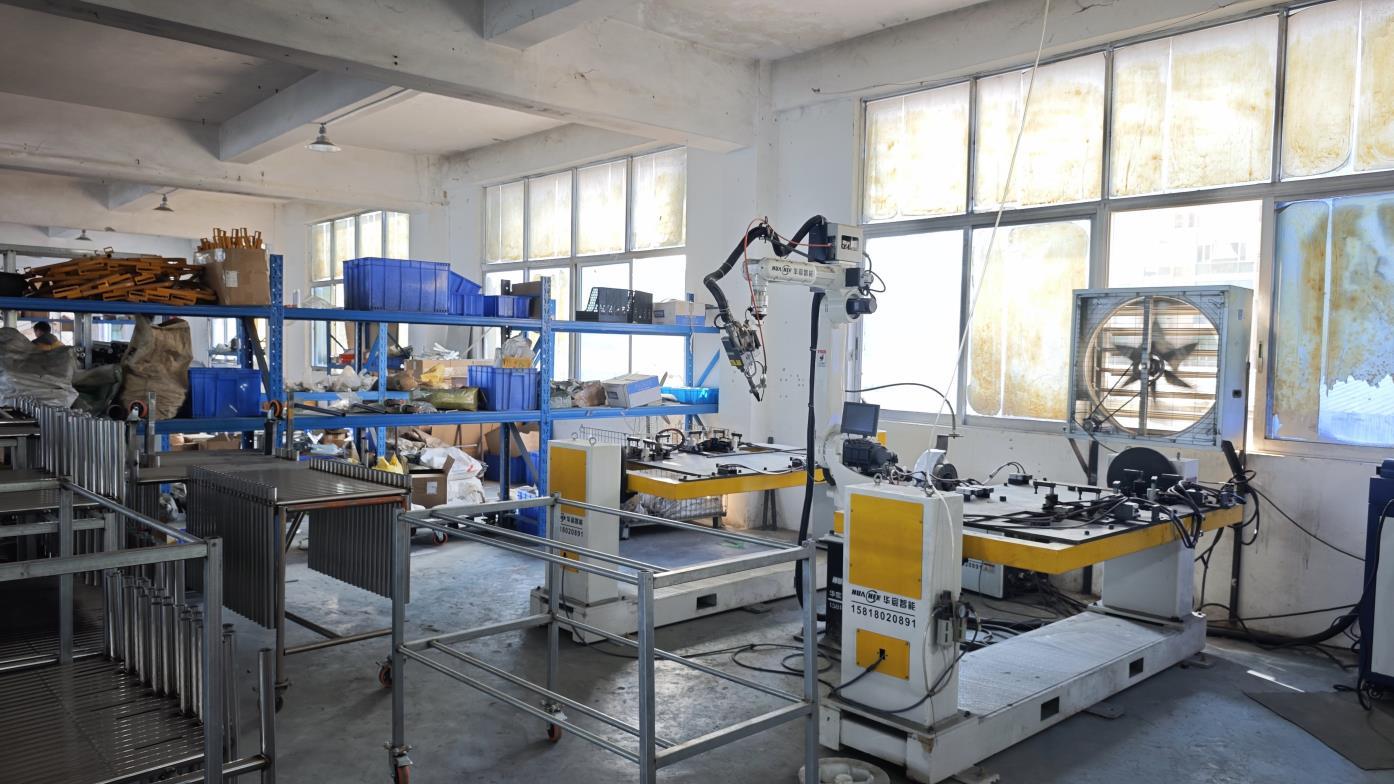
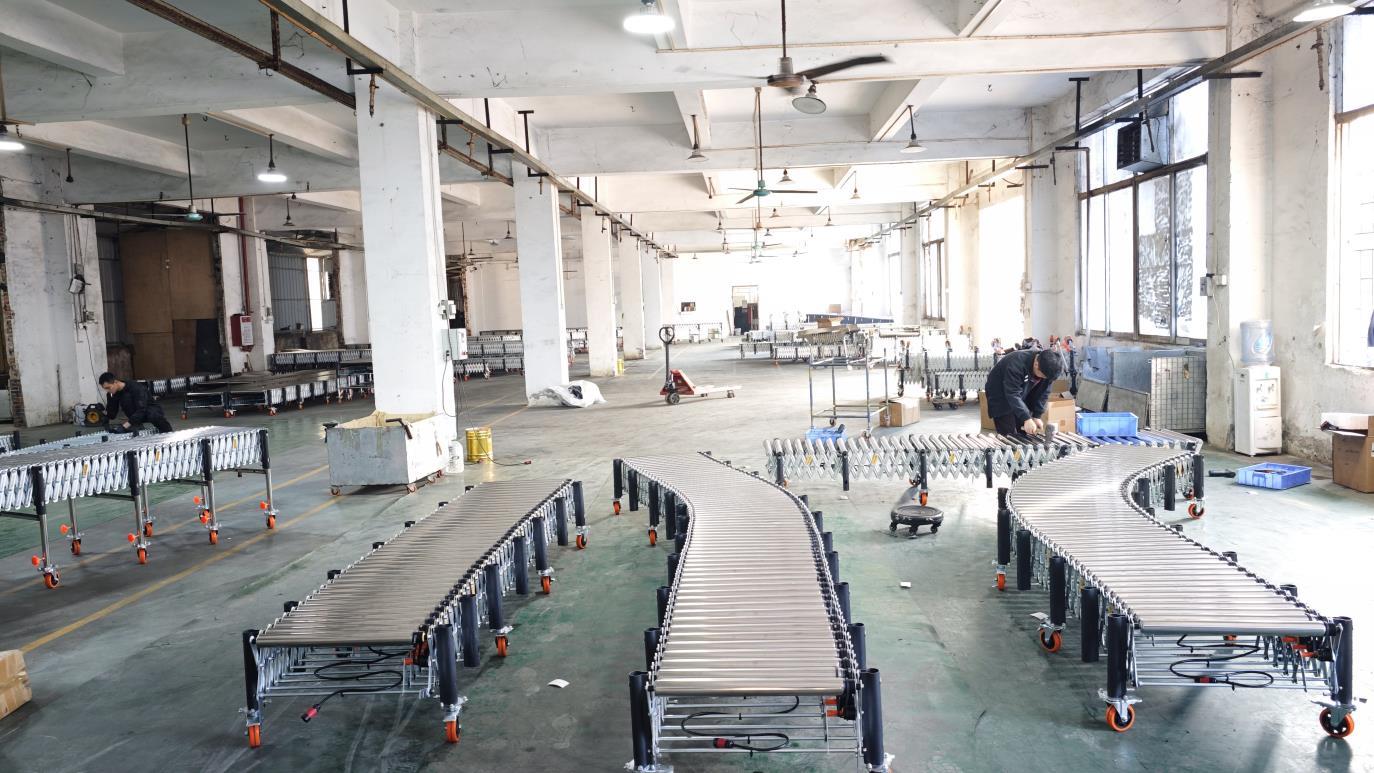
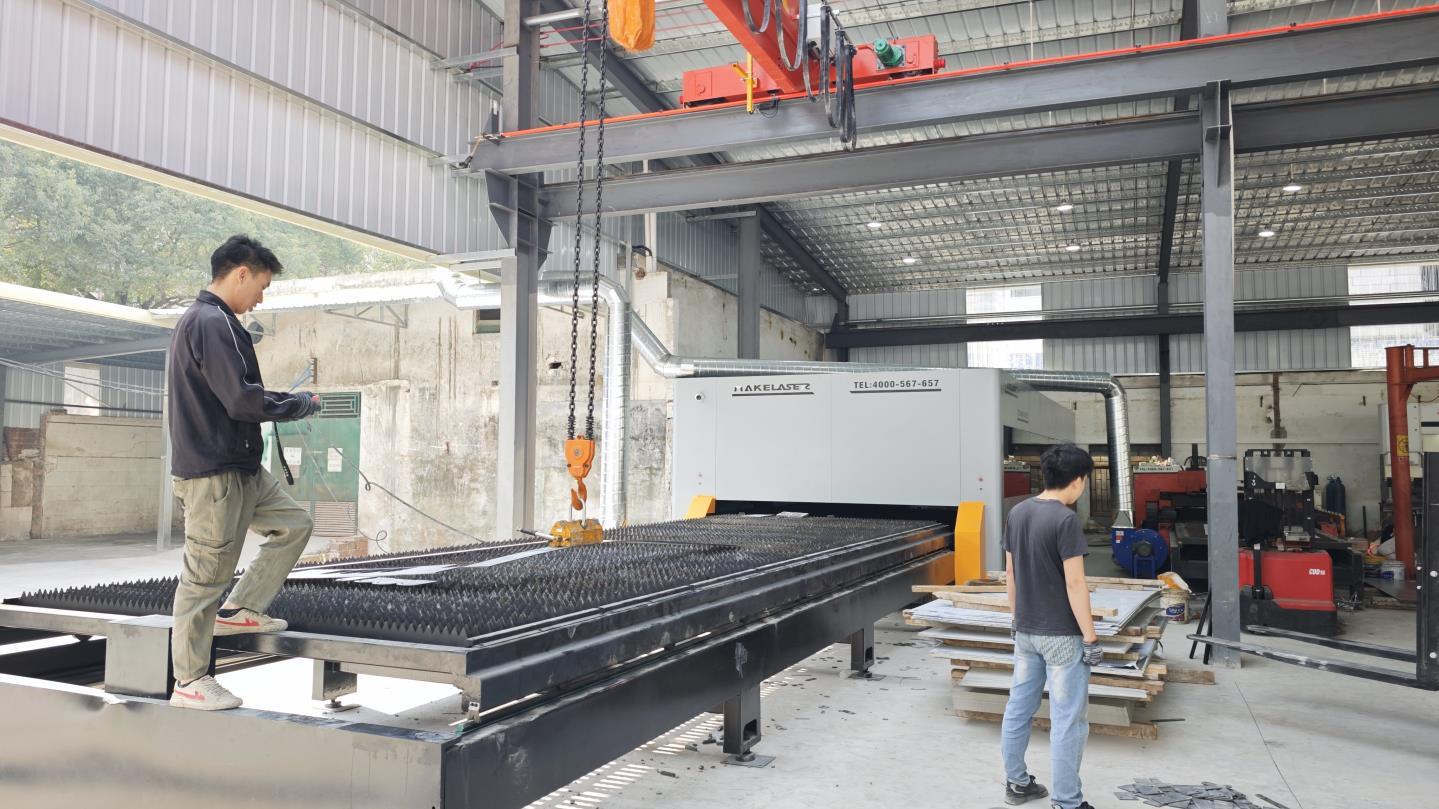
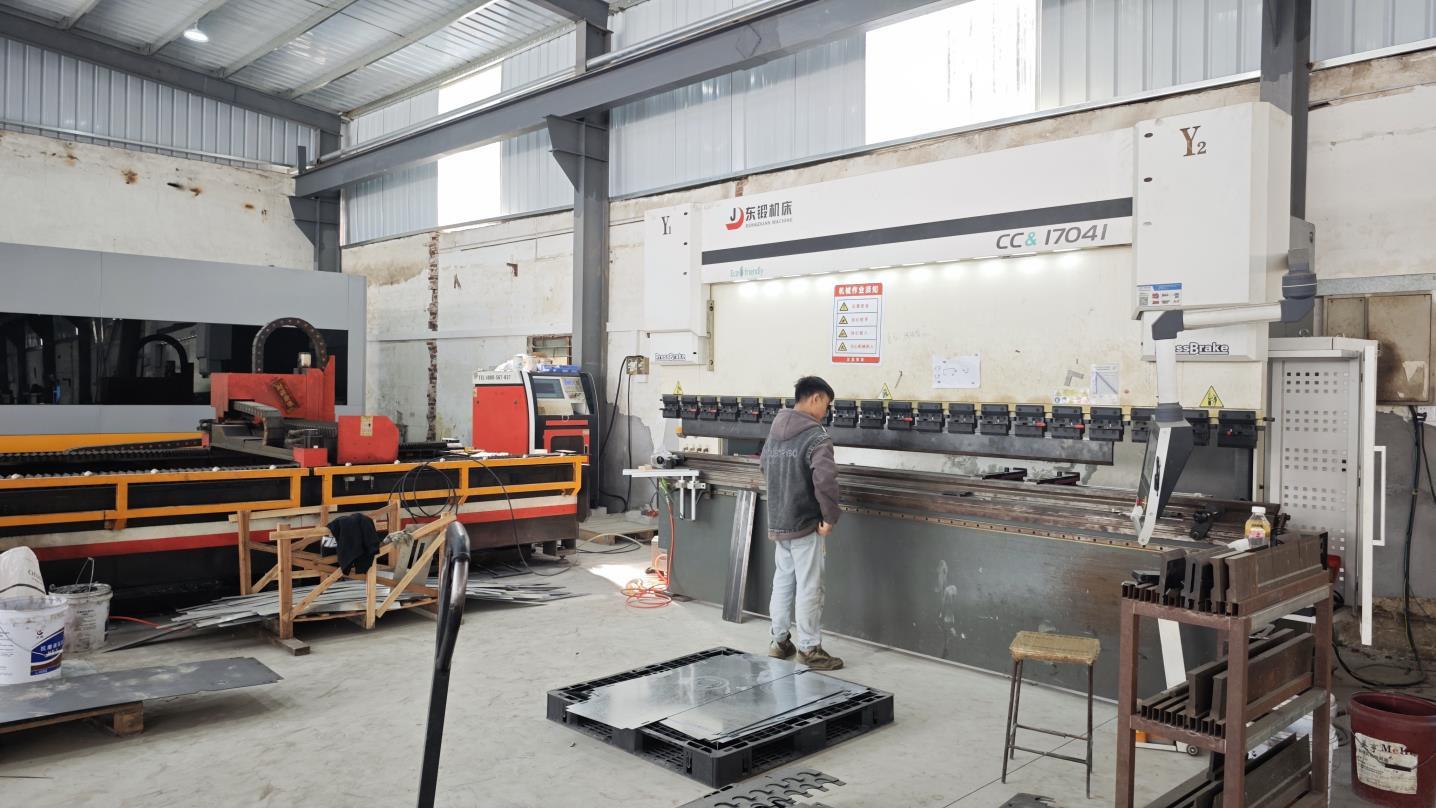
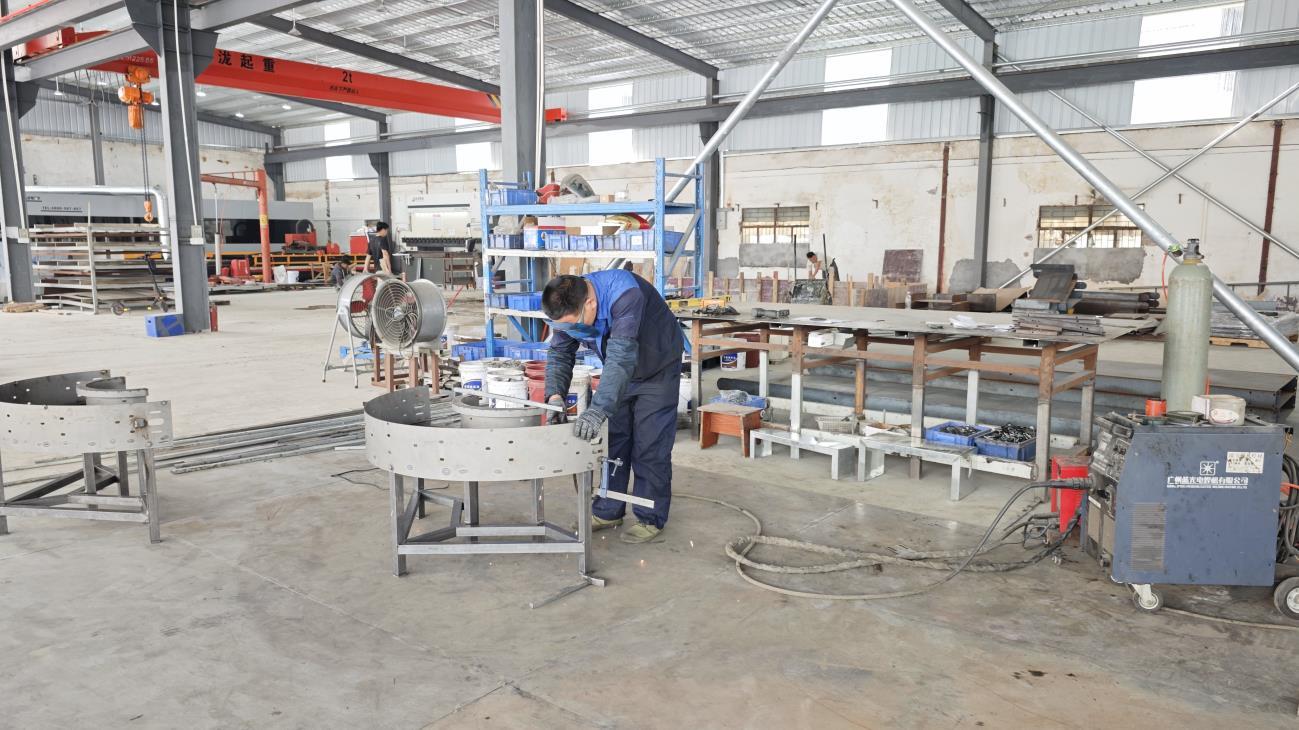
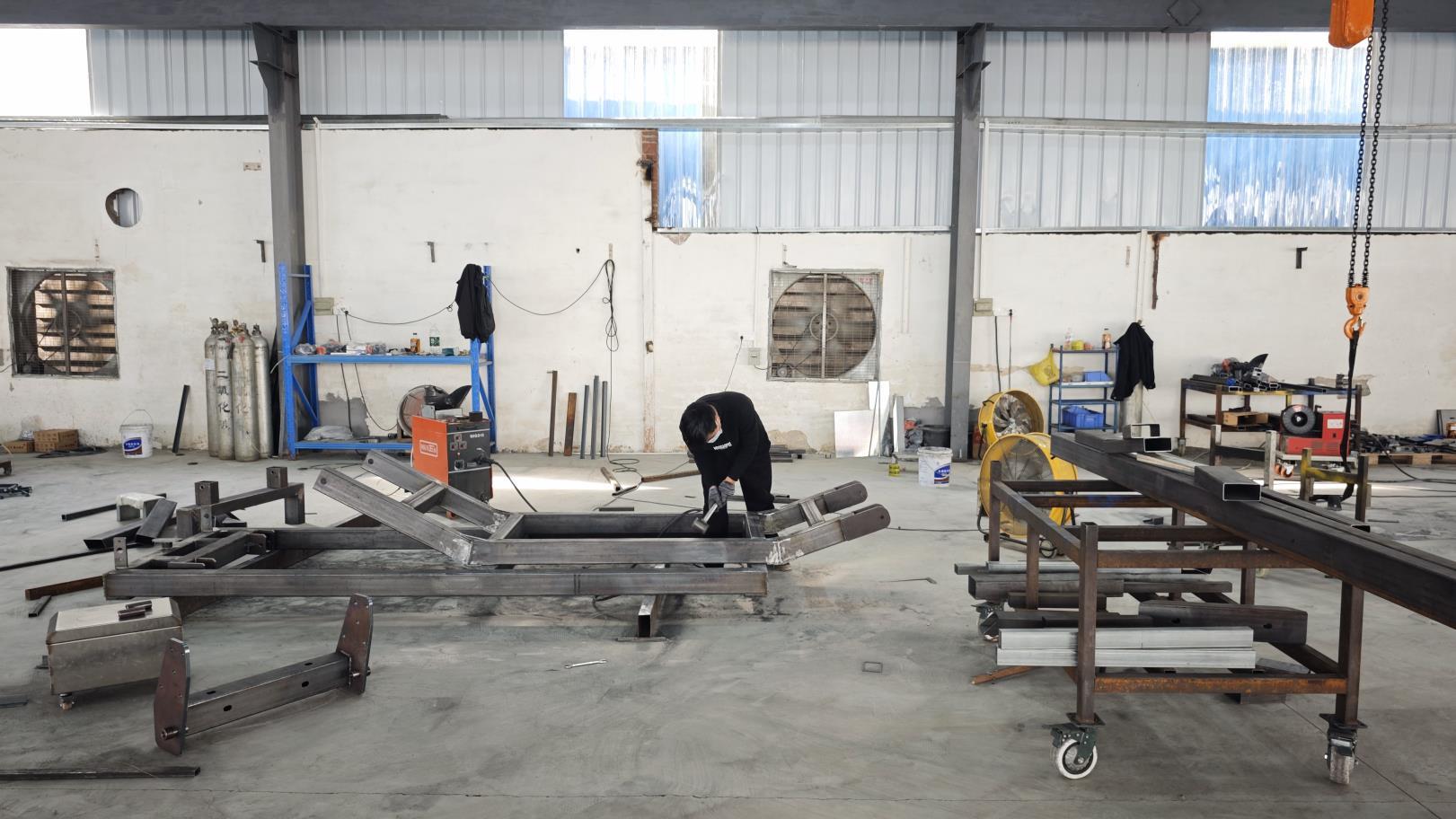
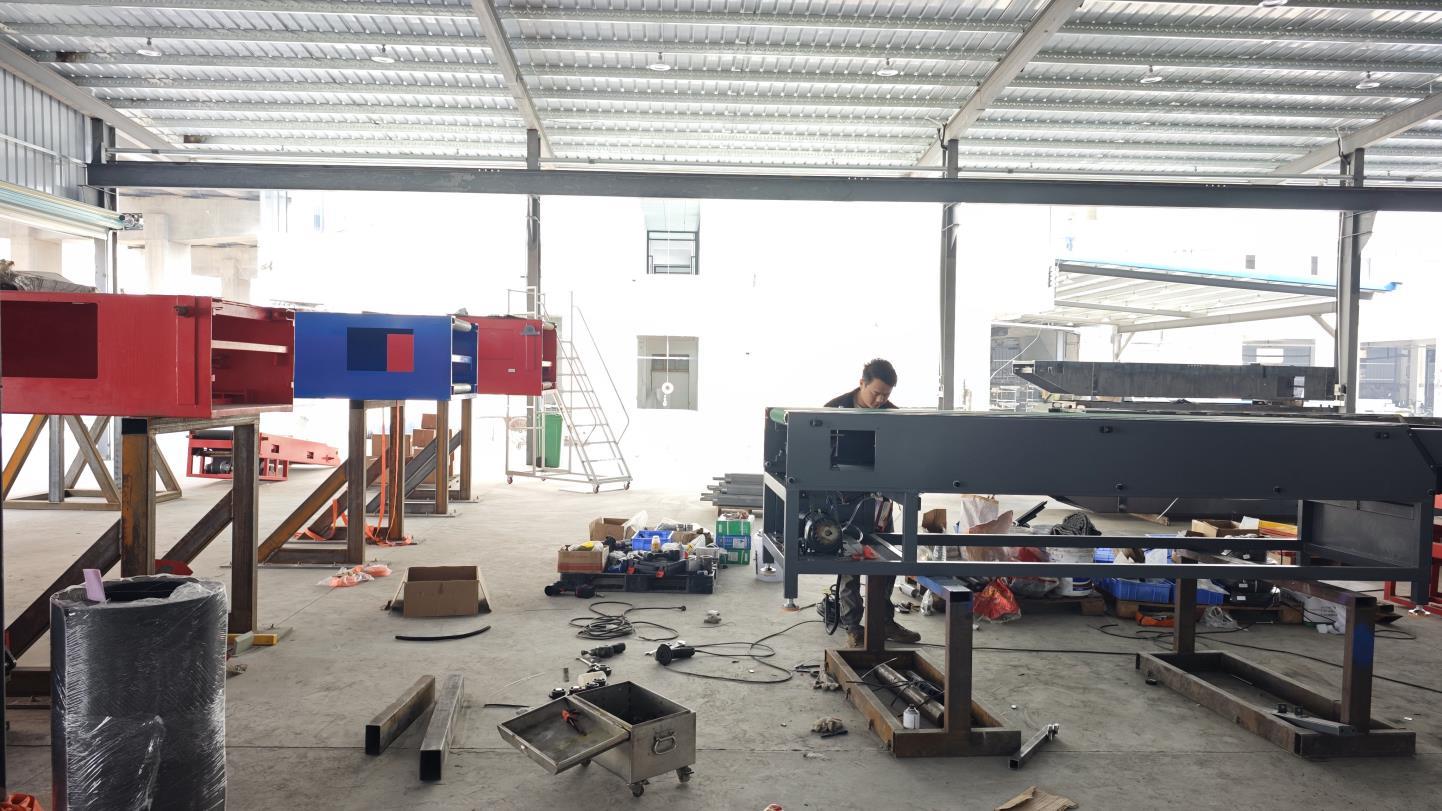
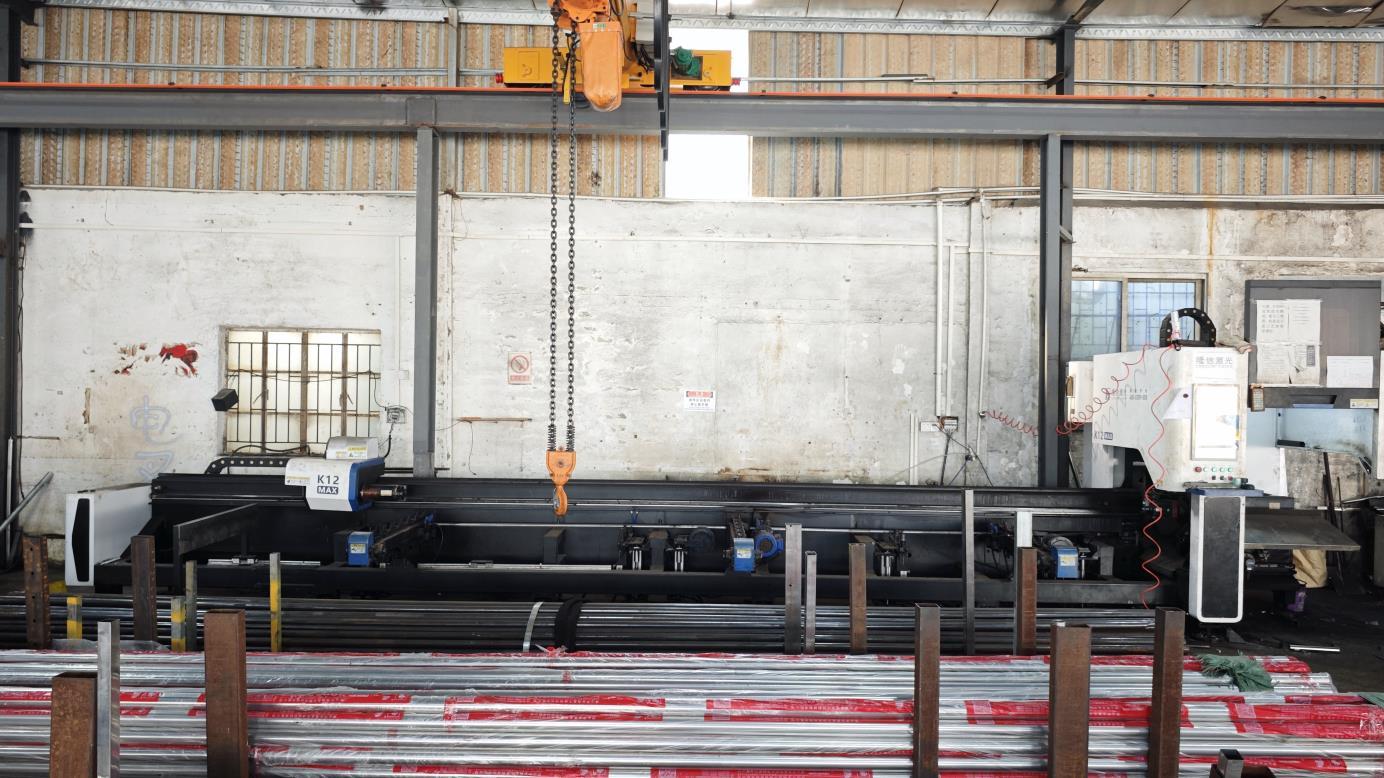
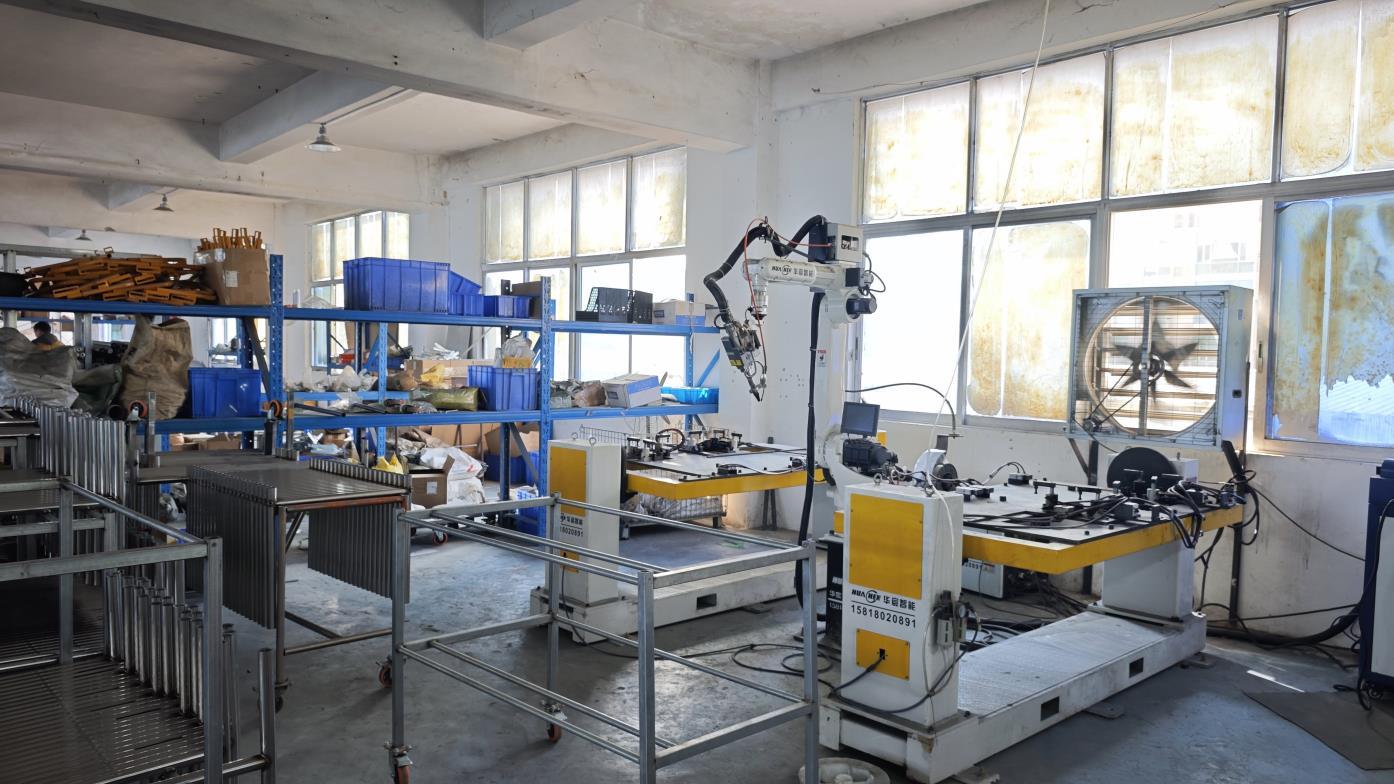
Our fabrication lines feature computerized roll-forming, robotic welding, and automated surface treatment to deliver high-quality steel racks.
Use our engineering matrix to compare structural options for density, selectivity, and operational throughput.
| Racking Architecture Type | Space Efficiency (%) | SKU Selectivity (%) | Load Capacity (per Pallet) | Typical Applications |
|---|---|---|---|---|
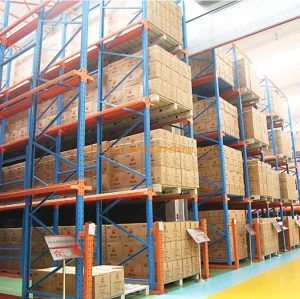
| Selective Pallet Racking | 40% - 50% | 100% | Up to 4,000 kg | High SKU variety warehouses, FMCG, retail distribution, general manufacturing. |
| Double-Deep Racking | 60% - 65% | 50% | Up to 2,500 kg | FMCG, cold storage, bulk storage with consistent product runs. |
| Drive-In / Drive-Through | 70% - 75% | 20% - 30% | Up to 1,500 kg | Cold storage, food processing, industrial chemicals, low SKU variety. |
| Push Back Racking | 70% - 75% | 40% | Up to 1,500 kg | Medium SKU density distribution, bulk storage, LIFO configurations. |
| Radio Shuttle Rack Systems | 80% - 85% | Low-Medium | Up to 2,000 kg | High-velocity cold rooms, beverage industries, automated FMCG. |
| AS/RS Structural Racking | 90%+ | Dynamic (WMS controlled) | Custom engineered | Automated factories, cross-border e-commerce, pharmaceutical hubs. |
How modern design meets eco-friendly and automated operations in logistics structures.
Integrating strain gauges and smart dynamic sensors on structural beams allows real-time load deflection monitoring, warning warehouse managers of overload events before deformation occurs.
We optimize environmental footprints by utilizing high-strength steel formulations that reduce raw material volume without compromising structural load margins, supporting green initiatives.
Linking physical rack configurations with 3D digital twins via WMS platforms helps operations visualize stress distributions, wear patterns, and pathing efficiencies in real time.
Different verticals require specific engineering approaches. Here is how we optimize and configure applications globally.
With cold room costs being high, maximizing space is critical. We design corrosion-resistant, powder-coated structural steel racks capable of operating down to -30°C, incorporating dynamic shuttle systems to eliminate access aisles.
These facilities handle high volumes of distinct SKUs requiring quick access. Our multi-tier selective pallet systems integrate pick-to-light modules and conveyor supports to optimize order fulfillment workflows.
Using First-In, First-Out (FIFO) mechanics, we construct gravity flow and push-back rack networks that ensure consistent product rotation, reducing handling damage and keeping cycles efficient.
We design heavy-duty racking for concentrated, heavy components like engines and stamping dies, incorporating custom safety supports and high-strength beam configurations.
Advanced automatic and specialized industrial warehouse options for high-density storage profiles.
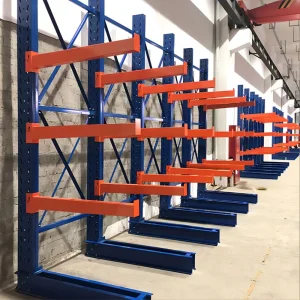
In structural design, a key metric for pallet racking systems is the structural stability under vertical loads and lateral shear stresses. Our engineering department designs systems according to deflection limit standards. For beams supporting load-bearing pallets, the maximum elastic deflection limit is set at L/240 (where L is the clear span length of the beam), in accordance with RMI regulations.
Additionally, we utilize high-tensile steel grades such as Q235B and Q355B. By applying cold-rolling to increase yield strength, our upright columns maintain structural integrity even under high stress. The design calculations also account for dynamic impact loads from forklifts, using protective accessories like heavy-duty steel base plates, column guards, and guide rails.
In seismic design zones, the design must calculate structural factors such as the Seismic Design Category (SDC), seismic weight, and horizontal shear forces. RAB Logistics provides calculated, PE-stamped (Professional Engineer) structural documentation to satisfy municipal building permits and international safety standards.
Common technical questions regarding layout configuration, structural capacity, and regulatory compliance.
 RAB Logistics