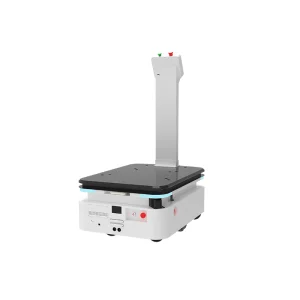
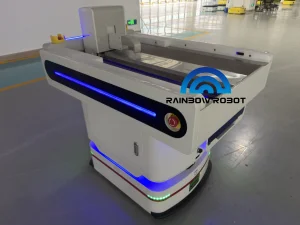
Deploy high-performance AGVs customized to withstand the stringent production, cleanroom, and high-throughput warehouse standards in South Korea's major industrial hubs.
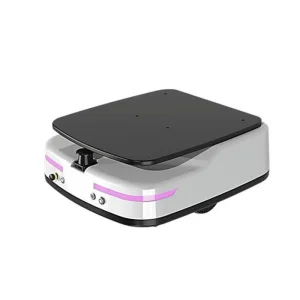
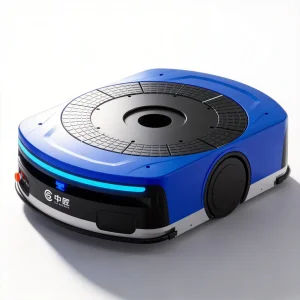
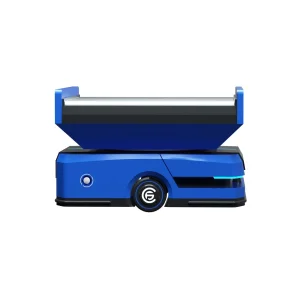
Laser Guidance Docking Precision
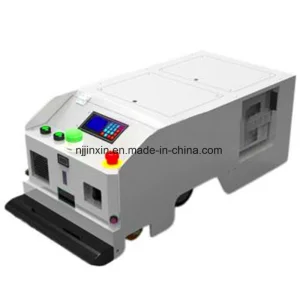
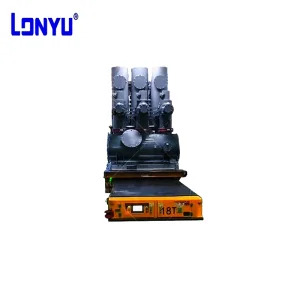
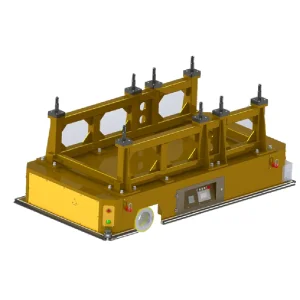
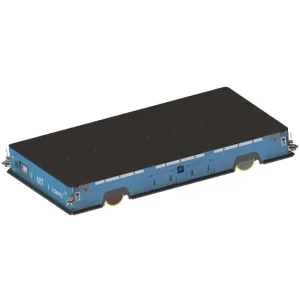
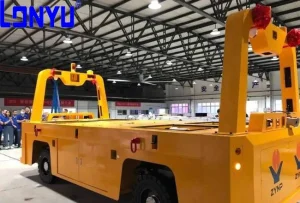
Heavy Duty Load Capacity Models
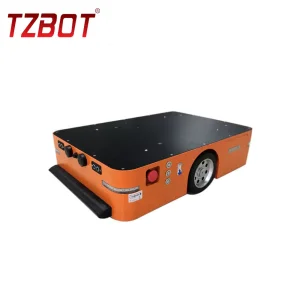
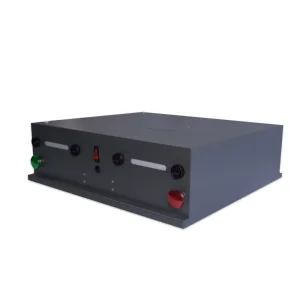
Automated Battery Charging Loop
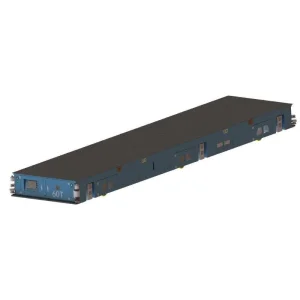
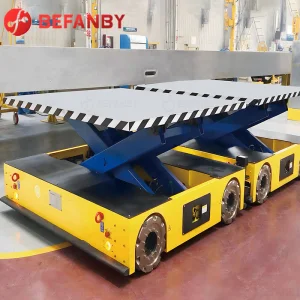
Integration with Modern WMS/MES
How autonomous mobile robots and smart navigation align with the industrial layout of Seoul Metropolitan and neighboring Gyeonggi-do regions.
The Seoul Metropolitan Area, including key technology clusters like Guro Digital Complex, Gasan Digital Complex, and neighboring technological zones in Suwon, Incheon, and Hwaseong, represents the peak of high-tech manufacturing and complex logistics networks in East Asia. Property costs in Seoul are among the highest globally, making maximizing space usage a vital necessity rather than just an option. Traditional forklifts and manual warehousing fall short in high-density, multi-tier spaces where vertical logistics and compact footprints are necessary.
Under the national Smart Factory Initiative, Korean businesses are aggressively adopting automation to counter labor challenges, rising wage floors, and demands for absolute workplace safety (reinforced by strict local industrial accident prevention regulations). AGVs provide the ultimate bridge, enabling high-performance materials transportation without the risk of human error or space inefficiencies.
Automated Guided Vehicles (AGVs) address these issues directly. By eliminating wide turning lanes required by conventional forklifts, standardizing narrow aisles, and handling dynamic lifting heights, AGVs allow Seoul logistics operators to reclaim up to 35% of their storage floor space. Furthermore, their seamless connection with multi-story factory elevators enables autonomous vertical transportation, which is critical for urban factories in South Korea.
Selecting the appropriate guidance system is critical for securing a strong return on investment (ROI). Depending on your floor layout, structural modifications allowance, and process dynamics, we deploy three main types of navigation systems:
By combining these navigation options with advanced sensor fusion (such as 3D Time-of-Flight cameras, ultrasonic sensors, and safety PLC scanners), we ensure that AGVs operate reliably alongside human workers, stopping smoothly before obstacles and recalculating alternative paths when necessary.
Designed for tight spaces and high-capacity manufacturing cycles typical of modern urban industrial hubs.
Different industries present unique operational demands. General solutions often fall short in complex environments. Our engineering and integration services focus on delivering optimized setups customized for major industrial segments in South Korea:
In high-tech cleanroom settings like those in Suwon and Giheung, particle minimization and ESD control are critical. Our specialized AGVs feature stainless-steel body elements, non-marking ESD wheels, enclosed chassis designs, and cleanroom certification (up to Class 10/ISO 4) to safely transport delicate wafers and printed circuit boards without risking contamination.
With South Korea leading the global transition to electric vehicles, battery plants require AGVs capable of moving high-voltage battery packs, chassis parts, and engine assemblies. Our heavy-payload systems (10 to 60 tons) support synchronous assembly-line movement, interfacing directly with automated robotic lifting systems and overhead conveyors.
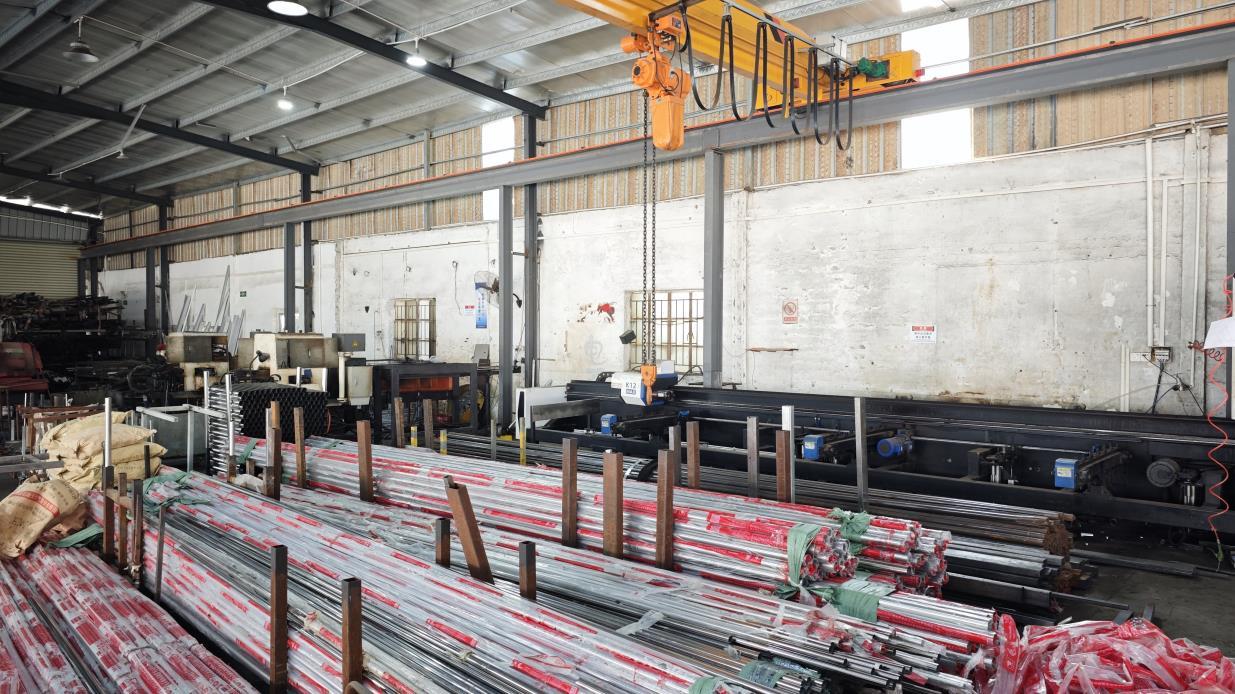
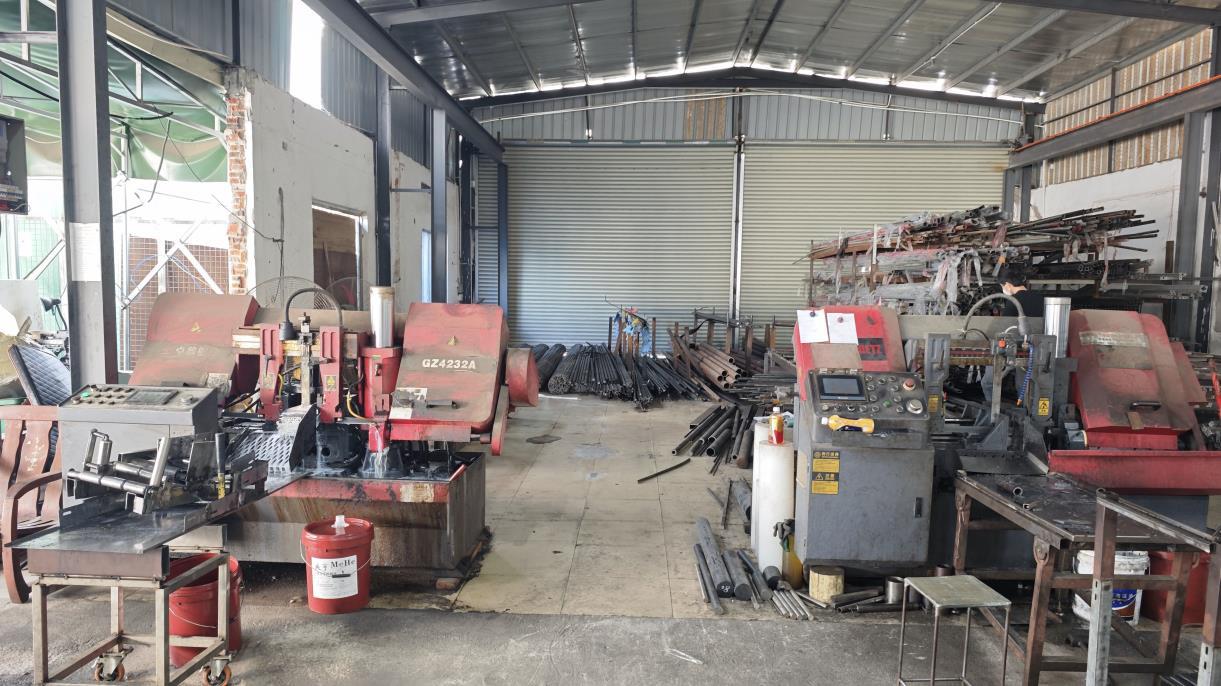
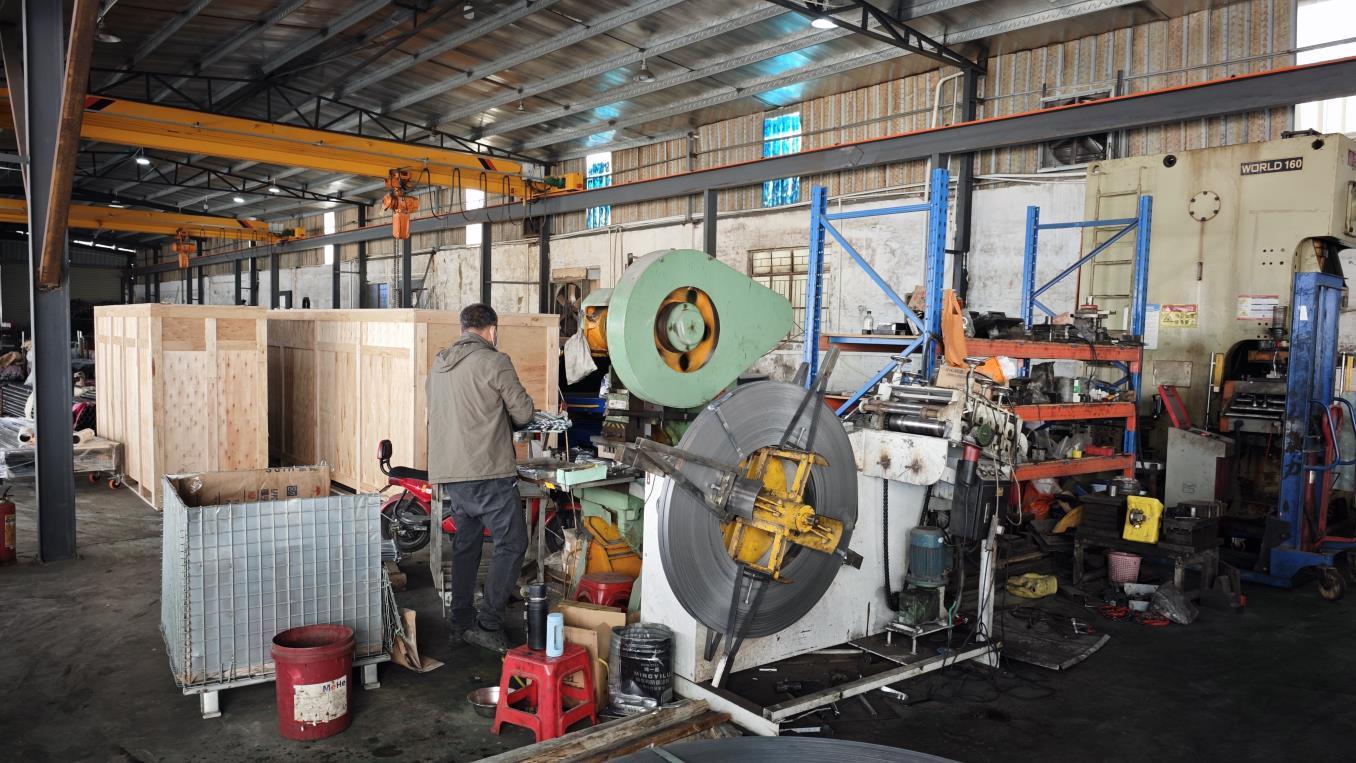
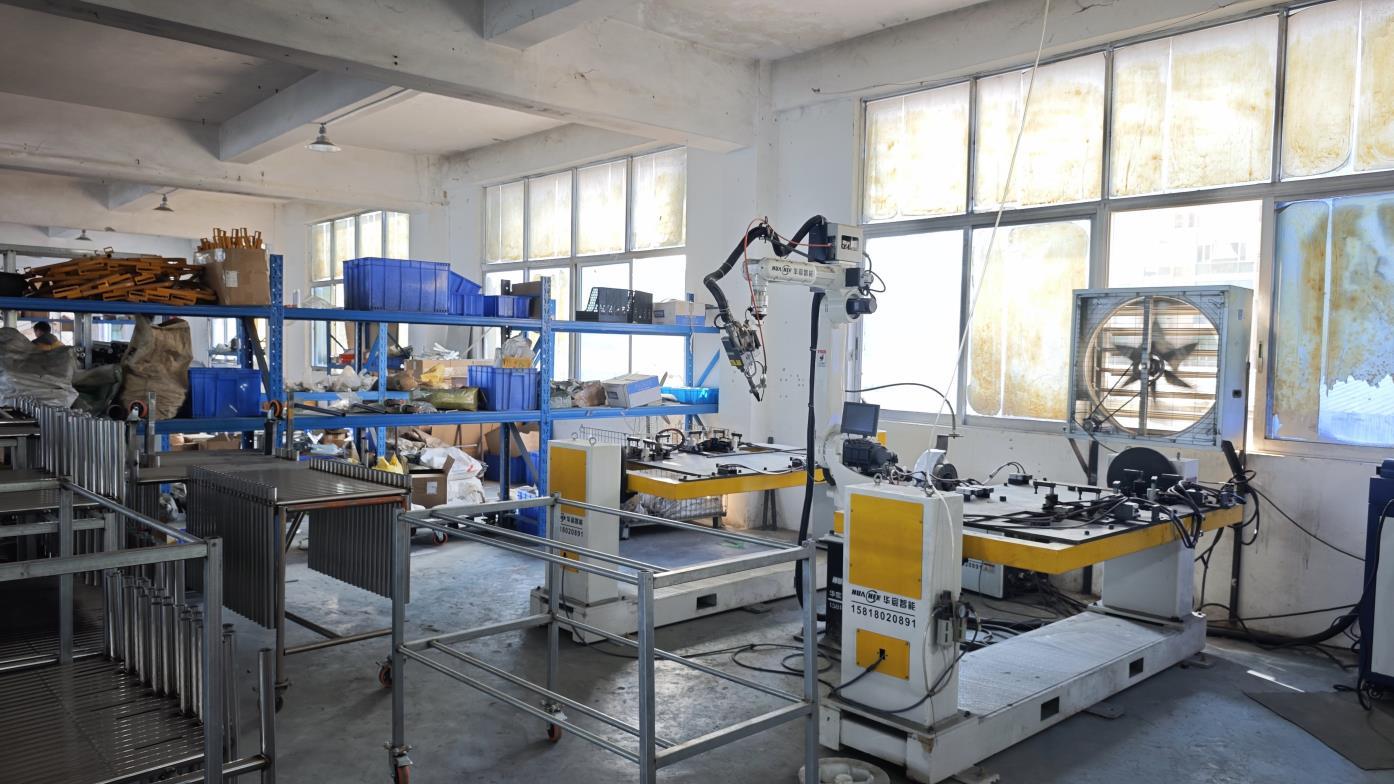
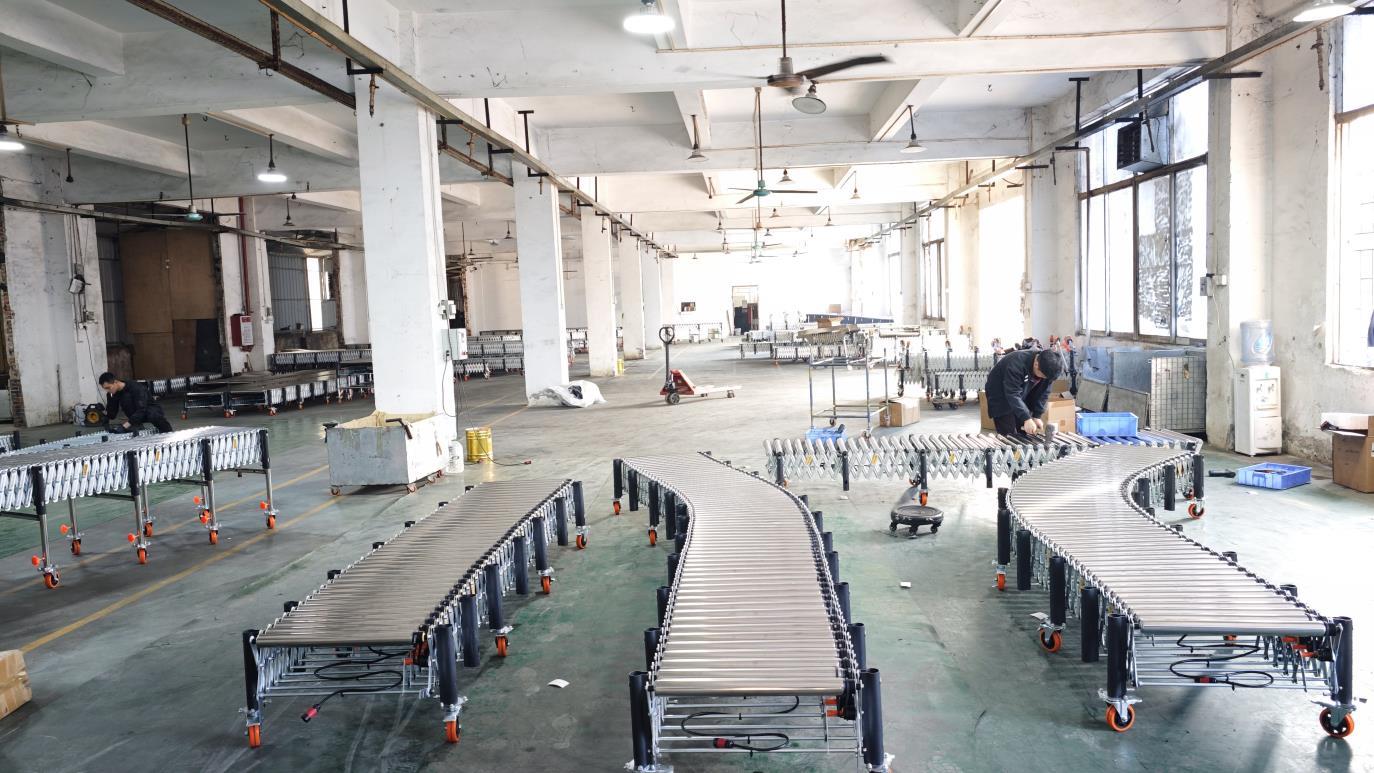
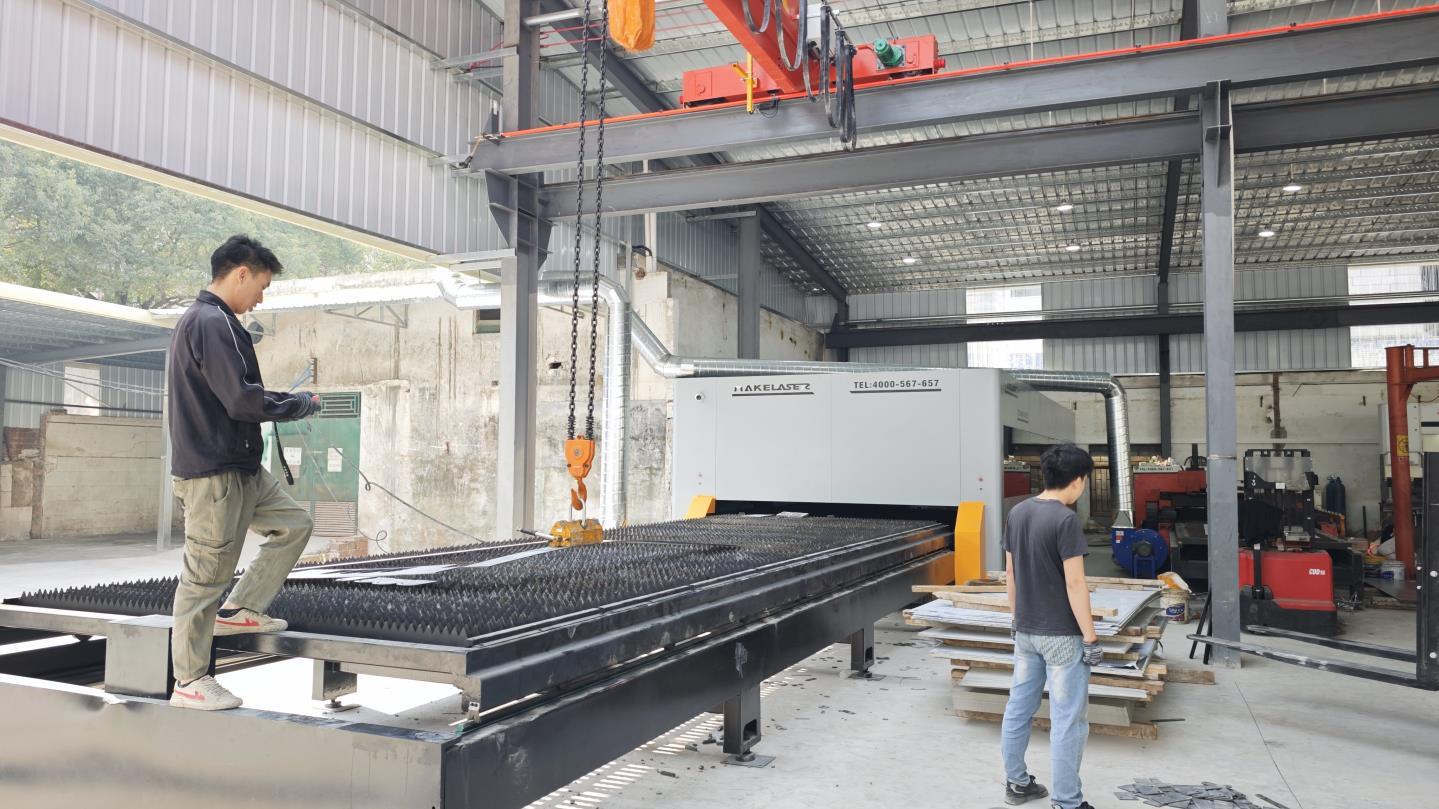
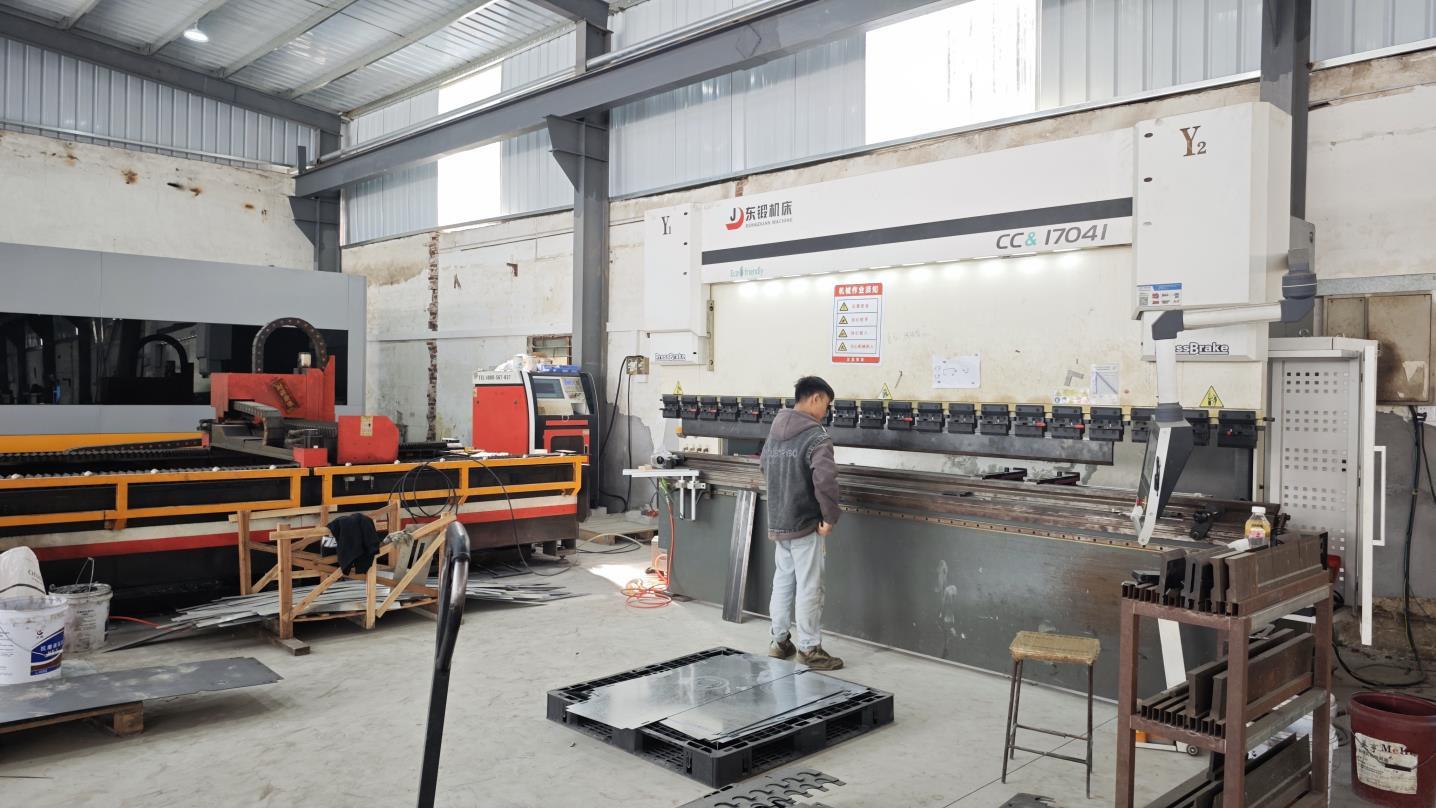
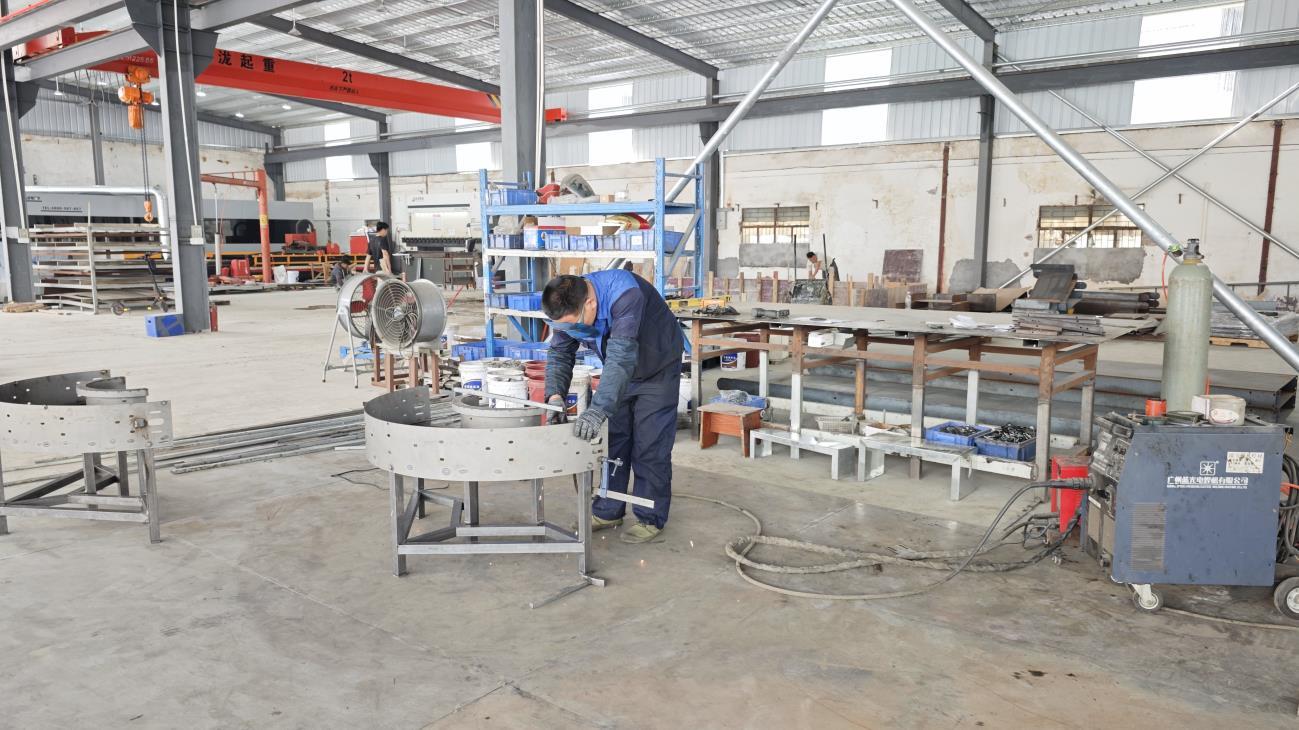
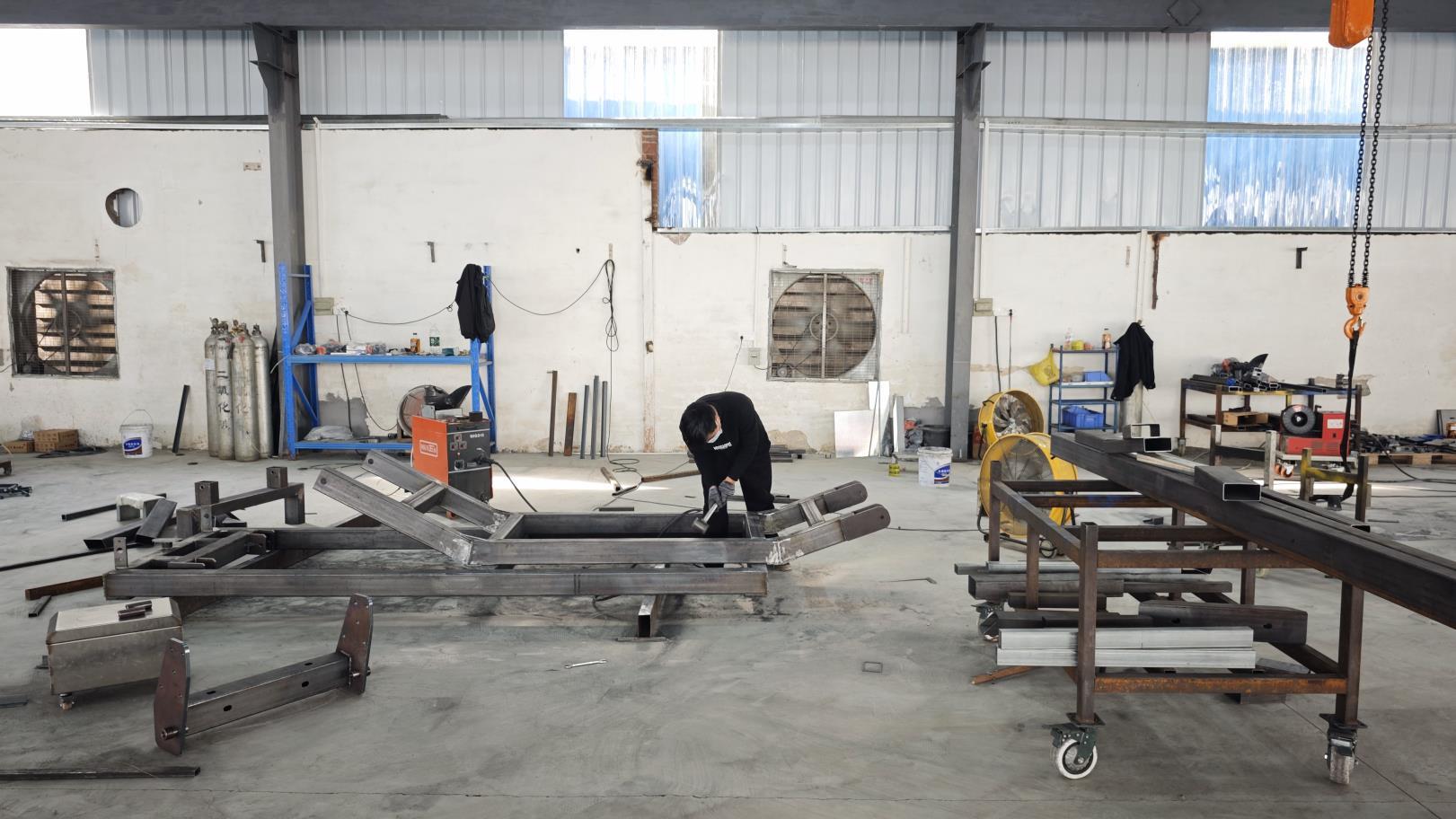
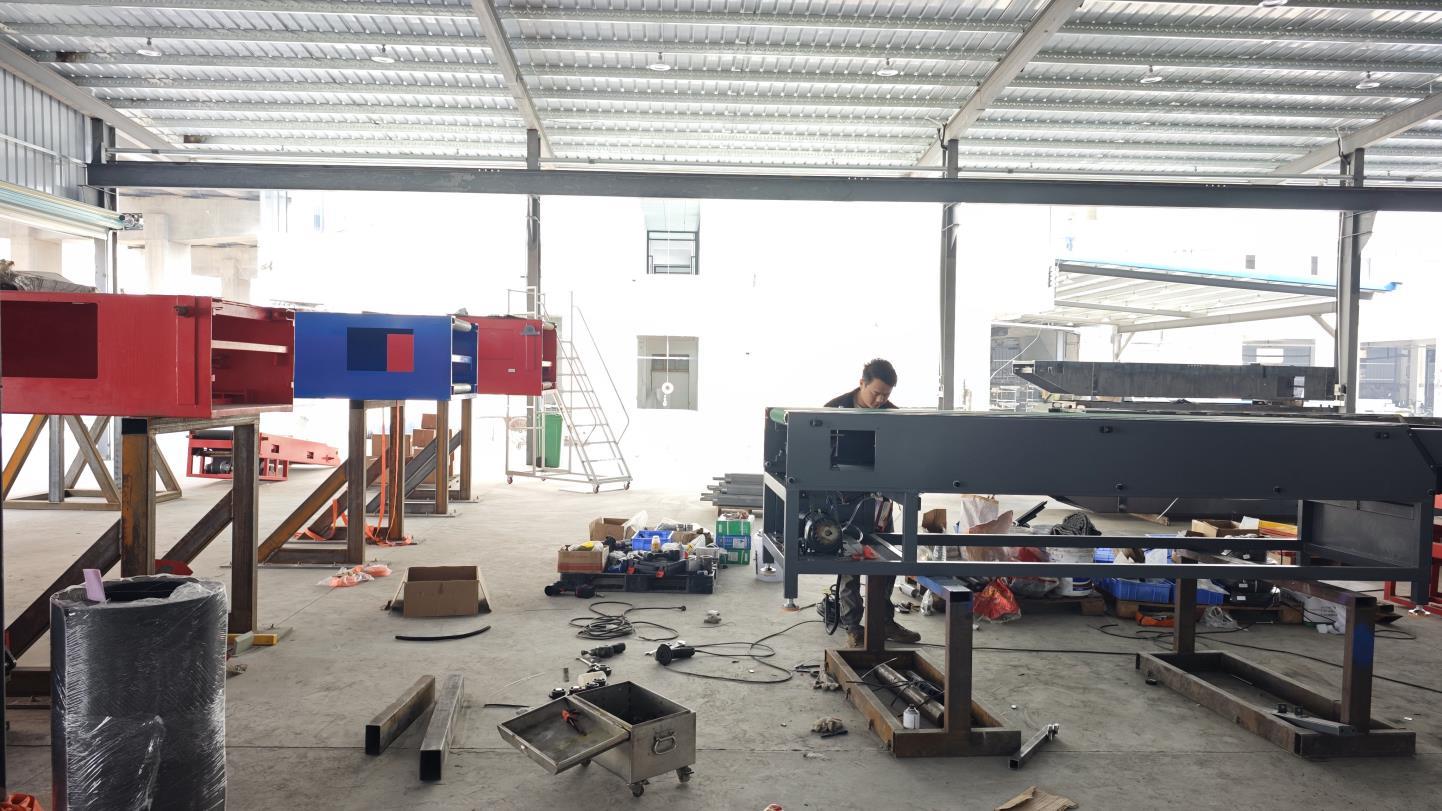
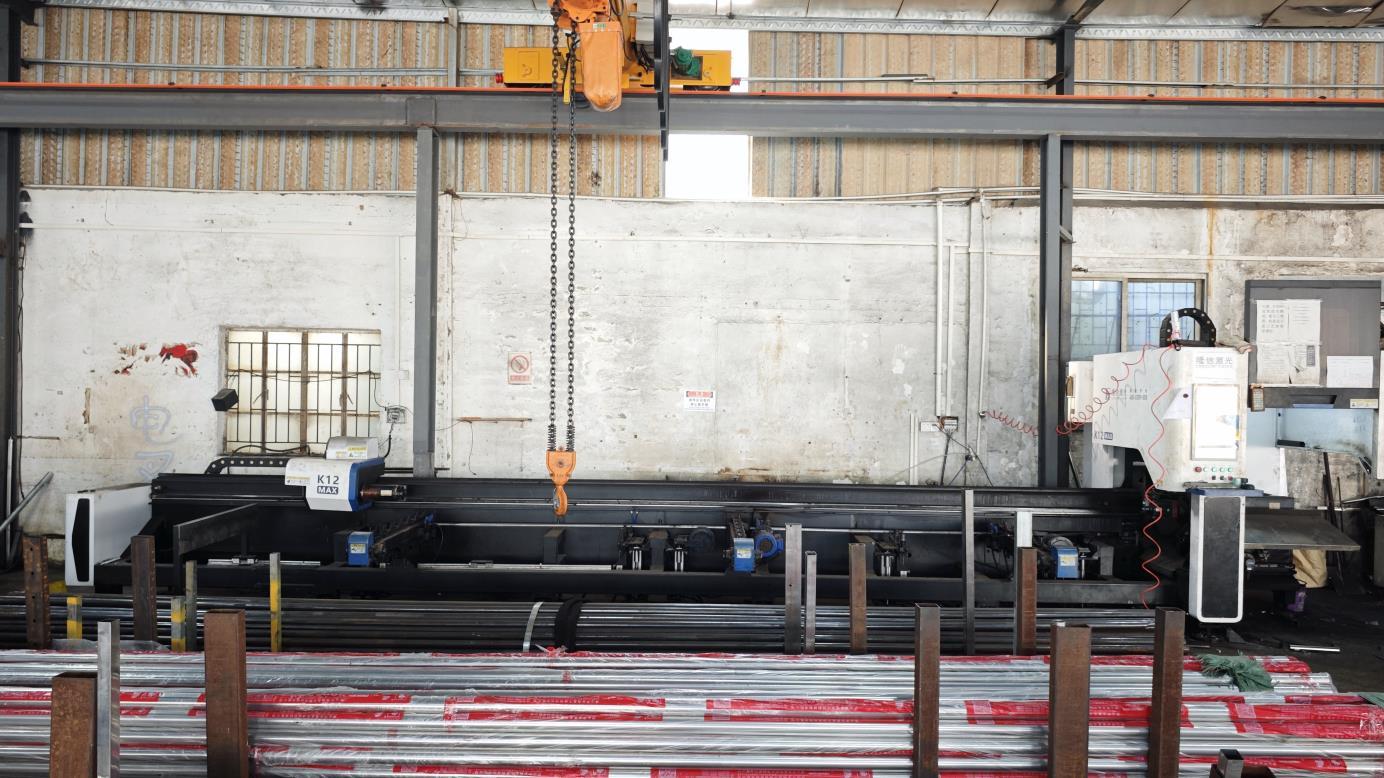
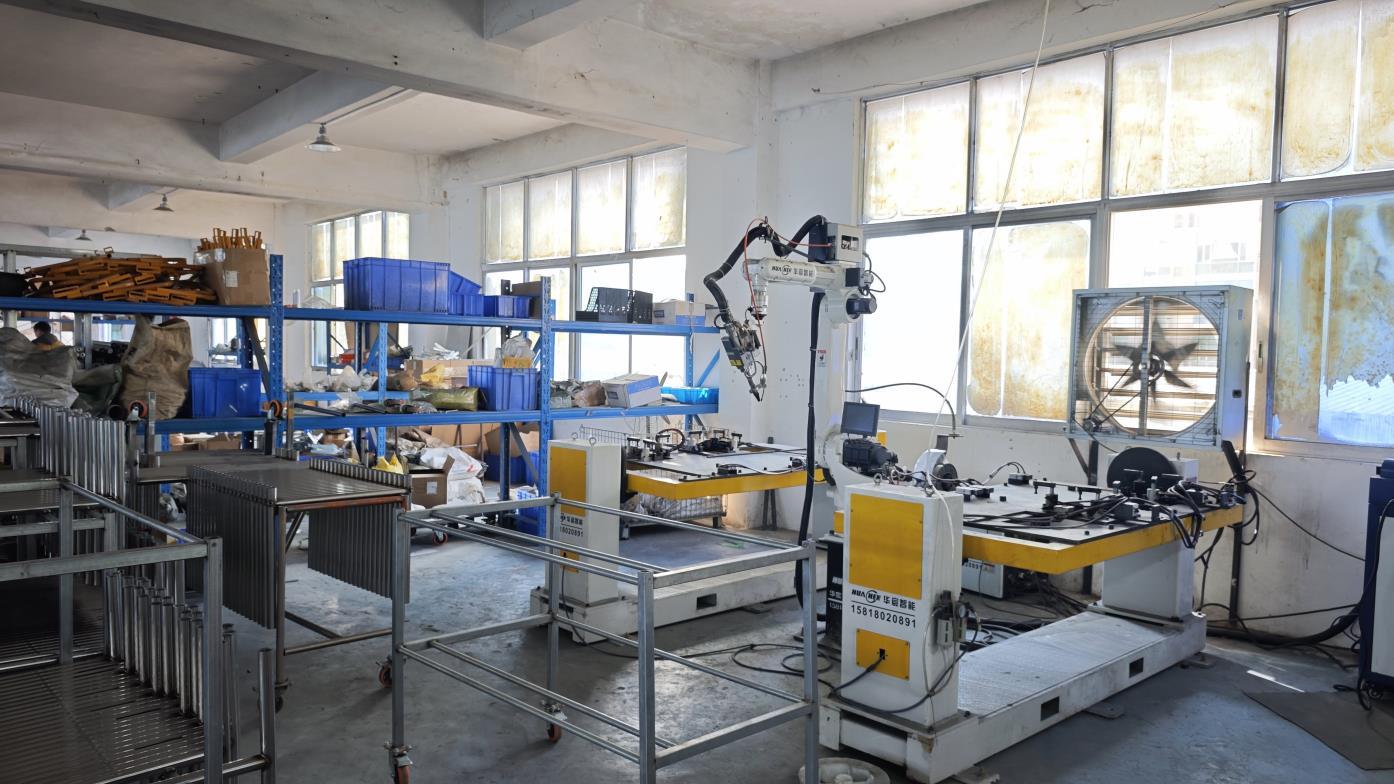
Choosing Hangzhou RAB Logistics as your strategic AGV partner lets you leverage the manufacturing power of the Yangtze River Delta industrial cluster. Working from our modern factory hub, we combine cost-efficient sourcing of structural components with rigorous engineering practices.
This localized supply chain integration allows us to deliver automated guided vehicles that are 30% to 45% more cost-effective than traditional domestic Korean or Japanese suppliers. We pass these cost benefits to our customers while using top-tier international standard components, including SICK safety scanners, SEW-EURODRIVE motors, and Phoenix Contact controllers. The result is high reliability and readily available spare parts.
Deploying automated equipment in South Korea requires strict adherence to local regulations. Our automated systems conform to international safety protocols and are designed to secure necessary certifications for hassle-free integration:
Reliable technology, expert system design, and vertically integrated manufacturing processes.
Hangzhou RAB Logistics Co., Ltd. is a professional provider of intelligent warehousing and modern logistics solutions. Built on years of industry experience and continuous technological innovation, RAB Logistics is committed to helping enterprises transform traditional warehouse operations into highly automated, data-driven, and efficient supply chain systems.
Since its establishment, the company has focused on integrating advanced logistics technologies such as Warehouse Management Systems (WMS), Automated Storage and Retrieval Systems (AS/RS), AGV/AMR robotics, intelligent sorting systems, and real-time data visualization platforms. These solutions enable clients to achieve higher operational accuracy, faster fulfillment speed, and significantly reduced logistics costs.
With strong capabilities in system consulting, solution design, equipment integration, software development, and project implementation, Hangzhou RAB Logistics Co., Ltd. delivers end-to-end intelligent logistics solutions tailored to diverse industry needs. Our expertise ensures seamless coordination between hardware and software, creating scalable and future-ready warehouse infrastructures.
RAB Logistics serves a wide range of industries including manufacturing, cross-border e-commerce, fast-moving consumer goods (FMCG), pharmaceuticals, and automotive parts. Our solutions are trusted for their stability, innovation, and proven performance in complex, high-demand environments.
By choosing Hangzhou RAB Logistics Co., Ltd., you are selecting a long-term strategic partner dedicated to building smarter warehouses, optimizing supply chains, and empowering businesses with sustainable competitive advantages in the era of intelligent logistics.
Technical explanations on safety compliance, system integration, battery charging cycles, and cost calculations.
Discover our full line of logistics platforms, light transport systems, and specialized industrial vehicle systems.
 RAB Logistics