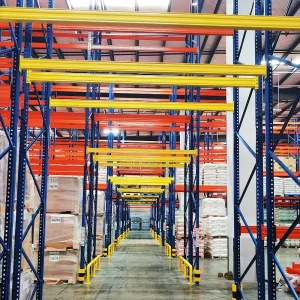
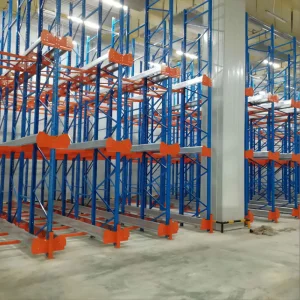
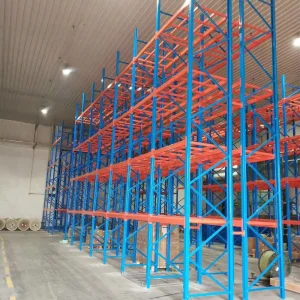
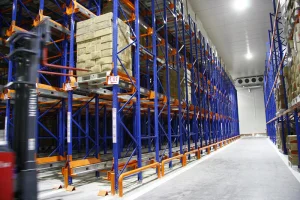
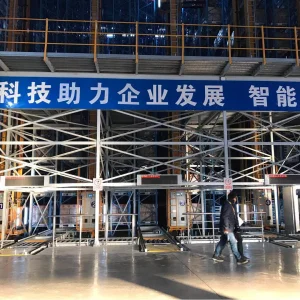
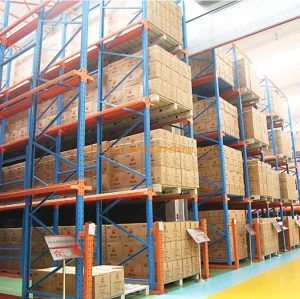
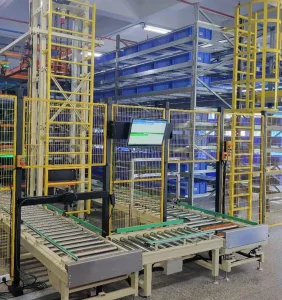
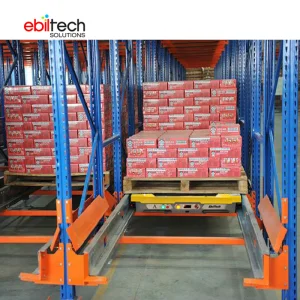
Premium architectural configurations optimized for Calgary warehousing and automated fulfillment centers.
Strategic geographic alignment driving high-density storage and WMS software integration.
Calgary has rapidly transformed into Western Canada's premier inland logistics hub. Strategically positioned along the CANAMEX trade corridor, with direct connections to major rail networks (CPKC and CN) and interprovincial highways (Trans-Canada Highway and QEII), Calgary and surrounding areas like Rocky View County (Balzac), East Shepard, and Foothills Industrial Park host millions of square feet of warehouse space. The region serves as the principal fulfillment zone for Alberta, British Columbia, Saskatchewan, and Manitoba.
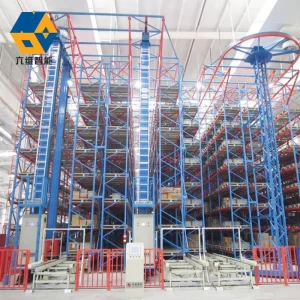
As land prices rise and labor markets tighten across North America, Calgary operators are shifting from traditional low-density layouts to sophisticated structural configurations. Integrating state-of-the-art Warehouse Management Systems (WMS) with advanced physical infrastructure—such as automated shuttle racks and high-bay AS/RS systems—is no longer an option but a requirement. By optimizing height clearances and vertical density, companies can multiply their storage footprints without expanding their concrete slabs.
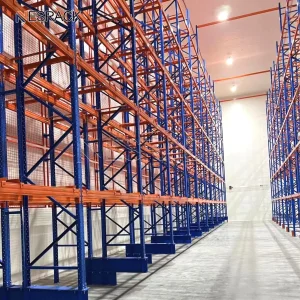
The dry, continental climate of Calgary presents unique challenges for thermal control, particularly in food and beverage distribution and pharmaceutical storage. Building cold storage facilities is capital-intensive. Maximizing the cubic capacity of temperature-controlled zones via mobile electric racking or multi-deep radio shuttle systems allows operators to lower energy costs per pallet position. Additionally, high-density systems mitigate the risks associated with structural thermal expansion, ensuring that long-term racking alignment meets the strict requirements of automated system cranes and picking machinery.
How modern software APIs, WCS, and high-density racking combine to eliminate bottlenecks.
A physical warehouse racking layout is only as efficient as the software running it. Modern Warehouse Management Systems (WMS) act as the central brain of fulfillment operations, coordinating order routing, inventory tracking, and slotting optimization. However, to leverage WMS capabilities, the physical racking must be structured in alignment with digital data models.
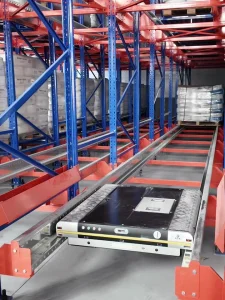
For example, in a Radio Shuttle Racking or AS/RS setup, the WMS communicates directly with a Warehouse Control System (WCS). When a pallet is checked in via RFID or barcoding, the WMS determines the optimal location based on SKU velocity, weight distribution, and expiration dates (FIFO/LIFO). The WCS then instructs the shuttle or stacker crane to deposit the pallet. If the racking structural tolerances do not match the WMS digital twin, physical errors occur. Precision manufacturing of upright frames, beams, and rail systems is critical for trouble-free operation.
| System Type | Storage Density | Selectivity (SKU Access) | WMS Software Integration Level | Primary Industrial Use Case |
|---|---|---|---|---|
| AS/RS (Automated Storage/Retrieval) | Maximum (Up to 90% space utilization) | 100% Individual Access via Crane | Ultra-High (Fully Automated API/WCS) | Large-scale 3PL, Cold Storage, E-commerce hubs |
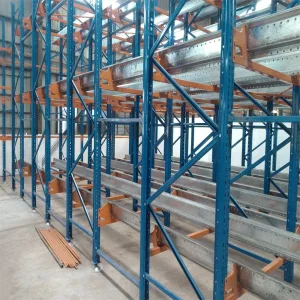
| Radio Shuttle Racking | High (Deep lane storage) | First-In, Last-Out (FILO) / FIFO by lane | High (WCS coordinates shuttles) | Food & Beverage, Bulk goods, Manufacturing raw materials |
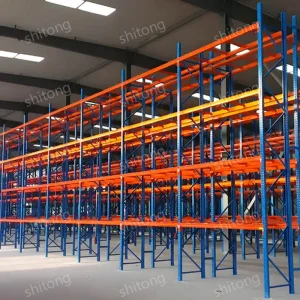
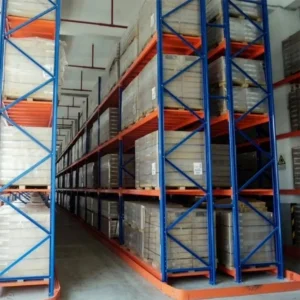
| Selective Pallet Racking | Standard (Lower space utilization) | 100% Direct SKU Access | Standard (Manual scanning/Barcode mapping) | General retail warehousing, spare parts, high-SKU operations |
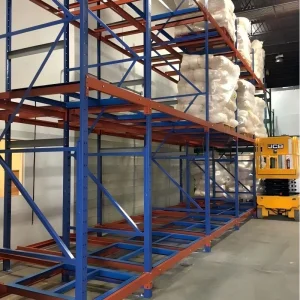
| Push Back Storage System | Medium-High (2-6 pallets deep) | First-In, Last-Out (FILO) | Medium (Static slotting parameters) | High-density dry goods, intermediate volume distribution |
Decades of manufacturing expertise, engineering excellence, and end-to-end global project management.
Hangzhou RAB Logistics Co., Ltd. is a professional provider of intelligent warehousing and modern logistics solutions. Built on years of industry experience and continuous technological innovation, RAB Logistics is committed to helping enterprises transform traditional warehouse operations into highly automated, data-driven, and efficient supply chain systems.
Since its establishment, the company has focused on integrating advanced logistics technologies such as Warehouse Management Systems (WMS), Automated Storage and Retrieval Systems (AS/RS), AGV/AMR robotics, intelligent sorting systems, and real-time data visualization platforms. These solutions enable clients to achieve higher operational accuracy, faster fulfillment speed, and significantly reduced logistics costs.
With strong capabilities in system consulting, solution design, equipment integration, software development, and project implementation, Hangzhou RAB Logistics Co., Ltd. delivers end-to-end intelligent logistics solutions tailored to diverse industry needs. Our expertise ensures seamless coordination between hardware and software, creating scalable and future-ready warehouse infrastructures.
RAB Logistics serves a wide range of industries including manufacturing, cross-border e-commerce, fast-moving consumer goods (FMCG), pharmaceuticals, and automotive parts. Our solutions are trusted for their stability, innovation, and proven performance in complex, high-demand environments.
By choosing Hangzhou RAB Logistics Co., Ltd., you are selecting a long-term strategic partner dedicated to building smarter warehouses, optimizing supply chains, and empowering businesses with sustainable competitive advantages in the era of intelligent logistics.
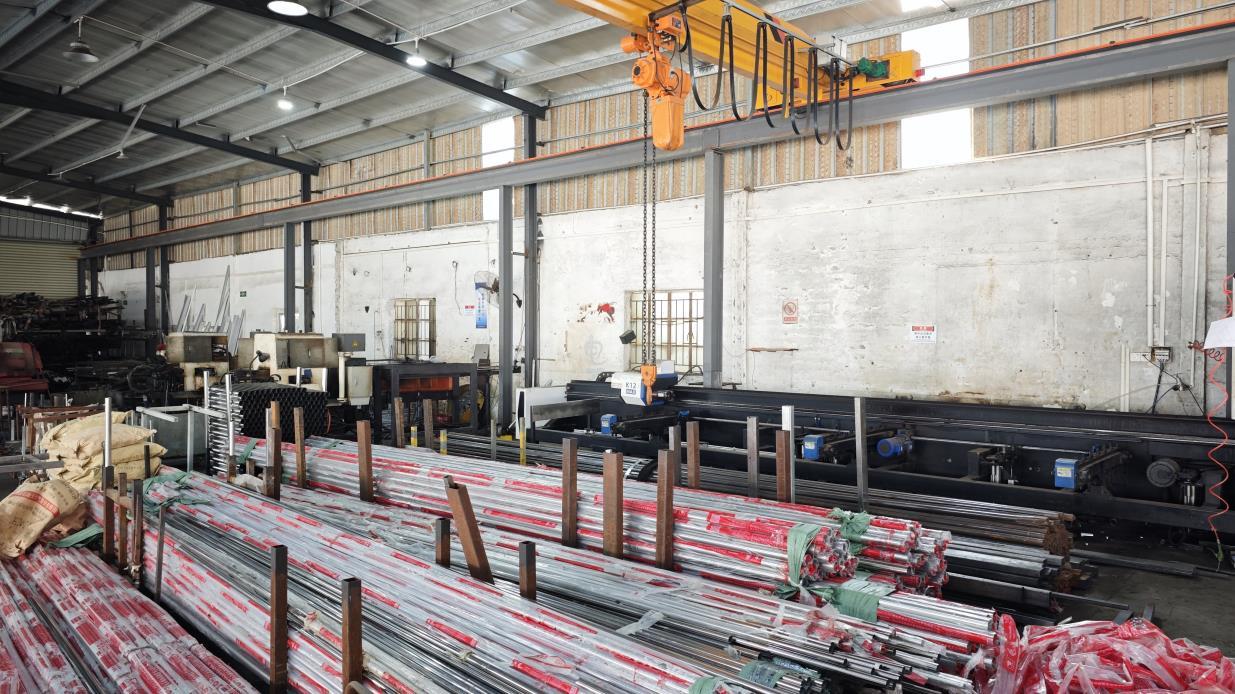
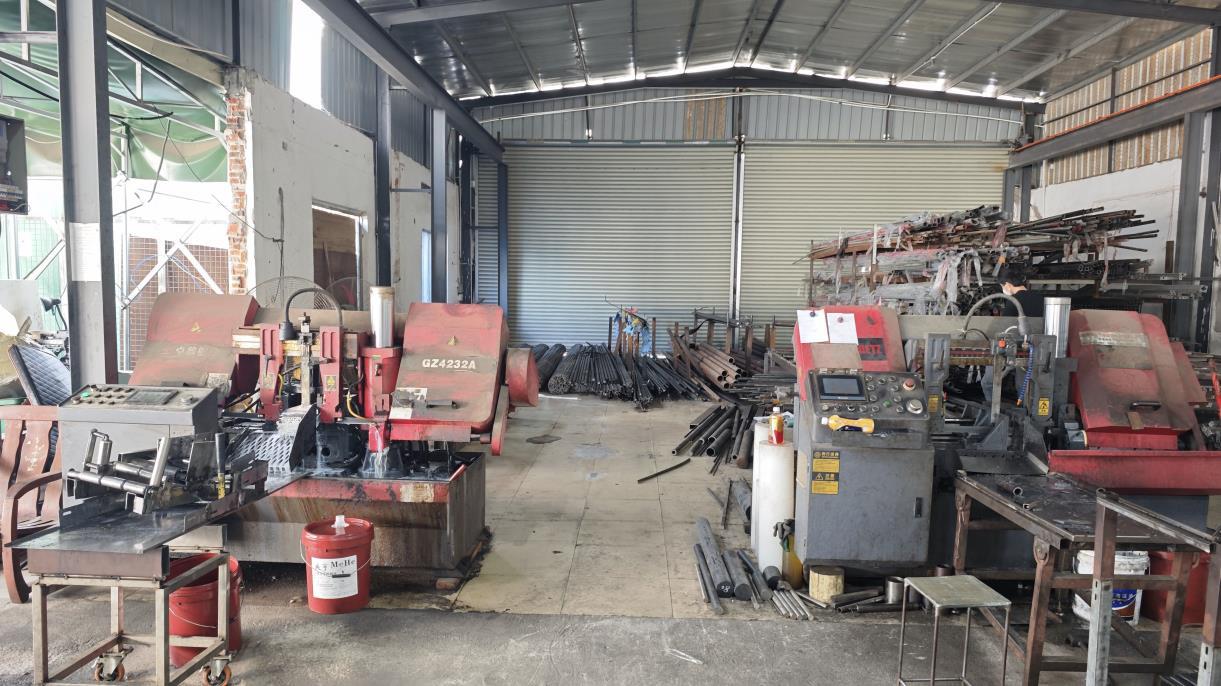
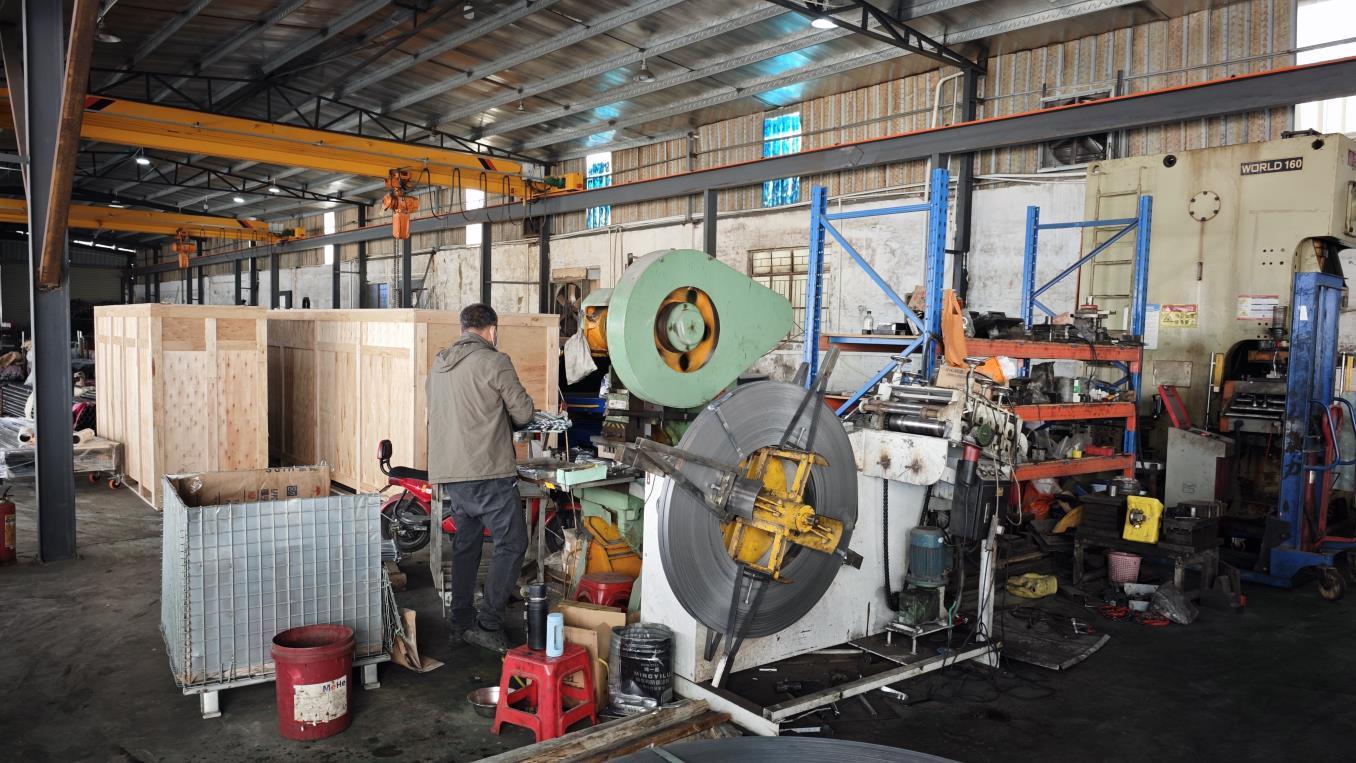
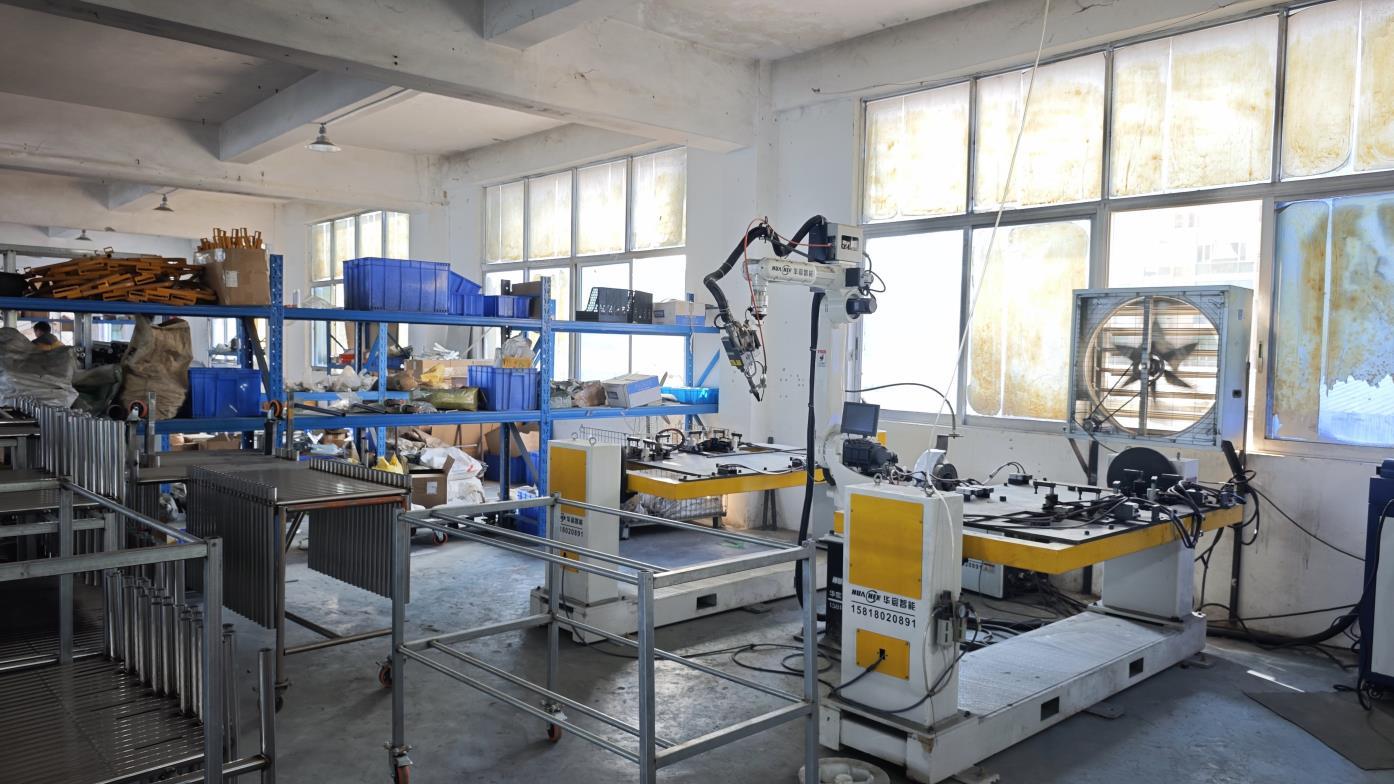
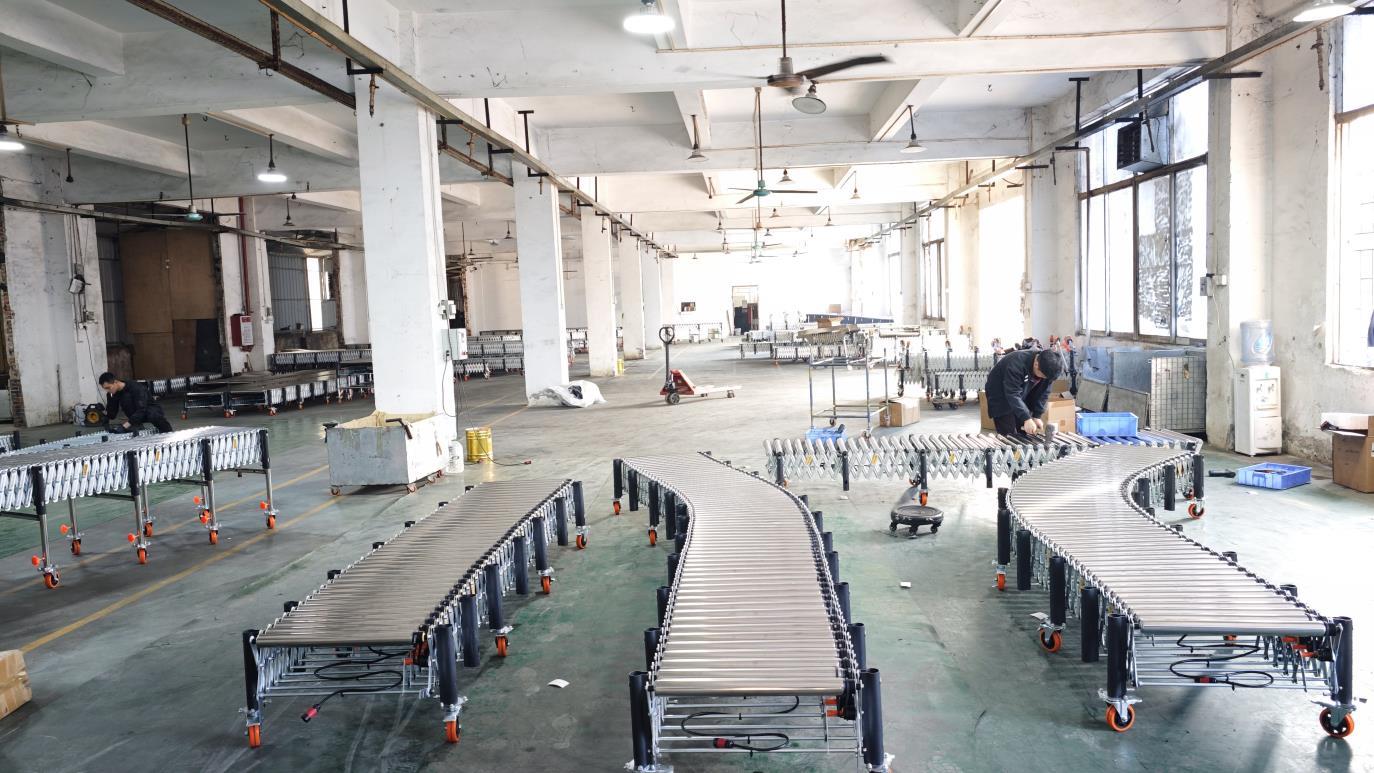
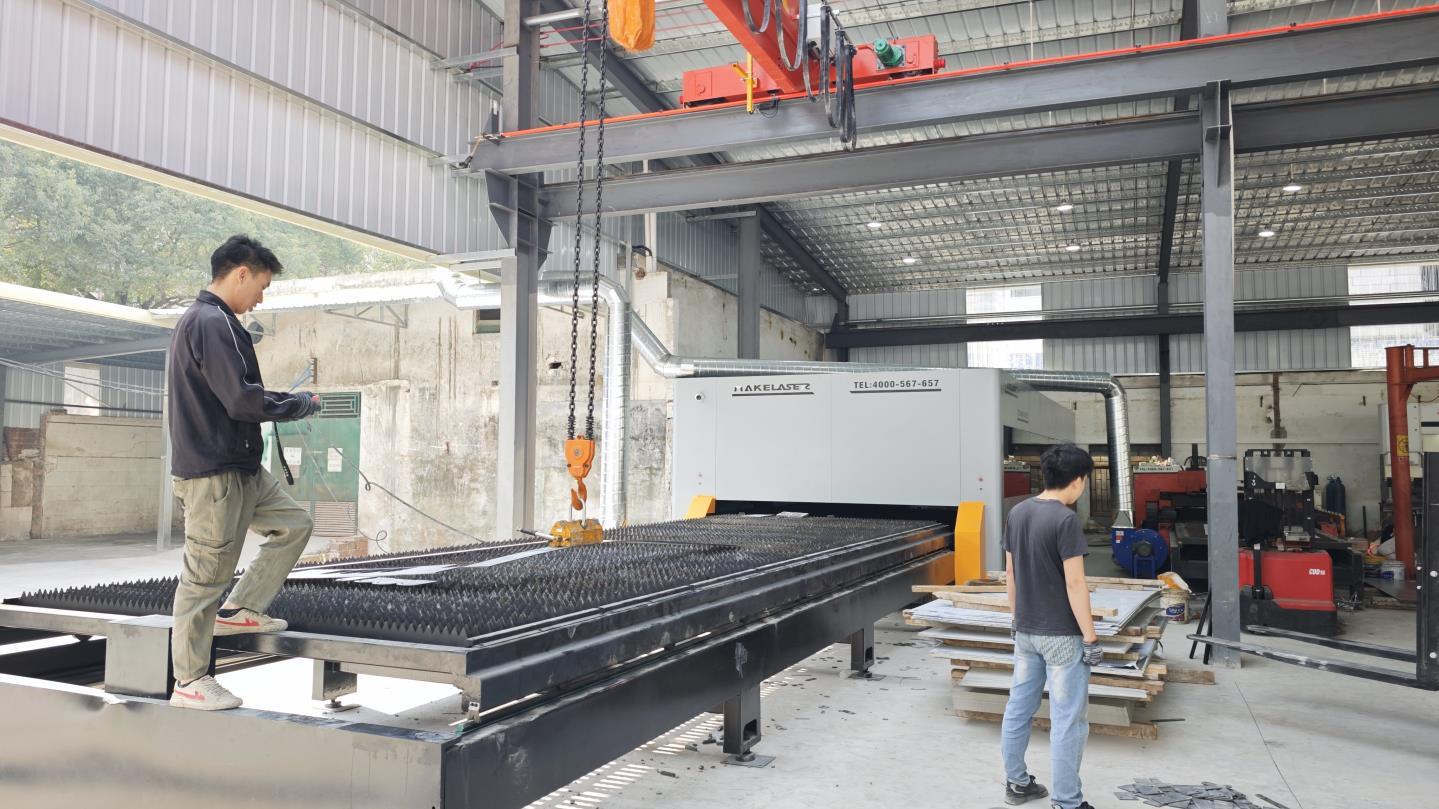
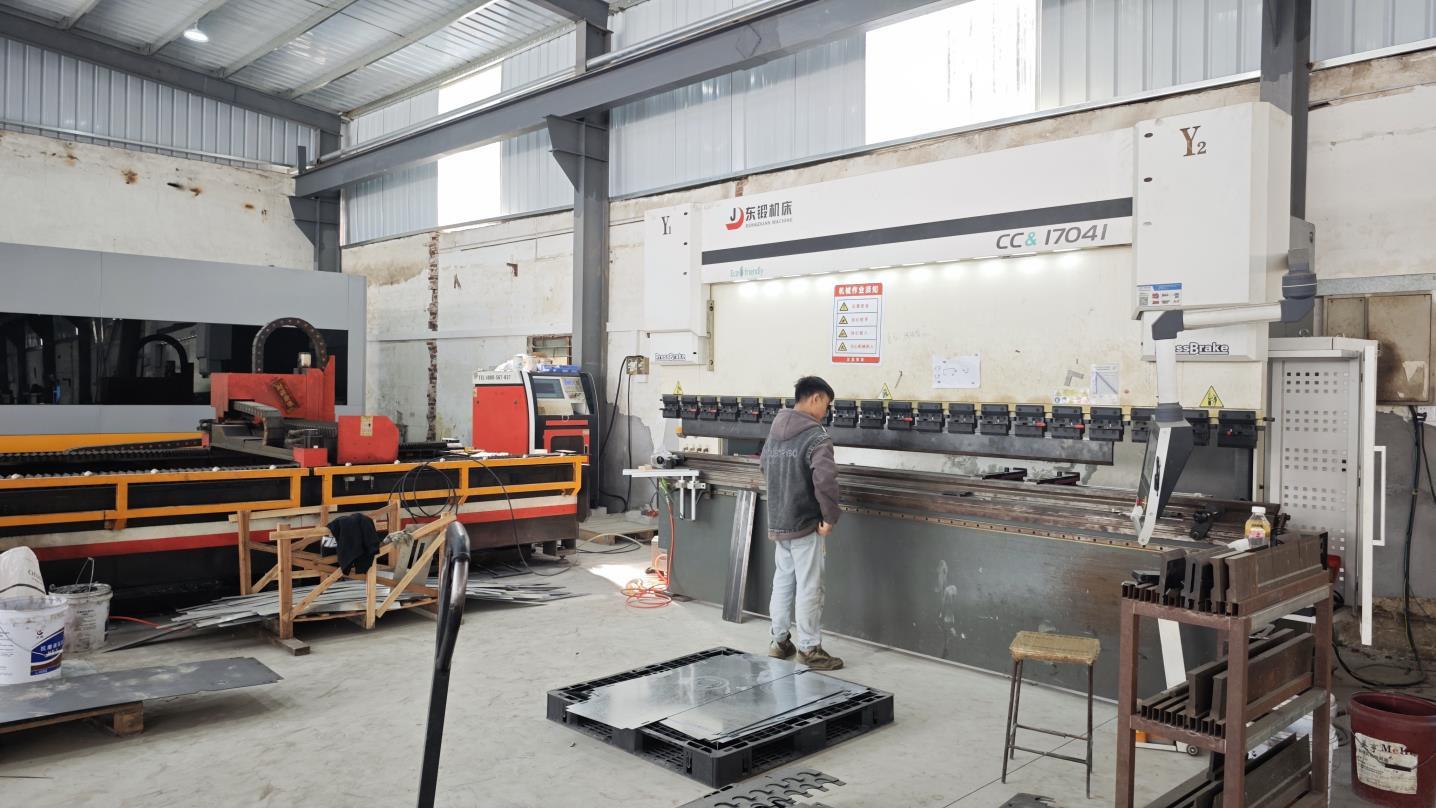
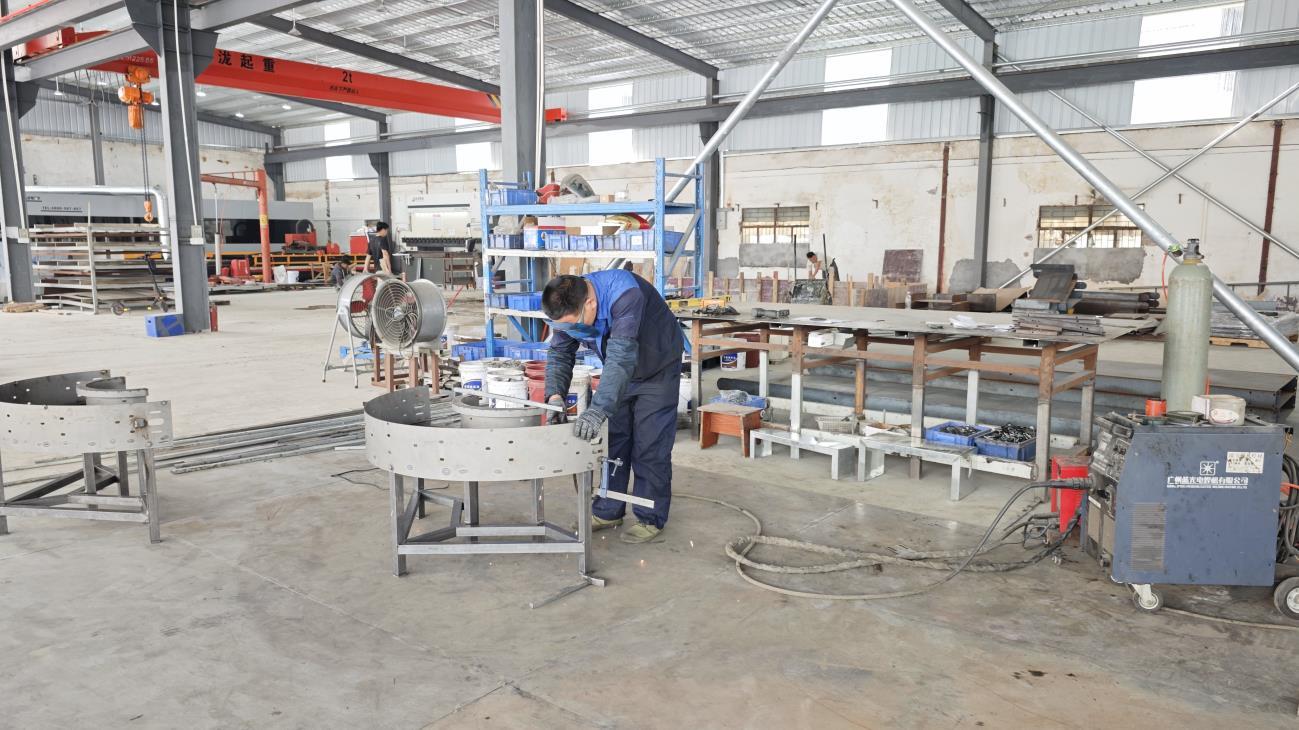
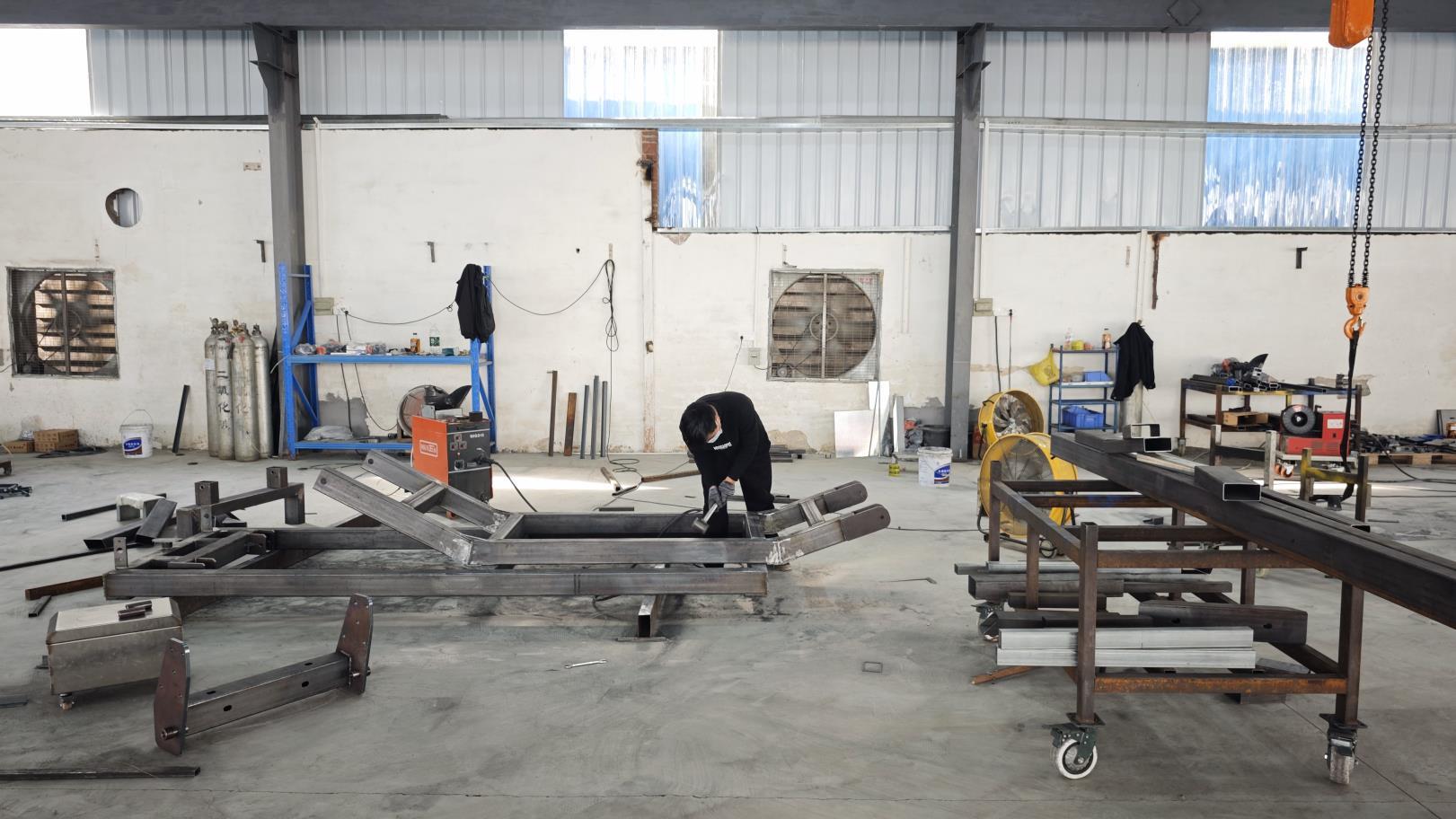
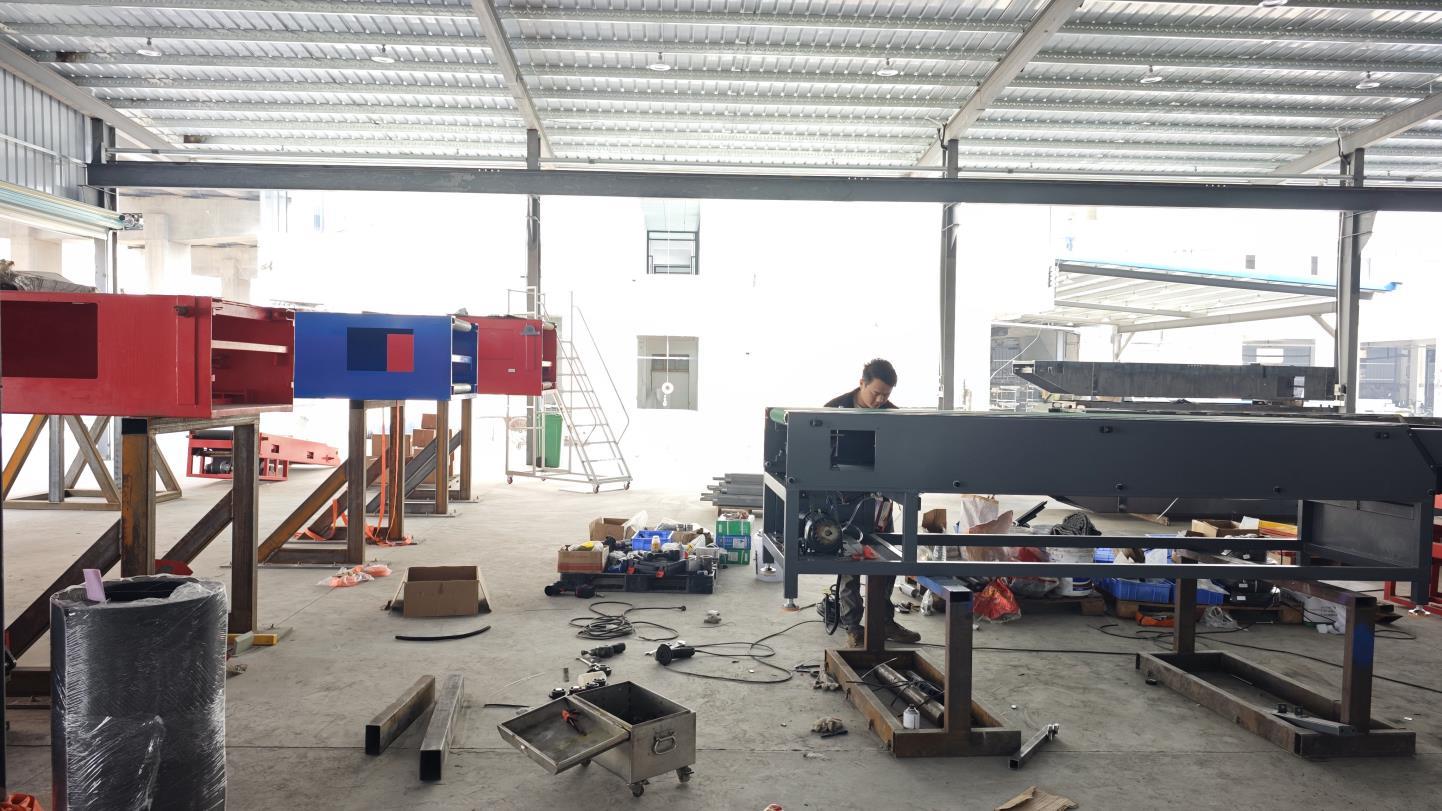
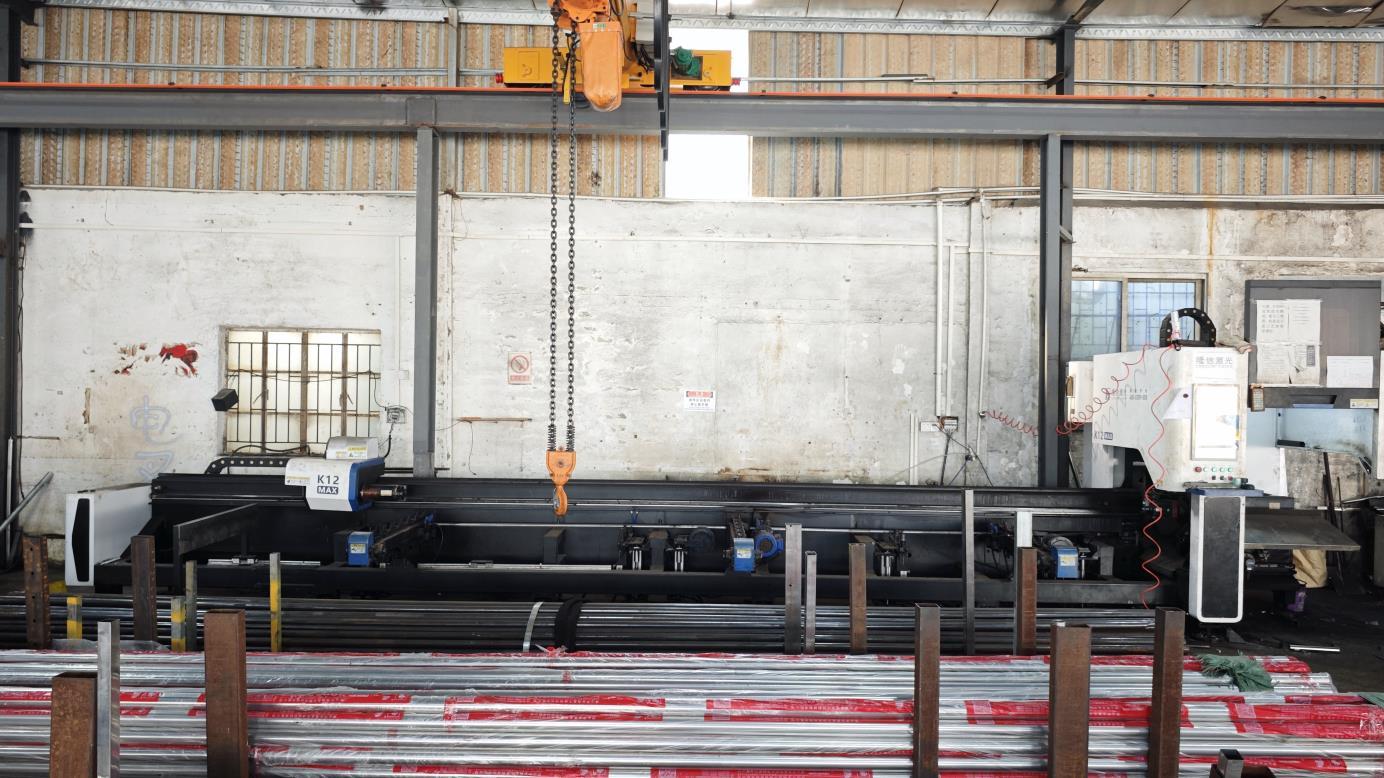
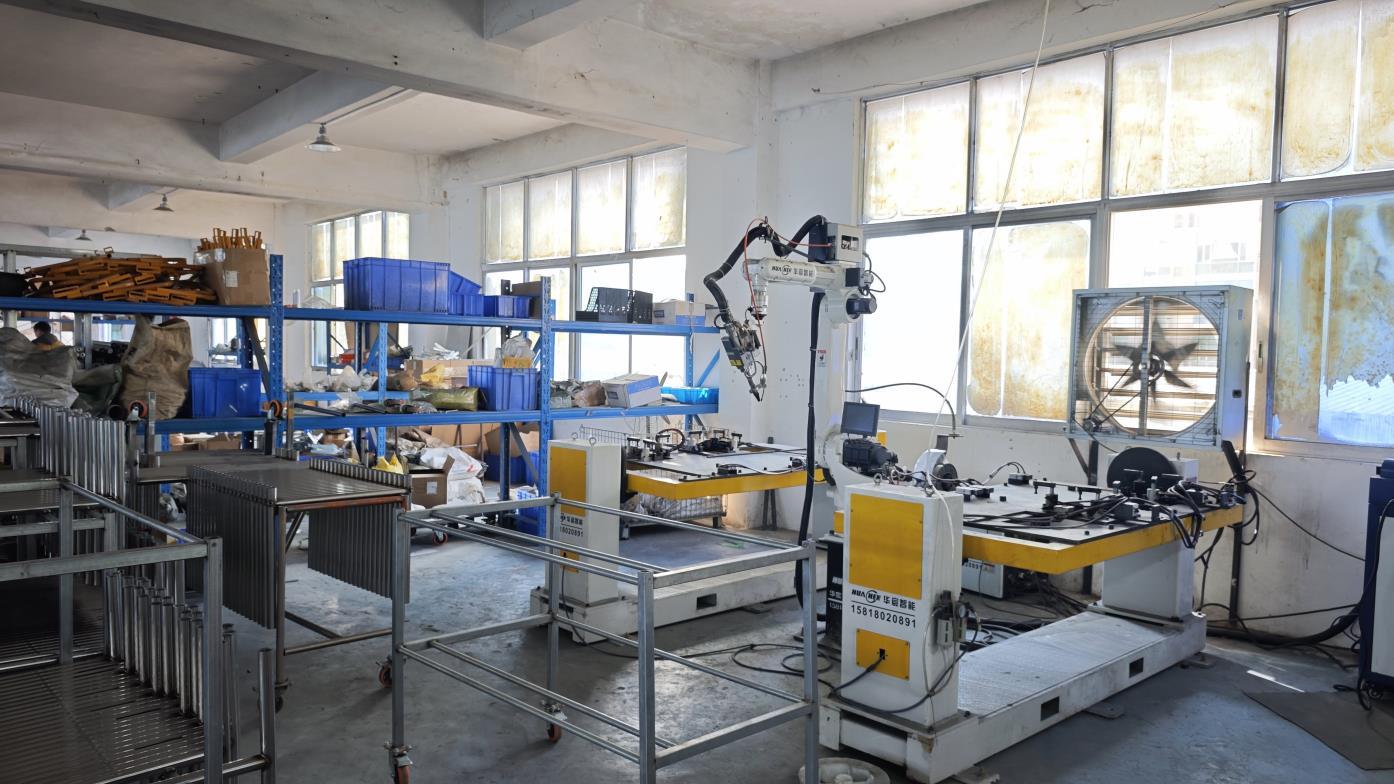
Visualizing our advanced facility processing high-tensile structural steel under strict international quality controls.
Racking structural integrity depends on precise metallurgy and automated fabrication. Every upright frame, support bar, and guide rail manufactured by Hangzhou RAB Logistics is built with premium quality Q235B or Q355 high-tensile steel, offering high resistance to deformation and buckling. Our factories utilize automated, computer-controlled machinery to ensure tolerances are kept within fractions of a millimeter. This level of precision is necessary to support high-clearance AS/RS systems where deviations of just 1-2mm can cause laser-guided cranes to misread locations.
Ensuring compliance with local building codes, structural engineering stamps, and CSA guidelines.
Installing industrial structures in the Calgary Metropolitan Region requires strict adherence to local regulations. Calgary building inspectors require warehouse rack projects to comply with the National Building Code - Alberta Edition (NBC-AE) and the CSA A344 standard, which governs the design, installation, use, and maintenance of steel storage racking systems.
Because southern Alberta lies within variable seismic hazard zones, any high-density structure exceeding 8 feet in height typically requires structural engineering calculations signed and stamped by a licensed Professional Engineer (P.Eng.) in Alberta. Our technical consulting teams specialize in preparing structural packages that detail:
Furthermore, our manufacturing processes utilize lead-free, non-toxic industrial powder coating processes. This ensures safety for worker contact, food distribution channels, and organic produce handling.
Emerging technology pathways transforming industrial logistics into high-performance smart nodes.
The logistics sector is undergoing rapid technological shifts. Over the next five years, traditional warehouses will transition to fully integrated, intelligent supply chain environments. Modern logistics hubs are adopting key innovations to drive this transition:
Autonomous Mobile Robots (AMRs) & Fleet Orchestration: Rather than relying on rigid conveyor systems or traditional forklifts, warehouses are shifting toward fleets of AMRs that interact with standard and high-density racking. These fleets coordinate with the WMS to move inventory across sections dynamically, eliminating fixed path bottlenecks.
Predictive AI Slotting: By incorporating machine learning into WMS platforms, software can analyze incoming order trends and forecast seasonal spikes. The WMS then triggers automated shifting of inventory during low-activity hours, moving high-demand SKUs to the most accessible storage locations.
Carbon-Neutral Material Selection: Sustainable procurement is increasingly important for Canadian businesses. Future warehouse operations will prioritize structural racking manufactured using low-emission steel production methods, combined with eco-friendly finishing and packaging, to align with scope-3 emissions reduction goals.
Direct technical answers addressing procurement, local engineering regulations, and software system integration.
Explore our full range of heavy-duty, semi-automated, and high-density racking configurations.
Get in touch with our engineering team today to receive custom system designs, structural layouts, and pricing quotes tailored to Calgary building codes.
 RAB Logistics