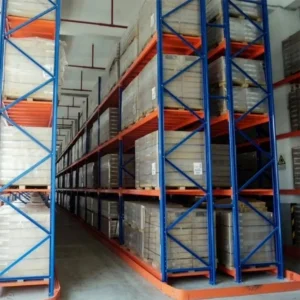
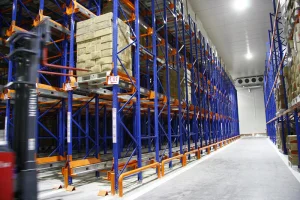
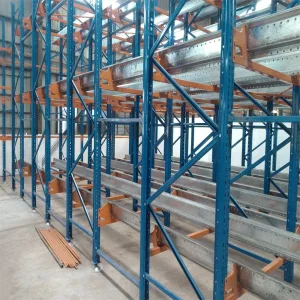
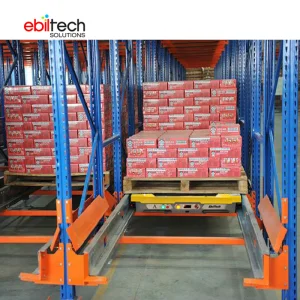
Singapore's extreme land constraints dictate high-rise, high-density warehousing systems. To assist regional operators and local third-party logistics (3PL) companies, we present our four highly demanded modular storage systems, specifically configured to match local seismic codes, soil load profiles, and fire guidelines.
As Southeast Asia’s primary logistical gateway, Singapore represents a unique, hyper-dense industrial environment. Warehouse storage operators in logistics zones such as Tuas Mega Port, Jurong Innovation District (JID), Changi South, and Tampines LogisPark face some of the highest industrial land rates globally. JTC Corporation's strict plot-ratio mandates force logistics players to think vertically. Land lease limits (typically restricted to 20 or 30 years) dictate that storage infrastructure must not only maximize volumetric capacity but also offer mechanical flexibility—systems must be easily modularized, dismantled, and adapted.
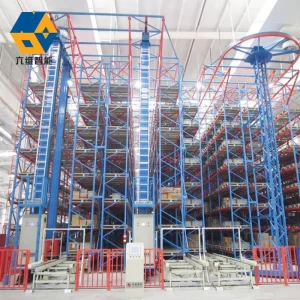
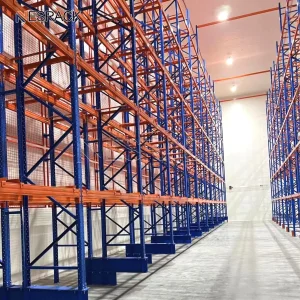
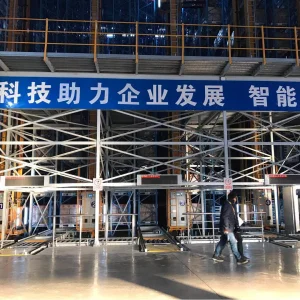
Traditional low-rise warehouse racking is no longer financially viable. The focus has rapidly pivoted toward Vertical Integration and High-Density Automation. Standard 6-meter-high racking arrays have evolved into 12-to-15-meter VNA (Very Narrow Aisle) structural grids, or massive 24-plus-meter AS/RS (Automated Storage and Retrieval Systems) silos. In cold storage segments—which support Singapore's "30-by-30" food security program—racking must be designed to withstand temperatures down to -30°C while achieving optimal airflow circulation to manage utility costs.
Deploying industrial shelving in Singapore is not merely a logistics decision; it is a complex structural engineering process subject to strict statutory oversight. The Building and Construction Authority (BCA) classifies heavy-duty racking arrays exceeding 4 meters in height as structural elements, requiring a professional engineer (PE) to endorse calculations, verify soil slab conditions, and obtain necessary structural planning permissions.
Furthermore, the Singapore Civil Defence Force (SCDF) enforces stringent fire safety regulations under the Fire Code. Any storage configuration must account for spatial sprinkler clearance (maintaining a minimum clearance of 500mm below the sprinkler deflectors) and incorporate in-rack sprinklers for high-density setups such as double-deep or automated shuttle racking. Every system we install conforms strictly to SS 650: 2019 (formerly SS 567), the Code of Practice for the design, operation, and maintenance of racking systems.
| Compliance Metric | Singapore Regulatory Requirement | RAB Logistics Structural Standard |
|---|---|---|
| Structural Code | BCA Approval & PE Endorsement (>4m height) | FEA calculation sheets & PE sign-off ready |
| Design Standard | SS 650: 2019 / EN 15512 | Exceeds European FEM 10.2.02 and local SS650 |
| Fire Safety | SCDF Fire Code clearance & flue spaces | Configured flue dimensions with in-rack pipe mounts |
| Steel Grade | Certified Mill Certificates required | Raw Material: Premium Q235B and Q355B structural steel |
Selecting a racking architecture requires matching your inventory profile (SKU counts, turnover velocity) with spatial costs. The table below outlines how our different racking types serve specific logistical needs in the Singapore market.
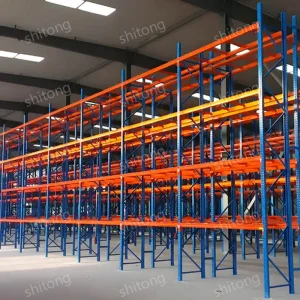
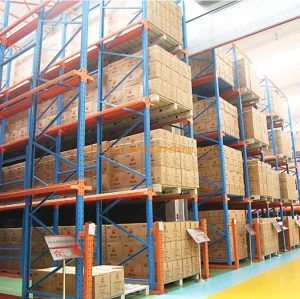
Offers 100% SKU selectivity. Best suited for high-mix, low-volume inventory setups such as retail distribution nodes or general engineering spares warehouses in Jurong East. Requires standard aisle widths of 3.0m to 3.5m.
Reduces aisle widths down to 1.6m-1.8m by utilizing specialized turret trucks. Increases floor space utilization by up to 50% without sacrificing single-pallet retrieval speeds. Ideal for space-constrained warehouses.
Utilizes digital radio shuttles to store and retrieve pallets inside deep storage tunnels. Supports both LIFO and FIFO management, maximizing storage density for food manufacturing and cold-chain operations.
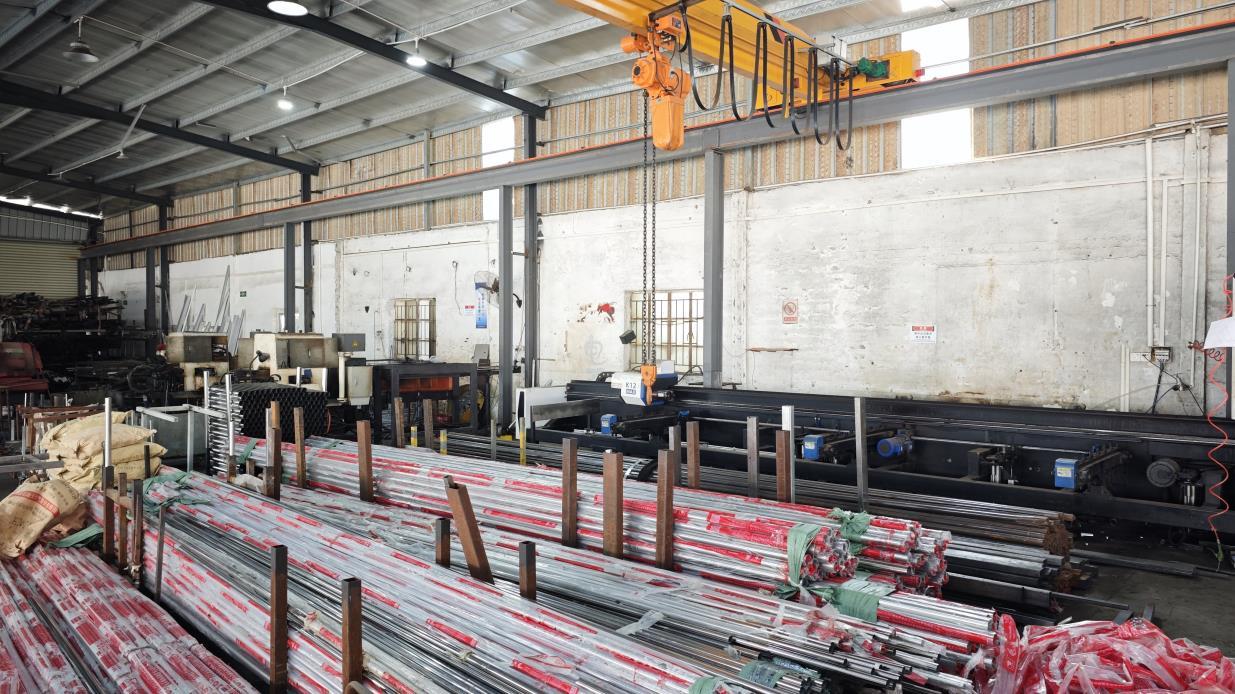
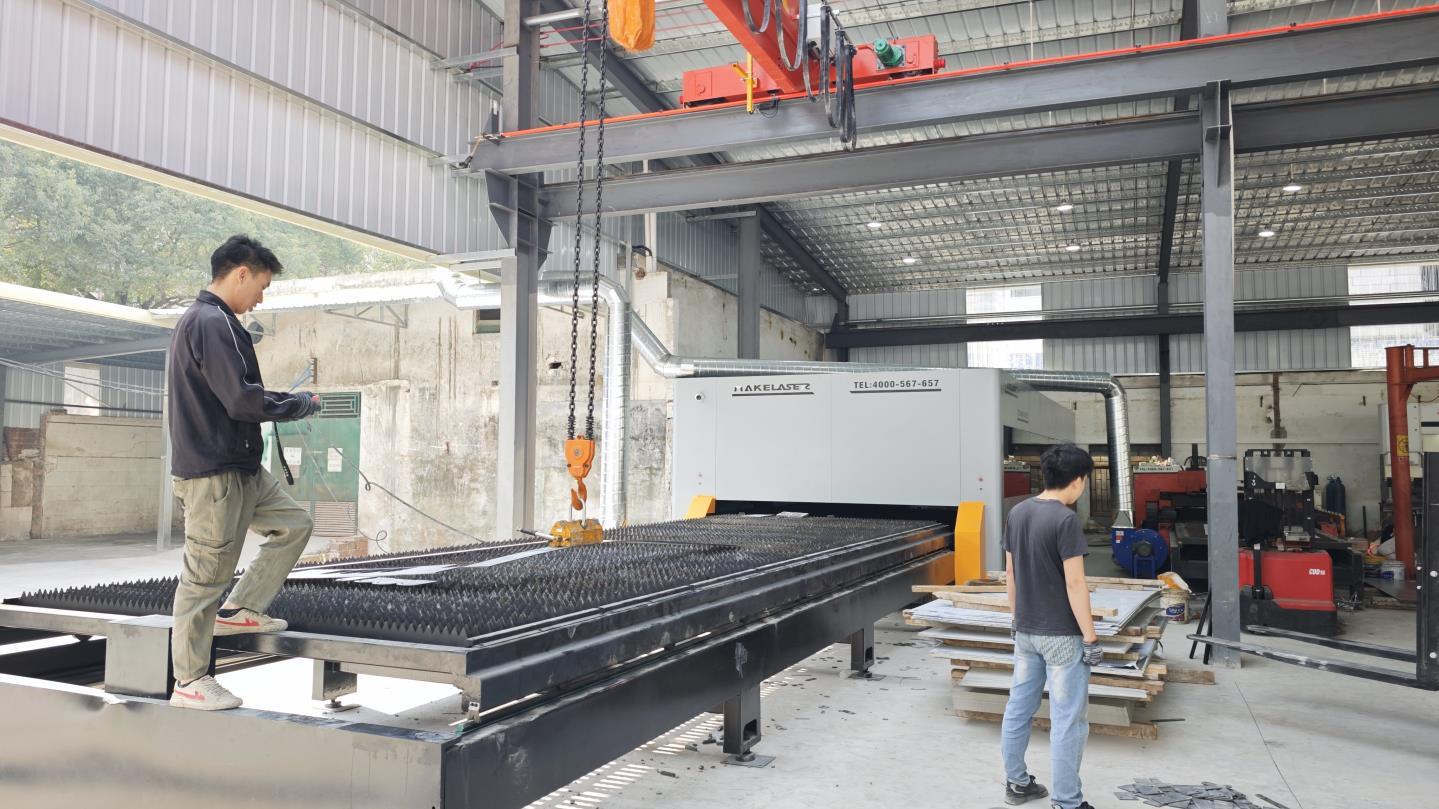
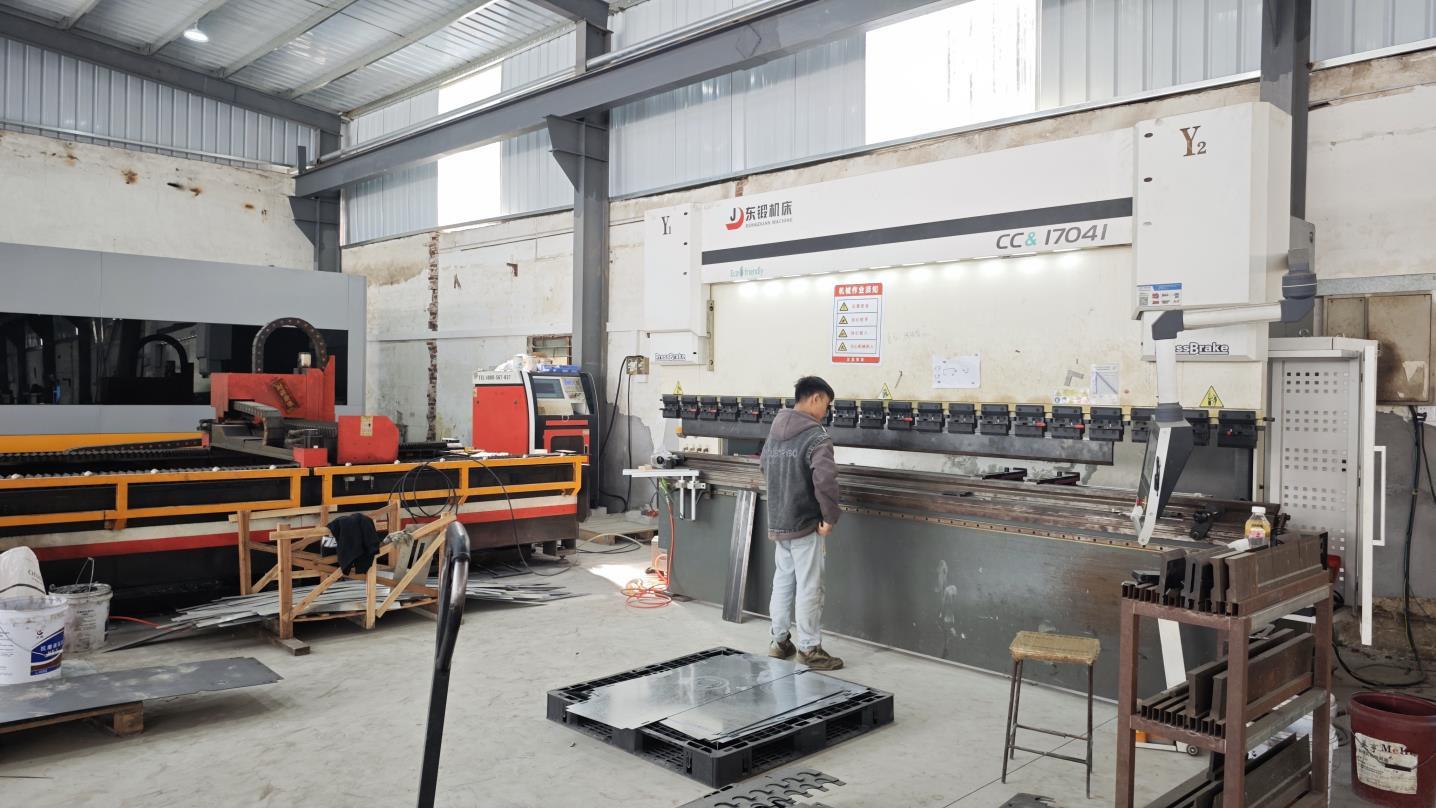
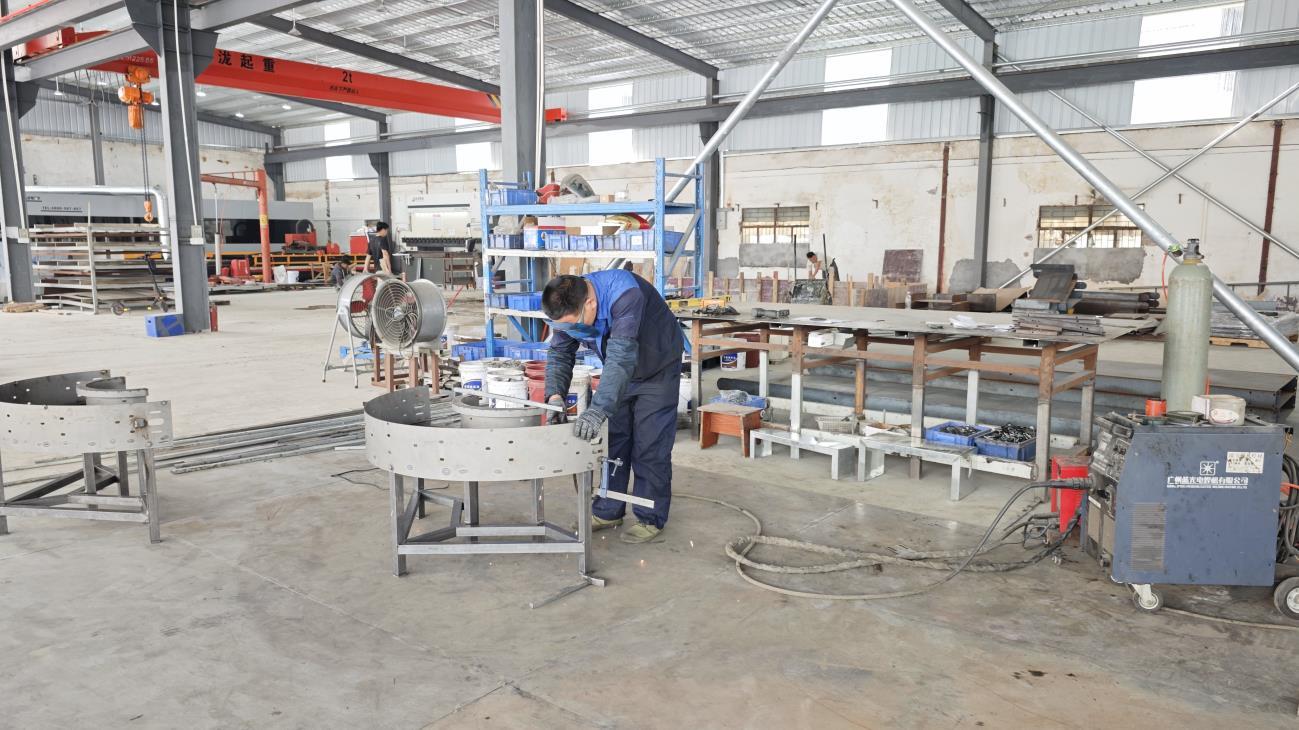
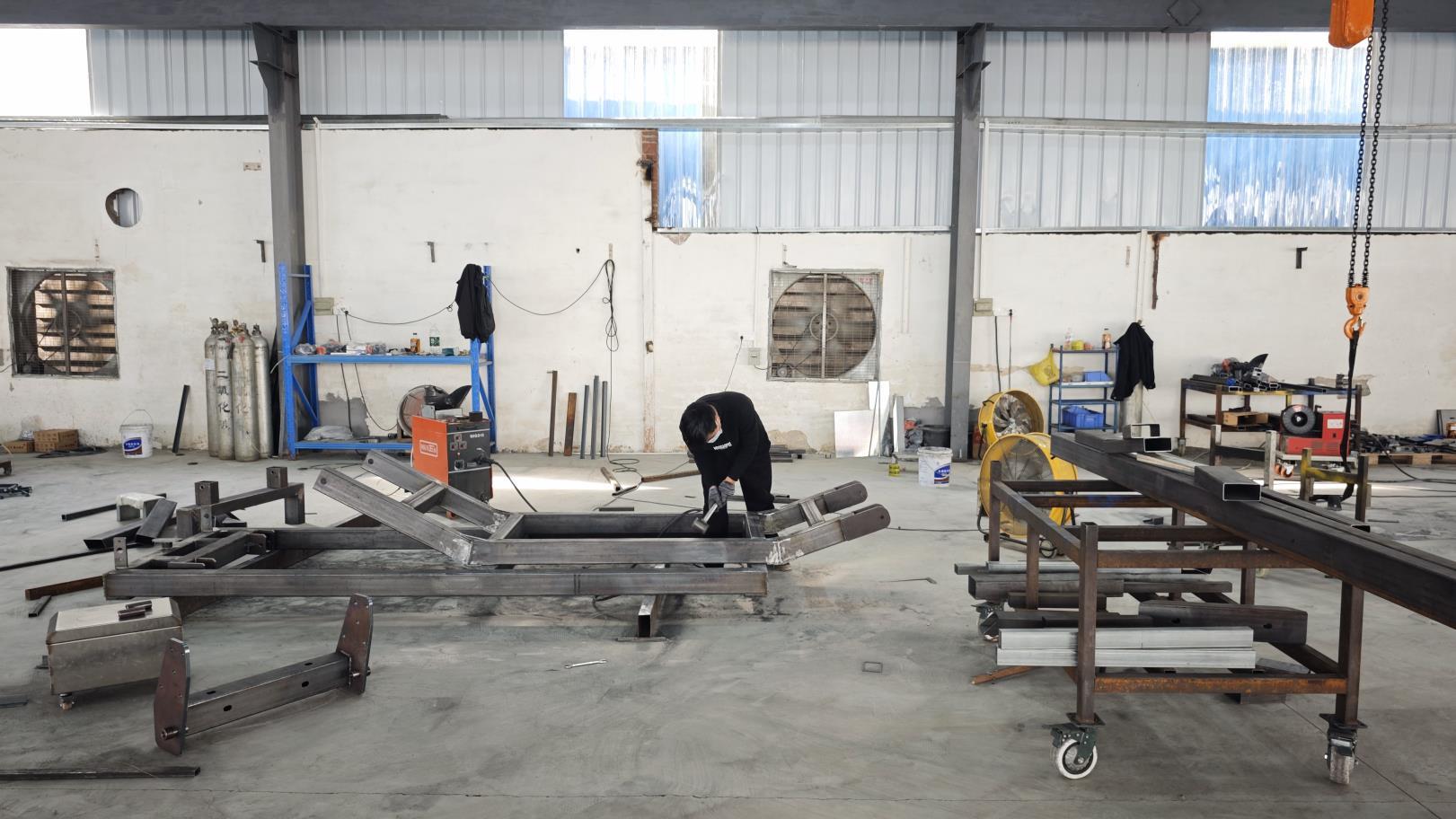
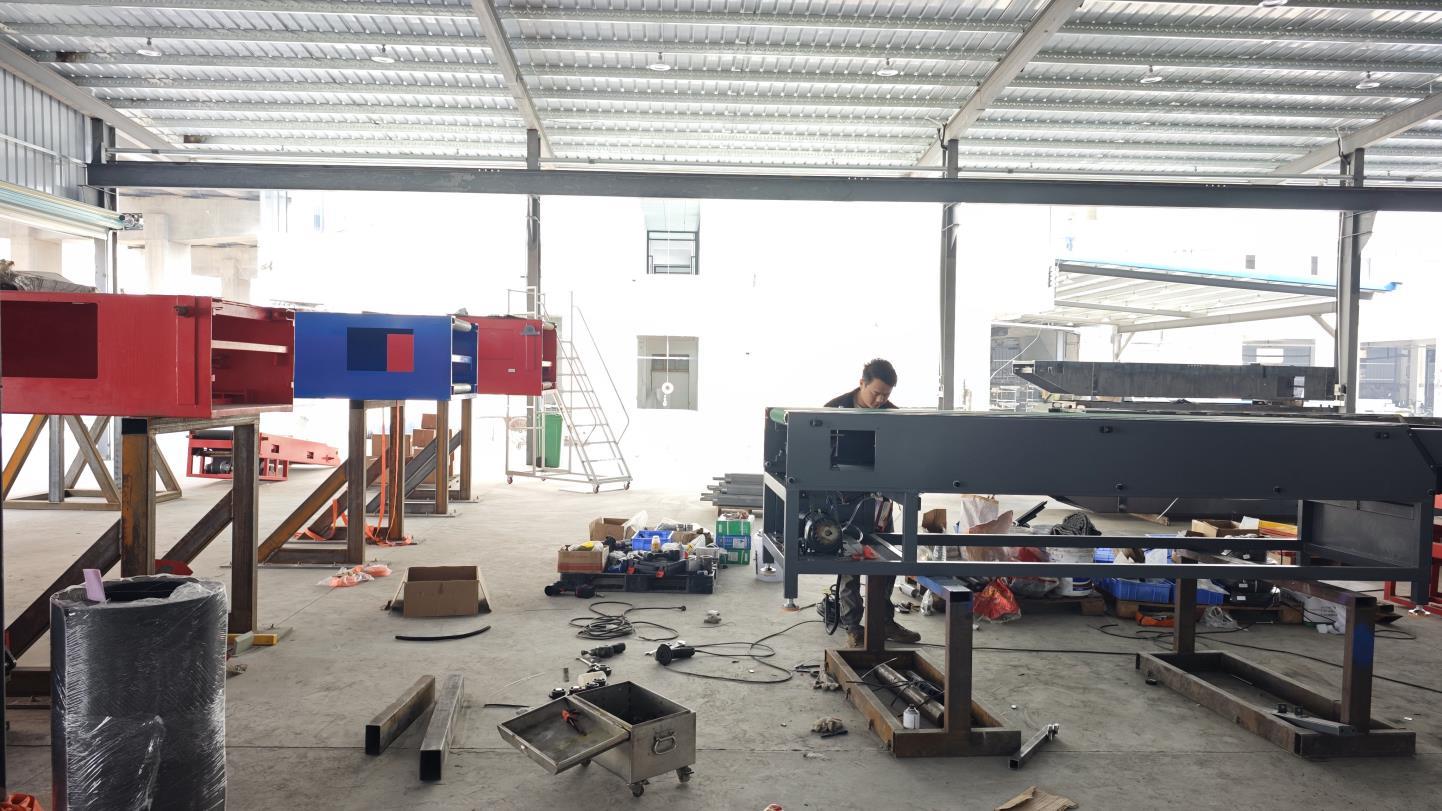
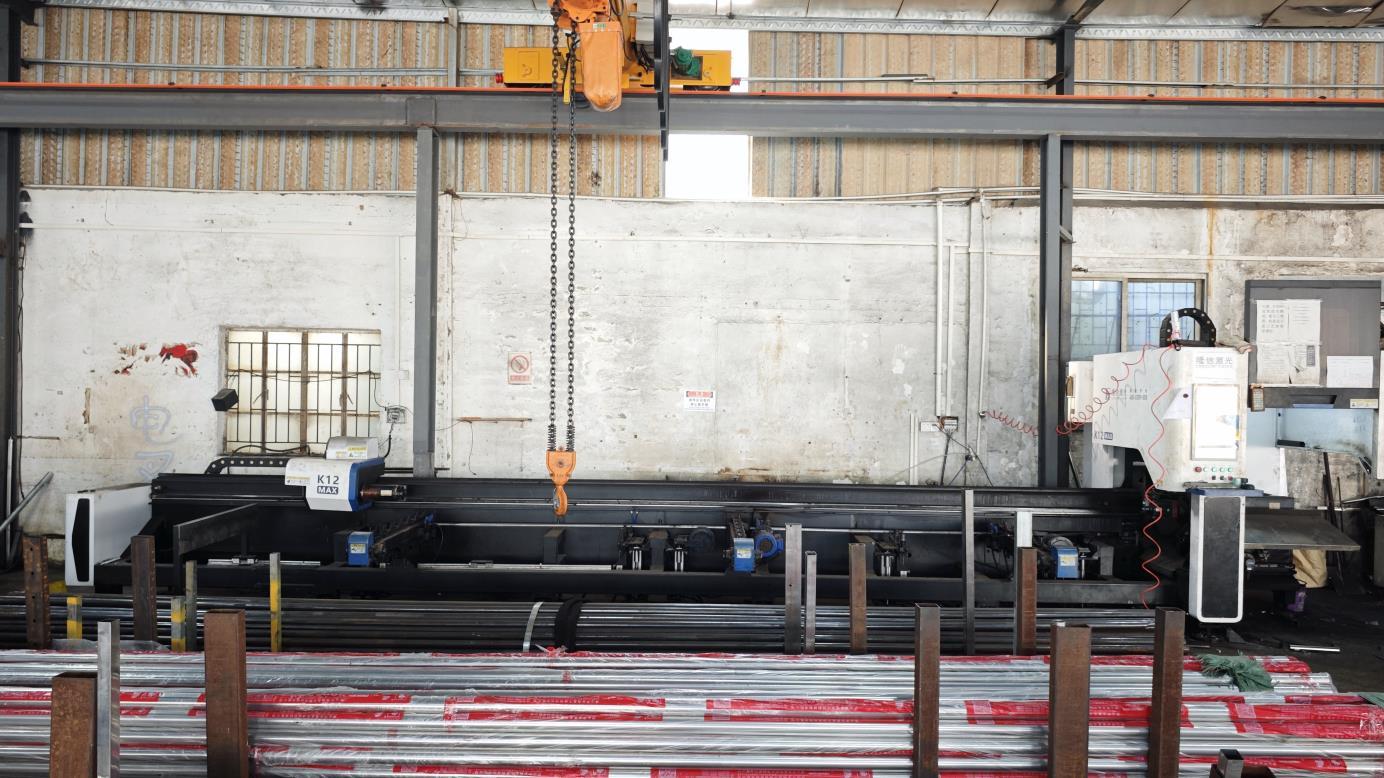
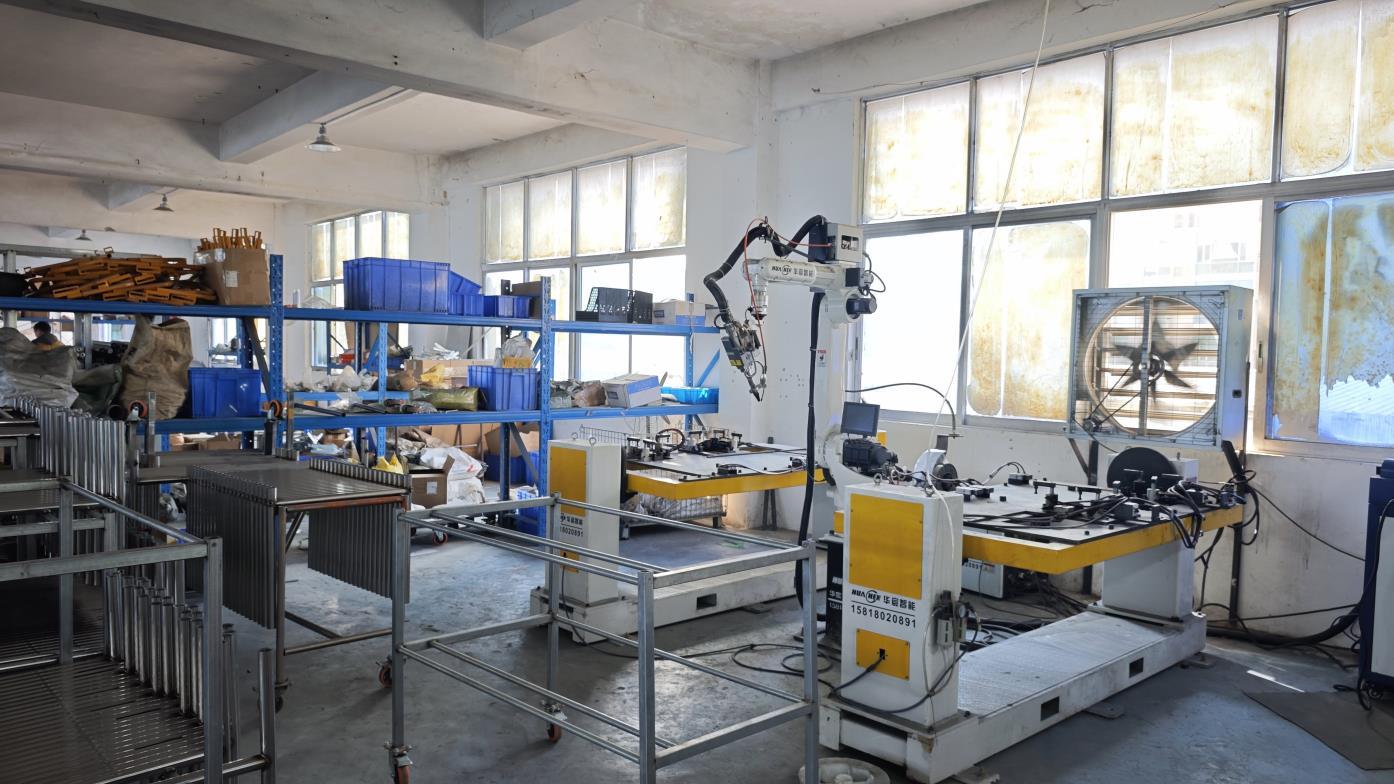
By sourcing structural steel and racking fabrications directly from our advanced production facilities in China, Singaporean businesses benefit from a combination of cost-efficiency and reliable manufacturing standards. We utilize high-yield, cold-rolled structural steel sourced from leading domestic steel mills (backed by full chemical and physical batch mill certificates). Our production lines utilize fully automated continuous roll forming machinery, automated robot welding cells, and multi-stage electrostatic powder coating systems.
This integrated supply chain provides clear financial advantages over local fabrication in Singapore. We manage the entire process—from initial structural engineering and manufacturing to ocean freight, customs clearance, local land delivery, and final installation. This structured approach helps prevent project delays, ensuring reliable delivery schedules even during periods of global logistics volatility.
We maintain a transparent production workflow, utilizing CNC machining, robotic spot welding, and structured assembly processes to deliver high-quality industrial storage equipment.
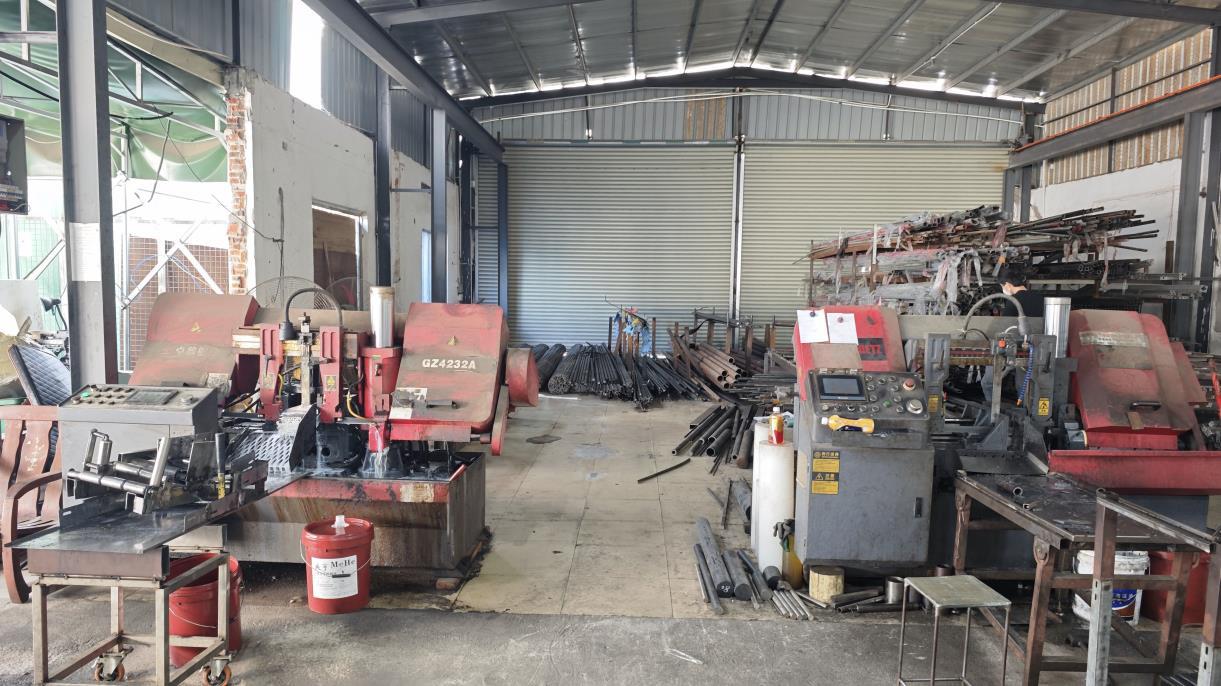
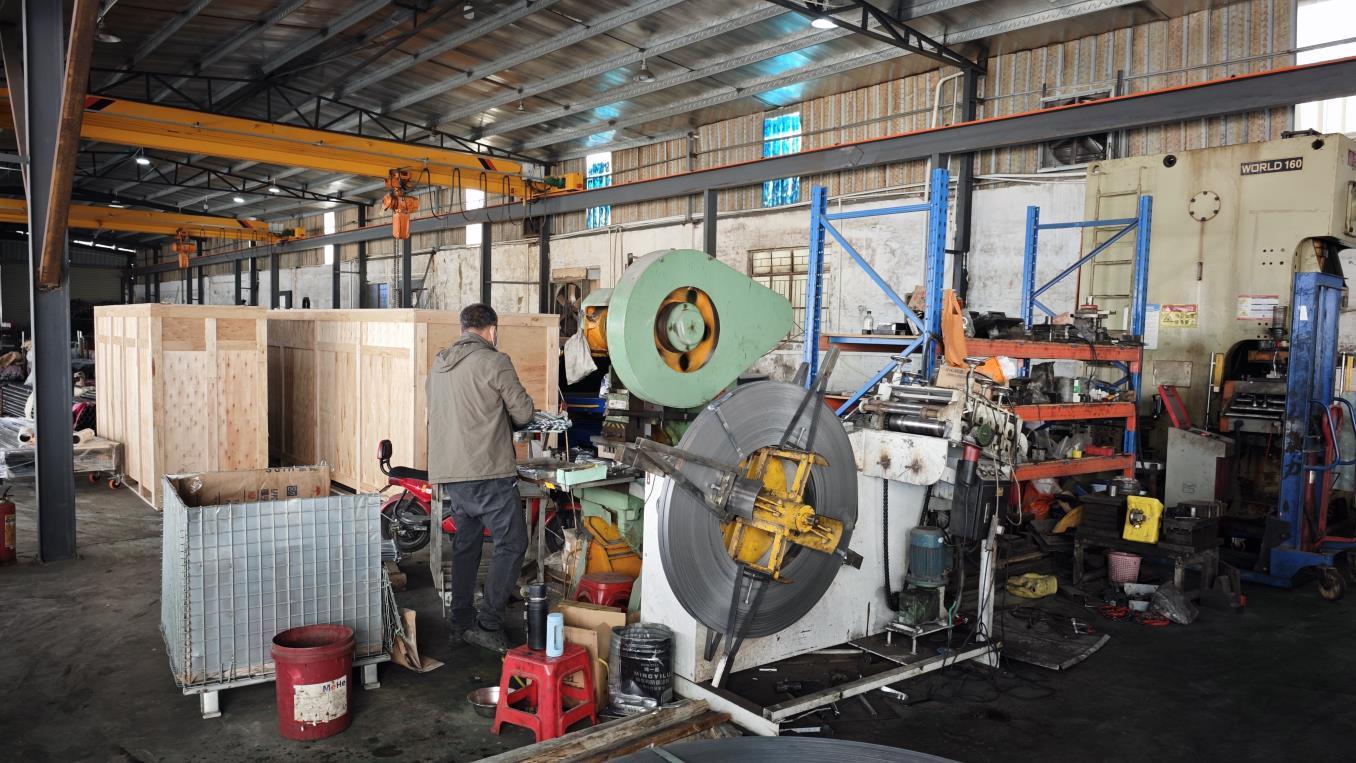
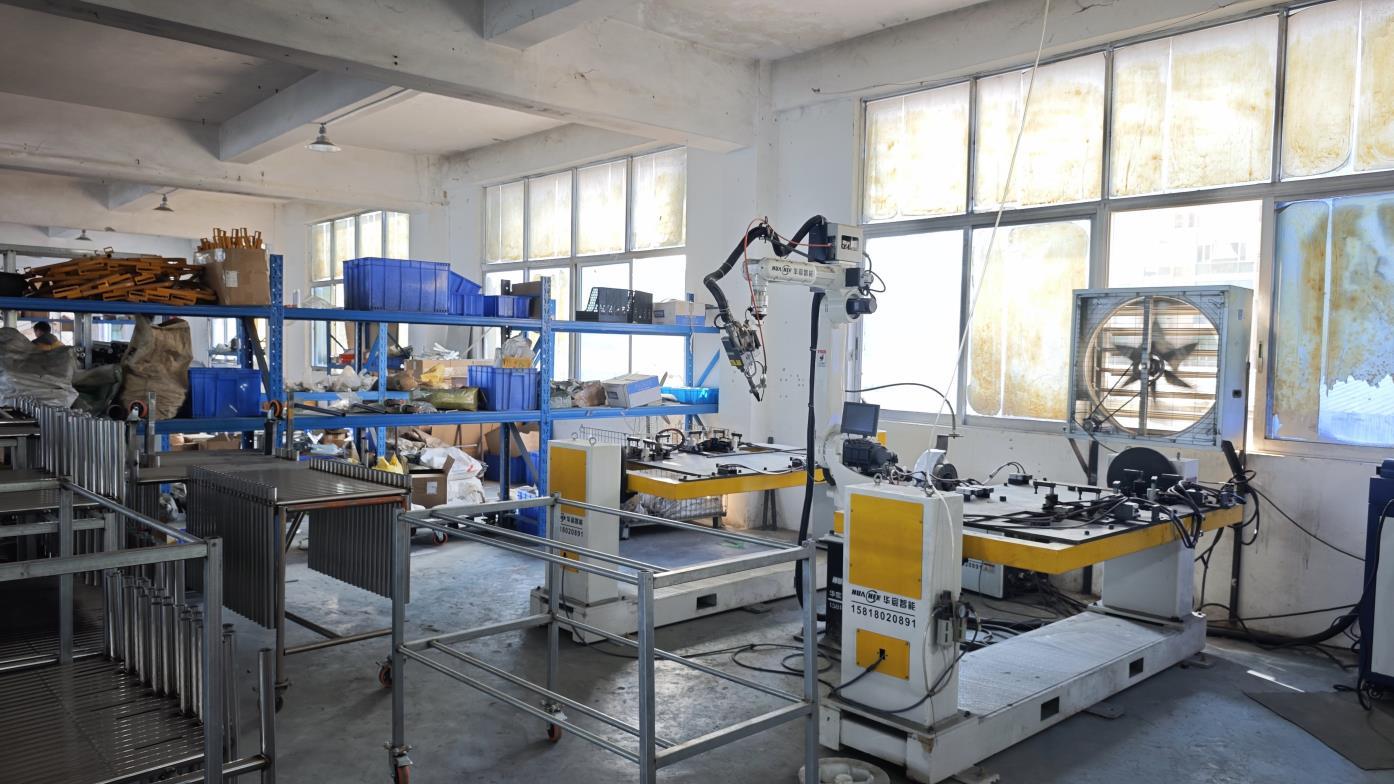
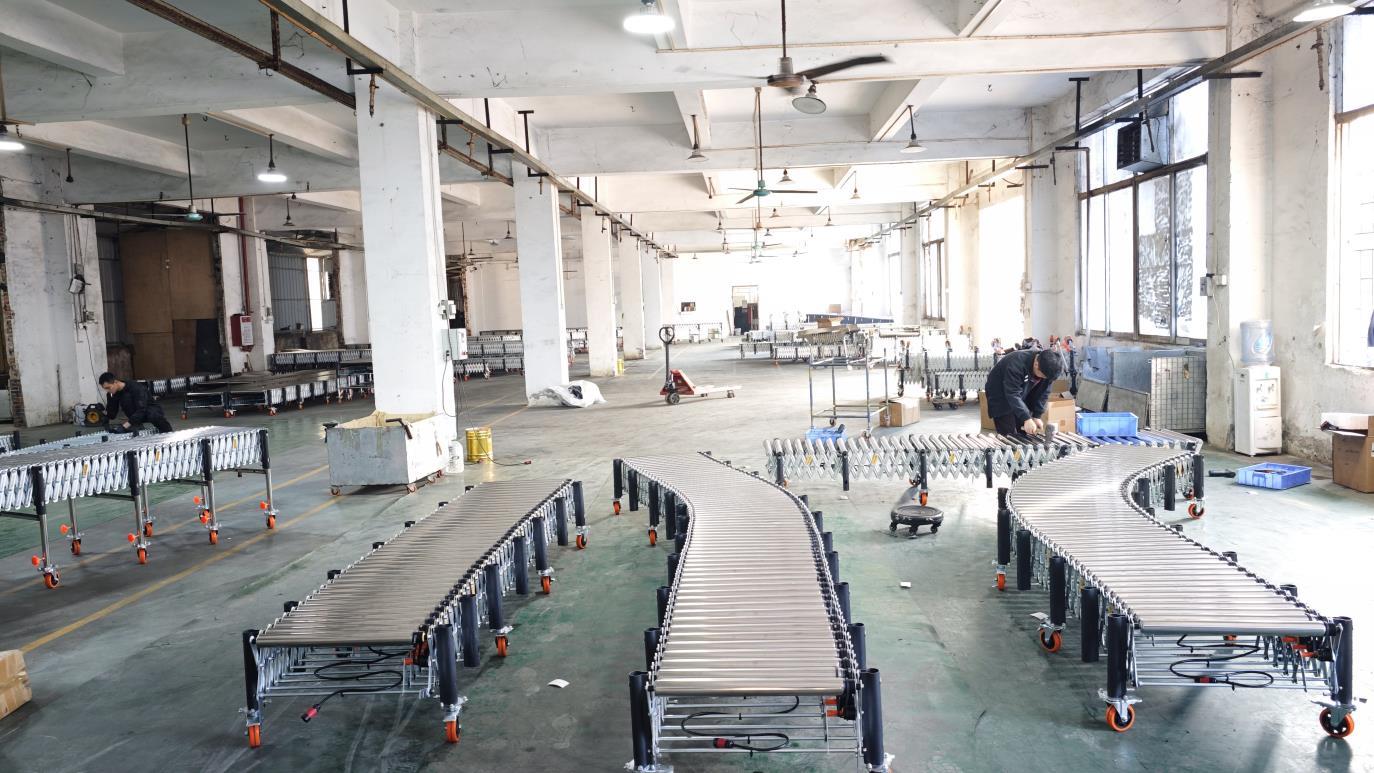
Hangzhou RAB Logistics Co., Ltd. is a provider of intelligent warehousing and modern logistics solutions. Leveraging industry experience and continuous technological integration, we assist enterprises in shifting from manual warehouse operations to automated, data-driven, and highly efficient supply chain systems.
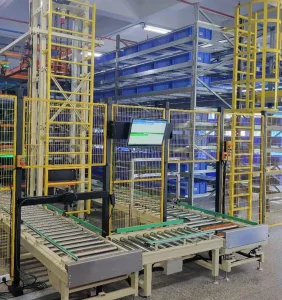
We specialize in integrating advanced logistics technologies, including Warehouse Management Systems (WMS), Automated Storage and Retrieval Systems (AS/RS), AGV/AMR robotics, intelligent sorting systems, and real-time data visualization platforms. These integrated solutions help clients improve picking accuracy, accelerate fulfillment speeds, and reduce operating costs.
With capabilities across system consulting, layout design, hardware integration, software development, and project execution, Hangzhou RAB Logistics Co., Ltd. delivers customized logistics solutions. Our engineering teams coordinate hardware and software integration to create scalable and future-ready warehouse infrastructures.
RAB Logistics serves a wide range of industries including manufacturing, cross-border e-commerce, fast-moving consumer goods (FMCG), pharmaceuticals, and automotive parts. Our systems are built for structural reliability and performance in demanding industrial environments.
By partnering with Hangzhou RAB Logistics Co., Ltd., you gain a long-term collaborator dedicated to improving storage efficiency, optimizing supply chains, and building competitive logistical advantages.
Review our complete selection of industrial steel racking, semi-automated shuttles, cantilever platforms, and mobile racks designed for Singapore's logistics facilities.
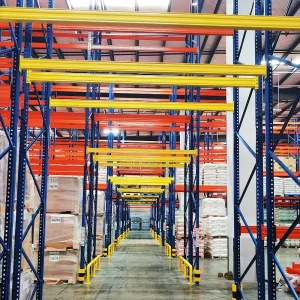
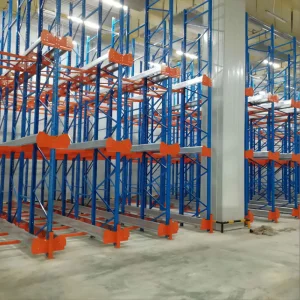
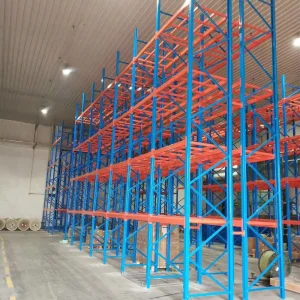
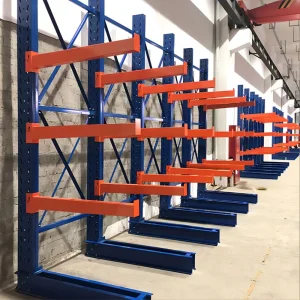
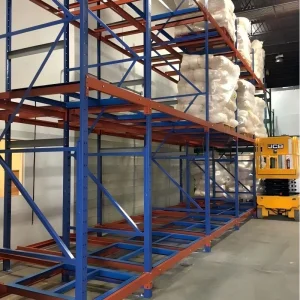
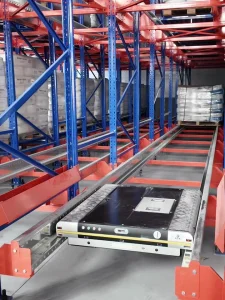
These high-bay racking configurations are designed for direct integration with stacker cranes and software-driven warehouse management platforms, optimizing throughput and space utilization.
Explore key regulatory, structural, and logistical questions regarding industrial racking systems in the Singapore market.
 RAB Logistics