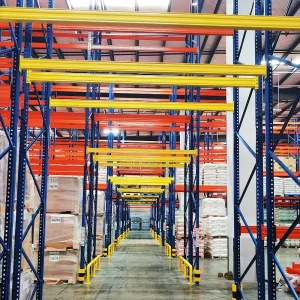
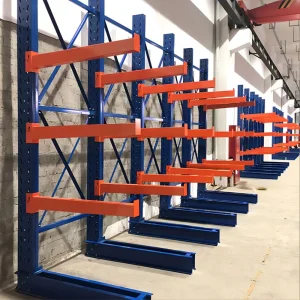
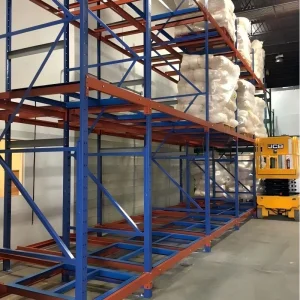
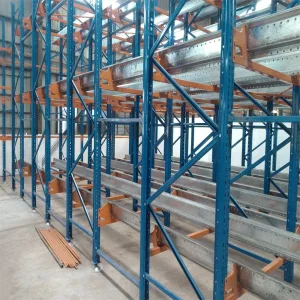
Engineered storage systems designed to maximize vertical square footage while maintaining robust safety factors under diverse loading profiles.
The Republic of Kiribati presents one of the most geographically isolated and logistically challenging operating environments in the world. Spanning across 3.5 million square kilometers of ocean, its reliance on shipping lines connecting South Tarawa (Betio Port) and Kiritimati Island to global ports like Auckland, Brisbane, and Asian trade lanes highlights the vital nature of local supply chain infrastructure. With land limitations, especially on the narrow atolls of Tarawa, optimal warehouse utilization is not merely an efficiency parameter; it is a geographic necessity.
Operating in Kiribati requires warehousing equipment to withstand highly corrosive atmospheric marine conditions (classified as C5-M under ISO 12944). High salinity levels, humidity, and atmospheric temperatures accelerate the degradation of standard structural steel racking. Standard interior coatings degrade quickly, causing rust and failure of critical structural joints under load.
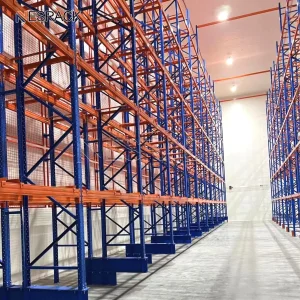
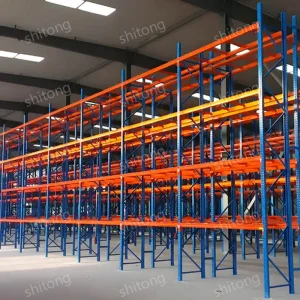
RAB Logistics mitigates these environmental challenges by providing heavy-duty racking systems treated with anti-corrosive powder coatings or hot-dip galvanization (HDG). These treatments protect the core structural profiles (Q235B and Q355B steel), extending their working life in harsh Pacific conditions.
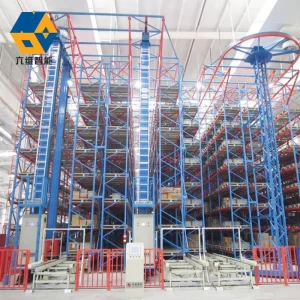
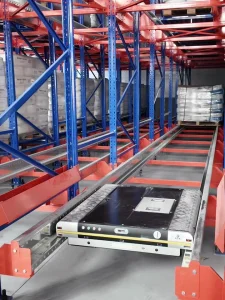
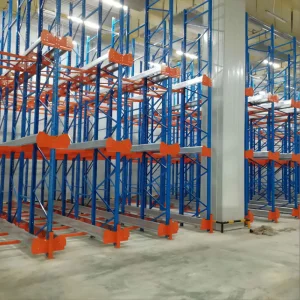
Across the globe, the supply chain ecosystem is shifting from traditional, static racking systems toward dynamic, semi-automated, and fully automated configurations. High land costs and the need for immediate inventory visibility are driving this transition. Multi-shuttle solutions, high-density Radio Shuttle racking, and automated stacker crane integrations (AS/RS) are replacing legacy structural configurations.
For remote economies like Kiribati, where the cost of shipping containerized goods is high, maximizing the storage yield of every square meter is critical. By storing more items per square meter of footprint, operators reduce building capital costs and cut operational overhead, such as energy costs for temperature-controlled seafood storage facility rooms.
RAB Logistics manufactures storage solutions using advanced production processes at our dedicated Chinese manufacturing facility. This integration allows us to deliver structural systems that exceed ASTM, FEM, and CE standards at competitive price points.
Our facility features CNC-controlled mechanical lines that ensure dimensional consistency across frames, uprights, and dynamic rail configurations. Advanced manufacturing processes prevent installation problems on site and ensure structural stability under load. Each component is processed through a multi-stage pretreatment line before receiving a durable epoxy powder-coat finish, baked at high temperatures to maximize adhesion and impact resistance.
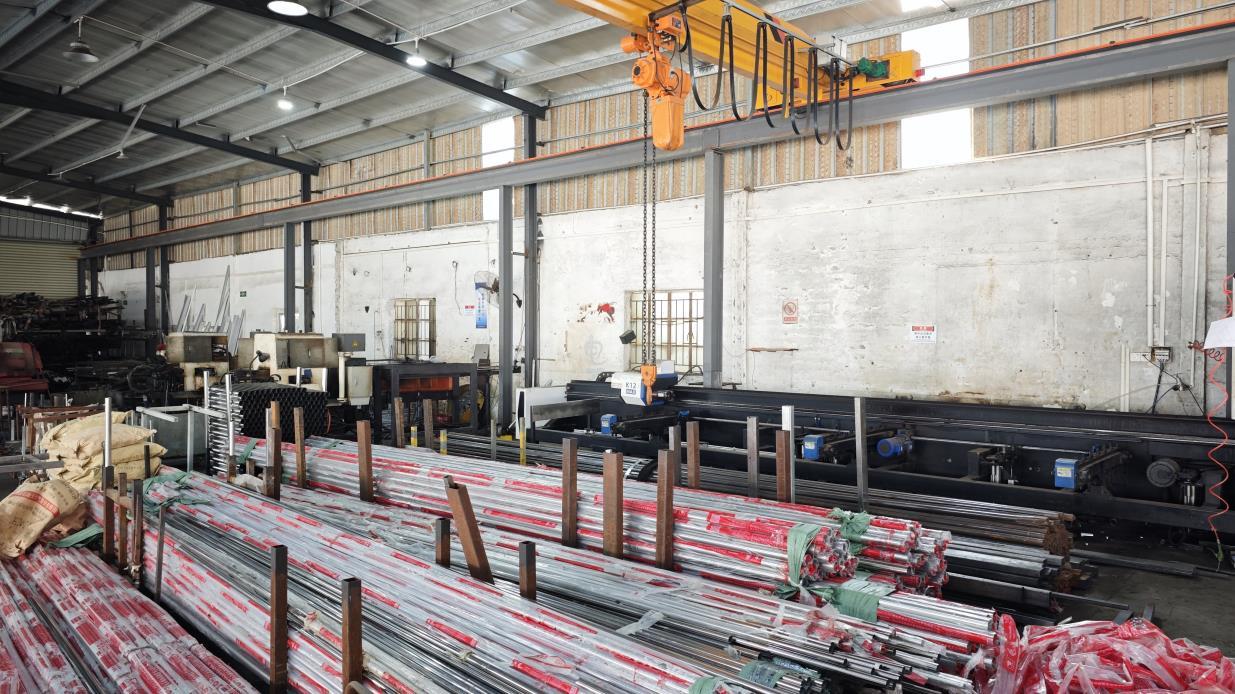
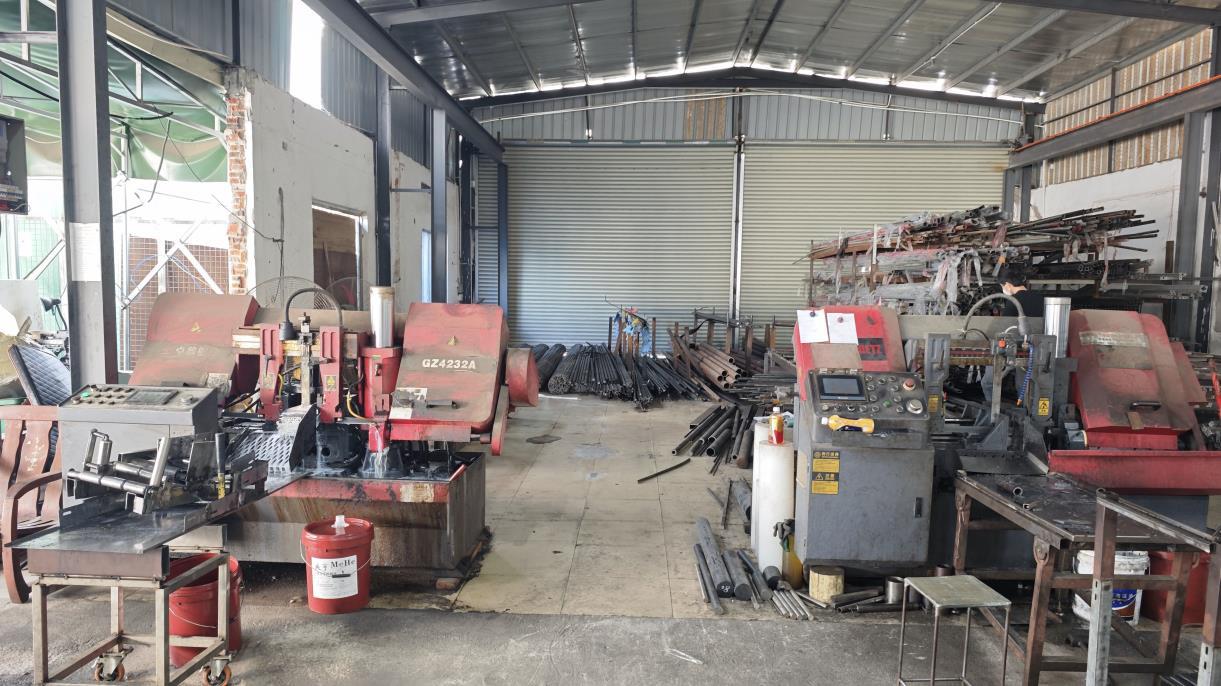
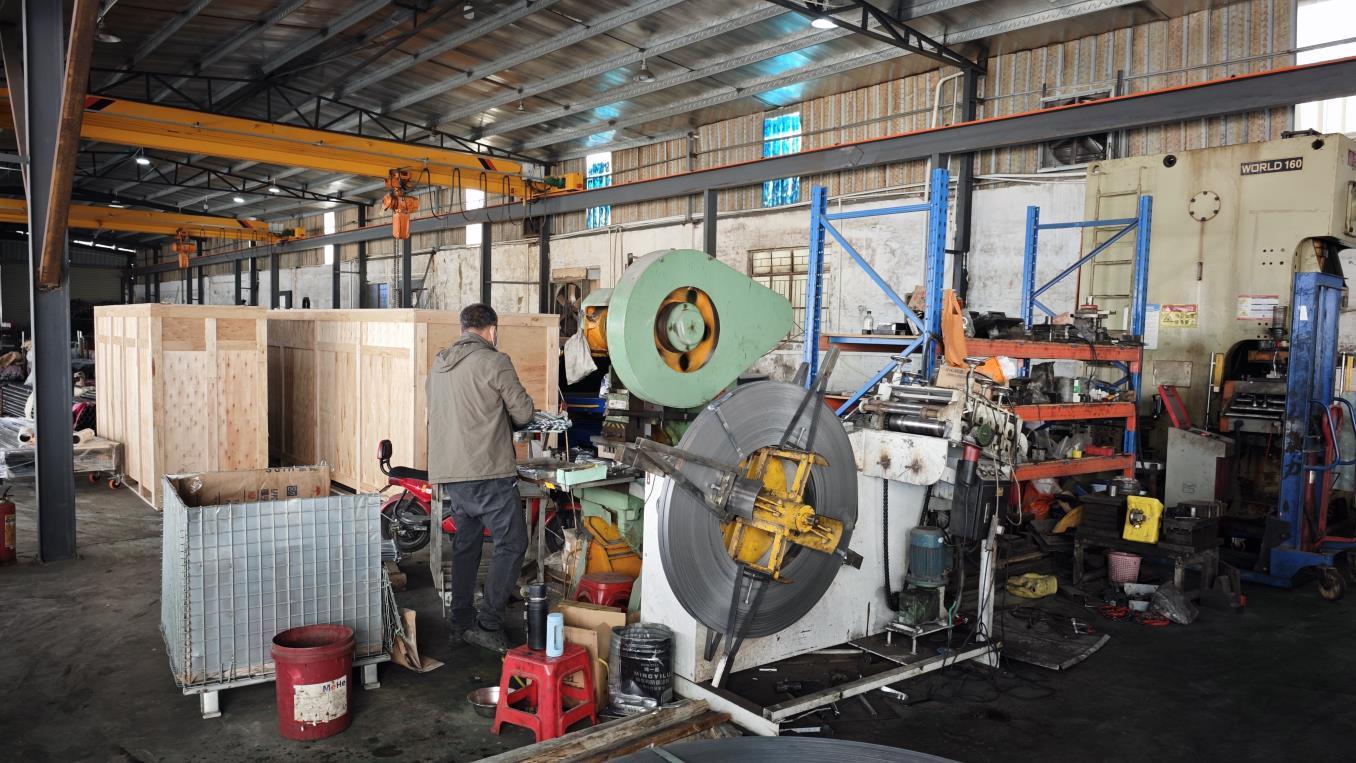
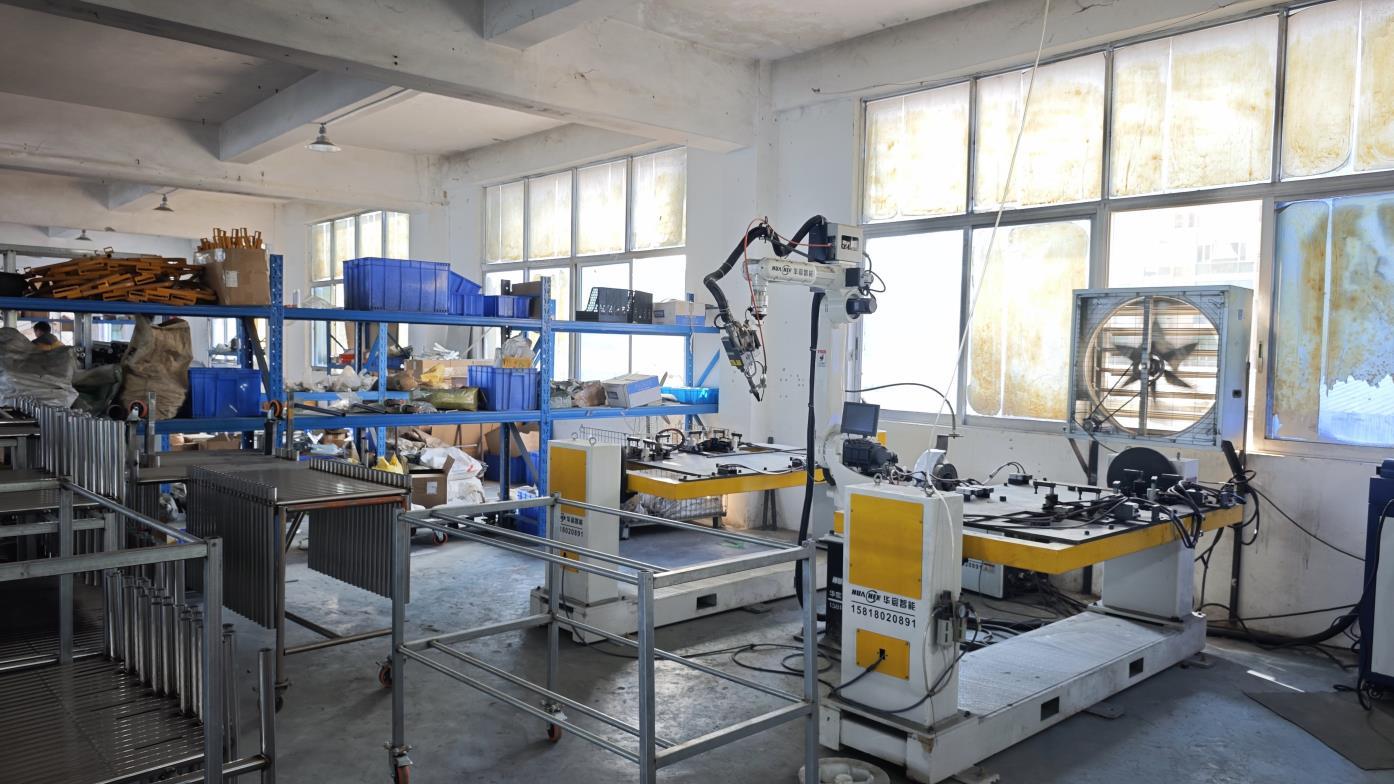
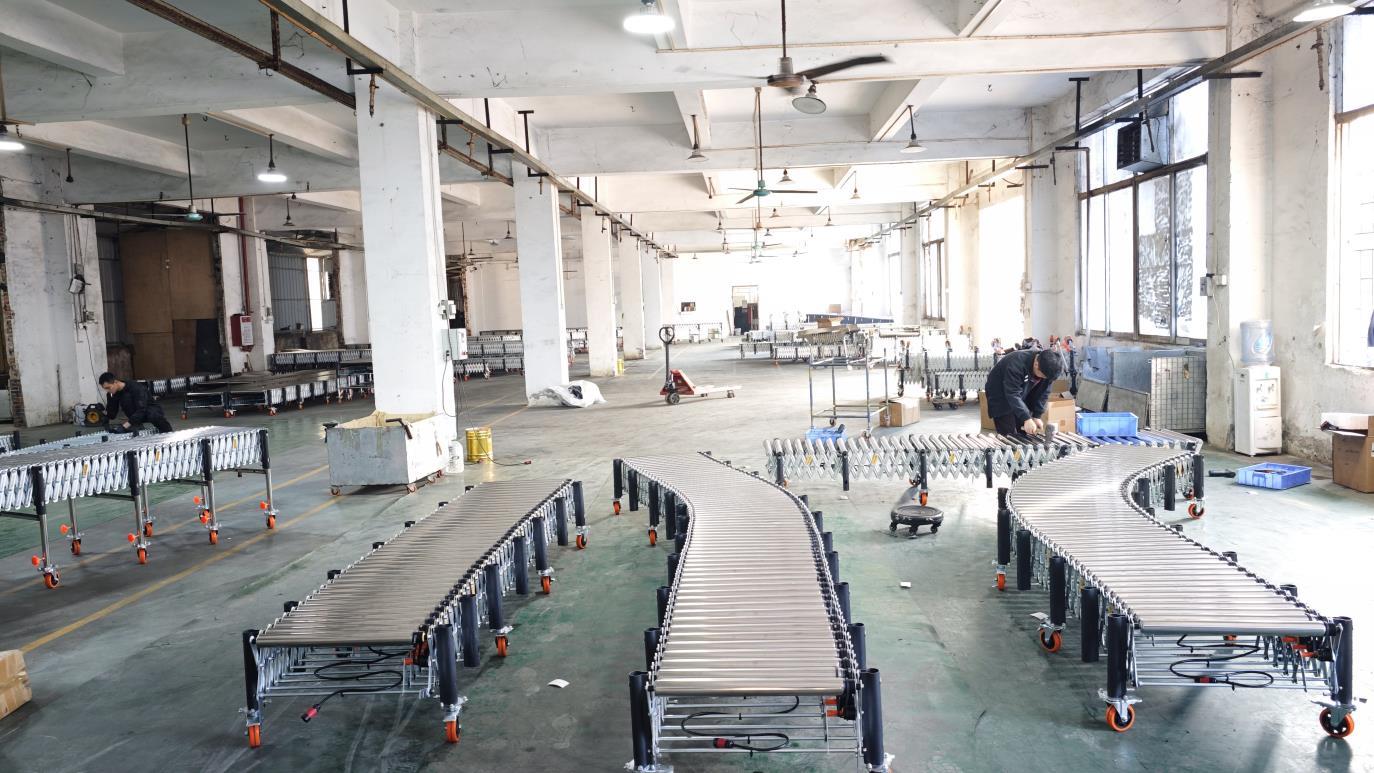
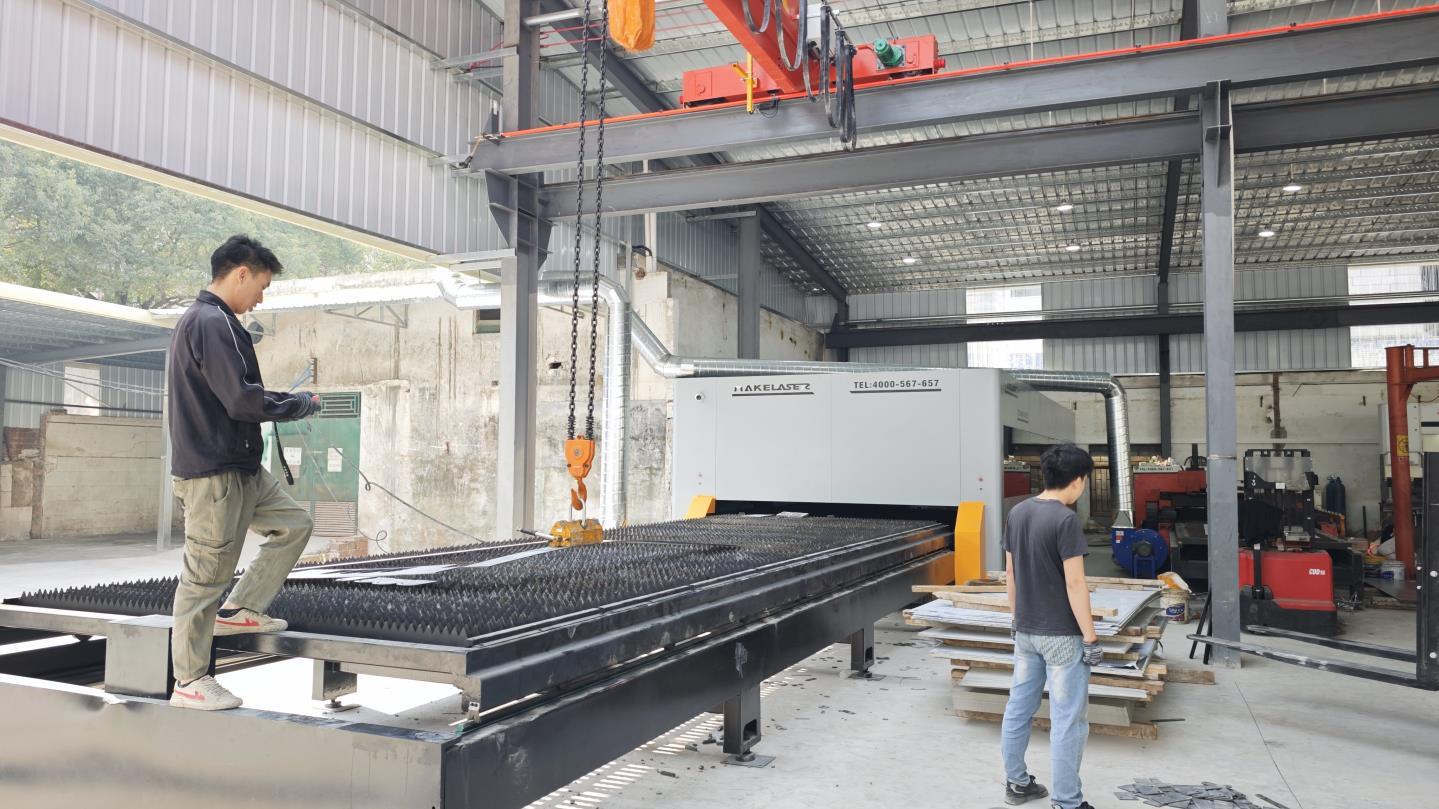
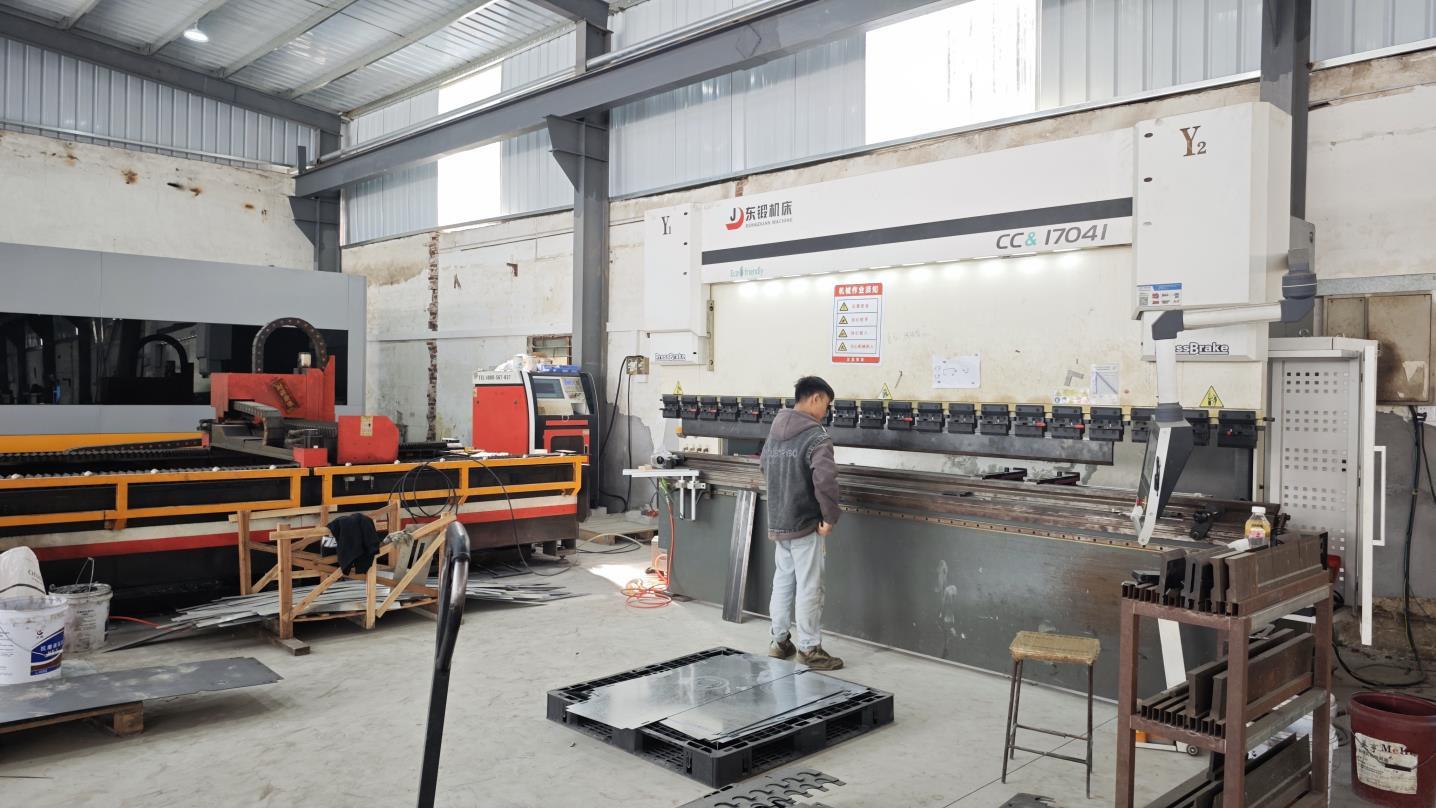
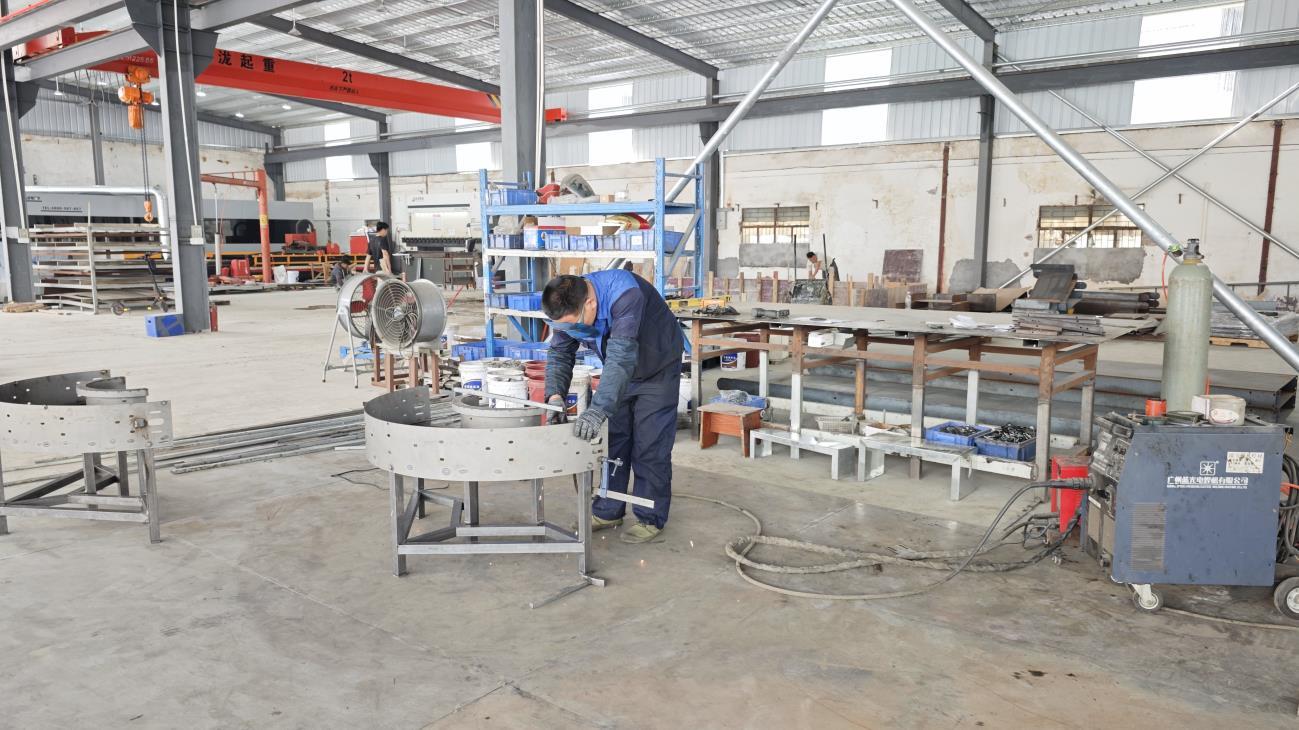
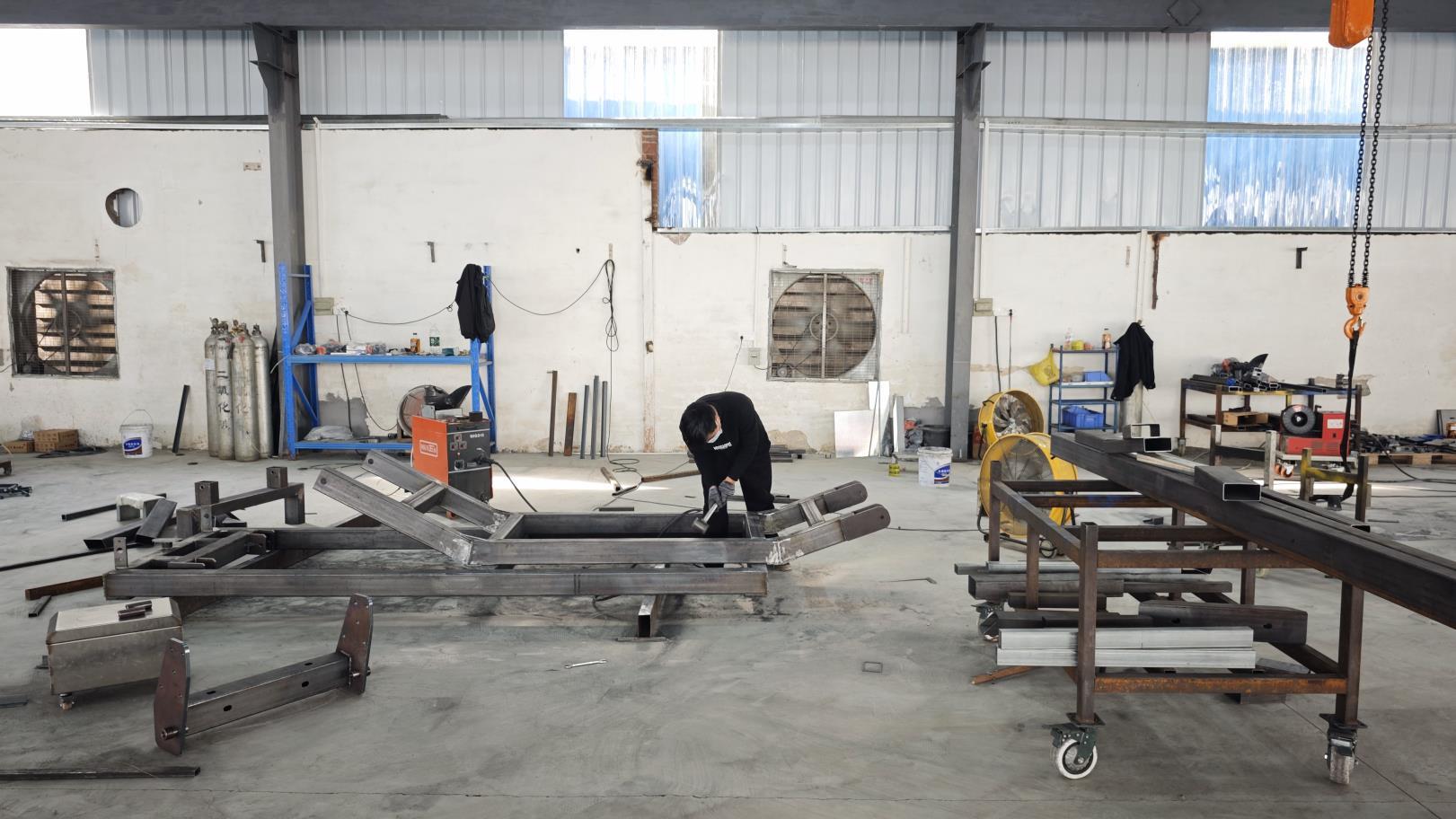
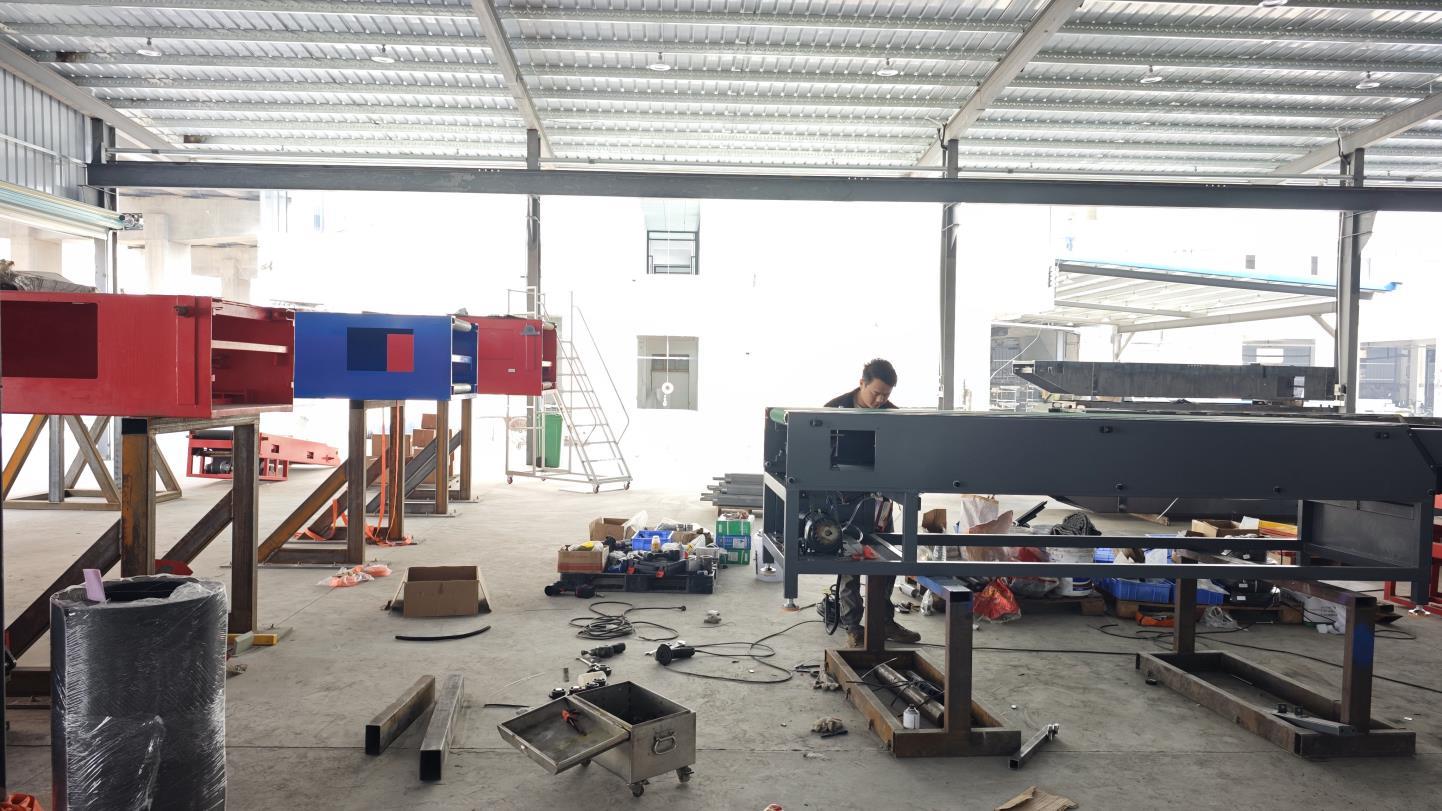
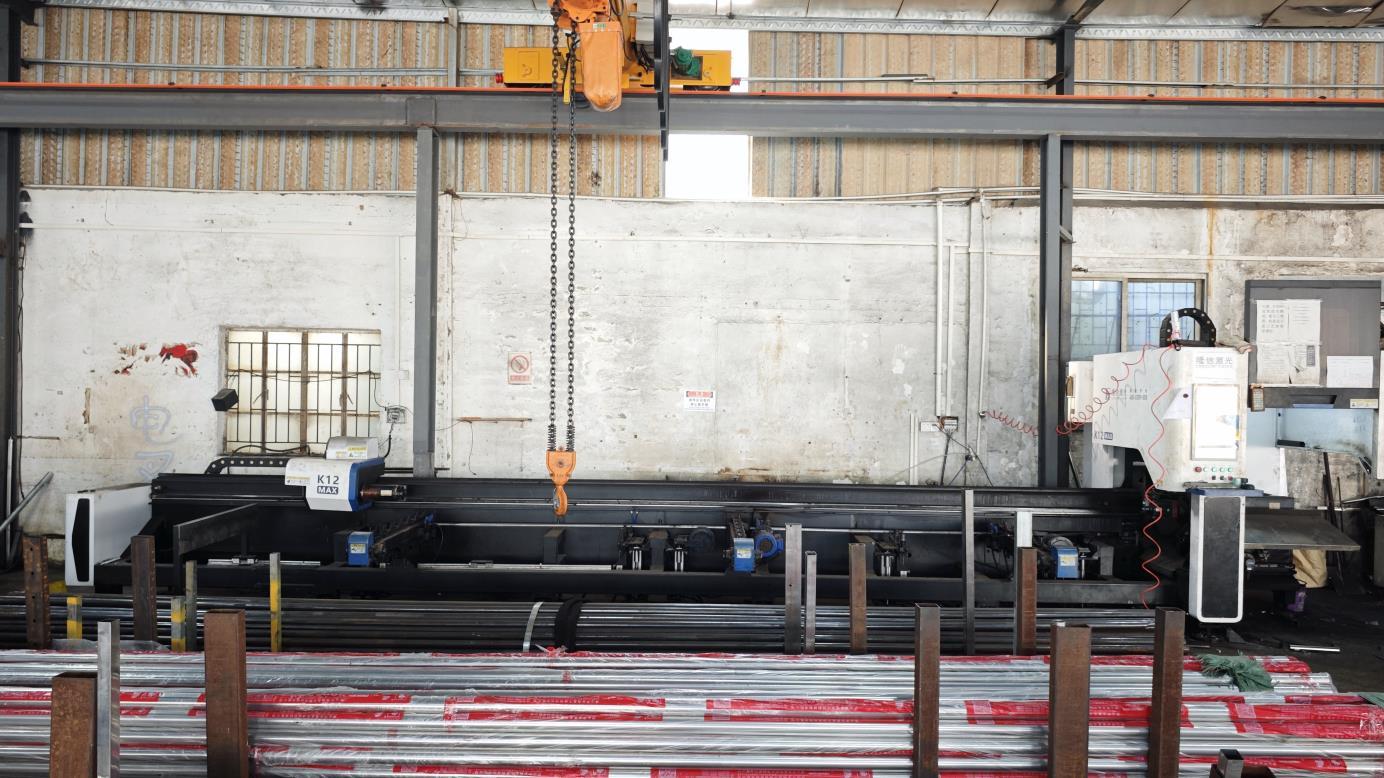
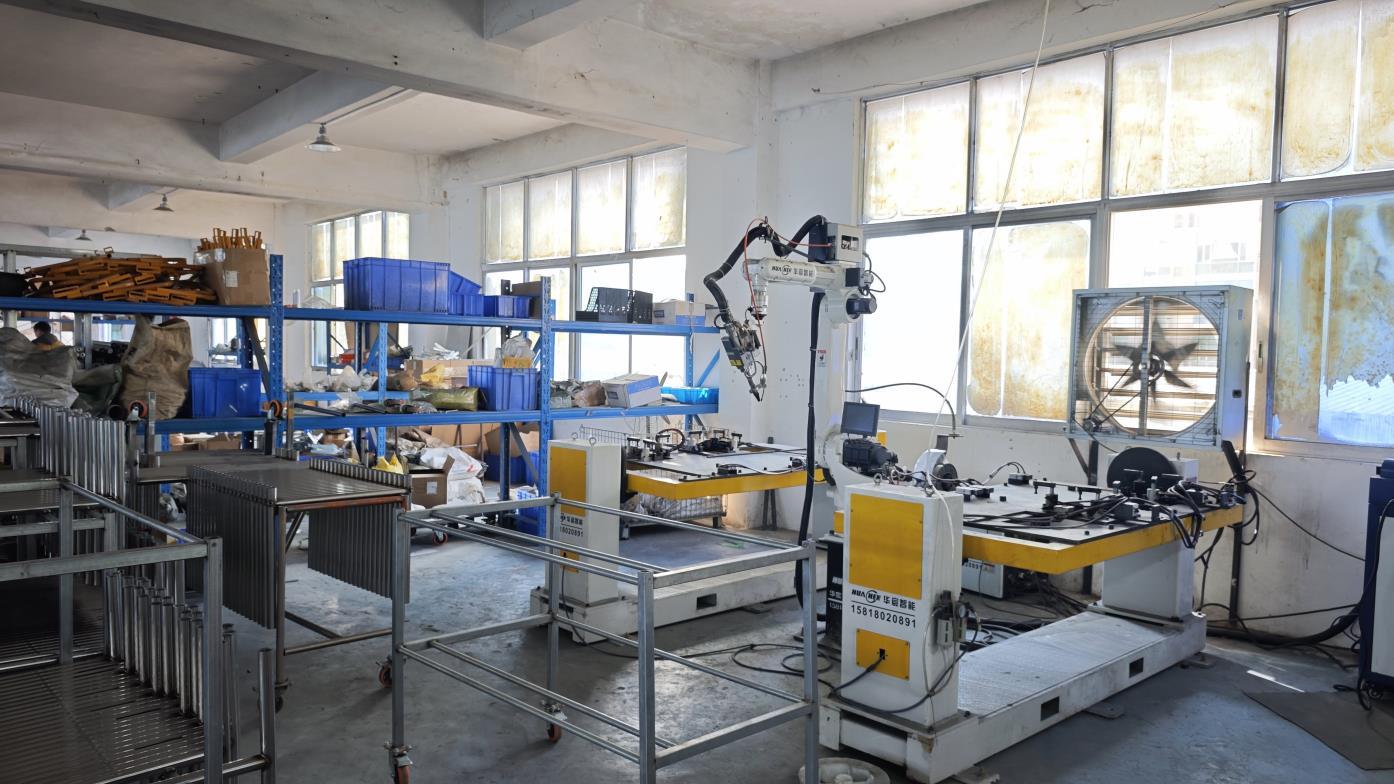
RAB Logistics develops storage solutions tailored to the operating conditions of Kiribati:
Logistics operations in the Pacific are adopting smart technology to improve efficiency. As satellite communications improve across Micronesia, warehouses are deploying cloud-based WMS platforms integrated with semi-automated storage equipment, like Radio Shuttle carts. These setups allow operators to manage and track inventory remotely, even with limited personnel on site.
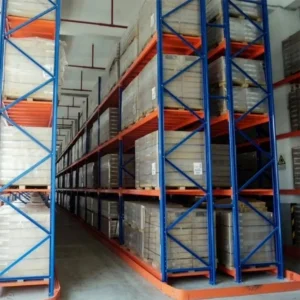
Climate resilience remains a key design driver. Modern installations use heavy-duty anchor configurations and oversized baseplates to distribute loads safely on atoll soil foundations, while accounting for the high-humidity conditions characteristic of equatorial regions.
Your strategic partner for intelligent warehousing and reliable modern storage infrastructure.
Hangzhou RAB Logistics Co., Ltd. is a provider of intelligent warehousing and modern logistics solutions. Built on industry experience and ongoing technological innovation, RAB Logistics helps enterprises transition traditional warehouse operations into automated, data-driven, and efficient supply chain systems.
The company integrates advanced logistics systems, including Warehouse Management Systems (WMS), Automated Storage and Retrieval Systems (AS/RS), AGV/AMR robotics, intelligent sorting systems, and real-time data visualization platforms. These integrated setups allow operators to improve fulfillment speed, minimize inventory handling errors, and reduce overall operating overhead.
With expertise spanning system consulting, structural design, equipment integration, custom software configuration, and project management, Hangzhou RAB Logistics Co., Ltd. delivers end-to-end intelligent logistics systems tailored to specific client challenges. Our engineering approach ensures compatibility between software control layers and hardware components, building scalable, future-ready operations.
RAB Logistics serves diverse industries, including precision manufacturing, cross-border e-commerce hubs, fast-moving consumer goods (FMCG) distribution, cold chain pharmaceuticals, and automotive components. Our systems are designed for stability, low maintenance, and reliable operation in challenging, high-density logistics environments.
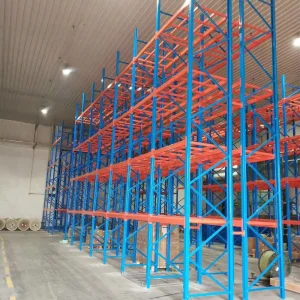
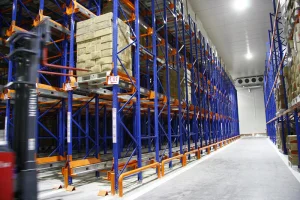
Select from our range of structural systems, optimized for marine conditions and high-density warehouse operations.
Technical answers to support your warehouse layout planning and import logistics strategy in Kiribati.
Consult with our engineering team to design custom, corrosion-resistant racking solutions tailored to your operational needs.
Request Design Proposal RAB Logistics