Engineered to comply with strict Chilean NCh2369 regulations, ensuring peak durability under severe seismic forces.
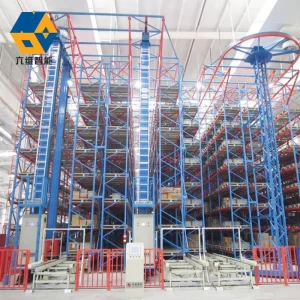
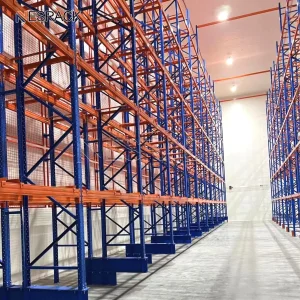
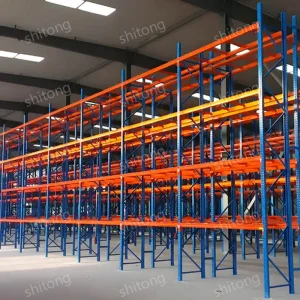
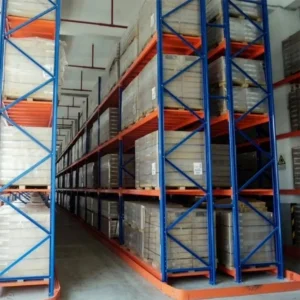
Chile holds a unique geographical and economic status within South America. Spanning a thin coastal band bordered by the Andes mountains, it acts as a primary trade gateway for Latin America. Driven by key export sectors—such as agriculture (fresh fruit and wine), aquaculture (salmon), mining (copper and lithium), and a booming consumer e-commerce retail market clustered around the Metropolitan Region of Santiago—the demand for high-capacity, space-optimized warehousing has hit historic levels.
However, engineering warehouse racking in Chile is distinctly complex. Positioning on the Pacific Ring of Fire subjects it to subduction zone megathrust earthquakes. In logistics, this makes structural design a critical safety imperative, not merely a structural afterthought. Industrial storage installations must withstand heavy kinetic loads during horizontal ground accelerations. Standard racking designed for low-seismicity regions will buckle, collapse, and cause catastrophic inventory losses and safety hazards if deployed in Chile.
Consequently, local regulations enforce some of the world's most rigorous building codes. Any warehouse racking factory supplying the Chilean market must engineer its systems to satisfy the local design standard NCh 2369 (designed for industrial structures and equipment) alongside the modern NCh 3460 guidelines specifically regulating structural steel pallet racks. This calls for structural steel configurations with high ductility ratios, specialized frame bracing, robust base plates, and heavy-duty anchor bolt assemblies designed to absorb and dissipate seismic energy.
The global materials handling sector is transitioning rapidly from basic static storage options to semi-automated and fully automated intralogistics configurations. As urban land prices rise in Santiago, San Antonio, and Valparaíso, modern warehouses are shifting from traditional wide-aisle systems to vertical space designs. Below is the technical roadmap shaping modern warehouse setups:
Furthermore, advanced surface treatment technology plays a major role. For cold-chain networks down in southern Chile or coastal logistics terminals, steel racks must undergo high-quality hot-dip galvanization or receive electrostatic powder coatings. This prevents rust formation in highly humid or sub-zero environments, assuring long-term structural reliability.
Your Global Strategic Partner for Smart Warehousing & Seismic Racking Systems
Hangzhou RAB Logistics Co., Ltd. is a professional provider of intelligent warehousing and modern logistics solutions. Built on years of industry experience and continuous technological innovation, RAB Logistics is committed to helping enterprises transform traditional warehouse operations into highly automated, data-driven, and efficient supply chain systems.
Since its establishment, the company has focused on integrating advanced logistics technologies such as Warehouse Management Systems (WMS), Automated Storage and Retrieval Systems (AS/RS), AGV/AMR robotics, intelligent sorting systems, and real-time data visualization platforms. These solutions enable clients to achieve higher operational accuracy, faster fulfillment speed, and significantly reduced logistics costs.
With strong capabilities in system consulting, solution design, equipment integration, software development, and project implementation, Hangzhou RAB Logistics Co., Ltd. delivers end-to-end intelligent logistics solutions tailored to diverse industry needs. Our expertise ensures seamless coordination between hardware and software, creating scalable and future-ready warehouse infrastructures.
RAB Logistics serves a wide range of industries including manufacturing, cross-border e-commerce, fast-moving consumer goods (FMCG), pharmaceuticals, and automotive parts. Our solutions are trusted for their stability, innovation, and proven performance in complex, high-demand environments.
By choosing Hangzhou RAB Logistics Co., Ltd., you are selecting a long-term strategic partner dedicated to building smarter warehouses, optimizing supply chains, and empowering businesses with sustainable competitive advantages in the era of intelligent logistics.
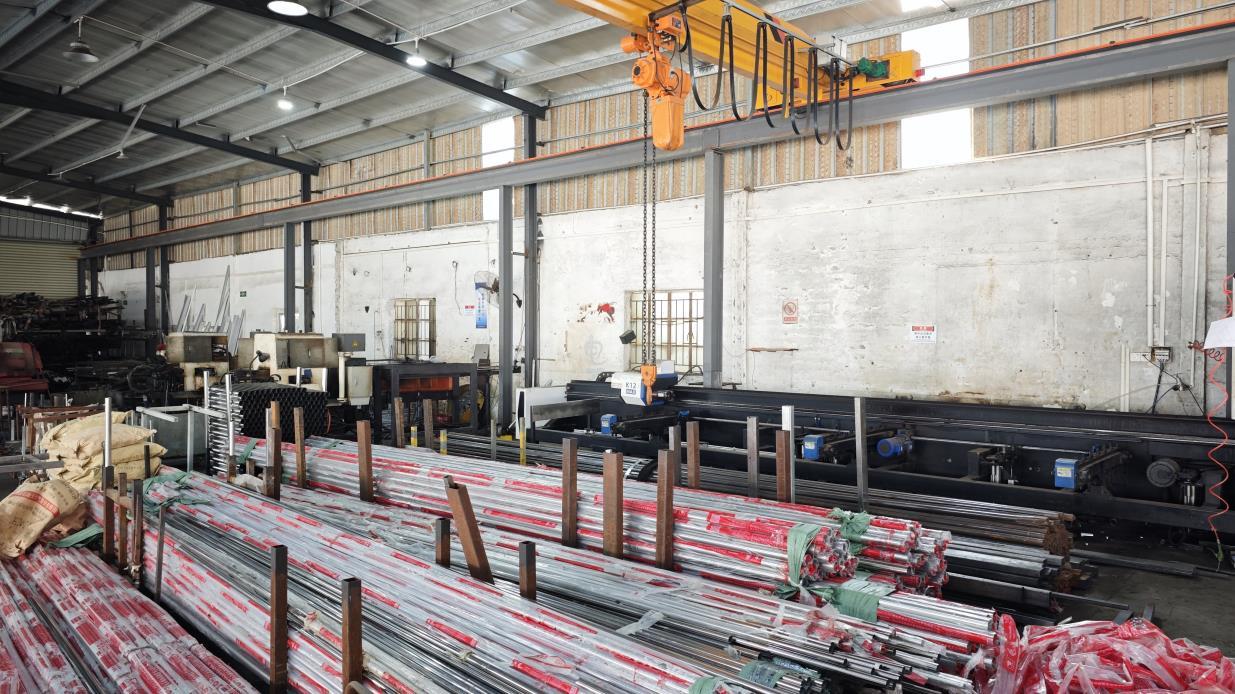
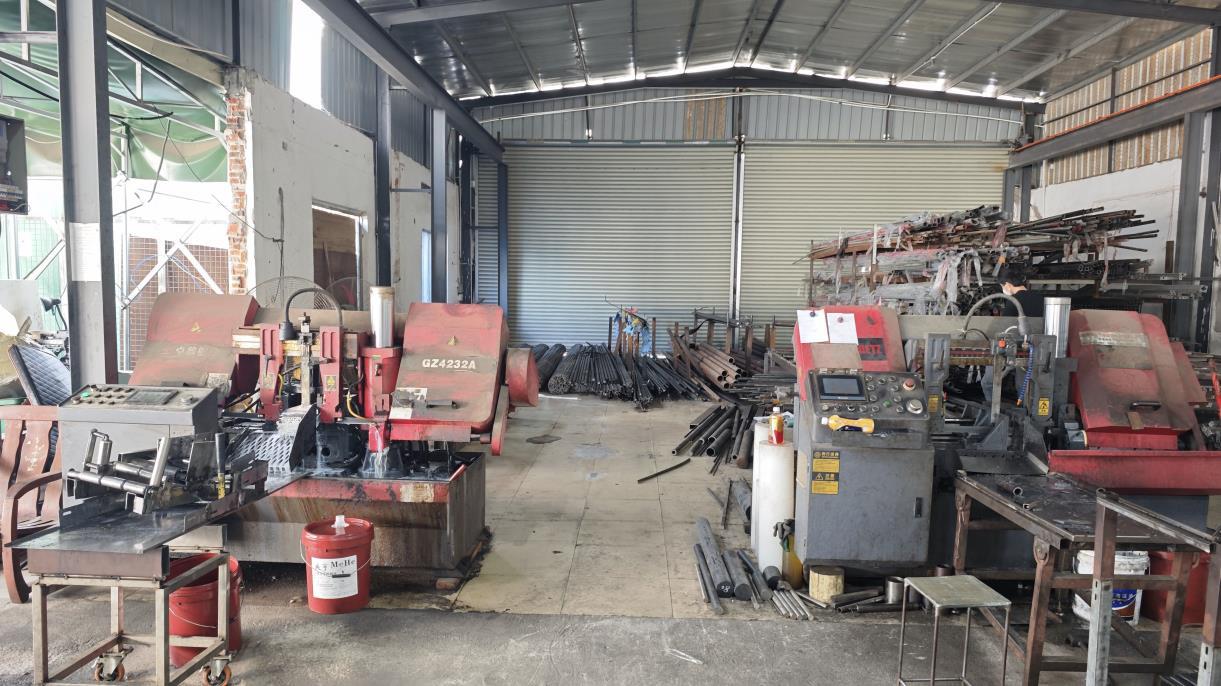
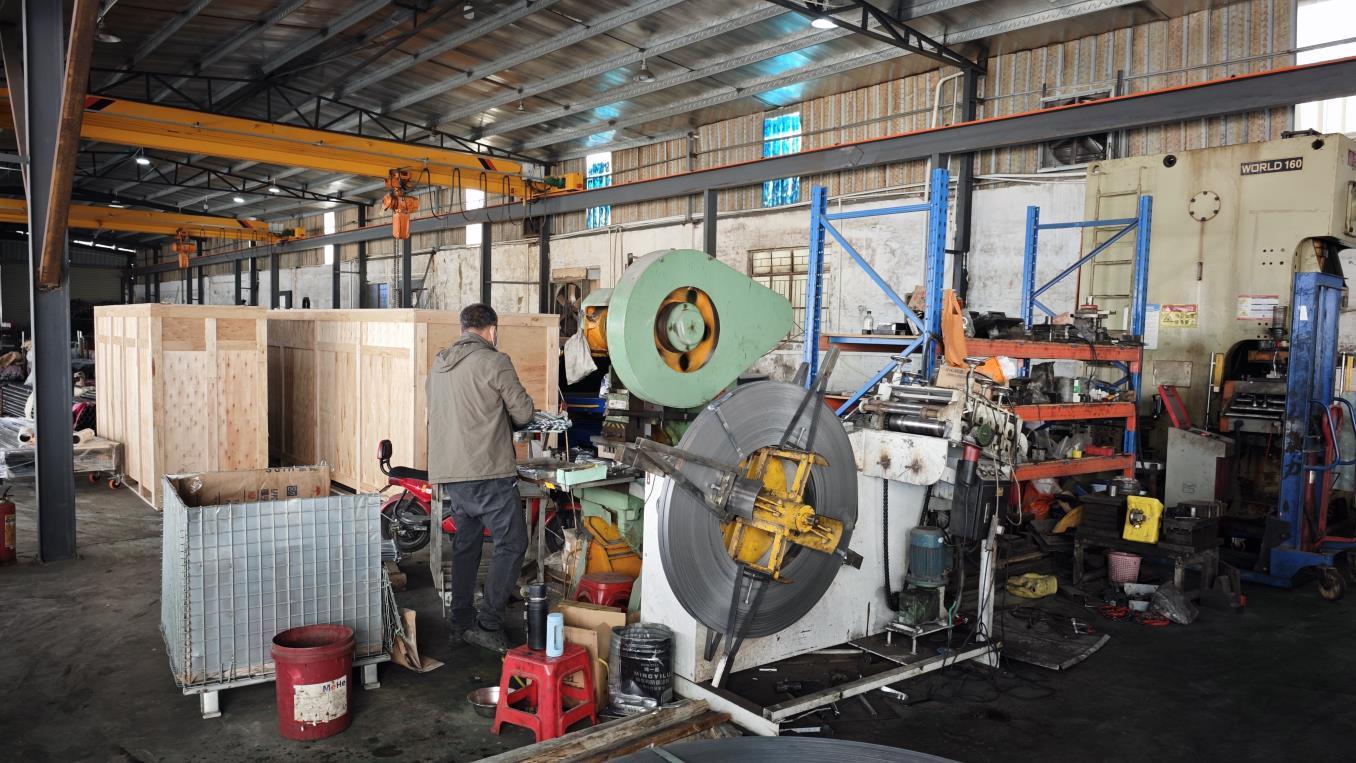
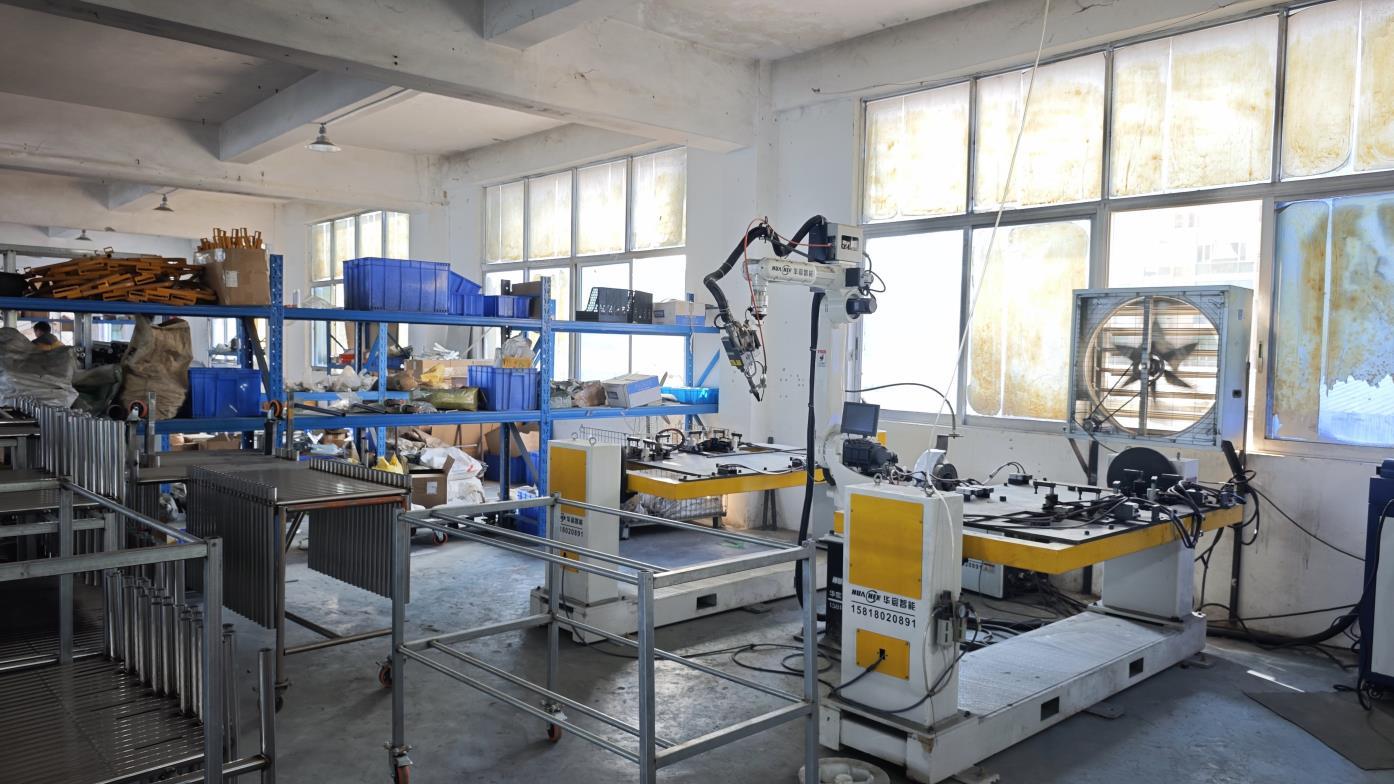
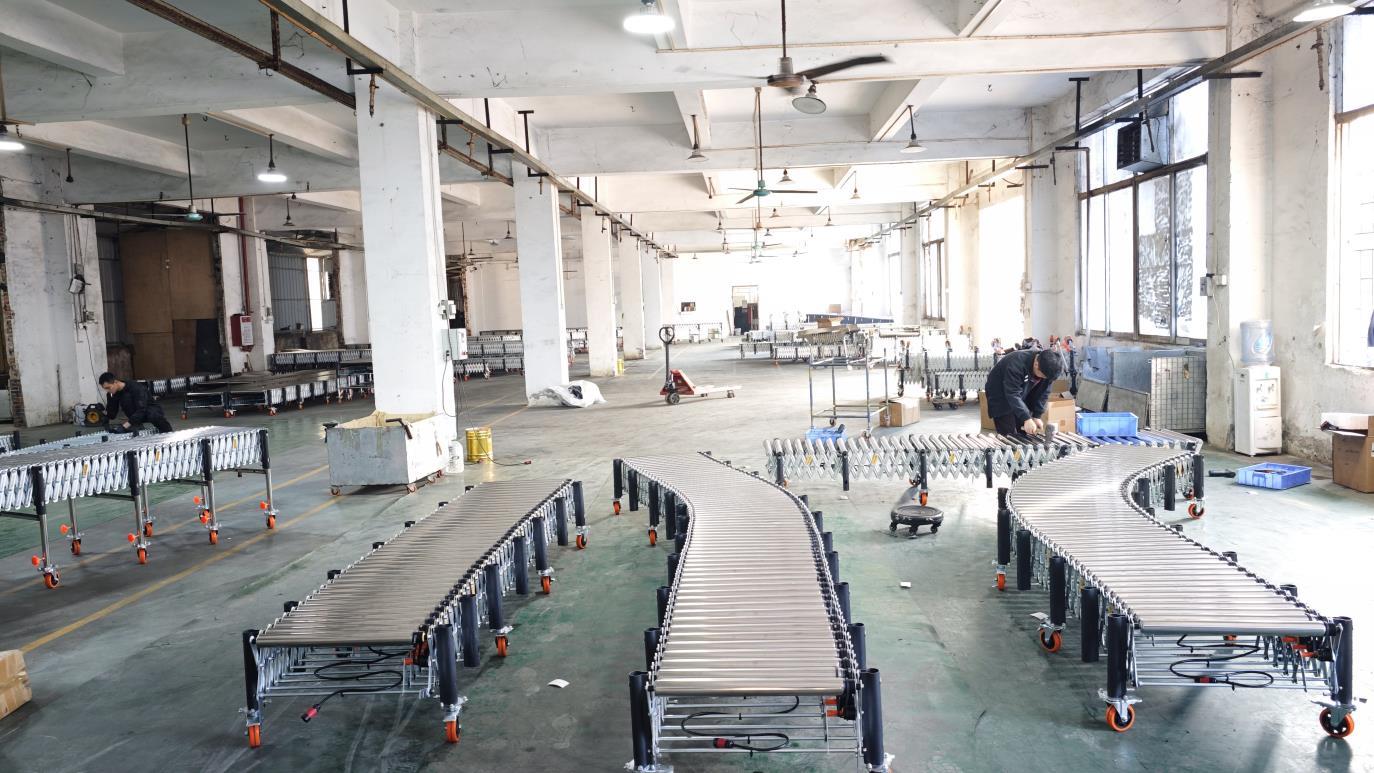
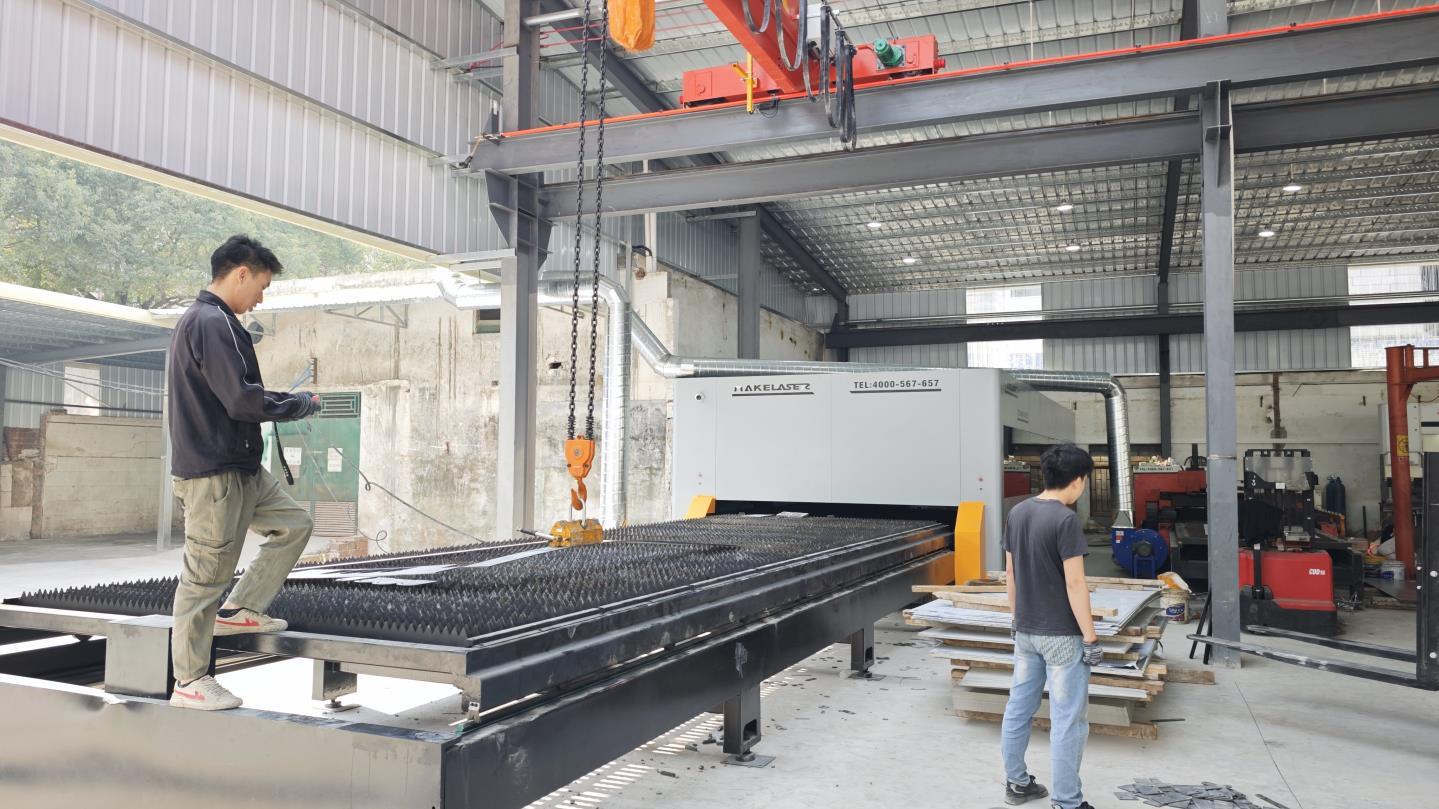
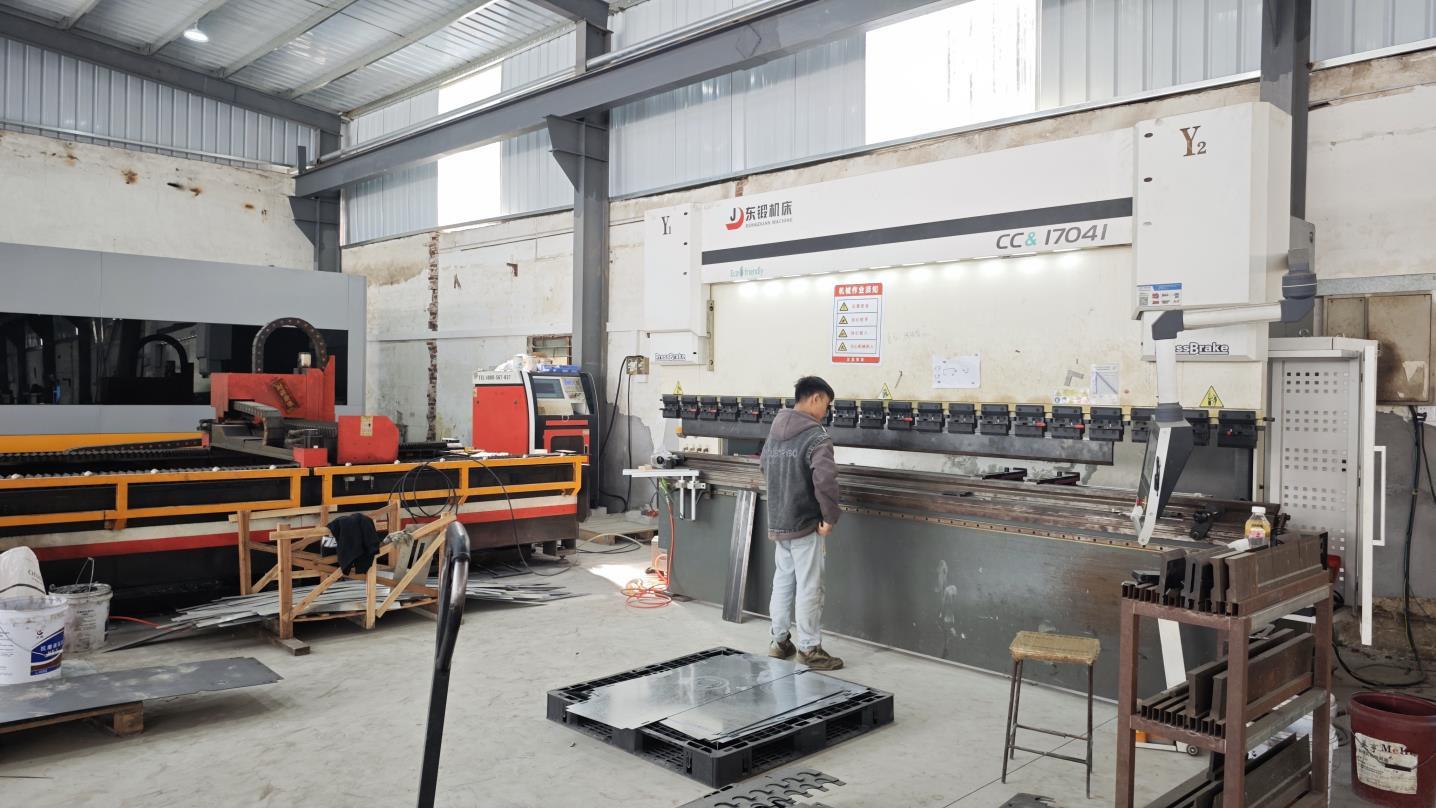
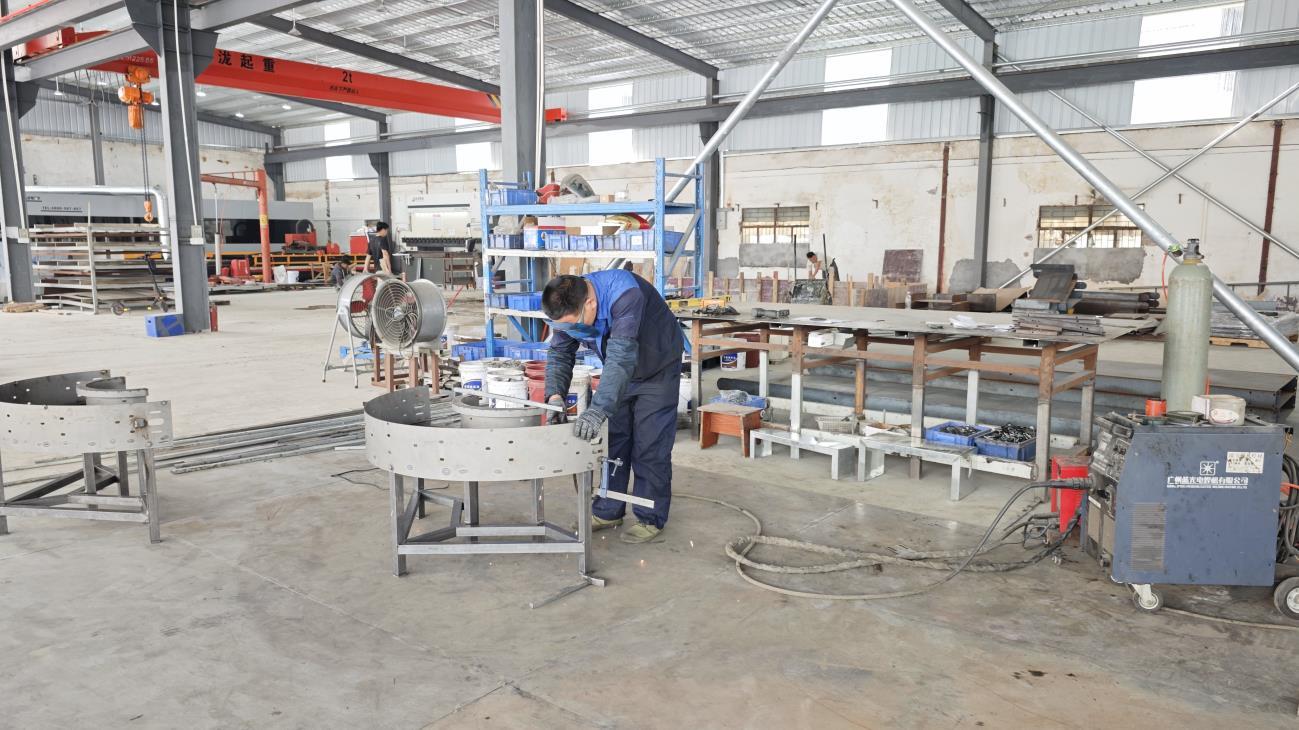
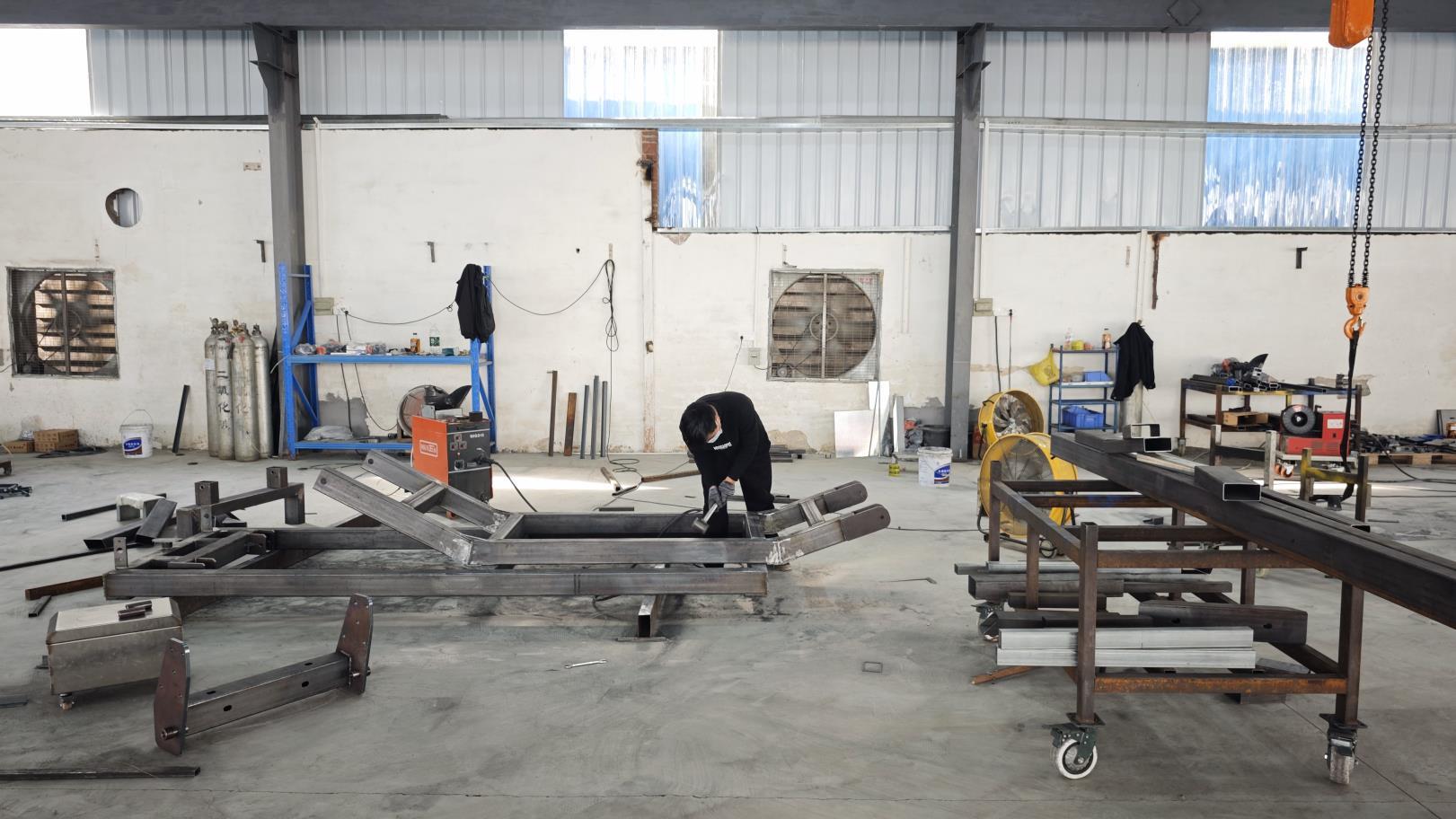
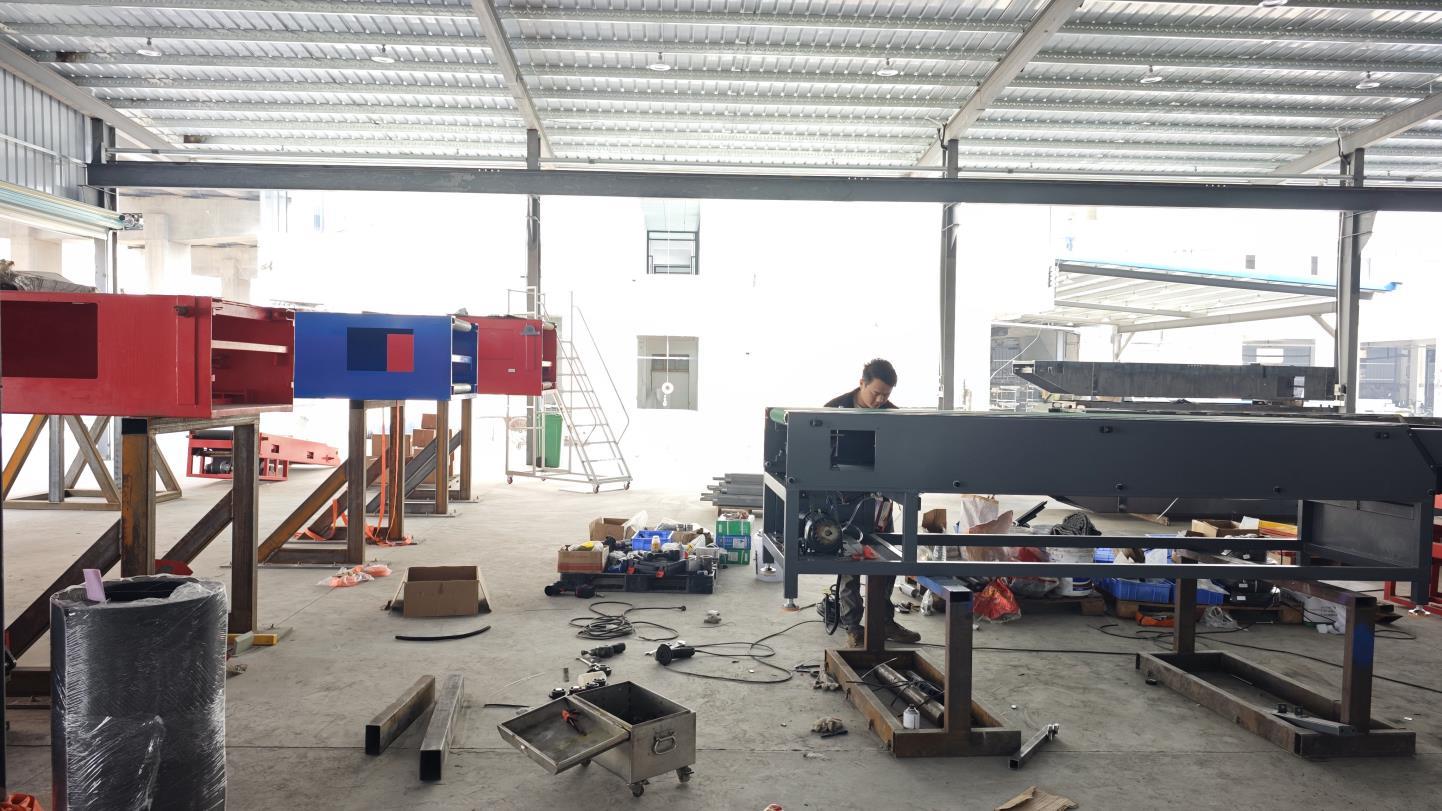
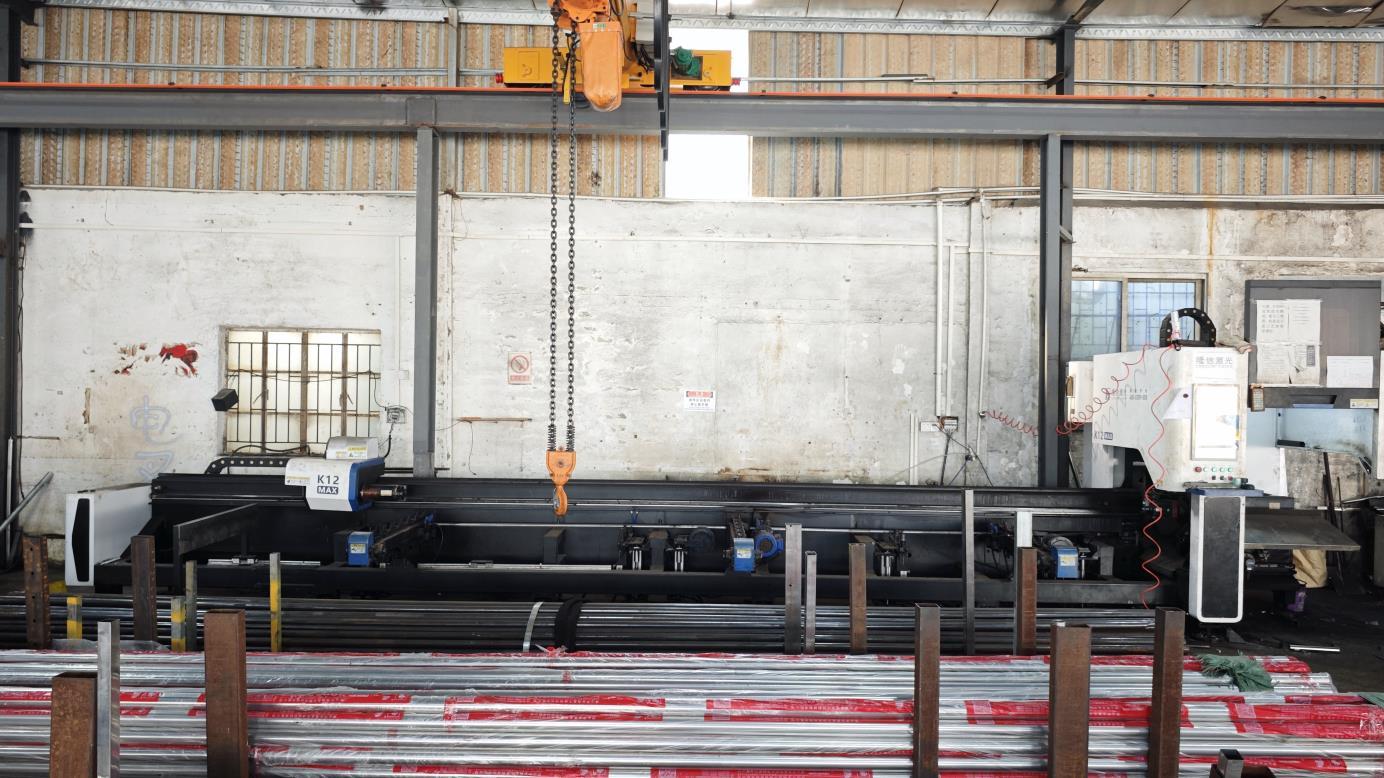
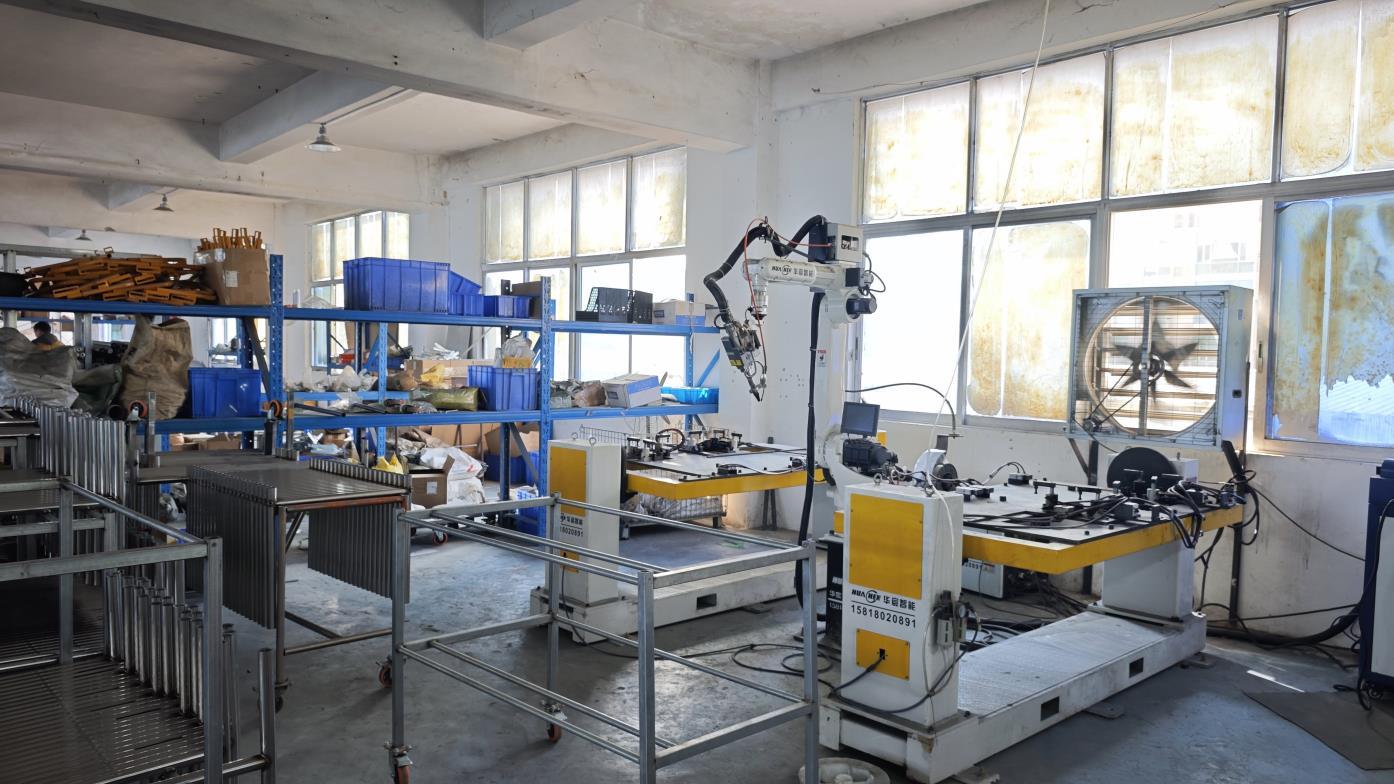
Purchasing structural racking systems directly from elite Chinese manufacturers gives Chilean businesses significant strategic advantages. China’s high-tech industrial base utilizes automated manufacturing platforms, including advanced CNC roll forming lines, robotic laser cutting machines, and automated electrostatic powder coating plants. These state-of-the-art systems ensure consistent geometric dimensions and finish qualities that manual operations simply cannot match.
Furthermore, China’s immense steel production scale grants us priority access to certified, high-tensile structural grades like Q235B and Q355B (comparable to ASTM A36 and ASTM A572 Grade 50). Using premium-grade raw materials ensures the engineered racking systems can handle high-density load designs. This is crucial for satisfying the strict seismic demands of the Chilean NCh 2369 code without needing oversized, costly profiles.
From a logistics perspective, buying direct from a Chinese factory is highly optimized. By utilizing direct shipping lanes from major Chinese ports (such as Shanghai, Ningbo, and Shenzhen) to Valparaíso and San Antonio, Chilean importers can lower freight costs and keep projects on schedule. Racking components are systematically flat-packed into shipping containers to maximize space efficiency, while comprehensive installation manuals, engineering drawings, and virtual support streamline the setup process onsite.
Essential insights for importing, engineering, and operating pallet racking systems in Chile.
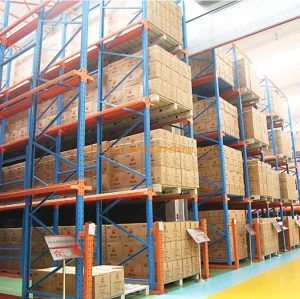
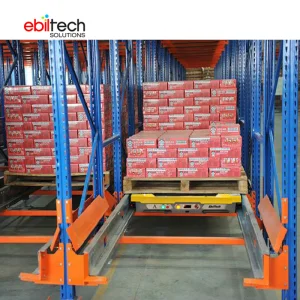
Explore our specialized racking systems designed to optimize space, improve picking speed, and lower operational overhead.
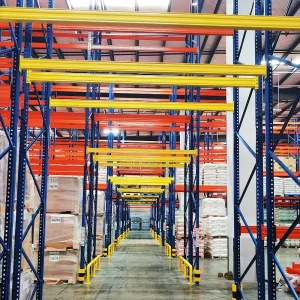
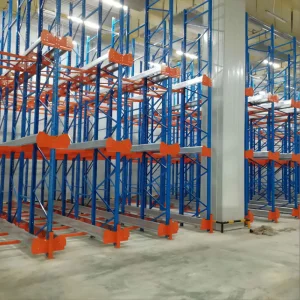
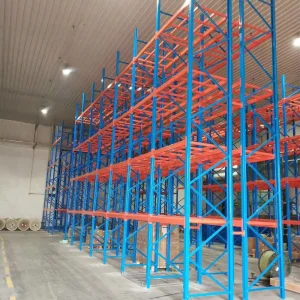
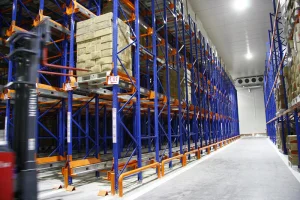
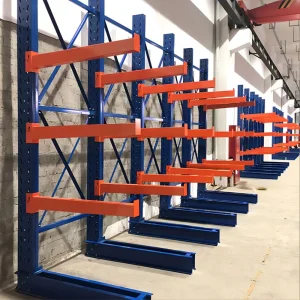
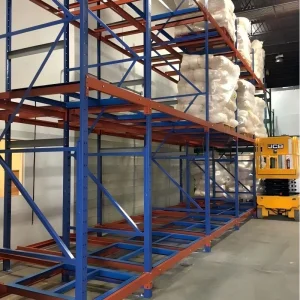
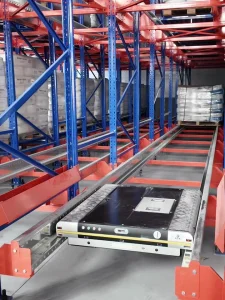
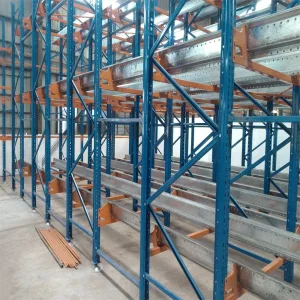
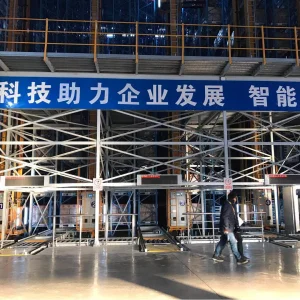
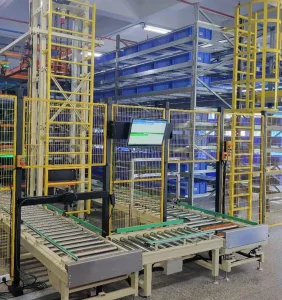
Highly customized, future-ready setups combining robotic stackers and heavy duty frames.
 RAB Logistics