Engineered cantilever solutions addressing modern supply chain challenges, urban site optimization, and localized logistics constraints.
In the highly competitive commercial hubs of Greater London—from the industrial sectors of Park Royal and Croydon to the logistics corridors of the Thames Gateway—efficient industrial space utilization is critical. Industrial real estate values in the London market continue to command a steep premium, forcing warehouse managers and industrial distributors to optimize every cubic meter of vertical height. Traditional storage structures often fail to accommodate bulky, long, and irregular inventory. Standard pallet racking systems present upright columns that obstruct continuous horizontal storage, posing severe limitations for storing raw metal pipes, structural timber, machinery parts, and automotive chassis.
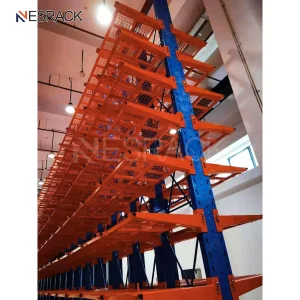
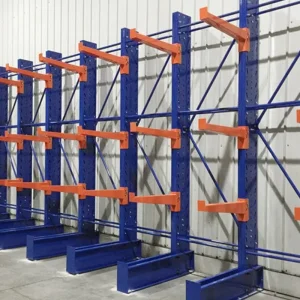
Our bespoke Heavy-Duty Cantilever Racking Systems are engineered specifically to eliminate these physical constraints. By positioning the structural load-bearing arms outward from a centralized column spine, cantilever racking presents a continuous, unobstructed frontage. This facilitates safe, streamlined forklift access and overhead crane maneuvering, dramatically reducing the risk of product damage, improving inventory rotation metrics, and maximizing spatial footprints. In a market demanding lightning-fast local order fulfillment, structural reliability and spatial efficiency are no longer optional—they are the key drivers of operational profitability.
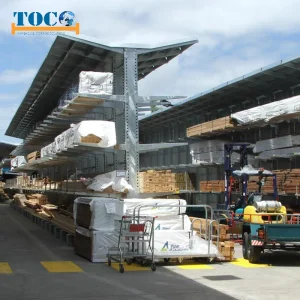
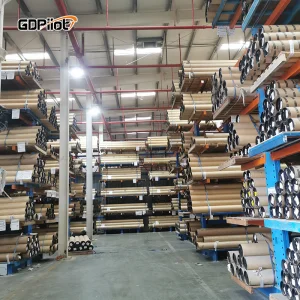
High-performance structural steel and galvanized racking configurations selected for London's distribution centers.
The industrial landscape of London and the South East is marked by acute challenges: space scarcity, high land rent rates, and the expansion of the Ultra Low Emission Zone (ULEZ) which dictates logistic routes and vehicle fleet deployments. Businesses operating in industrial estates such as Park Royal (often called the breadbasket of London), Enfield, Beckton, and the logistics corridors adjacent to Heathrow Airport cannot afford sprawling warehouses. Every square meter must yield maximum productivity.
This macro-economic context has driven the rapid adoption of specialized cantilever racking systems. Companies dealing with structural steel distribution, construction supplies, plumbing materials, and high-volume timber storage are transitioning from bulk floor-stacking to highly engineered vertical cantilever systems. Elevating inventory off the warehouse floor not only complies with modern Health & Safety guidelines but also multiplies total storage capacity by up to 250% within the exact same footprint. Furthermore, modern urban regeneration projects throughout East London require immediate access to localized raw materials, turning regional yards into high-turnover micro-distribution depots.
Leading technological and regulatory shifts redefining industrial storage globally.
Modern cantilever systems are no longer passive steel frames. Global operations are increasingly integrating them with automated cranes, stacker retrievers, and Automated Guided Vehicles (AGVs) for high-speed retrieval of long profiles without human intervention.
Procuring entities are demanding strict compliance with European and UK codes including BS EN 15635 (Steel static storage systems), SEMA codes of practice, and EN 1090 structural steel execution standards to guarantee ultimate workplace safety.
With outside storage yards increasingly utilized to combat high indoor rent, hot-dip galvanization (HDG) conforming to ISO 1461 has emerged as the global standard, ensuring decades of corrosion resistance in coastal and urban environments.
Empowering Global Warehouses with Engineered Excellence and Data-Driven Logistics Systems
Hangzhou RAB Logistics Co., Ltd. is a professional provider of intelligent warehousing and modern logistics solutions. Built on years of industry experience and continuous technological innovation, RAB Logistics is committed to helping enterprises transform traditional warehouse operations into highly automated, data-driven, and efficient supply chain systems.
Since its establishment, the company has focused on integrating advanced logistics technologies such as Warehouse Management Systems (WMS), Automated Storage and Retrieval Systems (AS/RS), AGV/AMR robotics, intelligent sorting systems, and real-time data visualization platforms. These solutions enable clients to achieve higher operational accuracy, faster fulfillment speed, and significantly reduced logistics costs.
With strong capabilities in system consulting, solution design, equipment integration, software development, and project implementation, Hangzhou RAB Logistics Co., Ltd. delivers end-to-end intelligent logistics solutions tailored to diverse industry needs. Our expertise ensures seamless coordination between hardware and software, creating scalable and future-ready warehouse infrastructures.
RAB Logistics serves a wide range of industries including manufacturing, cross-border e-commerce, fast-moving consumer goods (FMCG), pharmaceuticals, and automotive parts. Our solutions are trusted for their stability, innovation, and proven performance in complex, high-demand environments.
By choosing Hangzhou RAB Logistics Co., Ltd., you are selecting a long-term strategic partner dedicated to building smarter warehouses, optimizing supply chains, and empowering businesses with sustainable competitive advantages in the era of intelligent logistics.
Step inside our smart manufacturing facilities, where precision engineering meets high-volume structural production.
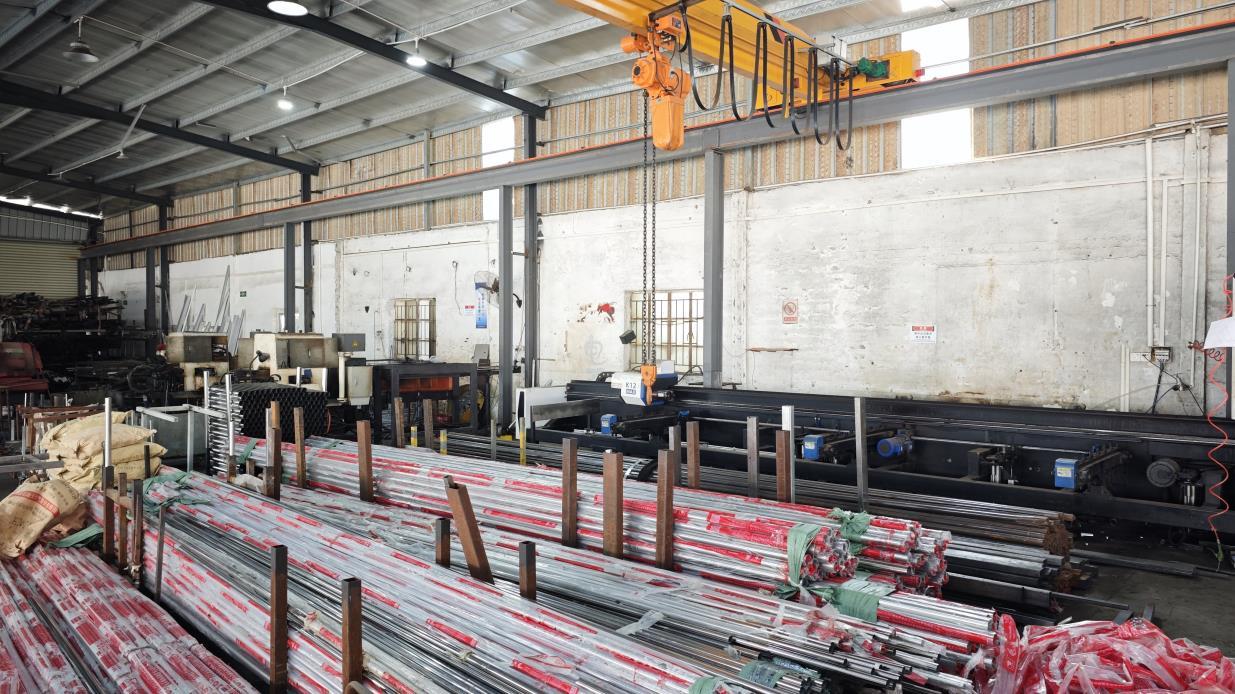
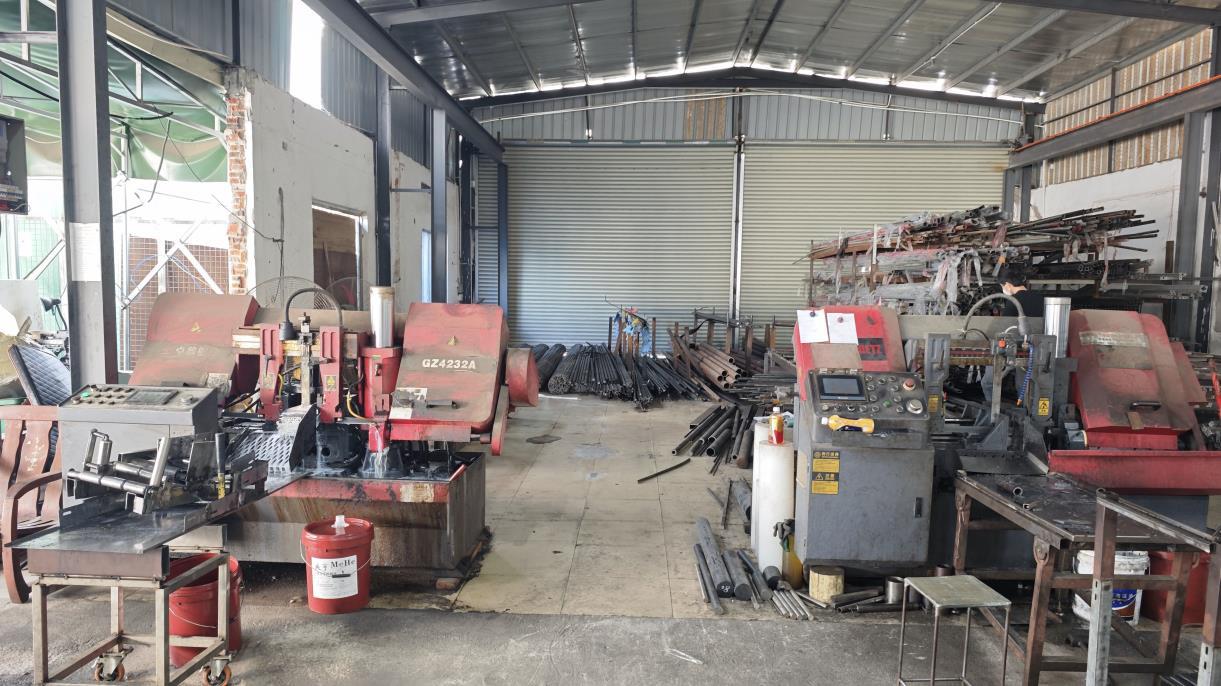
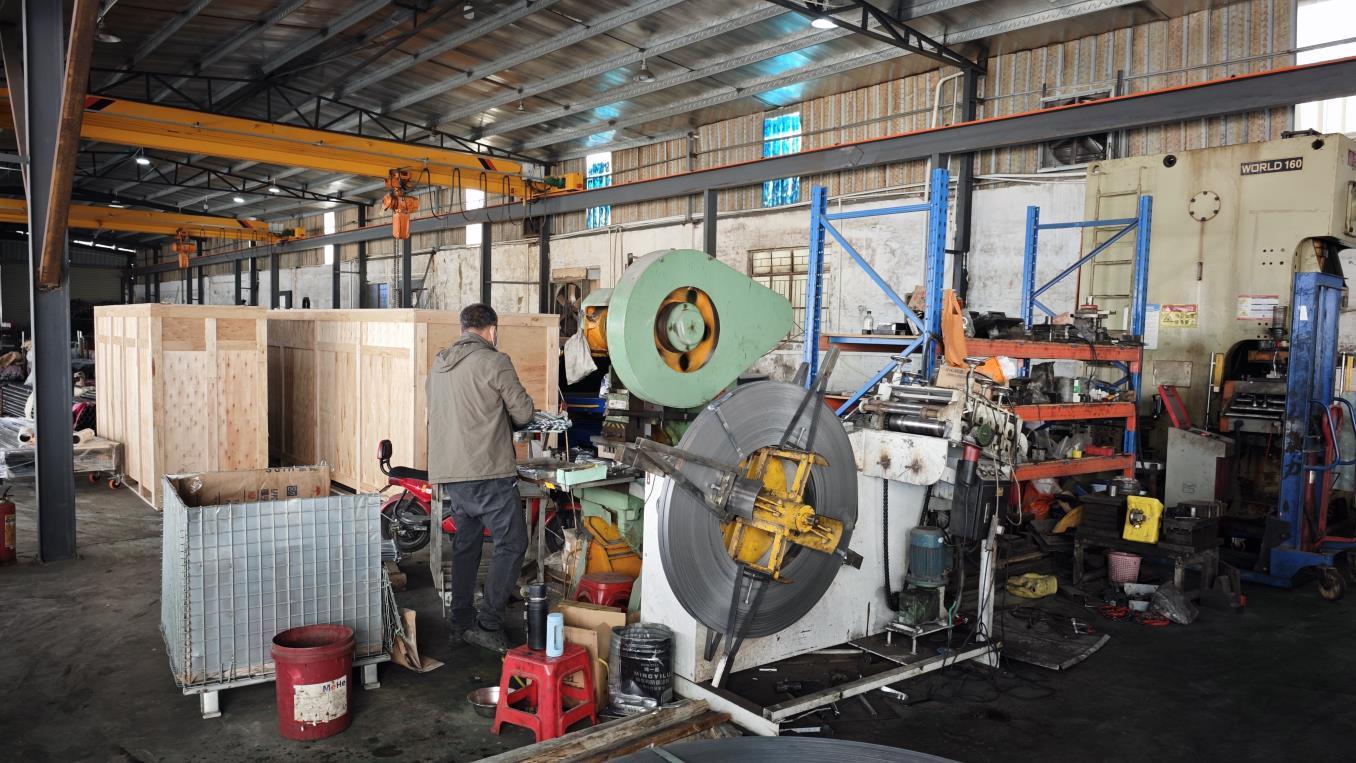
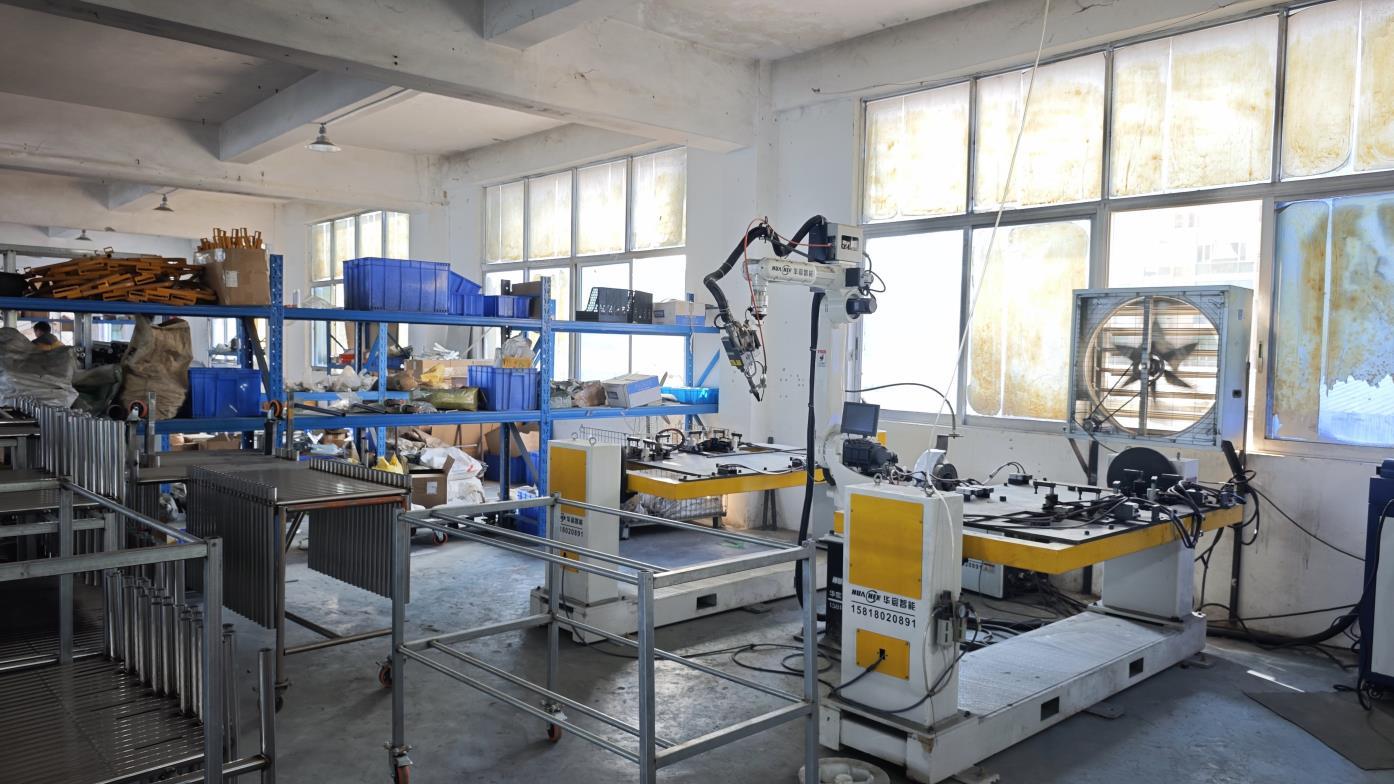
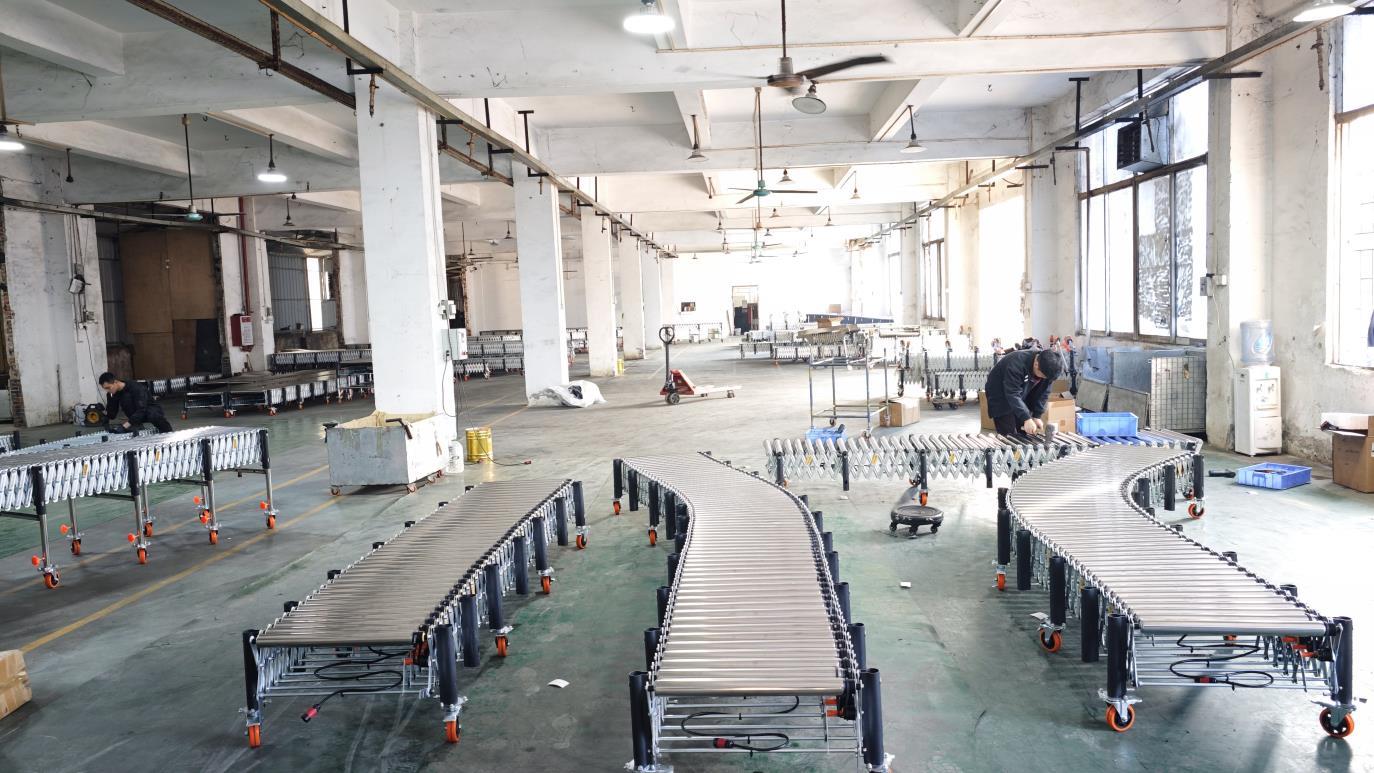
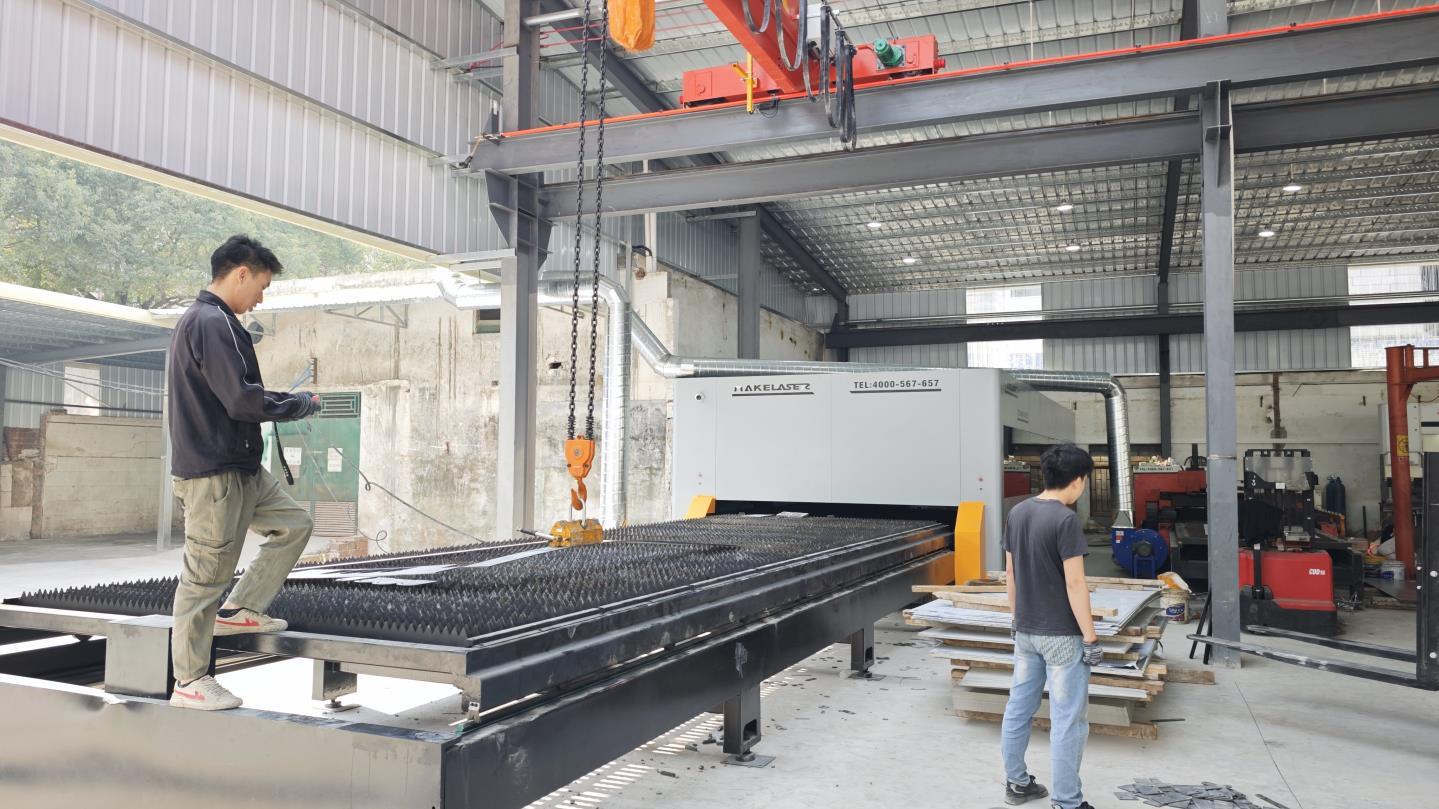
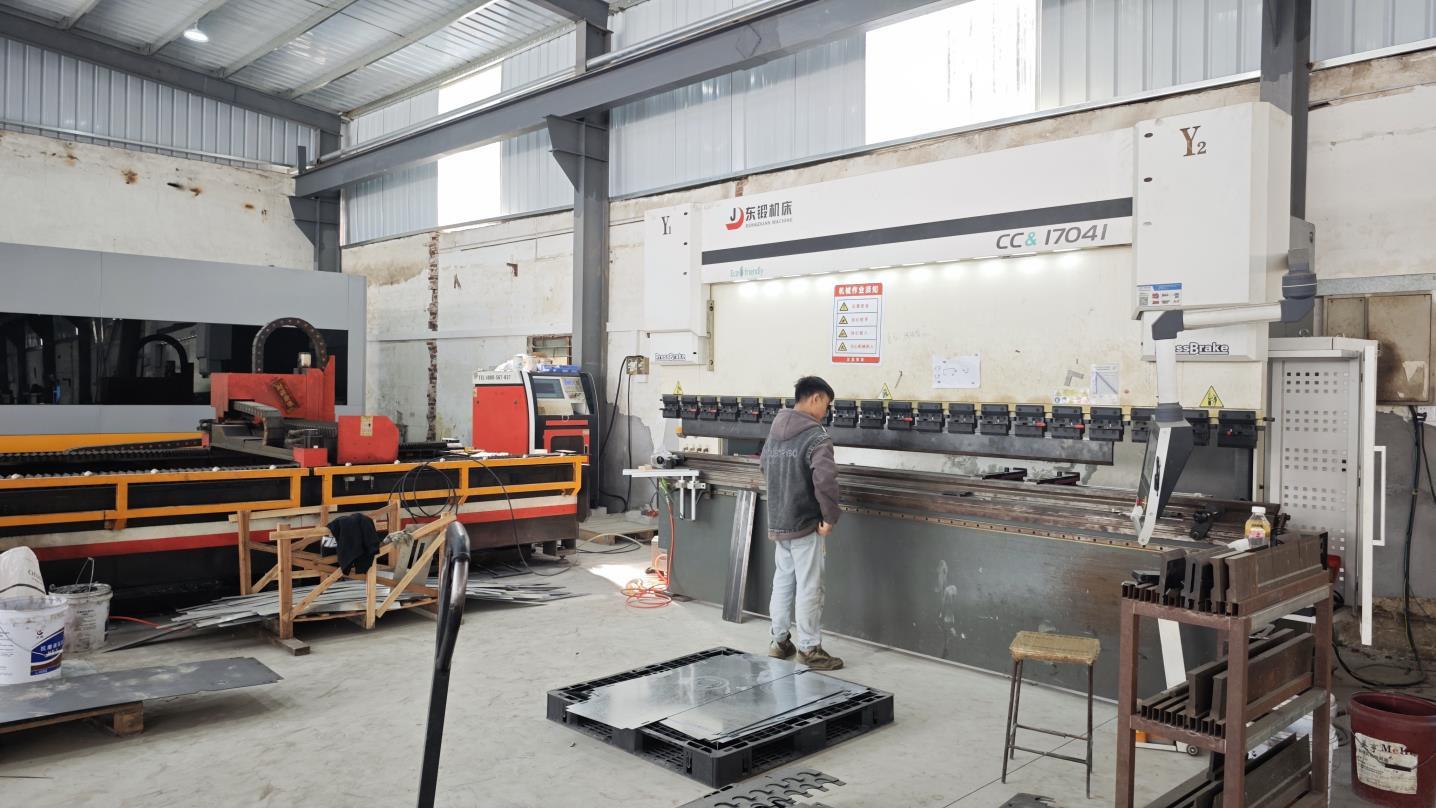
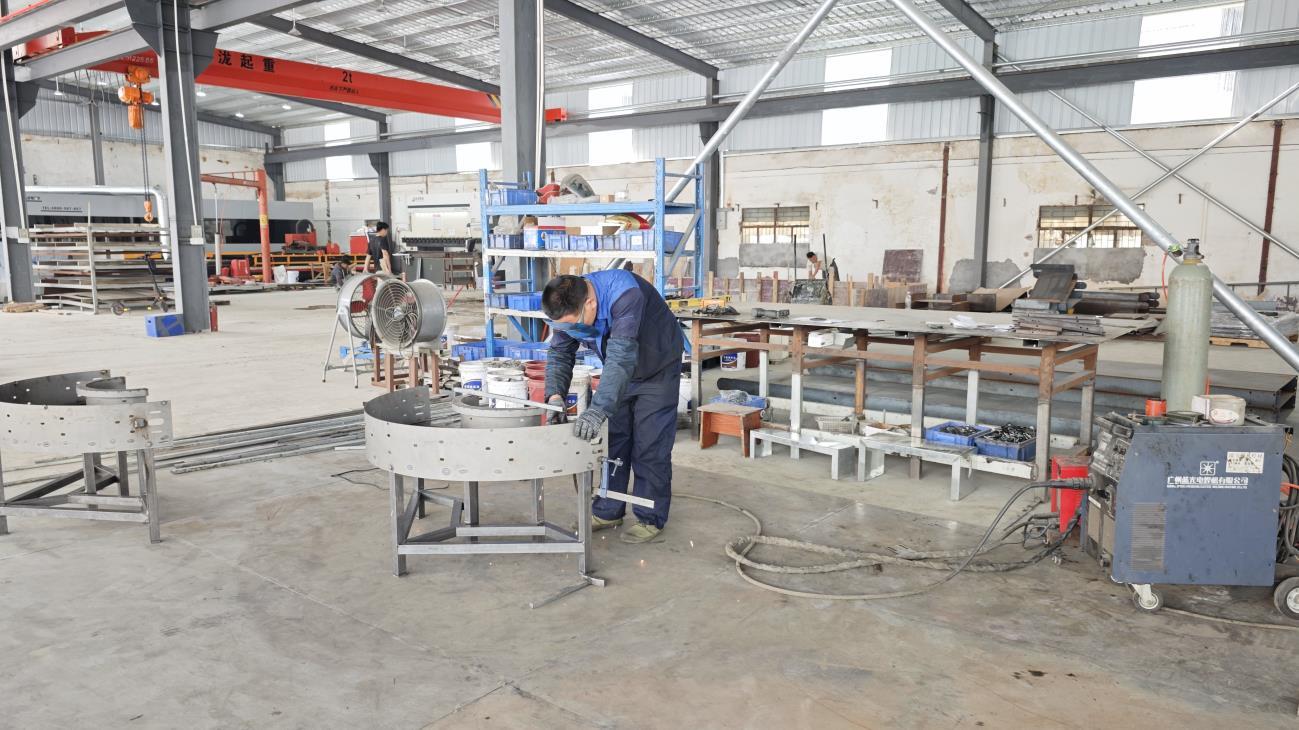
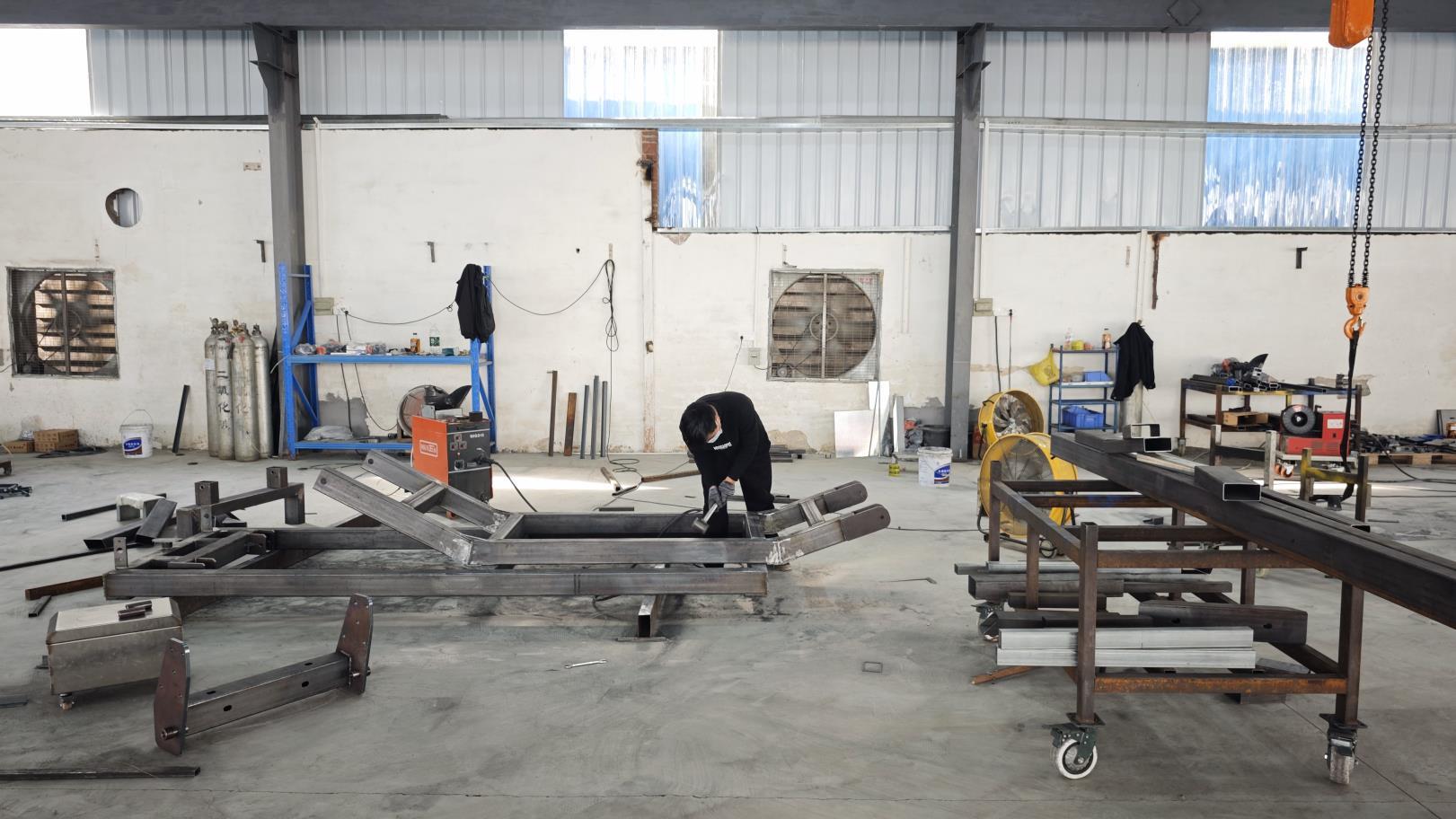
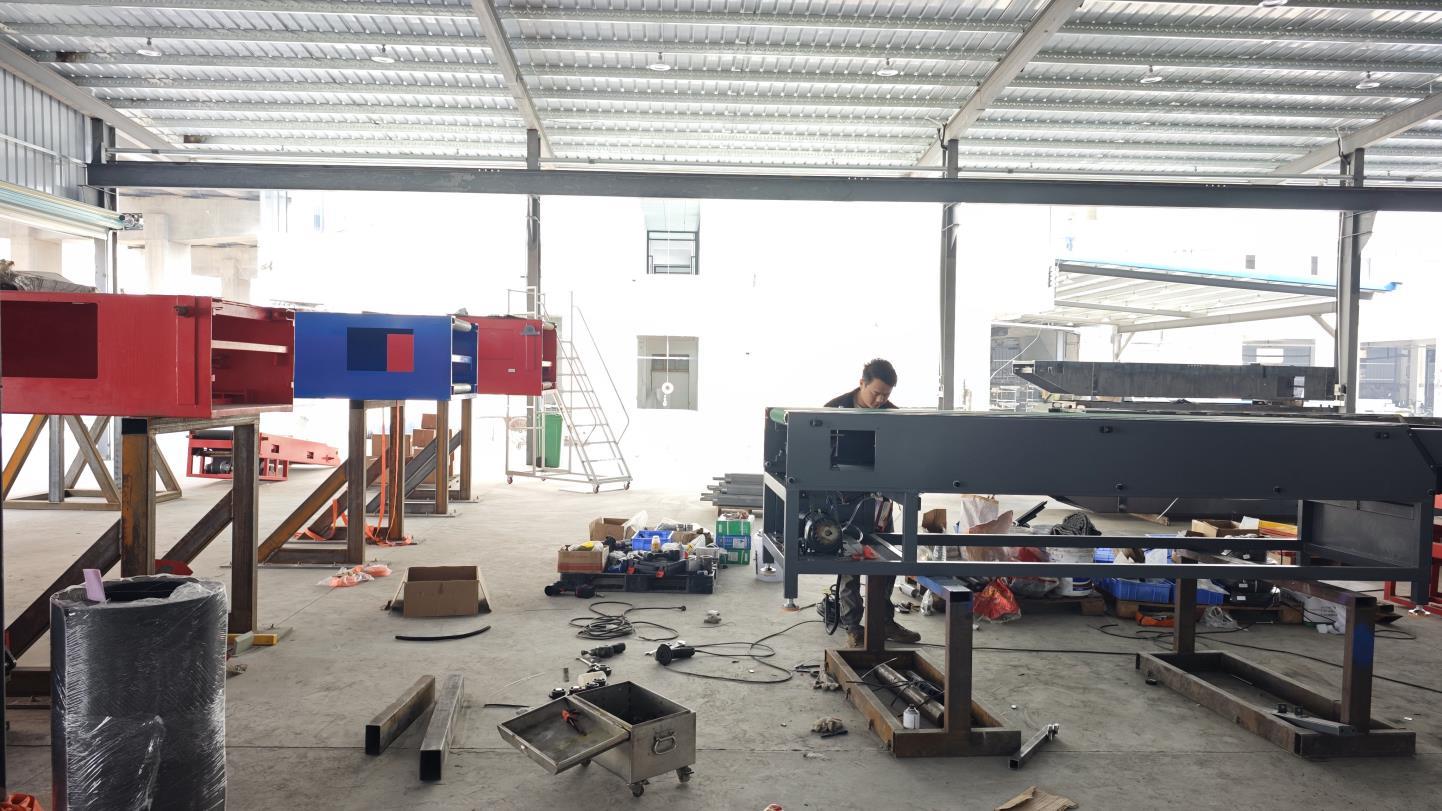
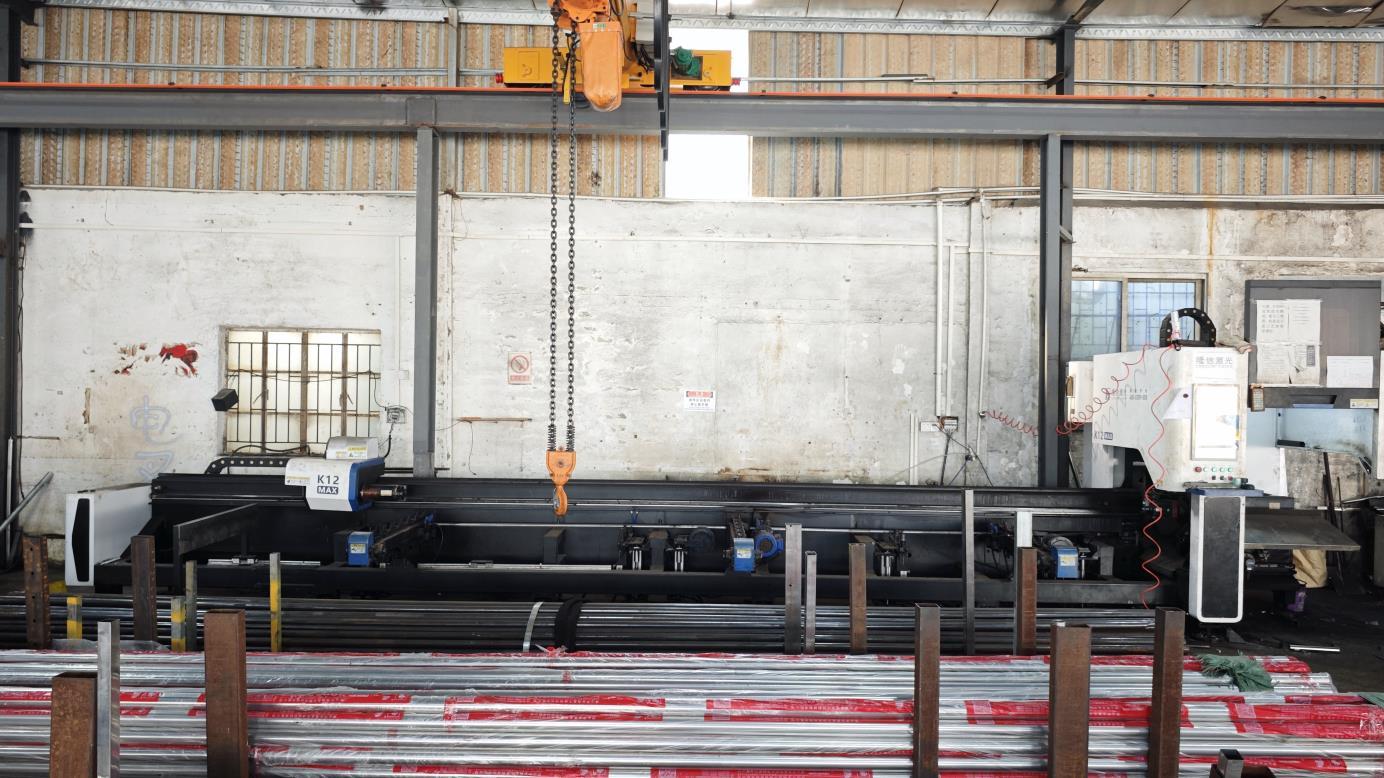
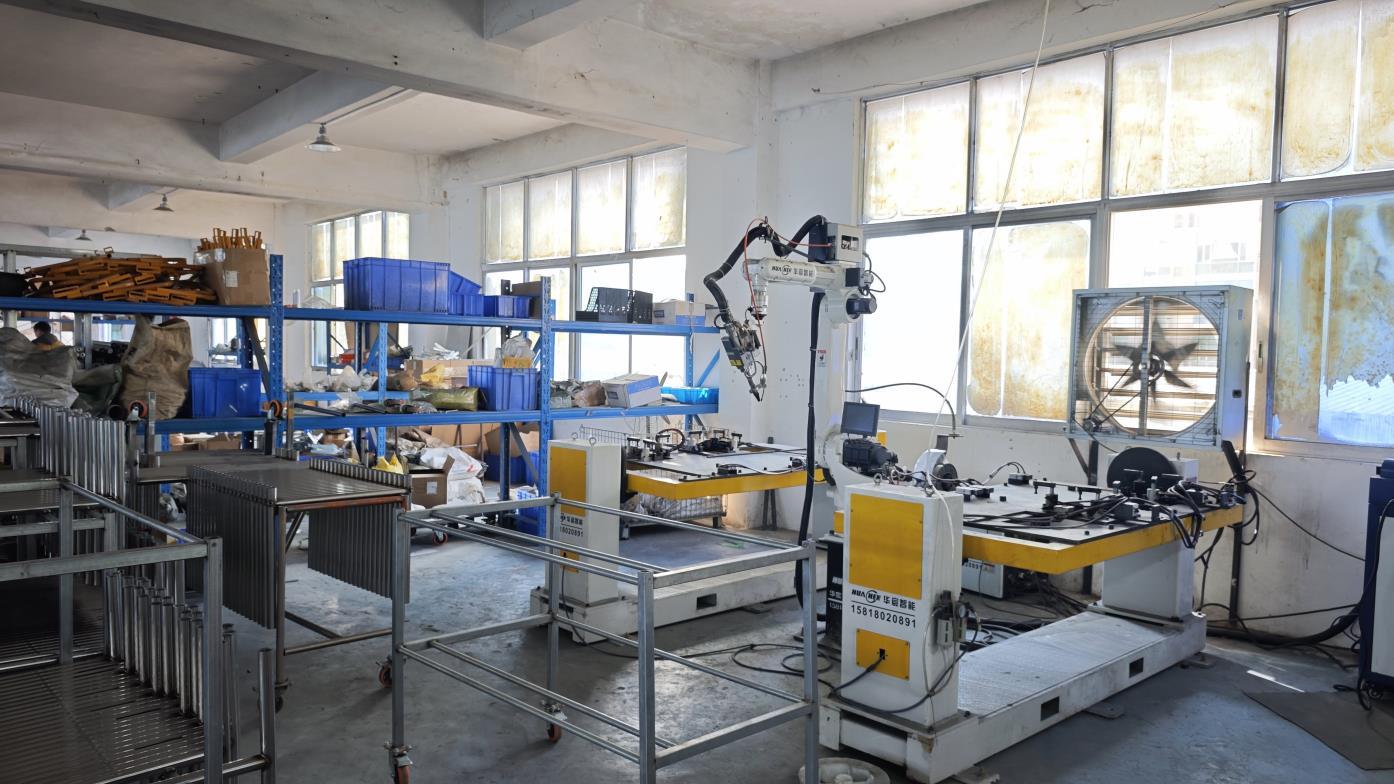
By leveraging advanced Chinese manufacturing ecosystems, RAB Logistics delivers significant advantages in supply chain resilience and cost efficiency. Our production lines combine CNC automatic sawing, structural stamping, robotic welding, and automated powder coating processes to ensure consistent output quality. This industrial automation mitigates material waste and minimizes manufacturing defect rates to levels near zero. Furthermore, our raw steel sourcing channels ensure robust stability against market price volatility, allowing us to pass significant savings down to European and global customers without compromising mechanical safety or thickness compliance.
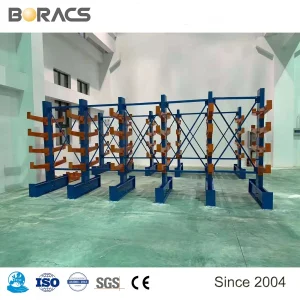
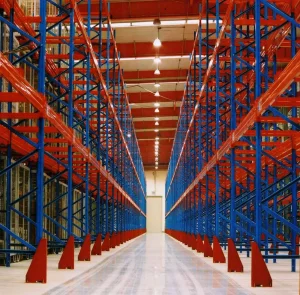
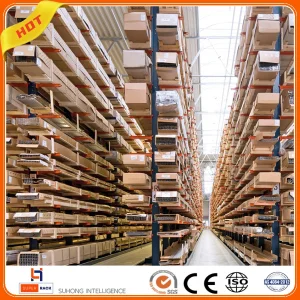
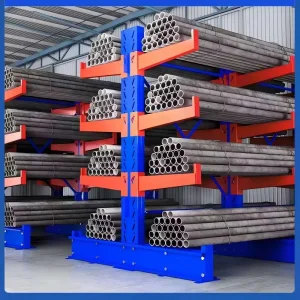
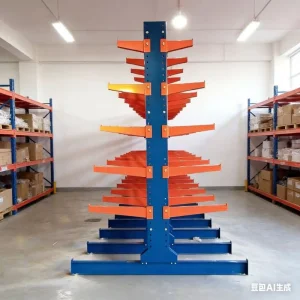
Select from our certified high-bay, double-sided, and mobile configurations engineered for severe industrial service.
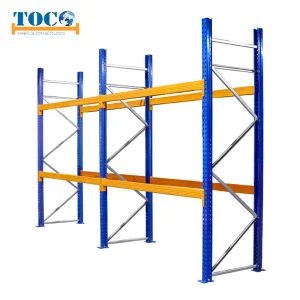
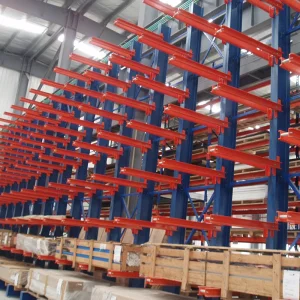
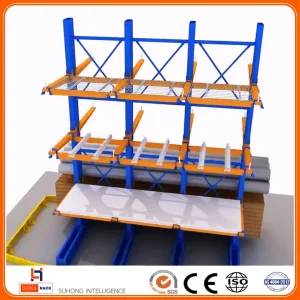
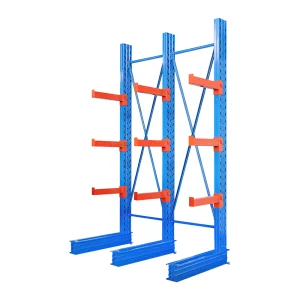
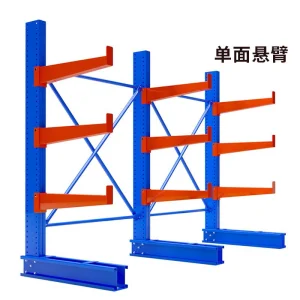
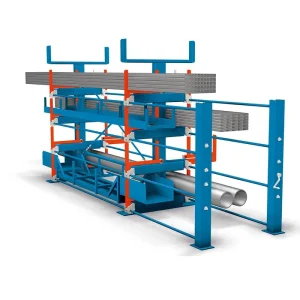
When selecting structural storage solutions, engineering parameters dictate safety and durability. Unlike standard pallet racks, cantilever configurations are highly sensitive to eccentric loadings, arm deflection, and column bending moments. The calculation models applied during the design phase must factor in exact material yield strengths (typically S235, S355, or equivalent Chinese high-tensile Q235B and Q345B structural steels) to guarantee load performance under localized wind and seismic loads, particularly in open-air yards.
Additionally, structural deflection limits must be precisely controlled. For safety compliance under SEMA guidelines, arm vertical deflection under full design load is restricted to L/200. This ensures that forklift operators can safely insert and retrieve bundles of material without risk of arm rotation or binding. Optional end-stops, retaining pins, and safety lips are seamlessly integrated to prevent round bars or cylindrical tubes from rolling off the arm ends during loading operations.
Technical answers to major procurement and engineering inquiries regarding cantilever racking.
 RAB Logistics