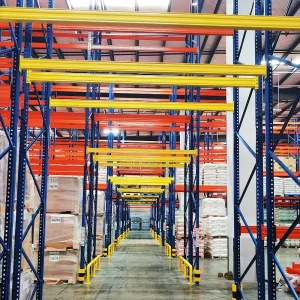
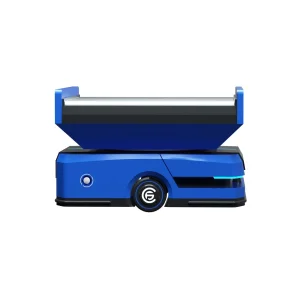
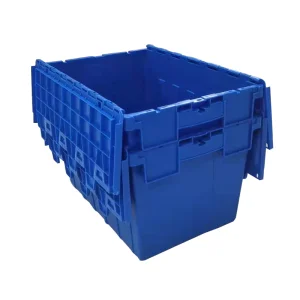
Modern logistics safety is built on integrating smart hardware with structural resilience. Below is our first selection of engineering equipment designed to maintain warehouse safety and structural integrity under operational stress.
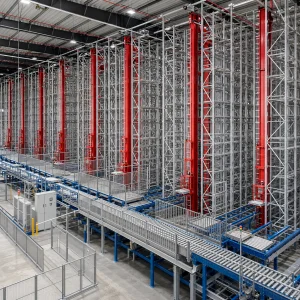

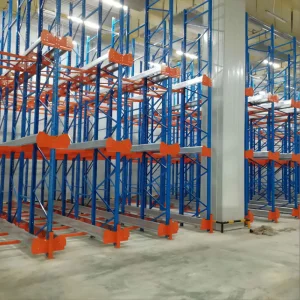
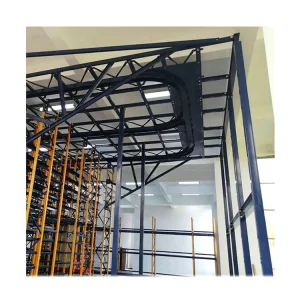
In modern warehousing, high-density storage, and fast fulfillment centers, safety is key to operational continuity. Industrial safety barrier systems protect warehouse infrastructure, automated equipment, and personnel from structural failures and forklift collisions. Selecting the right barrier system is no longer just a regulatory check; it is a critical strategy to protect expensive, automated assets.
Protects cold storage panels, electric panels, and automated AS/RS cranes from expensive impact damage.
Meets OSHA, EN 15512, and local safety standards to lower corporate liability and insurance costs.
Physically separates high-speed AGV robotic paths from pedestrian lanes to reduce accidents.
As supply chains adopt faster material handling machinery and heavier payload vehicles, standard metal rails are being replaced by high-performance barriers. These modern barrier designs absorb kinetic energy dynamically, preventing structural cracks in concrete floors and structural frames. By understanding these safety configurations, logistics operators can select systems that reduce down-time and maintain constant throughput.
When selecting international exporters and factories, it is essential to evaluate criteria like raw material grade, surface treatment technology, testing protocols, and compliance certifications. The table below lists the essential safety benchmarks that define top-tier industrial safety barrier exporters globally.
| Manufacturer Segment | Primary Material Focus | Standards Compliance | Impact Rating Capacity | Key Applications |
|---|---|---|---|---|
| Heavy Steel Fabricators (China/EU) | Structural Q355 / Q235B Carbon Steel | EN 15512, ANSI MH16.1, OSHA | High (Up to 50,000 Joules) | Heavy Pallet Racking, AS/RS Perimeter protection, Loading Docks |
| Polymer Barrier Specialists (EU/US) | Flexible Polyurethane & HDPE Co-polymers | BS 6180, PAS 13 guidelines | Dynamic (High elasticity recovery) | Cleanrooms, Food Processing, High-frequency impact zones |
| Smart Safety Innovators | Integrated Steel & Sensor arrays | CE, IoT Telemetry standards | Medium to High with early warning | AGV / AMR intersections, automated logistics terminals |
| Commercial Security Exporters | Cast Iron, Carbon Steel, Stainless Steel | PAS 68 (Hostile Vehicle Mitigation) | Extreme (Impact prevention) | Exterior perimeters, public facilities, high-security depots |
| Racking Guard Manufacturers | Cold-rolled Sheet Steel & Polymers | FEM 10.2.02, OSHA | Localized localized upright protection | Pallet Rack frame column uprights, end-of-row protection |
While high-impact flexible polymers recover well from light impacts, heavy structural steel remains the industry standard for high-bay racking systems and automated material handling yards. Steel provides fixed rigid boundaries, preventing vehicles from intruding into precision systems like ASRS crane runways and robotic lanes, where even a slight displacement can cause system-wide shutdowns.
China's manufacturing sector has transformed from offering basic metal fabrication to providing highly engineered, automated, and certified safety solutions. Global procurement managers choose Chinese manufacturers for their integration of material supply, precise engineering, and cost-effective scaling.
With direct access to primary domestic mills, Chinese manufacturers use verified, high-tensile structural steel (such as Q355B and Q235B). This close supply chain integration ensures consistent metallurgical quality, verified by mill test certificates (MTC) that guarantee yield strength and elongation limits match international standards like ASTM and EN.
Advanced factories use automated robotic welding cells, high-precision CNC tube lasers, and multi-stage powder coating lines. Automation reduces variation in structural joints, ensuring every weld penetration is sound. As a result, safety barriers offer reliable energy absorption, preventing failure at the weld points during heavy impacts.
To protect barriers in harsh environments like chemical warehouses, outdoor ports, or sub-zero cold storage facilities, Chinese exporters use multi-stage surface treatments. These include hot-dip galvanization (conforming to ISO 1461) and electrostatic thermosetting polyester powder coatings. These finishes resist chipping, scratches, and chemical wear, preventing sub-surface oxidation.
Unlike rigid product lines, Chinese factories offer extensive custom engineering (OEM/ODM). They can adapt dimensions, baseplate layouts, and impact designs to fit complex warehouse layouts. By analyzing local load requirements, engineers design custom barriers that balance material thickness, footprint size, and anchor load limits.
Why RAB Logistics? Hangzhou RAB Logistics Co., Ltd. is a professional provider of intelligent warehousing and modern logistics solutions. Built on years of industry experience and continuous technological innovation, RAB Logistics is committed to helping enterprises transform traditional warehouse operations into highly automated, data-driven, and efficient supply chain systems.
Since its establishment, the company has focused on integrating advanced logistics technologies such as Warehouse Management Systems (WMS), Automated Storage and Retrieval Systems (AS/RS), AGV/AMR robotics, intelligent sorting systems, and real-time data visualization platforms. These solutions enable clients to achieve higher operational accuracy, faster fulfillment speed, and significantly reduced logistics costs.
With strong capabilities in system consulting, solution design, equipment integration, software development, and project implementation, Hangzhou RAB Logistics Co., Ltd. delivers end-to-end intelligent logistics solutions tailored to diverse industry needs. Our expertise ensures seamless coordination between hardware and software, creating scalable and future-ready warehouse infrastructures. Safety barrier systems play a key role in this integration, shielding precision automation frameworks from daily warehouse traffic impacts.
RAB Logistics serves a wide range of industries including manufacturing, cross-border e-commerce, fast-moving consumer goods (FMCG), pharmaceuticals, and automotive parts. Our solutions are trusted for their stability, innovation, and proven performance in complex, high-demand environments. By choosing Hangzhou RAB Logistics Co., Ltd., you are selecting a long-term strategic partner dedicated to building smarter warehouses, optimizing supply chains, and empowering businesses with sustainable competitive advantages in the era of intelligent logistics.
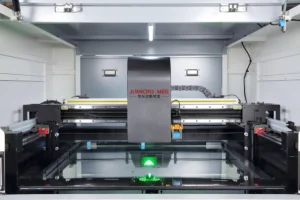
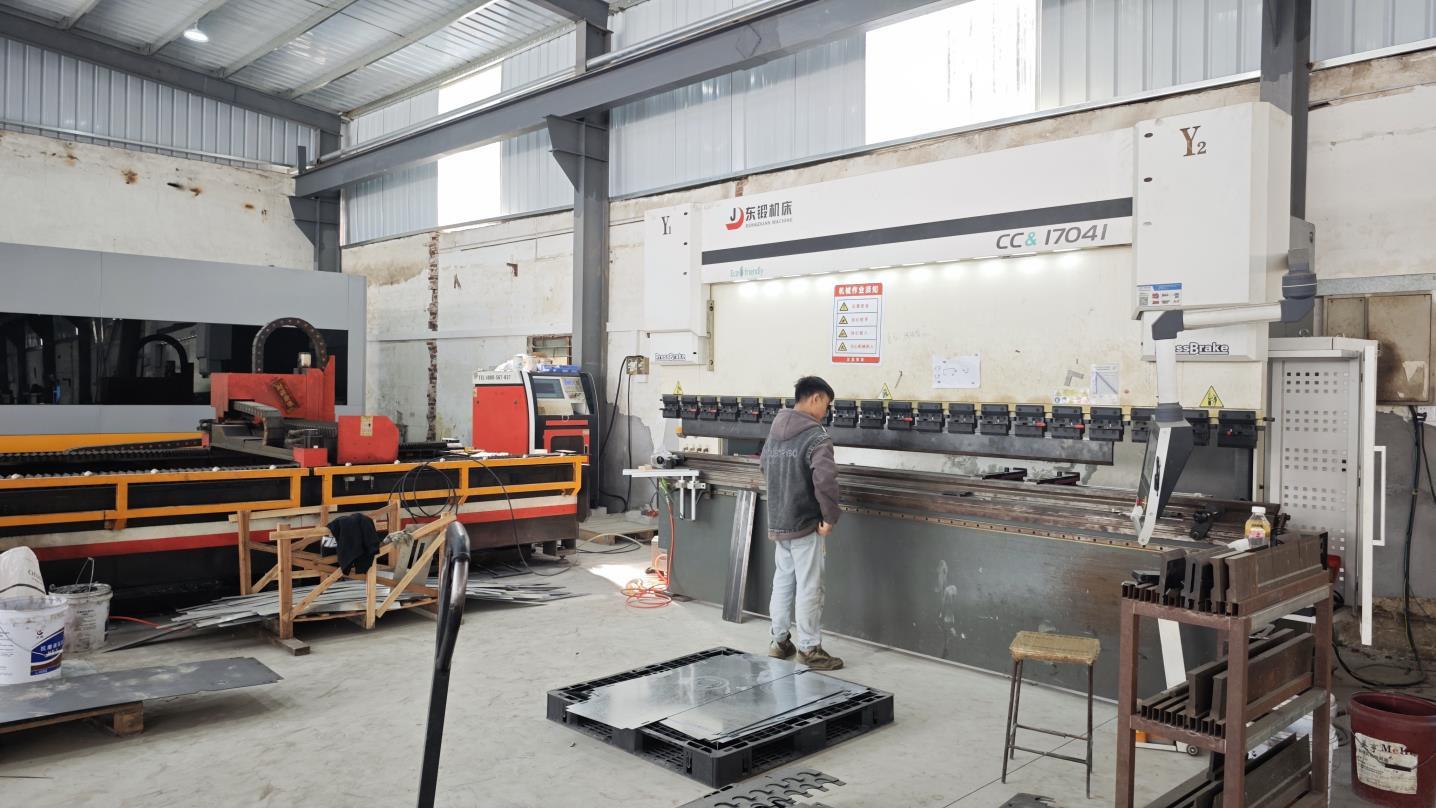
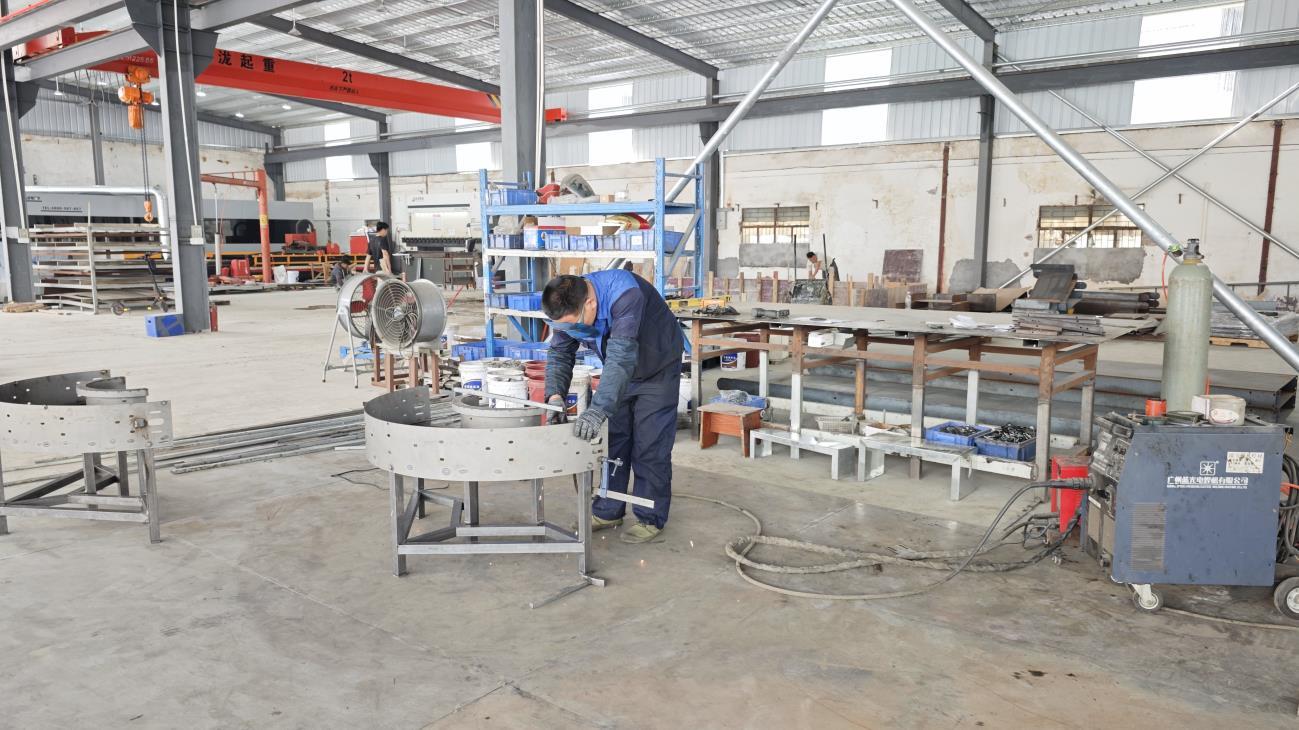
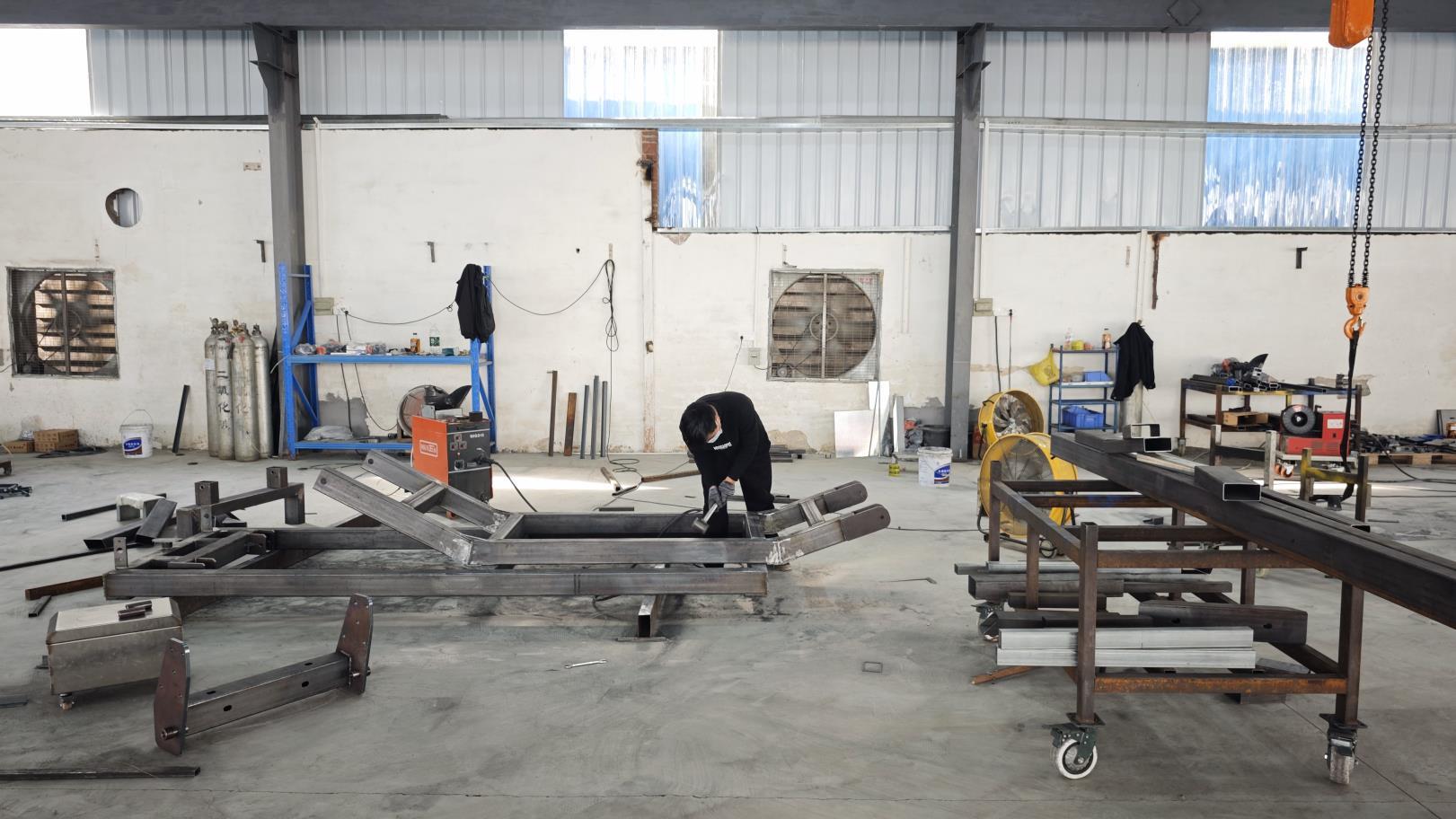
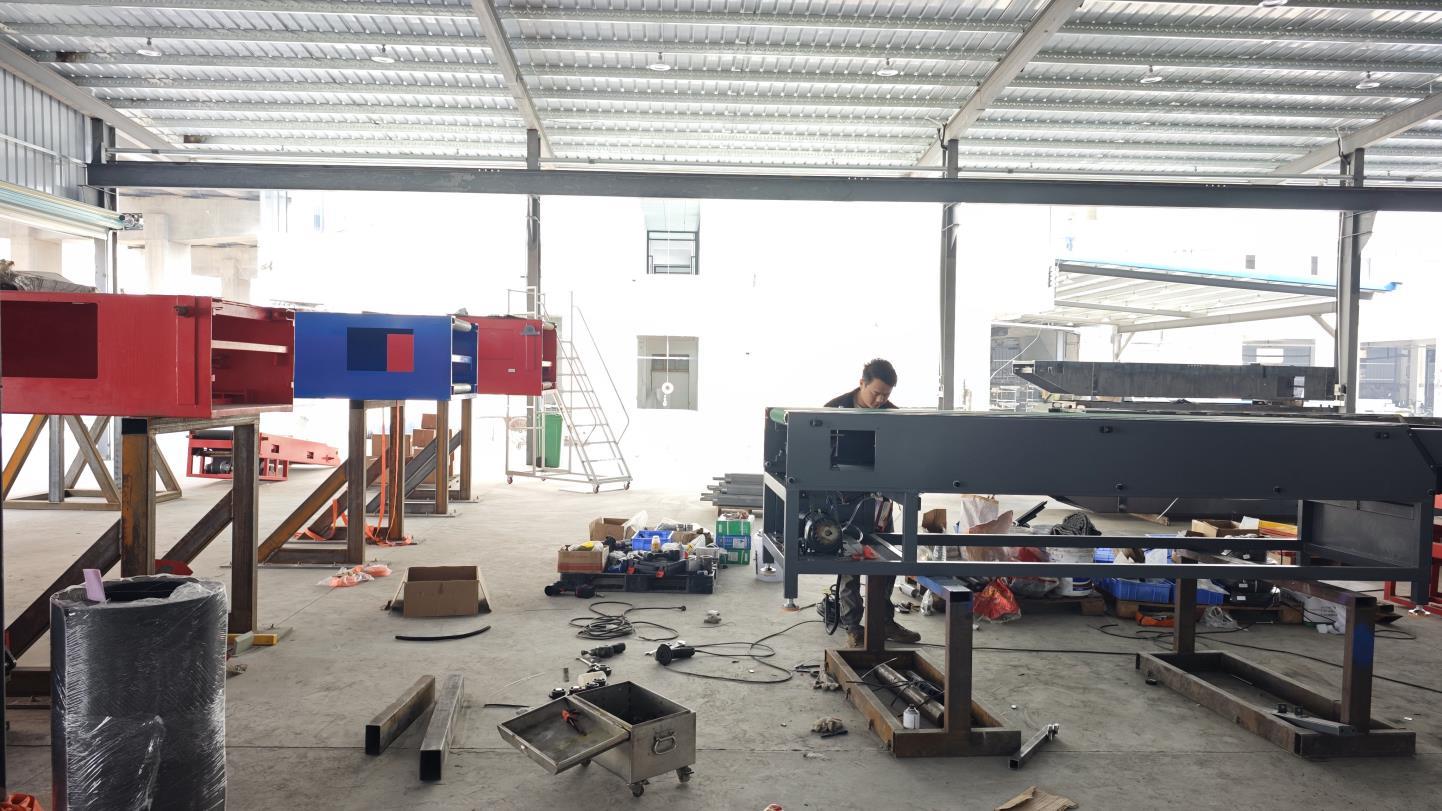
Every safety barrier, storage rack, and structural component undergoes strict quality checks. From raw steel cutting to final assembly, our manufacturing steps ensure structural integrity and precise tolerances.
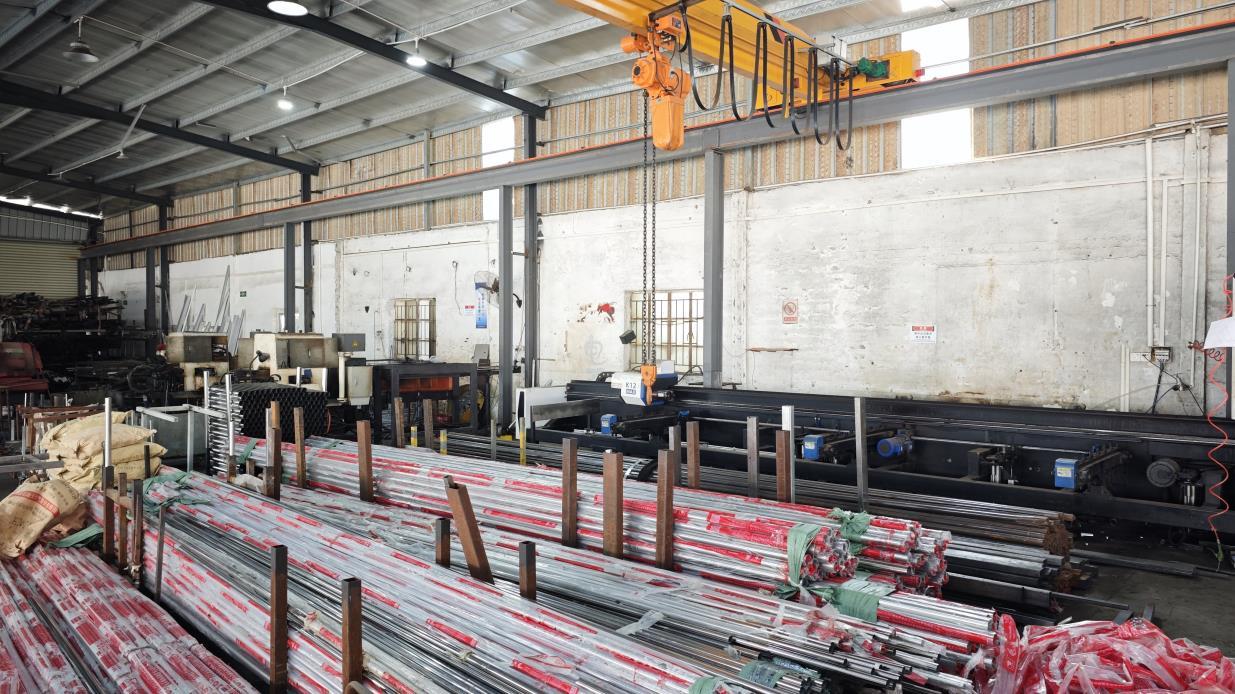
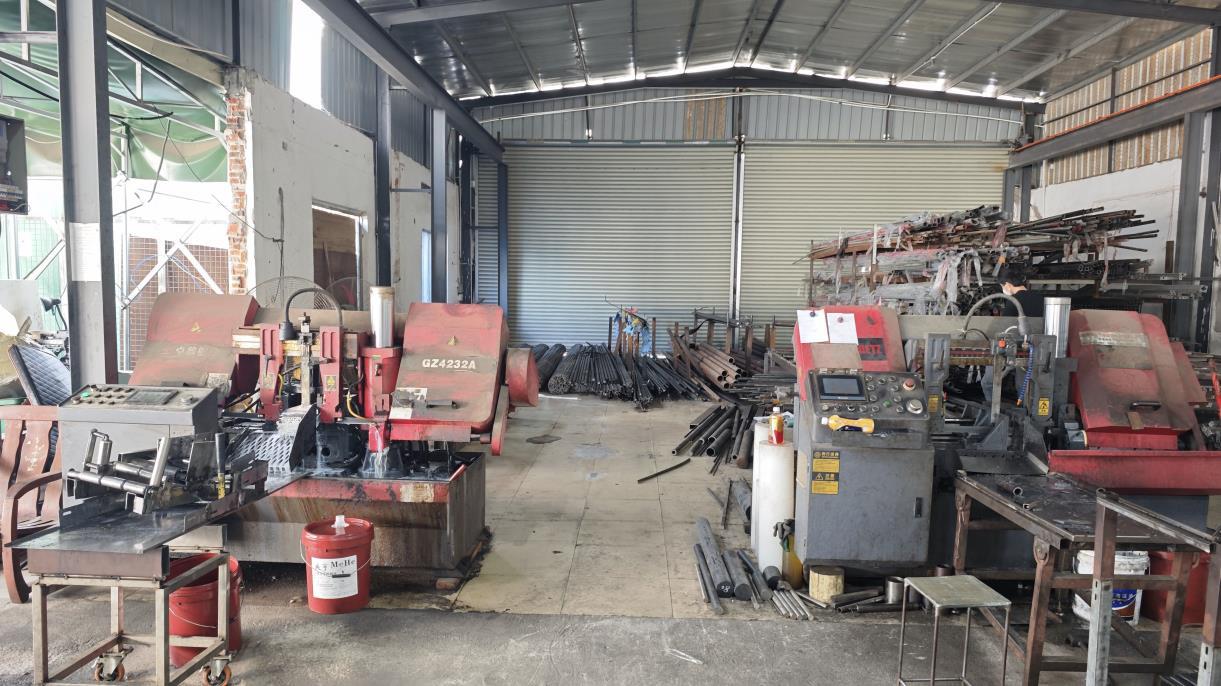
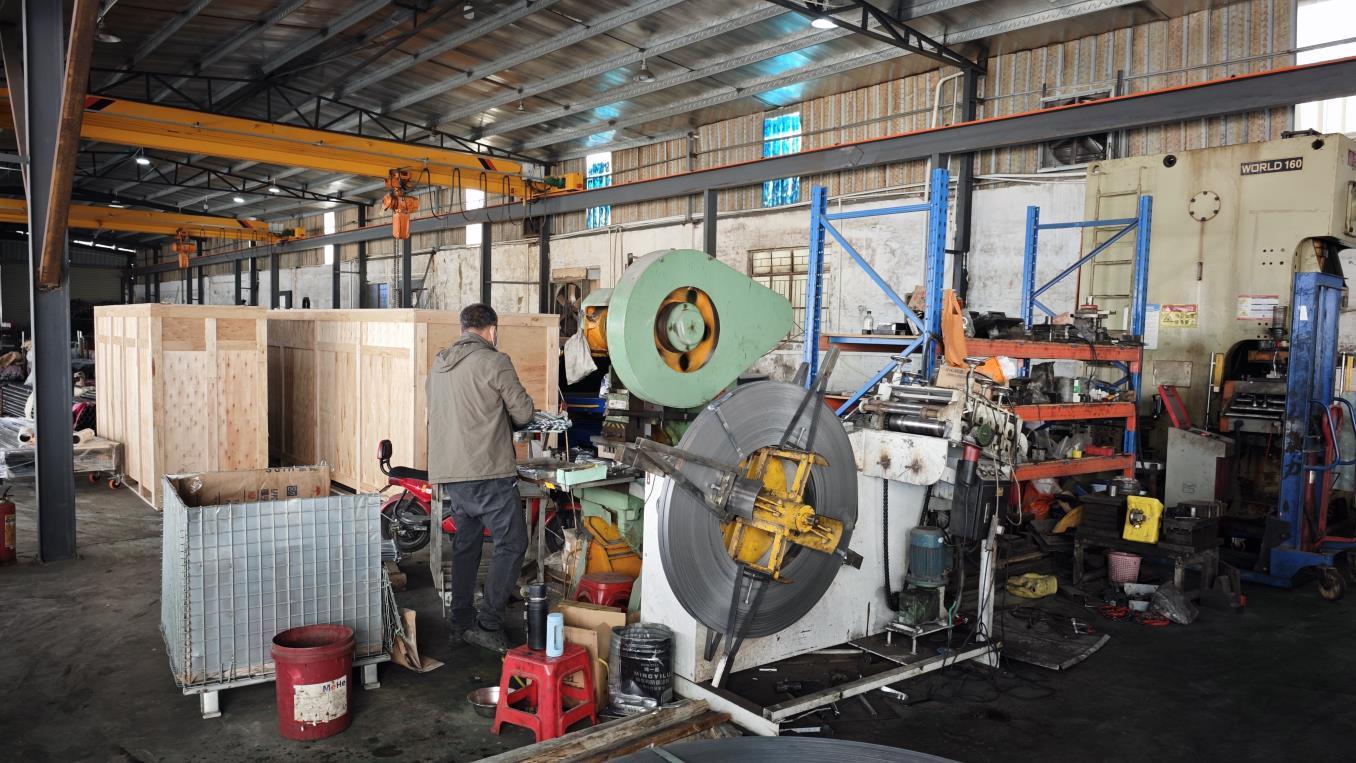
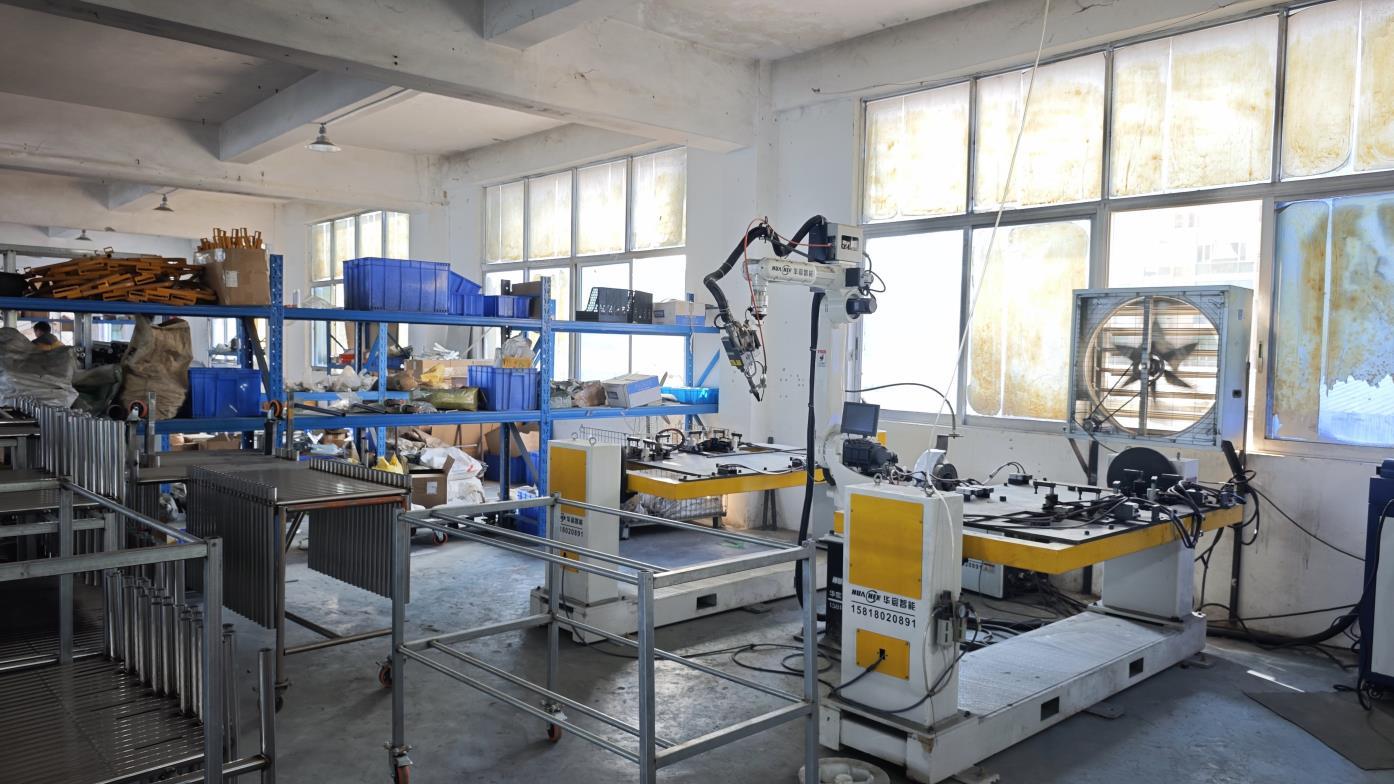
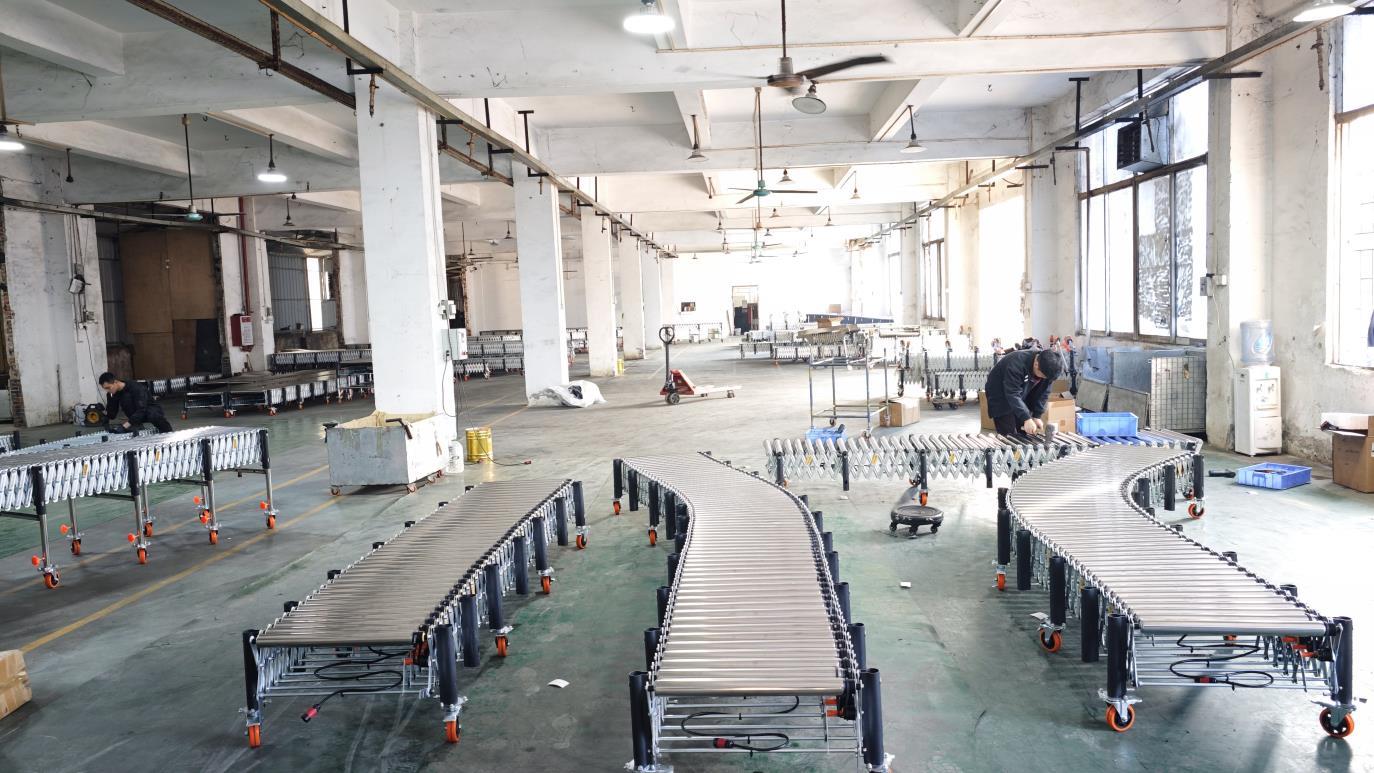
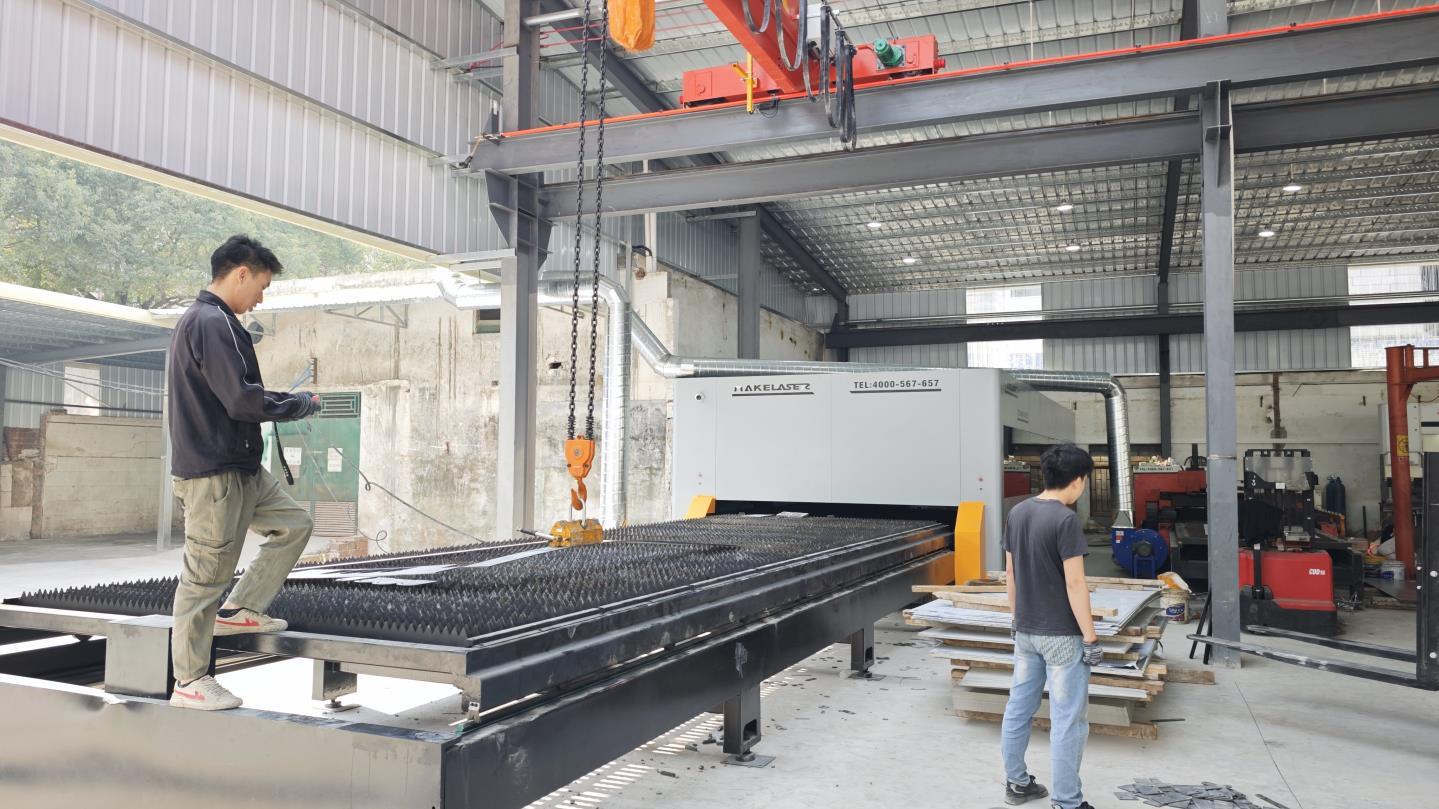
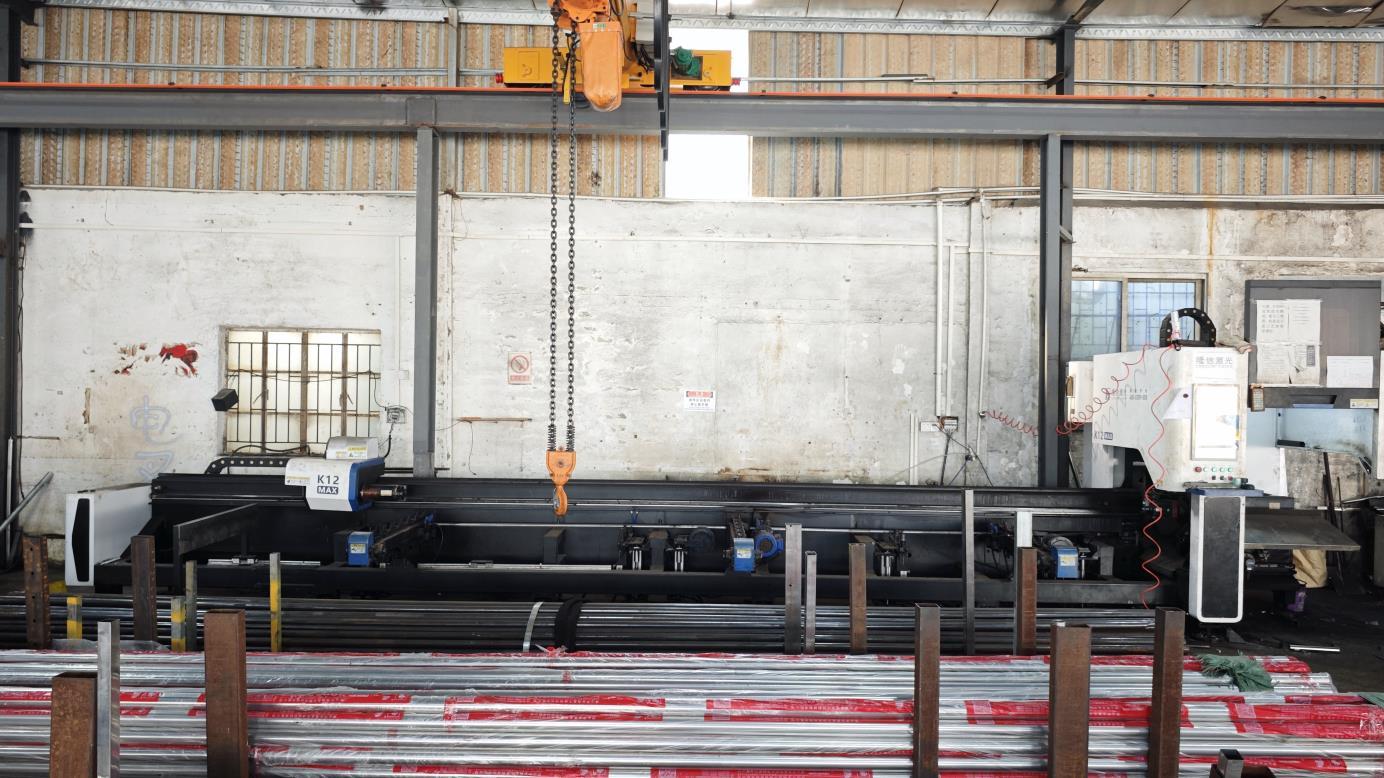
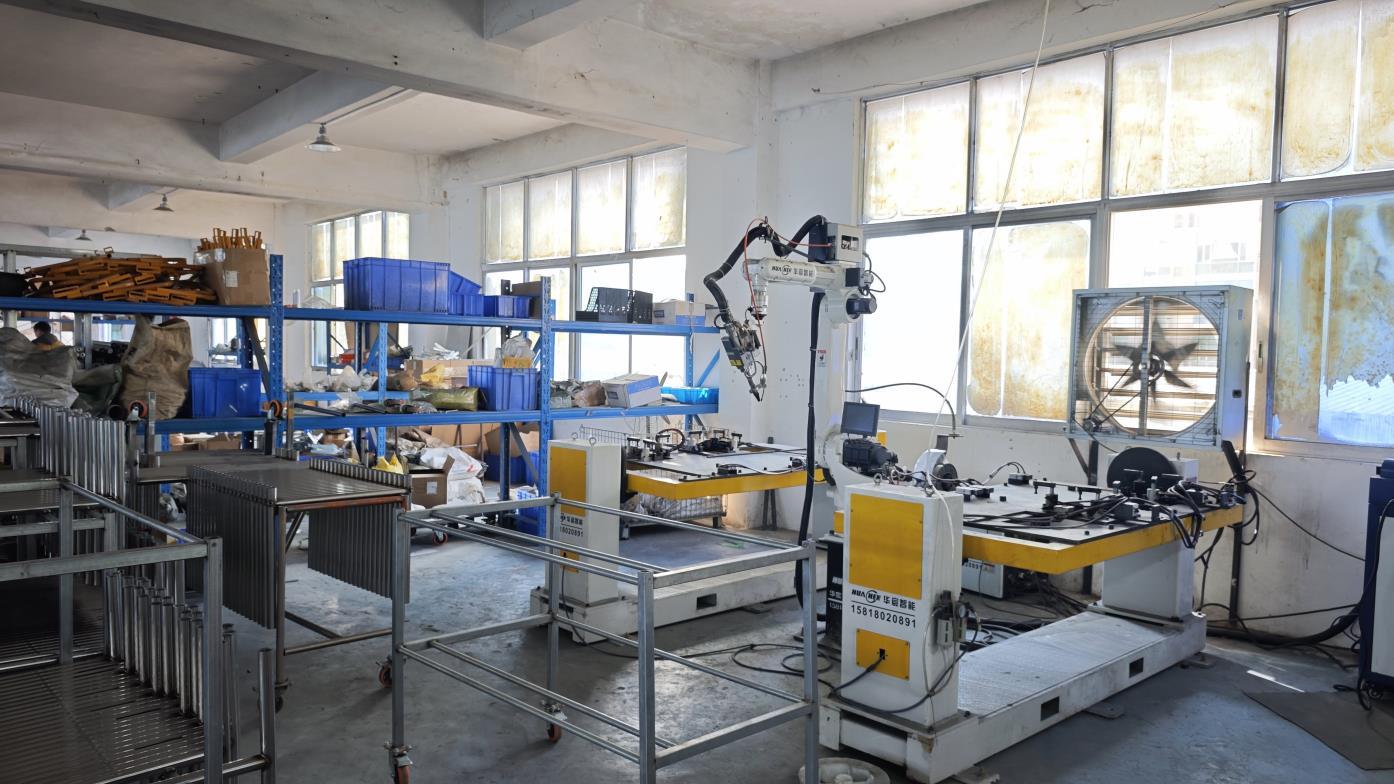
Industrial workspaces present distinct safety challenges depending on the zone. A robust warehouse safety strategy requires combining different physical barriers to match these local conditions.
Cold storage facilities have narrow aisles and high operational speeds, which increases collision risks. In addition, sub-zero temperatures make standard carbon steel brittle. Sourcing specialized impact protection made of low-temperature rated steel or ductile polymers ensures the barriers won't shatter when hit. This safeguards expensive insulated wall panels and high-density racking.
In automated warehouses where AGVs and human-operated machinery share floor space, structural protection is essential. High-visibility yellow safety barriers define restricted robotic zones. Heavy-duty bollards and guide rails physically stop manual vehicles from entering automated paths, preventing collisions with expensive autonomous machinery.
The ends of pallet racking rows are highly vulnerable to forklift strikes during tight turns. Heavy-duty steel structural barriers (end-row protectors) anchor directly to the floor. By absorbing impacts, they prevent force transmission to the rack uprights. This avoids structural failures and protects inventory from collapsing.
Loading docks experience constant traffic from heavy vehicles, delivery trucks, and ride-on pallet jacks. Installing high-profile, heavy-gauge steel bollards and crash-rated barriers protects building columns, dock levelers, and overhead door tracks. This prevents structural building damage and maintains shipping schedules.
Procuring safety systems requires evaluating precise engineering metrics rather than just relying on generic product catalogs. When drafting requests for proposals (RFPs) for international manufacturers, procurement managers should specify the following technical parameters:
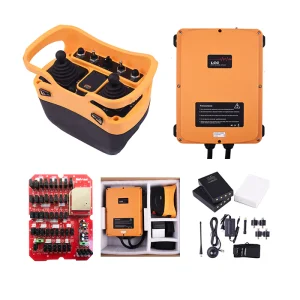
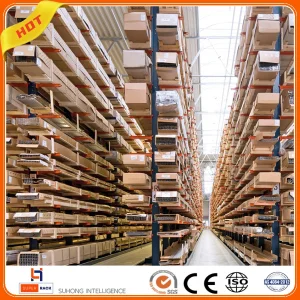
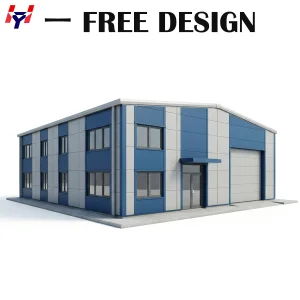
Explore the second selection of our engineering catalog. These products include heavy-duty storage racks, automated guided vehicles, control components, and custom storage solutions designed for global logistics supply chains.
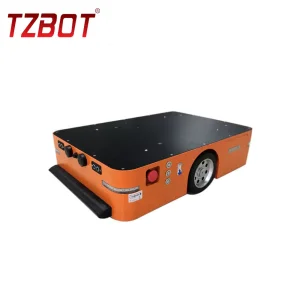
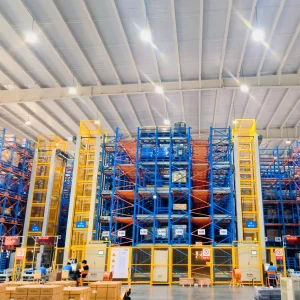
Find answer guidelines for industrial safety regulations, testing requirements, and materials selection below.
In the United States, safety requirements are overseen by OSHA under standard 29 CFR 1910.28. In Europe, the EN 15512 standard regulates the safety of adjustable pallet racking, while PAS 13 provides codes of practice for safety barrier design and testing. Choosing manufacturers who align with these standards ensures you meet critical testing, safety, and operational benchmarks.
Flexible polymer barriers deform during impact to absorb kinetic energy, then return to their original shape. This flexibility prevents floor anchor damage. Steel barriers are rigid and ideal for protecting critical equipment where space is limited and deflection must be kept to a minimum to avoid collisions with automated assets.
Chinese manufacturers offer access to domestic high-strength steel (like Q355B), advanced CNC and robotic welding equipment, and cost-effective production at scale. They also provide flexible customization options, allowing you to tailor barrier sizing and specifications to complex logistics layouts.
The energy of an impact is calculated using the formula E_k = 0.5 * m * v², where m represents the vehicle mass (forklift plus its load) and v is its speed. For example, a 5,000 kg forklift moving at 2.5 m/s (9 km/h) creates 15.625 Joules of kinetic energy. Sourcing a barrier rated for 20,000 Joules ensures you have a reliable safety margin.
For humid or cold environments, hot-dip galvanization conforming to ISO 1461 provides reliable corrosion protection. Electrostatic powder coating over a zinc-rich primer is another durable choice that resists chipping, chemical damage, and rust over long operational lifespans.
 RAB Logistics