Engineered to resolve spatial footprint challenges in Tokyo's high-density urban logistics zones.
The Tokyo Metropolitan Area represents one of the most concentrated logistics environments globally. With prime land prices soaring in areas surrounding Tokyo Bay, Kawasaki, and Yokohama, logistics operators face the dual constraints of critical footprint limitations and the famous "Logistics 2024 Issue" (2024年問題), which limits driver overtime and enforces absolute process velocity at the docks.
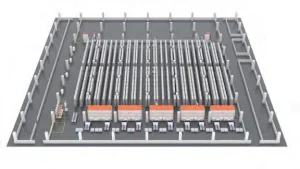
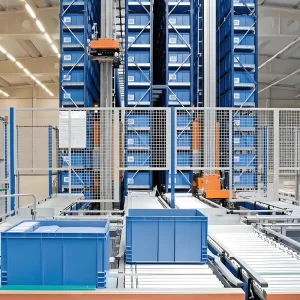
Transitioning from manual inventory management to smart Warehouse Management Systems (WMS) combined with automated hardware is no longer a luxury—it is an operational survival strategy. Dynamic slotting, integrated barcode scans, and real-time Automated Storage and Retrieval Systems (AS/RS) allow facilities within the Tokyo-Kanagawa-Saitama industrial corridor to triple their throughput density without expanding physical land footprints.
"The convergence of labor scarcity in Japan and high land valuations requires deep structural shifts toward cubic-meter utilization rather than square-meter planning."
In modern distribution hubs, the WMS acts as the brain, commanding workflows based on global Enterprise Resource Planning (ERP) databases. However, peak efficiency is only realized when the WMS is natively aligned with the Warehouse Control System (WCS) and programmable logic controllers (PLCs) governing automated hardware. Our systems bridge the gap between high-level database coordination and millisecond-level physical movement.
By leveraging historical fulfillment data, the WMS constantly reorganizes stock placement. Fast-moving units are programmatically designated to lower-tier, high-accessibility positions, minimizing shuttle travel times. This is particularly crucial for e-commerce operators in Tokyo serving same-day delivery mandates.
Our solutions feature open APIs that allow seamless integration with existing software structures (including SAP, Oracle, and Odoo), as well as local courier carrier systems (Yamato Transport, Sagawa Express, and Japan Post). This eliminates data silos and updates consignment status tracking in sub-second intervals.
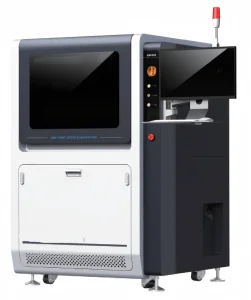
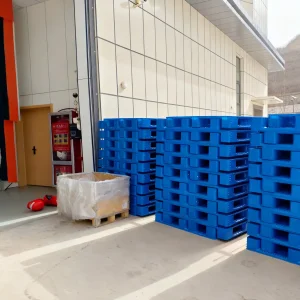
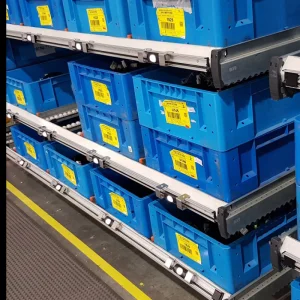
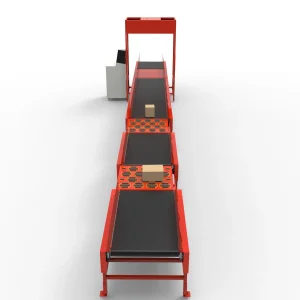
Optimizing materials handling and automated unit transport with strict quality assurance systems.
Hangzhou RAB Logistics Co., Ltd. is a leading professional provider of intelligent warehousing and modern logistics solutions. Leveraging decades of intensive industry experience and continuous technological innovation, RAB Logistics helps global and Tokyo enterprises transform legacy warehouse operations into highly automated, data-driven, and hyper-efficient supply chain nodes.
Our focus covers the end-to-end integration of advanced logistics systems including Warehouse Management Systems (WMS), Automated Storage and Retrieval Systems (AS/RS), AGV/AMR robotics, high-throughput intelligent sorting systems, and dynamic data visualization control dashboards. These systems allow operators to secure higher order-fulfillment accuracy, accelerated throughput, and lower operational overheads.
With multidisciplinary engineering capabilities spanning warehouse system consulting, precision structural layout design, software engineering, equipment assembly, and on-site implementation, Hangzhou RAB Logistics Co., Ltd. delivers customized, scalable, and future-proof infrastructures tailored to challenging localized environments.
Contact Our Technical DirectorsOur systems are globally trusted, meeting the stringent seismic requirements of Japan, the high efficiency standards of the European Union, and the rigorous quality expectations of international enterprise procurers.
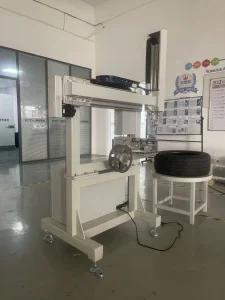
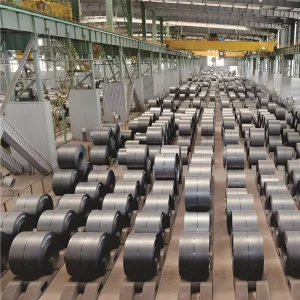
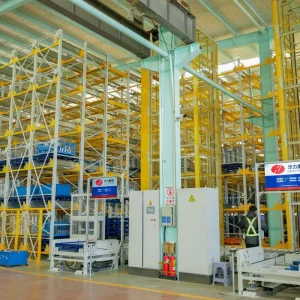
Our state-of-the-art production facility ensures that every structural element, weld joint, and automated rail conforms to strict quality parameters.
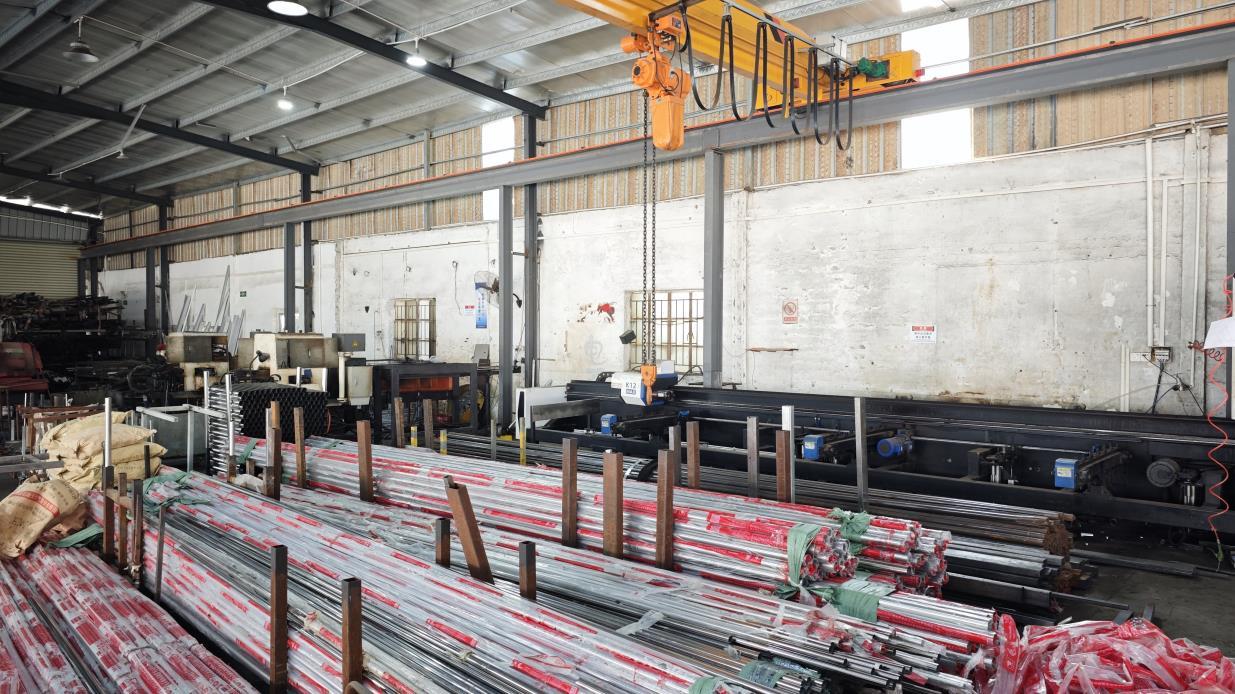
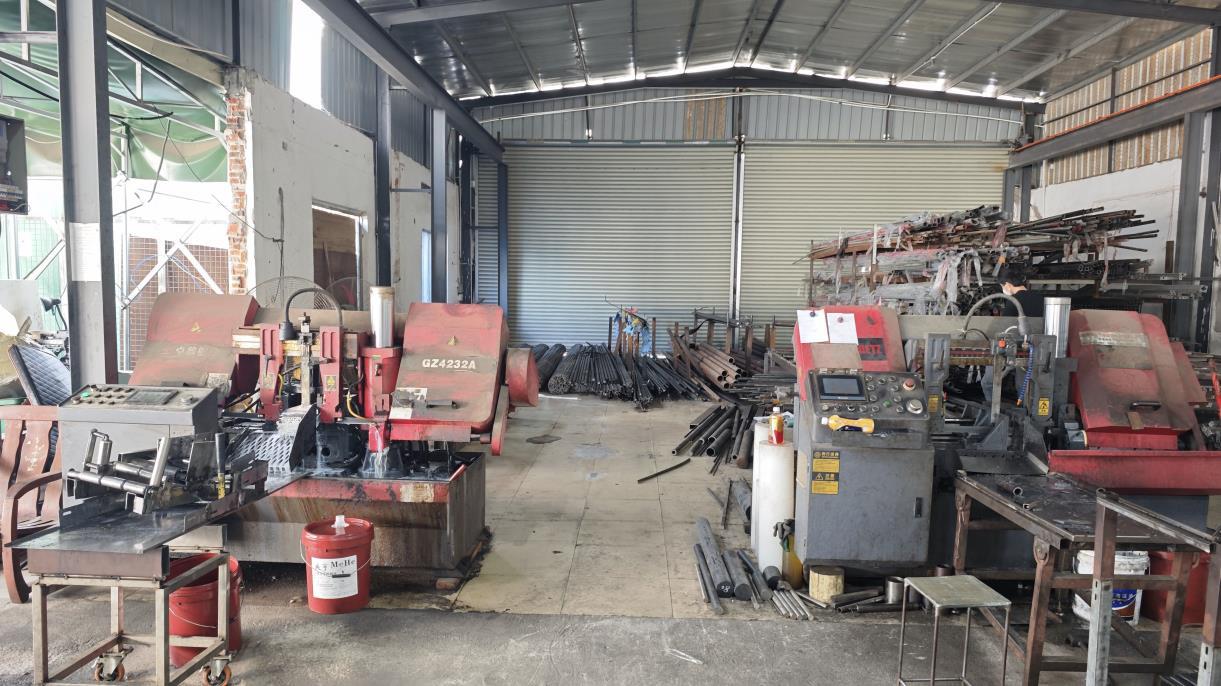
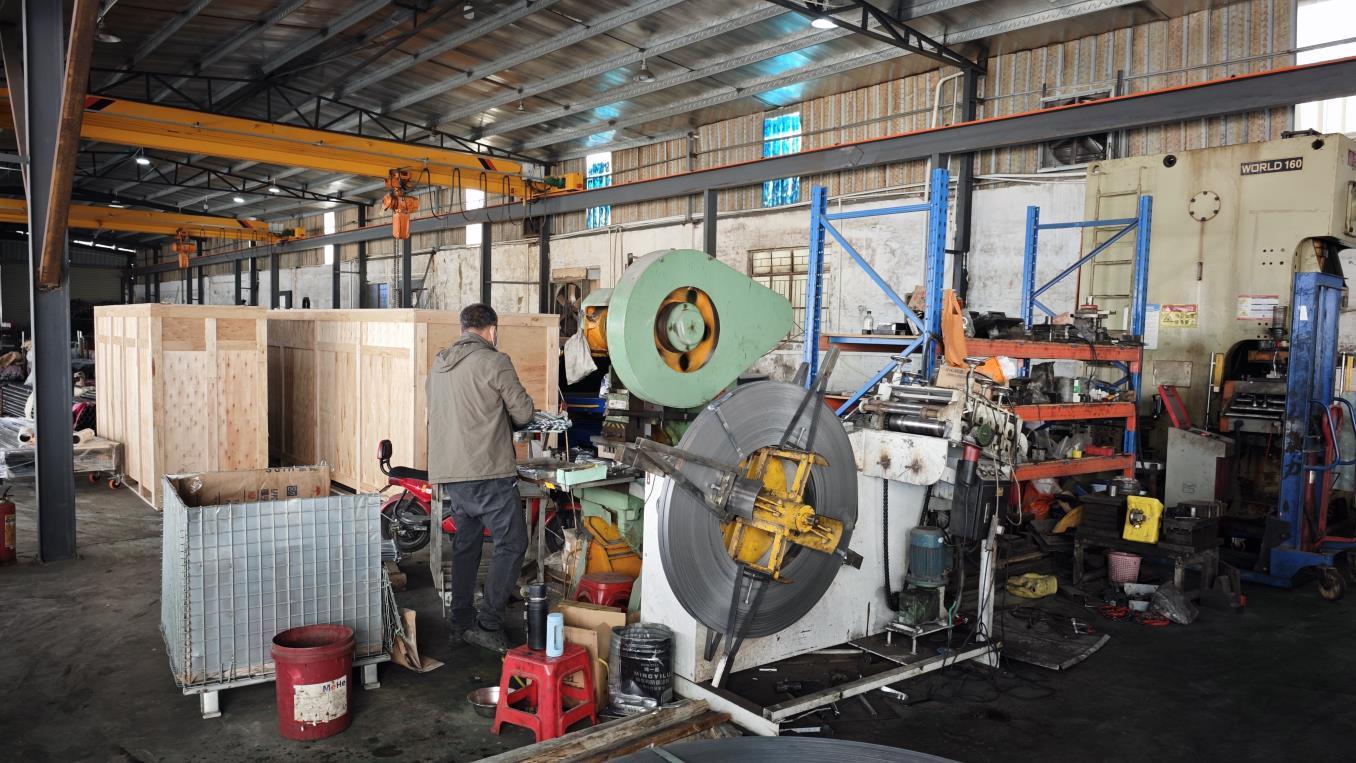
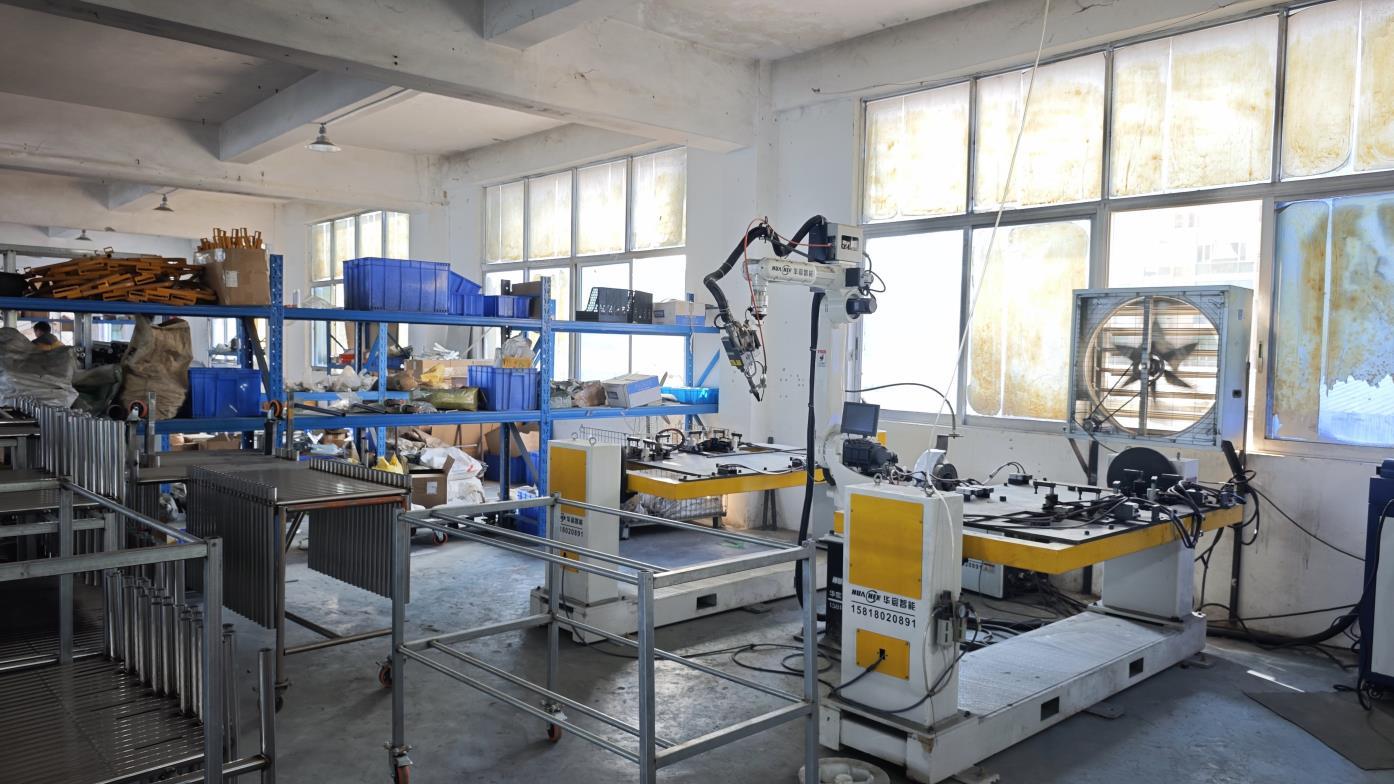
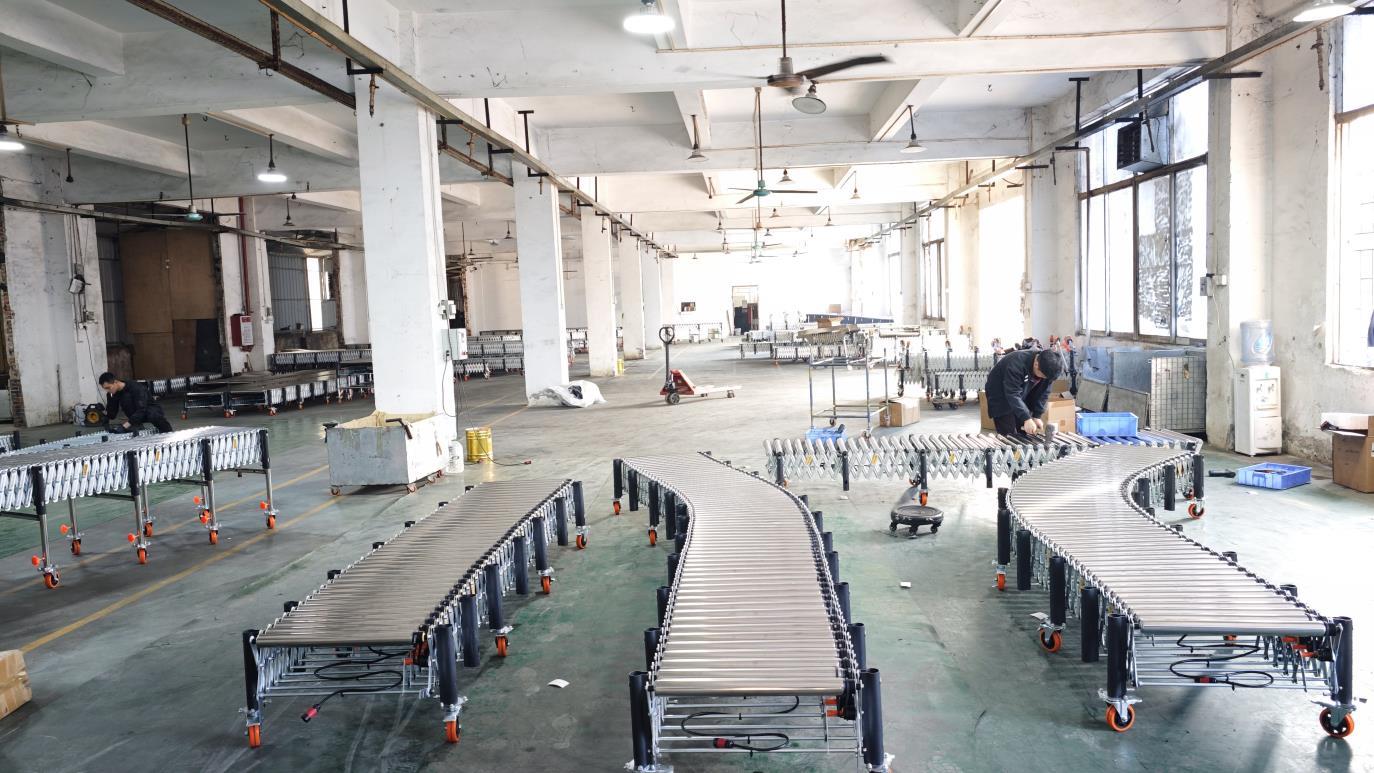
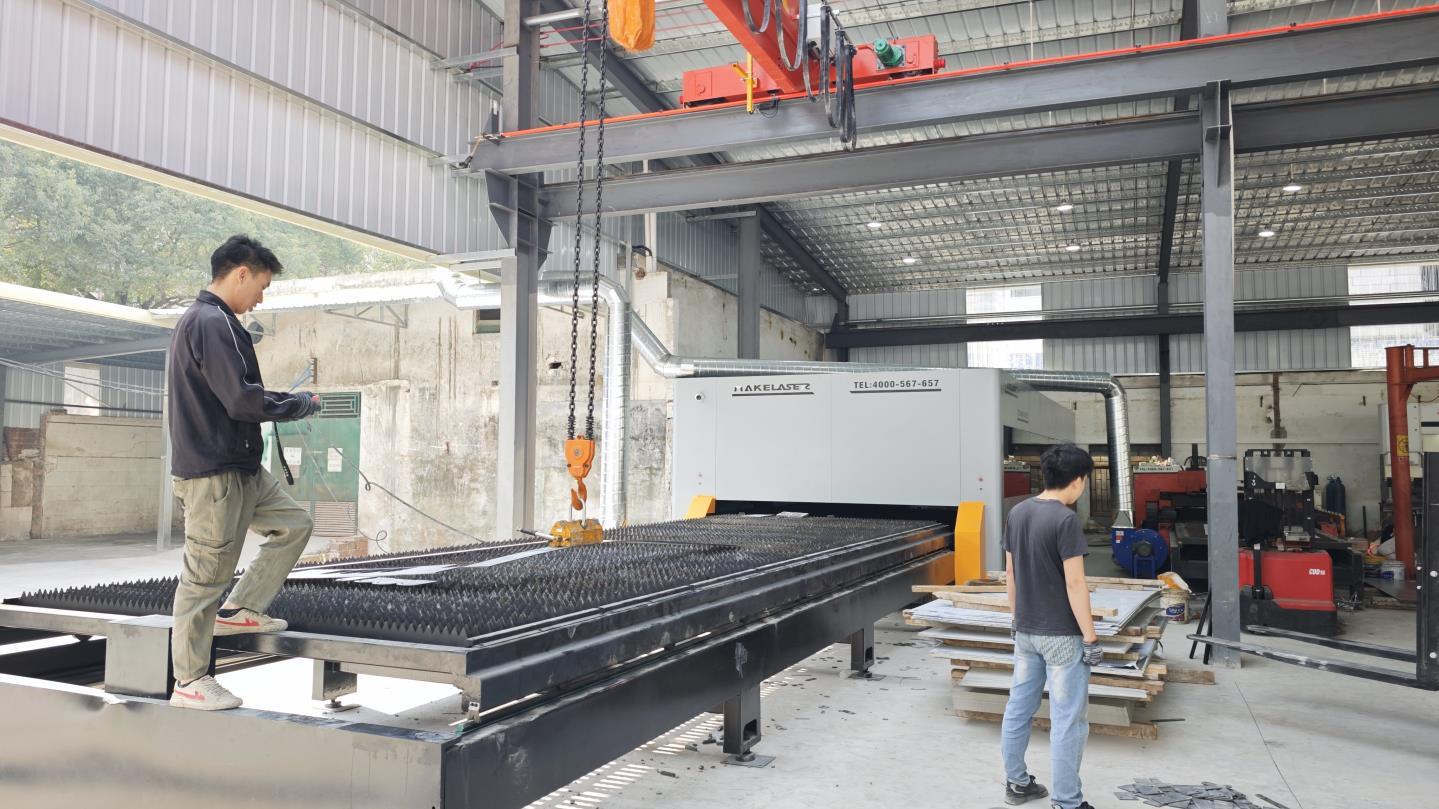
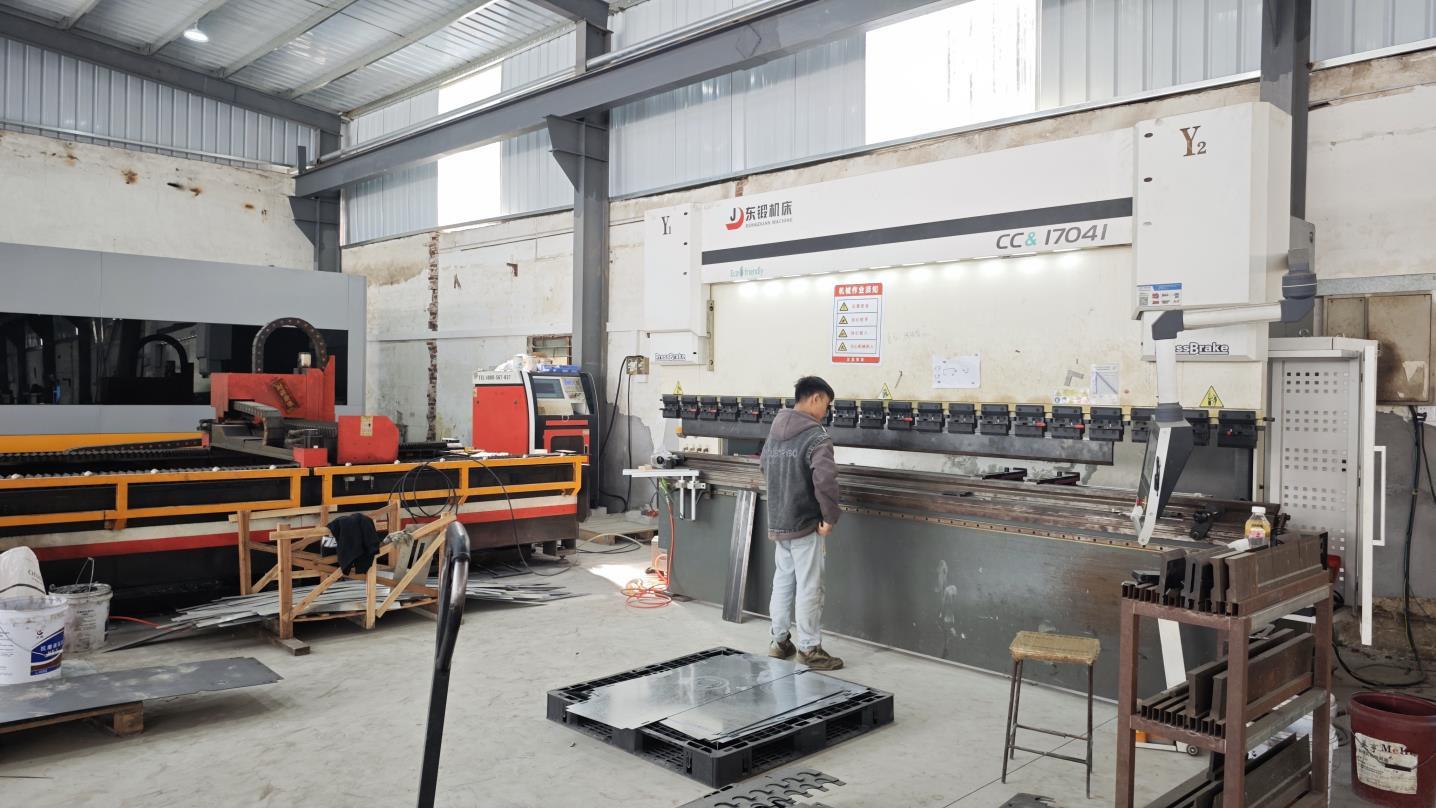
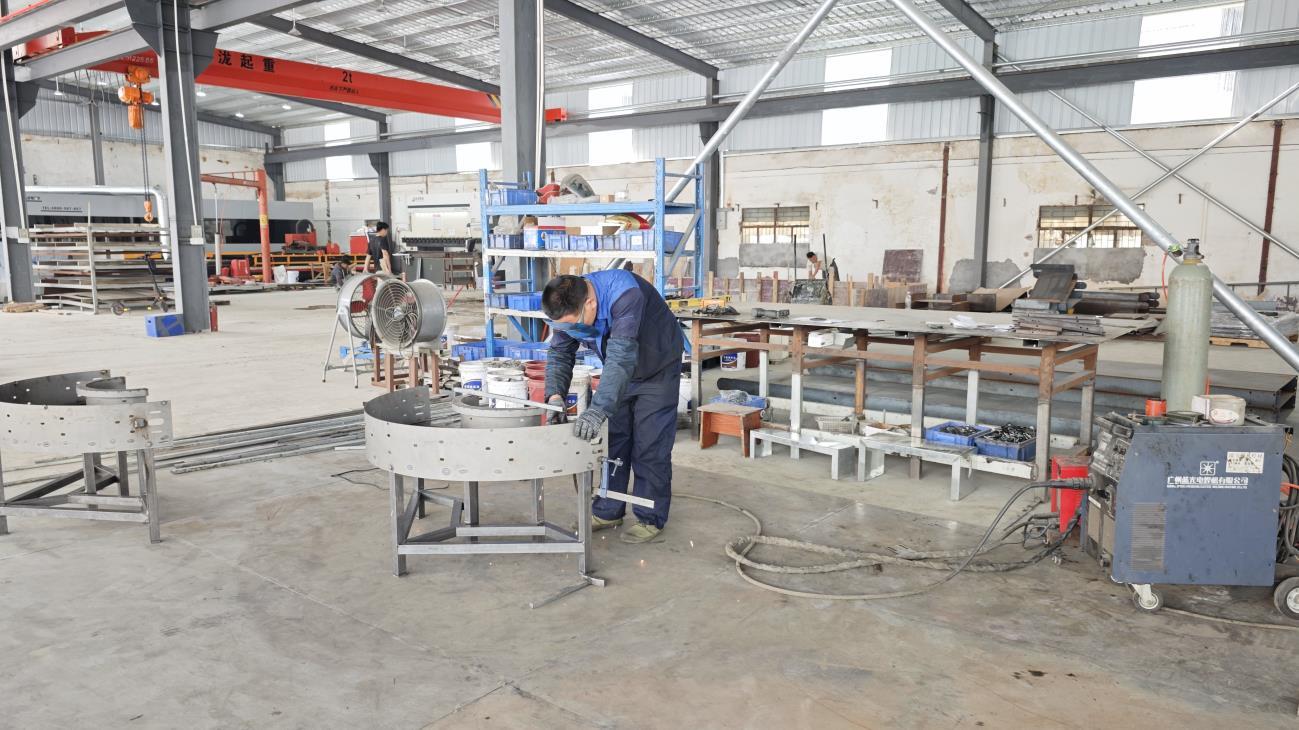
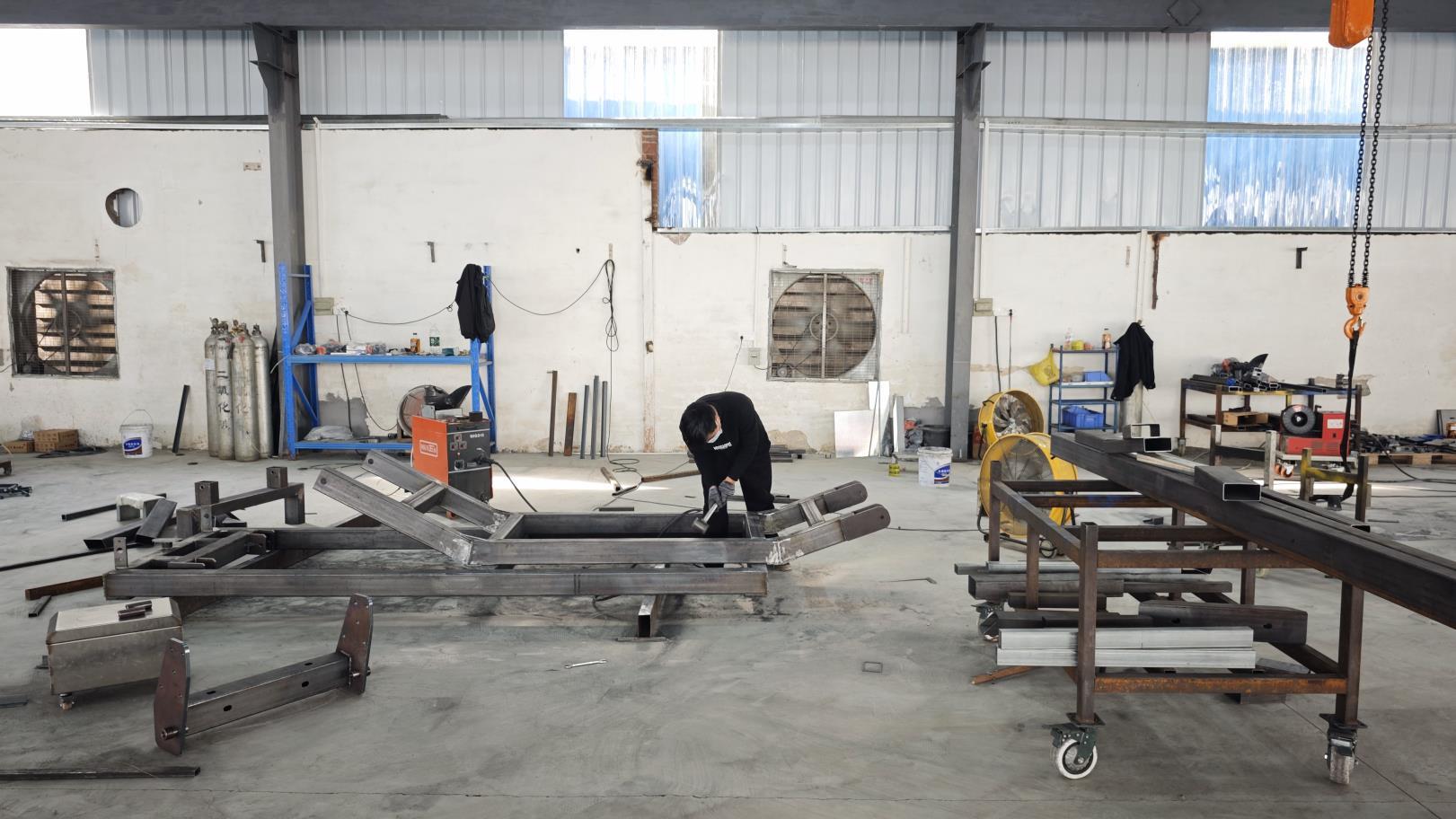
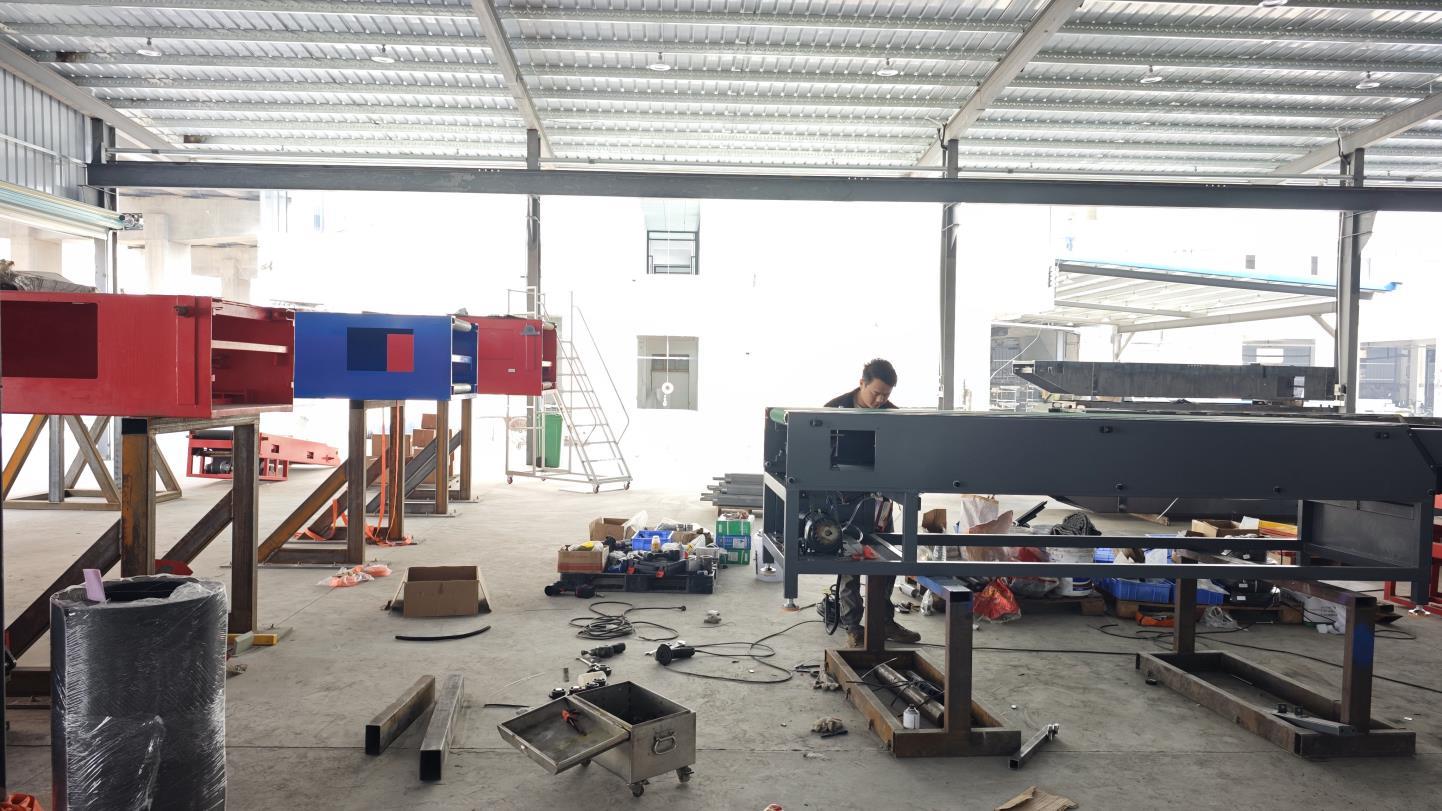
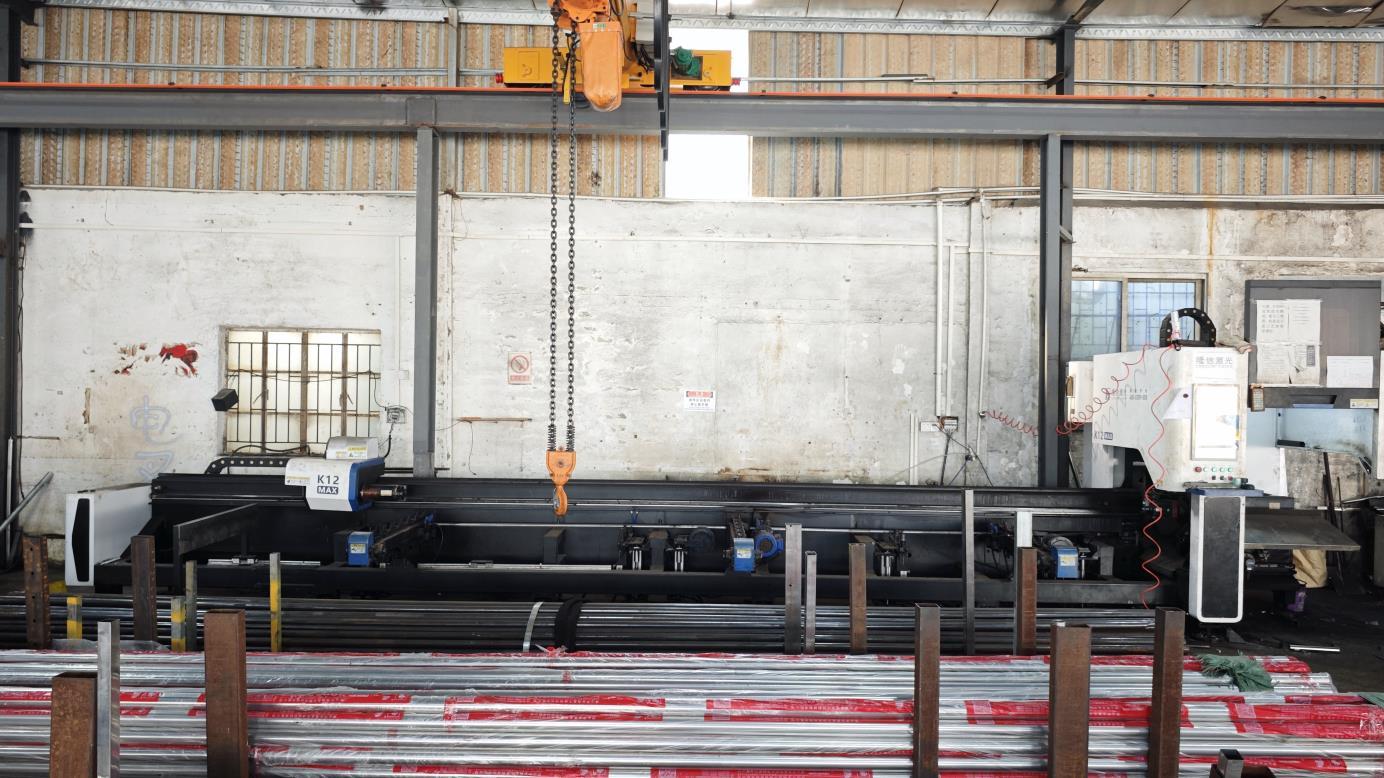
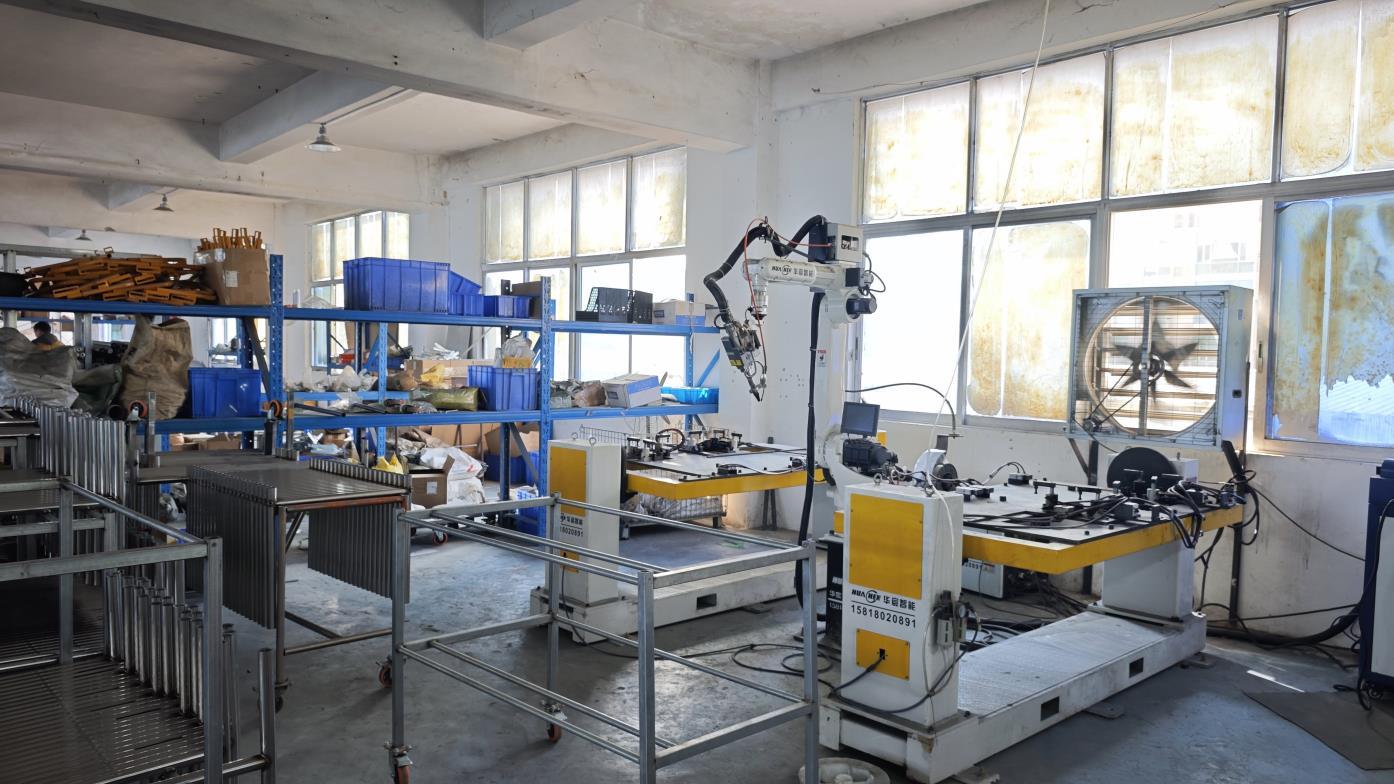
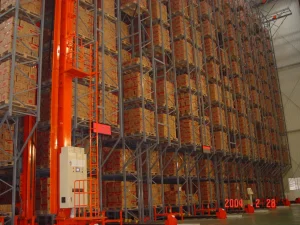
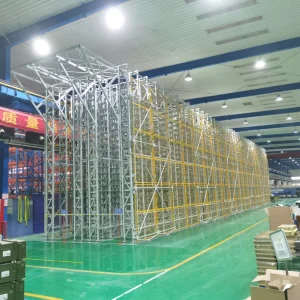
For installations in the Kanto Plain, structural design cannot use generic templates. Tokyo sits in one of the most active earthquake zones in the world. Racking systems integrated with high-speed shuttles or AS/RS stacker cranes must comply strictly with the Building Standards Act of Japan and JIS (Japanese Industrial Standards) regulations for structural load calculations.
Our engineering division designs seismic-resistant structures incorporating high-tensile steel, specific anchoring depths, base isolation mechanisms, and customized cross-bracing configurations. Dynamic simulations are run prior to manufacturing to ensure the racking frame can safely absorb and dissipate lateral force loads, safeguarding automated components and high-value materials stored within.
Furthermore, WMS systems deployed in Japan are localized with Japanese character support, clear, localized UI screens, and dynamic API configurations for quick custom clearing and Japanese carrier compliance.
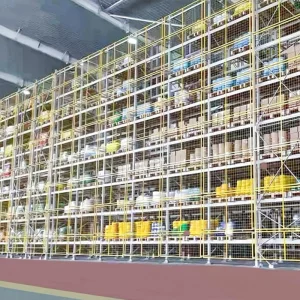
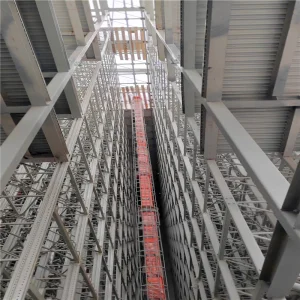
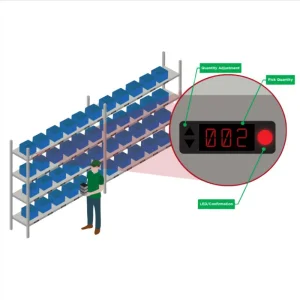
High-throughput automated storage and pick-to-light configurations optimized for heavy demands.
Technical guidance and strategic answers for corporate sourcing officers and logistics managers.
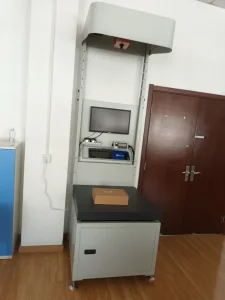
The 2024 regulation limits driver overtime hours, making vehicle turnaround times critical. Our WMS integrates with DWS systems and Pick-to-Light conveyors to dispatch pick lists and sort items instantly. This optimization slashes vehicle waiting and loading times at shipping bays by up to 45%, ensuring carriers can depart within strict schedules.
All our heavy-duty steel structures and high-rise AS/RS racking lines are engineered using Japanese structural analysis parameters (conforming to JIS standards). We implement high-ductility baseplates, specialized anchoring, base-isolation, and localized diagonal rack bracing calculations to safeguard equipment and workers from the horizontal shaking forces common to the Kanto plain.
Yes. The system utilizes RESTful APIs, Web Services, and direct SQL link databases to maintain real-time interoperability with major global ERP engines such as SAP, Oracle NetSuite, and Microsoft Dynamics, as well as localized warehouse management tools.
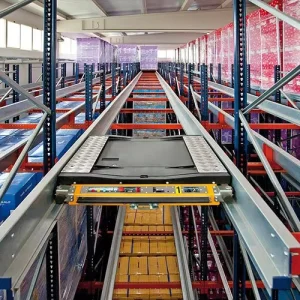
Unlike standard forklift aisle layouts, which waste up to 60% of vertical warehouse space, our Multi-Tier Shuttle Racking System utilizes vertical high-density shuttle lines. It reduces aisle widths to the exact physical dimensions of the shuttle carts, yielding up to 300% more storage space per cubic meter of warehouse footprint.
We offer comprehensive technical consultation, localized control software UI translation, on-site mechanical system implementation, calibration runs, and emergency technical troubleshooting to ensure zero-downtime execution for our Japanese enterprise partners.
Consult directly with our system integration engineers to receive customized CAD layouts, dynamic flow simulations, and a comprehensive project budget calculation.
Send Inquiry Now RAB Logistics