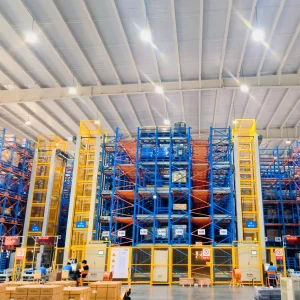
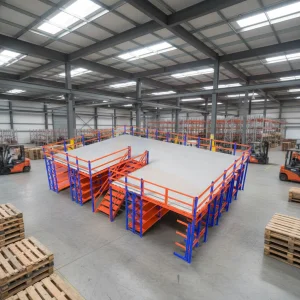
Discover key physical components designed to power high-throughput sorting, temporary storage, and intelligent retrieval in modern return processing facilities.
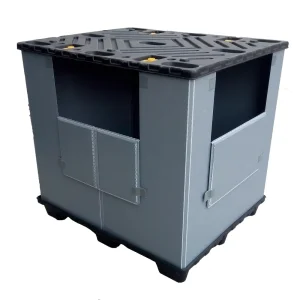

In the modern cross-border e-commerce and retail supply chain, reverse logistics is no longer an afterthought. Industry studies show that product returns represent an average of 15% to 30% of total sales volume, posing a critical operational challenge. To protect profit margins, global enterprises are heavily investing in specialized Return Processing Systems. These systems are designed to automate returned merchandise validation, sorting, restorage, or liquidation, converting what used to be a pure cost center into an optimized resource loop.
From an exporter perspective, sourcing these systems from specialized manufacturing hubs (such as China) has become the gold standard. Manufacturers combine advanced structural engineering (e.g., heavy-duty racking, mezzanine structures) with state-of-the-art automation (AGVs, AMRs, dynamic sorting scales) to offer integrated solutions that can handle complex sorting operations at scale.
Corporate procurement teams face complex challenges when vetting factories and exporters for return processing solutions. Key selection parameters have moved beyond simple cost calculations:
The table below summarizes standard system specifications expected by enterprise-level logistics integrators:
| Component Type | Standard Specification | Ideal Application | Integration Level |
|---|---|---|---|
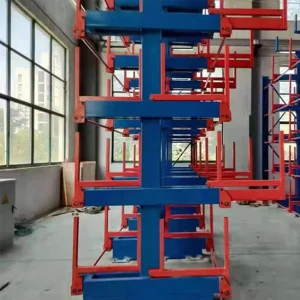
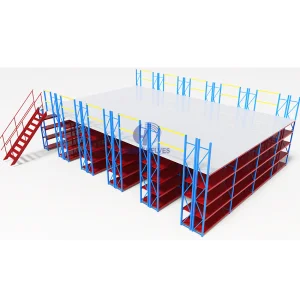
| Multi-Tier Mezzanine Platforms | Q355B Steel, custom load 500-1000 kg/m² | High-density buffer storage | Structural / Architectural |
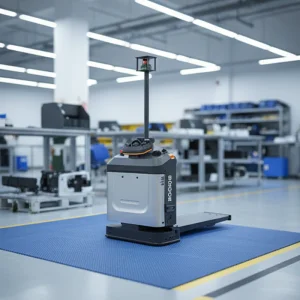
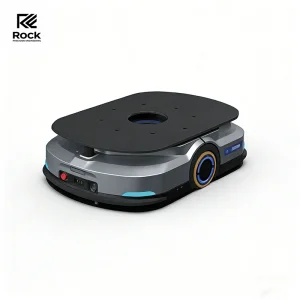
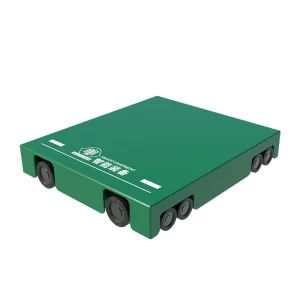
| Autonomous Mobile Robots (AMR) | 600kg - 2000kg payload, LiDAR guidance | Flexible layout dynamic transport | API / WCS Real-time API |
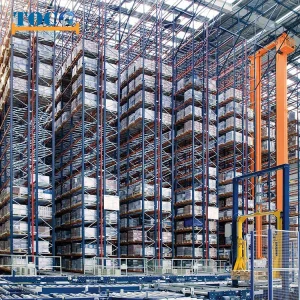
| AS/RS Four-Way Shuttle Systems | Pallet/Tote level, speed up to 2m/s | Fully automated fast picking | WCS / PLC Integration |
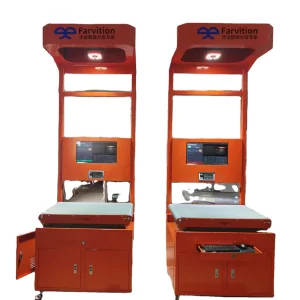
| Static/Dynamic DWS Machines | Weighing, scanning, dimensioning (±1mm) | Receiving gate registration | ERP Database direct sync |
Hangzhou RAB Logistics Co., Ltd. is a professional provider of intelligent warehousing and modern logistics solutions. Built on years of industry experience and continuous technological innovation, RAB Logistics is committed to helping enterprises transform traditional warehouse operations into highly automated, data-driven, and efficient supply chain systems.
Since its establishment, the company has focused on integrating advanced logistics technologies such as Warehouse Management Systems (WMS), Automated Storage and Retrieval Systems (AS/RS), AGV/AMR robotics, intelligent sorting systems, and real-time data visualization platforms. These solutions enable clients to achieve higher operational accuracy, faster fulfillment speed, and significantly reduced logistics costs.
With strong capabilities in system consulting, solution design, equipment integration, software development, and project implementation, Hangzhou RAB Logistics Co., Ltd. delivers end-to-end intelligent logistics solutions tailored to diverse industry needs. Our expertise ensures seamless coordination between hardware and software, creating scalable and future-ready warehouse infrastructures.
RAB Logistics serves a wide range of industries including manufacturing, cross-border e-commerce, fast-moving consumer goods (FMCG), pharmaceuticals, and automotive parts. Our solutions are trusted for their stability, innovation, and proven performance in complex, high-demand environments.
By choosing Hangzhou RAB Logistics Co., Ltd., you are selecting a long-term strategic partner dedicated to building smarter warehouses, optimizing supply chains, and empowering businesses with sustainable competitive advantages in the era of intelligent logistics.
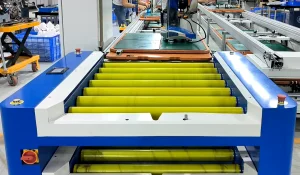
Underneath every robust racking and sorting system lies heavy-duty machinery. Here is a inside look into Hangzhou RAB Logistics Co., Ltd.'s processing flow.
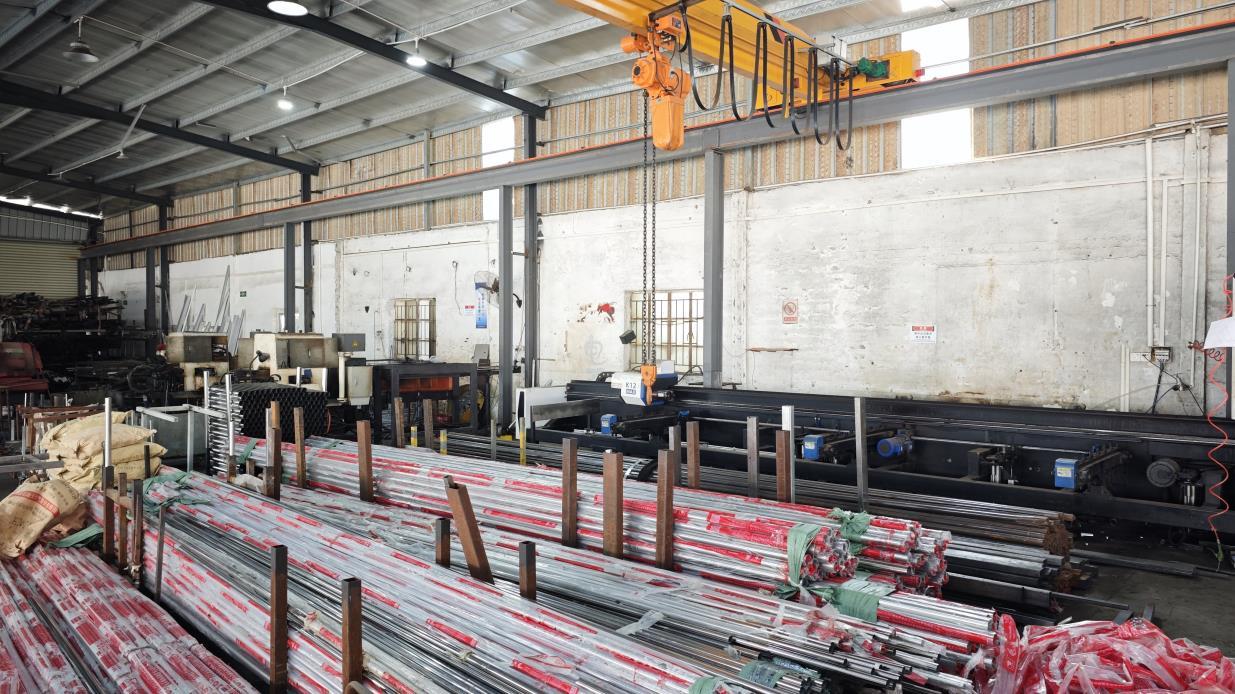
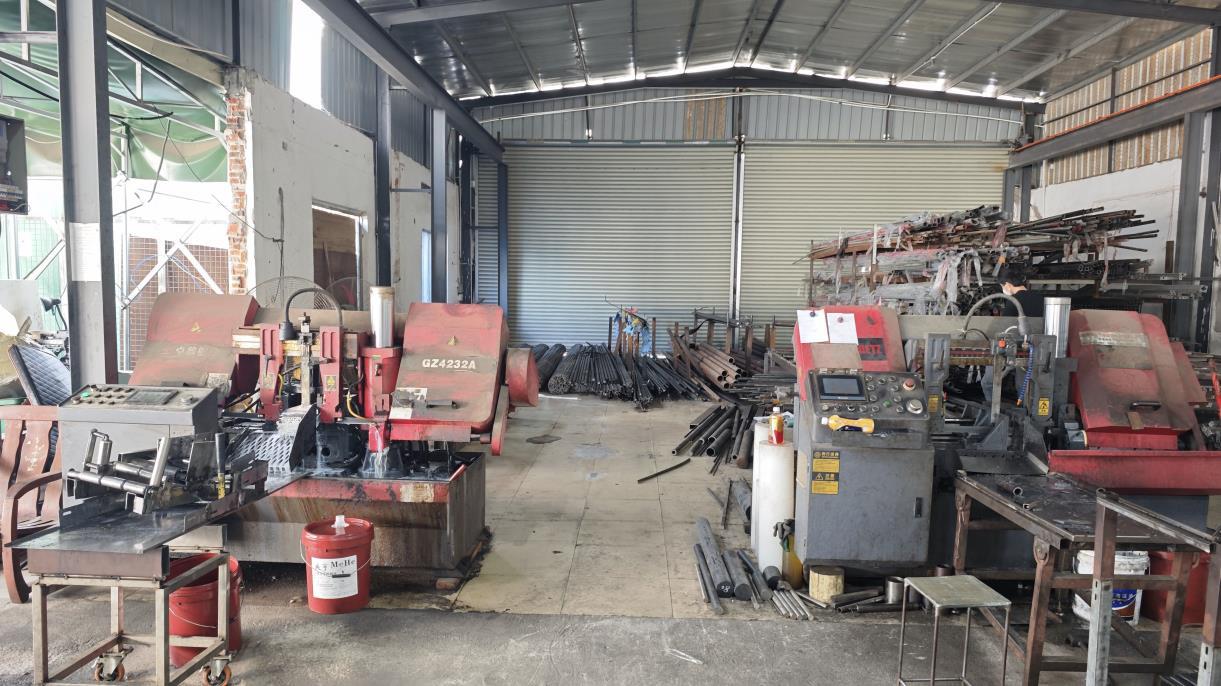
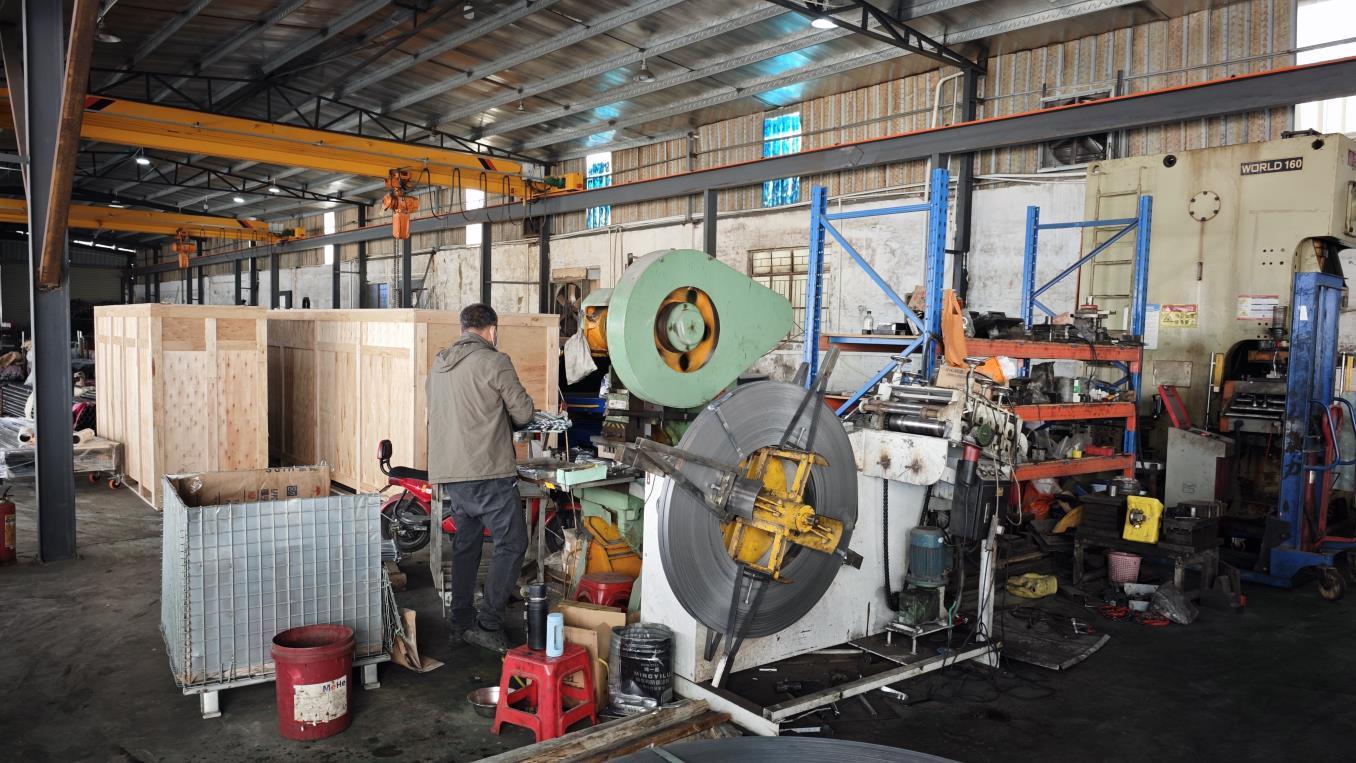
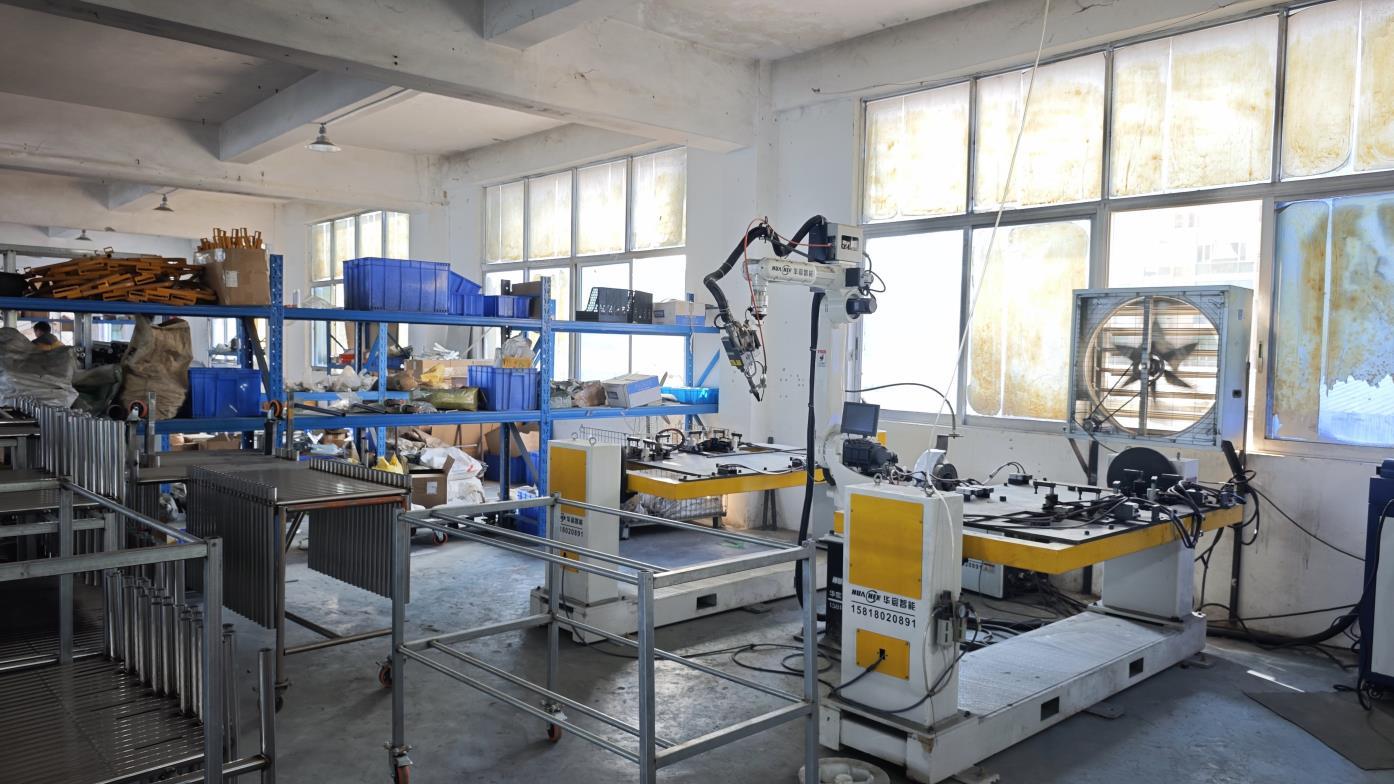
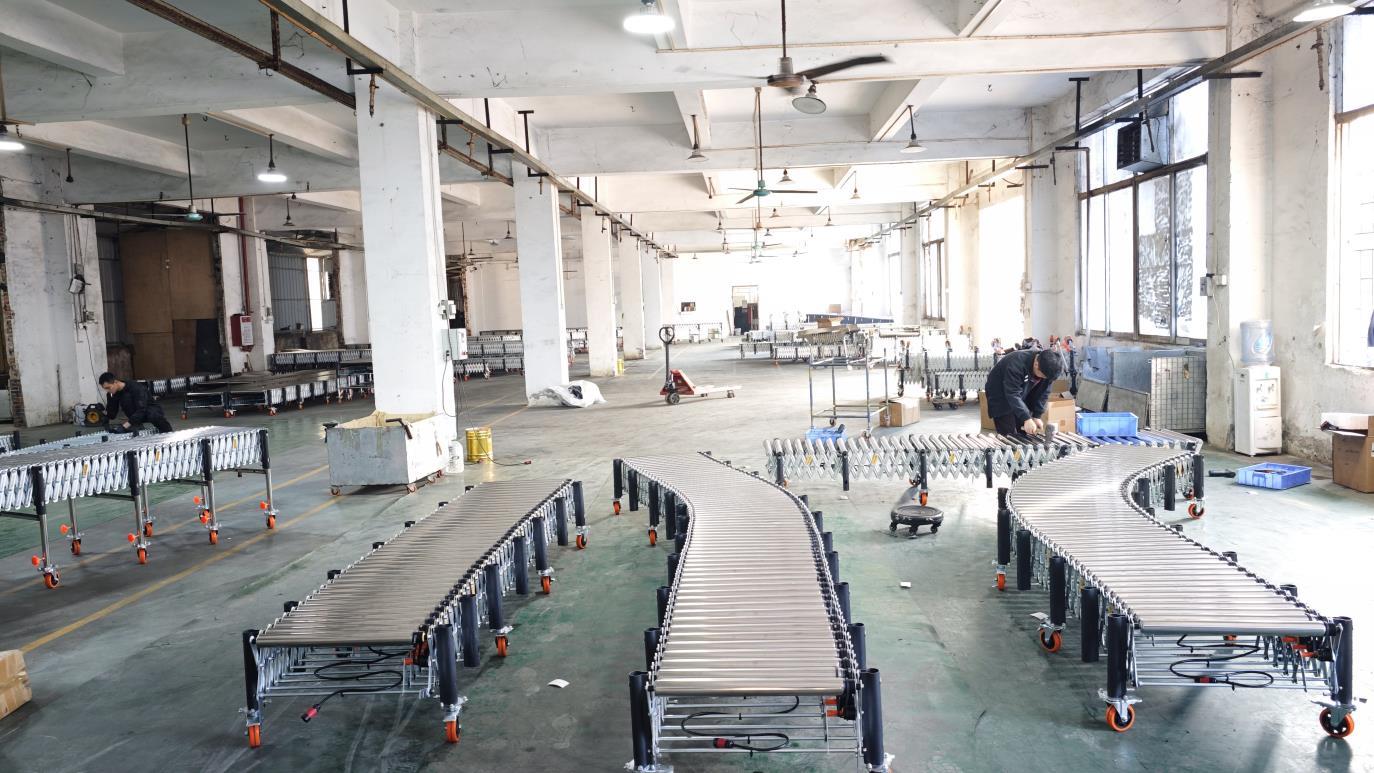
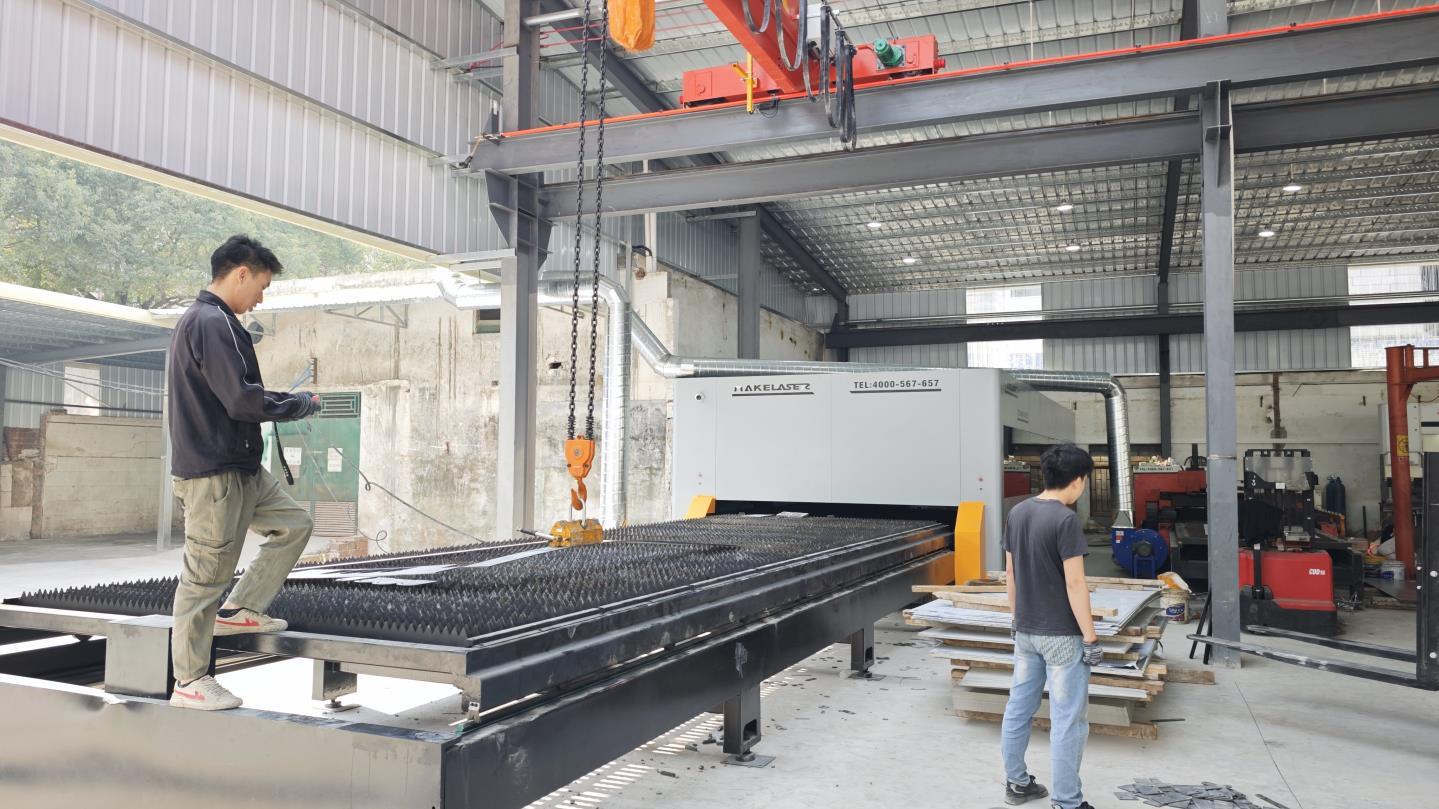
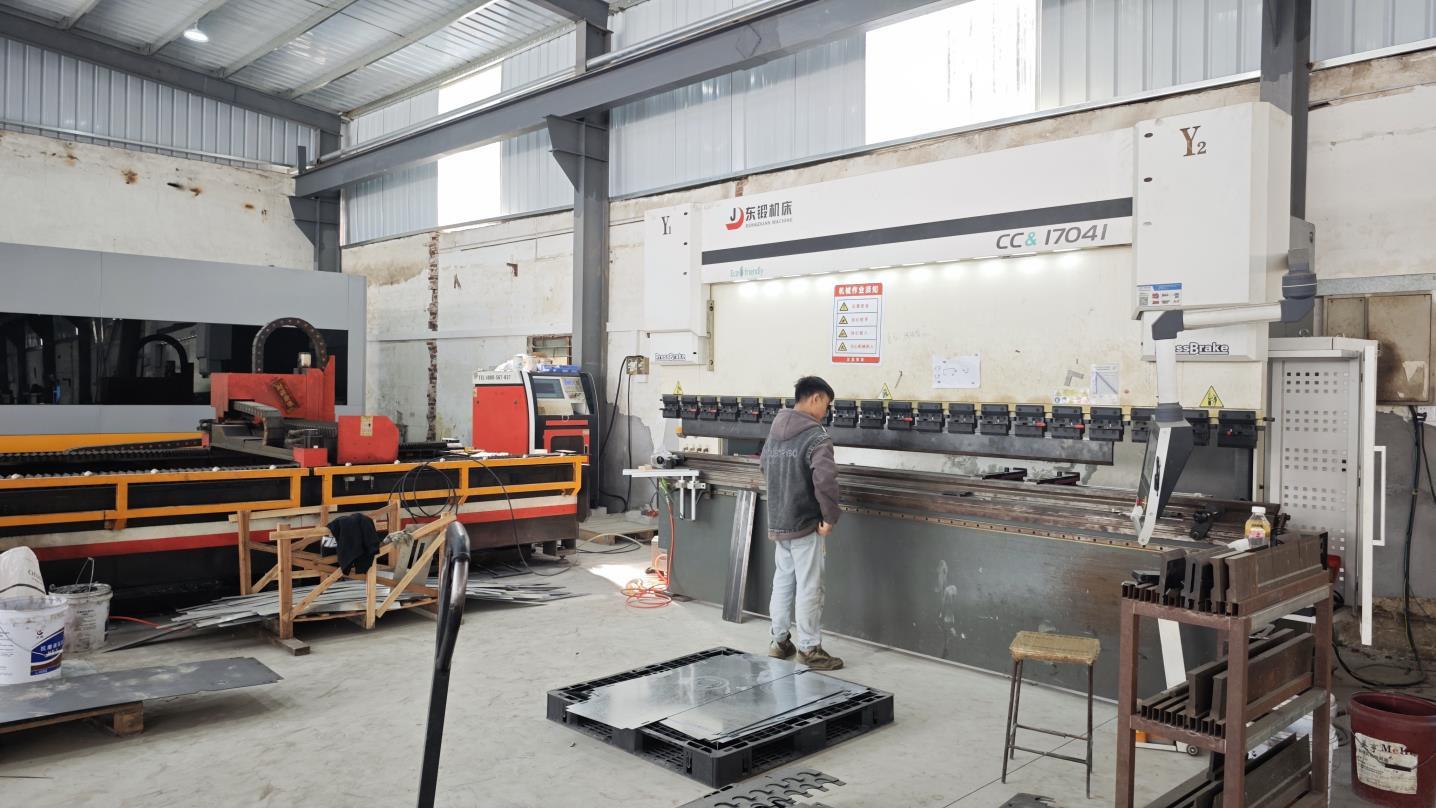
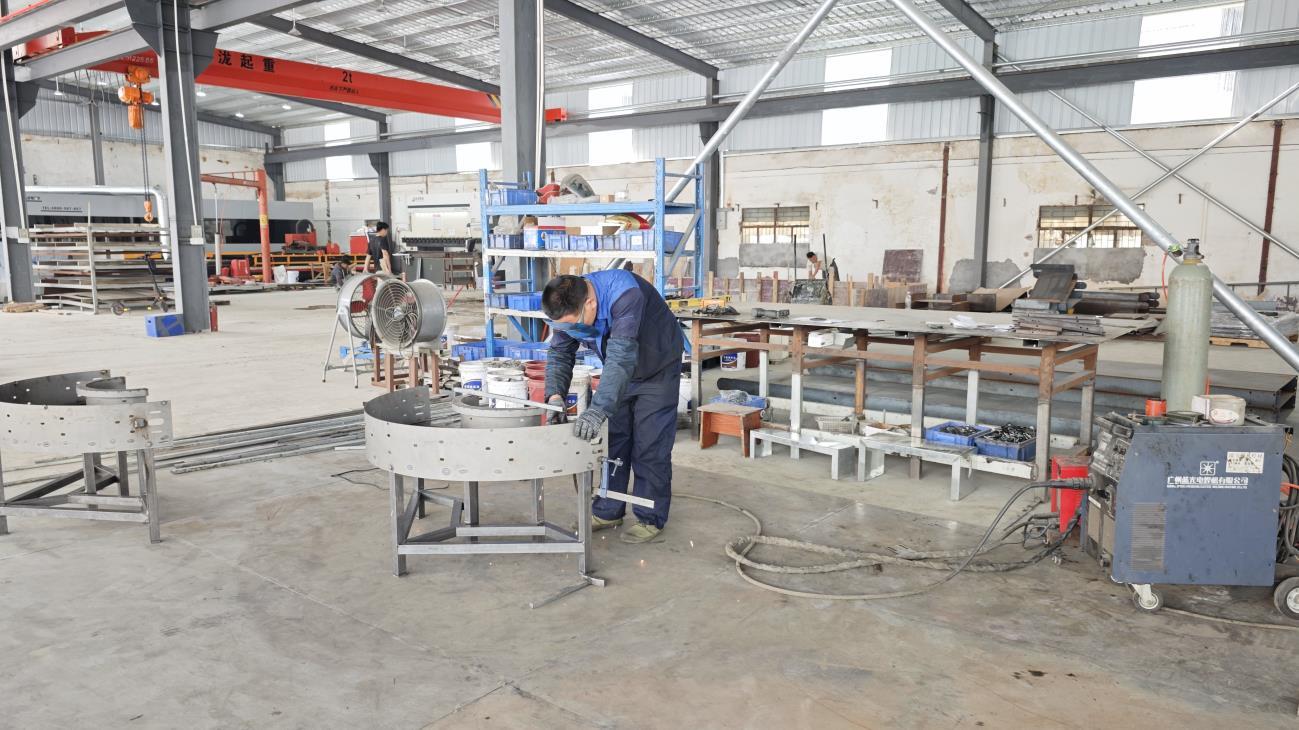
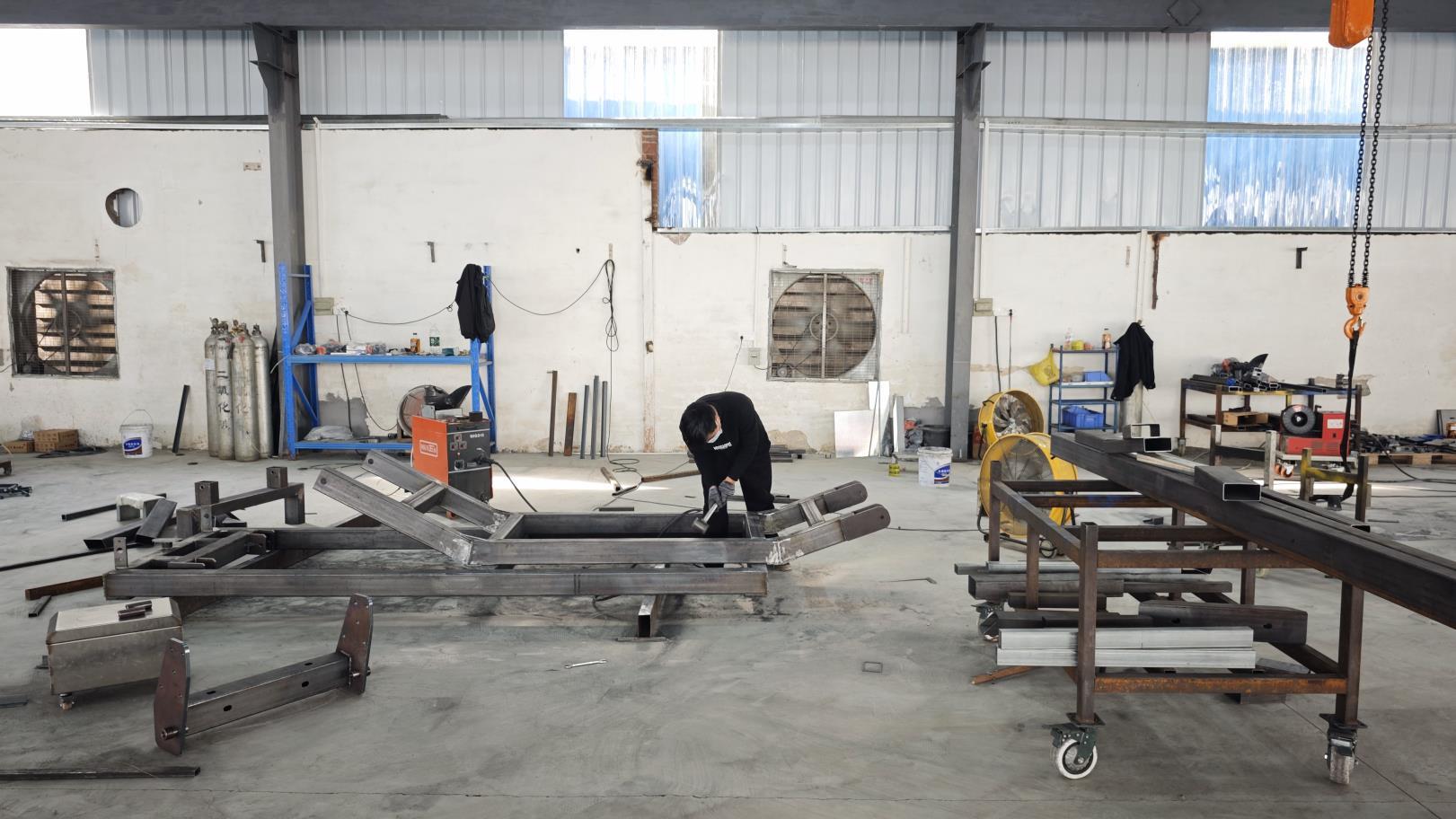
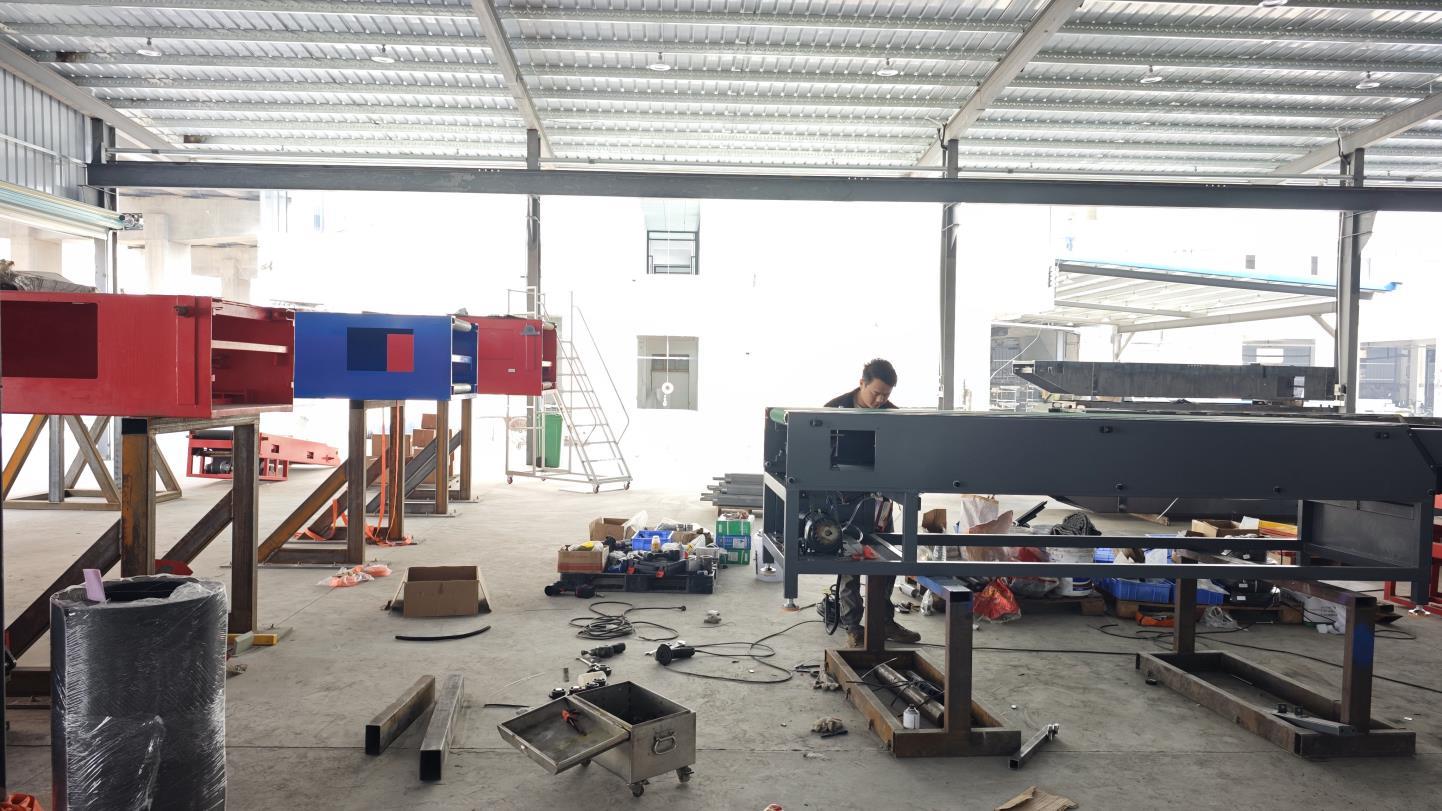
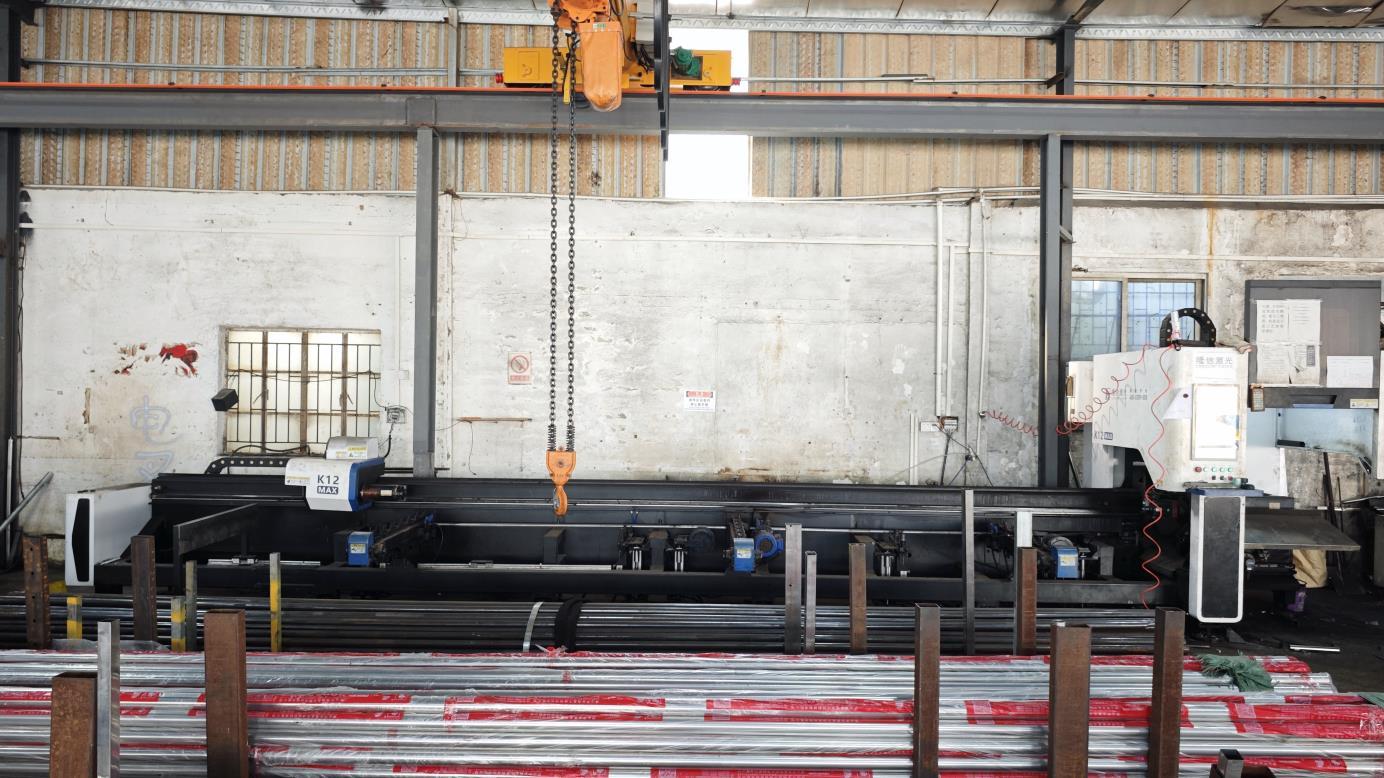
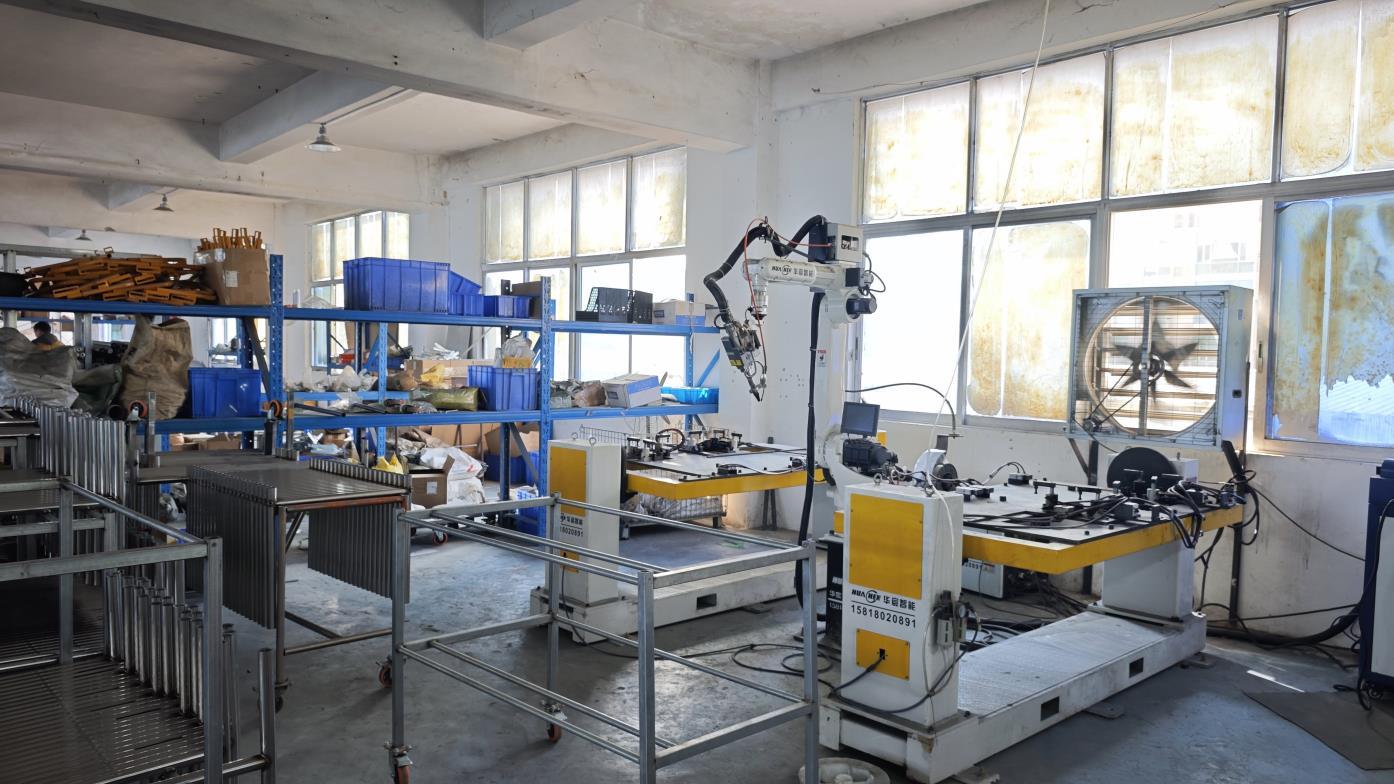
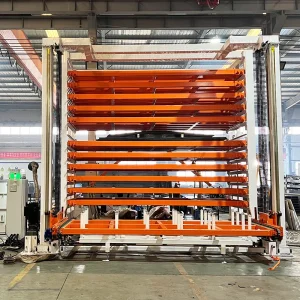
The evolution of return processing focuses on automation integration. Traditional systems relied on high-density static storage (such as mezzanine steel racking structures) where warehouse operatives manually scanned returned products. The next-generation facility operates as a centralized hub combining robotics, computer vision, and dynamic sorting platforms.
RAB Logistics is leading this transformation. Our technology roadmap integrates LiDAR-guided AGV/AMRs with automatic dimensioning, weighing, and scanning (DWS) hardware. When returned stock arrives, dynamic DWS scanning reads barcode and product configuration data. Instantly, our Warehouse Control System (WCS) routes the item via 3D multi-layered shuttle systems or small-payload sorting AMRs to its correct storage bin or refurbishment terminal. This minimizes human touchpoints, lowering the probability of catalog classification errors.
For an international enterprise, a system is only as good as its global deployment capacity. Sourcing machinery from Hangzhou RAB Logistics Co., Ltd. provides you with full compliance and transit protection benefits:
Answers to critical integration, configuration, and structural engineering questions.
Explore additional warehousing elements, sorting machinery, and storage racks to complete your enterprise system layout.
 RAB Logistics