Integrate robust hardware automation systems directly with your Order Management System for real-time dispatch and optimized intralogistics.
In today's hyper-connected commerce ecosystem, an Order Management System (OMS) acts as the central nervous system of supply chain execution. Driven by the explosive growth of B2C omnichannel retail, B2B digital portals, and complex cross-border logistics routes, modern businesses require absolute visibility into their order-to-cash cycles. High-performance OMS platforms do not operate in a vacuum—they orchestrate the flow of data across storefronts, Enterprise Resource Planning (ERP) systems, Warehouse Management Systems (WMS), and physical automated material handling hardware.
According to industry analysts, the global order management software market is expanding at a CAGR of over 11%, driven by the transition toward headless, composable architecture. The core value of a modern OMS lies in its ability to execute Distributed Order Management (DOM) logic. This enables dynamic sourcing algorithms to determine the most cost-effective, prompt, and operationally viable fulfillment nodes—whether that is a regional distribution center, a retail storefront, or a manufacturing facility equipped with advanced robotics.
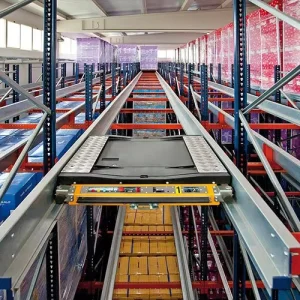
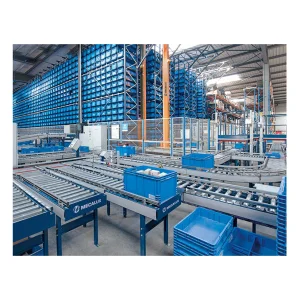
However, the software layer is only half of the equation. To realize the ROI promised by distributed order management systems, businesses must invest in the physical infrastructure that moves, sorts, and packages goods. This is where hardware innovators like Hangzhou RAB Logistics Co., Ltd. bridge the gap between virtual orchestrations and physical warehouse execution, providing the racking systems, automated shuttles, DWS scanners, and AGVs that turn OMS instructions into finished shipments.
A comparative analysis of the world's leading OMS technologies based on integration capability, architecture flexibility, and enterprise reliability.
Strengths: Highly scalable enterprise orchestrator powered by AI. Offers exceptional Distributed Order Management (DOM) capabilities, allowing real-time inventory pooling across vast supply networks. Ideal for complex multi-brand, multi-channel global giants requiring advanced sourcing and container tracking algorithms.
Strengths: A fully unified cloud system combining ERP, CRM, and inventory databases. NetSuite provides small-to-midsize and rapidly growing enterprises with native order processing, automated billing, and seamless returns management. Extremely reliable for organizations that want software consolidation.
Strengths: Perfect for deep industrial, manufacturing, and heavy B2B setups. Highly compatible with global compliance protocols and large enterprise databases. Provides absolute transparency across multi-tier supplier networks and supports complex contracts, customized pricing tables, and localized tax configurations.
Strengths: Native integration with Commerce Cloud, Service Cloud, and Marketing Cloud. SFOM is a powerhouse for consumer-centric brands aiming to provide a unified customer view, allowing seamless post-purchase modifications and highly personalized return management portals.
Strengths: Consistently rated as a Leader in retail OMS. Features dynamic inventory optimization modules that turn physical storefronts into active micro-fulfillment hubs. Coordinates seamlessly with advanced WMS platforms to synchronize warehouse picking with shipping carrier pickups.
Strengths: Uses low-code/no-code visual tools to configure order journeys easily. It utilizes built-in AI models to proactively detect bottlenecks, shipping disruptions, and inventory shortages, recommending immediate rerouting actions.
Strengths: Tailored for complex supply chains that require predictive fulfillment strategies. Blue Yonder leverages machine learning to anticipate consumer demands, positioning inventories in micro-hubs before orders are officially placed.
Strengths: A cloud-native, API-first (headless) OMS designed specifically for rapid deployment. Enables retailers to adapt order routing processes dynamically without relying heavily on developer support.
Strengths: Outstanding for mid-market omnichannel retailers. Kibo balances robust functionalities like "buy online, pick up in-store" (BOPIS) and "ship from store" with a highly intuitive user interface and rapid onboarding timelines.
Strengths: Tailored specifically for direct-to-consumer (DTC) brands. Focuses heavily on reducing transaction friction, streamlining order validation, managing pre-orders, and automating complex refund rules across diverse sales channels.
The deployment of a software-based OMS represents only half of a comprehensive digital transformation strategy. In industrial supply chains, B2B distribution networks, and massive e-commerce centers, the physical execution of order workflows is determined by intralogistics design. An OMS can routing an order to a warehouse within seconds, but if that warehouse relies on manual forklift navigation and unoptimized racking layouts, the fulfillment SLA will fall behind.
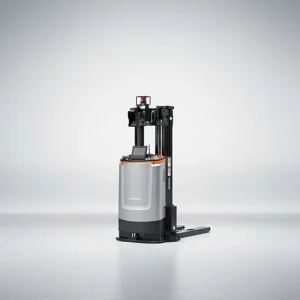
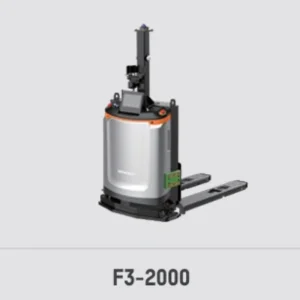
To solve this latency, hardware and software must communicate programmatically. Under this unified framework, the OMS relays routing demands directly to the WMS and WCS (Warehouse Control System), which in turn deploy:
By establishing a cyber-physical supply chain, manufacturers and distributors can reduce cycle times from hours to minutes, eliminate picking errors, and lower the overall cost-to-serve.
Your strategic engineering partner for next-generation automated intralogistics and digital warehouse systems.
Hangzhou RAB Logistics Co., Ltd. is a professional provider of intelligent warehousing and modern logistics solutions. Built on years of industry experience and continuous technological innovation, RAB Logistics is committed to helping enterprises transform traditional warehouse operations into highly automated, data-driven, and efficient supply chain systems.
Since its establishment, the company has focused on integrating advanced logistics technologies such as Warehouse Management Systems (WMS), Automated Storage and Retrieval Systems (AS/RS), AGV/AMR robotics, intelligent sorting systems, and real-time data visualization platforms. These solutions enable clients to achieve higher operational accuracy, faster fulfillment speed, and significantly reduced logistics costs.
With strong capabilities in system consulting, solution design, equipment integration, software development, and project implementation, Hangzhou RAB Logistics Co., Ltd. delivers end-to-end intelligent logistics solutions tailored to diverse industry needs. Our expertise ensures seamless coordination between hardware and software, creating scalable and future-ready warehouse infrastructures.
RAB Logistics serves a wide range of industries including manufacturing, cross-border e-commerce, fast-moving consumer goods (FMCG), pharmaceuticals, and automotive parts. Our solutions are trusted for their stability, innovation, and proven performance in complex, high-demand environments.
By choosing Hangzhou RAB Logistics Co., Ltd., you are selecting a long-term strategic partner dedicated to building smarter warehouses, optimizing supply chains, and empowering businesses with sustainable competitive advantages in the era of intelligent logistics.
We work with enterprise supply chain leads to analyze workflows, model storage densities, and formulate optimal automation roadmaps prior to capital allocation.
Seamlessly aligning physical automated units like mini-load systems, ASRS setups, and robotic shuttles with top-tier enterprise WMS software.
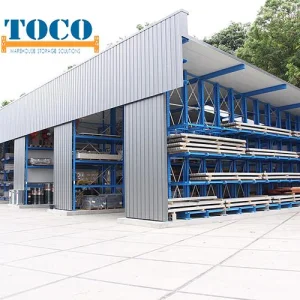
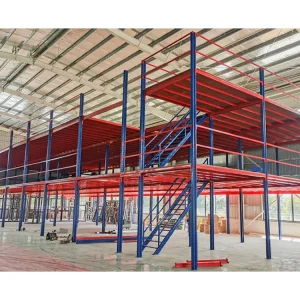
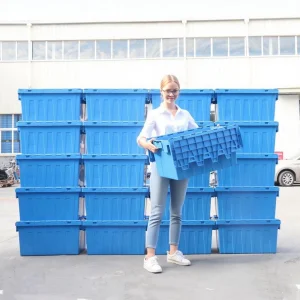
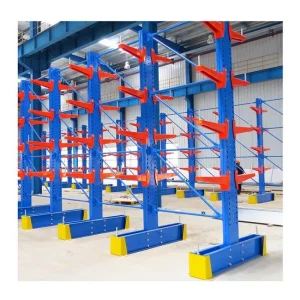
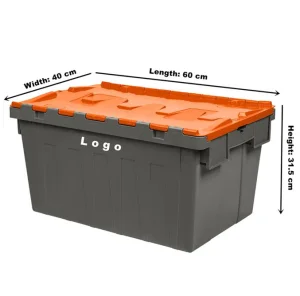
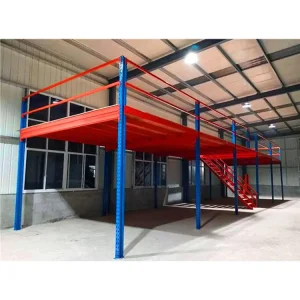
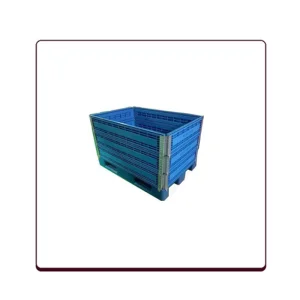
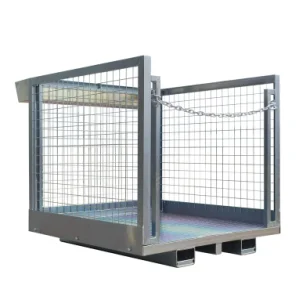
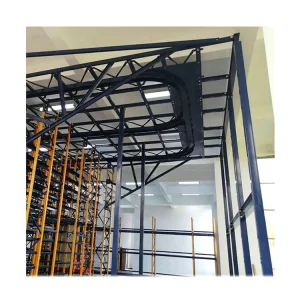
Manufacturing and engineering heavy-duty steel mezzanines, structural racking, and high-quality logistics containers designed to withstand high-volume processing cycles.
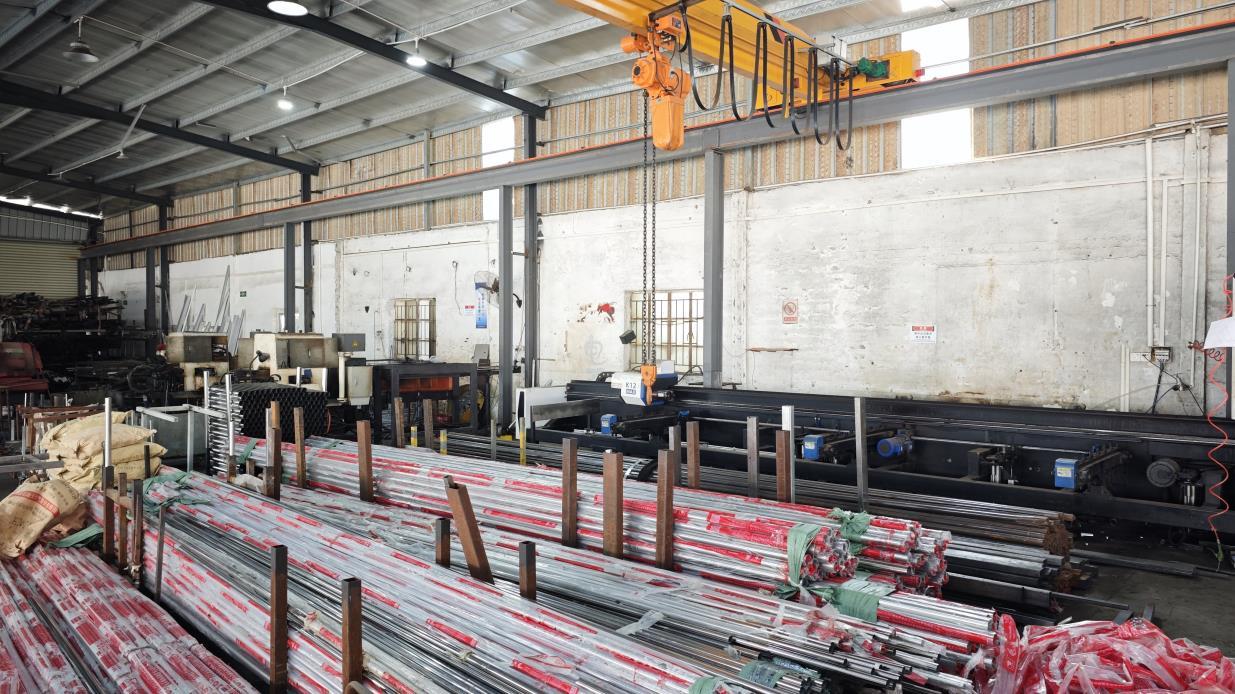
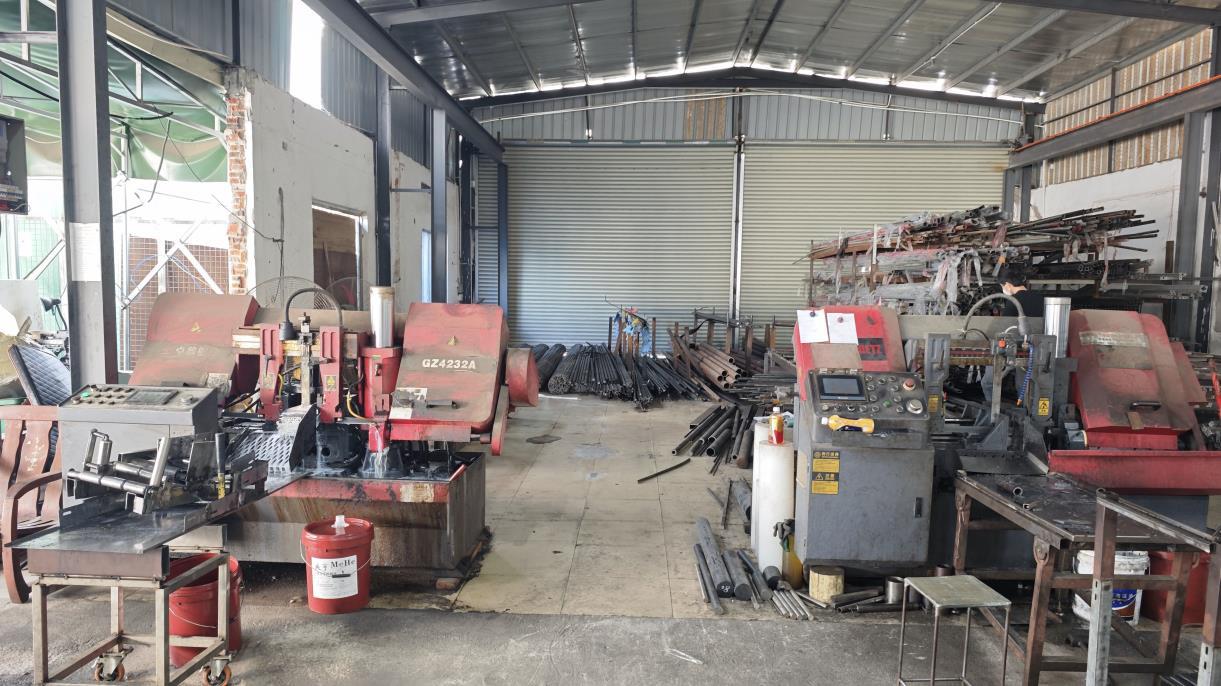
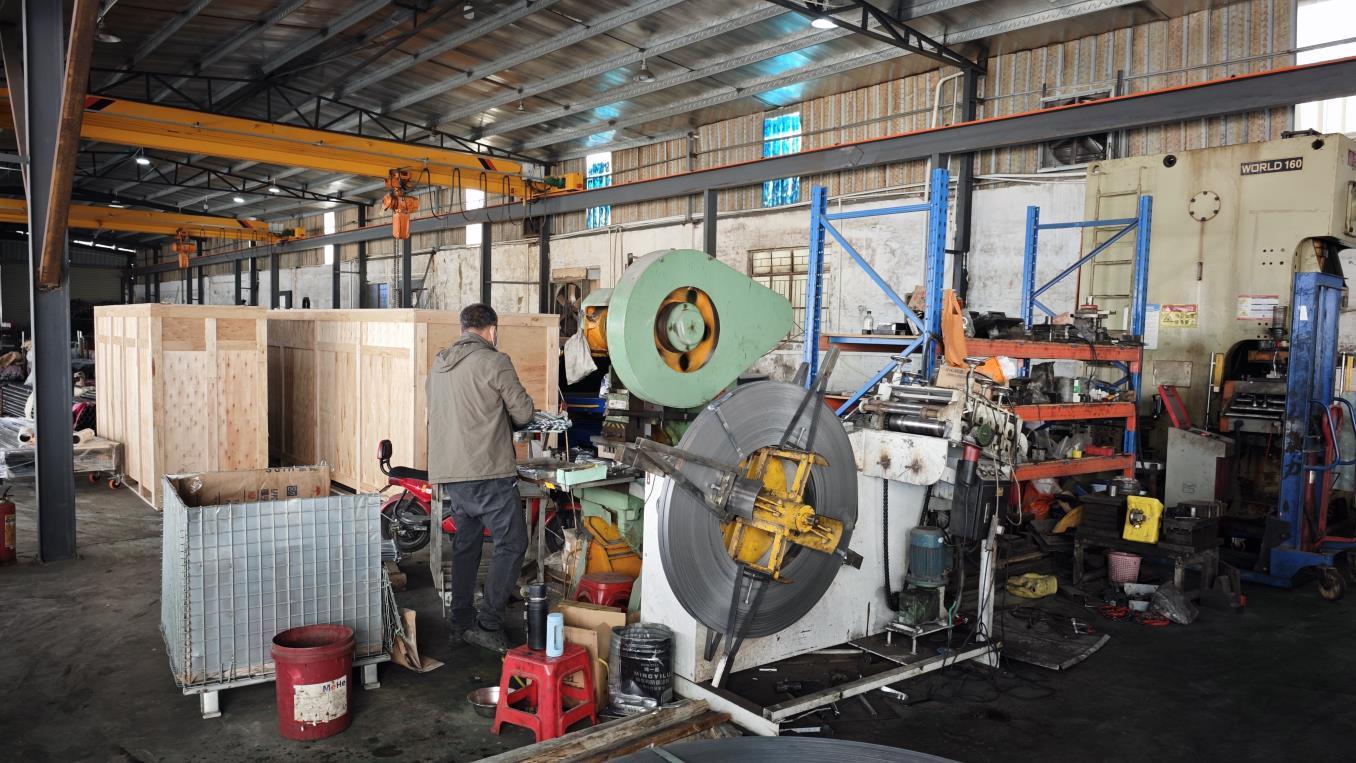
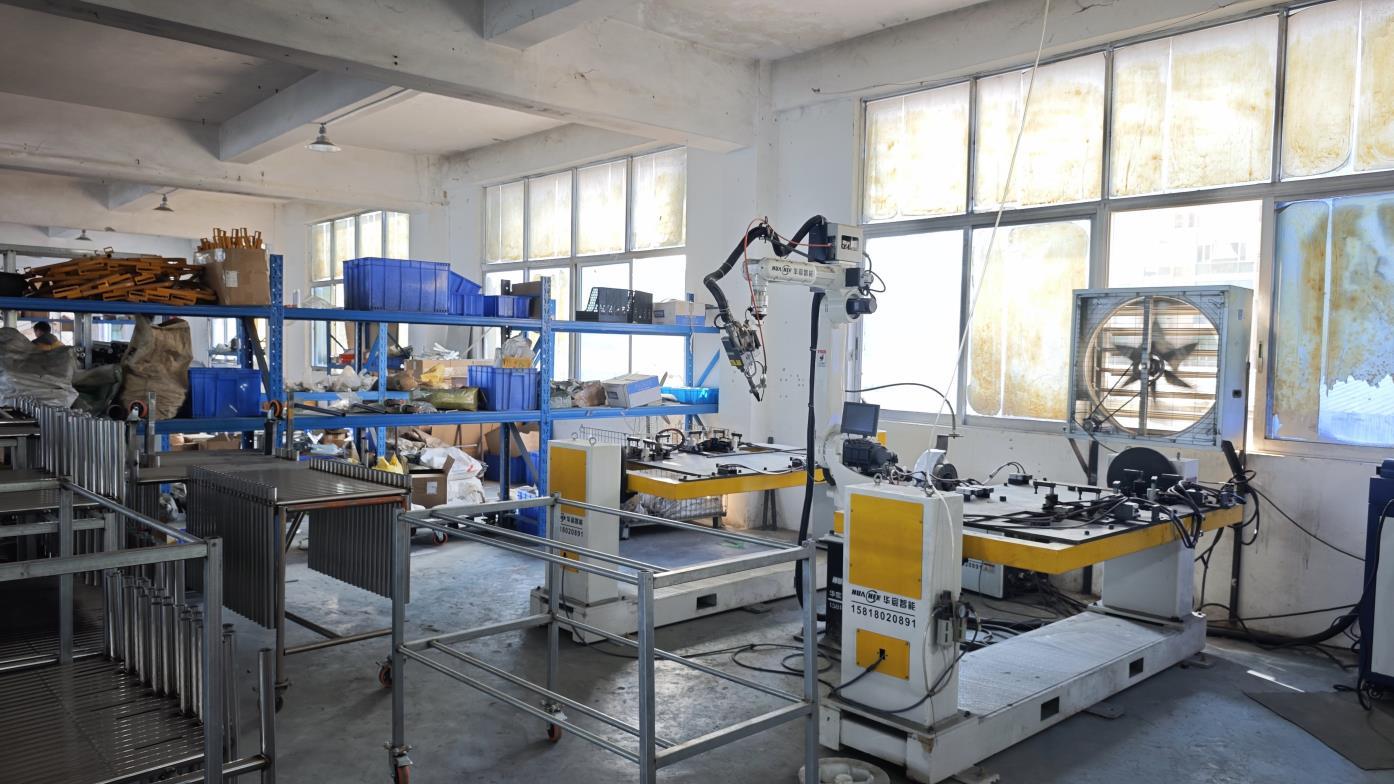
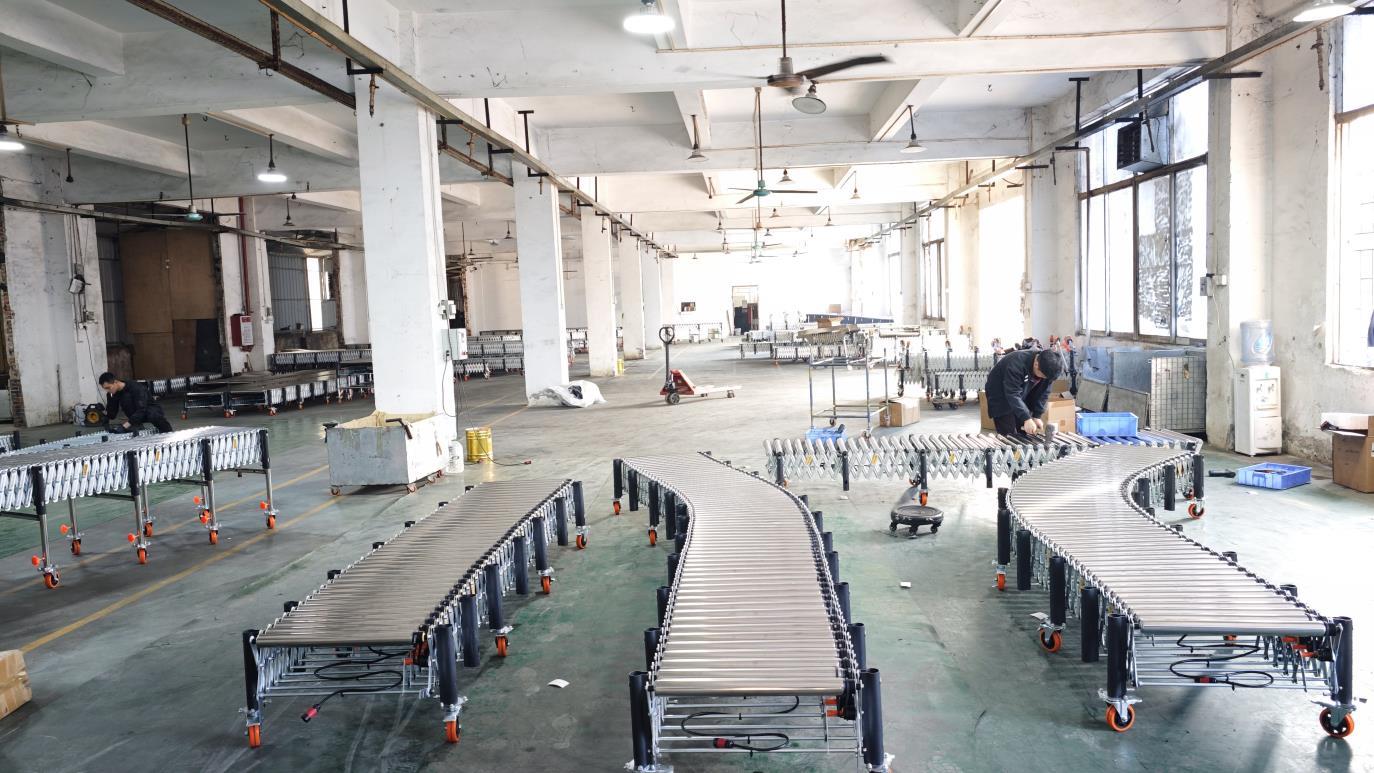
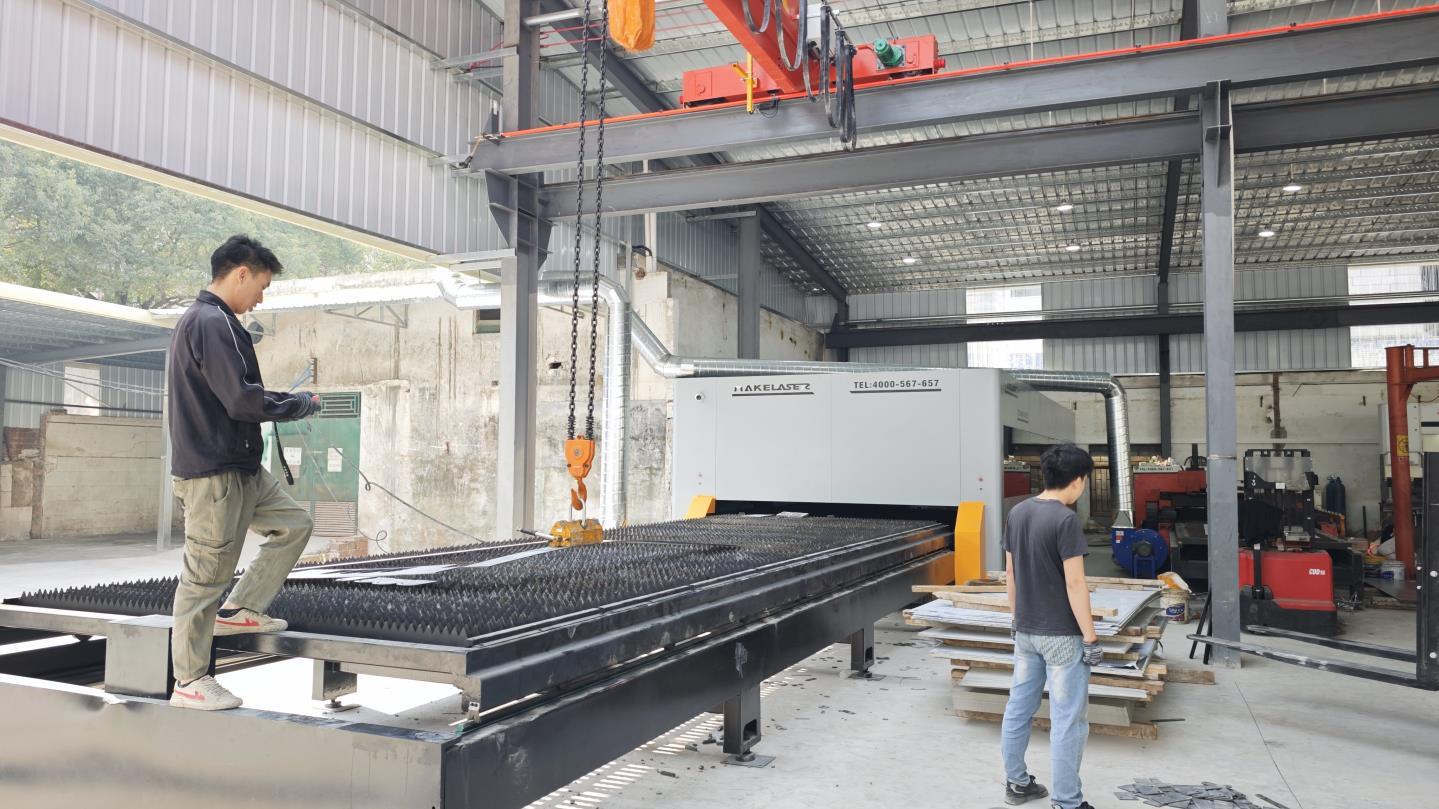
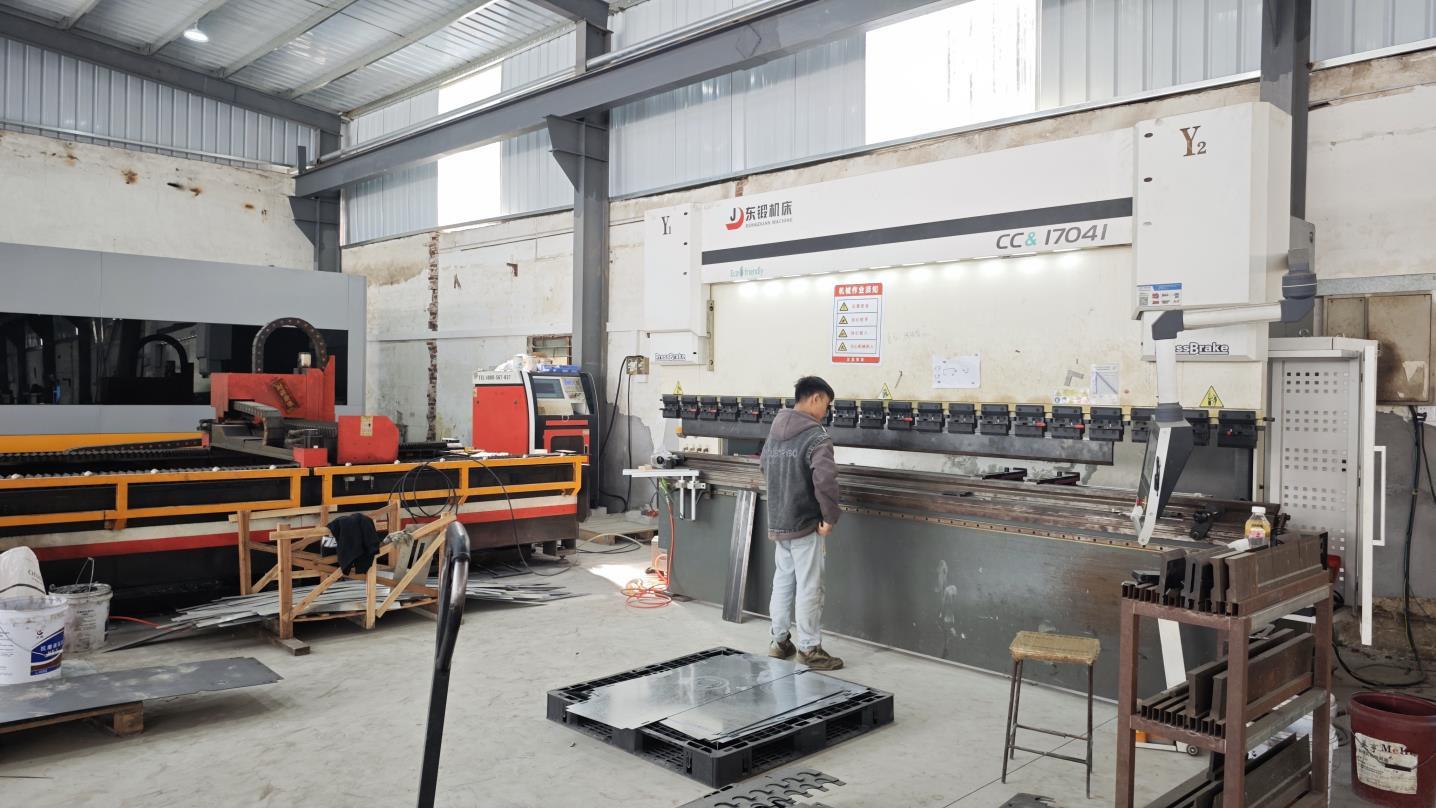
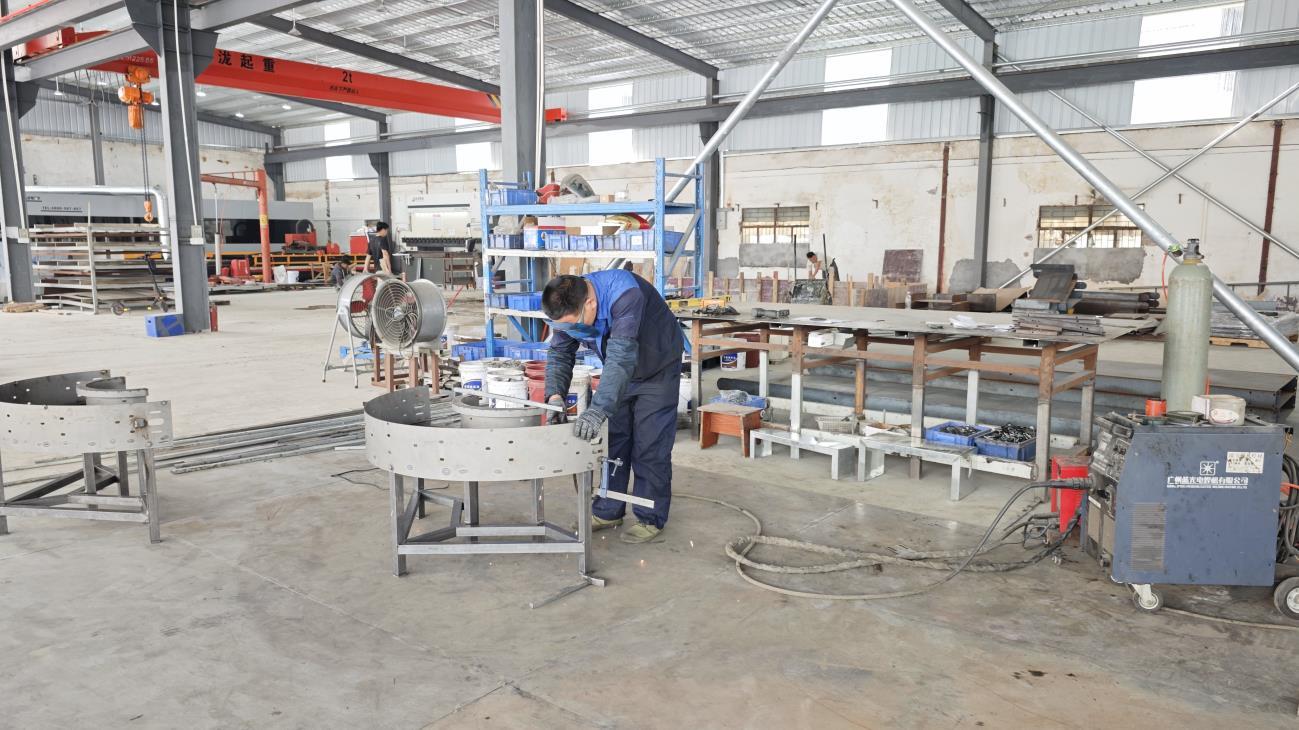
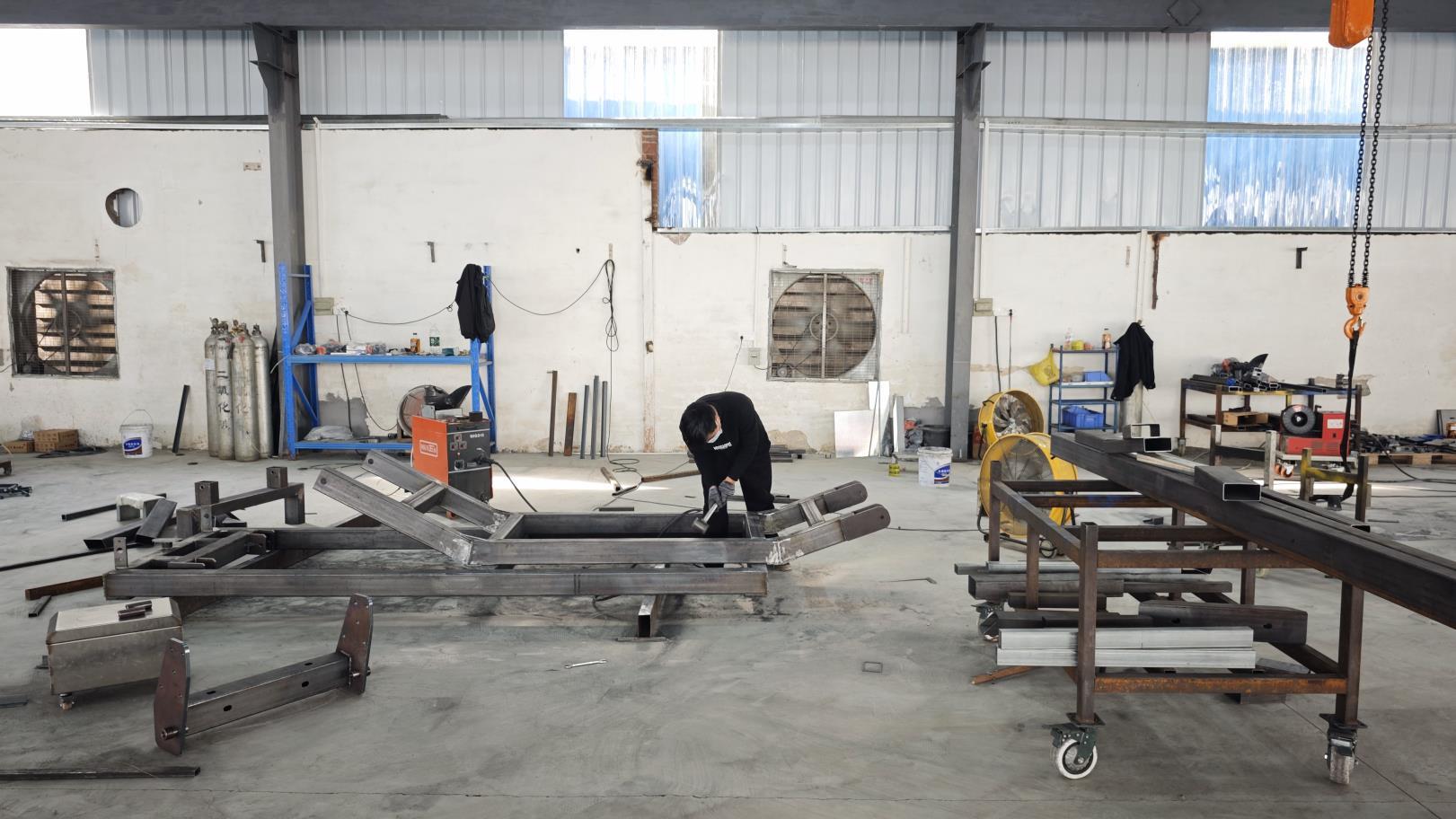
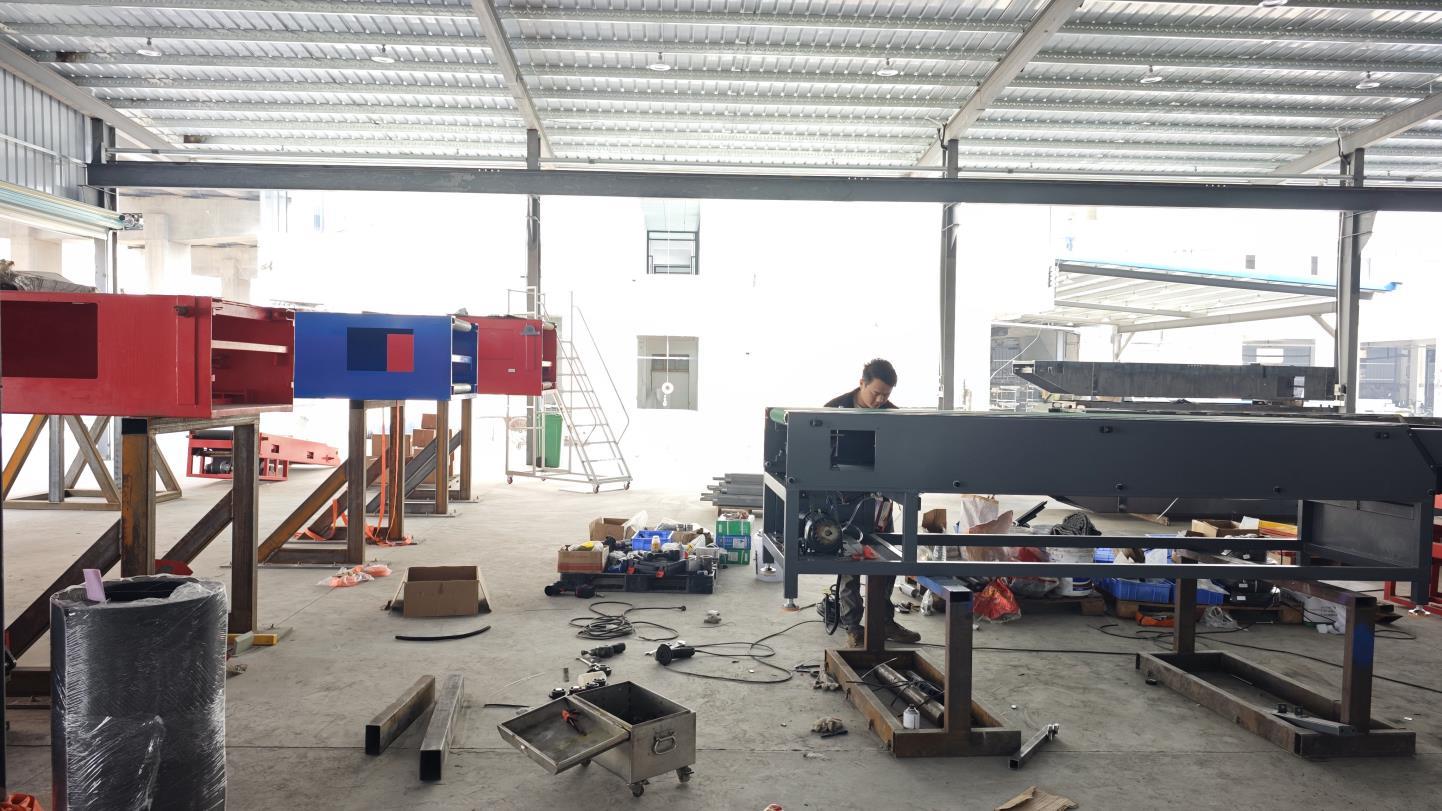
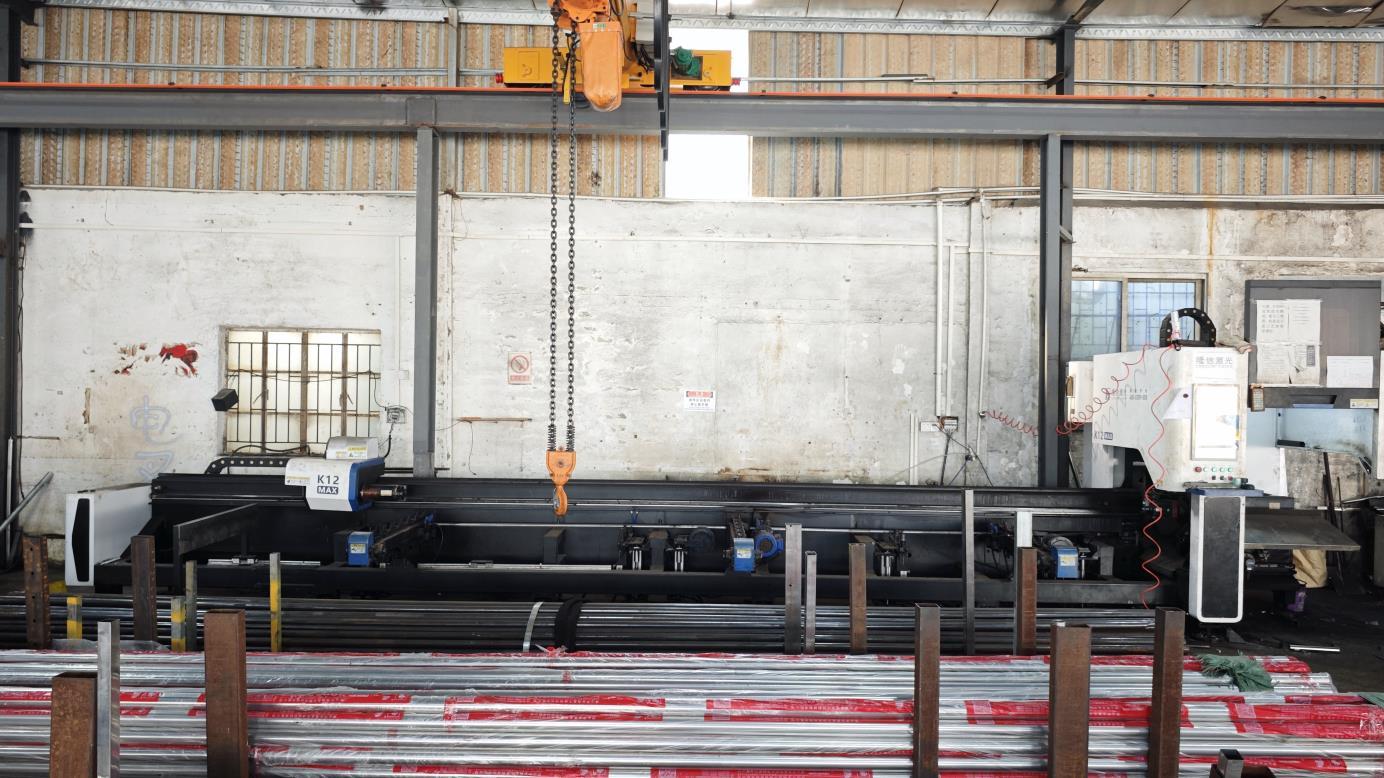
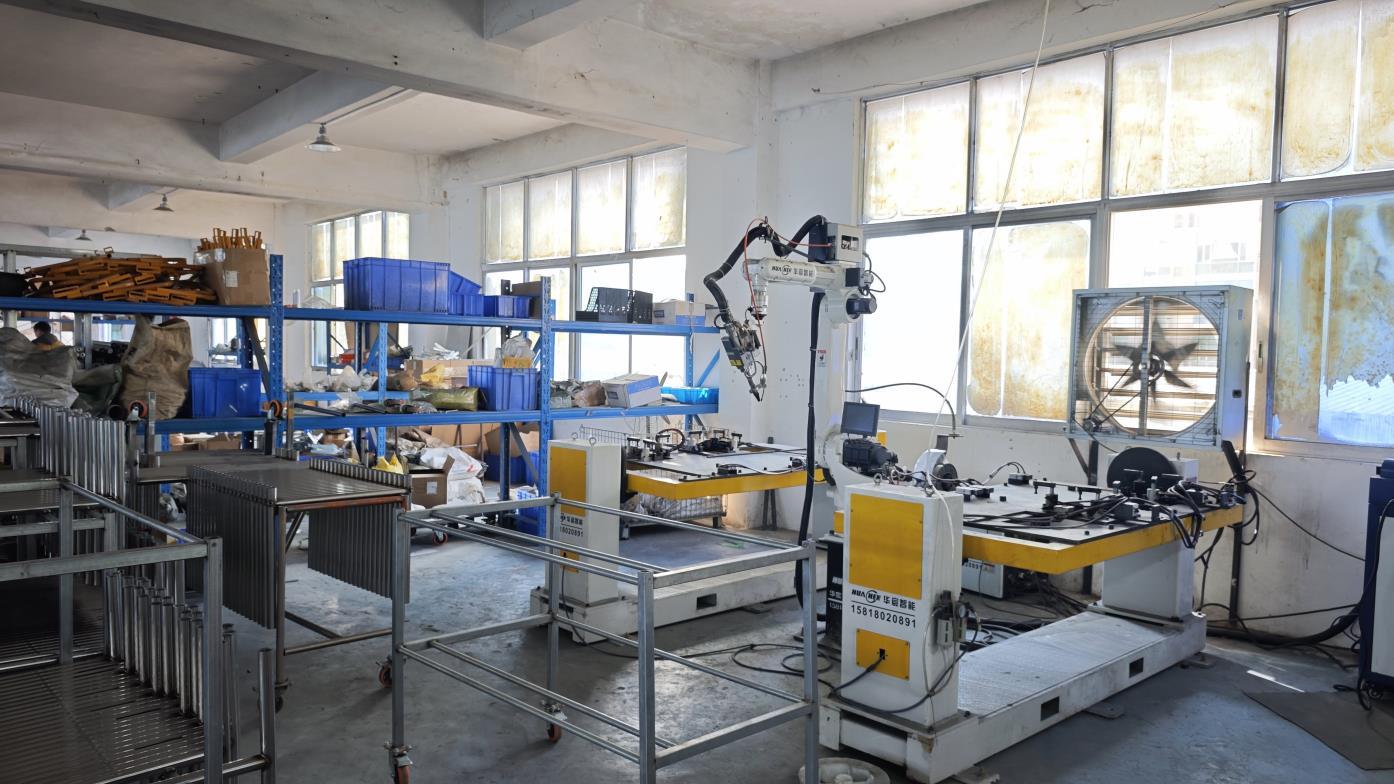
A transparent look at our specialized manufacturing workflow. We ensure each racking system, panel enclosure, and robotic chassis conforms to rigorous load-bearing and alignment standards.
Operating in a global marketplace implies adhering to localized commerce protocols. When an OMS coordinates cross-border orders, it must integrate dynamically with localized trade compliance rules.
An enterprise order journey must accommodate regional Value Added Taxes (VAT), Harmonized System (HS) codes, and specialized environmental tariffs. A robust OMS dynamically calculates these levies during checkout to prevent customs delays. Additionally, system setups must coordinate data with regional logistics companies to manage shipping labels and local carrier rules smoothly.
Handling customer addresses, transactional history, and financial details requires absolute compliance with regional regulations like GDPR (General Data Protection Regulation) in Europe, CCPA (California Consumer Privacy Act) in the United States, and local data protection mandates. Storage structures, whether cloud software databases or localized physical archives, must be secured via multi-tier encryption and role-based access control.
Physical material storage systems must meet structural integrity regulations of their destination regions. For example, steel racking systems installed in earthquake-prone zones must conform to strict seismic certifications (such as RMI standards in the US or EN FEM standards in Europe). Hangzhou RAB Logistics ensures that all steel mezzanine structures and high bay configurations undergo structural calculation models to ensure absolute operator safety and structural stability.
The convergence of hardware automation and enterprise computing is reshaping the next generation of fulfillment centers. To stay ahead of the demand curve, manufacturers and suppliers are focusing on three main areas:
Future OMS configurations will not just react to orders but anticipate them. By analyzing purchase history, local weather forecasts, and social media trends, systems can instruct warehouses to pre-position inventories near anticipated high-demand zones. This minimizes shipping distance, transitioning fulfillment from next-day to within hours.
The historical divide between software commands (WMS/OMS) and hardware controllers (WCS/WES) is collapsing. Modern APIs allow software systems to communicate directly with mobile sorting tables, dynamic DWS scale equipment, and autonomous pallet stacking systems. This direct link eliminates transactional latency, optimizing throughput speed.
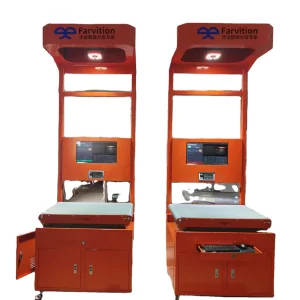
With strict environmental standards becoming standard, logistics operations must minimize resource consumption. Integrating smart dimensioning scanners (DWS) allows automated systems to select appropriately sized cartons and boxes, reducing package volume, eliminating packaging filler waste, and minimizing carbon footprints per transit.
Expert insights on integrating software platforms, structural planning, and maximizing hardware performance.
Select industrial hardware configurations to match your automation layout and secure high-capacity processing zones.
 RAB Logistics