Engineered to streamline heavy-duty logistics and high-throughput warehousing systems.
The global commercial and industrial storage market is undergoing an unprecedented paradigm shift. No longer viewed as static holding facilities, modern storage ecosystems are dynamic units designed to maximize spatial efficiency, minimize handling times, and integrate seamlessly with automated material handling equipment. Custom OEM storage lockers, heavy-duty racking systems, and specialized container enclosures sit at the center of this transformation.
Today's leading enterprises demand custom architectures optimized for specific SKU configurations. Industrial manufacturing demands high-tolerance, structural configurations that can withstand corrosive cleaning chemicals, seismic events, and round-the-clock automation loads. Sourcing from seasoned exporters who double as specialized manufacturing hubs (such as factories in major industrial clusters) enables Western buyers to co-develop products tailored to localized safety codes (like ASTM, EN standards, and ISO 9001 regulations) while capturing cost efficiencies.
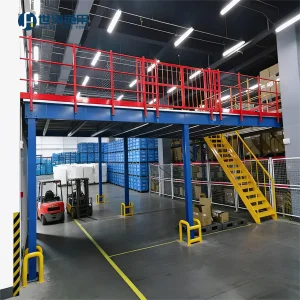
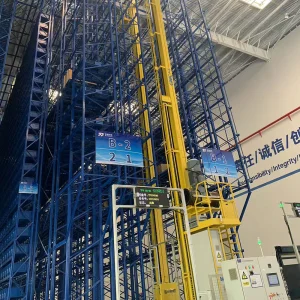
Additionally, with land values rising near urban centers, vertical storage is non-negotiable. Mezzanine platform systems, combined pallet collars, and high-density racking have evolved to double or triple usable square footage without extending physical building footprints. This trend is highly apparent in third-party logistics (3PL) nodes, cold-chain food operations, and e-commerce distribution points across North America, Europe, and developed Asia-Pacific sectors.
Delivering certified performance metrics to support enterprise storage modernization across borders.
The convergence of automation, digital verification, and sustainable materials is redefining high-efficiency storage solutions.
Modern warehouses require modular structures that can scale. OEM designs allow systems to adapt as storage footprints grow, supporting mixed-pallet sizes and variable height profiles.
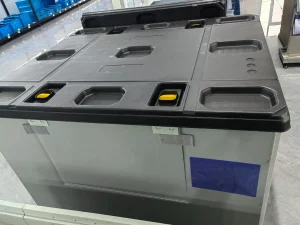
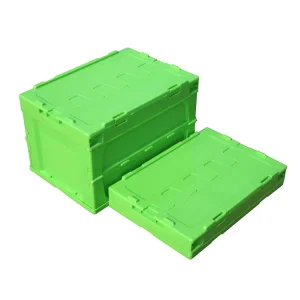
Collapsible containers reduce return-trip shipping costs. Lightweight yet durable plastic and mesh designs minimize carbon emissions during empty logistics phases.
Custom engineering ensures systems last through heavy-duty operational cycles. Advanced anti-corrosive finishes reduce maintenance intervals and overall lifetime costs.
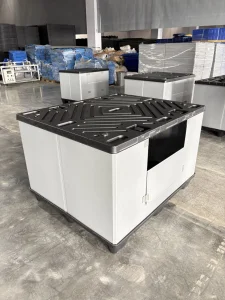
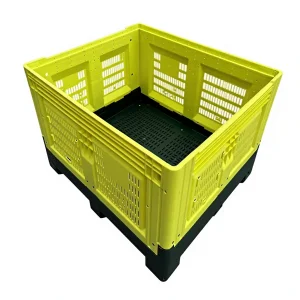
Storage locker designs and custom racking must adapt to the unique operational environments of different industries. In Automotive Stamping Workshops, heavy-impact metal sheet transport relies on high-durability, structural packaging like foldable plastic pallet box collars. These units absorb vibrations during transport, preventing damage to precision components while organizing parts for assembly line access.
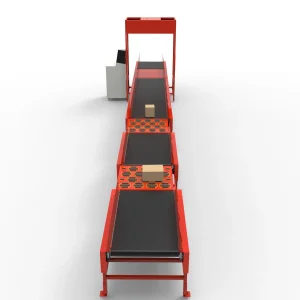
In E-Commerce Fulfillment Centers, high-velocity SKU distribution demands compact, structured shelving integrated with dynamic picking workflows. Heavy-duty mezzanine platforms maximize height utilization, dividing vertical space to allow automated conveyors to route parcels below while staff pick inventory on the levels above.
For Agricultural and Cold-Chain Operations, specialized vented containers—such as stackable pallet bins optimized for delicate produce like apples—ensure constant airflow, preventing spoilage and maintaining consistent temperatures. In Pharmaceutical Logistics, cleanliness is paramount. Stainless wire mesh baskets and non-porous structural lockers prevent contamination, meet strict FDA-level hygiene protocols, and withstand harsh sanitation regimes.
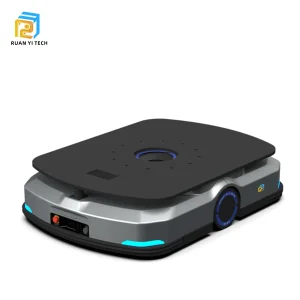
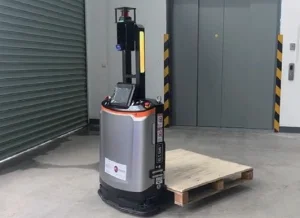
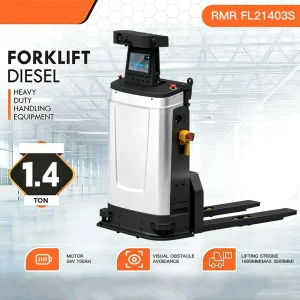
The future of warehouse storage is highly collaborative. The interface between structural storage components and automated robotics is tighter than ever. Advanced facility layouts rely on high-precision physical structures to support robotic operations. For instance, laser-guided AMR (Autonomous Mobile Robots) and SLAM (Simultaneous Localization and Mapping) AGV forklifts depend on perfectly aligned racking, precise clearance tolerances, and predictable bin positioning to operate safely at speed.
Over the next five years, the industry will see direct integration between physical hardware and warehouse control software:
Hangzhou RAB Logistics Co., Ltd. is a professional provider of intelligent warehousing and modern logistics solutions. Built on years of industry experience and continuous technological innovation, RAB Logistics is committed to helping enterprises transform traditional warehouse operations into highly automated, data-driven, and efficient supply chain systems.
Since its establishment, the company has focused on integrating advanced logistics technologies such as Warehouse Management Systems (WMS), Automated Storage and Retrieval Systems (AS/RS), AGV/AMR robotics, intelligent sorting systems, and real-time data visualization platforms. These solutions enable clients to achieve higher operational accuracy, faster fulfillment speed, and significantly reduced logistics costs.
With strong capabilities in system consulting, solution design, equipment integration, software development, and project implementation, Hangzhou RAB Logistics Co., Ltd. delivers end-to-end intelligent logistics solutions tailored to diverse industry needs. Our expertise ensures seamless coordination between hardware and software, creating scalable and future-ready warehouse infrastructures.
RAB Logistics serves a wide range of industries including manufacturing, cross-border e-commerce, fast-moving consumer goods (FMCG), pharmaceuticals, and automotive parts. Our solutions are trusted for their stability, innovation, and proven performance in complex, high-demand environments.
By choosing Hangzhou RAB Logistics Co., Ltd., you are selecting a long-term strategic partner dedicated to building smarter warehouses, optimizing supply chains, and empowering businesses with sustainable competitive advantages in the era of intelligent logistics.
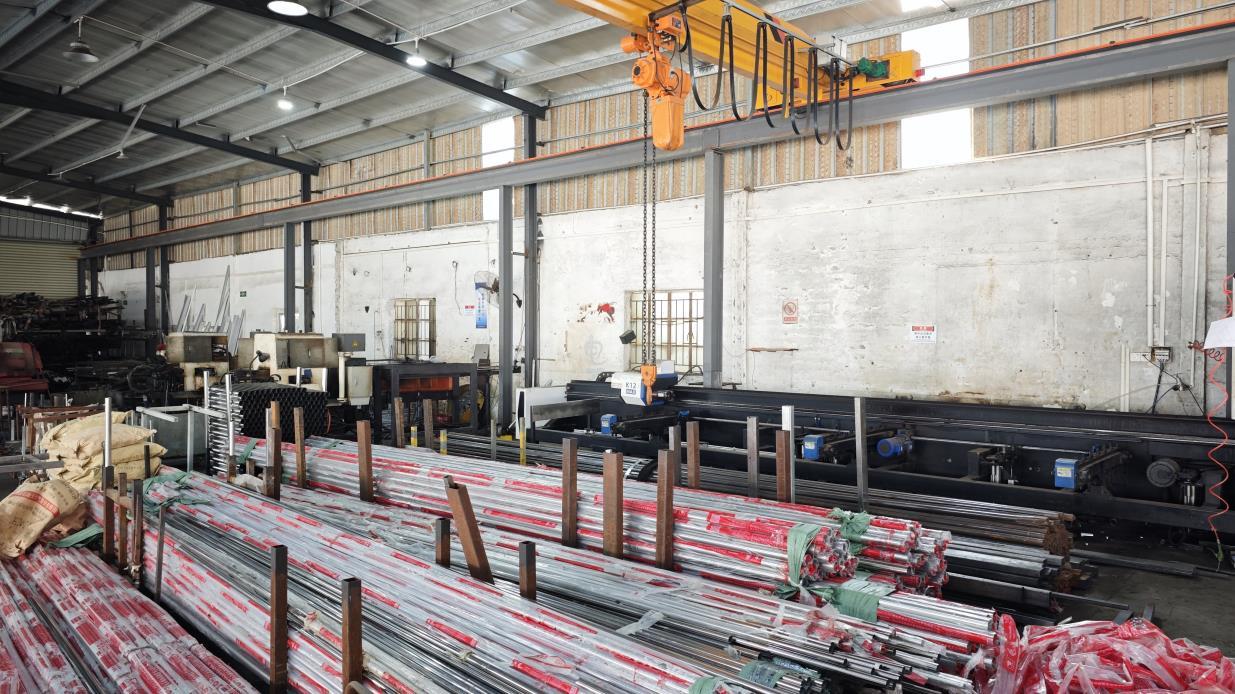
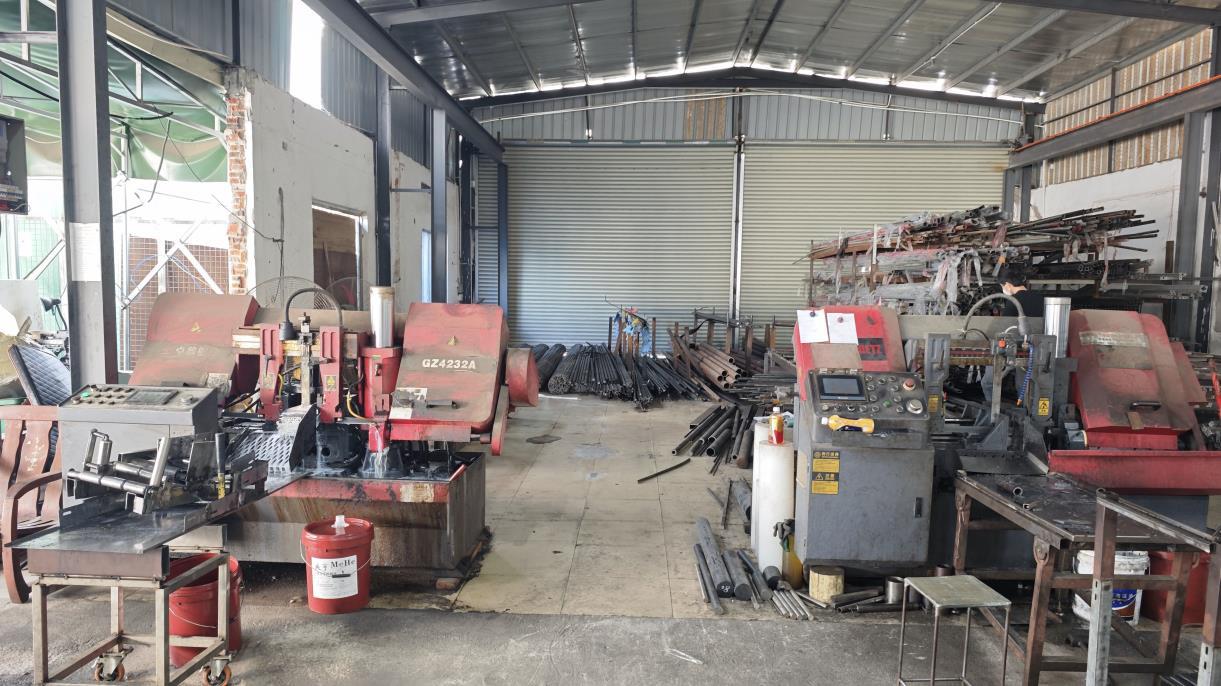
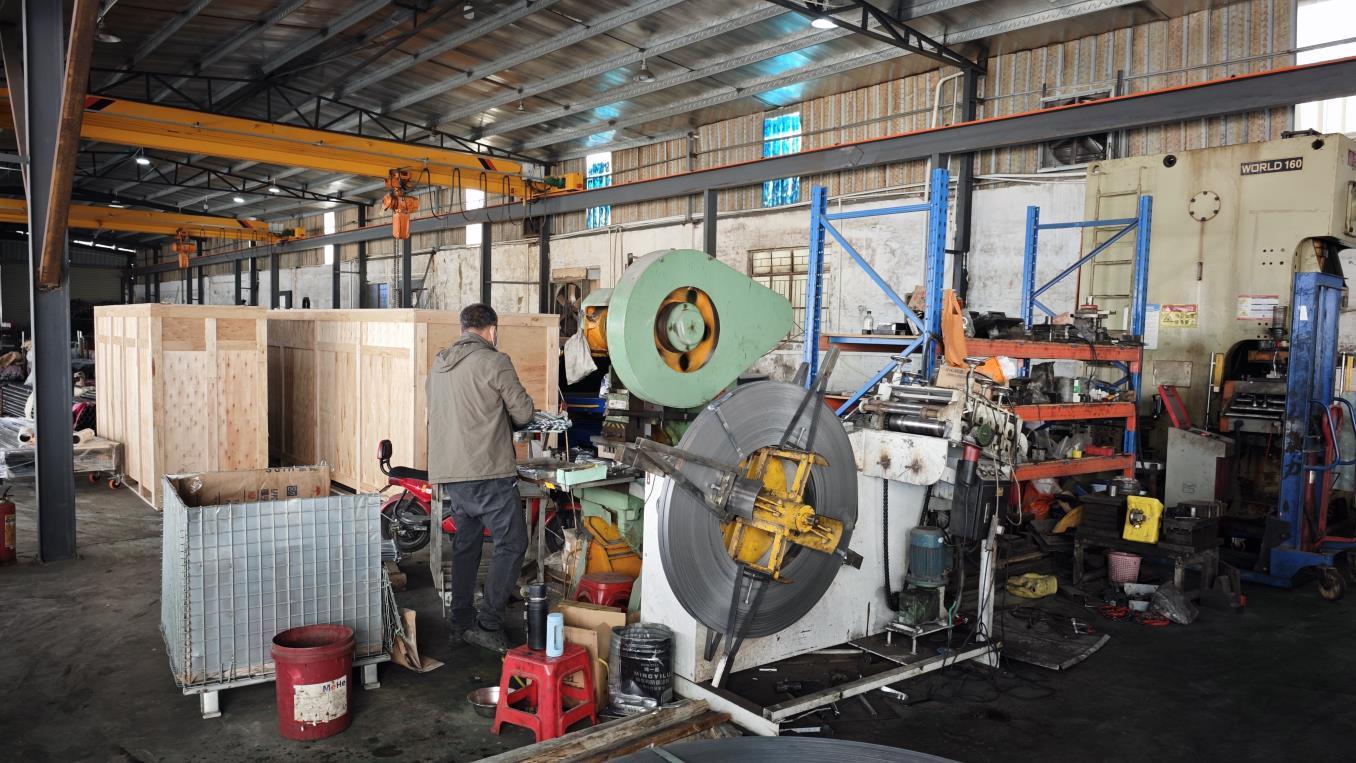
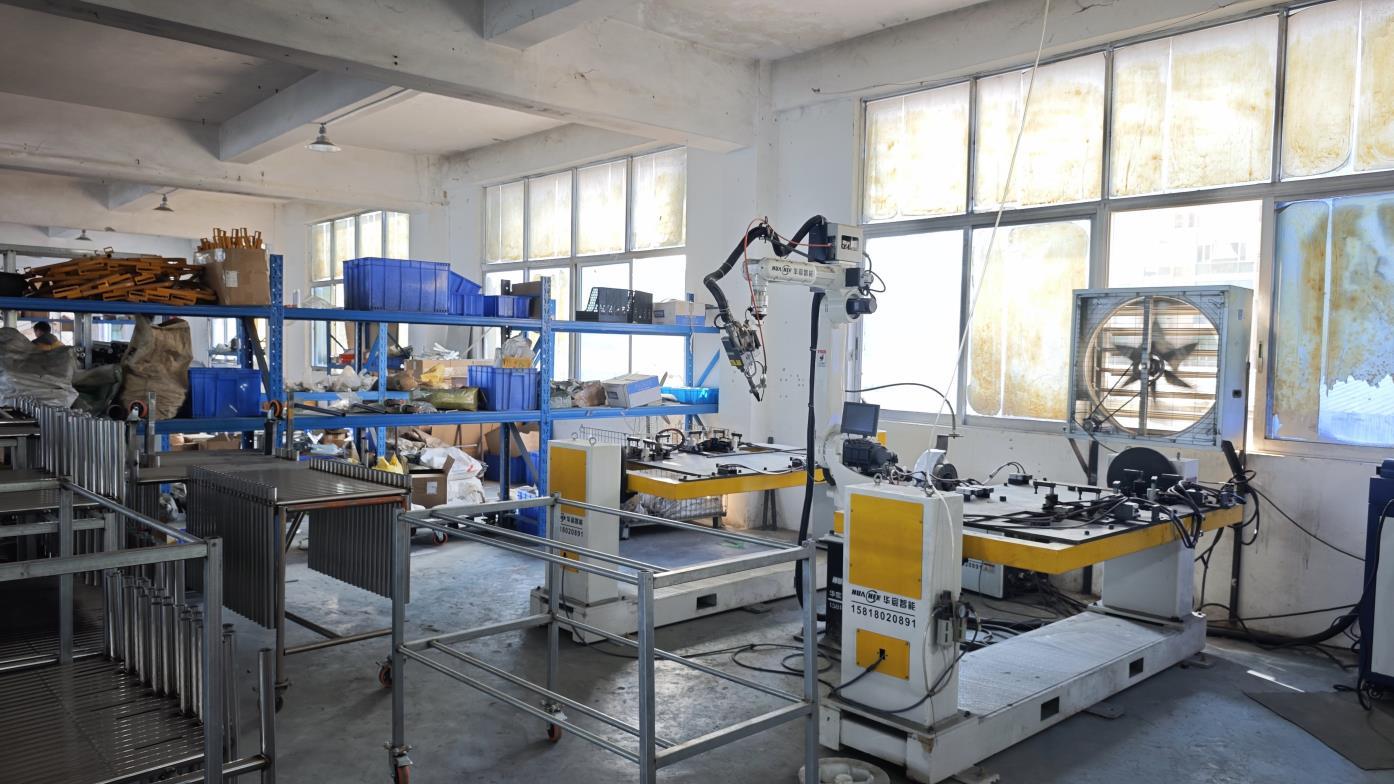
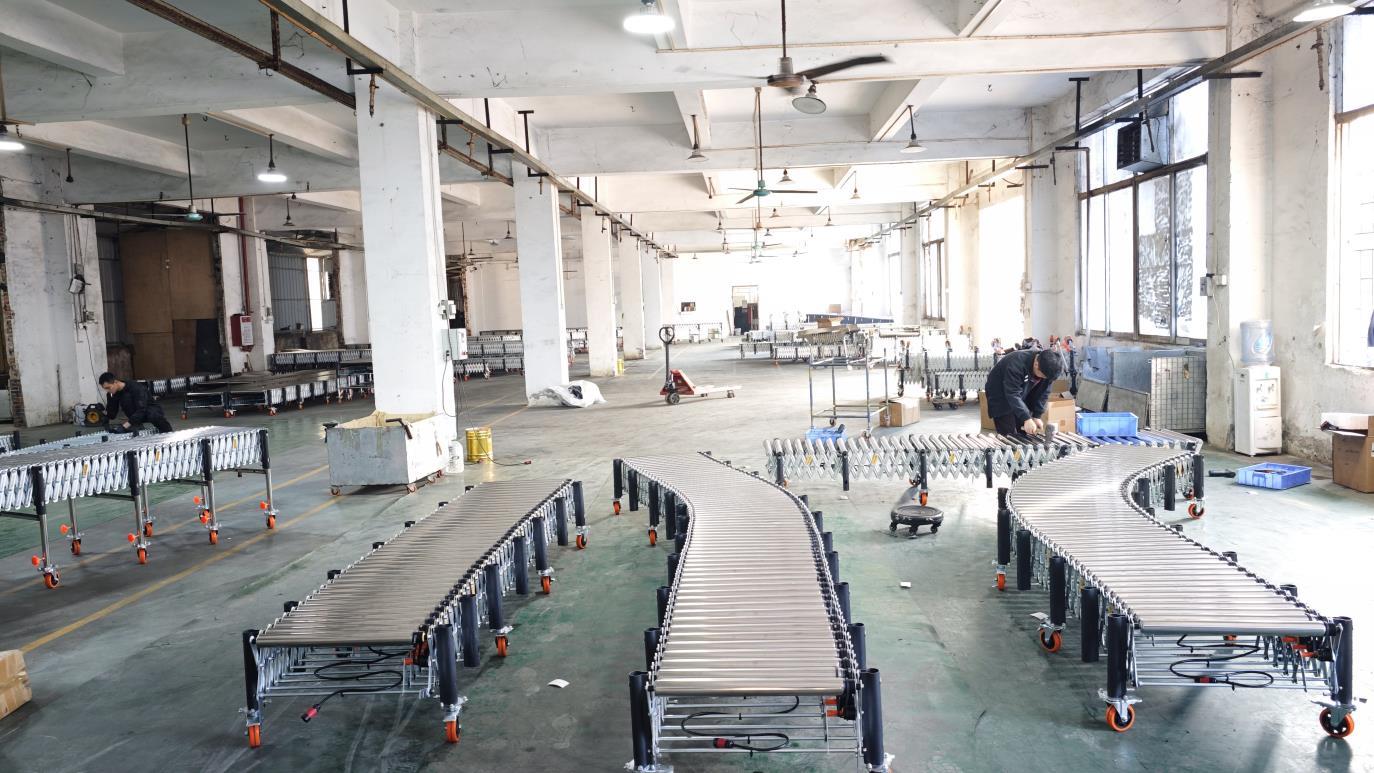
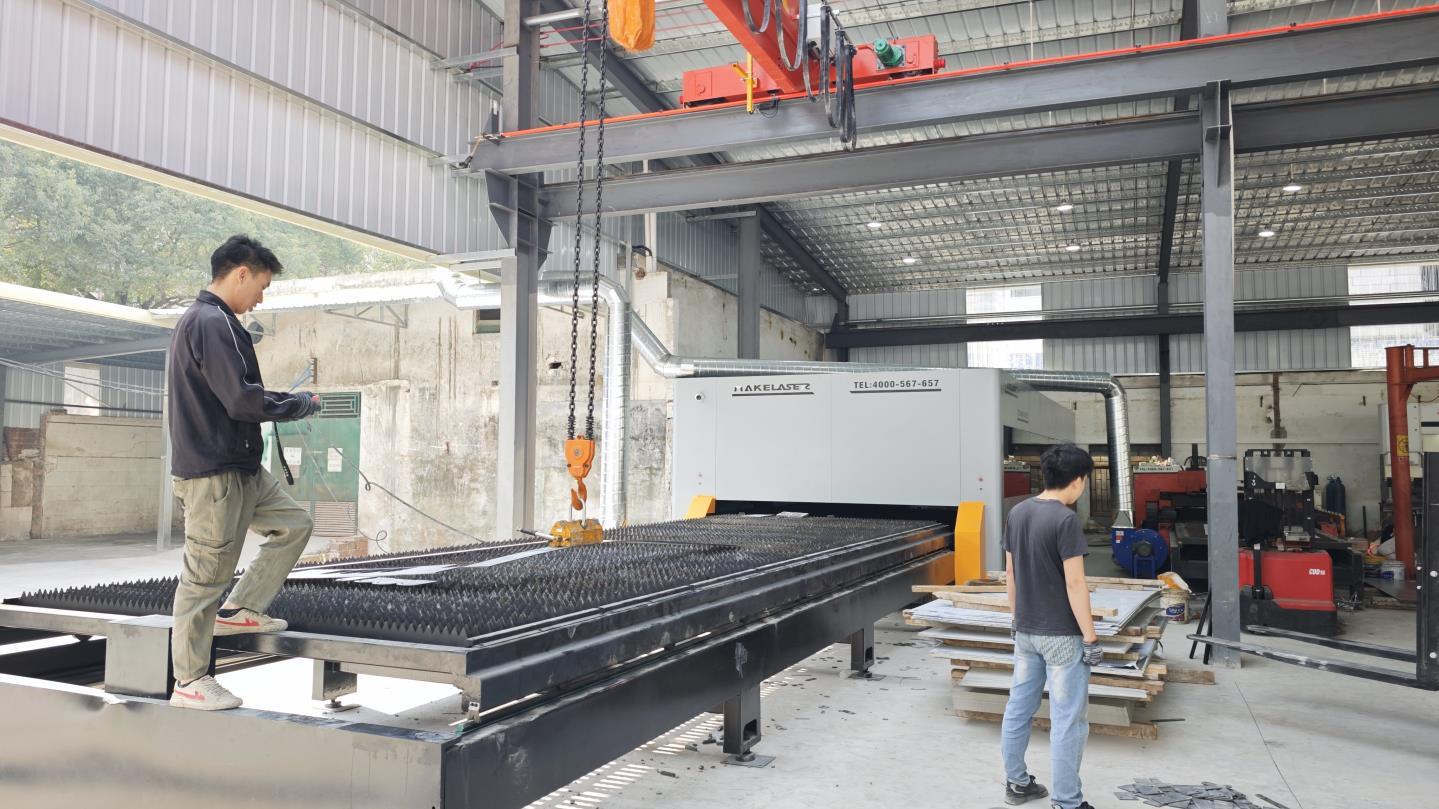
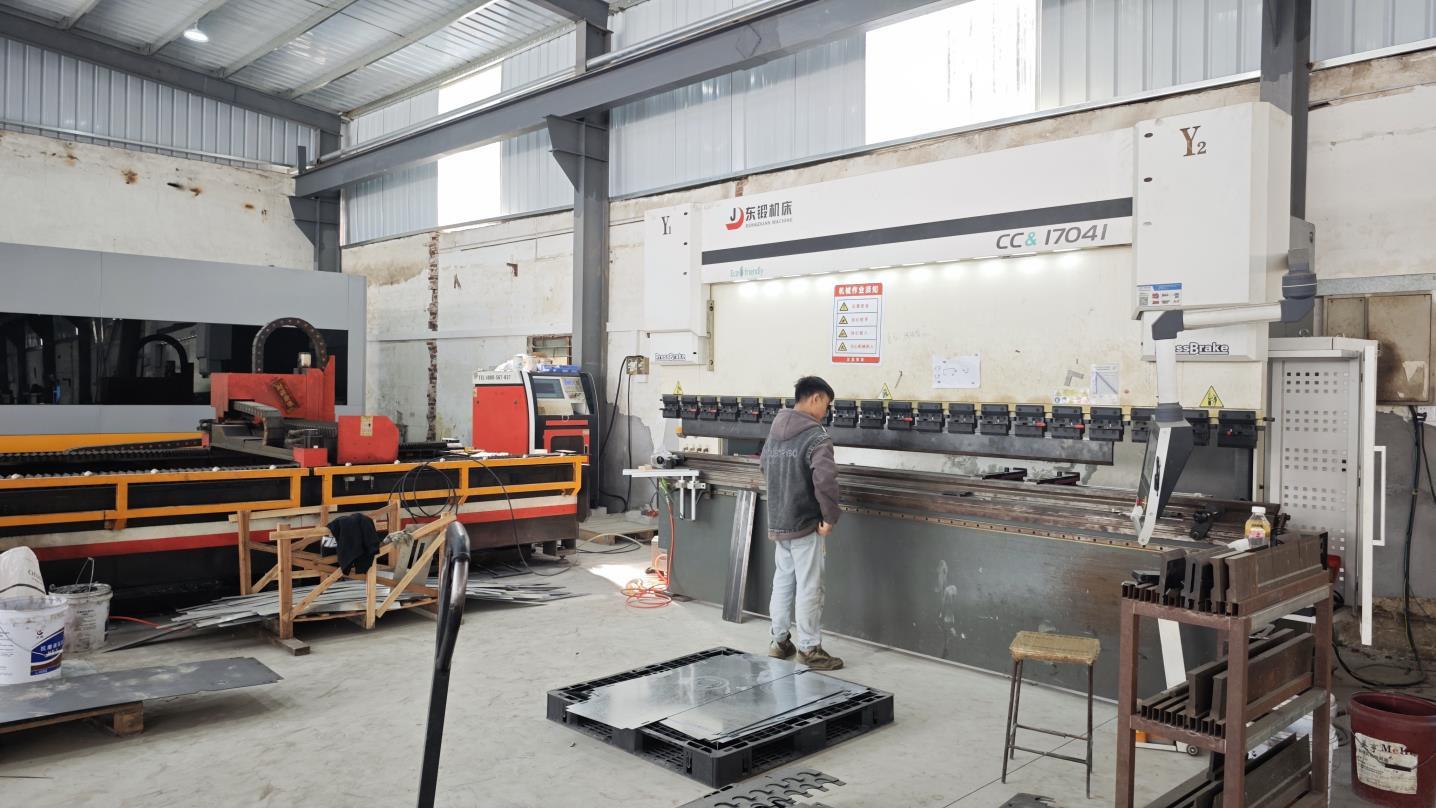
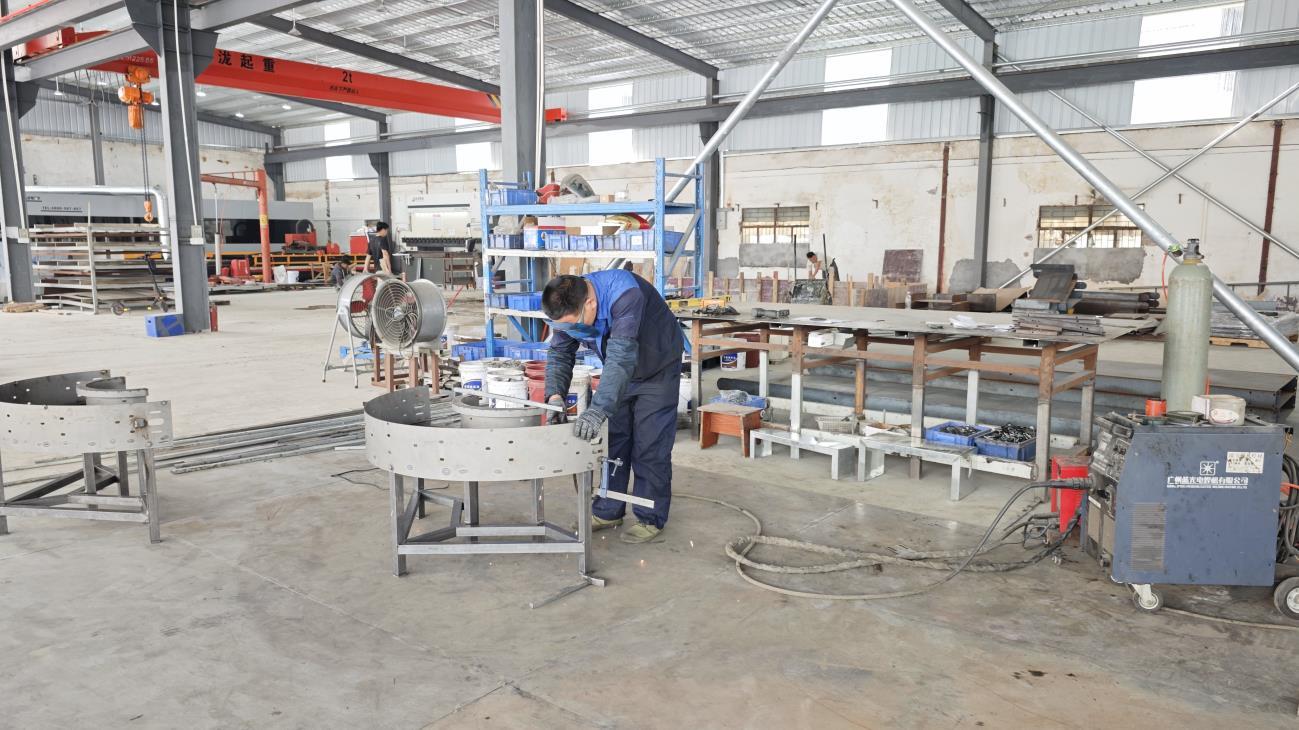
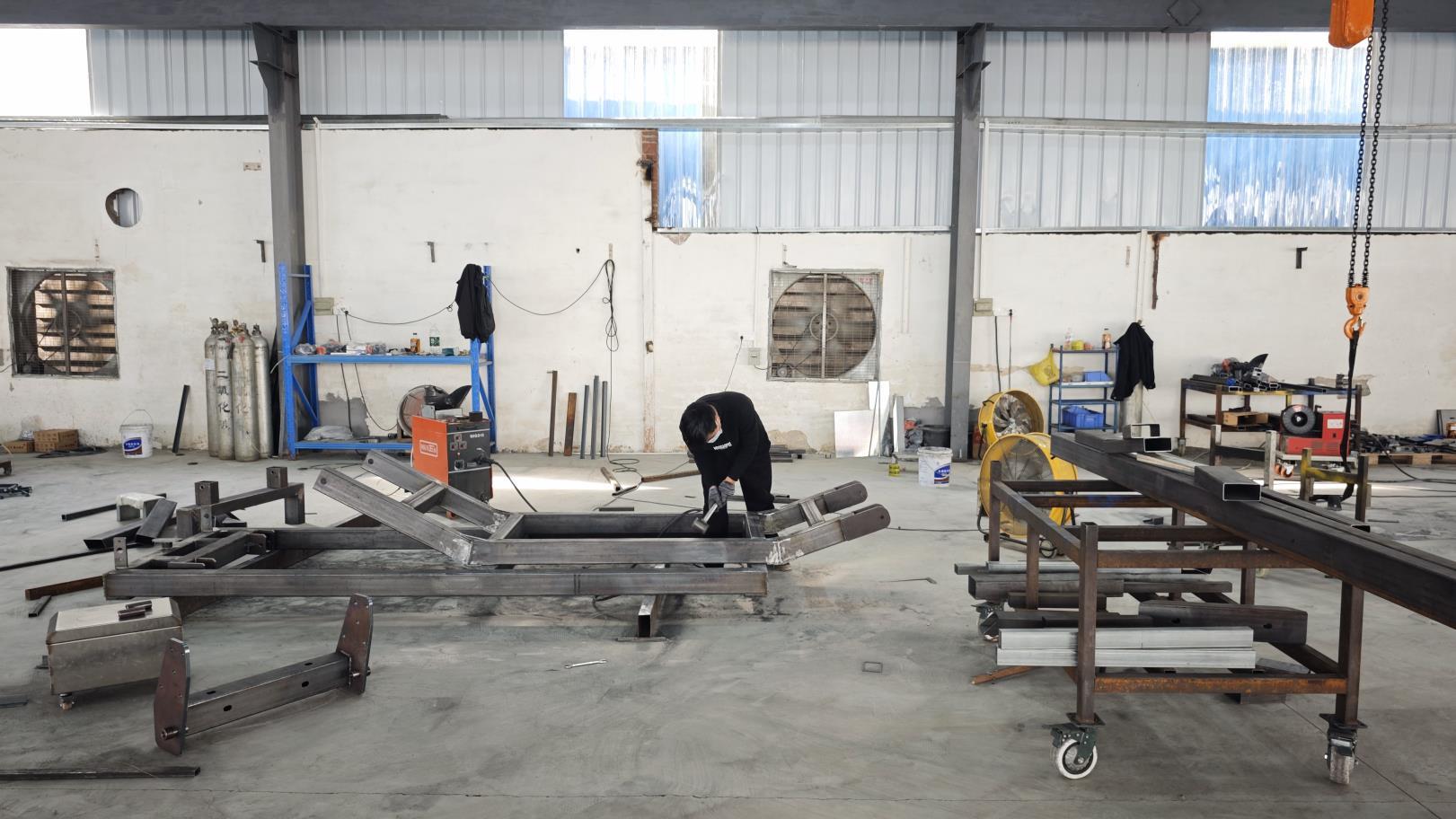
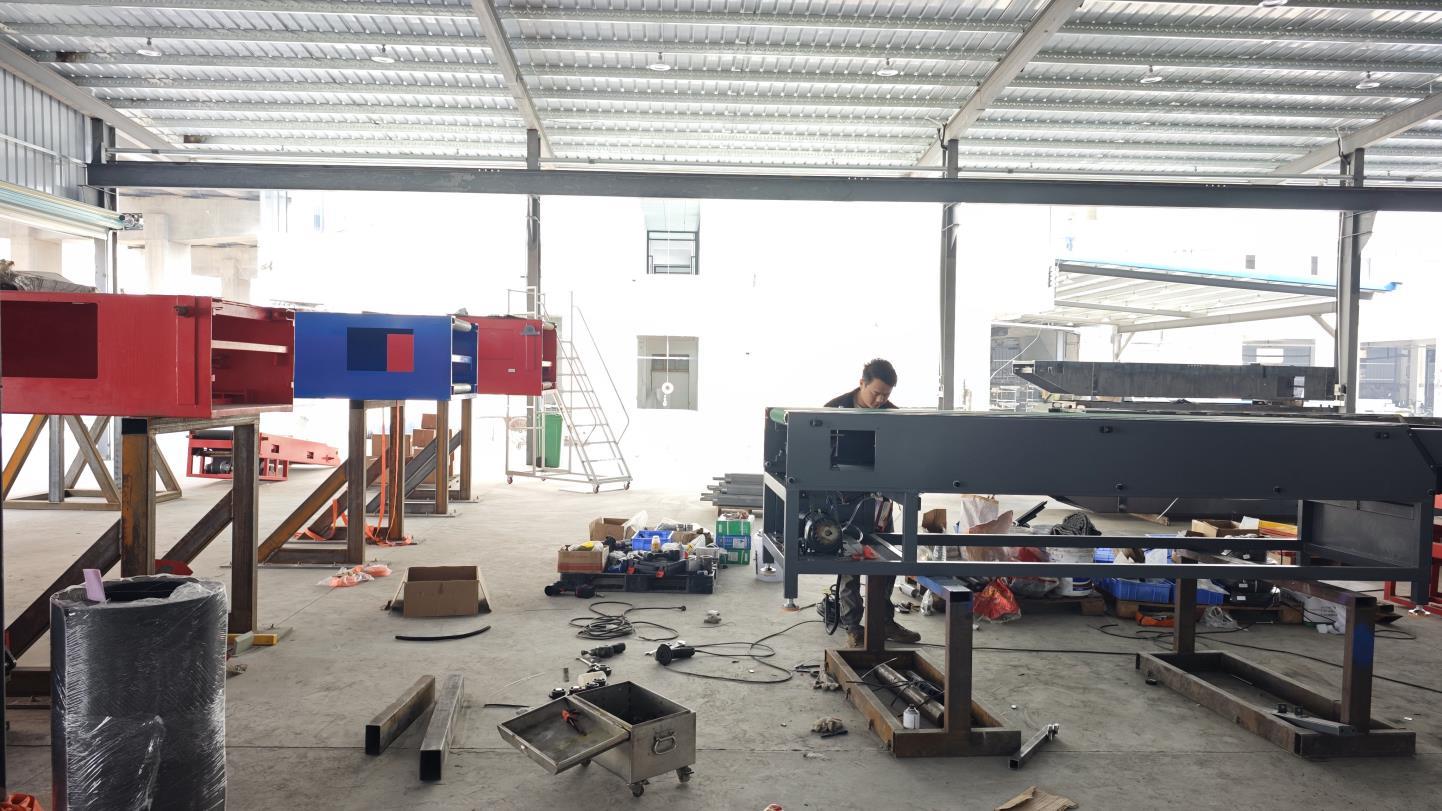
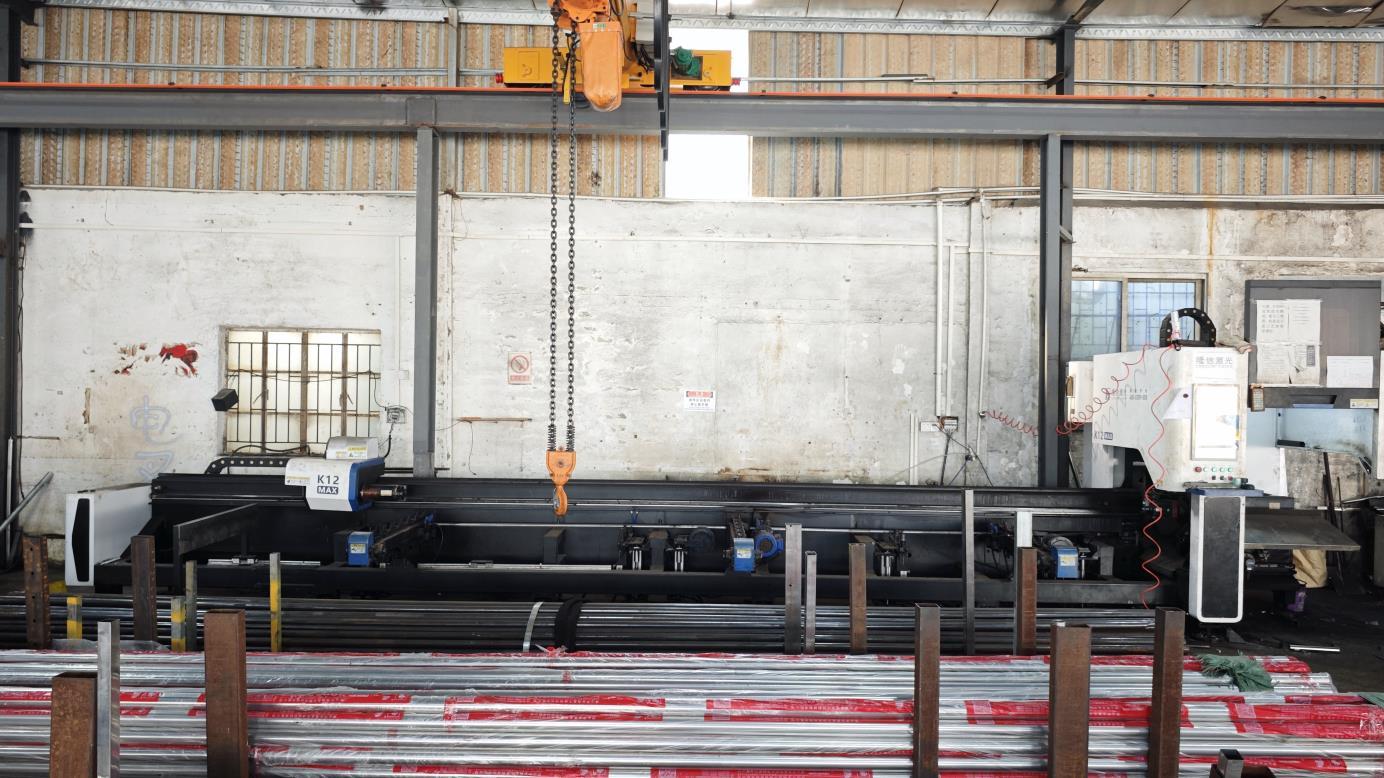
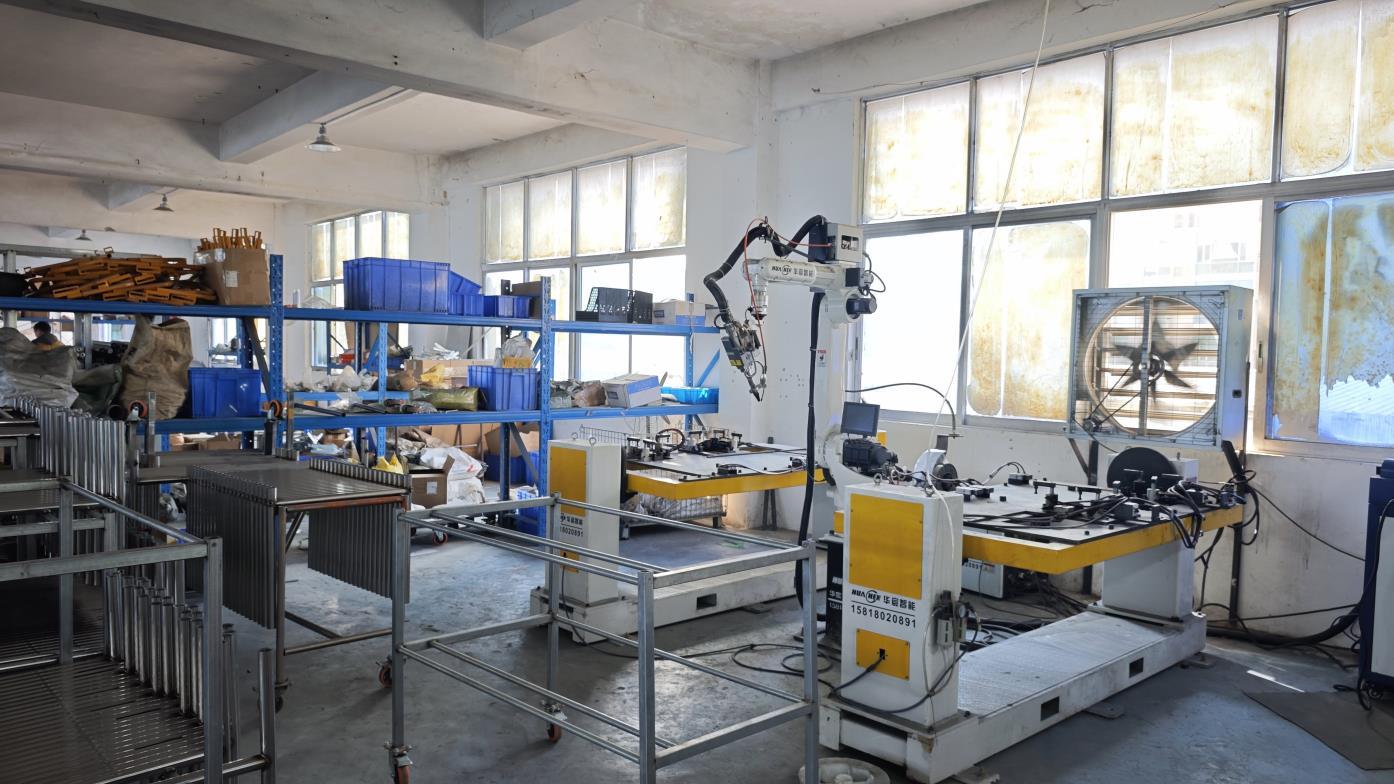
Every storage locker and warehouse component undergoes meticulous manufacturing phases to ensure compliance with strict heavy-duty standards.
Technical answers regarding raw materials, custom capabilities, lead times, and structural safety parameters.
We use high-grade SPCC cold-rolled steel sheet, premium stainless steels (grades 304 and 316) for food or medical cleanrooms, and high-impact polymers like HDPE for chemical and stamping workshop settings. Anti-corrosive powder coatings comply with ASTM standards to guarantee durability under high humdity or chemical washdowns.
Yes. Our smart locker platforms, AS/RS networks, and AGV interface controllers support integration with global WMS and WCS architectures. We use open APIs and industrial protocols like Modbus/TCP or OPC UA to sync tracking and access logs in real time.
Our automated storage equipment is built to high tolerances, typically within ±1.5mm variation across high-rack setups. This precision is essential to ensure that laser-guided AGVs, autonomous stackers, and automated conveyors pick and place goods without dynamic collision risks.
We use a mix of CNC automated cutting, automatic spot welding machines, and manual inspection. Welding seams are tested under load and checked for fatigue resistance. Every production run undergoes structural integrity tests (FEA models) before packing and export.
Prototype design and 3D modeling typically take 7 to 14 days. Once approved, the production phase takes 30 to 45 days, depending on order size and complexity. Exporter shipping logistics are organized directly from Hangzhou, ensuring smooth customs processing.
Yes. For cold storage, we provide vented, stackable, and collapsible plastic boxes designed for temperatures down to -20°C. For industrial settings, we offer heavy-duty mezzanine racking systems and customized labeling platforms tailored to your physical footprint.
From modular plastic turnover crates to high-precision laser-guided forklifts.
 RAB Logistics