Heavy-duty, automated, and structural hardware deployed to stabilize facility footprints and handle heavy cargo safely.
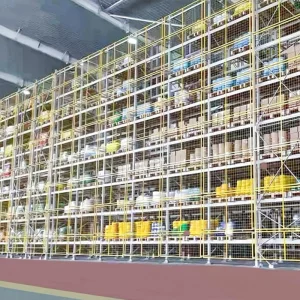
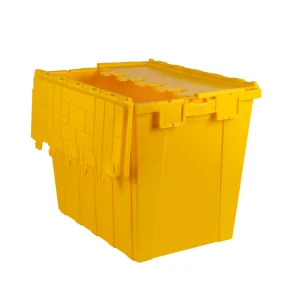
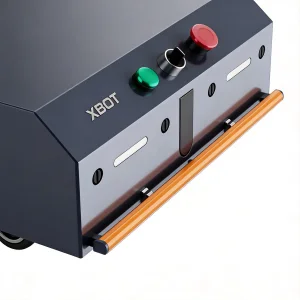
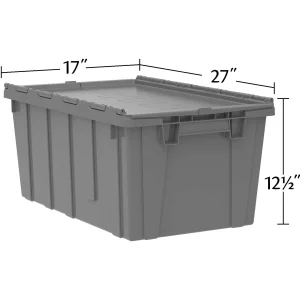
Decades of continuous innovation engineering intelligent warehousing systems and custom load securement strategies.
Hangzhou RAB Logistics Co., Ltd. is a professional provider of intelligent warehousing and modern logistics solutions. Built on years of industry experience and continuous technological innovation, RAB Logistics is committed to helping enterprises transform traditional warehouse operations into highly automated, data-driven, and efficient supply chain systems.
Since its establishment, the company has focused on integrating advanced logistics technologies such as Warehouse Management Systems (WMS), Automated Storage and Retrieval Systems (AS/RS), AGV/AMR robotics, intelligent sorting systems, and real-time data visualization platforms. These solutions enable clients to achieve higher operational accuracy, faster fulfillment speed, and significantly reduced logistics costs.
With strong capabilities in system consulting, solution design, equipment integration, software development, and project implementation, Hangzhou RAB Logistics Co., Ltd. delivers end-to-end intelligent logistics solutions tailored to diverse industry needs. Our expertise ensures seamless coordination between hardware and software, creating scalable and future-ready warehouse infrastructures.
RAB Logistics serves a wide range of industries including manufacturing, cross-border e-commerce, fast-moving consumer goods (FMCG), pharmaceuticals, and automotive parts. Our solutions are trusted for their stability, innovation, and proven performance in complex, high-demand environments.
By choosing Hangzhou RAB Logistics Co., Ltd., you are selecting a long-term strategic partner dedicated to building smarter warehouses, optimizing supply chains, and empowering businesses with sustainable competitive advantages in the era of intelligent logistics.
In modern industrial logistics, load securement is no longer treated merely as a manual shipping checklist. The global commercial landscape, characterized by rapid throughput, intermodal transit, and automated high-bay warehouses, demands a comprehensive structural approach. Product damage, structural failures in racking systems, and dynamic load shifting during transit generate billions of dollars in losses annually. Enterprises are pivoting toward integrated, holistic ecosystems where structural hardware, reusable containment units, autonomous robotic handling, and real-time sensor systems interact dynamically.
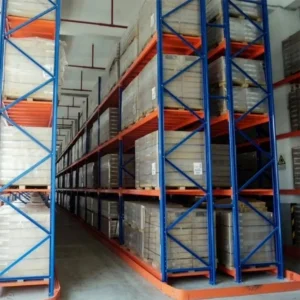
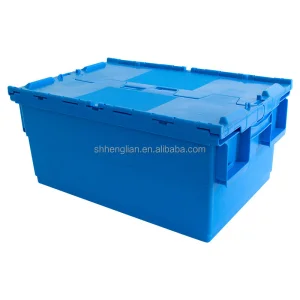
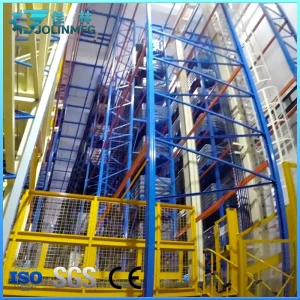
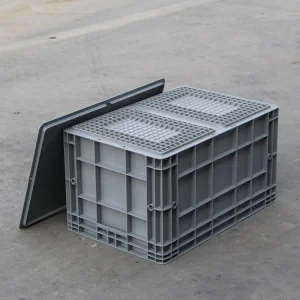
International regulatory frameworks, such as the Federal Motor Carrier Safety Administration (FMCSA) cargo securement standards in North America and European EN 12195 guidelines, require rigorous engineering calculations of static and dynamic payloads. Compliance is no longer just about avoiding citations; it is about establishing robust chain-of-custody tracking. Heavy-duty pallet racking systems and custom-molded stackable totes serve as the foundational layers of this securement, ensuring that materials stay rigid and undamaged from manufacturing lines to end-user delivery terminals.
EEAT Expert Insight: True safety in material handling is achieved when passive structural stability (such as seismic-rated racking design) matches the active control metrics monitored by automated guided systems (AGV/AMRs). Integrating high-density storage platforms with dynamic robots requires zero-tolerance alignment parameters.
Industrial applications present unique demands for load securement systems based on their specific operating environments:
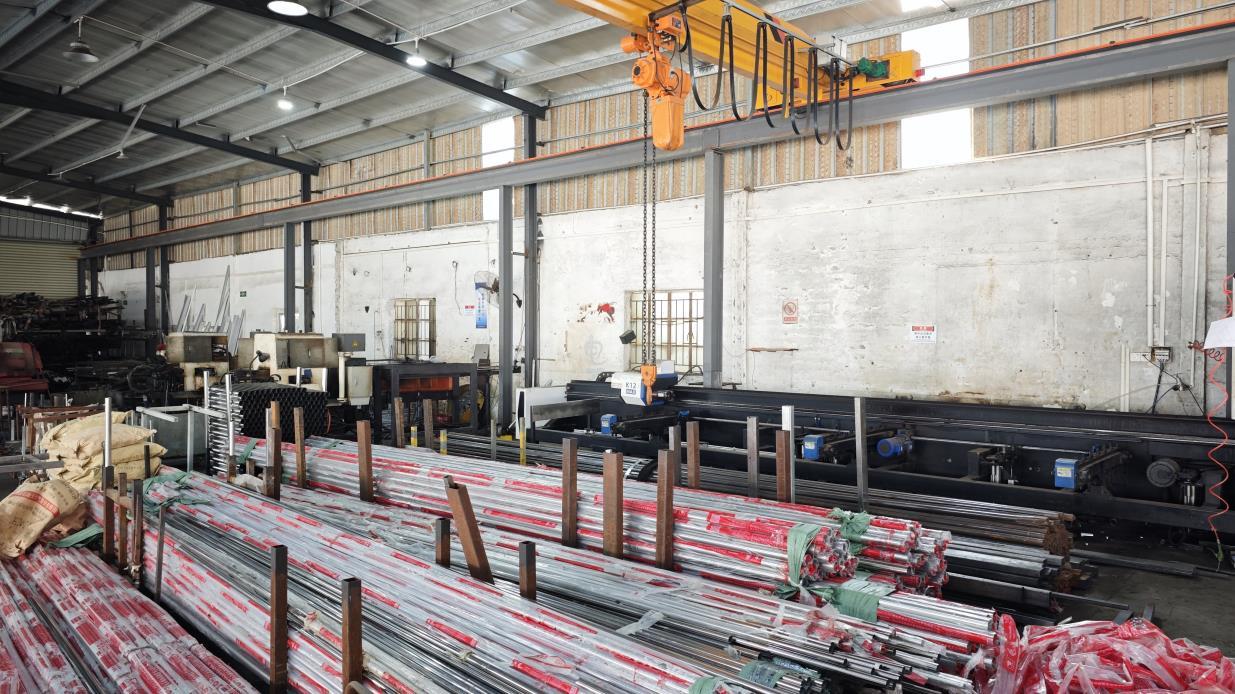
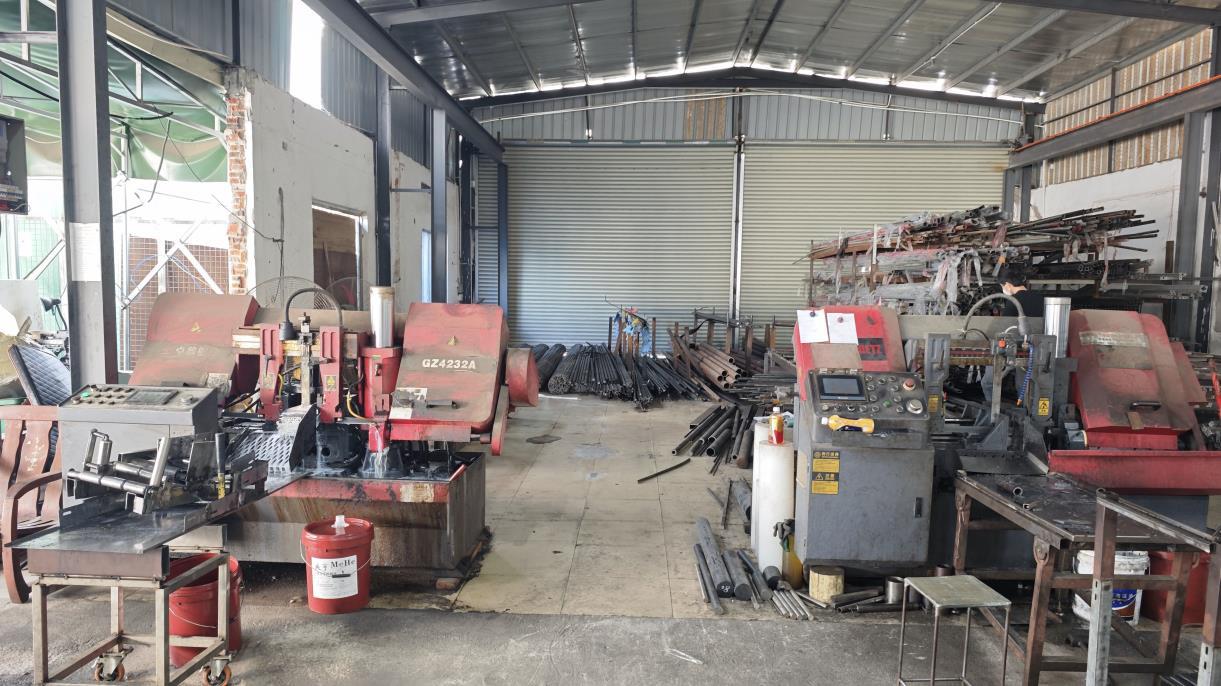
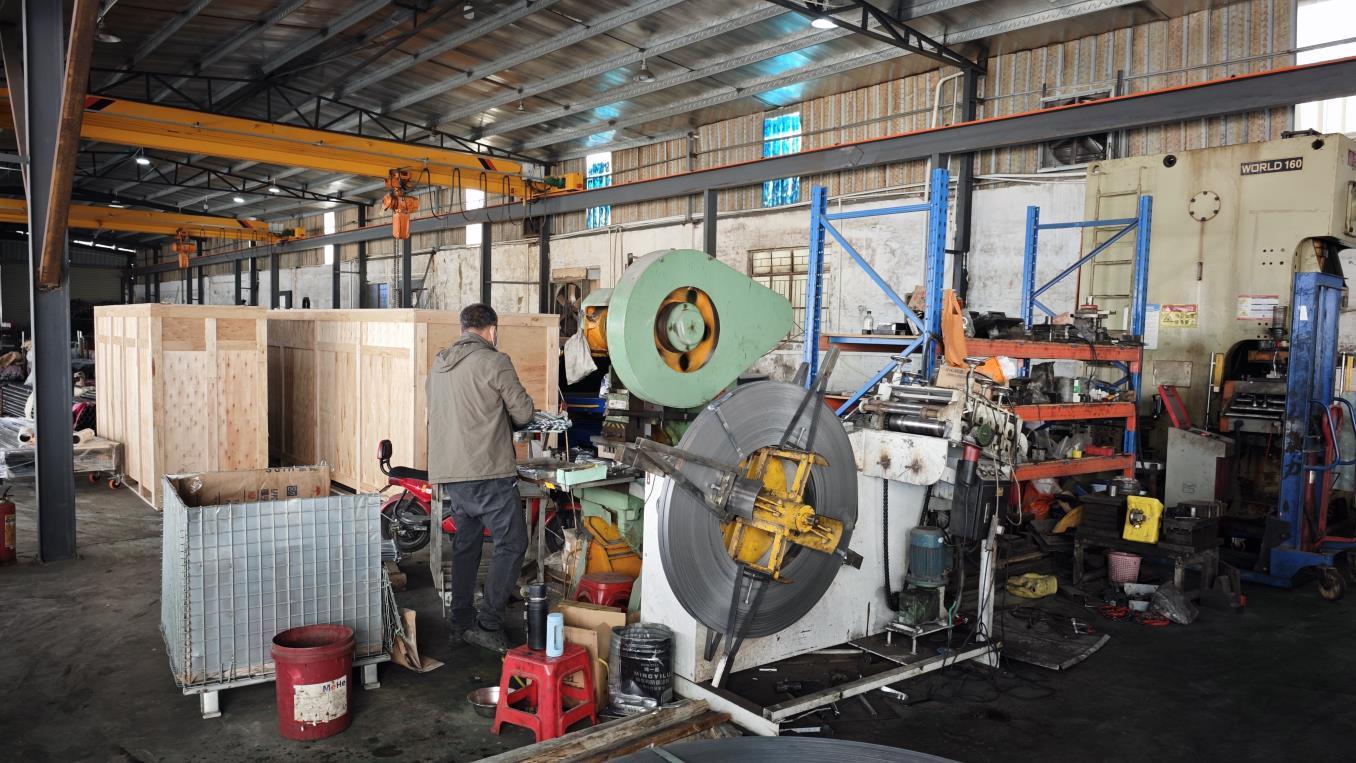
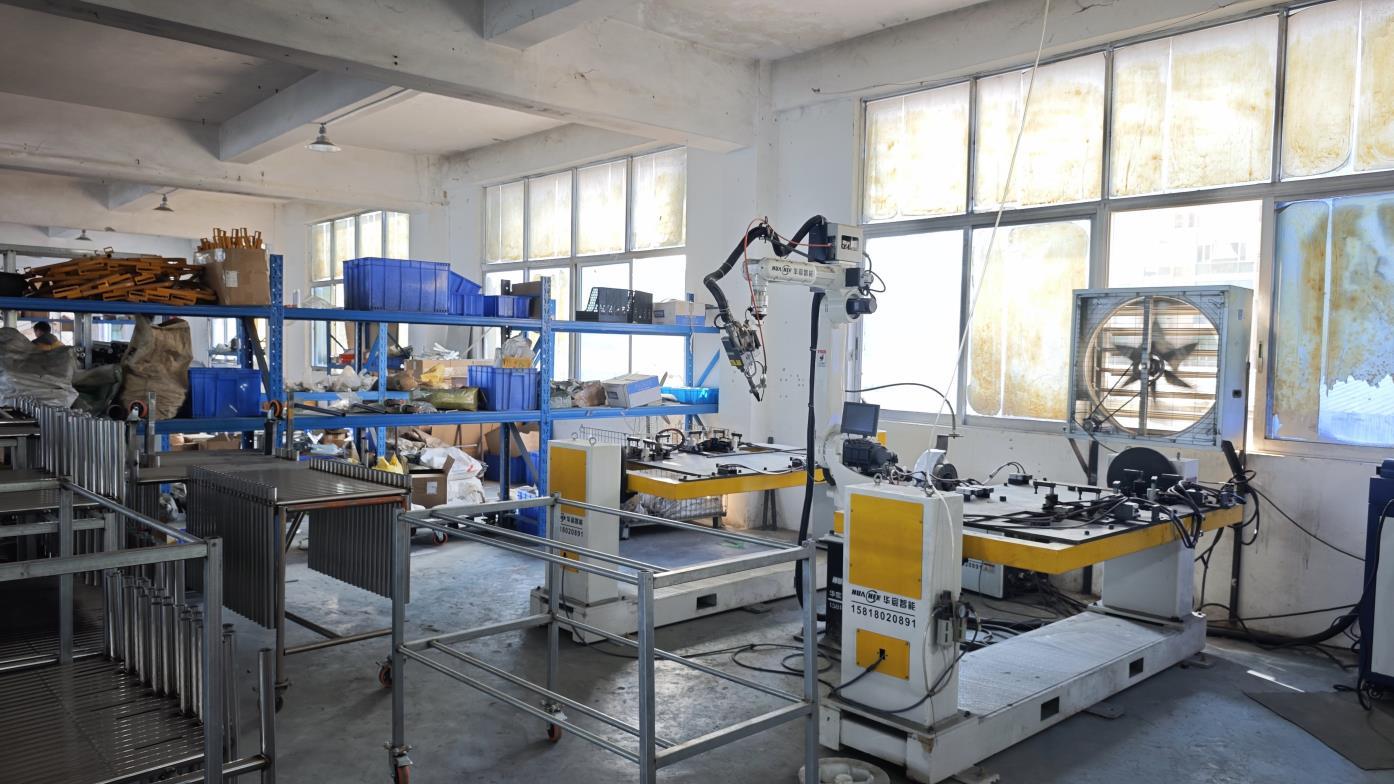
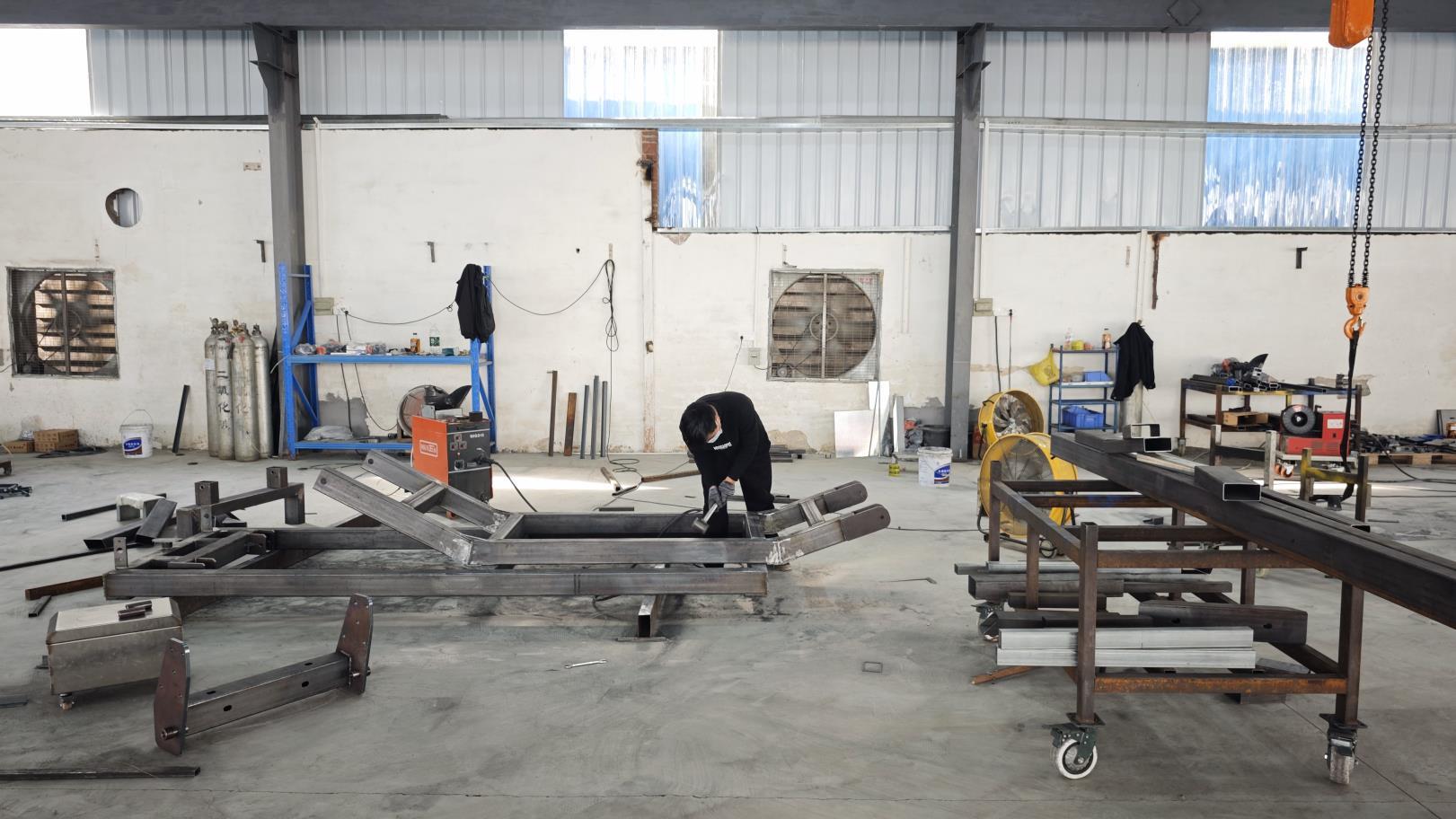
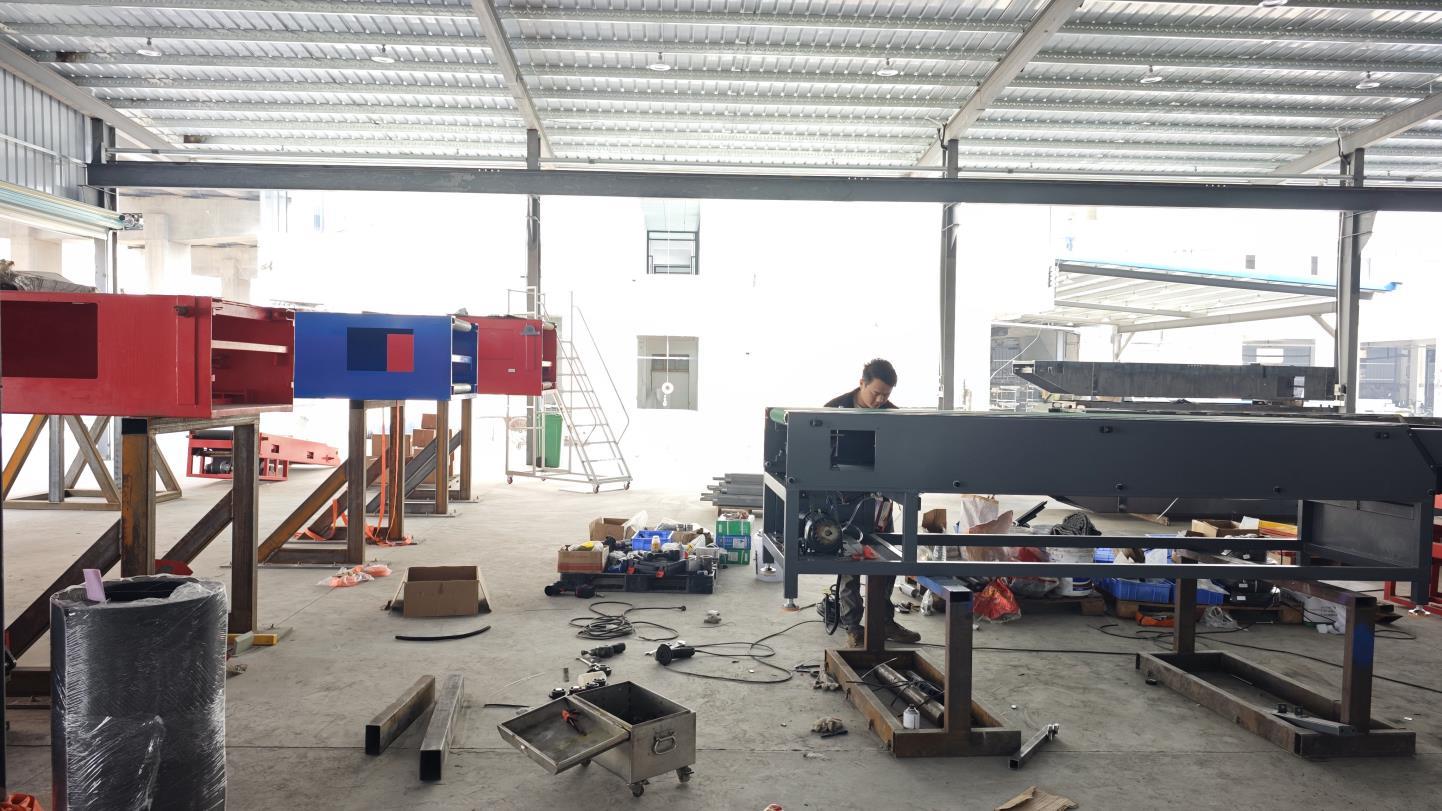
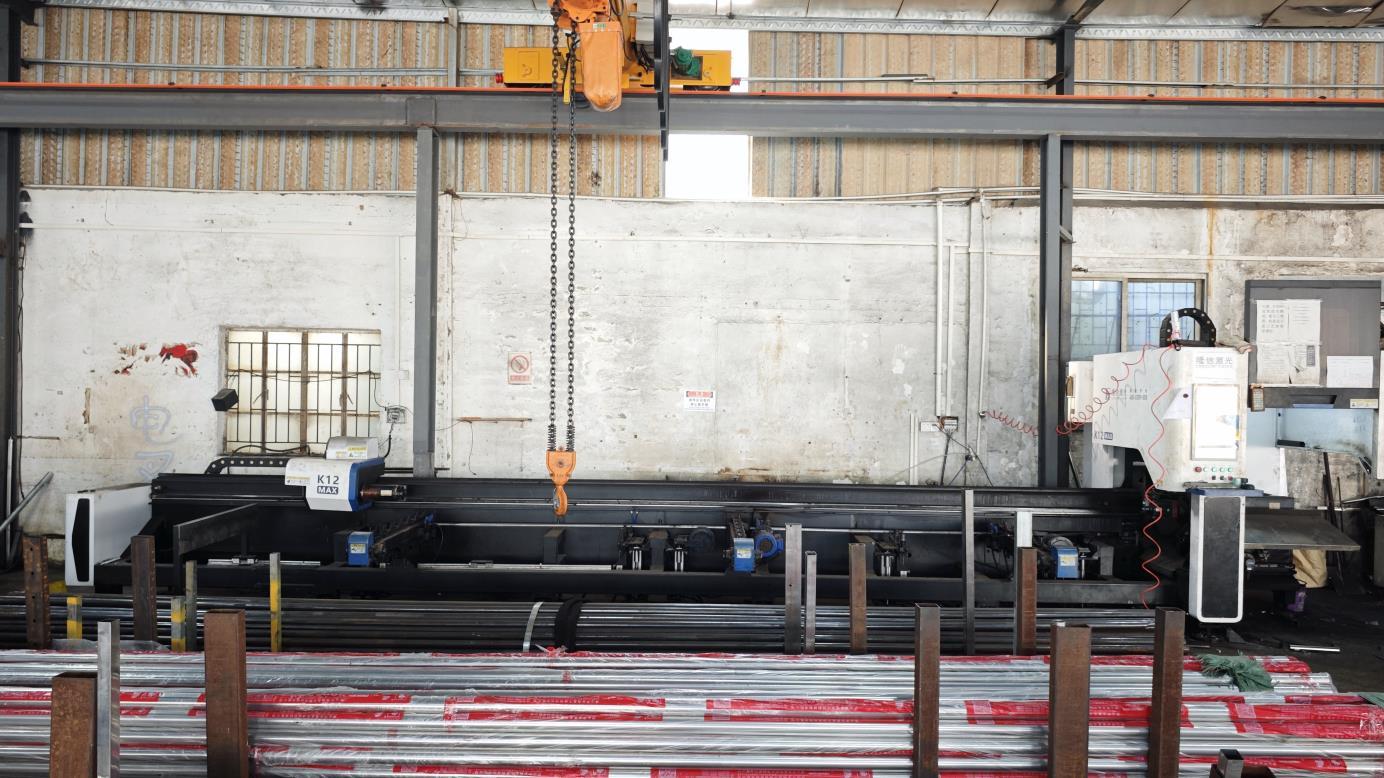
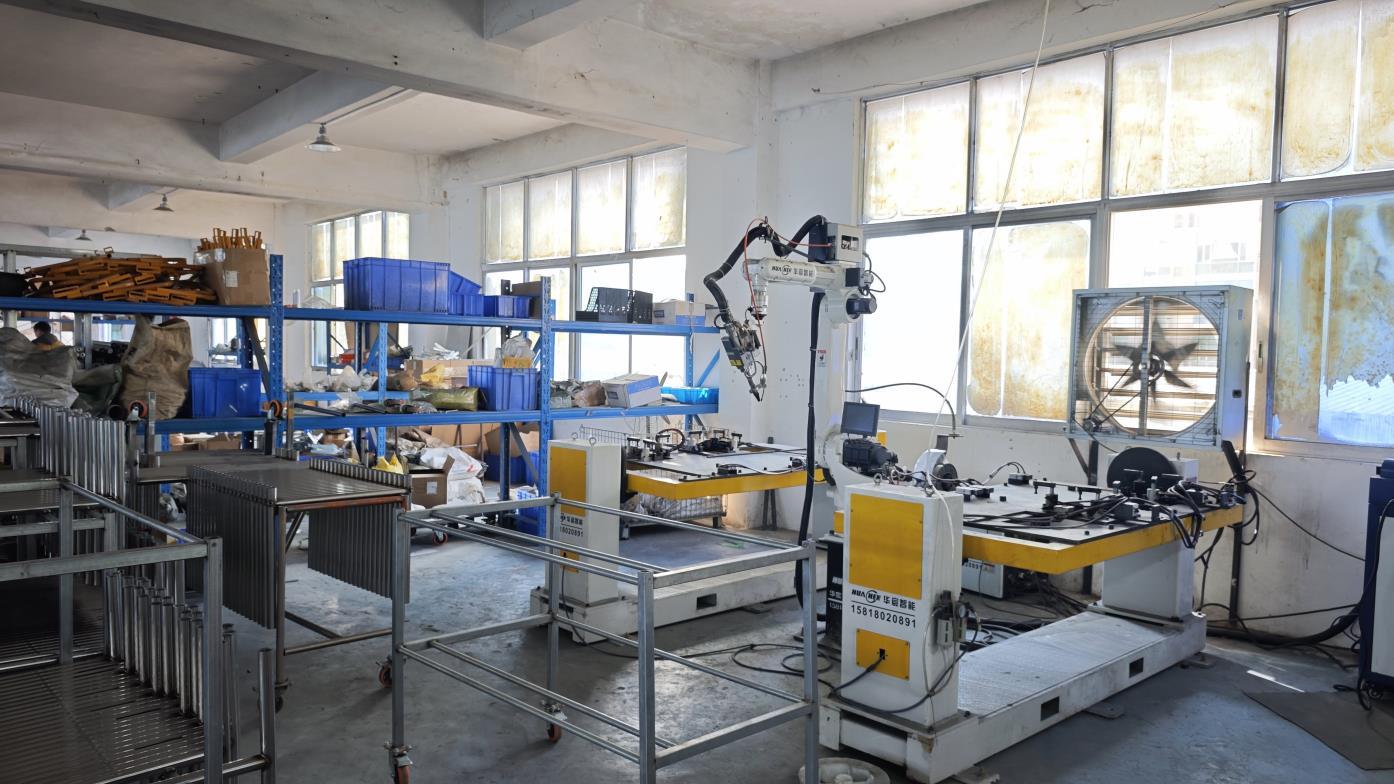
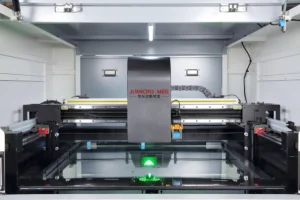
Inside our Hangzhou manufacturing facility: Utilizing CNC automation, precision spot welding, and advanced metallurgy to maintain quality control from raw materials to final assembly.
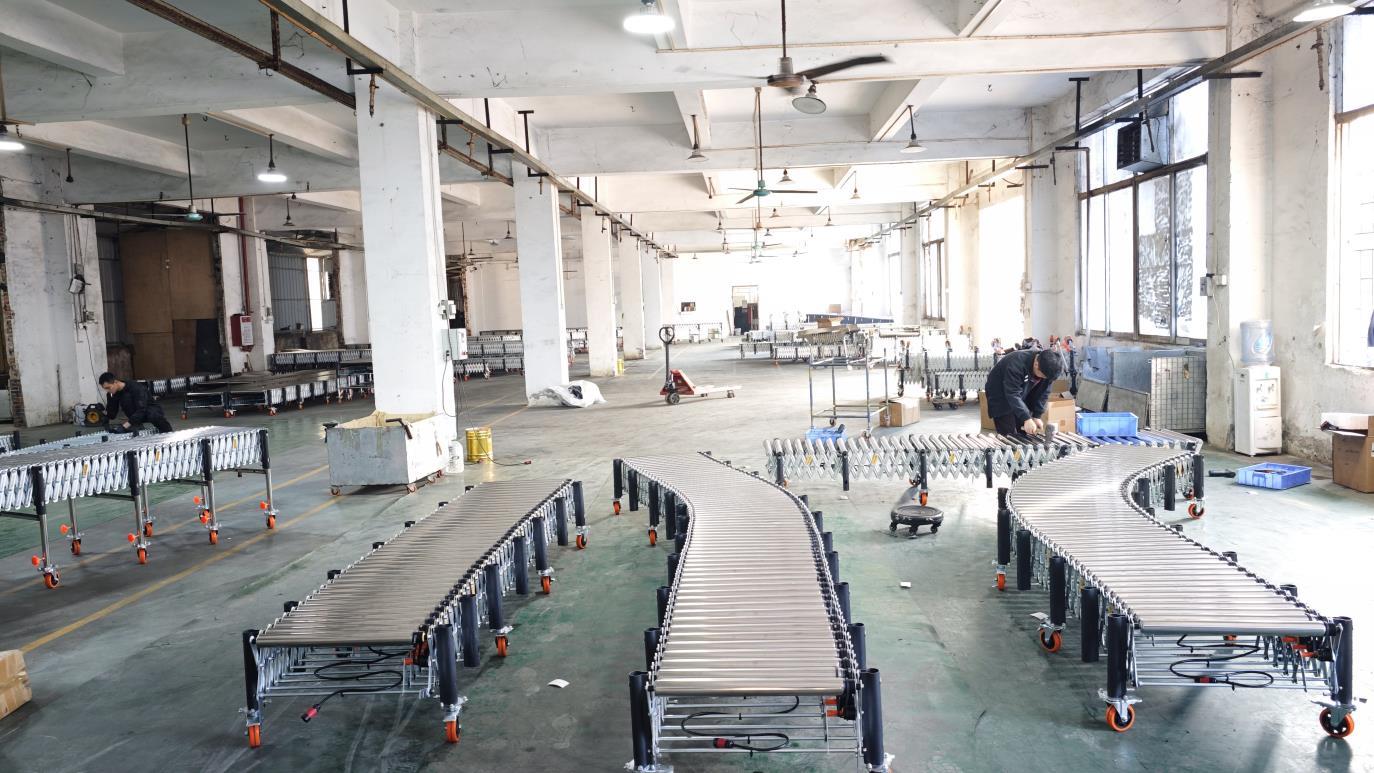
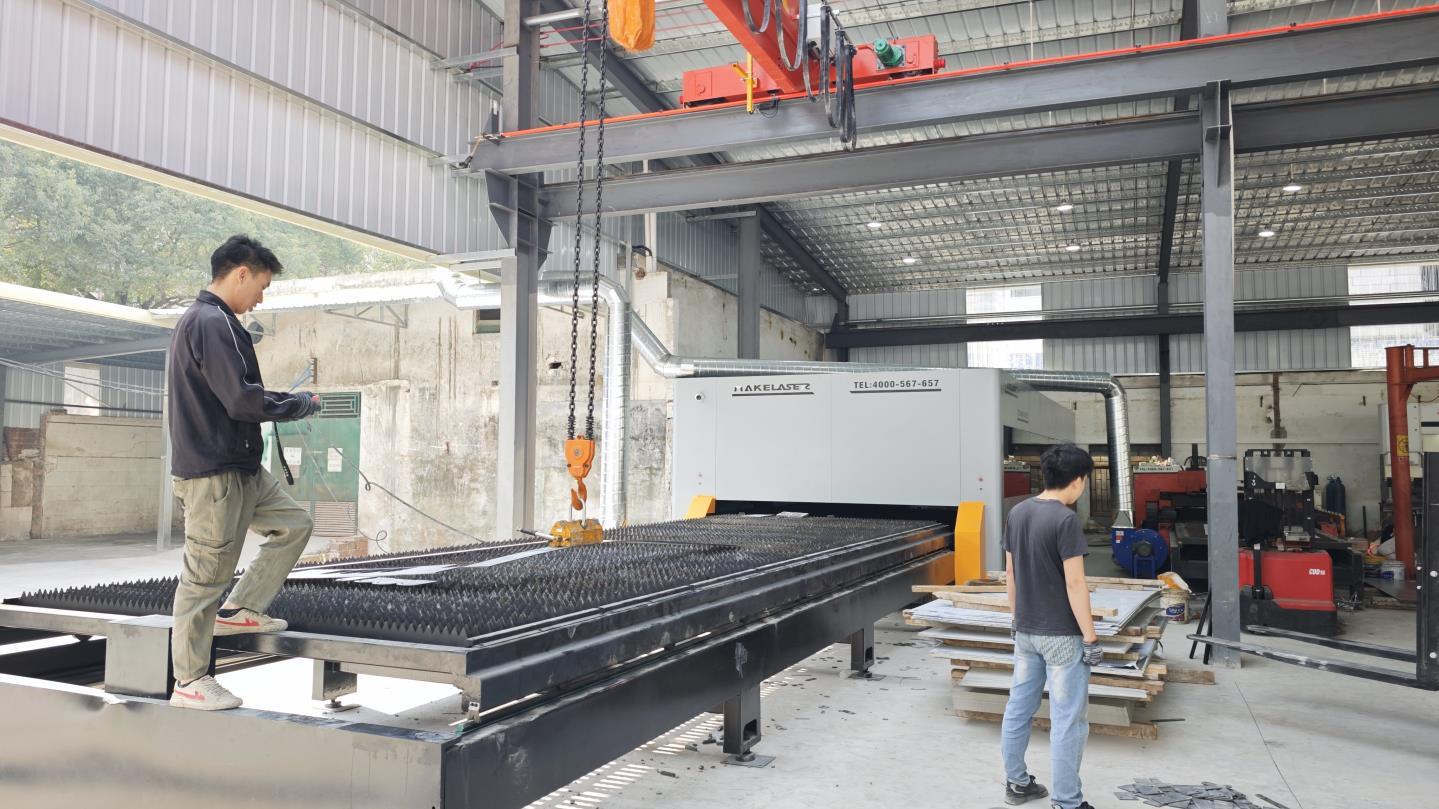
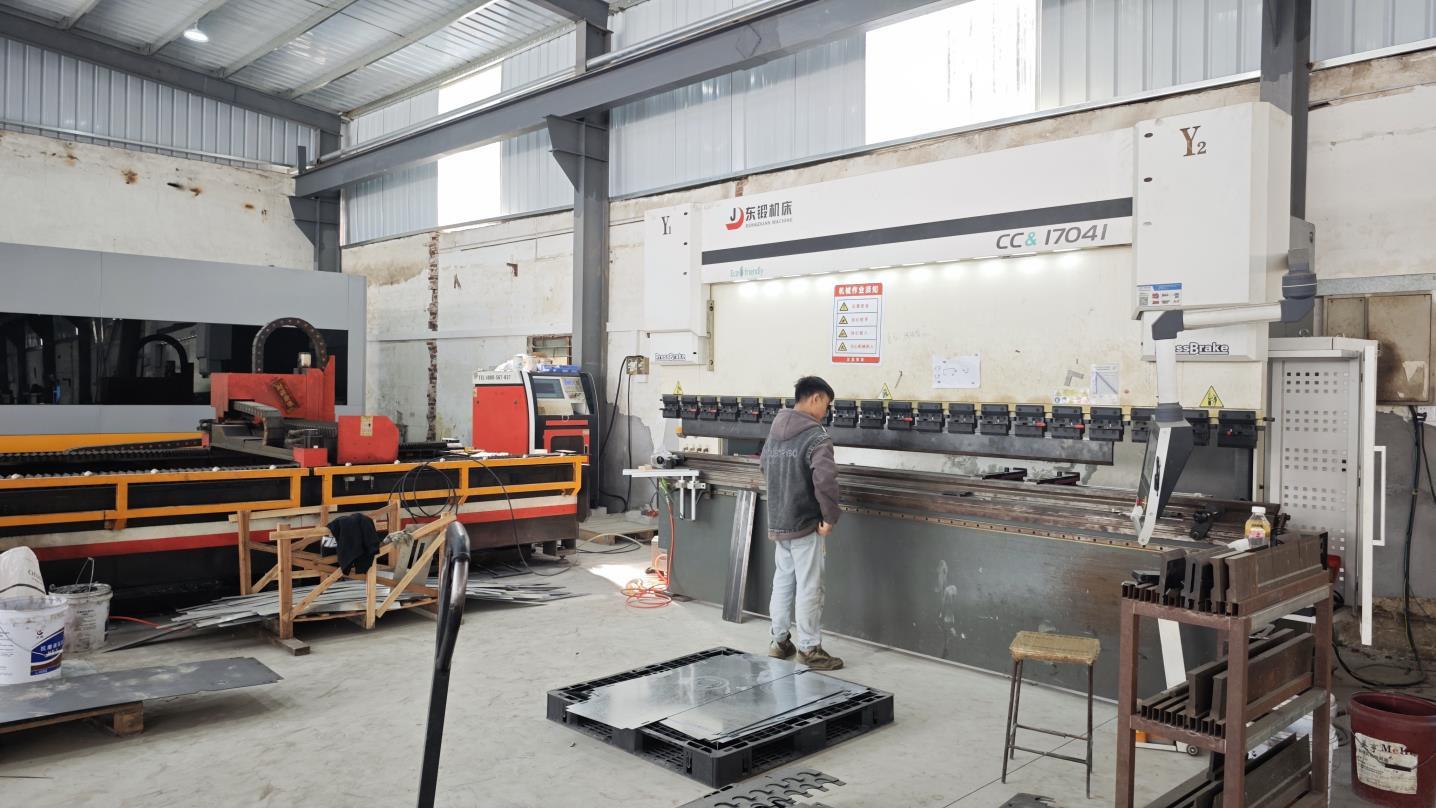
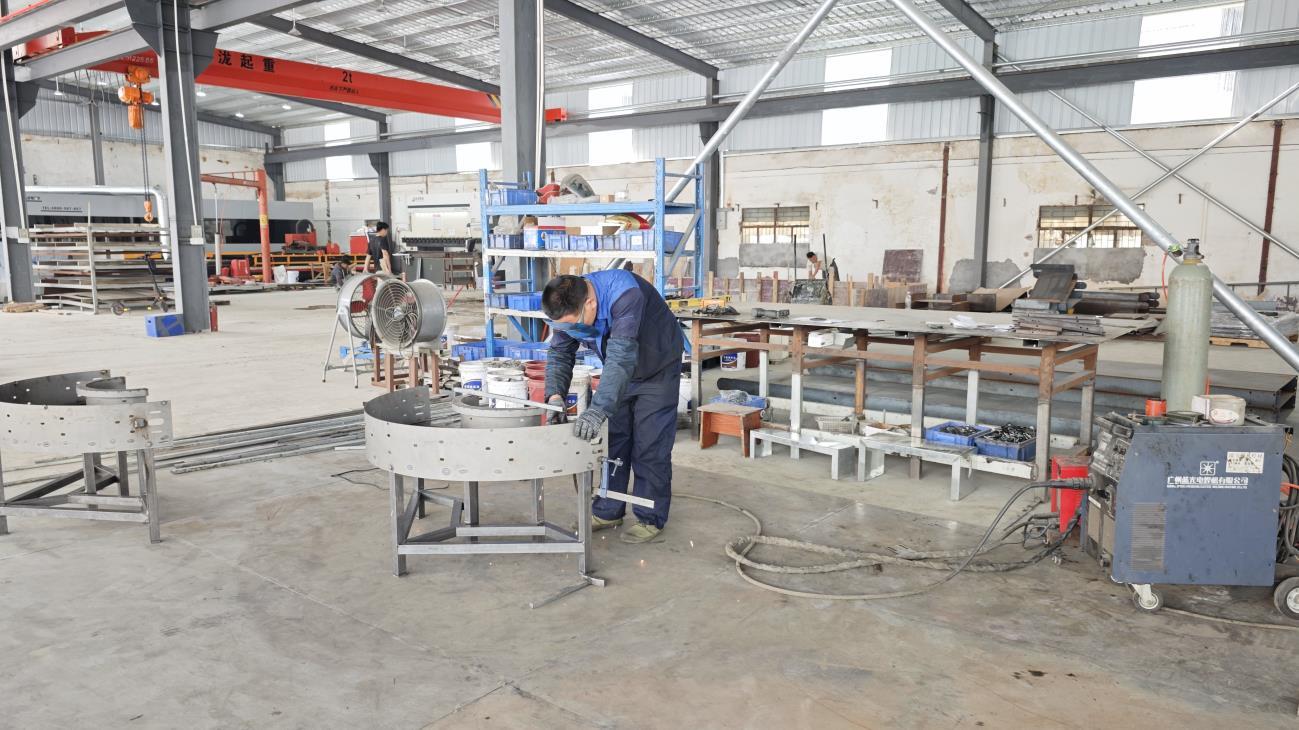
The transition from traditional physical containment to cognitive load securement is driven by interconnected hardware and real-time monitoring software. The Hangzhou RAB Logistics developmental roadmap outlines the integration of structural racking systems with robotic and sensor technologies:
Focuses on utilizing certified structural steel profiles, high-precision automated CNC sawing, robotic welding, and finite element analysis (FEA) to verify load performance, seismic safety, and static load stability.
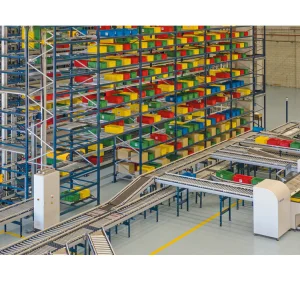
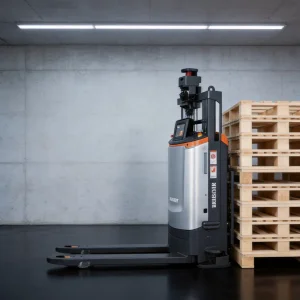
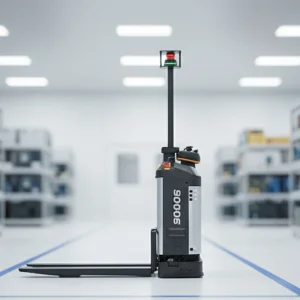
Deploys autonomous mobile robots (AMRs) and automated storage and retrieval systems (AS/RS). These systems utilize precision docking interfaces and active load stabilization to secure cargo during high-speed transit.
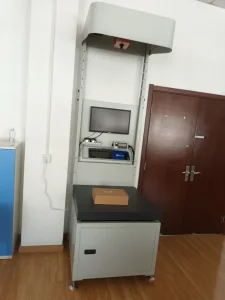
Uses real-time data from WMS and DWS systems, along with IoT weight sensors, to dynamic-balance loads, optimize warehouse slotting, and verify shipping weights to prevent overloaded axles.
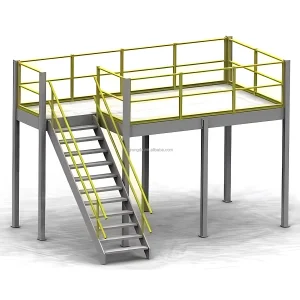
Manufacturing heavy-duty steel rack mezzanine systems, precision-molded shipping totes, and autonomous transport systems requires strict adherence to international engineering standards. Hangzhou RAB Logistics Co., Ltd. uses high-grade, cold-rolled steel and advanced chemical surface finishes (such as electro-galvanization and electrostatic powder coating) to protect structures from humidity, chemical exposure, and mechanical wear.
By keeping core processes like tool design, metal stamping, robot welding, and software development inside our factory, we maintain control over our supply chain. This helps us shield clients from global material price swings and deliver equipment that meets regional certifications, including RMI and ANSI standards in North America, CE machinery directives in Europe, and IP54 electrical protection requirements globally.
Detailed engineering explanations addressing payload capacities, safety margins, robotic integration, and structural safety.
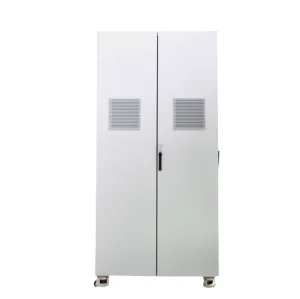
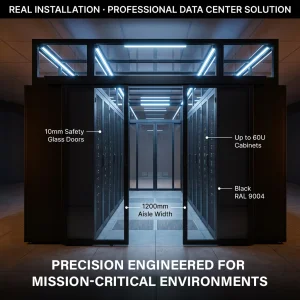
Explore our advanced control boxes, autonomous material movers, DWS systems, and aisle isolation systems.
 RAB Logistics