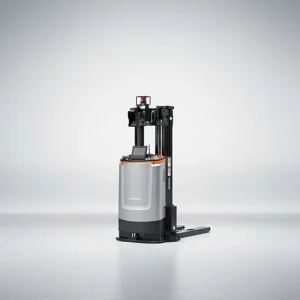
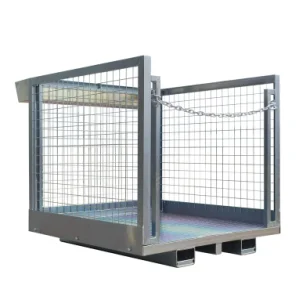
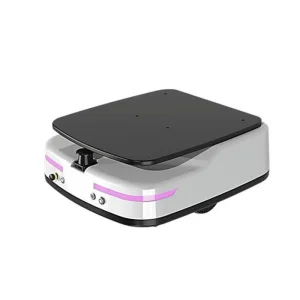
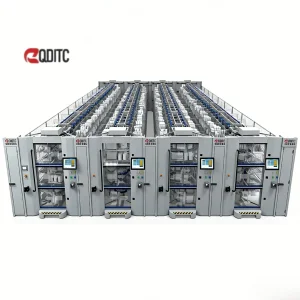
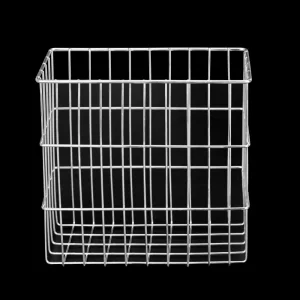
Explore our premium select range of dynamic robots, structural racking, and logistics sorting components engineered to integrate seamlessly with intelligent weighing nodes.
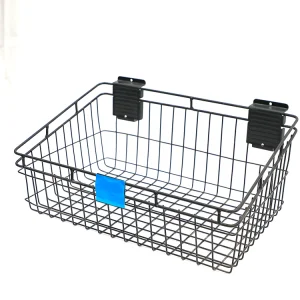
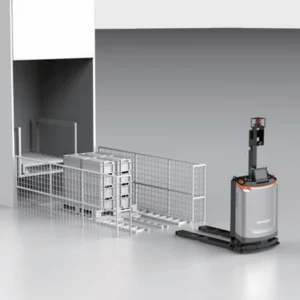
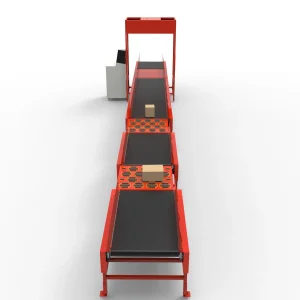
A technical whitepaper analyzing the integration of high-capacity gravimetric systems with automated supply chains.
Modern industrial processing demands more than static weight measurements. As companies worldwide transition to autonomous operations, Industrial Weighing Systems have transformed from isolated endpoint metrics into core elements of automated logistics pipelines. These systems form the primary sensory nodes for real-time mass flow detection, continuous bulk inventory monitoring, and closed-loop process optimization.
In heavy manufacturing, mining, biochemical processing, and global logistics hub operations, gravimetric measurement precision dictates overall profitability. Integrating high-accuracy load cell systems directly with advanced Warehouse Management Systems (WMS) and Automated Storage/Retrieval Systems (AS/RS) enables automated weight-based replenishment, dynamic weight-in-motion verification, and real-time shipping compliance checks. The convergence of physical weighing mechanics and digital sensor technology minimizes processing latency while virtually eliminating manual inspection errors.
The contemporary landscape is defined by three foundational technologies:
Why leading industrial operations select Chinese manufacturing hubs for integrated weighing and automated warehousing platforms.
Global procurement teams prioritize system compatibility, environmental resilience, and long-term calibration stability. Industrial weighing hardware must perform reliably in hostile settings, including chemical exposure, washdowns, and explosive dust clouds. This requires IP68/IP69K ingress protection and ATEX/IECEx certifications. In addition, organizations seek suppliers capable of providing turnkey solutions that tie together the physical handling racks, conveyor structures, and weighing controllers under unified fieldbus communications.
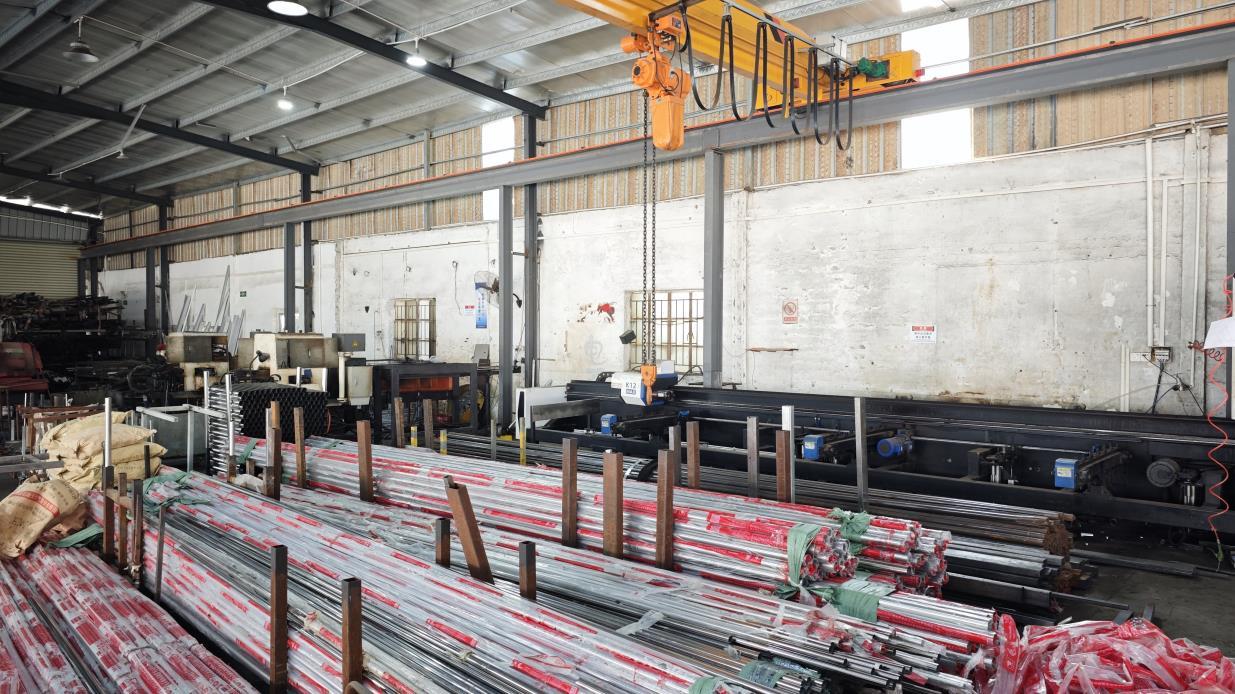
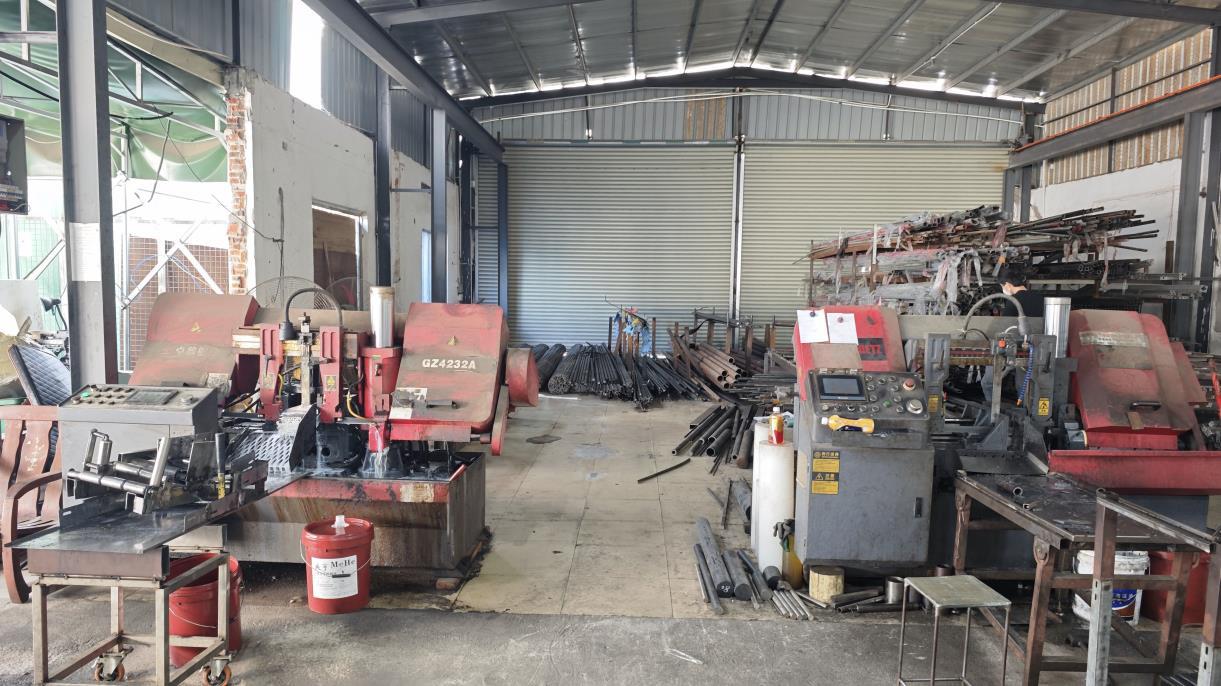
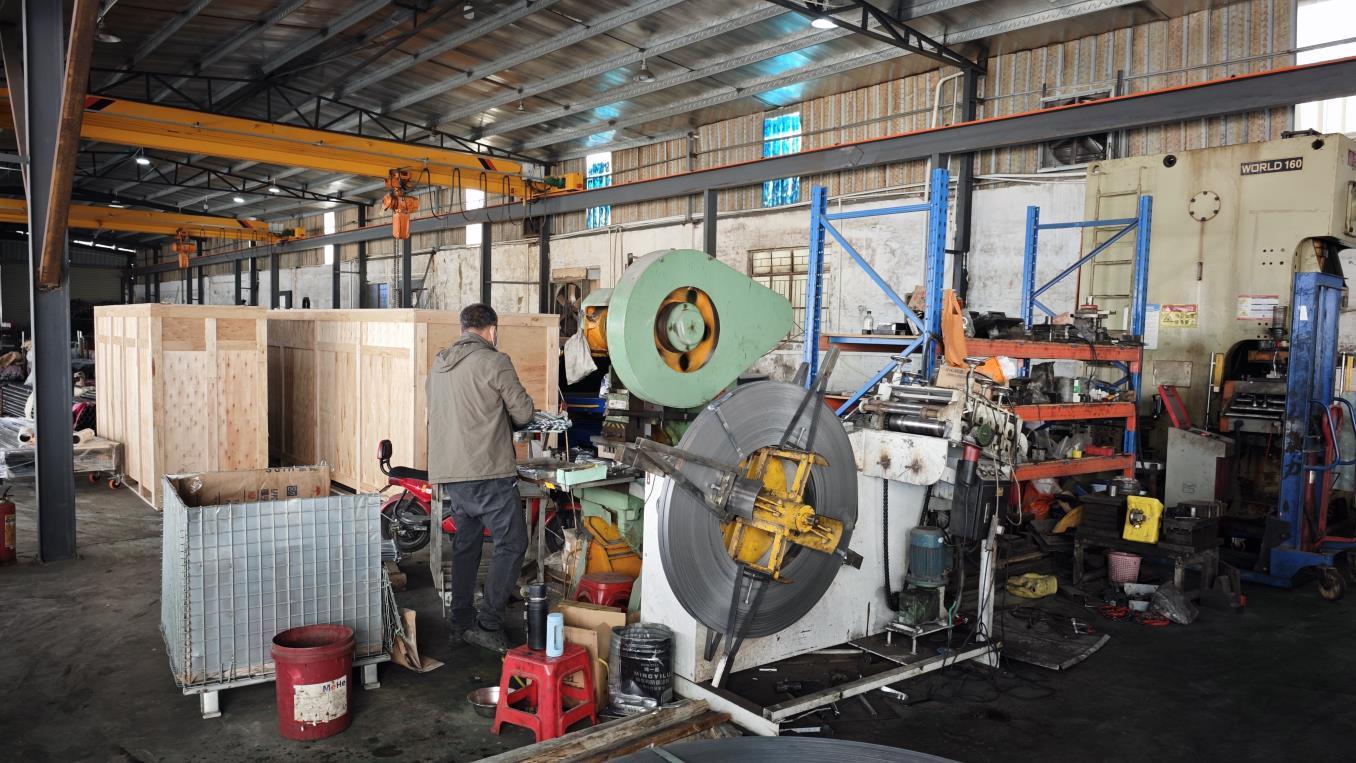
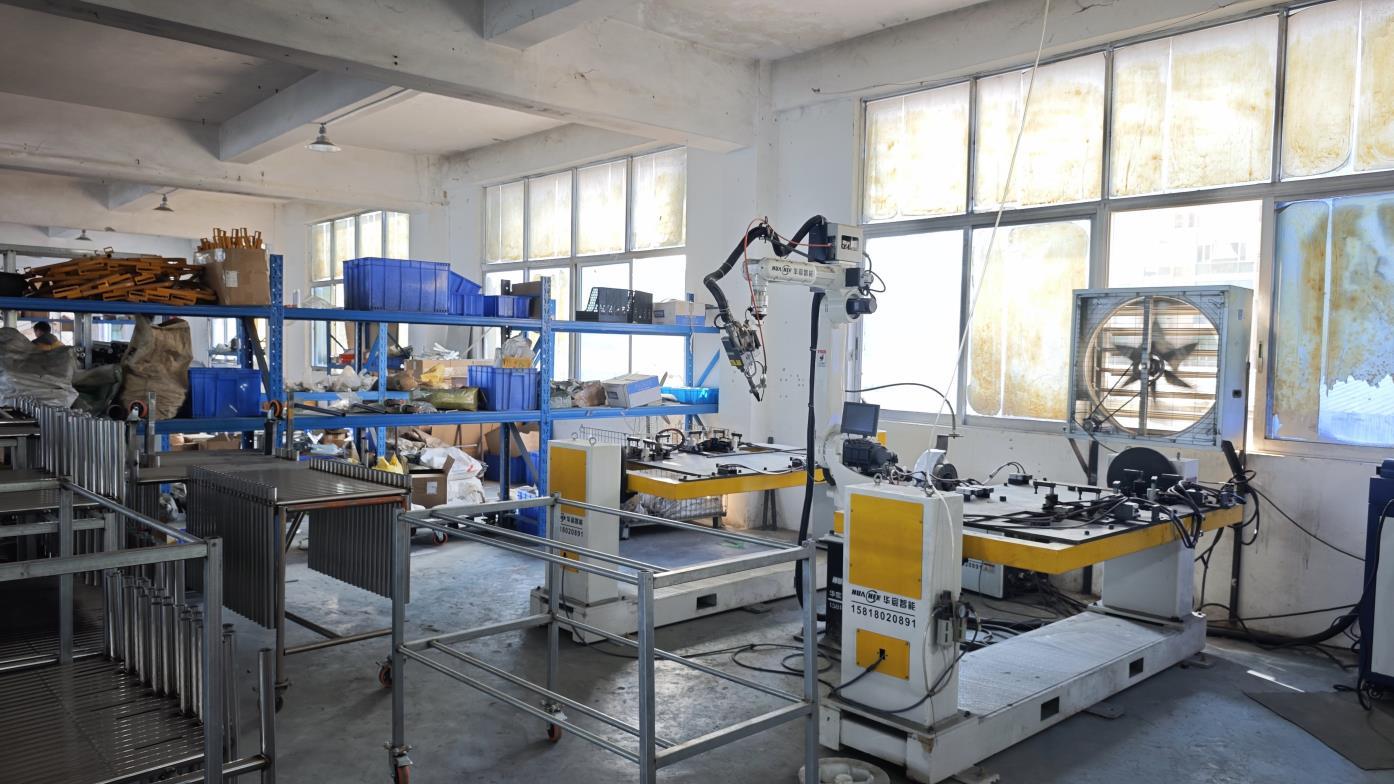
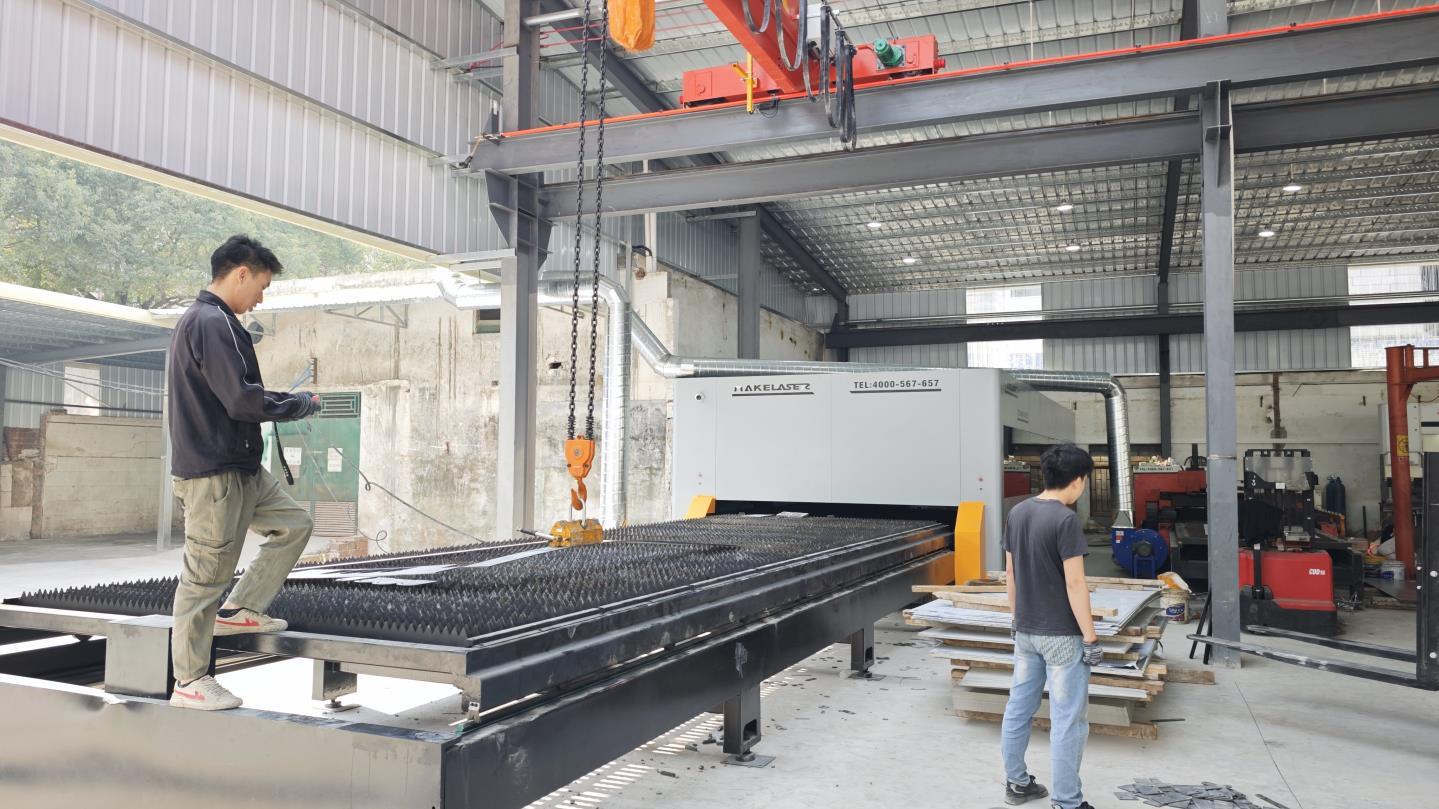
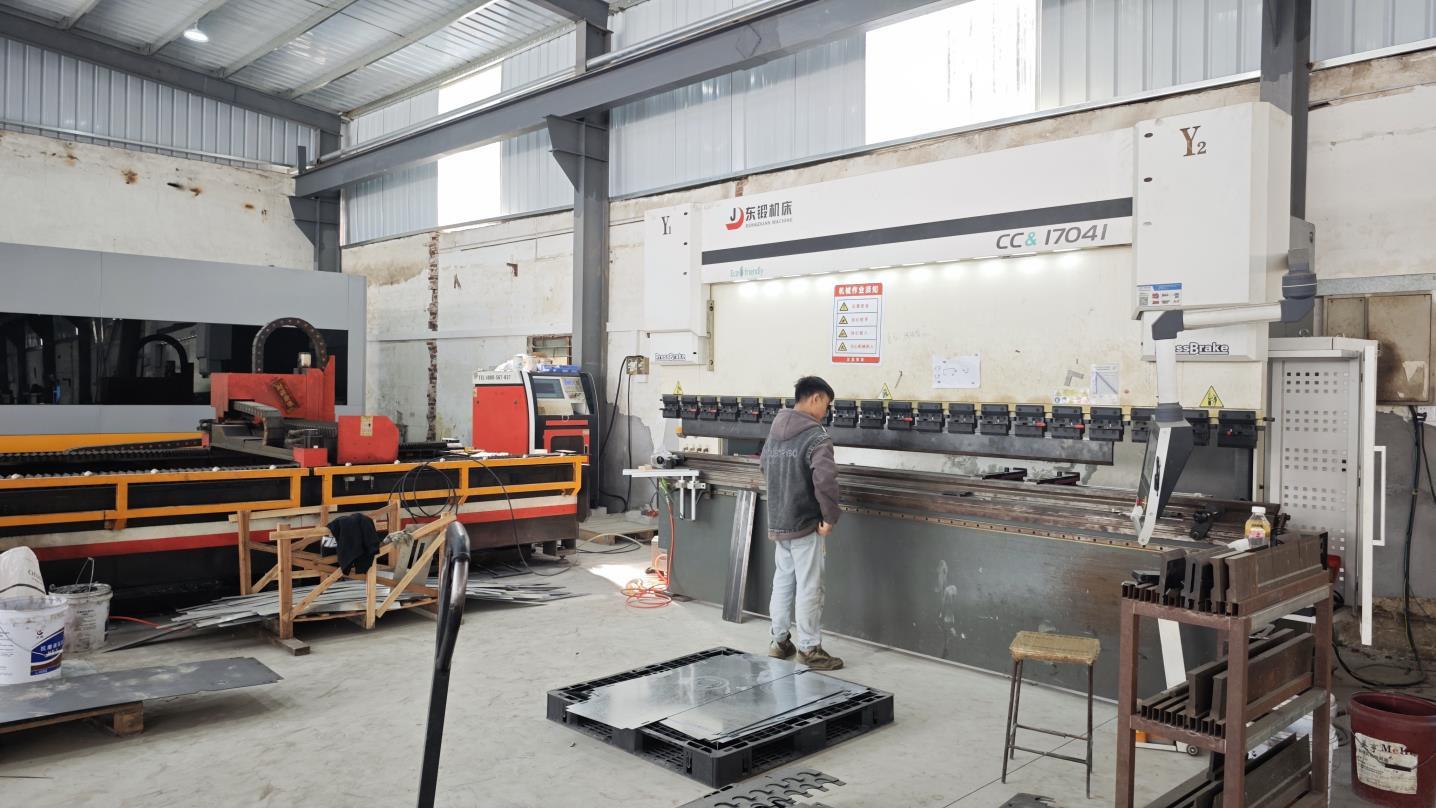
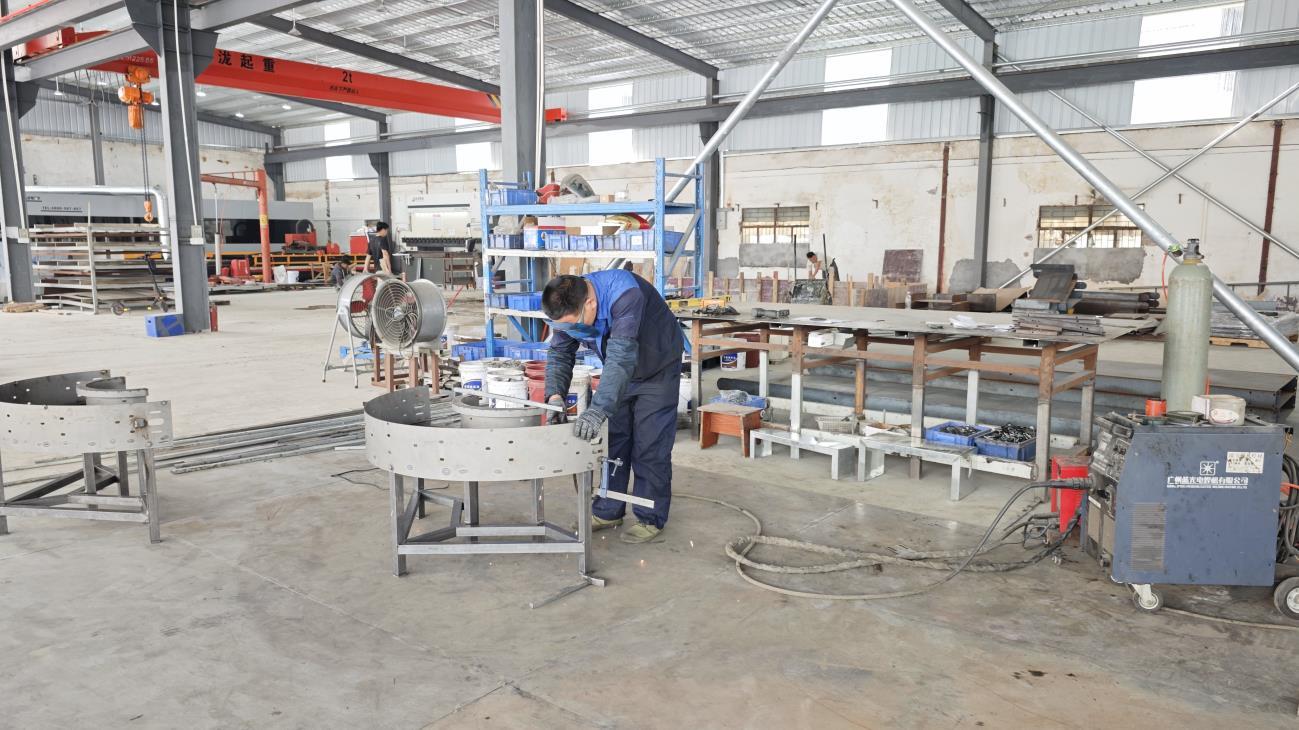
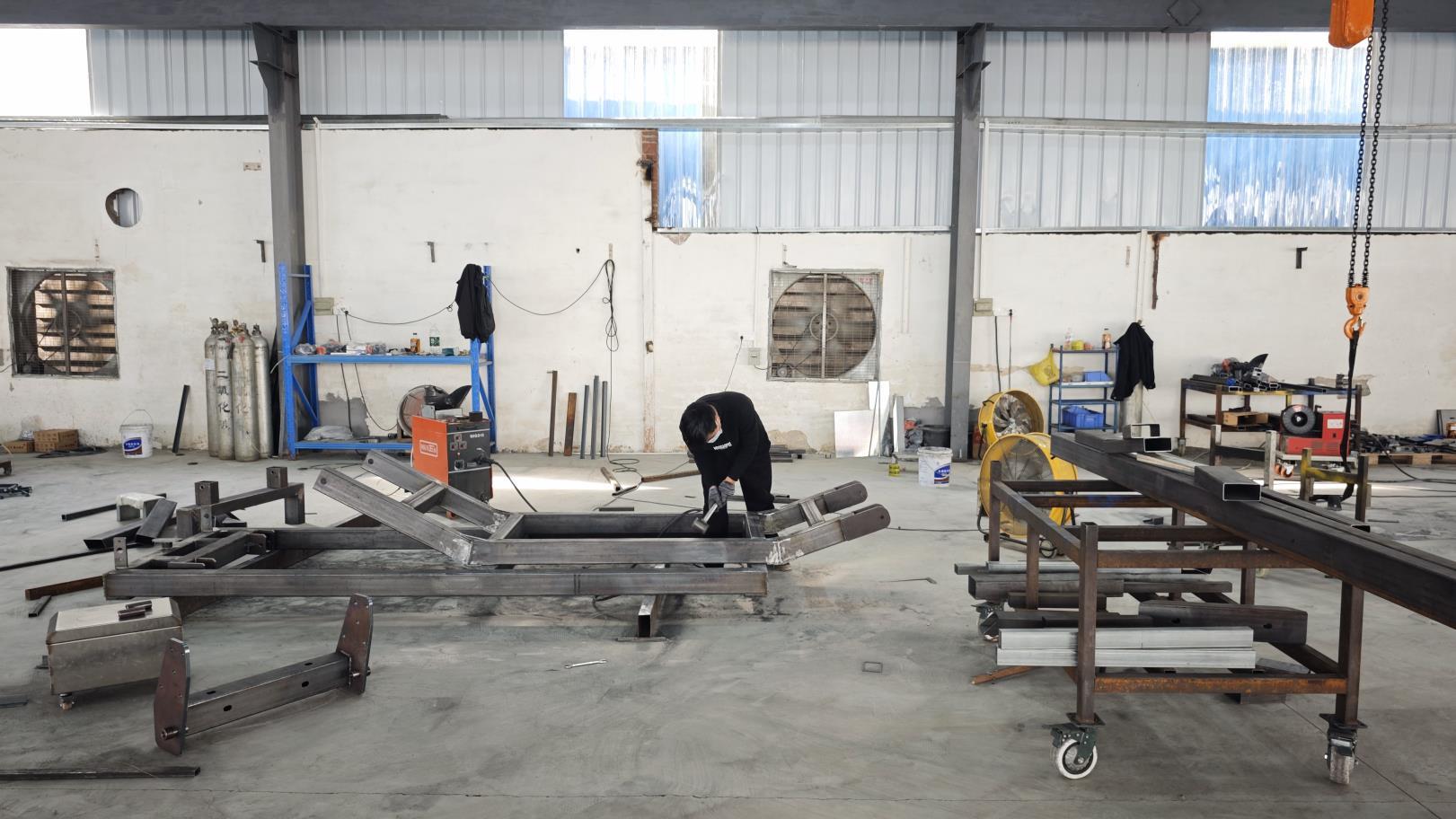
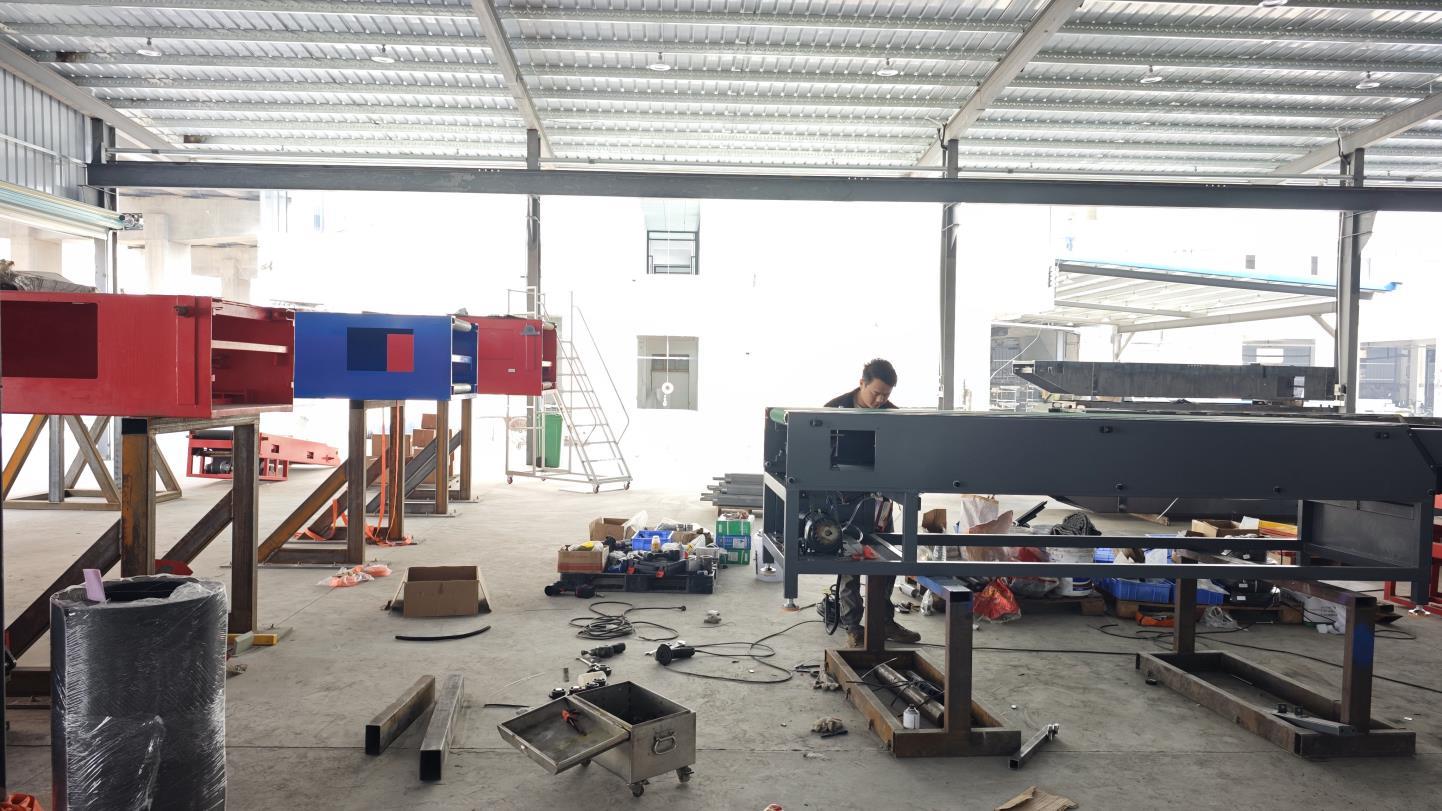
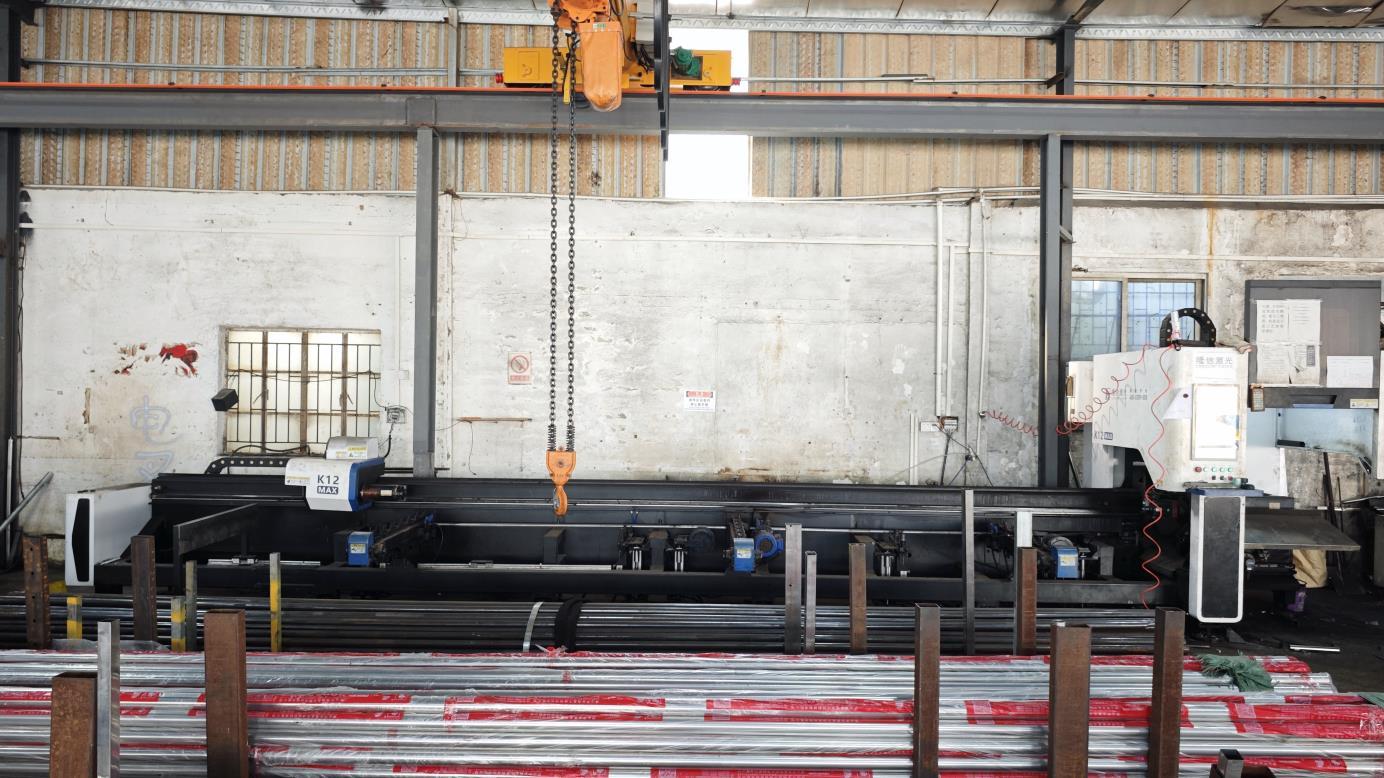
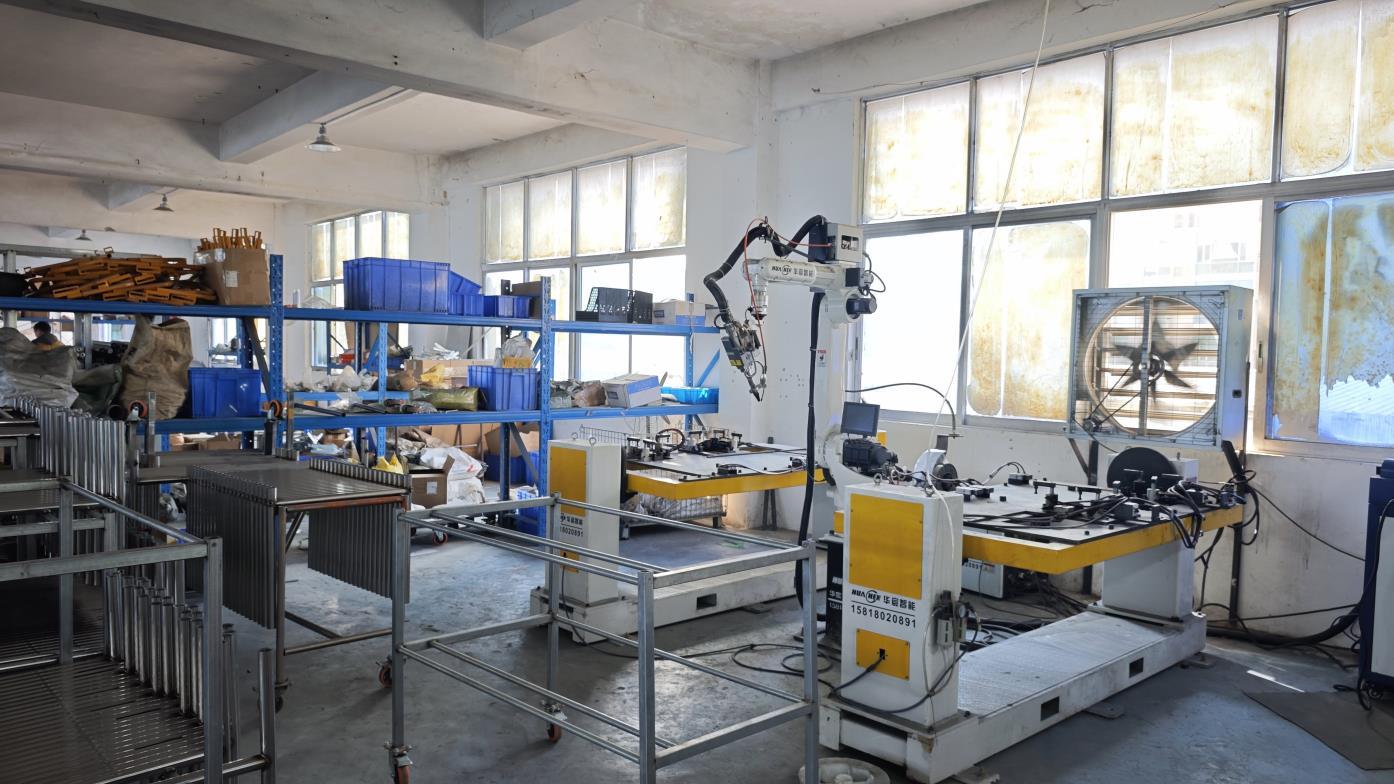
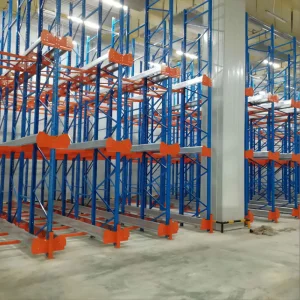
The combination of structural metal fabrication and smart electronics manufacturing gives China's suppliers a key advantage. Facilities like Hangzhou RAB Logistics Co., Ltd. integrate precision steel machining, automatic CNC cutting, and complex robotic spot welding. This allows for the production of heavy-duty, scale-ready structures, automated storage racking, and pallet transport cages. These systems are built to withstand high static and dynamic loads, ensuring minimal structural deflection and protecting sensitive load cell calibrations.
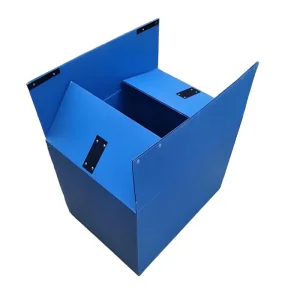
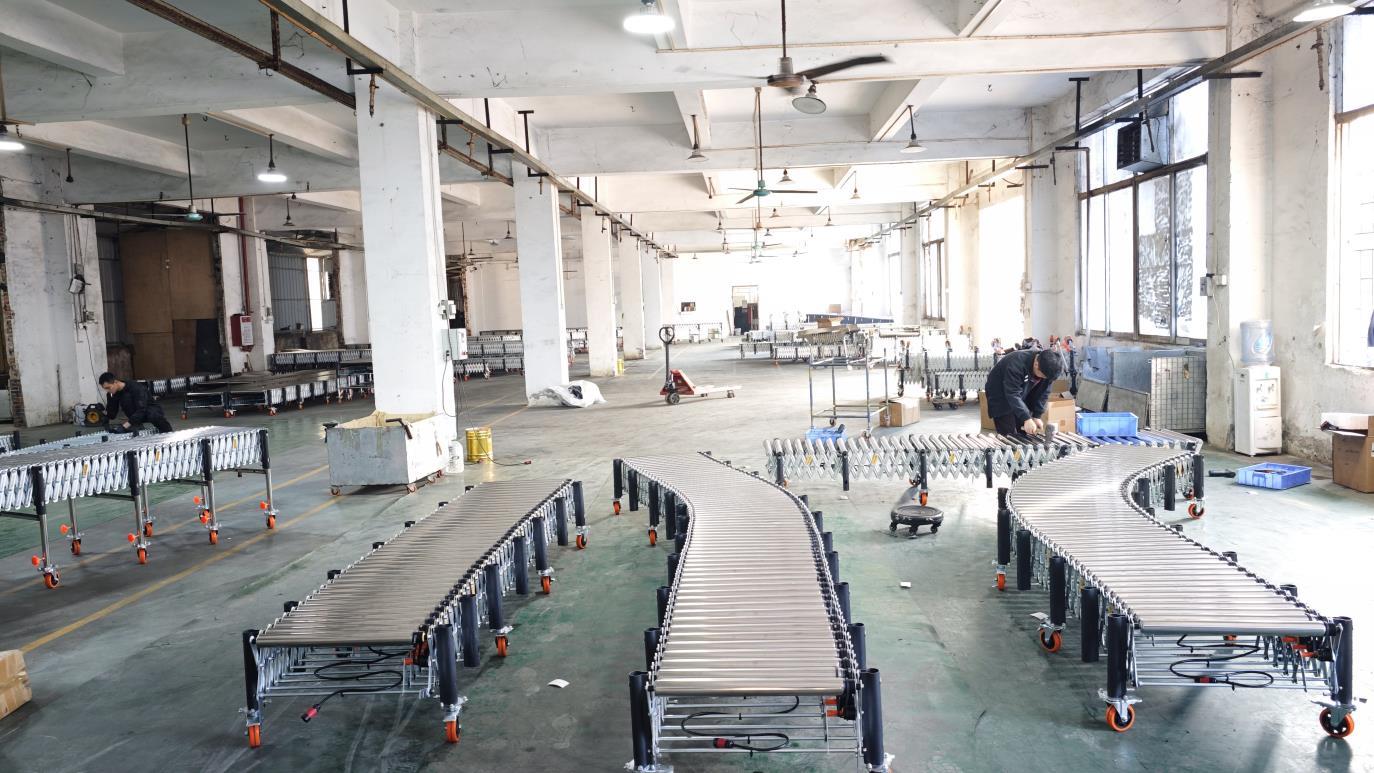
By sourcing structural logistics equipment and precision weighing frames from a single Chinese manufacturer, global buyers minimize assembly misalignment. Chinese factories provide complete material handling ecosystems, including durable transport roll containers and ASRS racking structures. This approach simplifies component integration, reduces international shipping costs, and accelerates commissioning times for automated warehouse projects.
Hangzhou RAB Logistics Co., Ltd. is a provider of intelligent warehousing and modern logistics solutions. Built on years of industry experience and continuous technological innovation, RAB Logistics is committed to helping enterprises transform traditional warehouse operations into highly automated, data-driven, and efficient supply chain systems.
Since its establishment, the company has focused on integrating advanced logistics technologies such as Warehouse Management Systems (WMS), Automated Storage and Retrieval Systems (AS/RS), AGV/AMR robotics, intelligent sorting systems, and real-time data visualization platforms. These solutions enable clients to achieve higher operational accuracy, faster fulfillment speed, and significantly reduced logistics costs. Our structural expertise ensures that industrial scales, sorting platforms, and racking units operate in perfect harmony, forming a unified, resilient system.
With strong capabilities in system consulting, solution design, equipment integration, software development, and project implementation, Hangzhou RAB Logistics Co., Ltd. delivers end-to-end intelligent logistics solutions tailored to diverse industry needs. Our expertise ensures seamless coordination between hardware and software, creating scalable and future-ready warehouse infrastructures. RAB Logistics serves a wide range of industries including manufacturing, cross-border e-commerce, fast-moving consumer goods (FMCG), pharmaceuticals, and automotive parts. Our solutions are trusted for their stability, innovation, and proven performance in complex, high-demand environments.
Direct view into our factory floor operations, highlighting the precision machining and advanced quality control that underpin our logistics solutions.
How modern weighing solutions resolve complex operation bottlenecks across diverse environments.
High-volume e-commerce hubs require automated calculation of volumetric weight for parcels. Our integrated dynamic weighing conveyors capture package dimensions and weights at rates up to 3,000 parcels per hour. This data is instantly sent to the WMS, generating billing and sorting routings automatically.
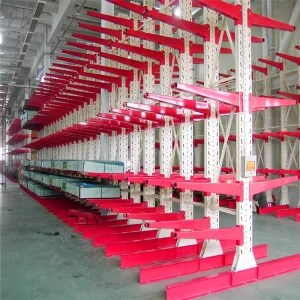
By embedding load sensors into industrial steel cantilever pallet racks or sheet metal shelving systems, warehouses can convert static storage racks into real-time inventory scales. The system counts SKU levels automatically based on changes in unit weight, triggering restock alerts without the need for manual cycle counts.
Integrating load cells with automated guided vehicles (AGV) and autonomous mobile robots (AMR) prevents tip-over risks caused by off-center loads or overloading. The AGV onboard system cross-checks current weight readings with load limits, ensuring safe transport of pallets up to 2000kg across manufacturing floors.
Precision batching requires responsive flow tracking. High-capacity hopper scales and loss-in-weight feeders dose ingredients with high accuracy. Built-in industrial communication cards integrate directly with PLC systems, ensuring reliable ingredient feeding.
In-depth responses to common questions about calibration, environmental protection, and systems integration.
Temperature fluctuations cause metal structures to expand and contract, which changes the resistance of strain gauges and alters the scale's zero point and span. Quality suppliers address this using built-in temperature compensation resistors within the load cell bridge circuit, allowing stable operation from -10°C to +40°C. For extreme industrial environments, digital load cells continuously monitor internal temperatures and apply algorithmic correction factors in real time.
Static weighing requires the load to be stationary, delivering maximum accuracy (typically up to ±0.02% to 0.05% of scale capacity). Dynamic weighing measures loads as they move across a scale conveyor, trading slightly more tolerance (±0.5% to 2%) for high throughput speeds. E-commerce sorting and parcel routing rely on dynamic weighing, whereas recipe batching, silo management, and structural inventory control require static weighing systems.
Modern weighing systems rely on standard fieldbus protocols (Profinet, EtherNet/IP, Modbus TCP) to communicate directly with automation PLCs. For high-level warehouse management software (WMS) or ERP platforms, weight indicators are connected through serial links or Ethernet, using RESTful APIs, TCP/IP sockets, or OPC-UA servers. This setup allows for automated barcode scanning, weight validation, and inventory logging.
If an automated racking system undergoes excessive physical deflection or twisting, it transmits dynamic mechanical stresses directly to the scale sensors. This structural deflection causes measurement drift and can damage load cells over time. Sourcing structural steel components (such as AS/RS systems and cantilever racks) from factories with automated sawing, precision bending, and certified welding ensures structural stability and long-term scale accuracy.
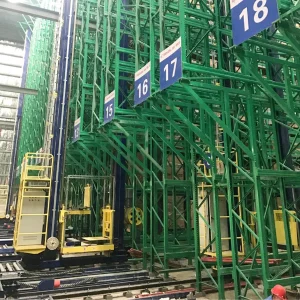
Integrate our secondary product lineup of robotic handling systems, automatic shuttles, and durable storage racks to build high-capacity warehouses.

 RAB Logistics