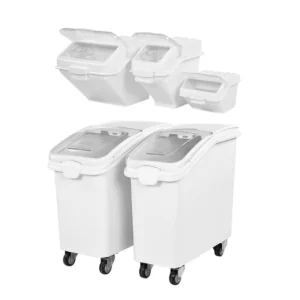
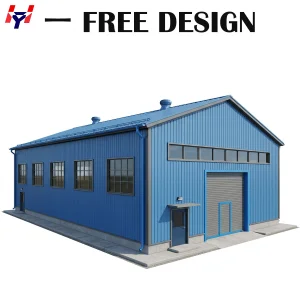
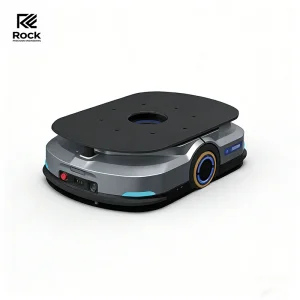
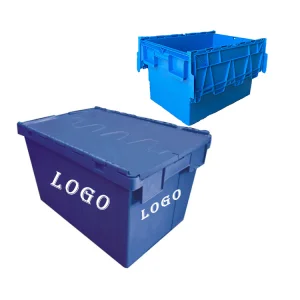
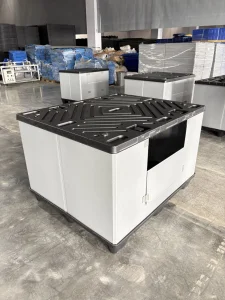
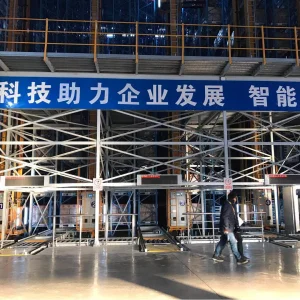
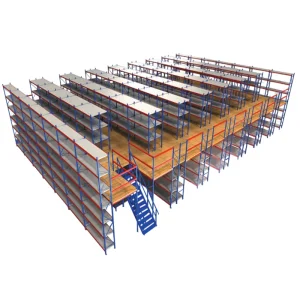
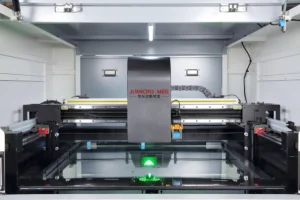
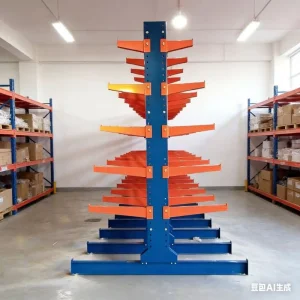
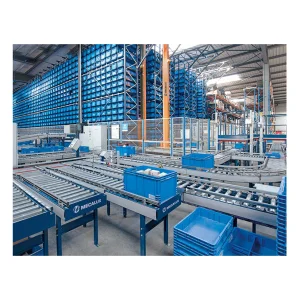
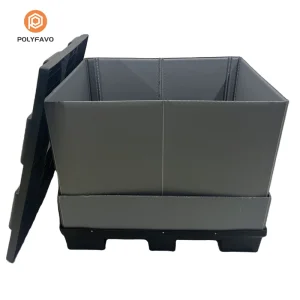
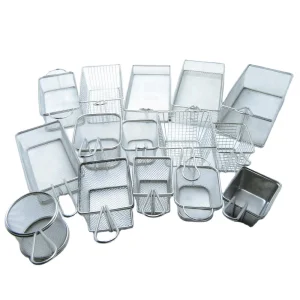
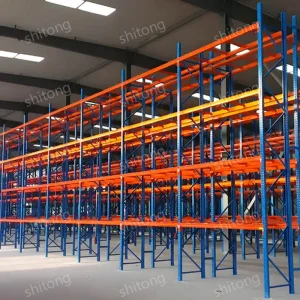
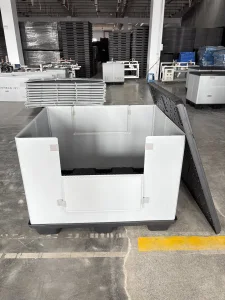
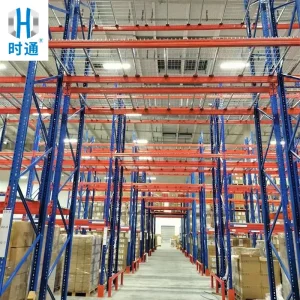
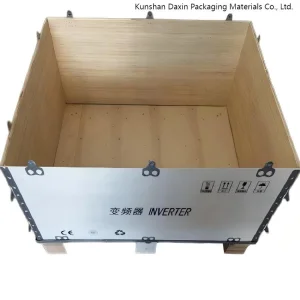
Engineered to meet stringent global standards, our core product lineup guarantees performance, efficiency, and structural compliance.
Hangzhou RAB Logistics Co., Ltd. is a professional provider of intelligent warehousing and modern logistics solutions. Built on years of industry experience and continuous technological innovation, RAB Logistics is committed to helping enterprises transform traditional warehouse operations into highly automated, data-driven, and efficient supply chain systems.
Since its establishment, the company has focused on integrating advanced logistics technologies such as Warehouse Management Systems (WMS), Automated Storage and Retrieval Systems (AS/RS), AGV/AMR robotics, intelligent sorting systems, and real-time data visualization platforms. These solutions enable clients to achieve higher operational accuracy, faster fulfillment speed, and significantly reduced logistics costs.
With strong capabilities in system consulting, solution design, equipment integration, software development, and project implementation, Hangzhou RAB Logistics Co., Ltd. delivers end-to-end intelligent logistics solutions tailored to diverse industry needs. Our expertise ensures seamless coordination between hardware and software, creating scalable and future-ready warehouse infrastructures.
RAB Logistics serves a wide range of industries including manufacturing, cross-border e-commerce, fast-moving consumer goods (FMCG), pharmaceuticals, and automotive parts. Our solutions are trusted for their stability, innovation, and proven performance in complex, high-demand environments. By choosing Hangzhou RAB Logistics Co., Ltd., you are selecting a long-term strategic partner dedicated to building smarter warehouses, optimizing supply chains, and empowering businesses with sustainable competitive advantages in the era of intelligent logistics.
Analyzing safety regulations, liability limits, and the rise of structural verification in international supply chain networks.
In modern industrial facilities, warehousing structures are no longer treated as simple static shelving. Instead, they are critical, dynamic interfaces supporting tons of inventory and interacting continuously with high-speed material handling equipment. Consequently, multinational corporations face rigorous regulatory oversight when procuring storage solutions.
The Rise of Regulatory Scrutiny: Regulatory frameworks such as the European standard EN 15635 (Steel static storage systems – Application and maintenance of storage equipment) and American OSHA requirements dictate that facilities conduct annual safety audits and maintain strict load compliance documentation. Failure to meet safety metrics leads to costly shutdowns, increased insurance premiums, and liability risks. Procurement managers require manufacturers to supply pre-verified compliance packages, including finite element analysis (FEA) modeling, structural test data, and certification files (such as CE and SGS approvals).
Additionally, with warehouses scaling vertically to optimize footprint, floor load tolerances and structural stability under seismic events are primary engineering criteria. High-bay warehouses and automated storage retrieval systems (AS/RS) require strict manufacturing tolerances. Millimeter-level deviations in steel profiles can result in AGV crashes or conveyor malfunctions, causing millions in supply chain disruptions. Thus, sourcing from a CE-certified manufacturer who controls the fabrication loop—from raw materials to structural welding—is essential for enterprise risk management.
Excellence in manufacturing, project management, and global standards compliance.
Step-by-step visibility into our state-of-the-art production floor, where quality and compliance are welded into every steel profile.
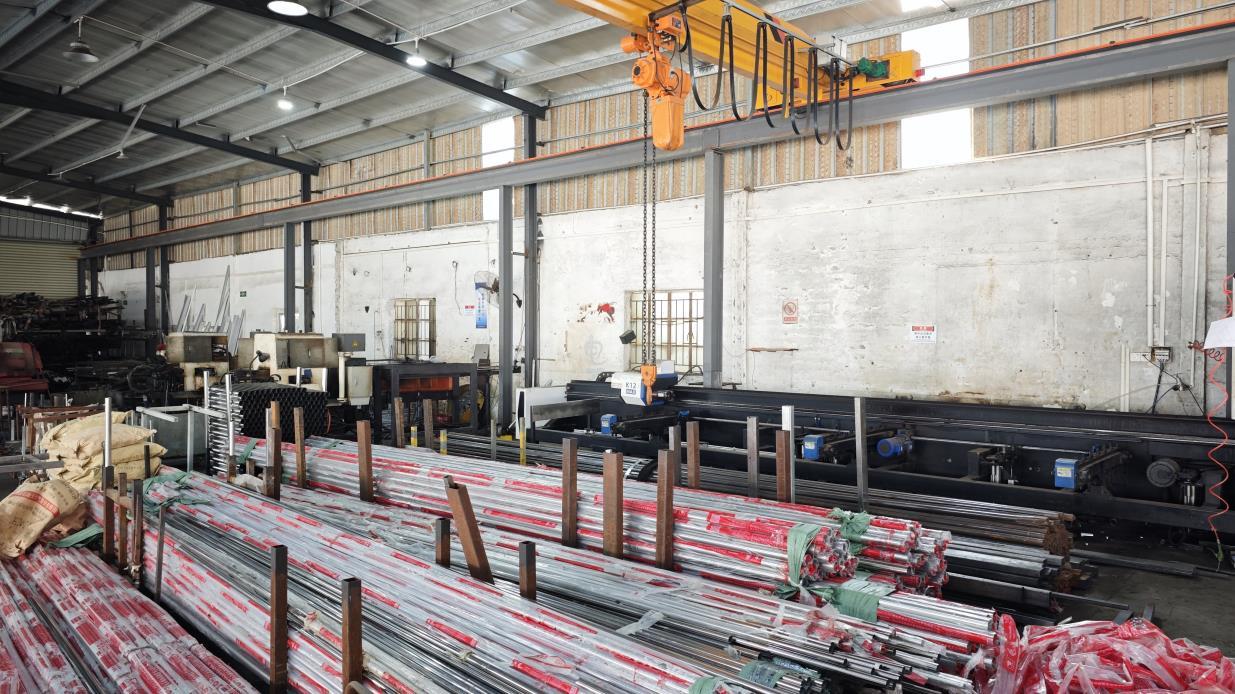
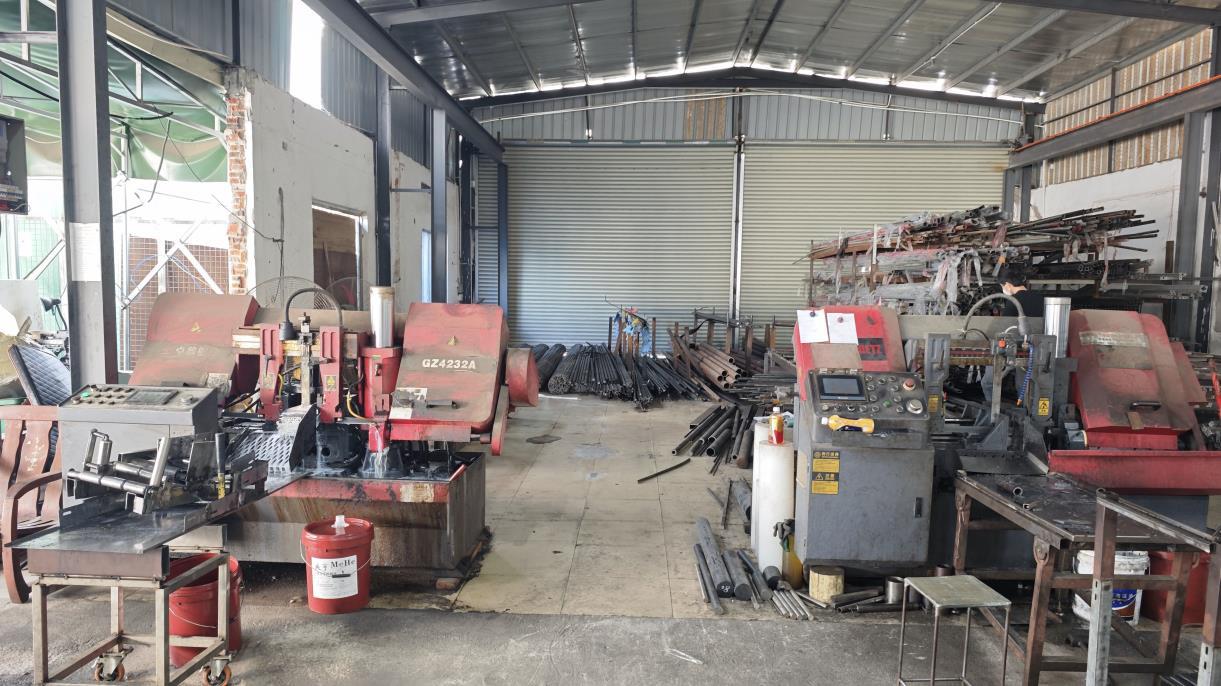
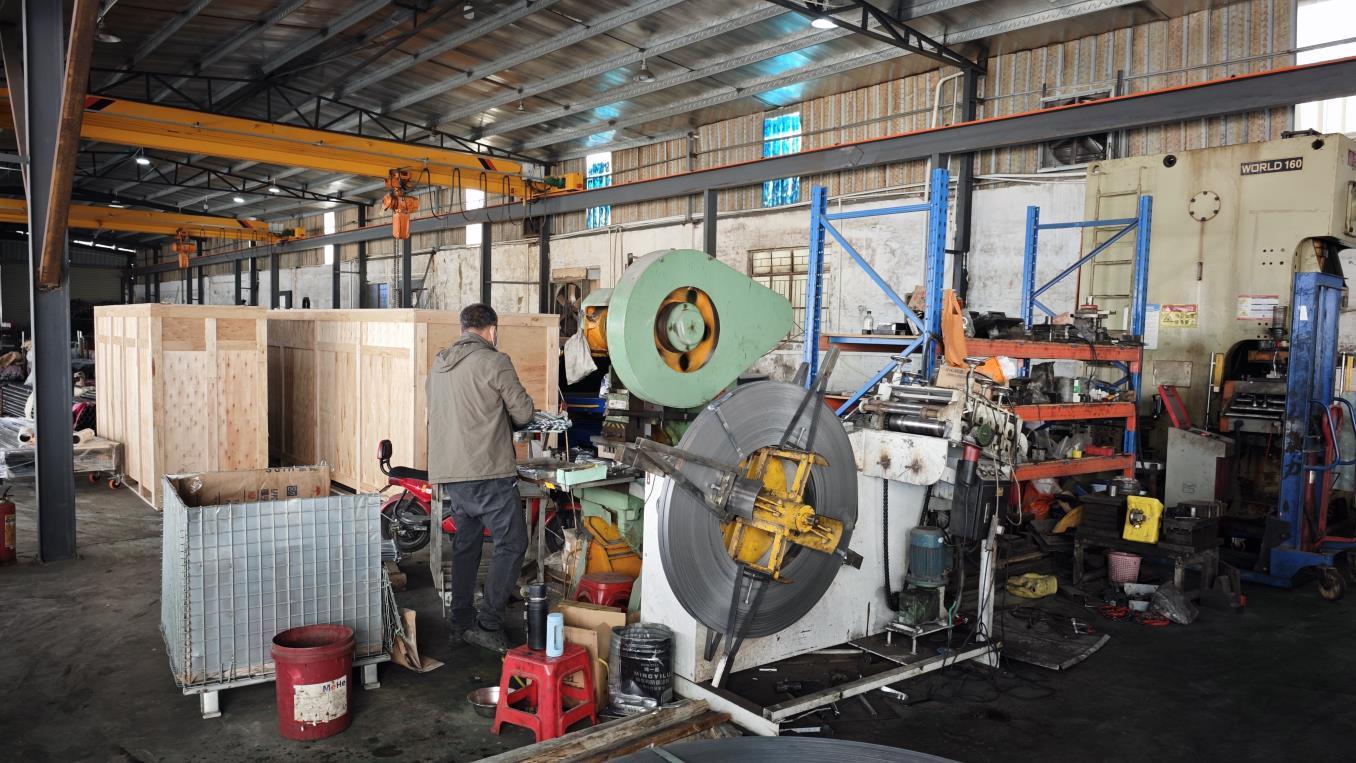
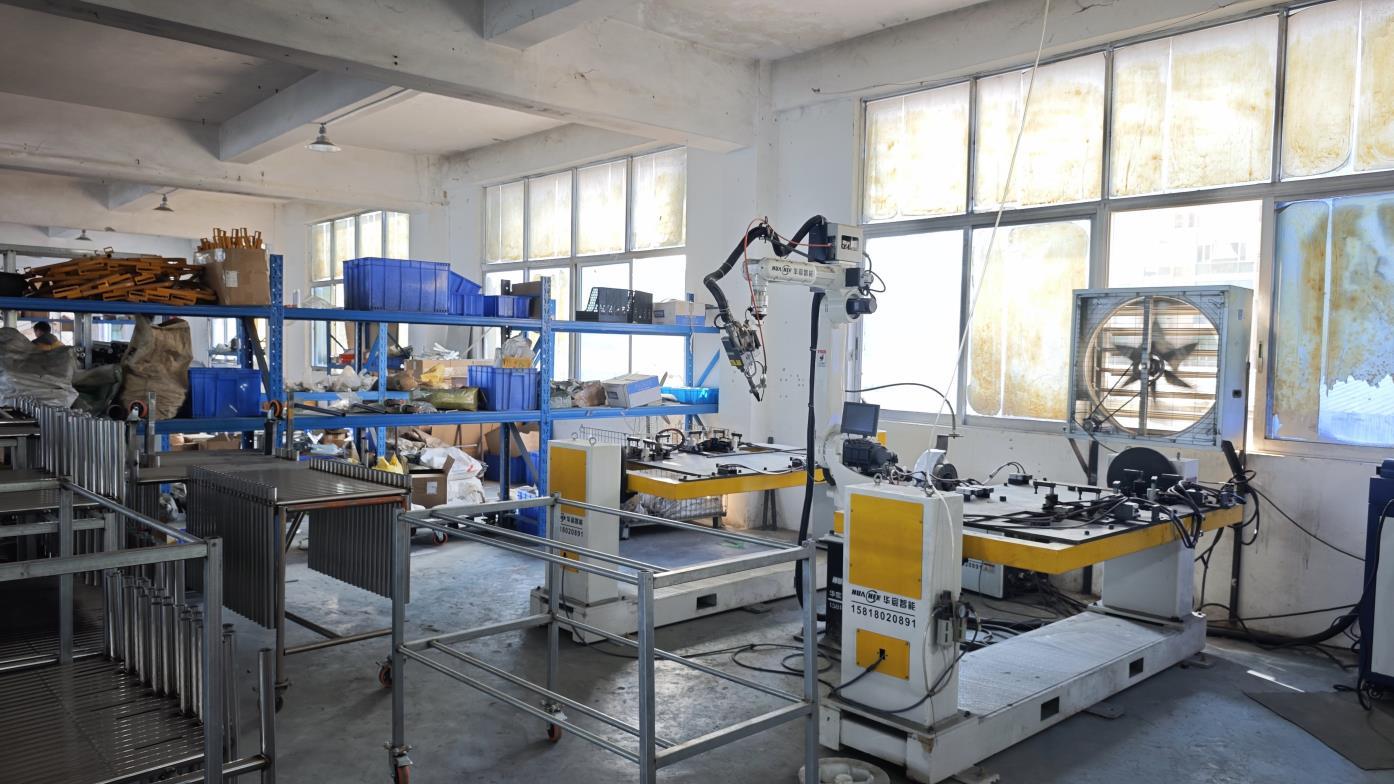
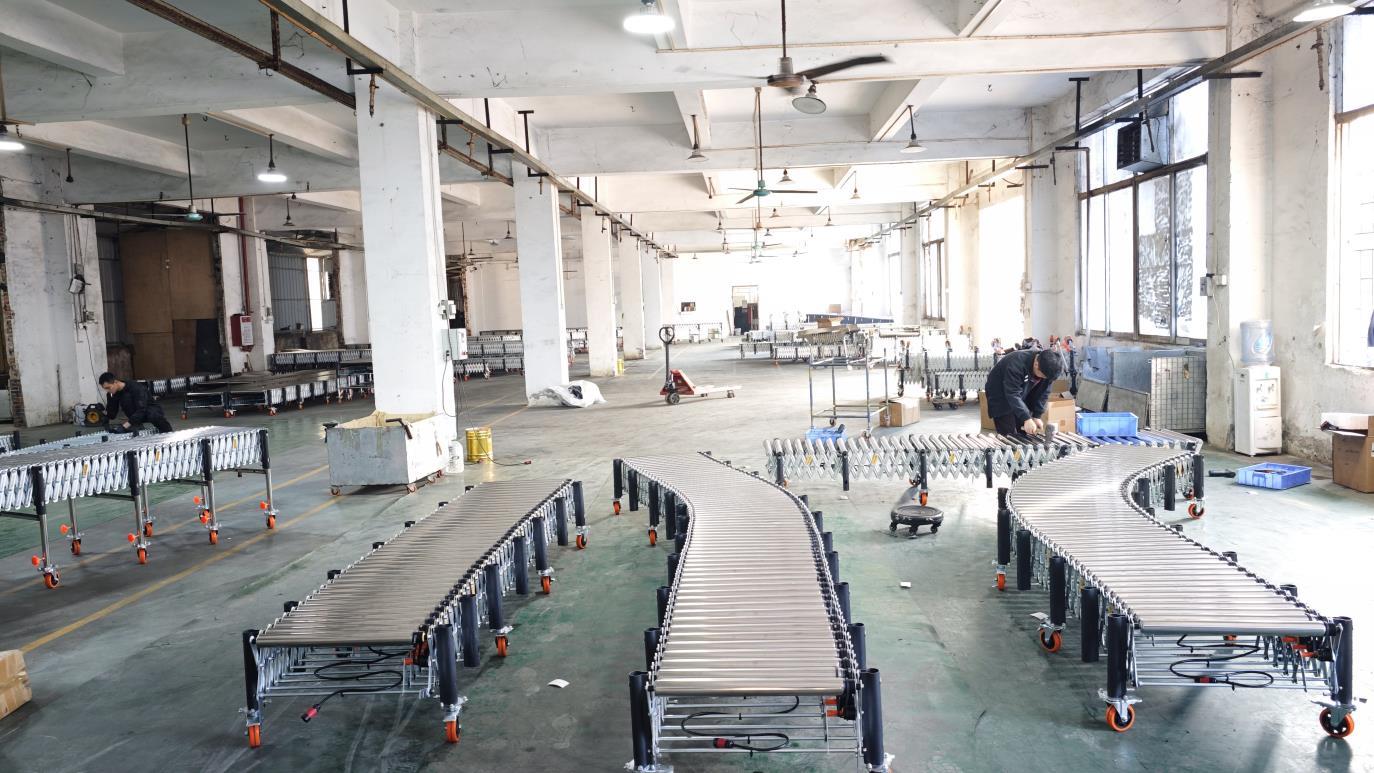
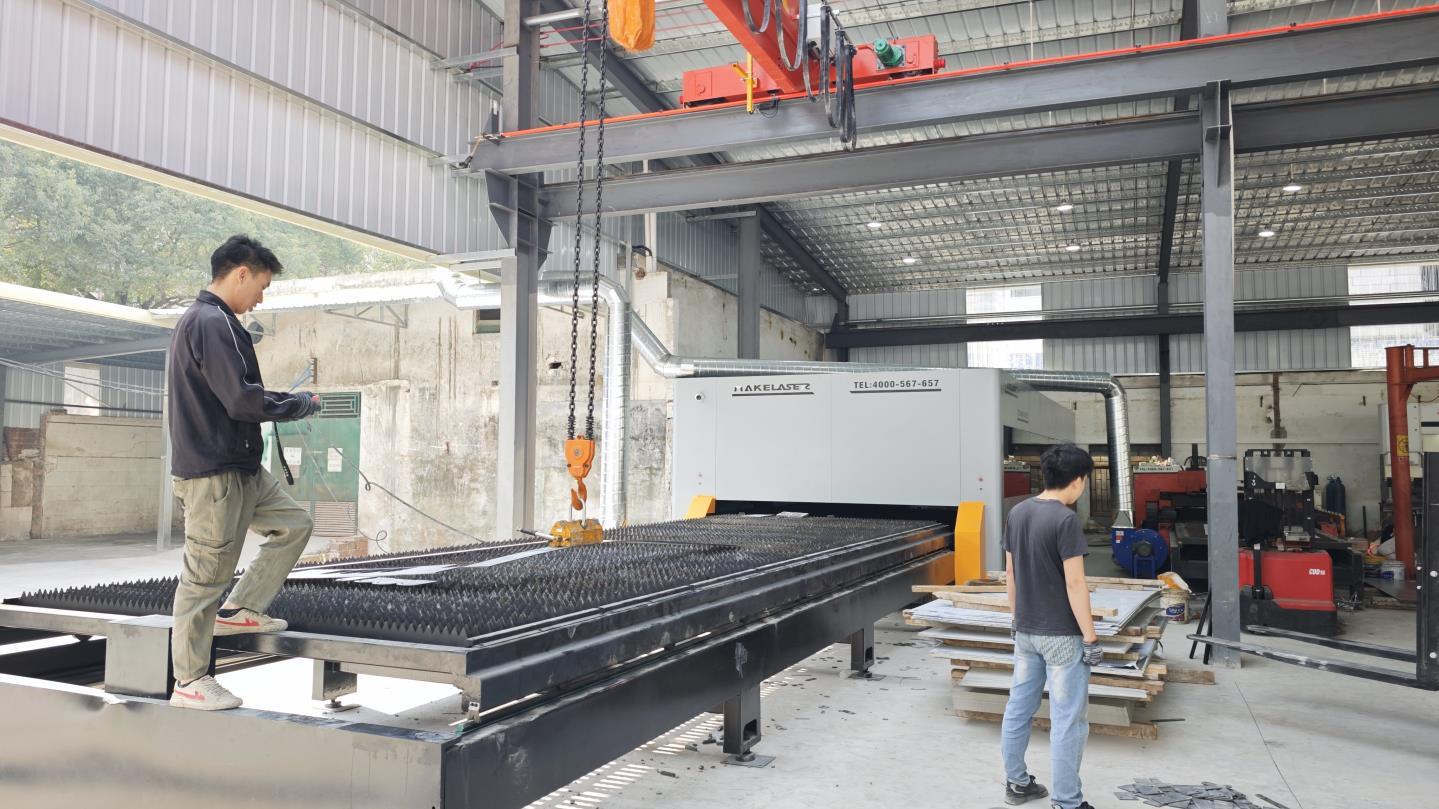
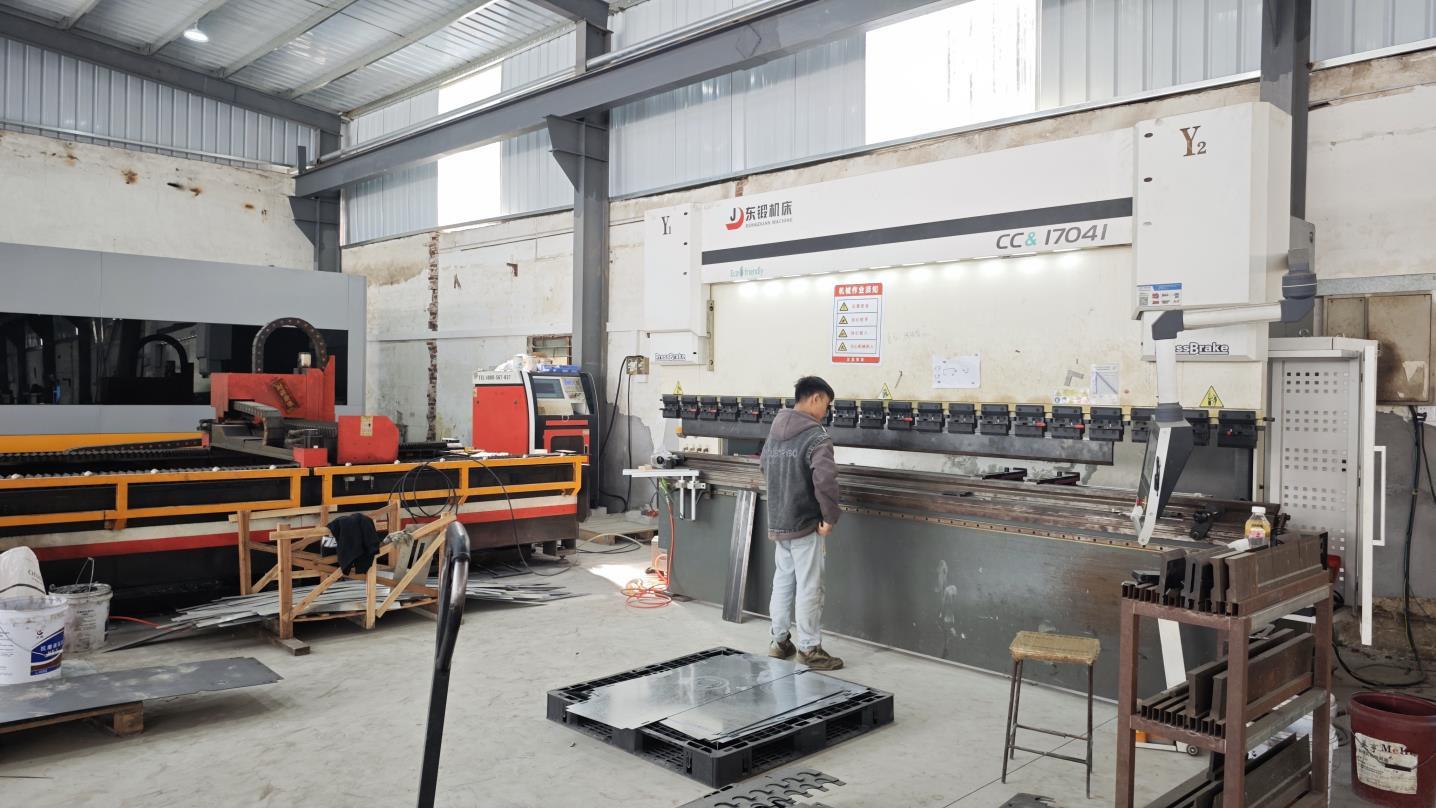
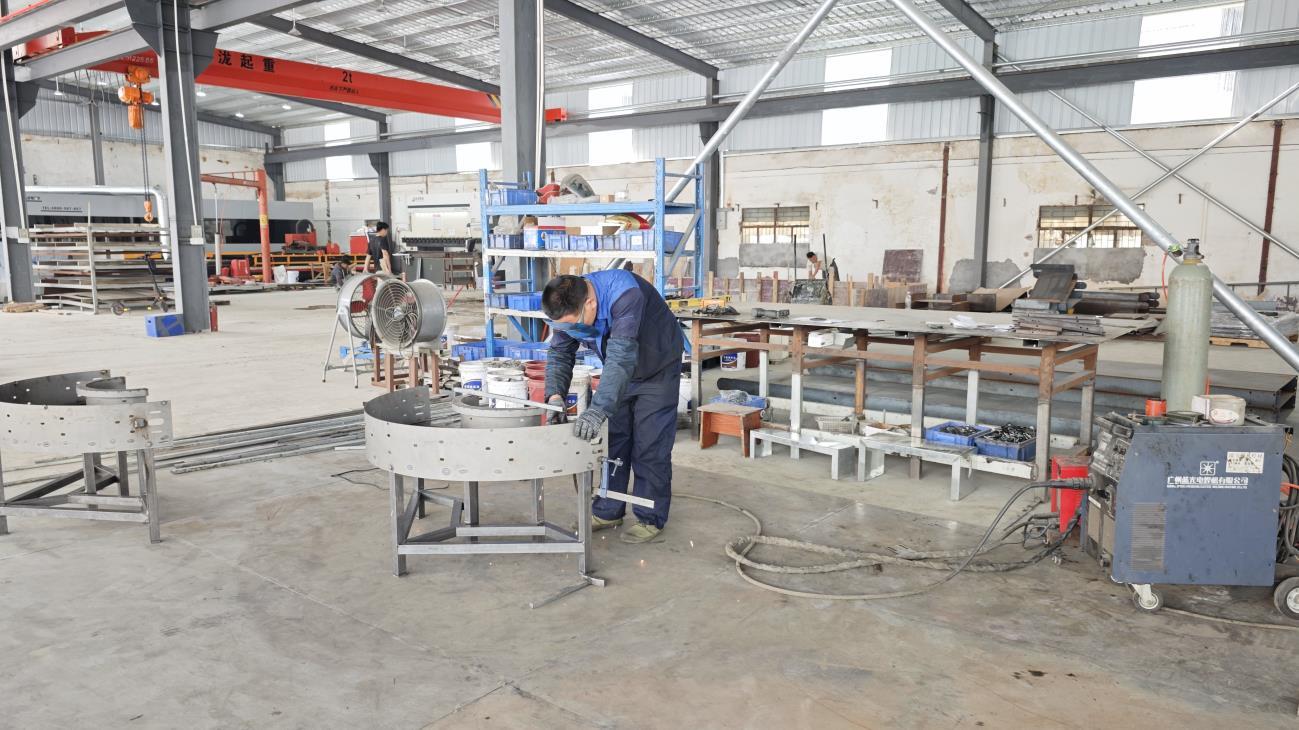
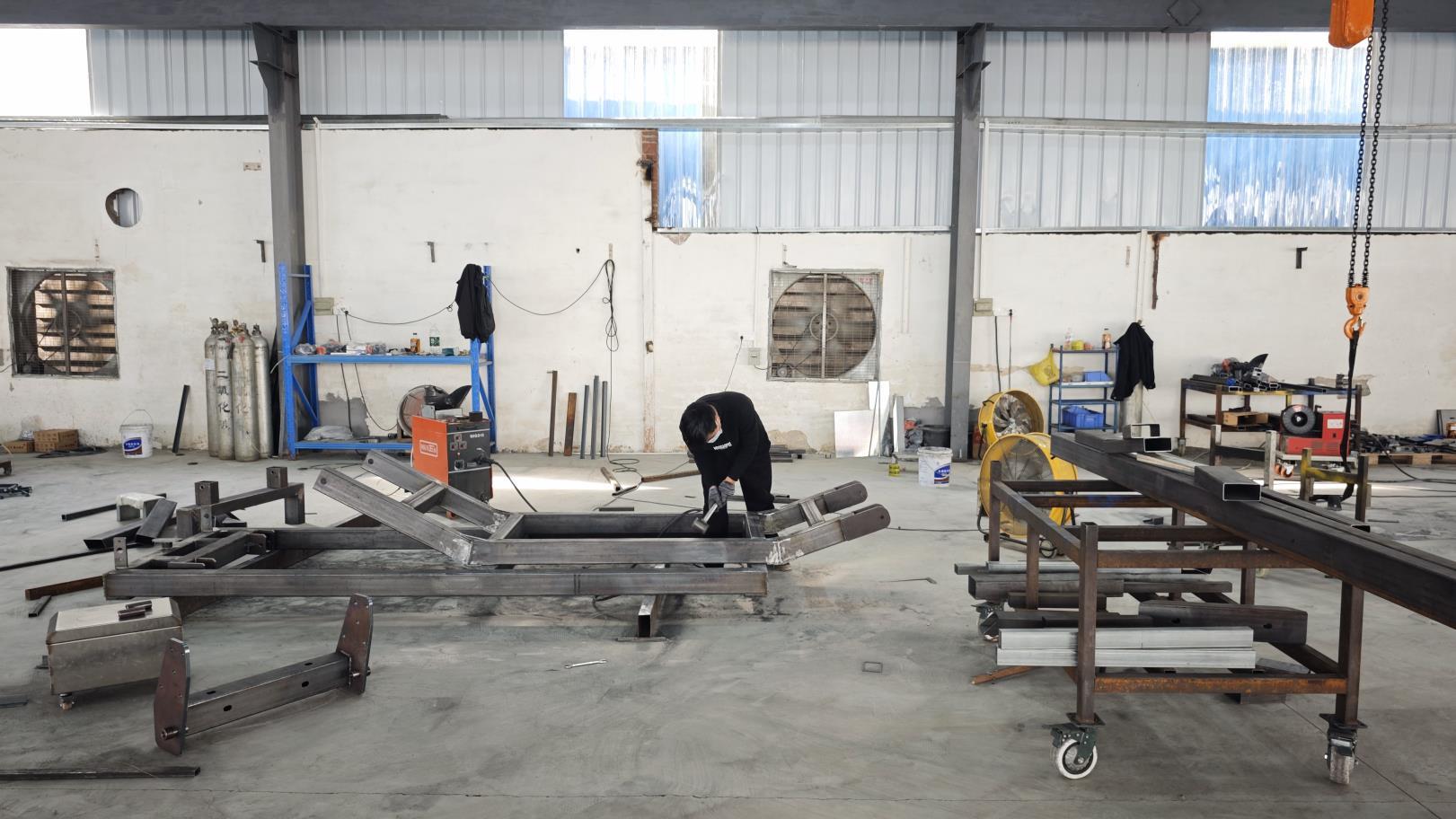
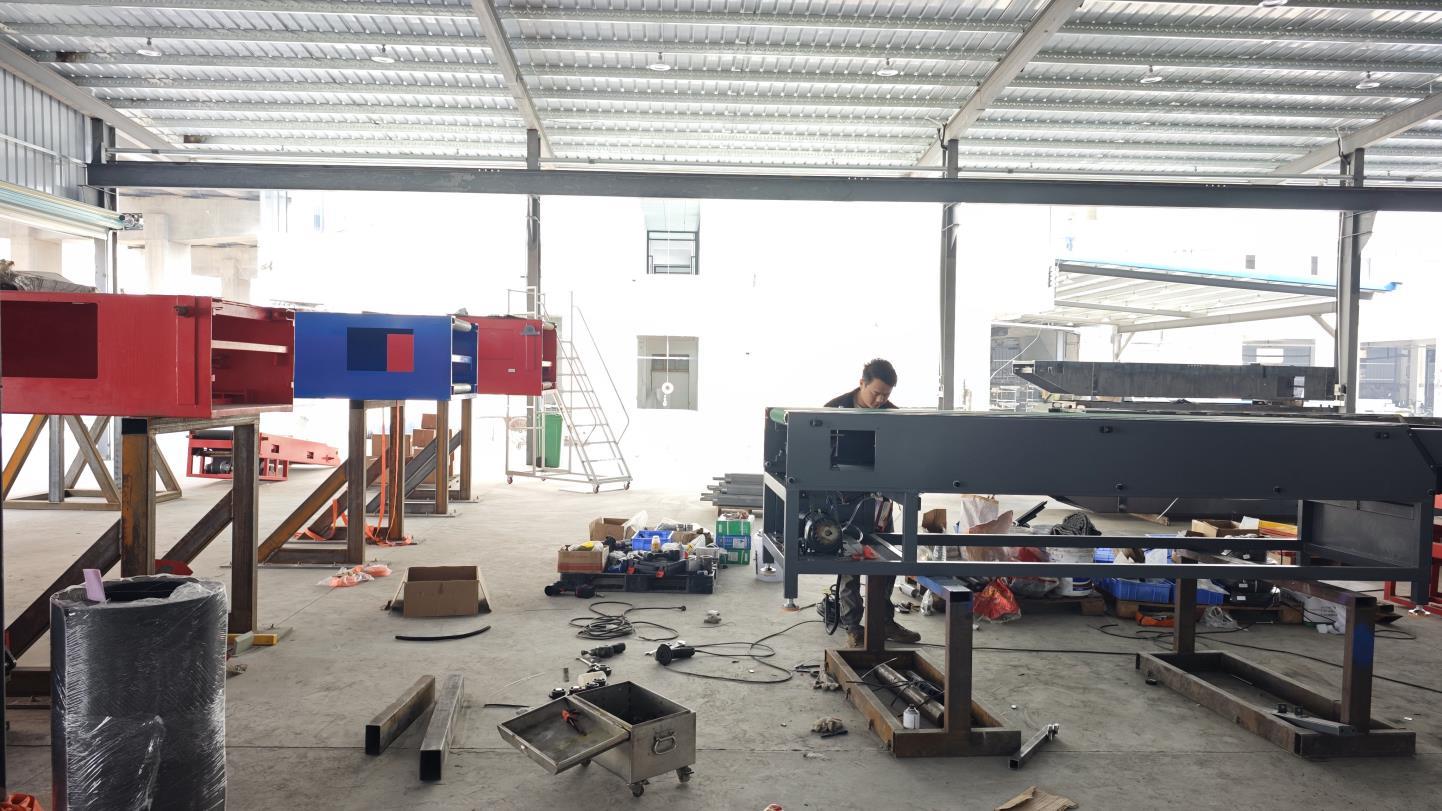
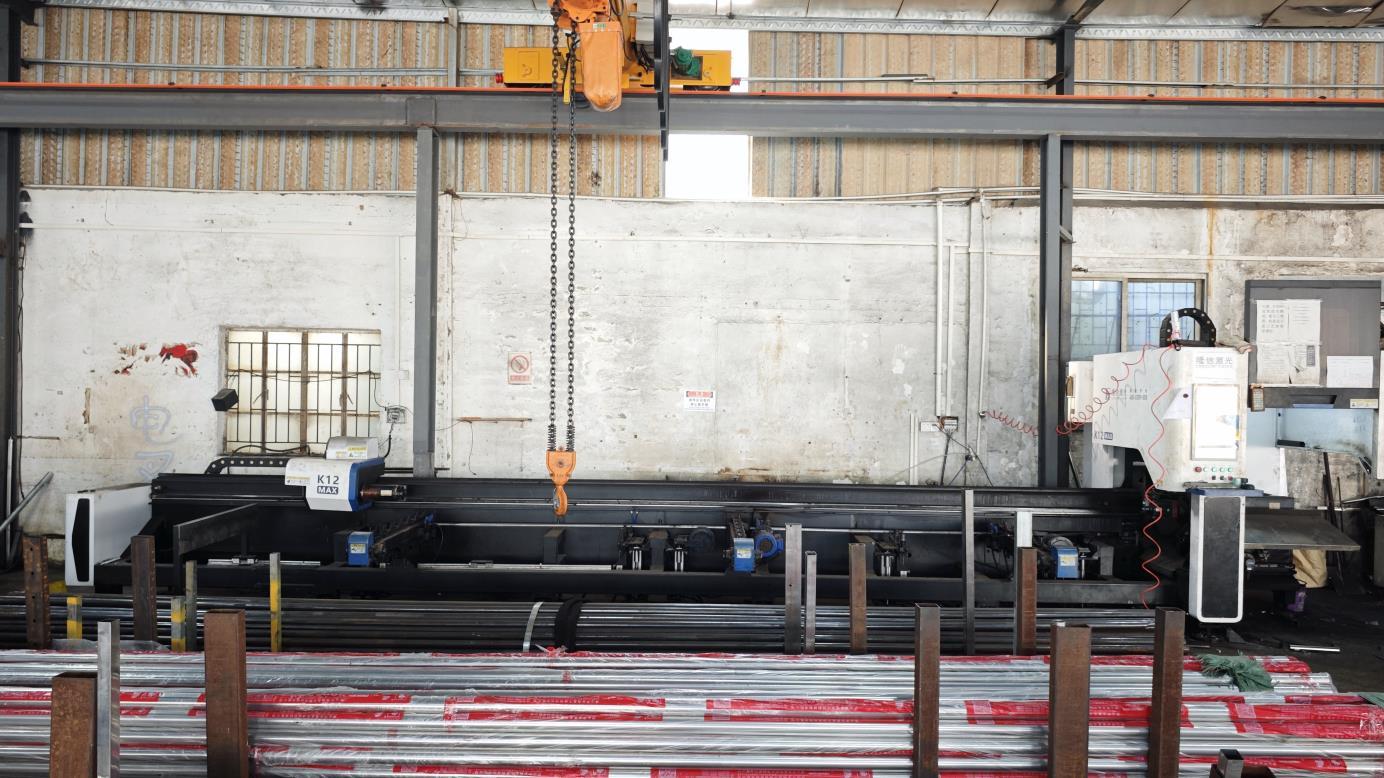
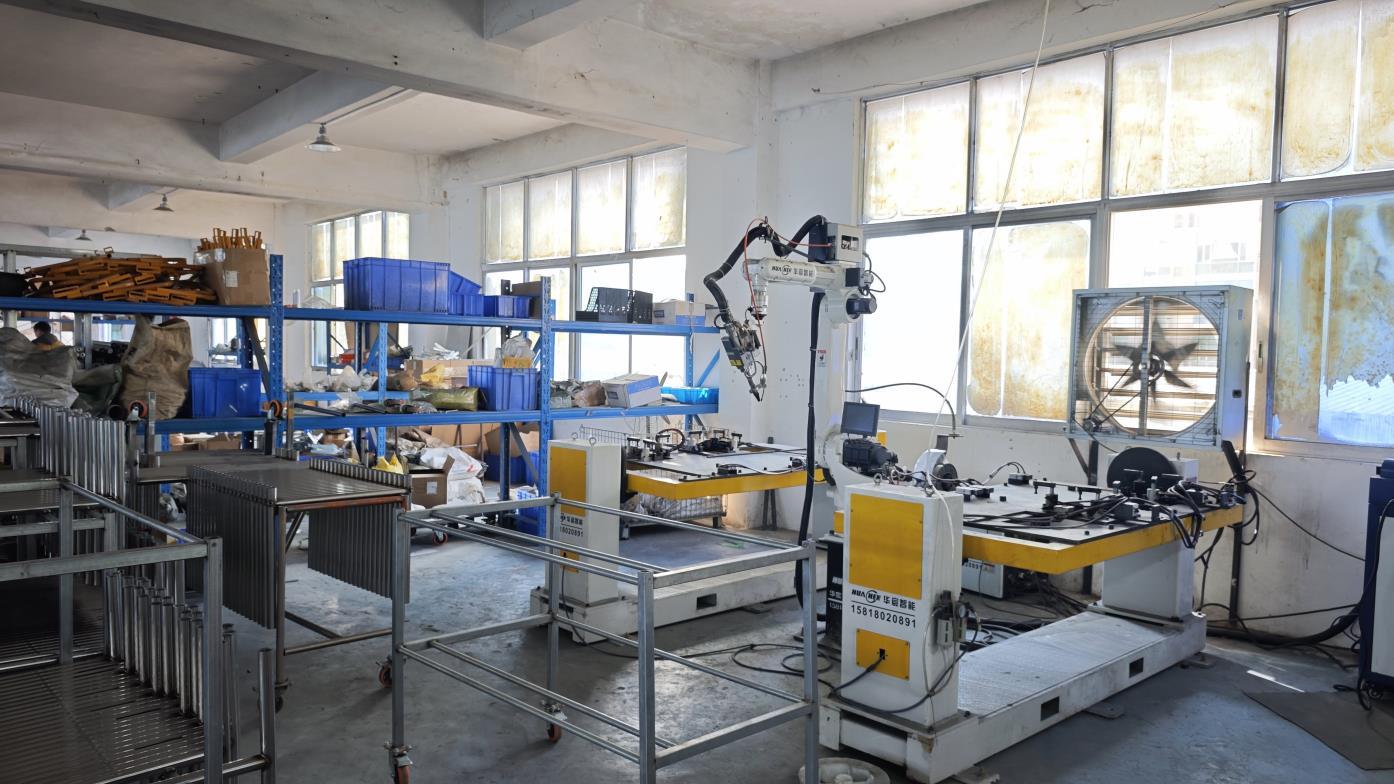
A technical guide on how RAB Logistics engineers storage solutions for challenging seismic, cold chain, and high-load environments.
We perform full static and dynamic analyses in accordance with standard FEM regulations and European Code 8. Racking bases, beam connections, and frame uprights are sized to accommodate local ground accelerations, preventing collapse or excessive deflection during seismic activity.
Extreme temperatures reduce steel ductility. Our specialized cold storage structural racks use high-impact resistant steel grades (e.g., S355JR or Q355D) that undergo rigorous low-temperature testing. This prevents low-stress brittle fractures in operating environments as low as -30°C.
We utilize advanced hot-dip galvanizing and electrostatic powder coating finishes. All structural coatings undergo ASTM-standard salt spray tests to ensure longevity and chemical resistance in high-humidity food processing plants and industrial chemical warehouses.
Bridging heavy structural steel with advanced digital execution, artificial intelligence, and robotic material handling.
The logistics landscape is shifting toward complete automation. Over the next five years, RAB Logistics is focusing its research and development on integrating physical storage components with smart monitoring systems. Key areas of development include:
By blending structural integrity with digital execution, we help global enterprises future-proof their supply chains against shifts in order profiles, labor shortages, and evolving regulatory standards.
Answers to common technical, design, and regulatory compliance queries from global engineering teams.
Explore our heavy-duty racking, automated storage solutions, and durable distribution equipment.
 RAB Logistics