In modern industrial supply chains, maintaining strict environmental conditions is no longer just an operational preference; it is a critical regulatory and safety imperative. Temperature Monitoring Systems have evolved from simple manual loggers to advanced, real-time IoT ecosystems that safeguard valuable assets across massive global networks. This evolution is driven by the rapid growth of the global pharmaceutical, food preservation, chemical manufacturing, and logistics industries.
Today, multinational companies face stringent compliance mandates such as the FDA's 21 CFR Part 11, European Good Distribution Practice (GDP) guidelines, and global Hazard Analysis Critical Control Point (HACCP) standards. These regulations dictate that temperature-sensitive products—such as biologics, vaccines, fresh food, and precision electronics—must be traced throughout their entire lifecycle. Consequently, selecting a premier temperature monitoring system manufacturer has become one of the most critical steps in establishing a resilient and compliant supply chain.
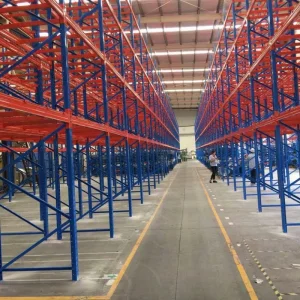
Sourcing structural warehousing racks, AGV materials handlers, and integrated sensor platforms directly from leading Chinese manufacturers offers substantial strategic advantages. Factories situated in advanced industrial corridors benefit from an unmatched concentration of raw material access, specialized engineering talent, and vertically integrated production components.
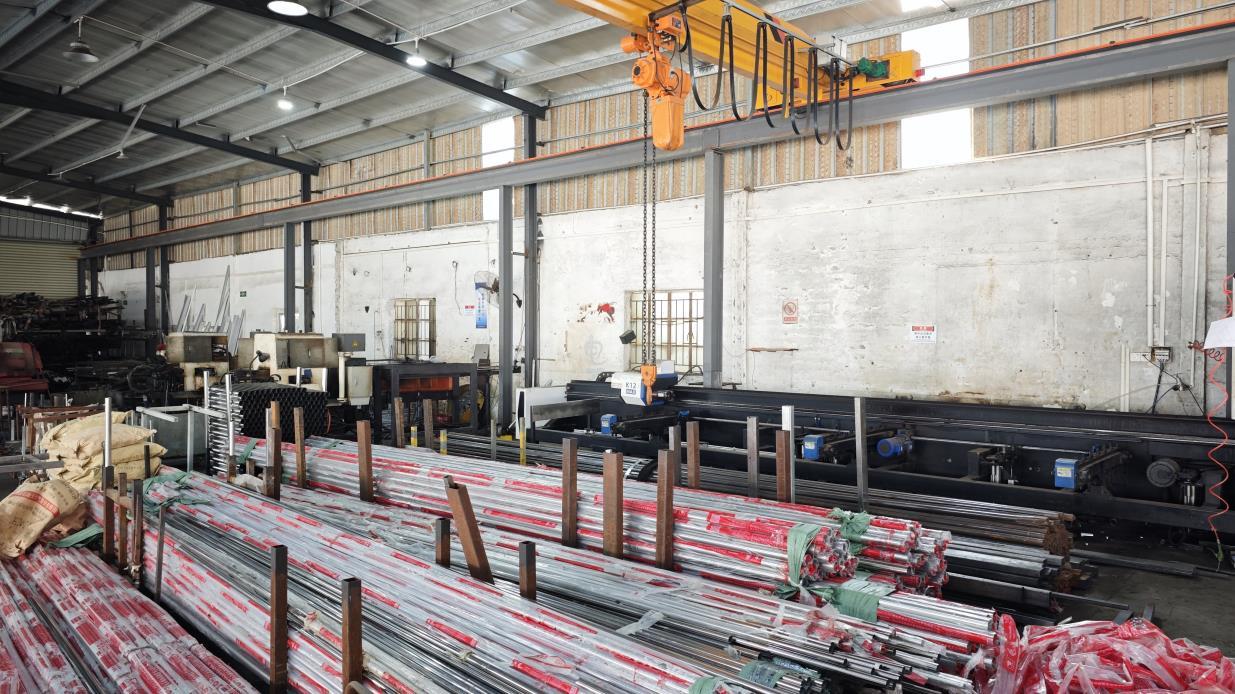
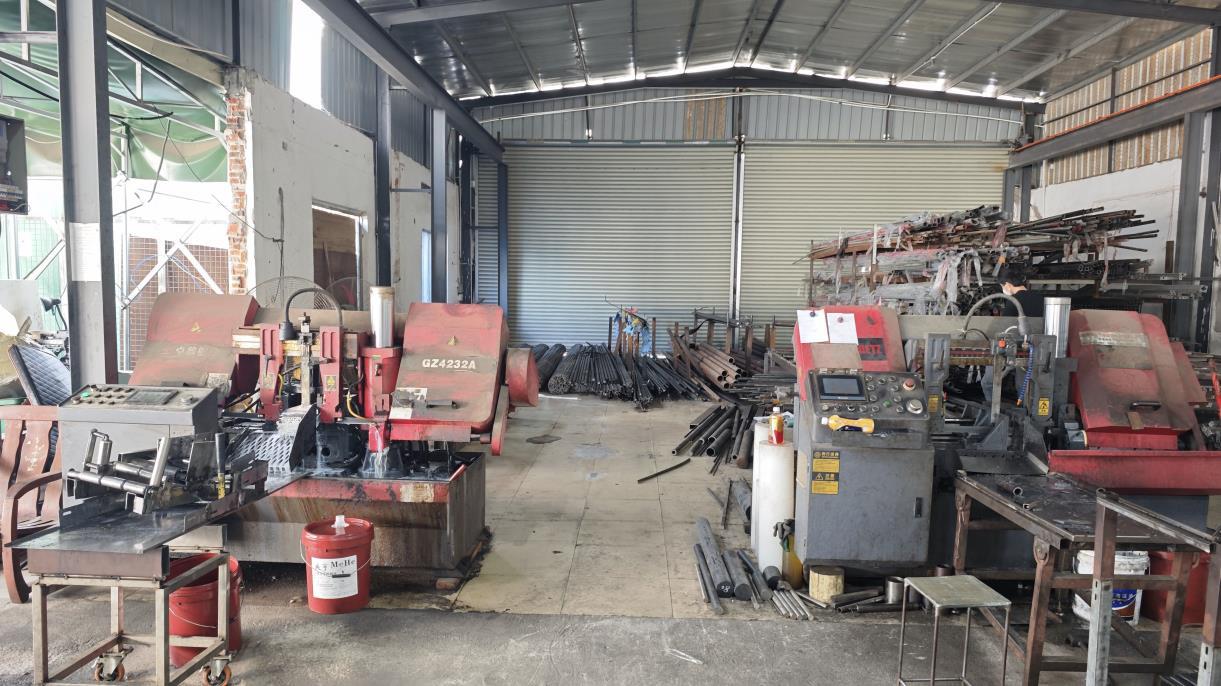
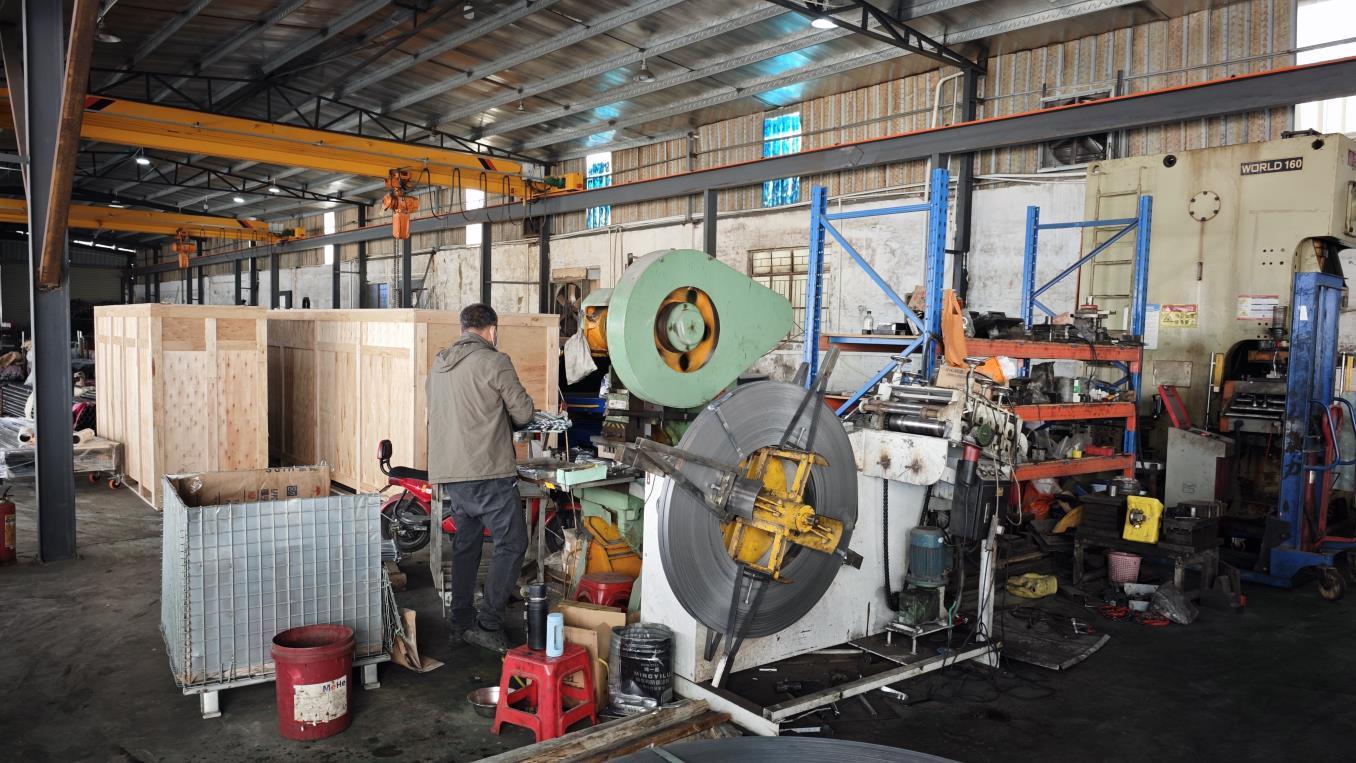
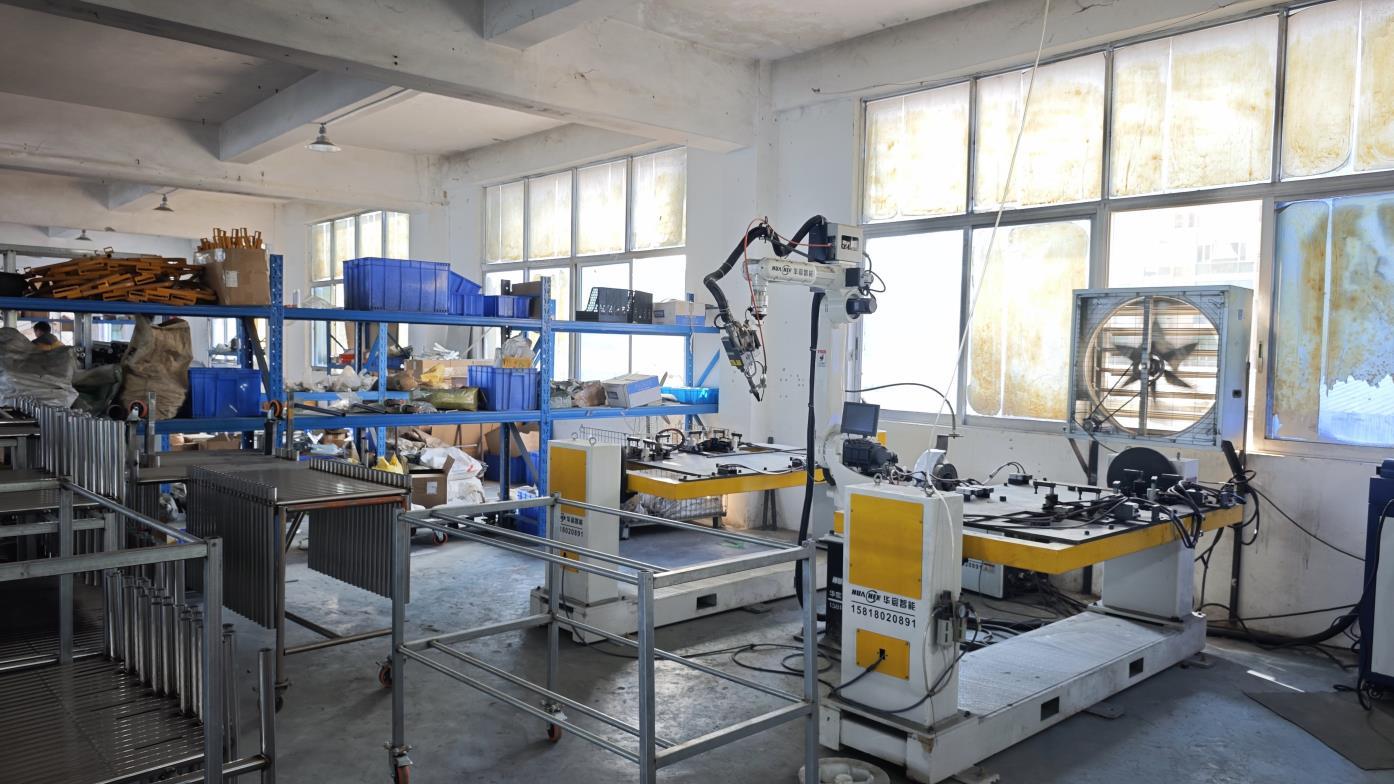
By leveraging automatic CNC cutting, robotic multi-spot welding, and high-precision bending machinery, Chinese factories produce structural racking, steel warehousing bases, and mechanical parts with tolerances measured in fractions of a millimeter. This guarantees long-term durability in extreme sub-zero cold-storage facilities.
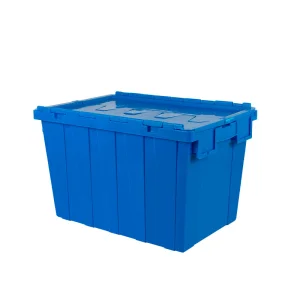
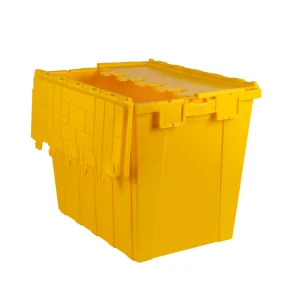
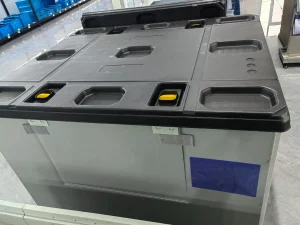
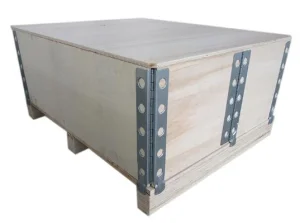
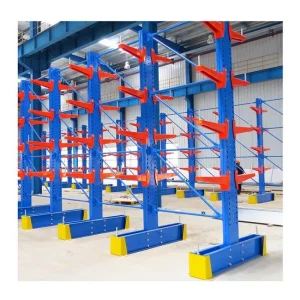
From custom-engineered heavy-duty cantilever racks to high-impact foldable plastic pallet box collars, facilities in China can scale production rapidly. B2B buyers receive bespoke physical layouts and storage components tailored to their exact temperature monitoring hardware and system parameters without paying premium custom fees.
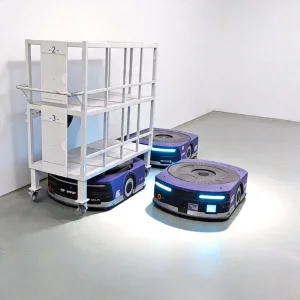
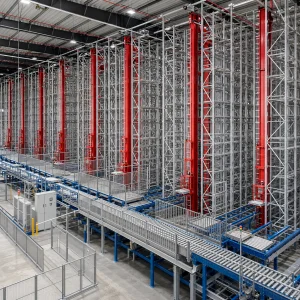
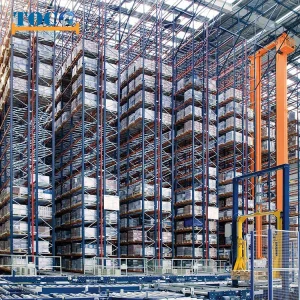
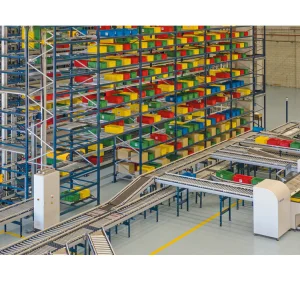
Furthermore, Chinese suppliers have integrated structural storage with software and robotic components. By delivering comprehensive hardware systems—ranging from automated stacker cranes with integrated sensor ports to heavy-duty teardrop pallet racking configured for ventilation systems—Chinese manufacturers provide global buyers with a single, highly efficient point of contact for complex warehouse designs.
Hangzhou RAB Logistics Co., Ltd. is a professional provider of intelligent warehousing and modern logistics solutions. Built on years of industry experience and continuous technological innovation, RAB Logistics is committed to helping enterprises transform traditional warehouse operations into highly automated, data-driven, and efficient supply chain systems.
Since its establishment, the company has focused on integrating advanced logistics technologies such as Warehouse Management Systems (WMS), Automated Storage and Retrieval Systems (AS/RS), AGV/AMR robotics, intelligent sorting systems, and real-time data visualization platforms. These solutions enable clients to achieve higher operational accuracy, faster fulfillment speed, and significantly reduced logistics costs.
RAB Logistics serves a wide range of industries including manufacturing, cross-border e-commerce, fast-moving consumer goods (FMCG), pharmaceuticals, and automotive parts. Our solutions are trusted for their stability, innovation, and proven performance in complex, high-demand environments. By choosing Hangzhou RAB Logistics Co., Ltd., you are selecting a long-term strategic partner dedicated to building smarter warehouses, optimizing supply chains, and empowering businesses with sustainable competitive advantages in the era of intelligent logistics.
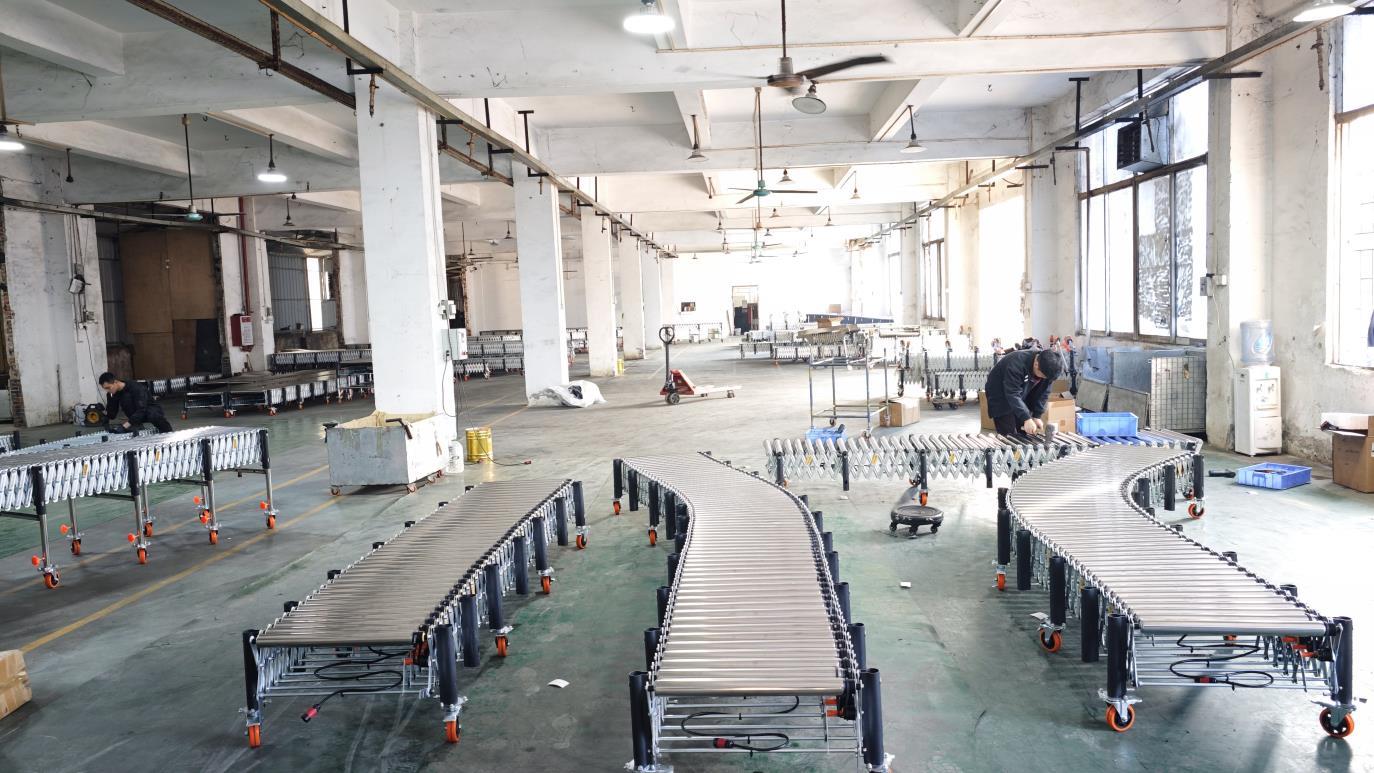
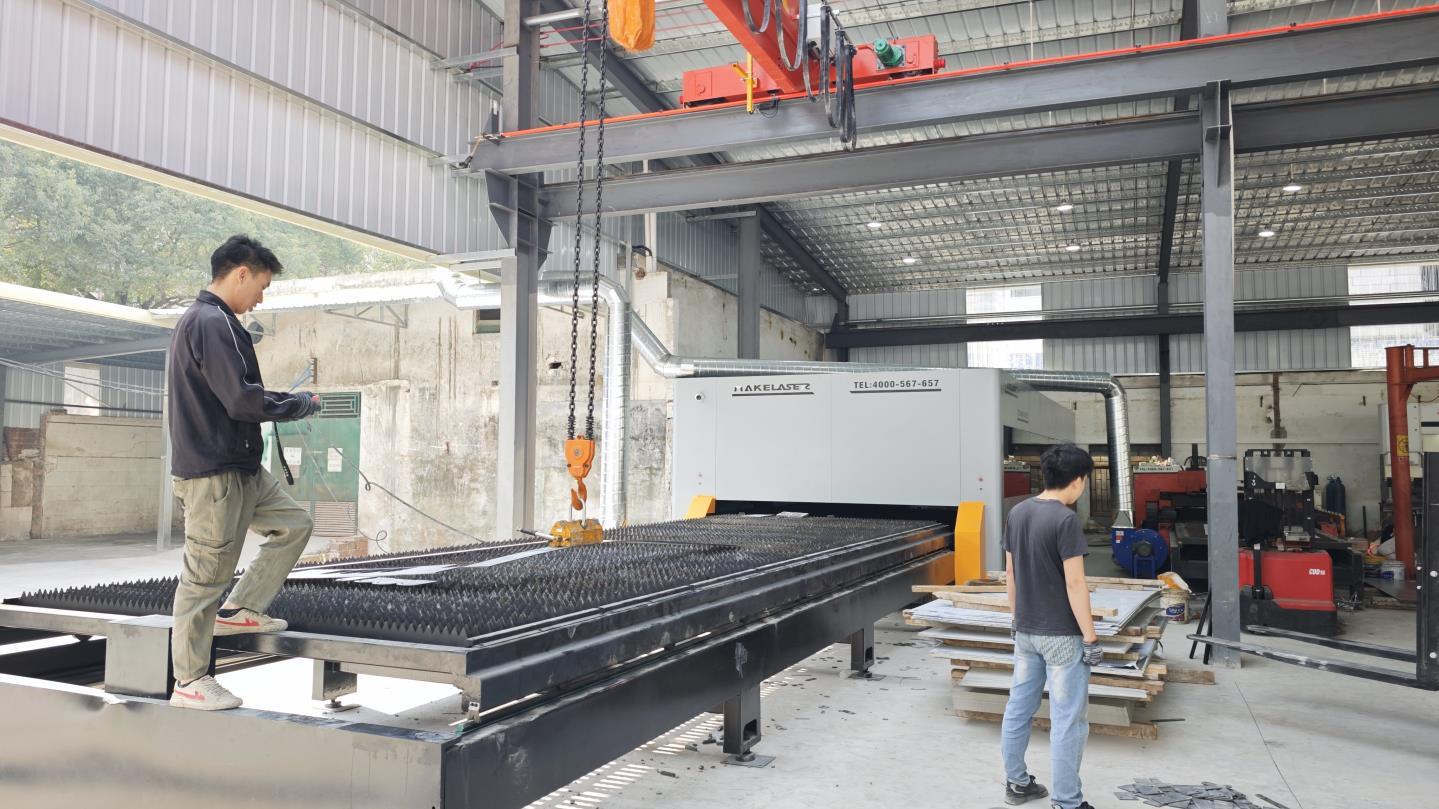
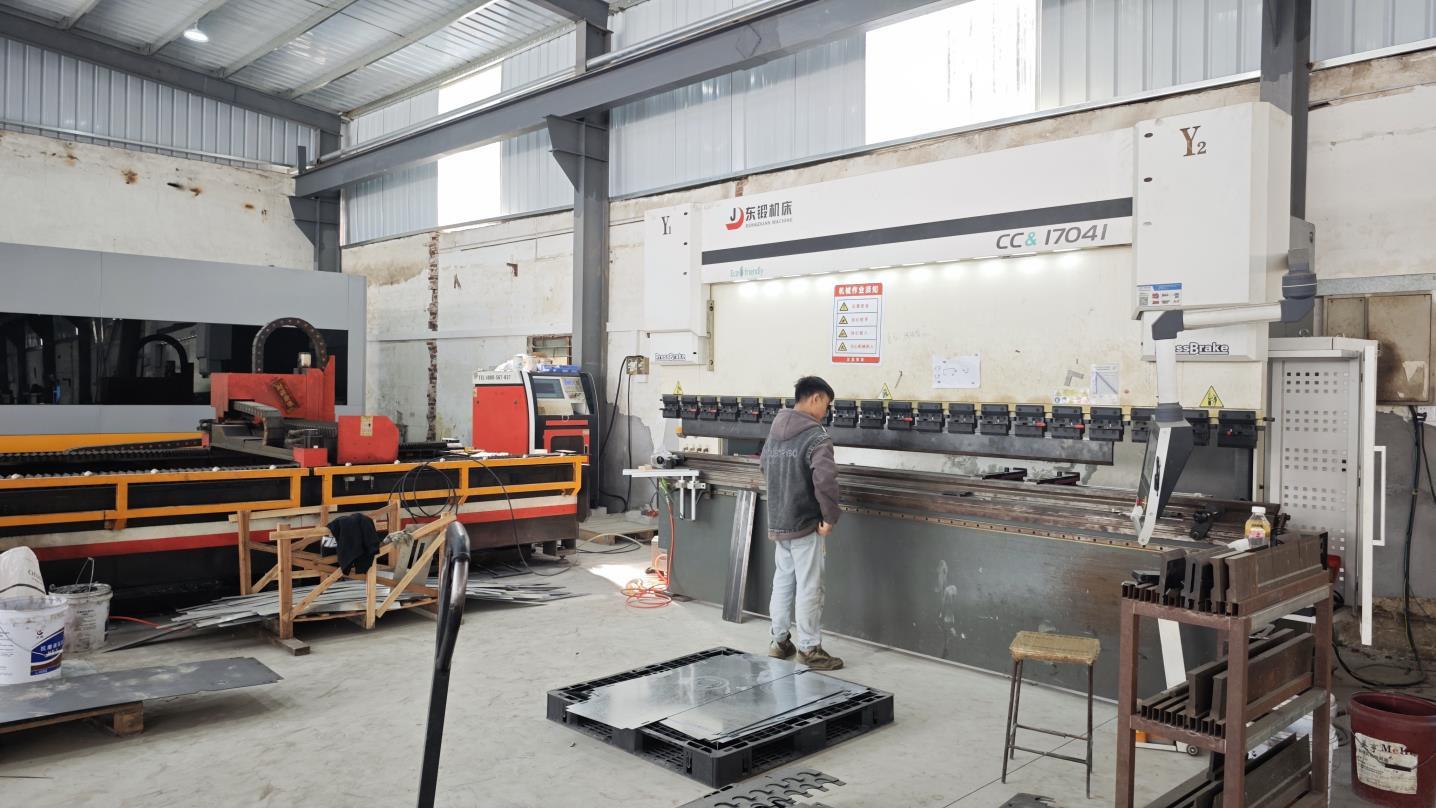
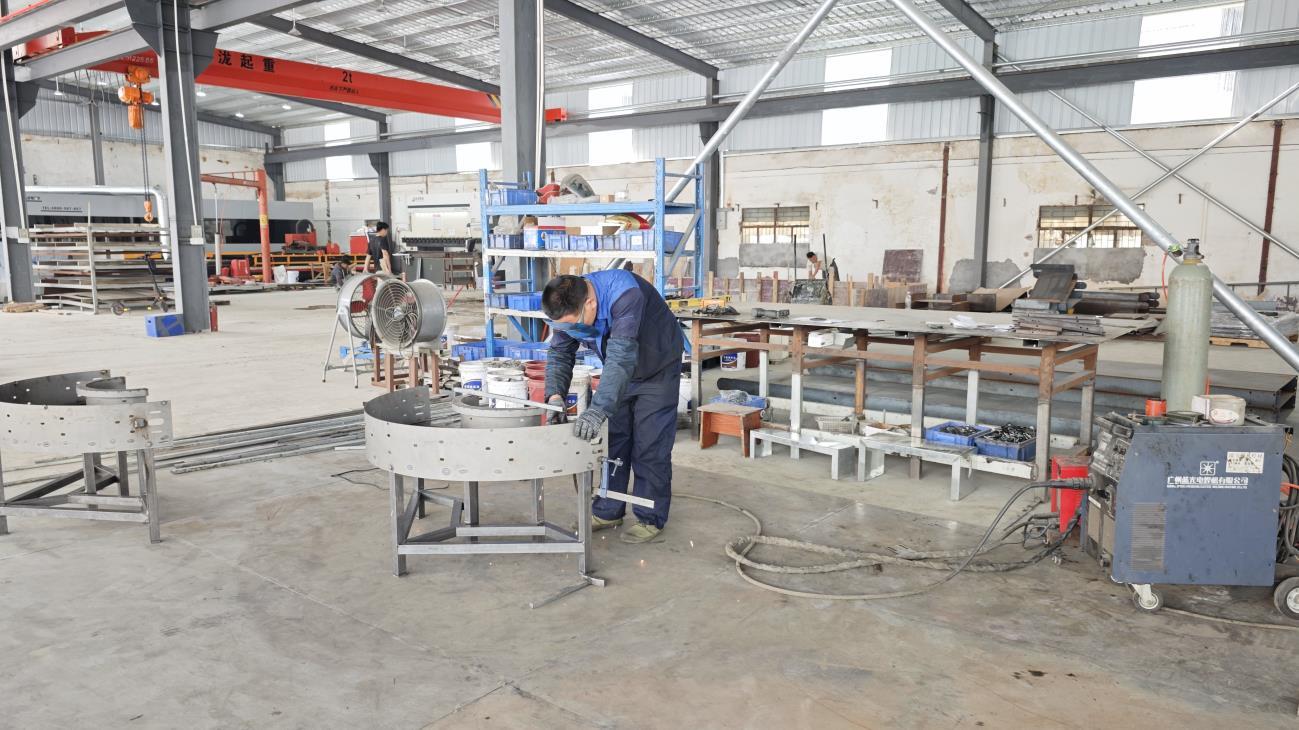
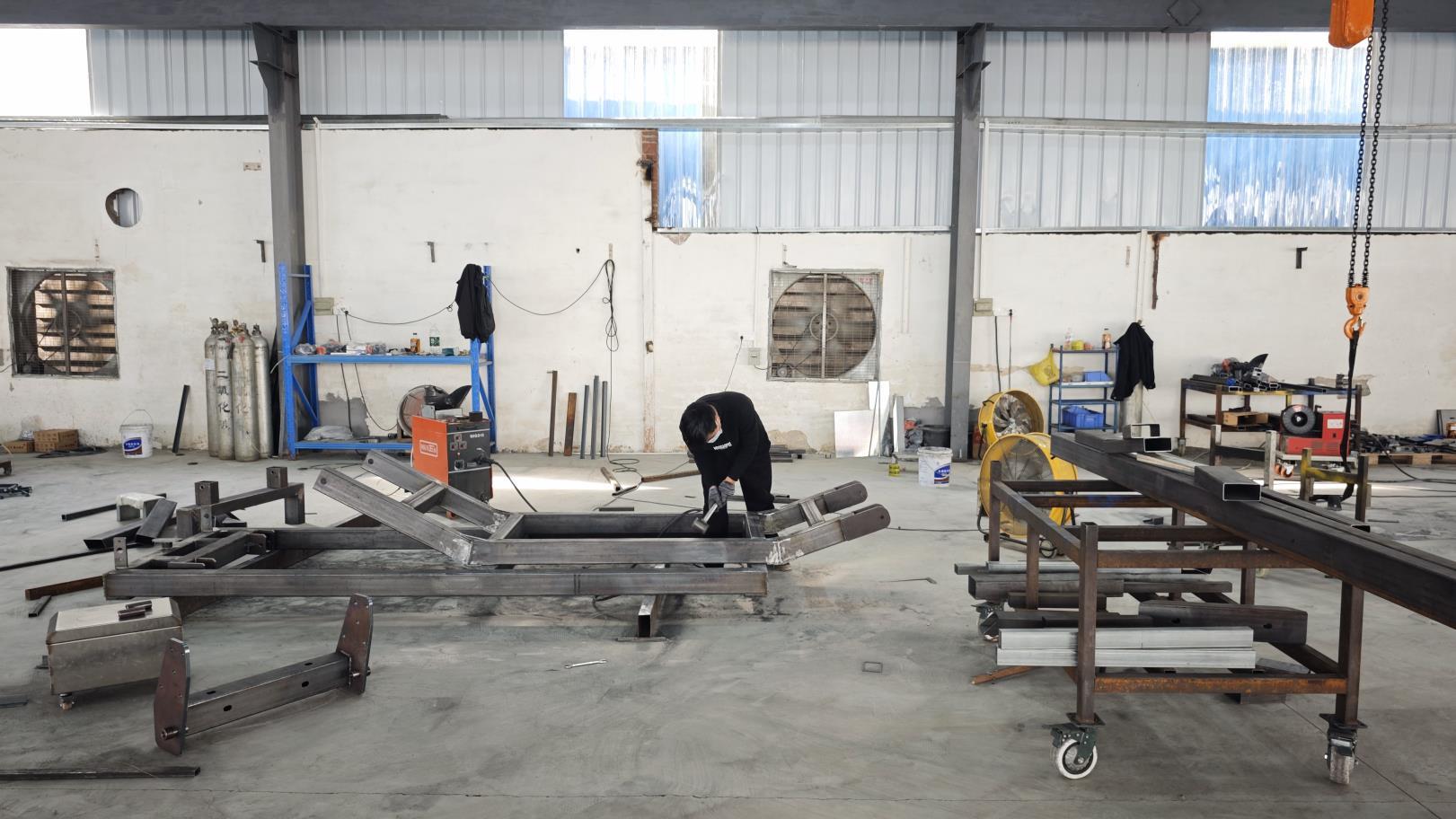
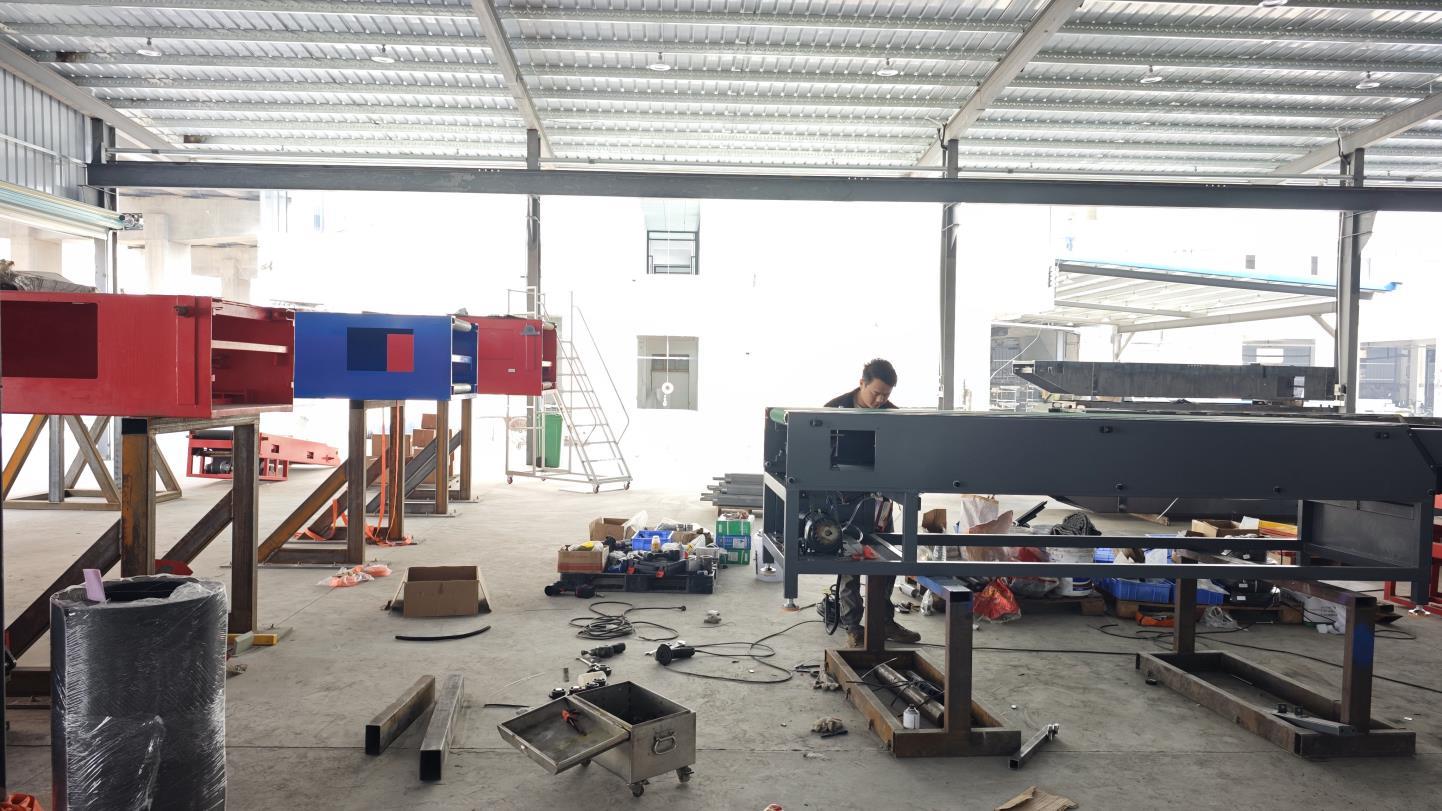
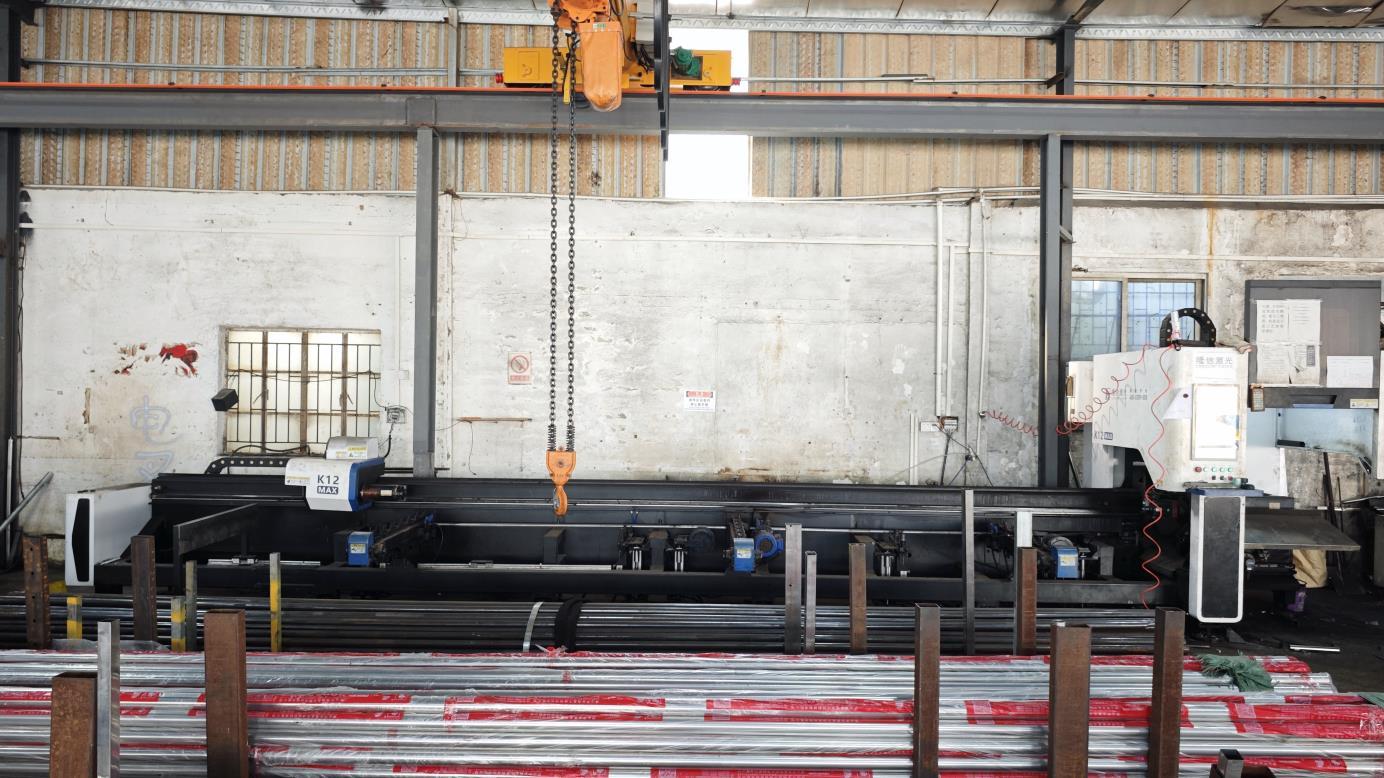
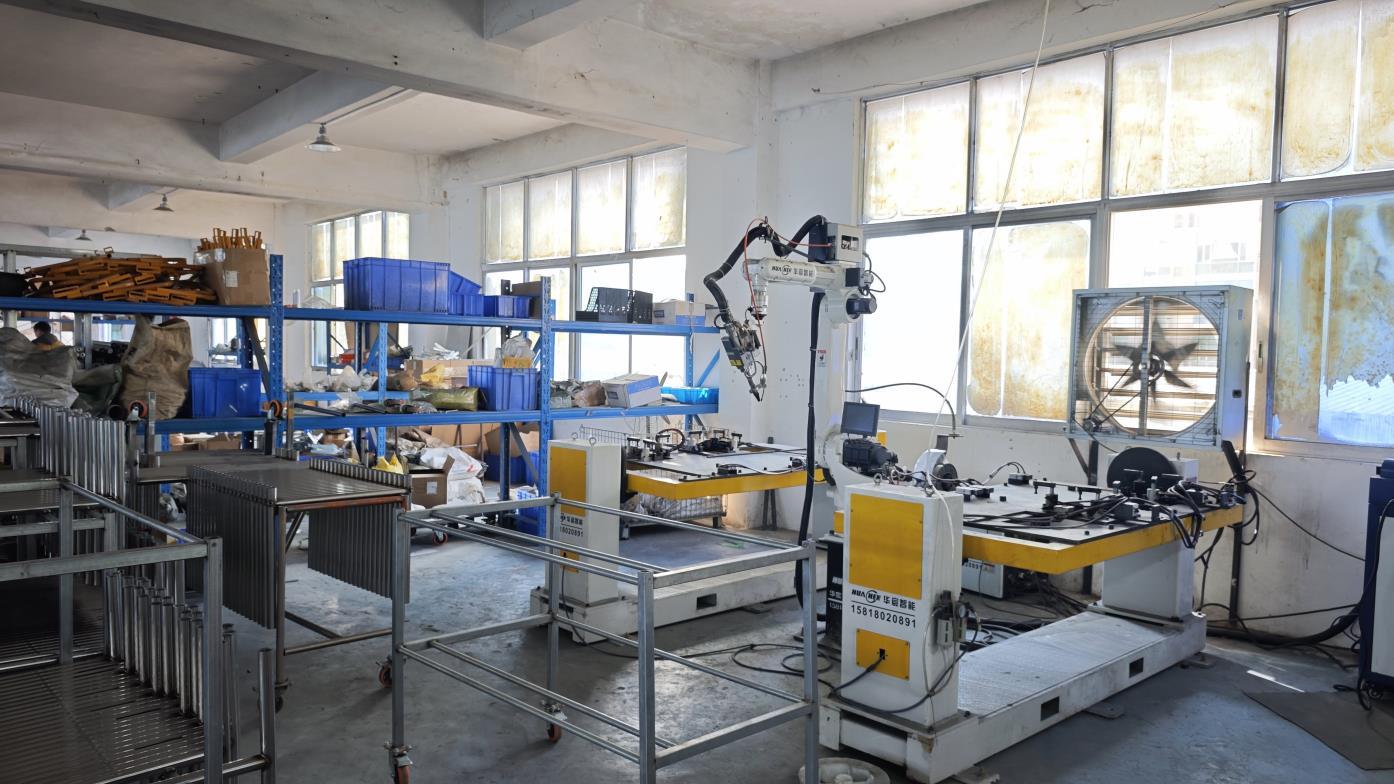
Temperature-controlled warehousing systems must be highly responsive to localized logistics models and environmental profiles. Below are three key scenarios demonstrating how smart physical infrastructure and sensing technology converge:
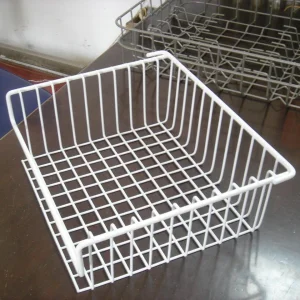
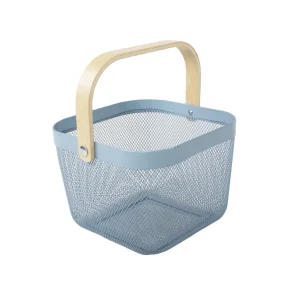
Pharmaceutical products require precise micro-climate management. A variation of even 1°C can compromise the efficacy of life-saving medical supplies. Our integrated logistics systems pair high-airflow metal wire mesh baskets with smart temperature sensors to ensure constant, unobstructed air circulation inside freezer chambers, eliminating dangerous local hot spots.
In high-throughput food distribution centers, time and temperature are the main constraints. Stacker cranes and automated AS/RS racking systems expedite storage and retrieval, ensuring perishable foodstuffs remain within the target thermal window. WMS software monitors real-time environmental metrics and adjusts cooling dynamically, preventing cold losses when bay doors open.
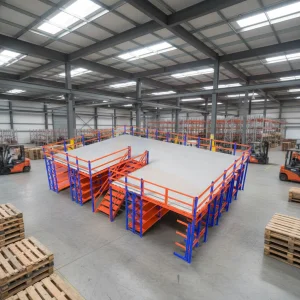
Manufacturing raw chemical storage, high-density batteries, and high-performance polymers demand custom environmental conditions. Heavy-duty cantilever racks and steel structure warehouse frameworks from RAB Logistics are engineered to withstand low temperatures, and feature custom mounts to support continuous sensor grids and airflow systems.
As industry operations become more automated, the thermal logistics segment is adopting several key trends:
Global procurement teams looking to secure tier-1 warehousing hardware and tracking solutions must prioritize three essential criteria to protect their supply chain:
Racks and pallets used in cold conditions must handle extreme physical stress. Always select manufacturers using high-grade structural steel (e.g., Q355 steel) and protective coatings that resist corrosion from condensation.
Avoid isolated systems. Storage racks, AS/RS setups, and AGVs should work seamlessly with major ERP and WMS applications, allowing simple plug-and-play connection of environmental monitoring sensors.
By partnering with verified industrial manufacturers like Hangzhou RAB Logistics Co., Ltd., global enterprises receive durable structural components alongside advanced software and automation. This combination provides a complete solution that meets strict regulatory standards and maintains optimal product safety.
 RAB Logistics