State-of-the-art intralogistics systems designed for maximum volumetric throughput and rapid capital payback.
In the current economic climate, industrial warehousing has transitioned from a standard real estate cost center to a critical nexus of supply chain competitive advantage. When enterprise buyers evaluate logistics equipment—ranging from autonomous mobile robots (AMRs) to high-density Automated Storage and Retrieval Systems (AS/RS)—they are not simply acquiring physical steel or software. They are buying guaranteed throughput capability and calculated capital payback.
A comprehensive Return on Investment Analysis maps the relationship between Initial Capital Expenditure (CAPEX) and long-term Operational Expenditure (OPEX) reductions. For heavy-duty automation systems, calculating the financial viability requires modeling labor savings, space utilization increases, energy efficiency improvements, error reduction values, and system resilience under fluctuating market demands.
Global supply chain investments require heavy oversight from CFOs and operations directors. The search intent behind "Return on Investment Analysis" in manufacturing plants and distribution hubs focuses heavily on mitigation of investment risks, system longevity, and operational scalability.
RAB Logistics provides full lifecycle ROI transparency. By modeling exact operational parameters, material flow designs, and maintenance schedules, we ensure that our global partners understand the exact point of payback and the long-term cash flow advantages generated by intelligent logistics.
How different industrial verticals leverage automated solutions to achieve optimized operational efficiency.
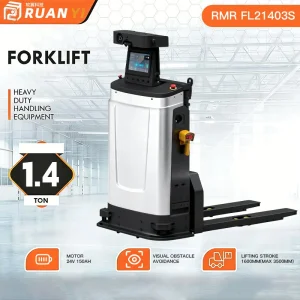
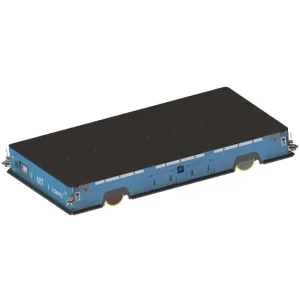
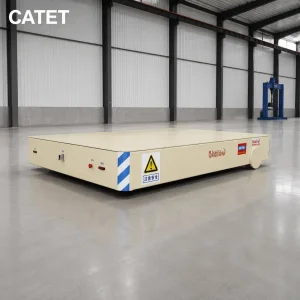
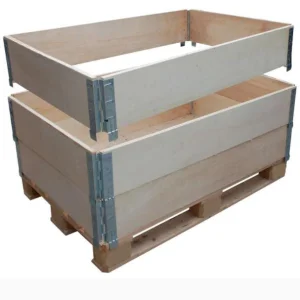
Integrating heavy-load 10 Ton AGVs and custom pallet collar boxes for just-in-time delivery systems. Automation reduces component staging transit times, minimizing assembly line stoppages and yielding payback within 18 months via continuous multi-shift operation.
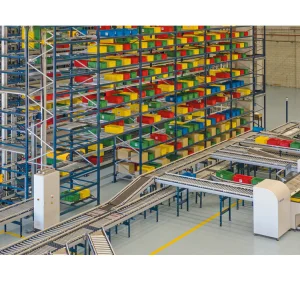
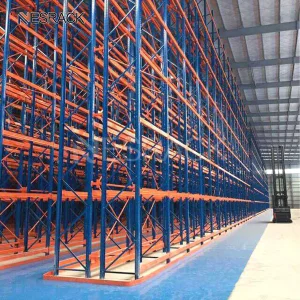
Deploying AS/RS shuttle systems and autonomous mobile stacking forklifts for dynamic order fulfillment. Space utilization is optimized up to 300% relative to standard racking, dramatically reducing overhead costs in highly-priced zones near urban hubs.
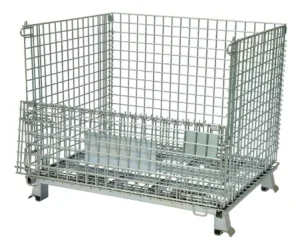
Utilizing high-density stackable wire containers and automatic storage racking under strict temperature controls. High-density structures limit thermal envelope volume, resulting in an immediate 35% reduction in refrigeration utility expenses.
Aligning hardware life expectancies with AI-driven software interfaces to maximize system lifetime value.
Transitioning from traditional magnetic tape guidance to LiDAR SLAM combined with vision-based AI. This allows rapid rerouting and removes the need for physical infrastructure modifications in operational spaces, speeding up time-to-value.
Developing lightweight, structurally optimized components combined with multi-directional shuttles. This design minimizes structural dead weight, reduces power draw, and accommodates building heights of up to 40 meters.
Using cloud-connected Warehouse Management Systems (WMS) built on microservice models. By leveraging predictive algorithms for real-time inventory staging, the system anticipates daily outbound peaks, reducing picking cycles by 40%.
Implementing standardization frameworks such as VDA 5050 to ensure AGV fleets from different manufacturers communicate seamlessly with central logistics software. This reduces vendor-lock risk and protects initial equipment capital.
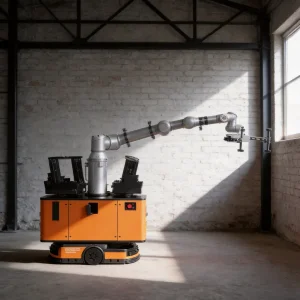
Take an inside look at our manufacturing facilities, utilizing robotic systems and strict quality controls to build high-performance logistics equipment.
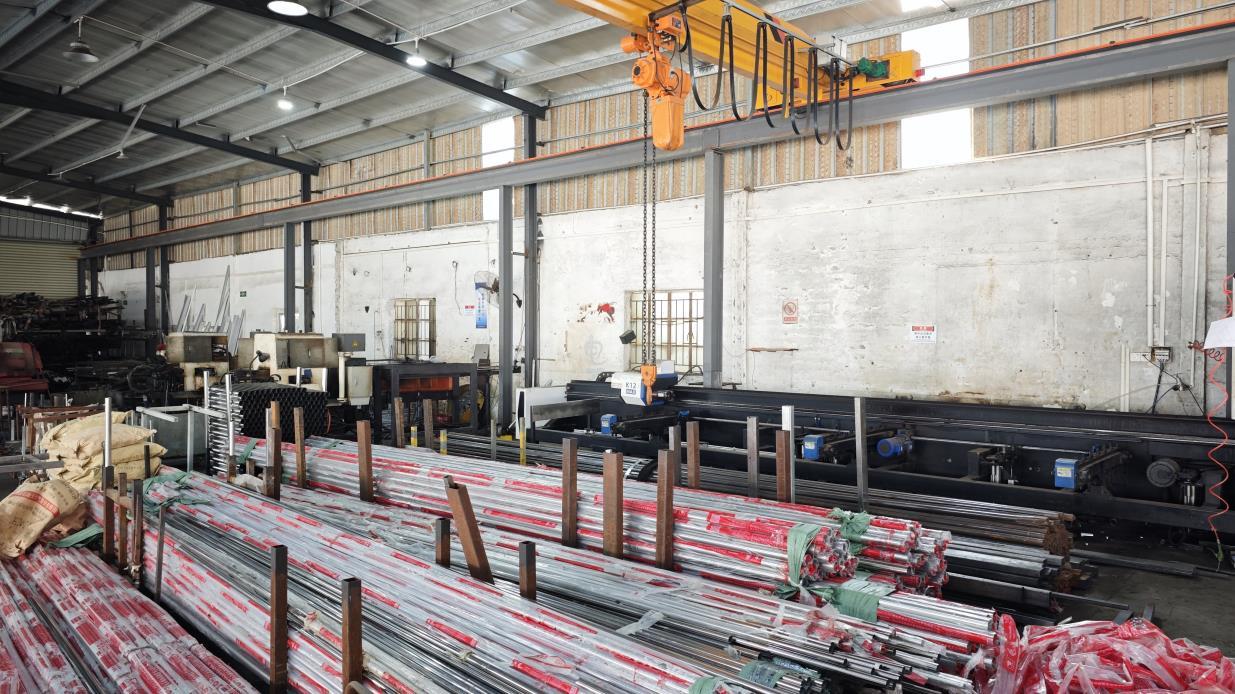
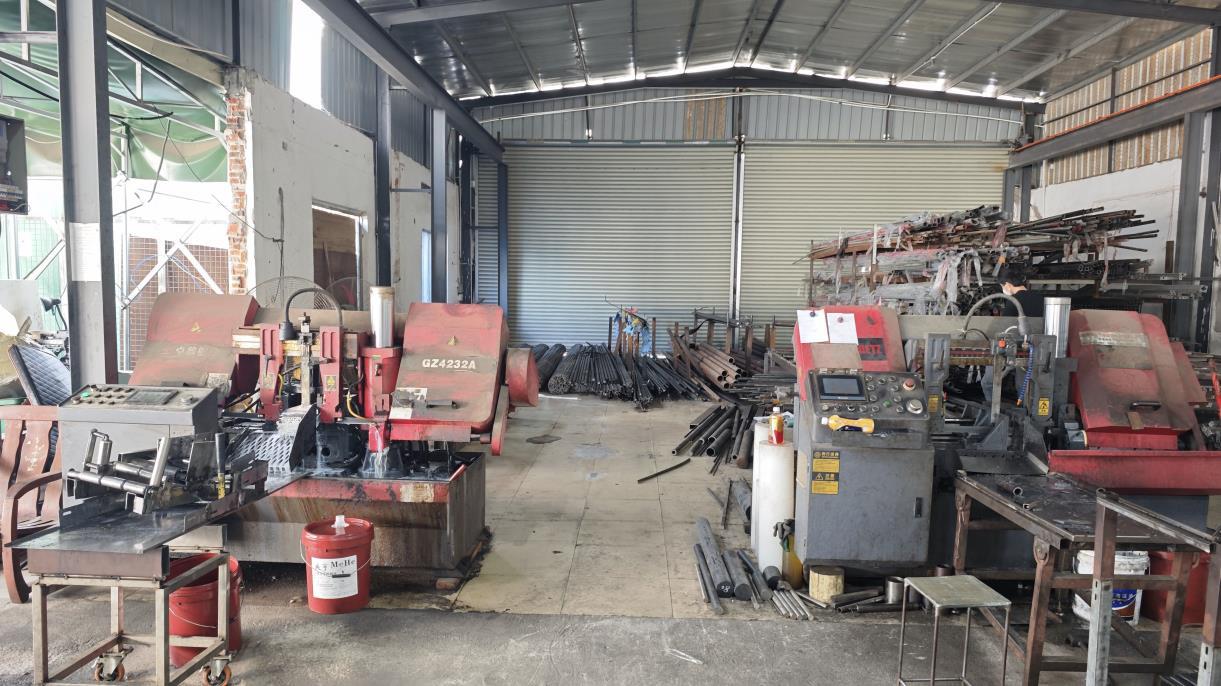
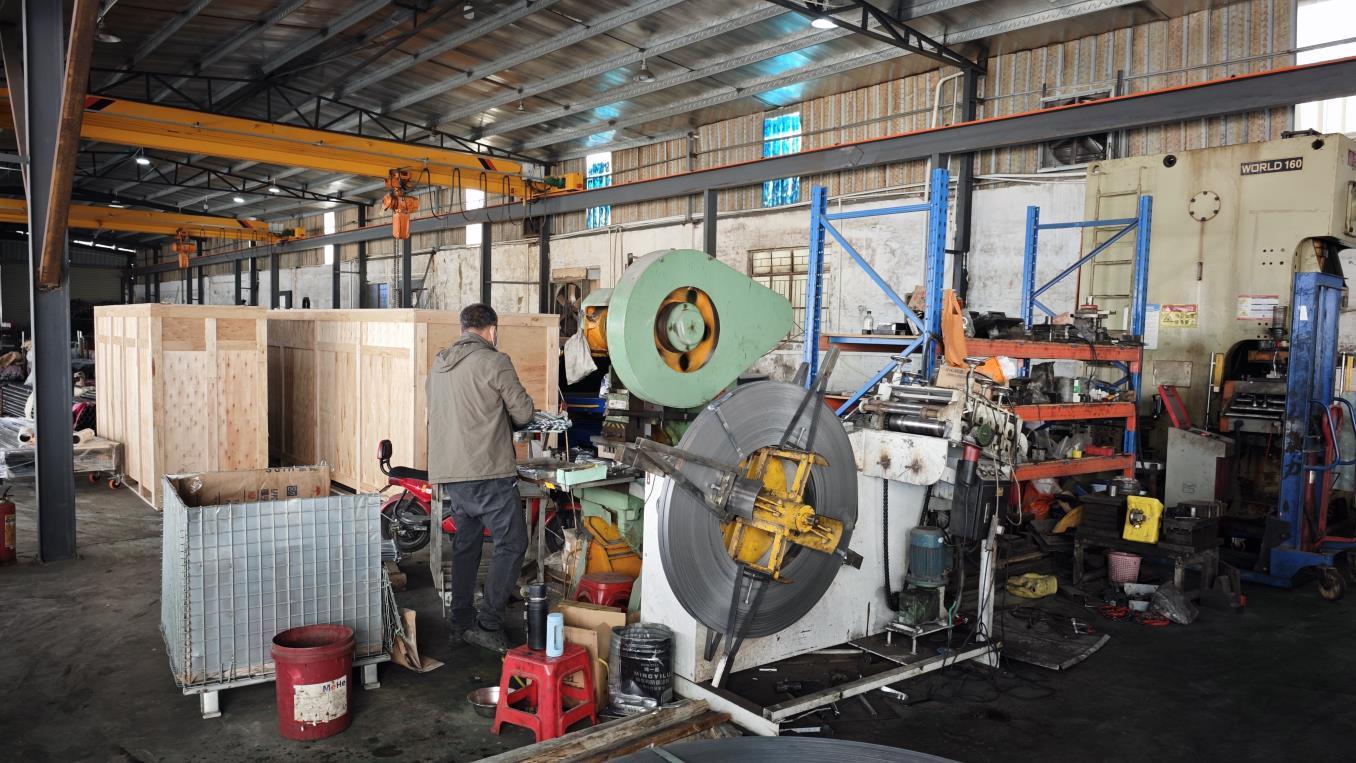
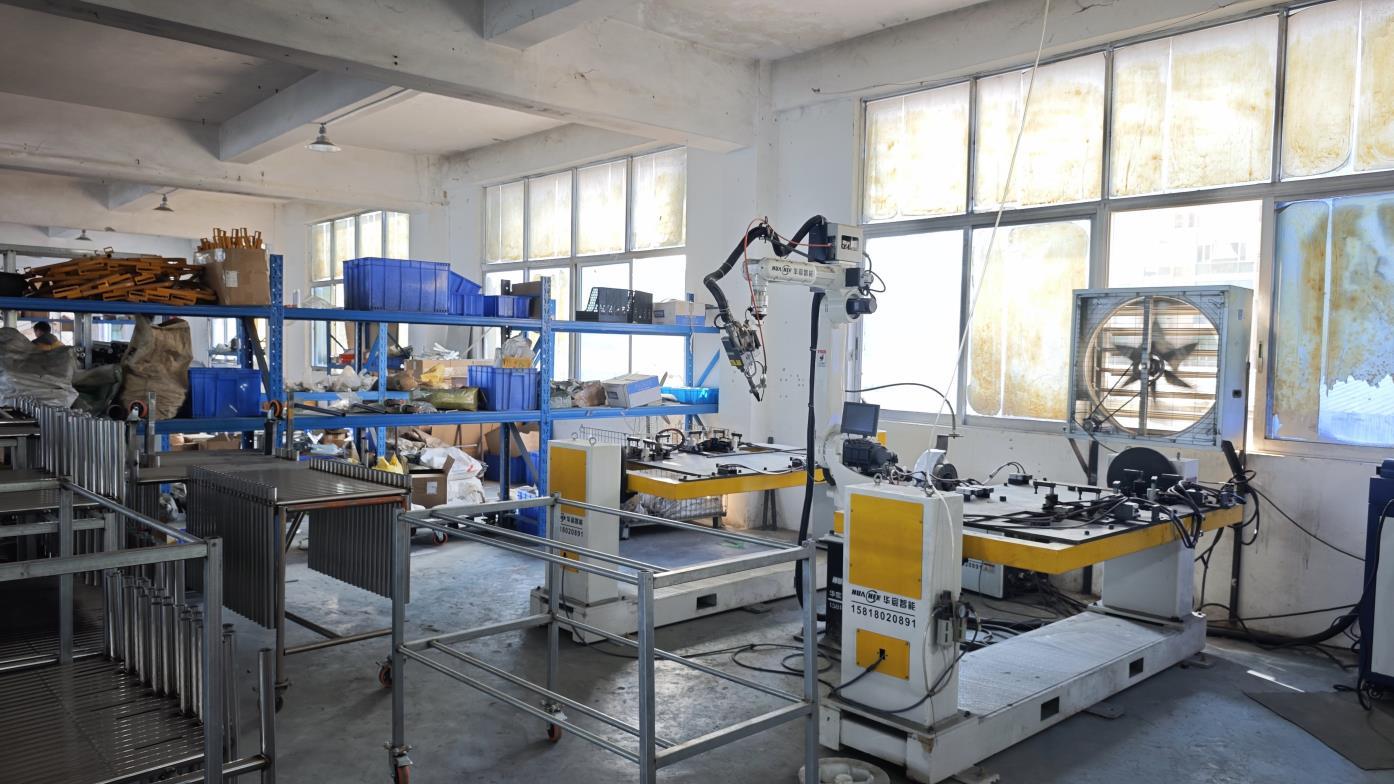
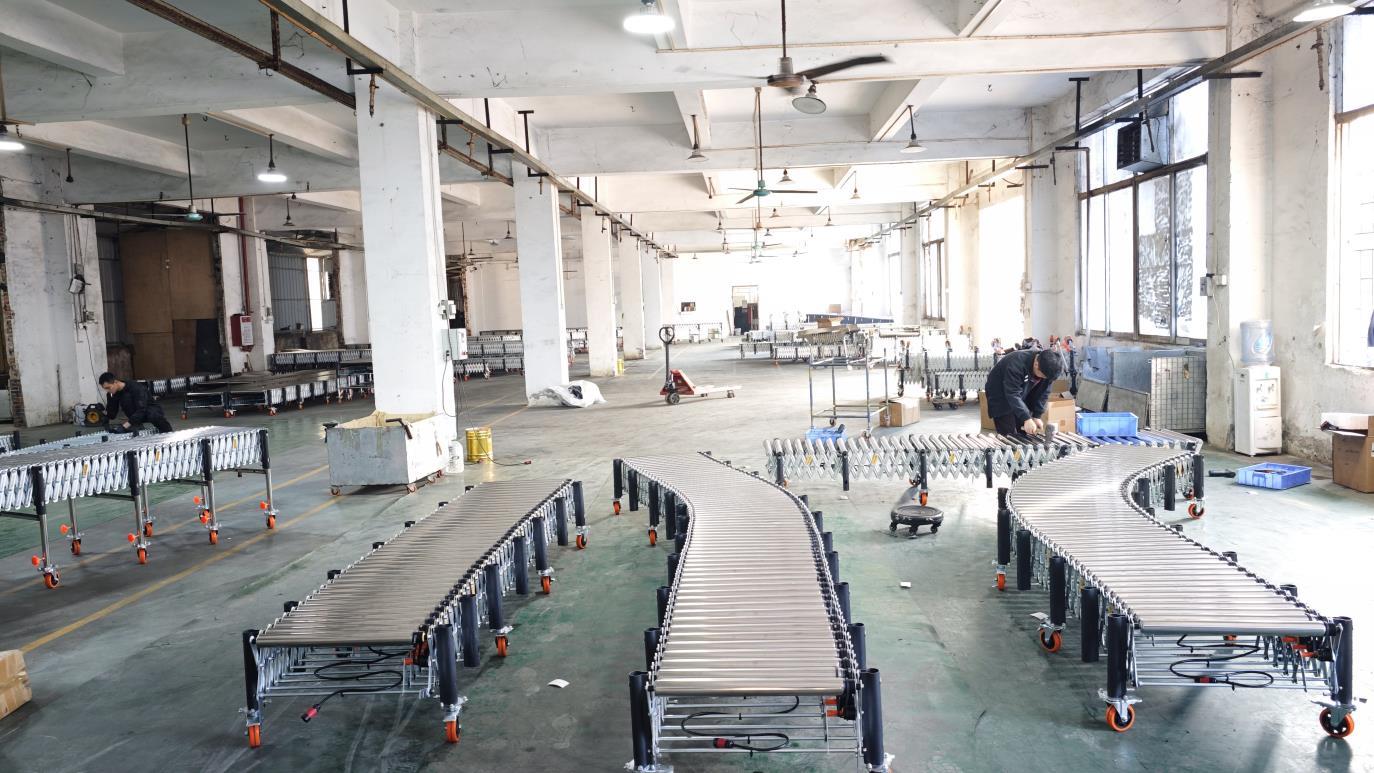
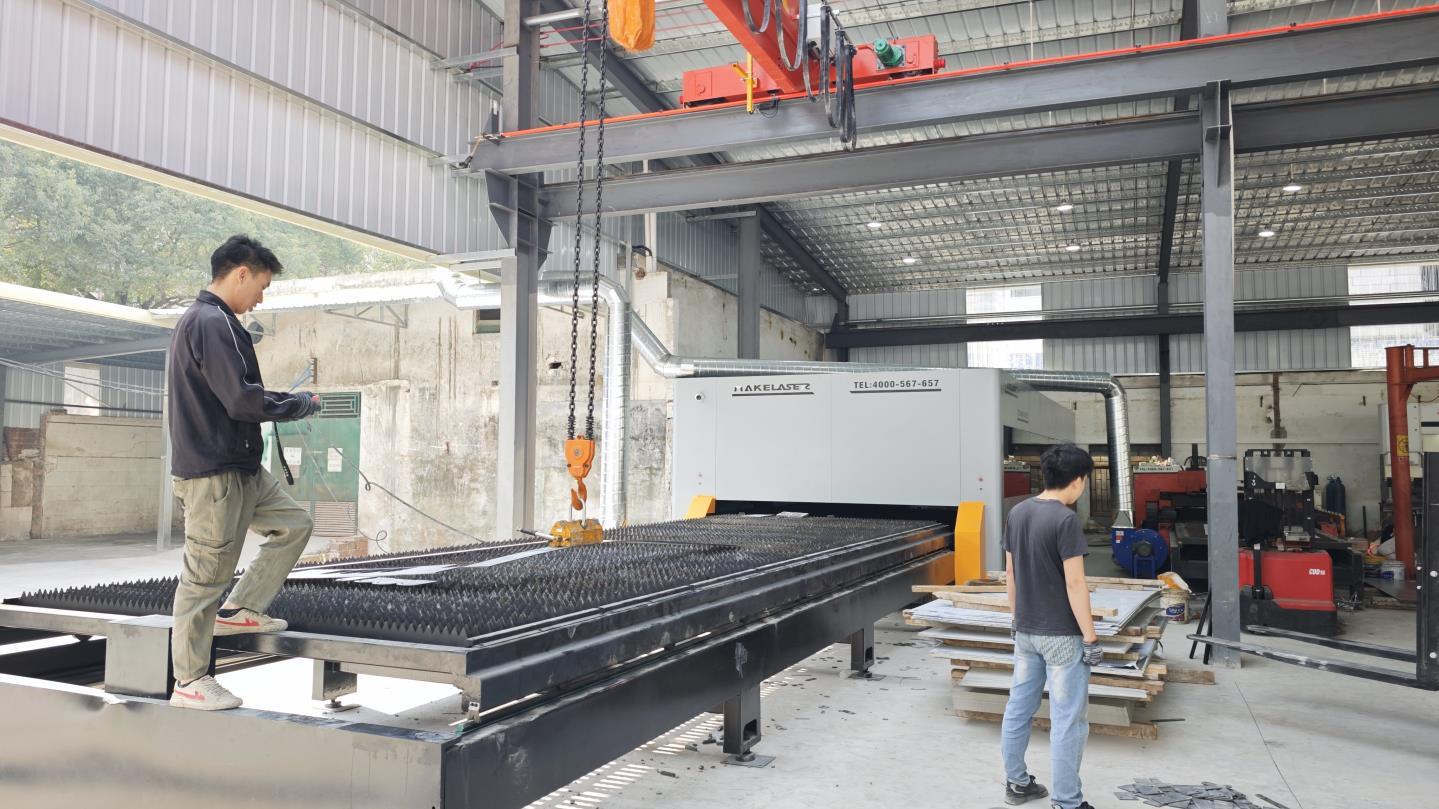
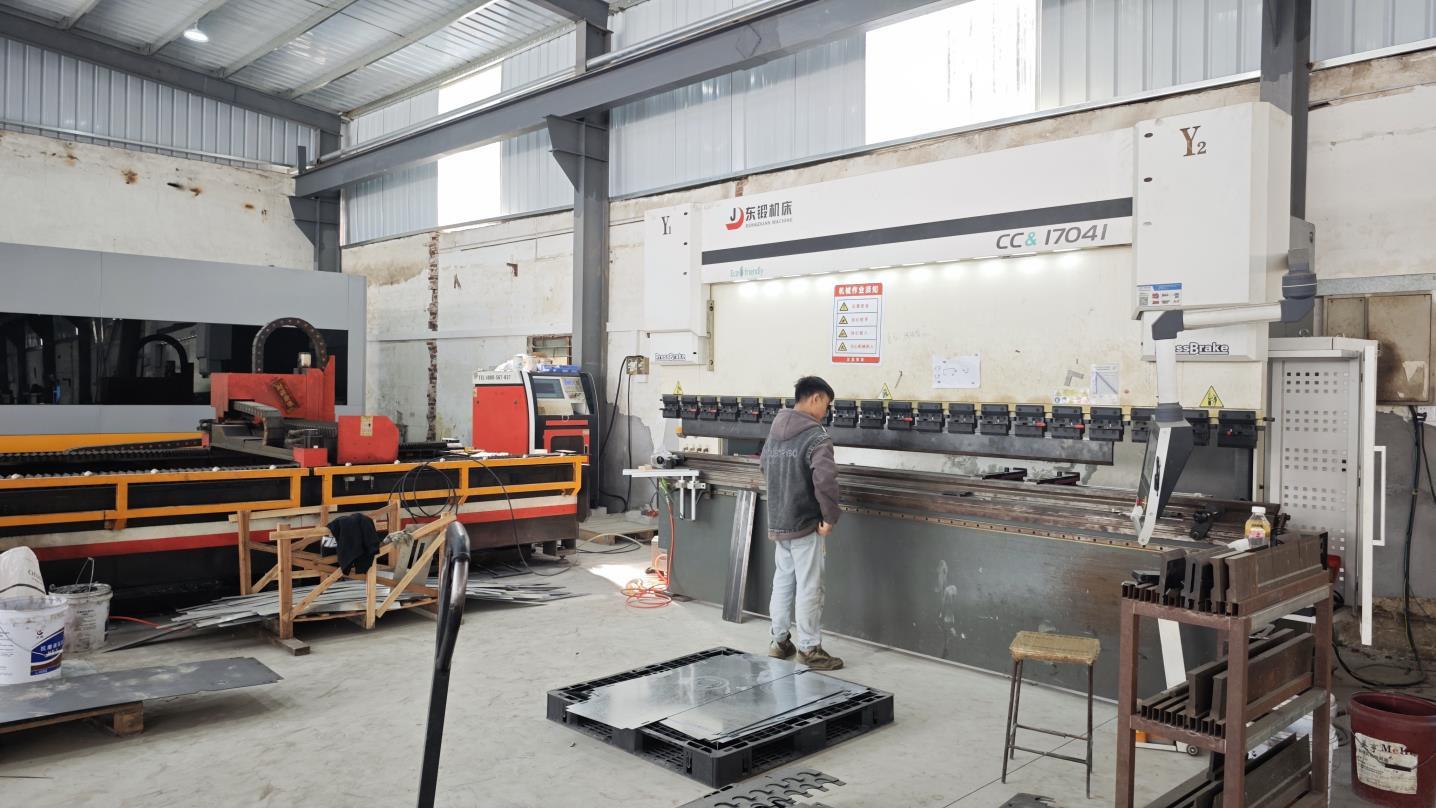
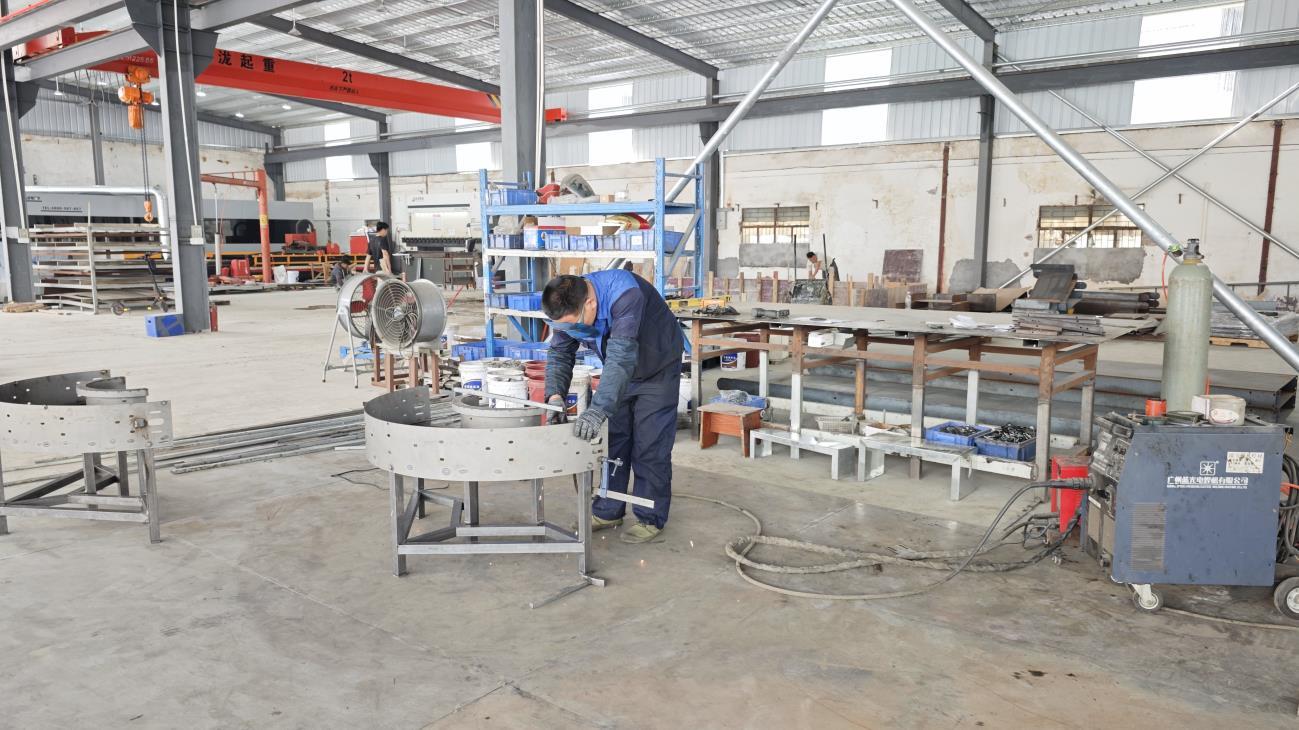
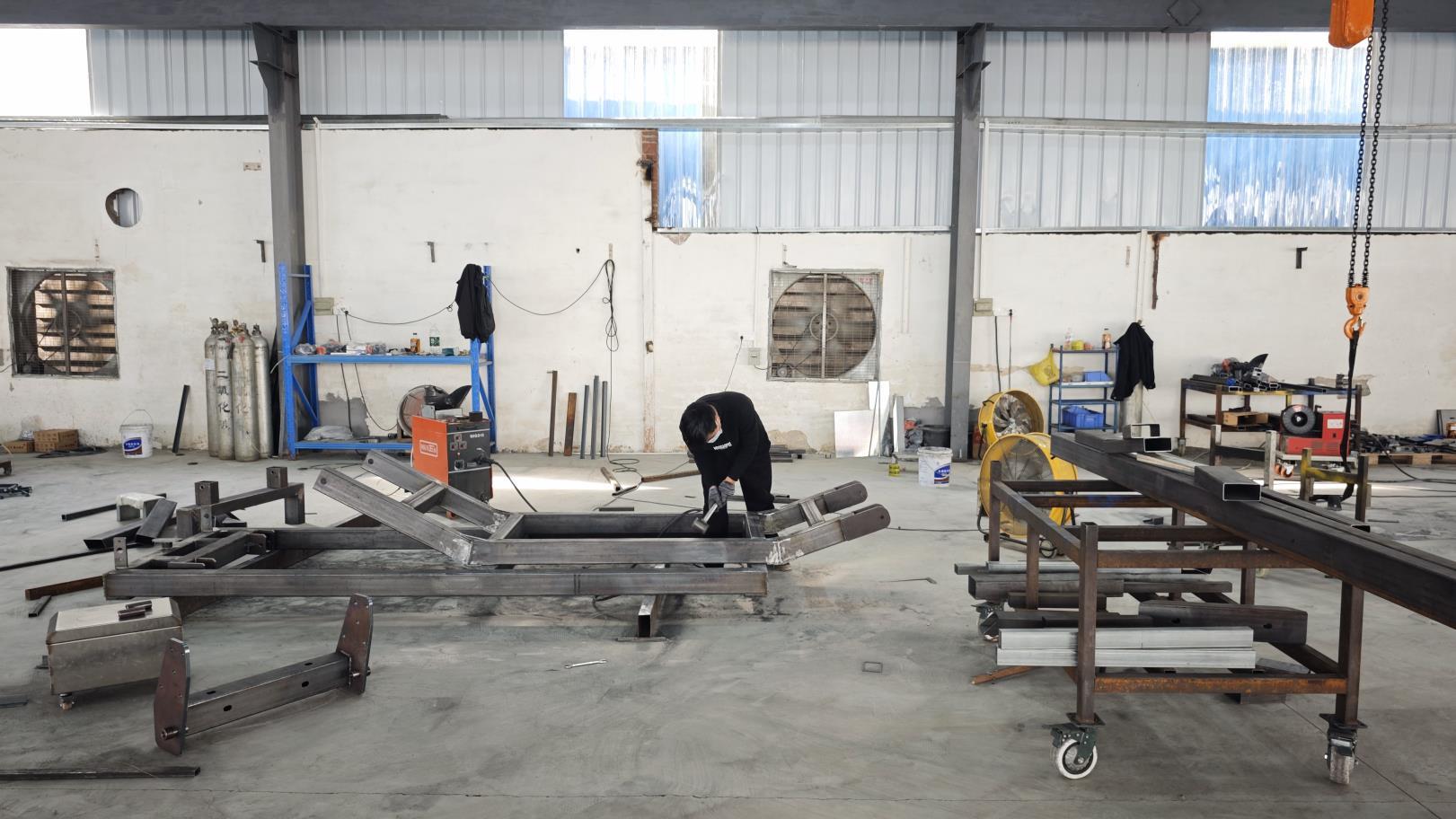
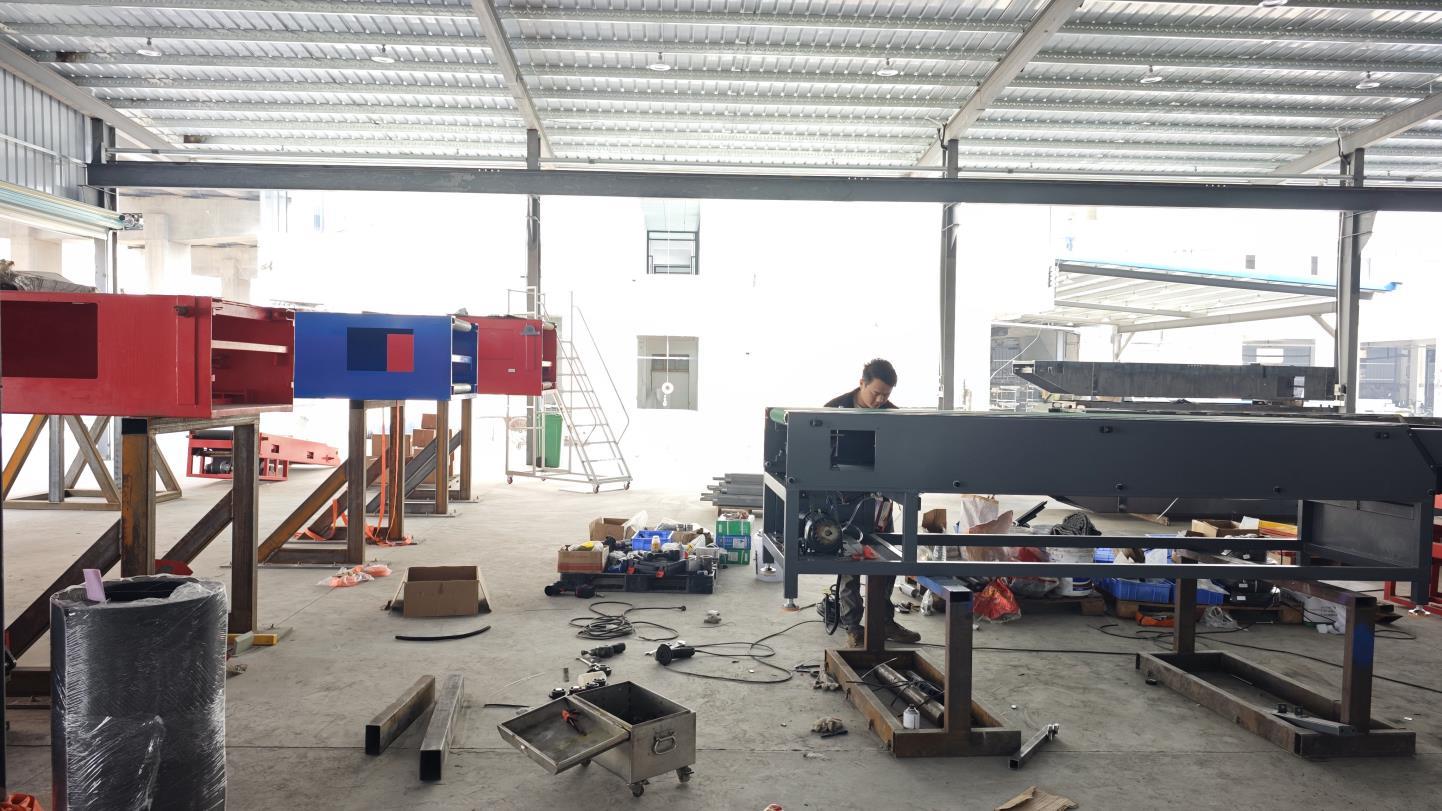
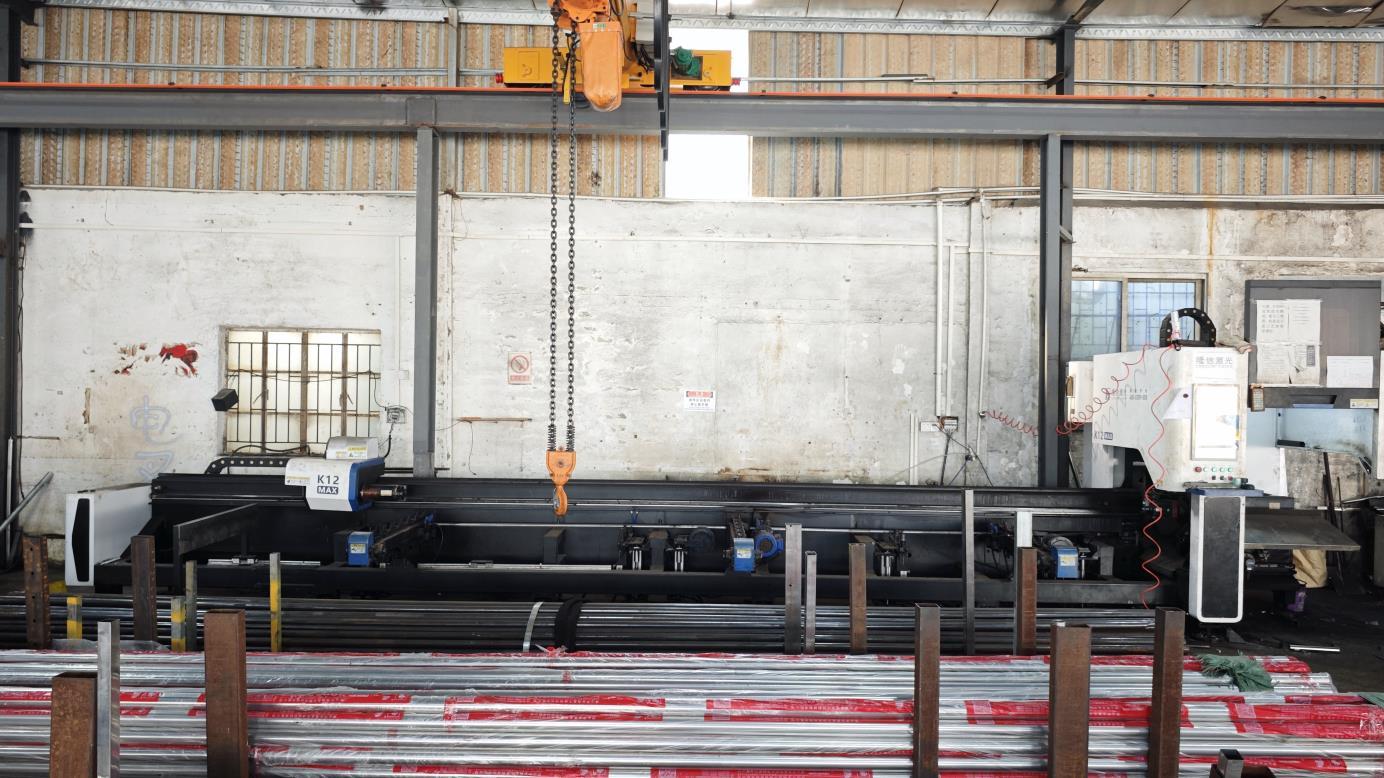
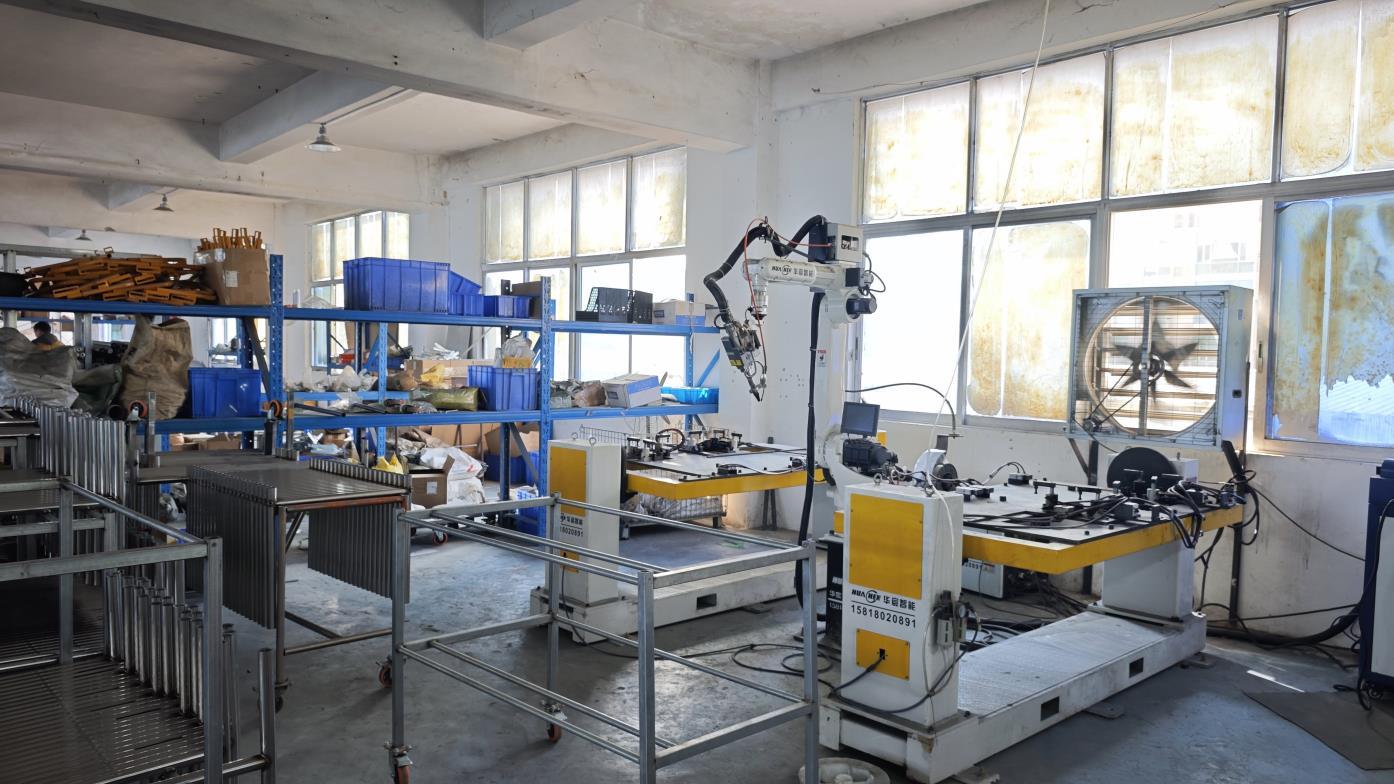
Our Chinese manufacturing infrastructure leverages deep vertical integration. By manufacturing structural racks, precision welded containment boxes, and autonomous mobile bases in-house, we control quality and delivery times directly.
This integration reduces supply chain risk and shortens lead times, allowing us to deliver systems faster than fragmented suppliers. Global customers benefit from robust raw material access, advanced CNC processing, and lower production costs—meaning more competitive pricing and faster project delivery.
Hangzhou RAB Logistics Co., Ltd. is a professional provider of intelligent warehousing and modern logistics solutions. Built on years of industry experience and continuous technological innovation, RAB Logistics is committed to helping enterprises transform traditional warehouse operations into highly automated, data-driven, and efficient supply chain systems.
Since its establishment, the company has focused on integrating advanced logistics technologies such as Warehouse Management Systems (WMS), Automated Storage and Retrieval Systems (AS/RS), AGV/AMR robotics, intelligent sorting systems, and real-time data visualization platforms. These solutions enable clients to achieve higher operational accuracy, faster fulfillment speed, and significantly reduced logistics costs.
With strong capabilities in system consulting, solution design, equipment integration, software development, and project implementation, Hangzhou RAB Logistics Co., Ltd. delivers end-to-end intelligent logistics solutions tailored to diverse industry needs. Our expertise ensures seamless coordination between hardware and software, creating scalable and future-ready warehouse infrastructures.
RAB Logistics serves a wide range of industries including manufacturing, cross-border e-commerce, fast-moving consumer goods (FMCG), pharmaceuticals, and automotive parts. Our solutions are trusted for their stability, innovation, and proven performance in complex, high-demand environments.
By choosing Hangzhou RAB Logistics Co., Ltd., you are selecting a long-term strategic partner dedicated to building smarter warehouses, optimizing supply chains, and empowering businesses with sustainable competitive advantages in the era of intelligent logistics.
Deploying automated equipment worldwide requires compliance with local health, safety, and operational standards. RAB Logistics designs systems to meet major international standards, including CE, OSHA, and ANSI.
We provide structured SLAs, remote diagnostics, and standardized spare parts to ensure system uptime. Our technical team supports system commissioning, helping clients maintain planned operational efficiency and achieve projected ROI timelines.
Common questions from logistics directors regarding the implementation, performance, and payback of automated warehouse systems.
The payback period is determined by comparing Initial CAPEX (equipment, software licensing, installation) against annual OPEX savings. Primary cost savings include reduced direct labor, lower energy costs (due to reduced lighting/heating requirements), lower product loss rates, and minimized floor space requirements. Payback typically ranges from 18 to 24 months, depending on throughput volumes and local labor rates.
Our WMS platform uses standard APIs and database adapters to connect with major ERP systems, including SAP, Oracle, and Microsoft Dynamics. This ensures real-time synchronization of inbound receipts, order pick-lists, and inventory statuses, preventing data silos.
We recommend a tiered preventive maintenance plan. Monthly checks cover mechanical interfaces, optical sensors, and track cleanliness. Quarterly assessments focus on firmware, battery health, and mechanical calibrations. Predictive maintenance is supported by our software, tracking metrics like motor current to flag anomalies before faults occur.
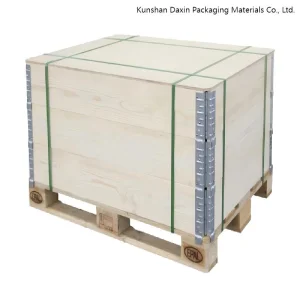
Material quality directly impacts safety and wear resistance. In high-density storage, packaging must support heavy stacks without structural deformation. Using certified materials and robotic welding ensures consistent dimensions, which is essential to prevent system jams in automated cranes and shuttles.
Our fleet control system communicates directly with elevators via API protocols. When an AGV requires cross-floor travel, it requests the elevator, receives status confirmation, enters, and selects the destination floor. Safety sensors ensure accurate alignment before the robot traverses the elevator threshold.
High-tonnage AGVs (up to 10 tons) are equipped with redundant safety systems. These include 360-degree safety LiDARs with adjustable zones, dual mechanical safety bumpers, automated emergency braking systems, visual warning lights, and acoustic warning signals, meeting international ISO 3691-4 requirements.
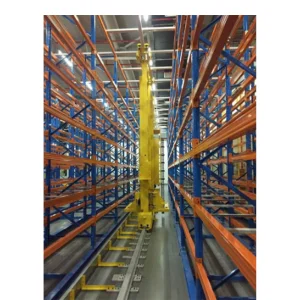
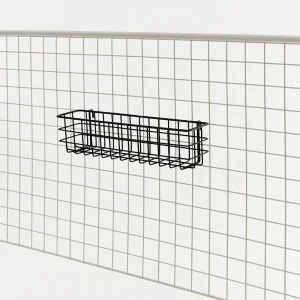
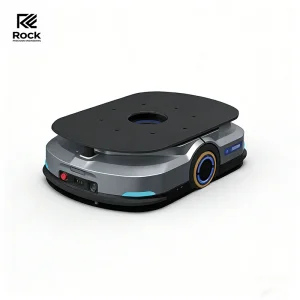
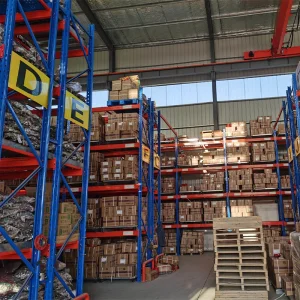
Explore our advanced logistics systems designed to improve material flow and operational efficiency.
 RAB Logistics