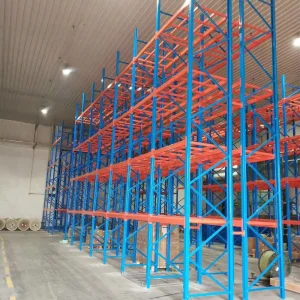
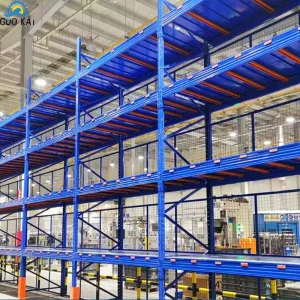
Explore our core high-bay configuration components, heavy-duty racking modules, and integrated autonomous transportation units.
A technical examination of system calculations, automated compatibility, and modern logistics performance metrics.
In modern industrial facilities, floor space is one of the most expensive capital assets. High-bay racking systems (typically exceeding heights of 12 meters, and often stretching up to 40 meters in cladded-rack buildings) represent the pinnacle of space optimization. However, raising storage vertically changes the stress profiles, structural demands, and safety requirements of your warehouse. Selecting a highly qualified high-bay racking systems manufacturer is critical to ensuring structural reliability, system longevity, and operational safety.
As warehouse systems incorporate automation like stacker cranes and high-speed shuttles, mechanical tolerances shrink from centimeters to millimeters. Standard racking installations cannot support these high-speed dynamic loads. High-bay engineering demands precise raw material selection, advanced manufacturing processes, and adherence to international design standards. Hangzhou RAB Logistics Co., Ltd. uses finite element analysis (FEA) and high-tensile steel grades (like Q355B and Q235B) to engineer systems capable of handling consistent high capacities in demanding structural environments.
Hangzhou RAB Logistics Co., Ltd. is a professional provider of intelligent warehousing and modern logistics solutions. Built on years of industry experience and continuous technological innovation, RAB Logistics is committed to helping enterprises transform traditional warehouse operations into highly automated, data-driven, and efficient supply chain systems.
Since its establishment, the company has focused on integrating advanced logistics technologies such as Warehouse Management Systems (WMS), Automated Storage and Retrieval Systems (AS/RS), AGV/AMR robotics, intelligent sorting systems, and real-time data visualization platforms. These solutions enable clients to achieve higher operational accuracy, faster fulfillment speed, and significantly reduced logistics costs.
With strong capabilities in system consulting, solution design, equipment integration, software development, and project implementation, Hangzhou RAB Logistics Co., Ltd. delivers end-to-end intelligent logistics solutions tailored to diverse industry needs. Our expertise ensures seamless coordination between hardware and software, creating scalable and future-ready warehouse infrastructures.
RAB Logistics serves a wide range of industries including manufacturing, cross-border e-commerce, fast-moving consumer goods (FMCG), pharmaceuticals, and automotive parts. Our solutions are trusted for their stability, innovation, and proven performance in complex, high-demand environments.
By choosing Hangzhou RAB Logistics Co., Ltd., you are selecting a long-term strategic partner dedicated to building smarter warehouses, optimizing supply chains, and empowering businesses with sustainable competitive advantages in the era of intelligent logistics.
RAB Logistics leverages automated manufacturing, advanced steel processing, and strategic coastal shipping connections to deliver high-quality warehousing systems.
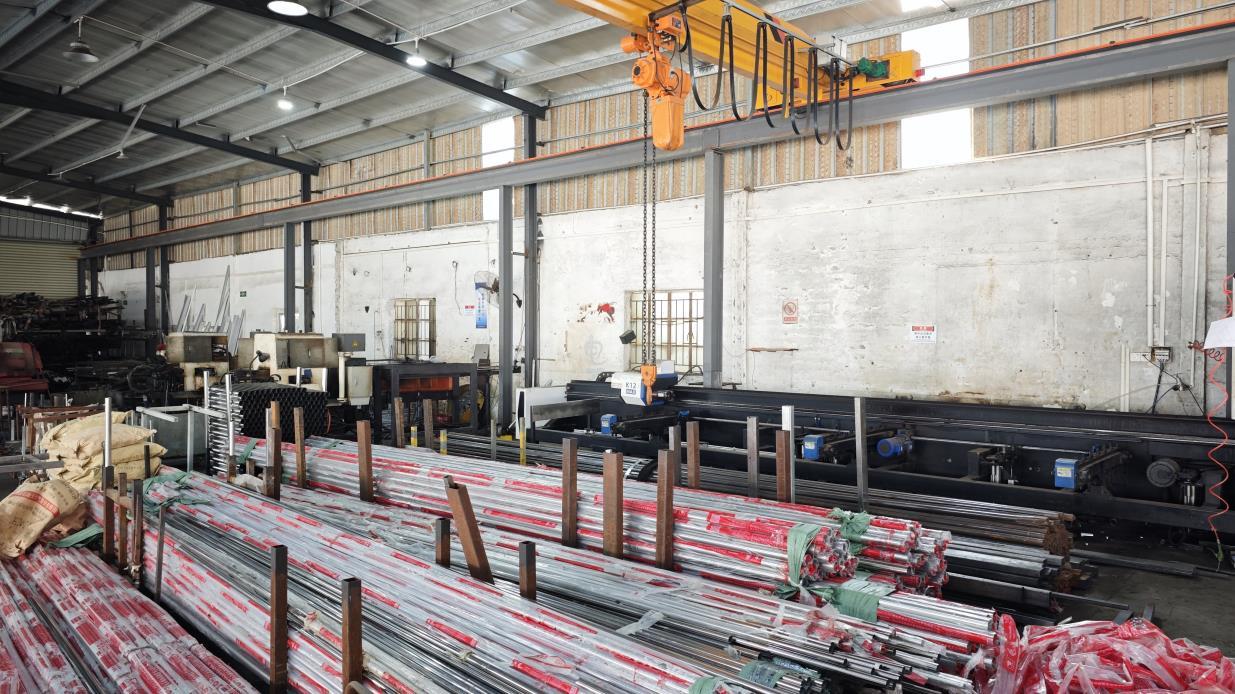
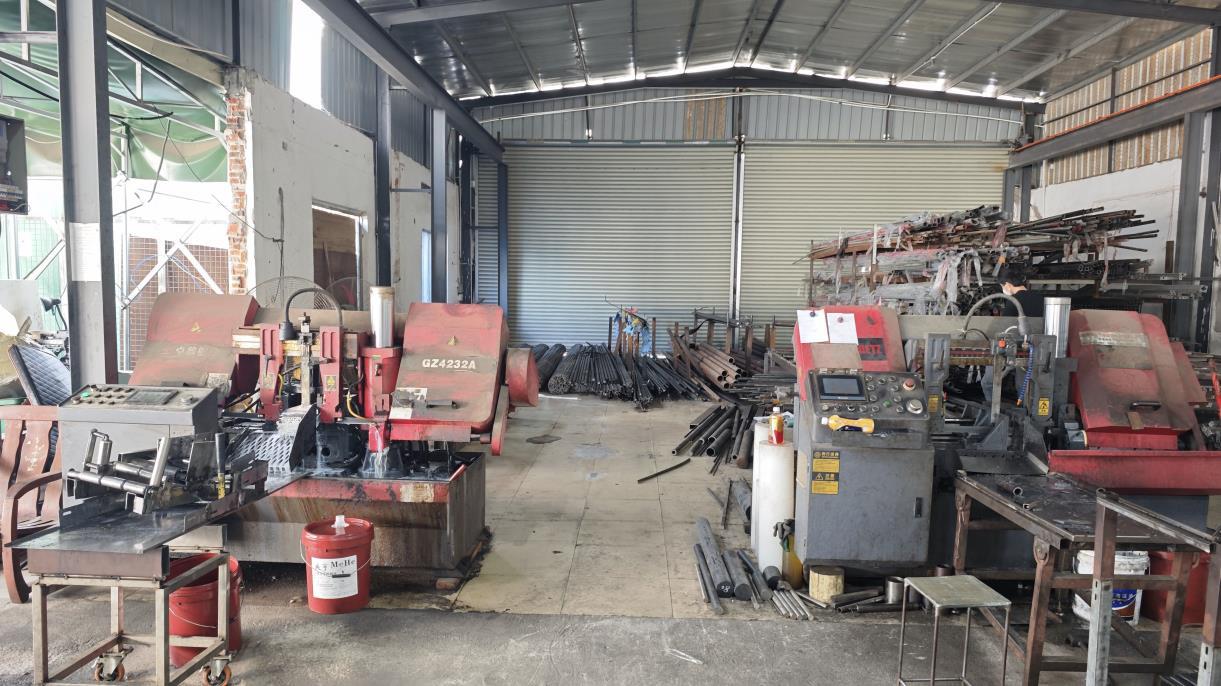
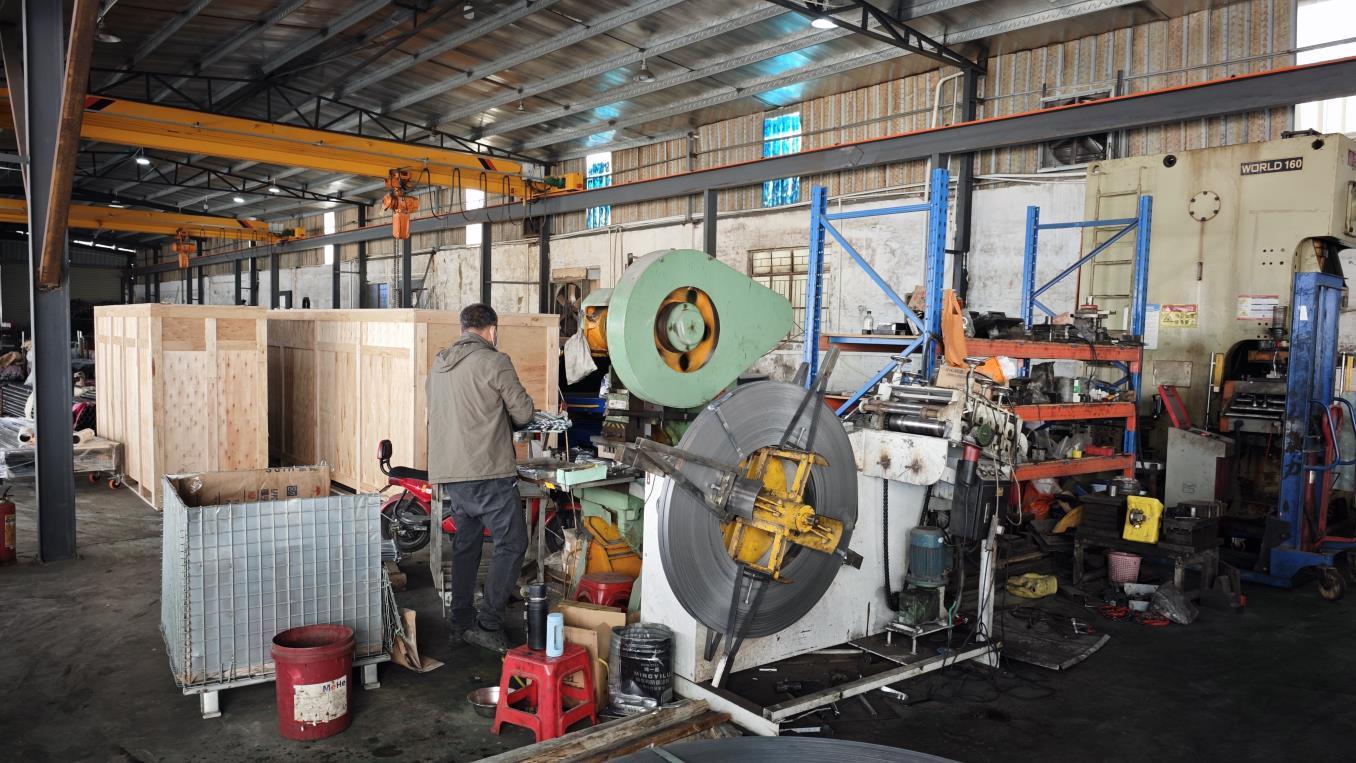
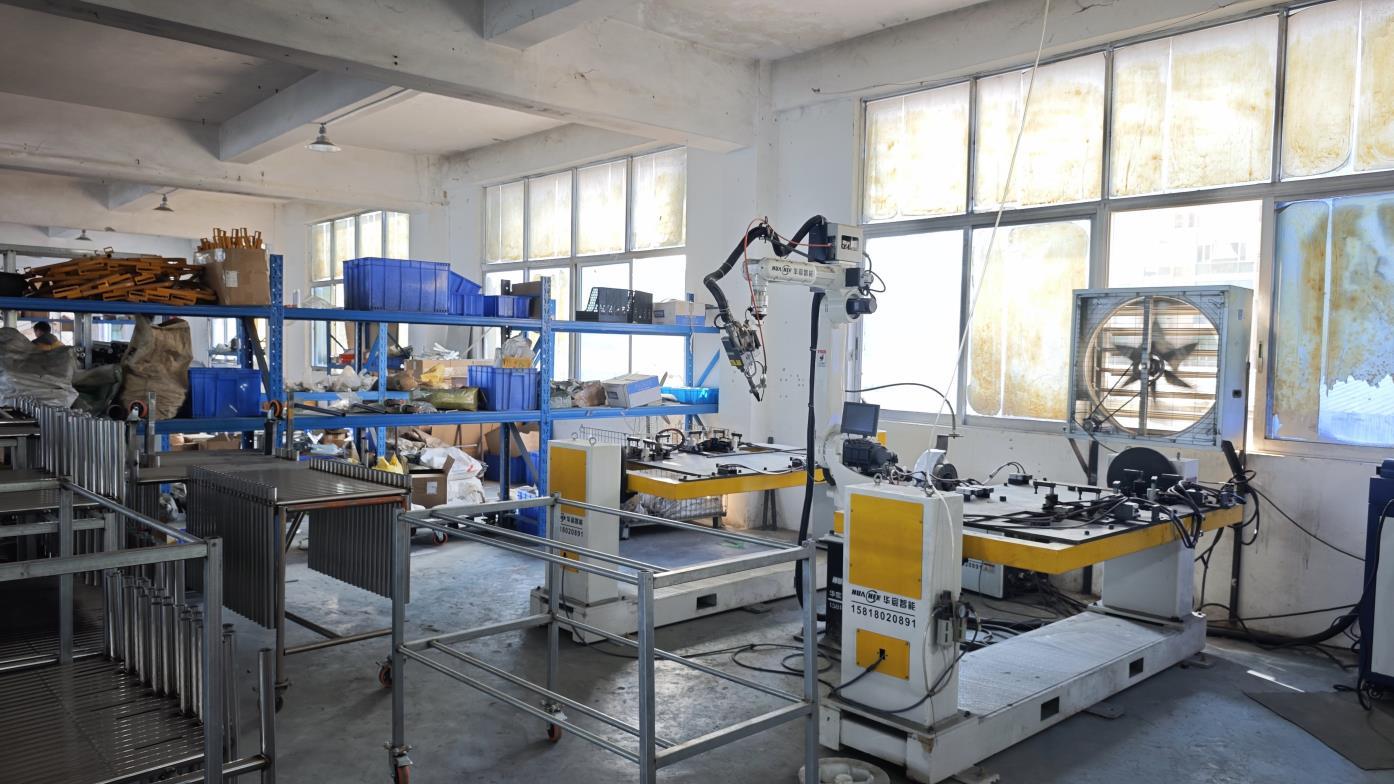
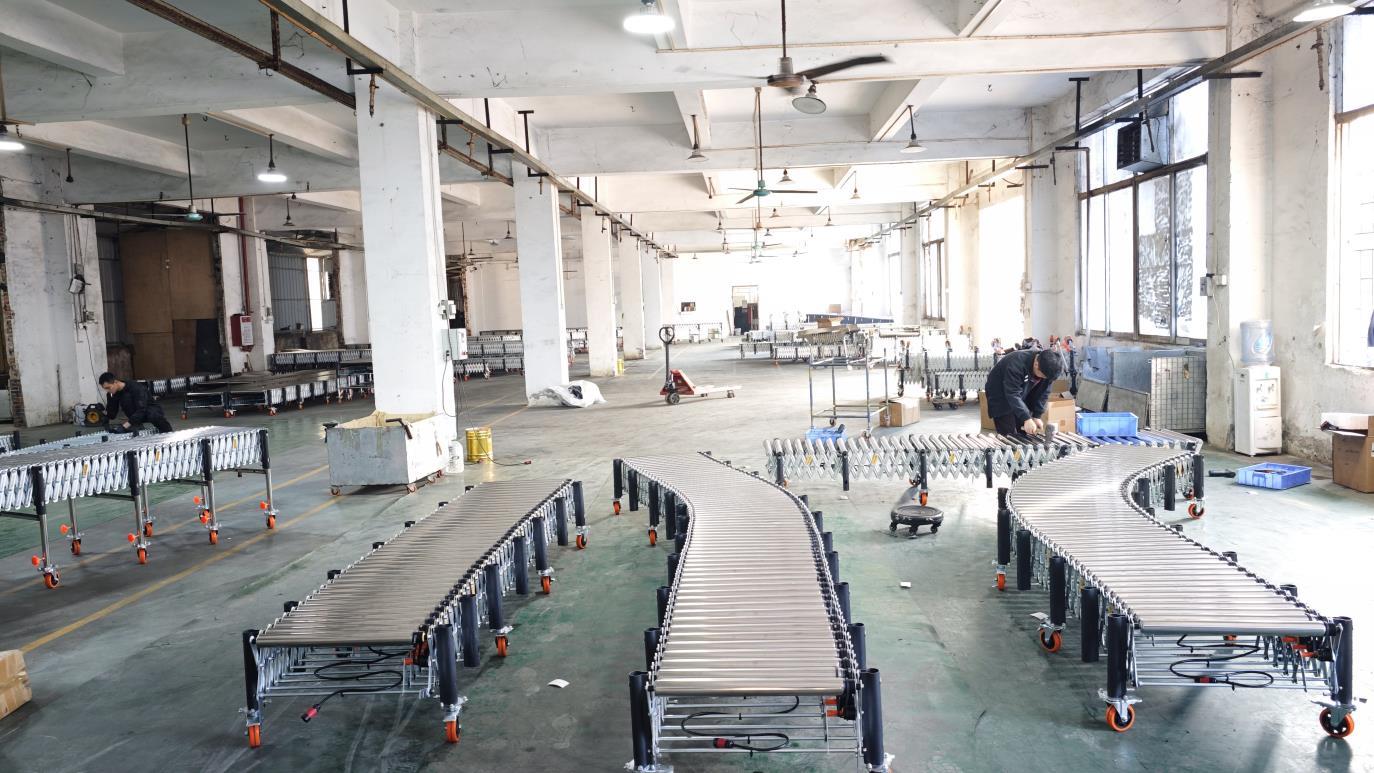
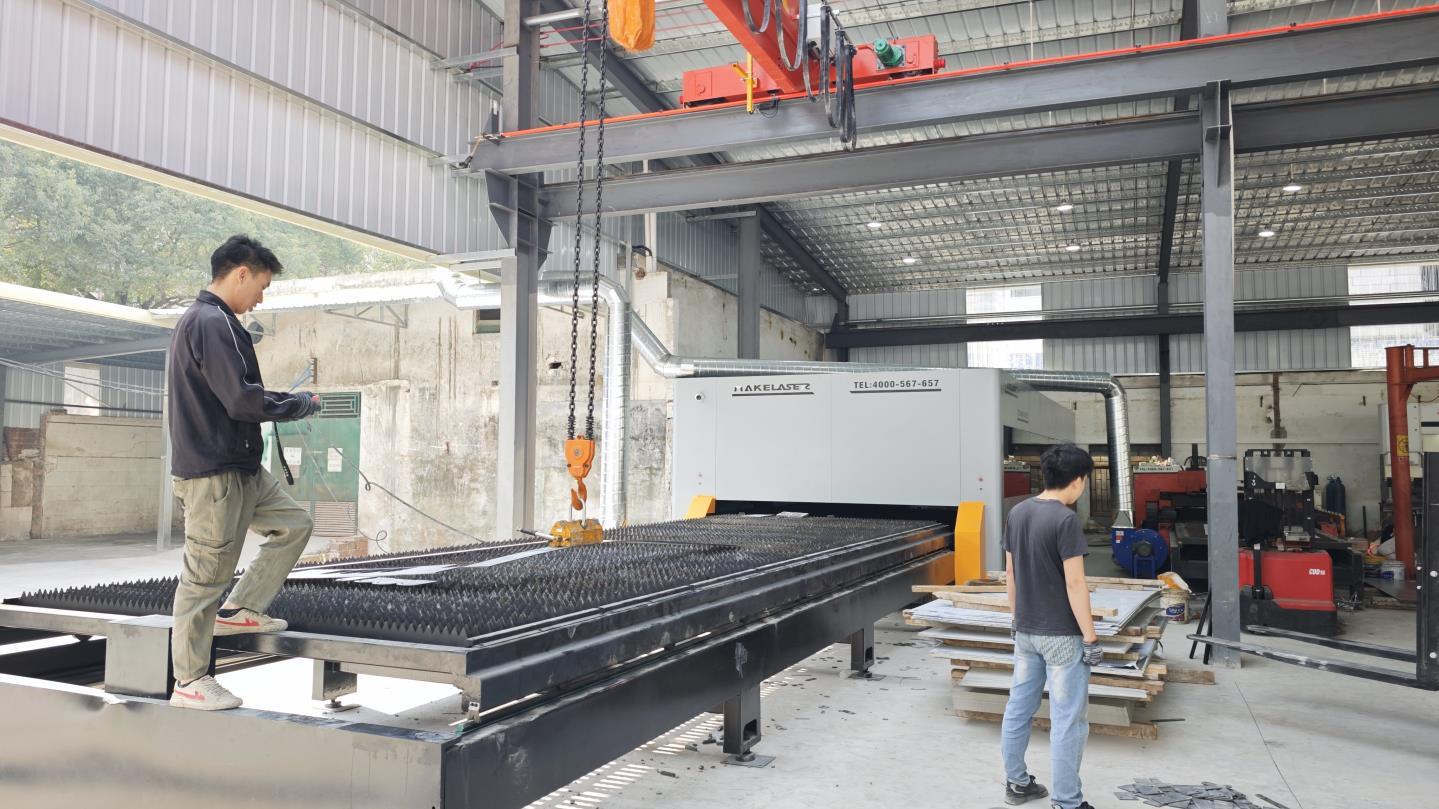
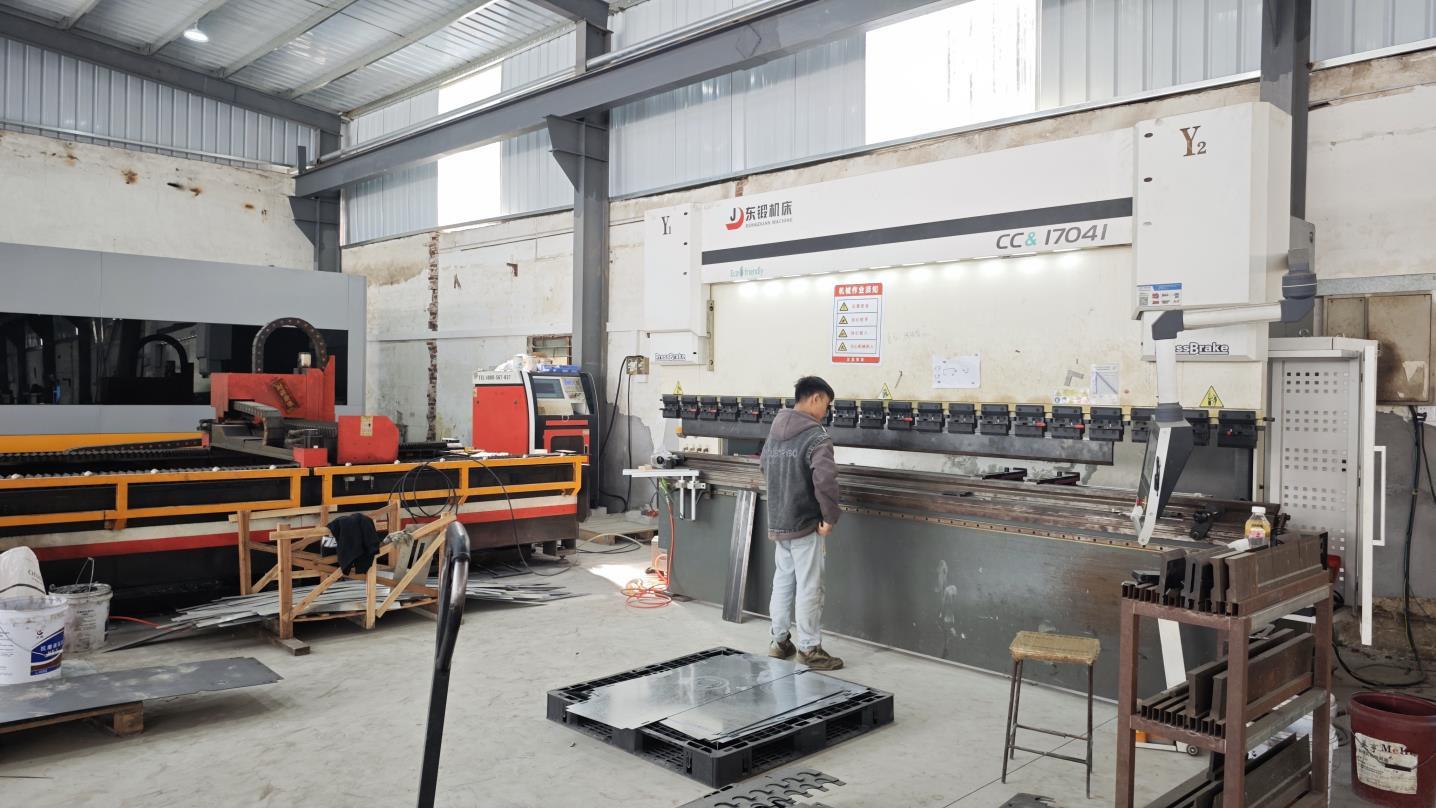
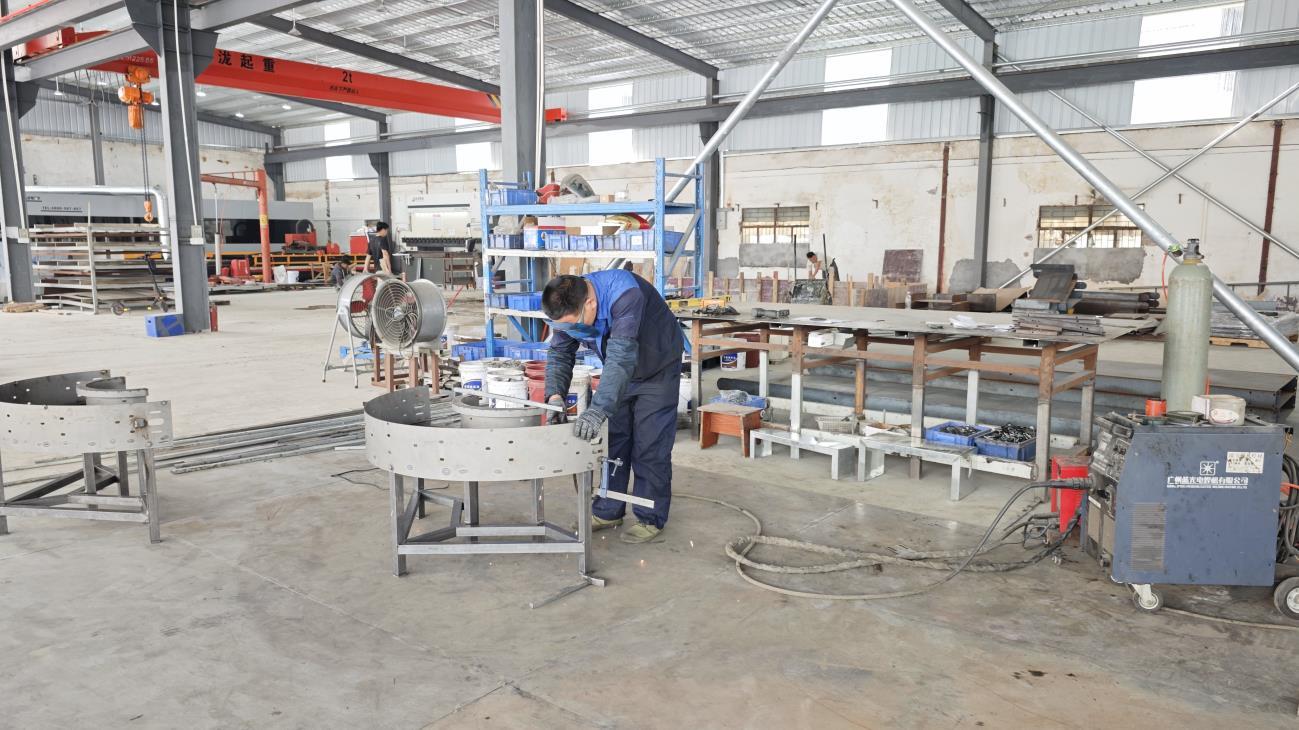
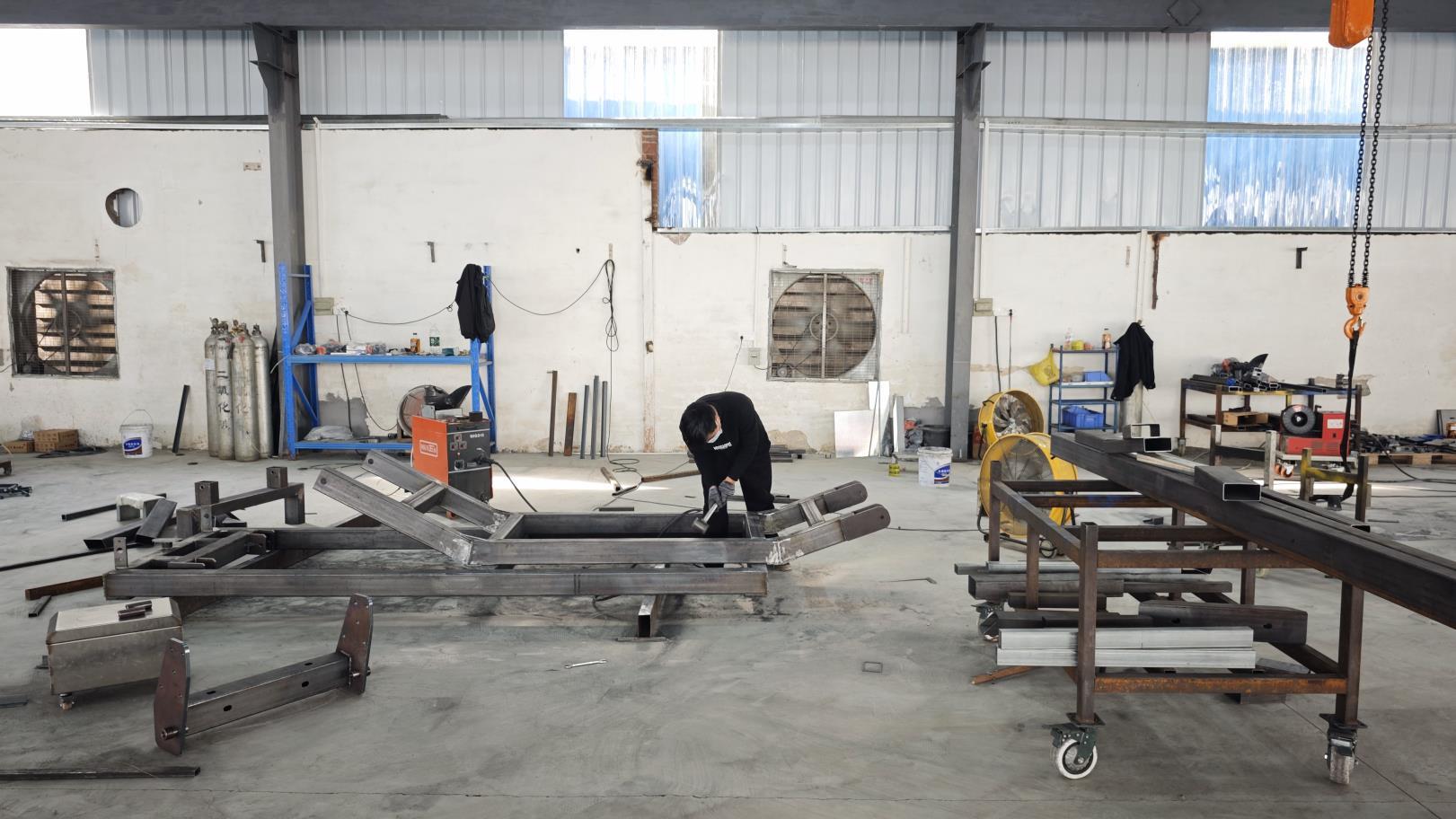
Purchasing high-bay racking systems from China provides significant value through combined raw-material sourcing, production efficiency, and logistical advantages. Based in Hangzhou, Zhejiang, a manufacturing region known for advanced technology, RAB Logistics operates automated production lines featuring high-speed roll forming machines, robotic welding systems, and automated electrostatic powder coating systems. This vertical integration ensures consistent manufacturing quality while maintaining cost efficiencies that we pass directly to our global partners.
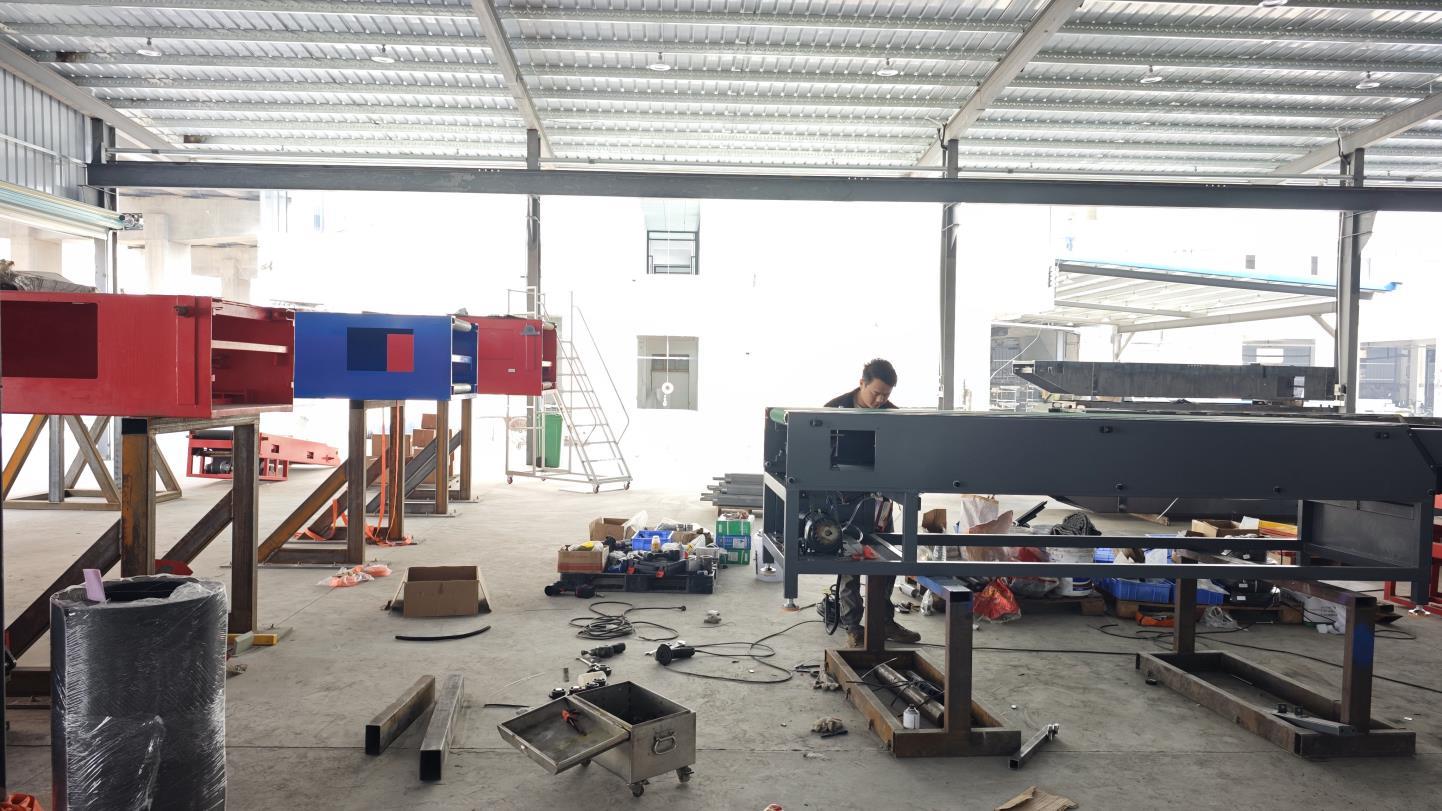
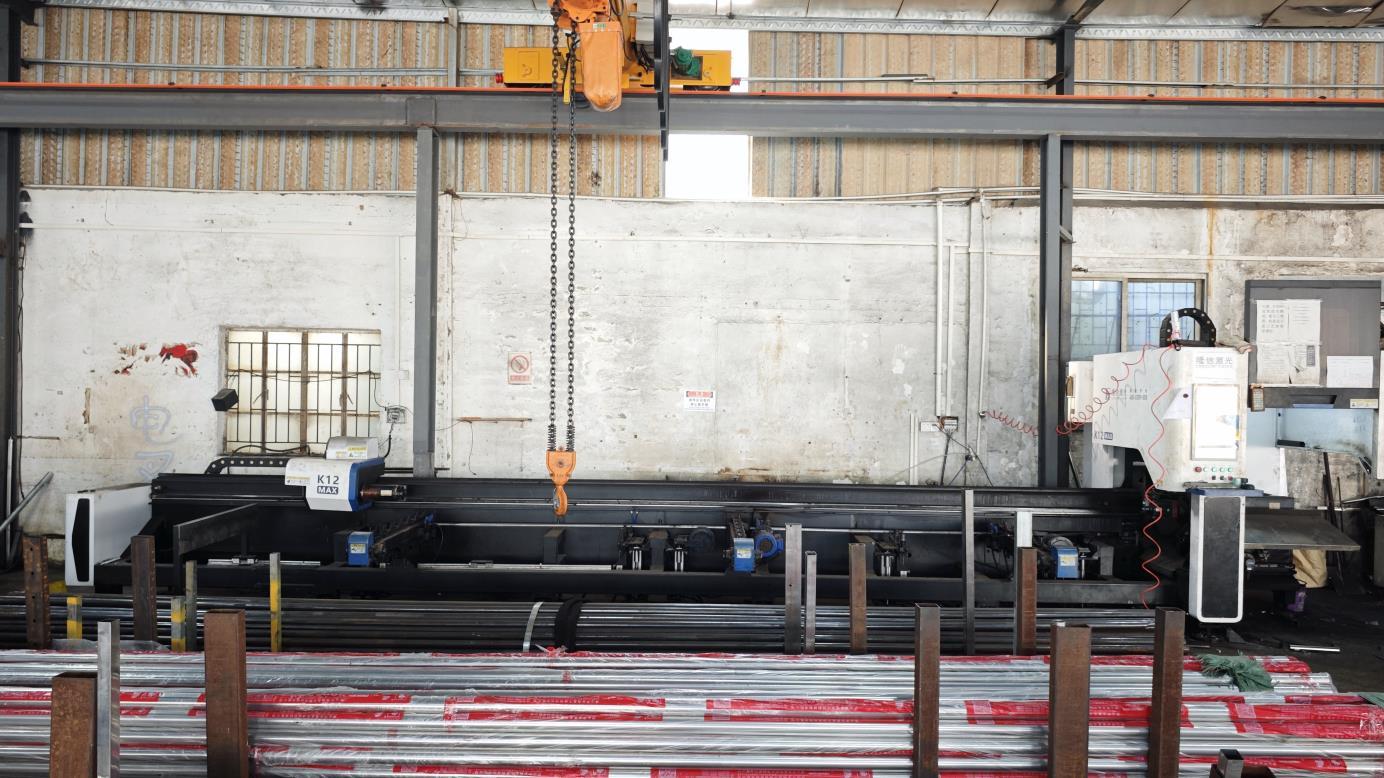
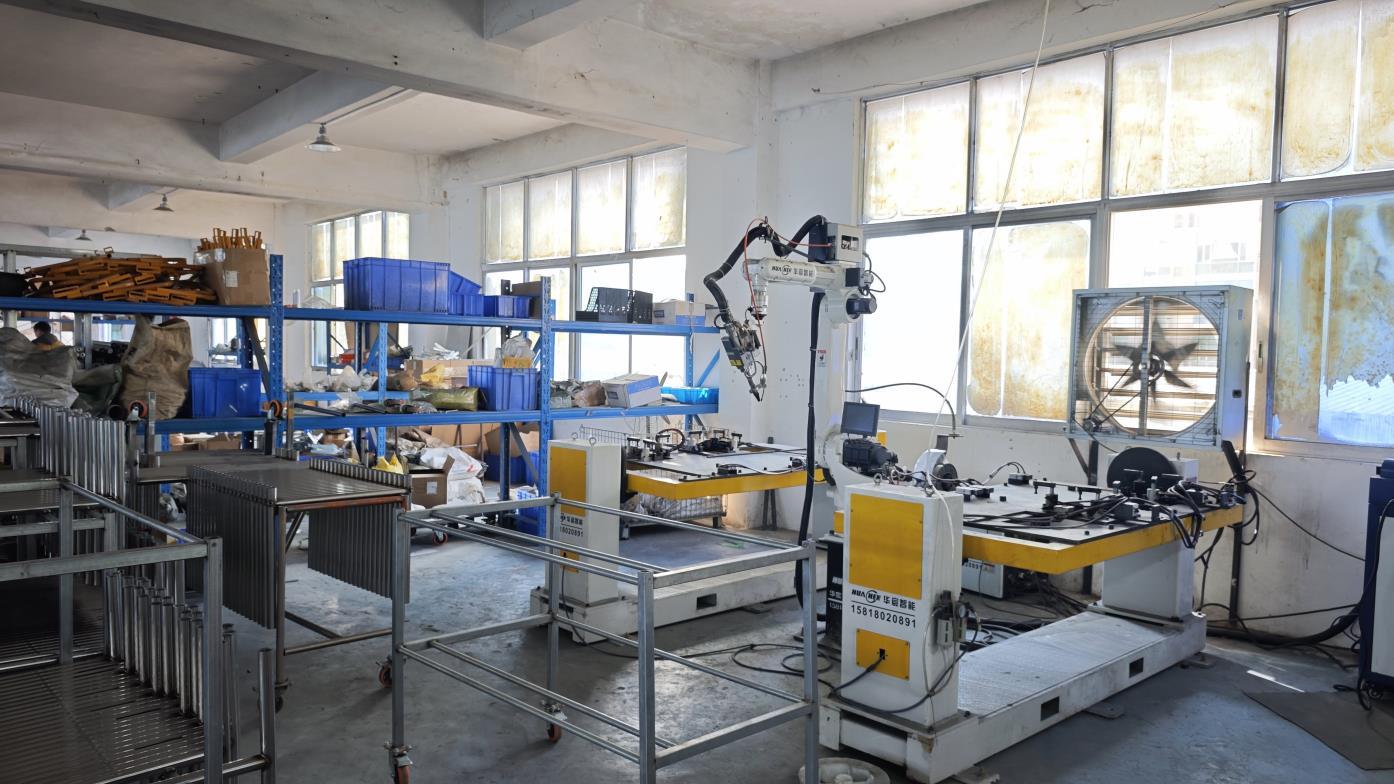
The shift from static steel structures to kinetic, software-driven logistics systems.
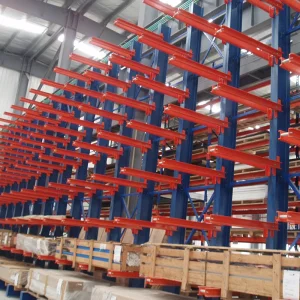
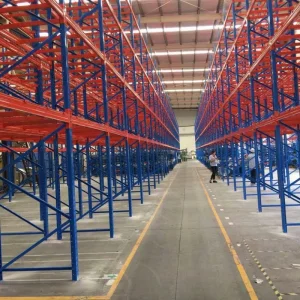
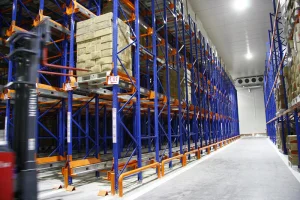
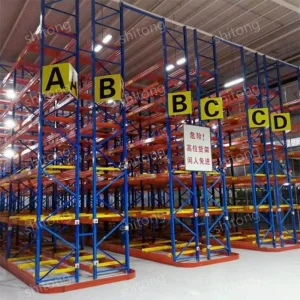
High-bay structures are increasingly built as cladded-rack buildings, where the racking system acts as the primary support for the building envelope. These systems integrate with stacker cranes, allowing vertical operations to reach up to 40 meters.
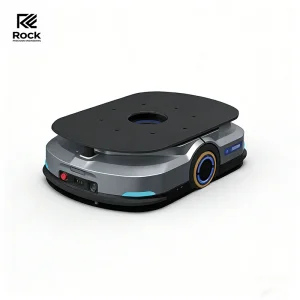
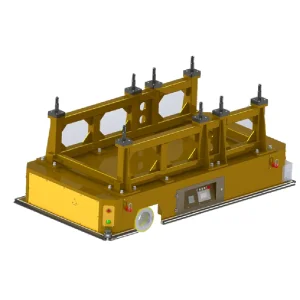
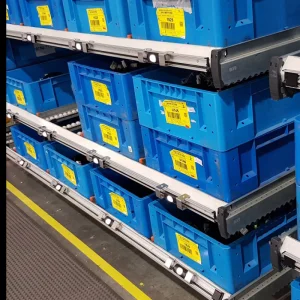
Autonomous shuttle and pallet runner solutions are replacing conventional forklifts in deep-lane storage systems. Integrating four-way shuttles and AGVs increases throughput, reduces mechanical wear, and improves floor space utilization.
As high-bay systems grow taller, seismic engineering becomes more critical. Modern systems must meet international standards (RMI, EN 15512, AS4084) using dynamic computer simulation and specialized baseplate configurations.
Tailoring high-bay configurations to demanding operational environments.
Cold storage facilities have high operational costs, making maximum volumetric density critical. High-bay shuttle racking and AS/RS configurations minimize the volume of cooled air required per pallet. Our structural components are manufactured using specialty steel grades that maintain ductility and impact resistance in temperatures down to -30°C.
Pharmaceutical supply chains require strict batch tracking and First-In, First-Out (FIFO) compliance. Our high-bay systems integrate with automated control networks (WCS/WMS) to coordinate stacker crane movements, ensuring complete batch control, automated inventory rotation, and cleanroom compatibility.
Automotive parts distribution requires high structural weight capacities. Our heavy-duty pallet racking systems support up to 3,000 kg per layer. These structures are built to withstand the continuous mechanical cycles of robotic loaders and AGV transport carts.
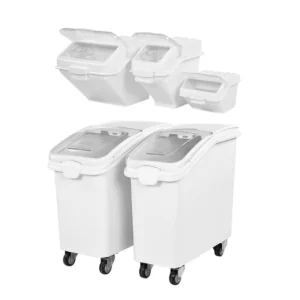
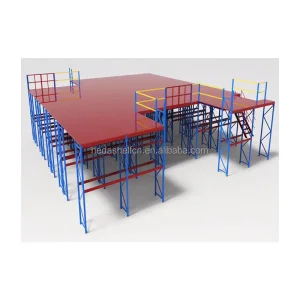
Omnichannel e-commerce operations require high picking throughput and dynamic slotting. Integrating mezzanine racking, pick-to-light systems, and automated sorting bins supports high-velocity order fulfillment while maximizing vertical space utilization.
Ensuring your high-bay racking investments meet international structural engineering standards.
Procuring industrial high-bay racking systems requires evaluating engineering compliance, manufacturing quality, and total cost of ownership (TCO). High-bay systems are structural frames subject to regional building codes, seismic zones, and worker safety regulations. The table below outlines the primary international design standards that RAB Logistics follows for all worldwide projects:
| Region | Design Standard | Key Compliance Focus Areas |
|---|---|---|
| North America | RMI (MH16.1), AISC, IBC | Seismic design loads, teardrop connection standards, physical post protection. |
| Europe | EN 15512, EN 15620, FEM 10.2.02 | Limit state design methodology, precise tolerances for automated stacker cranes. |
| Australia & Oceania | AS 4084:2012 / AS 4084.1:2023 | Testing verification protocols, structural shear testing, rigid load plaques. |
In addition to structural engineering compliance, global purchasers should evaluate transport optimization. High-bay upright frames are shipped in knocked-down (KD) configurations to maximize sea container volume. Our logistics team handles structural packaging design to prevent damage during transport and transit, ensuring simple and efficient installation on-site.
Clear answers to technical, engineering, and manufacturing questions for design professionals.
High-bay systems (over 12 meters) are engineered to support greater vertical forces and higher loads. They require tighter manufacturing tolerances (often conforming to FEM 10.2.02 standards) to ensure compatibility with automated storage equipment like stacker cranes and AMRs. This precision prevents structural interference or mechanical collisions during high-speed operations.
We source certified high-strength structural carbon steel coils, primarily Q235B and Q355B (comparable to ASTM A36 and ASTM A572 Grade 50). These steel grades provide high yield strength and ductility, which are critical for seismic performance and long-term load bearing.
Our engineering team performs Finite Element Analysis (FEA) based on the project location's seismic parameters. We adjust profile dimensions, baseplate surface areas, floor anchoring, and cross-bracing configurations to ensure compliance with IBC, RMI, and EN standards.
Yes. Our integrated automation packages include programmable WCS-IS311 PLC controllers and Pick-to-Light technologies. These systems interface directly with major ERP and WMS platforms via standard API and industrial ethernet protocols, enabling real-time stock allocation and coordinate management.
We use electronic optical transit instruments and laser distance meters to measure vertical plumbness and aisle horizontal alignment. Tolerances are kept within strict limits (frequently less than 1mm per meter of height) to ensure smooth vertical crane movements without binding or vibration.
Integrate heavy-duty storage configurations with intelligent machinery to build a modern, high-density logistics center.
 RAB Logistics