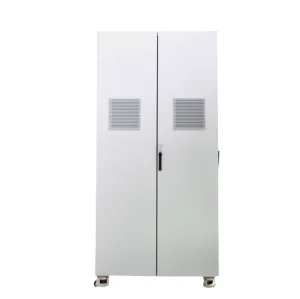
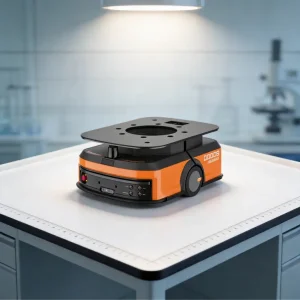
Explore high-performance cargo elevators, autonomous AGVs, and intelligent racking components.
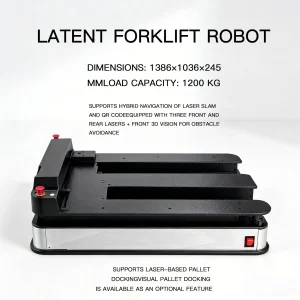
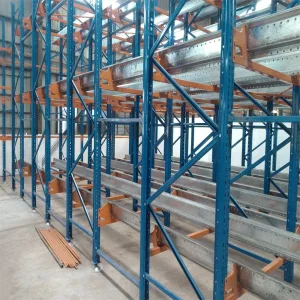
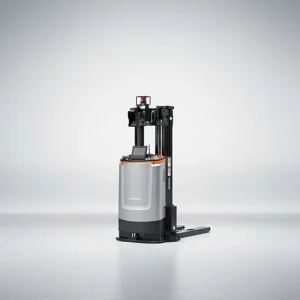
An in-depth perspective on technical metrics, architectural integration, and procurement optimization.
In modern multi-tier warehousing, logistics terminals, and heavy-duty manufacturing environments, freight elevators (cargo lifts) serve as the central nervous system for vertical material flow. As businesses scale upwards to counter soaring real estate costs, vertical space utilization is no longer optional. However, selecting, integrating, and maintaining structural freight elevator systems demands an acute understanding of engineering tolerances, automated control systems, and localized building regulations.
B2B buyers face strict operational demands when procuring heavy-duty vertical transport platforms. Typical considerations include:
The following technical reference matrix details typical system boundaries and mechanical parameters demanded by commercial architects and manufacturing plant engineers:
| Parameter / Feature | Traction Freight Elevators | Hydraulic Cargo Lifters | Integrated High-Speed Vertical Conveyors |
|---|---|---|---|
| Load Capacity Range | 1,000 kg – 15,000 kg+ | 1,000 kg – 20,000 kg+ | 100 kg – 3,000 kg |
| Max Travel Height | Up to 120 meters (Multi-story) | Up to 15-20 meters (Low-rise) | Up to 30 meters |
| Speed Boundaries | 0.5 m/s – 1.75 m/s | 0.15 m/s – 0.5 m/s | Up to 2.0 m/s |
| Energy Consumption | Medium-Low (Regenerative drives available) | High (Requires hydraulic pump pressure) | Low (Optimized continuous loop systems) |
| Key Strengths | Unlimited travel, smooth high-speed runs | Extreme load ratings, structural simplicity | Seamless high-throughput box/pallet transfer |
How the combination of IoT, robotics, and robust mechanical structures defines the next generation of factories.
The freight elevator industry is rapidly transitioning from isolated mechanical elevators to fully connected cyber-physical systems. Leading factories are heavily investing in research and development to align their products with Industry 4.0 paradigms.
Wireless signaling gateways (using industrial Wi-Fi or 5G networks) negotiate priorities between autonomous vehicles and lift controllers to optimize floor-to-floor cycle times.
IoT vibration sensors on motor bearings, thermal probes on gearbox casings, and real-time wear analysis on steel hoisting cables feed predictive algorithms to schedule preventive maintenance.
Regenerative braking systems feed excess kinetic energy back into the building’s power grid during downward loaded trips or upward empty trips, reducing facility carbon footprints by up to 30%.
Integrating mechanical heavy-duty fabrication with cutting-edge software and robotic interfaces.
While conventional elevator manufacturers only provide the vertical shaft assembly, Hangzhou RAB Logistics Co., Ltd. approaches vertical logistics from an integrated systems perspective. By bridging the gap between mechanical design and supply chain automation, RAB Logistics ensures that your vertical transport systems act as a key asset within your Automated Storage and Retrieval Systems (AS/RS).
Built on years of industry experience and continuous technological innovation, RAB Logistics is committed to helping enterprises transform traditional warehouse operations into highly automated, data-driven, and efficient supply chain systems. Since its establishment, the company has focused on integrating advanced logistics technologies such as Warehouse Management Systems (WMS), Automated Storage and Retrieval Systems (AS/RS), AGV/AMR robotics, intelligent sorting systems, and real-time data visualization platforms.
With strong capabilities in system consulting, solution design, equipment integration, software development, and project implementation, Hangzhou RAB Logistics Co., Ltd. delivers end-to-end intelligent logistics solutions tailored to diverse industry needs. Our expertise ensures seamless coordination between hardware and software, creating scalable and future-ready warehouse infrastructures.
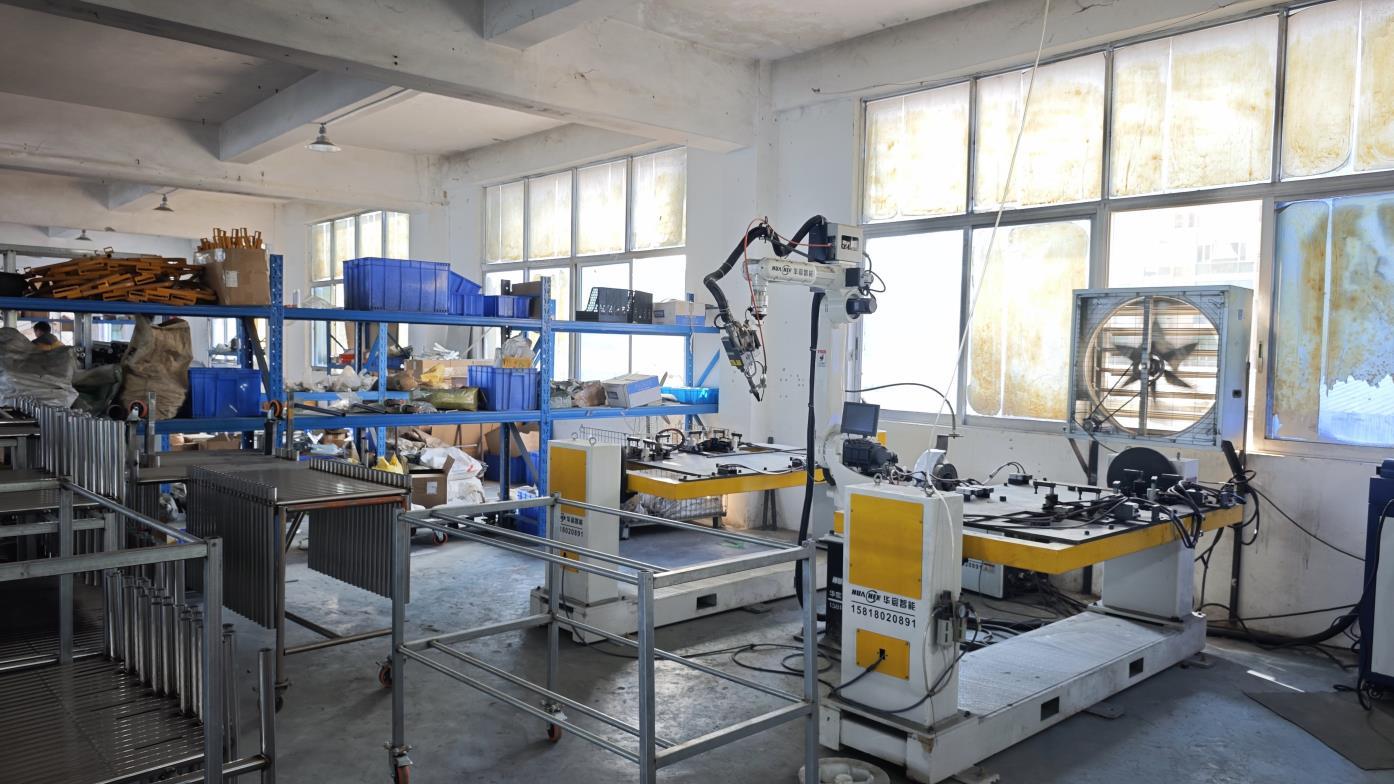
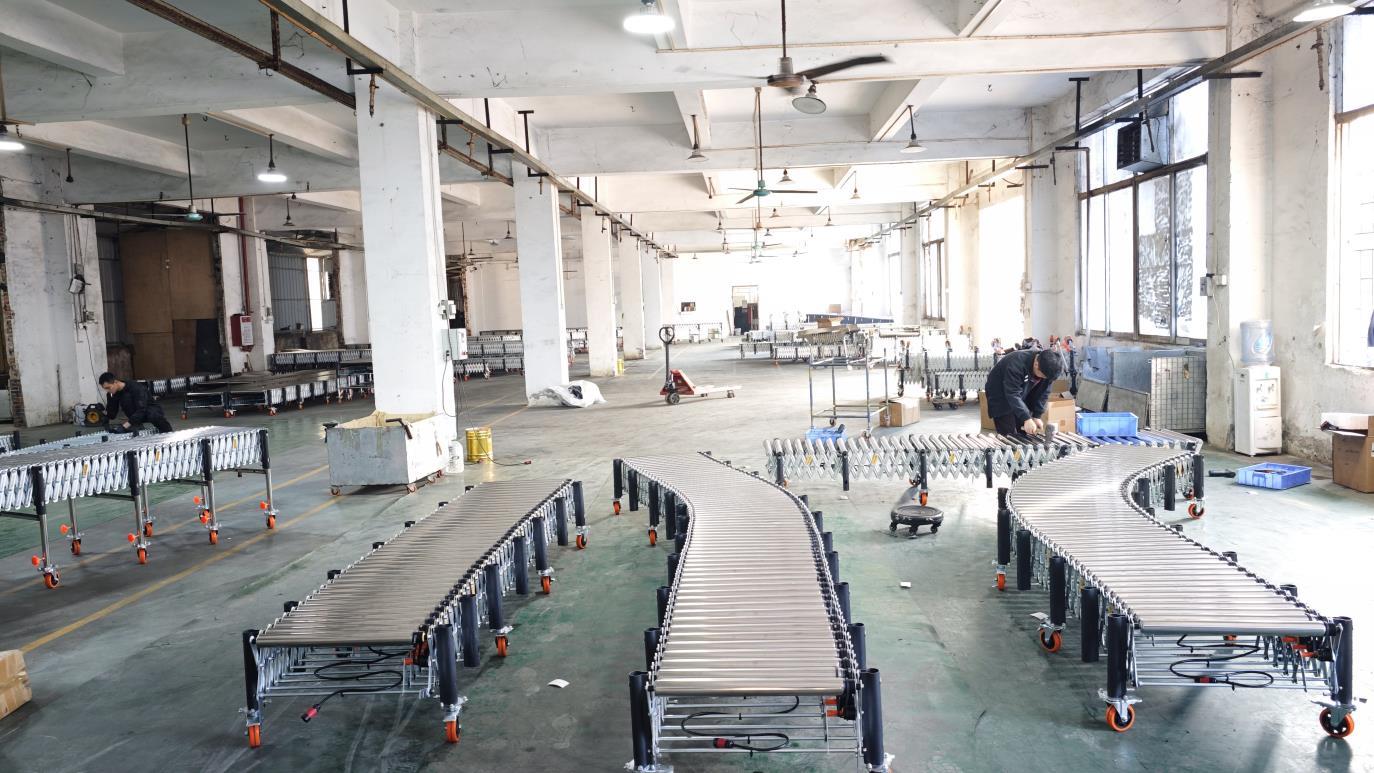
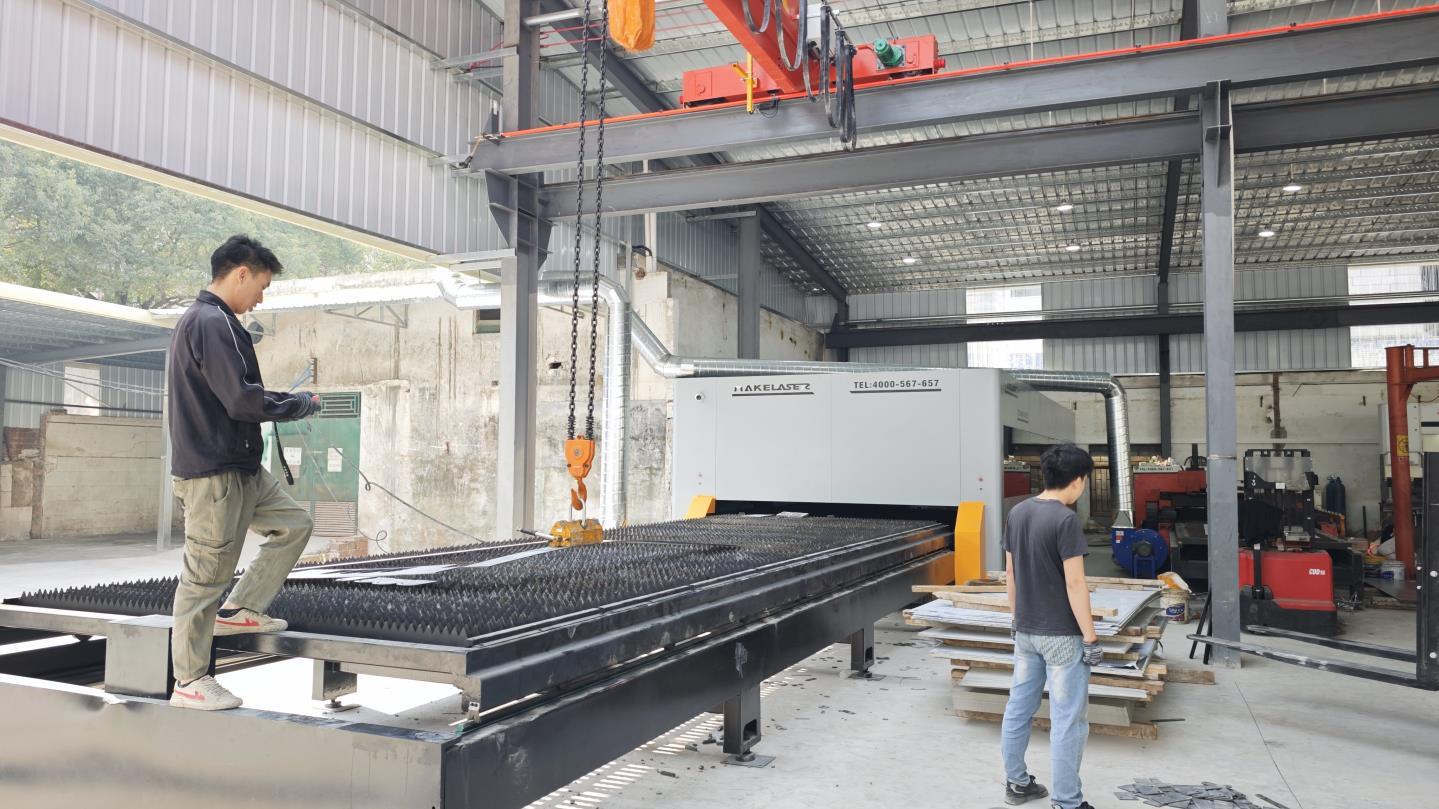
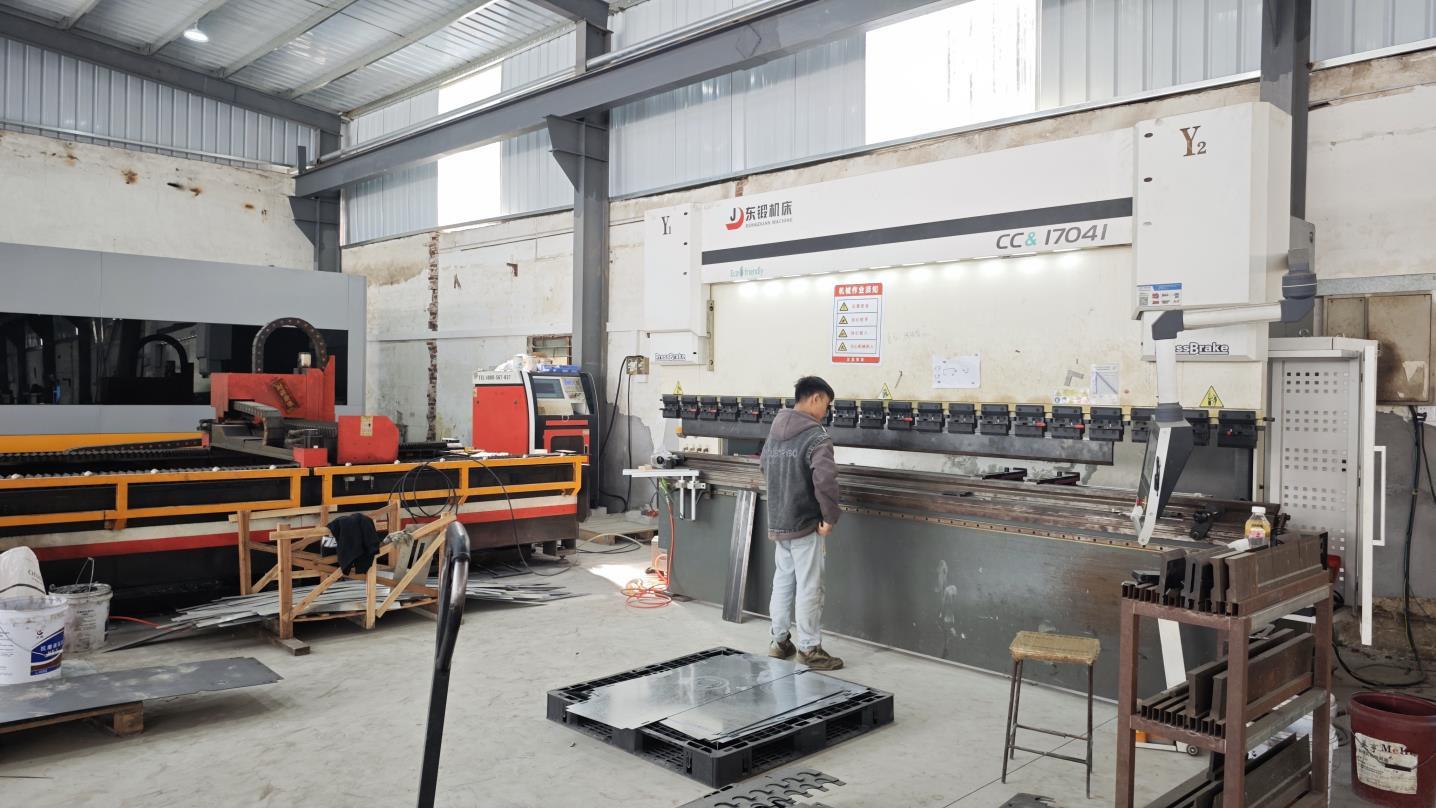
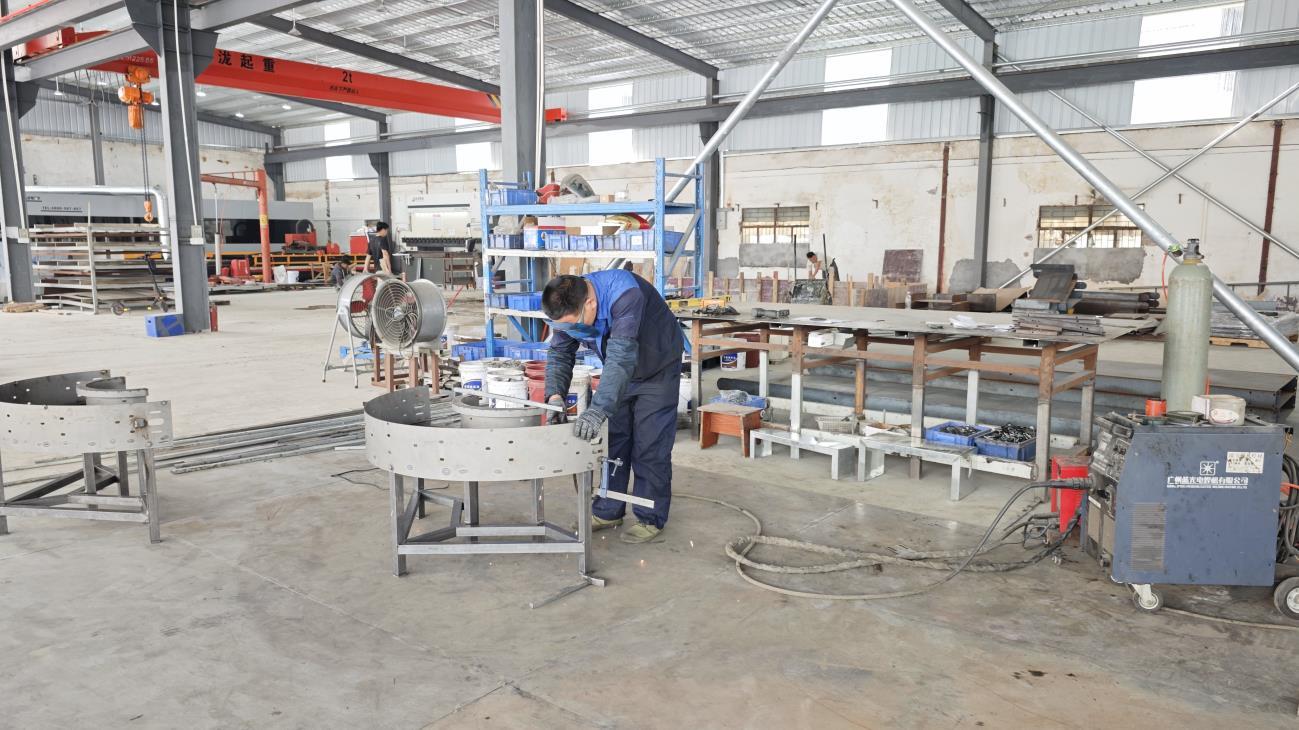
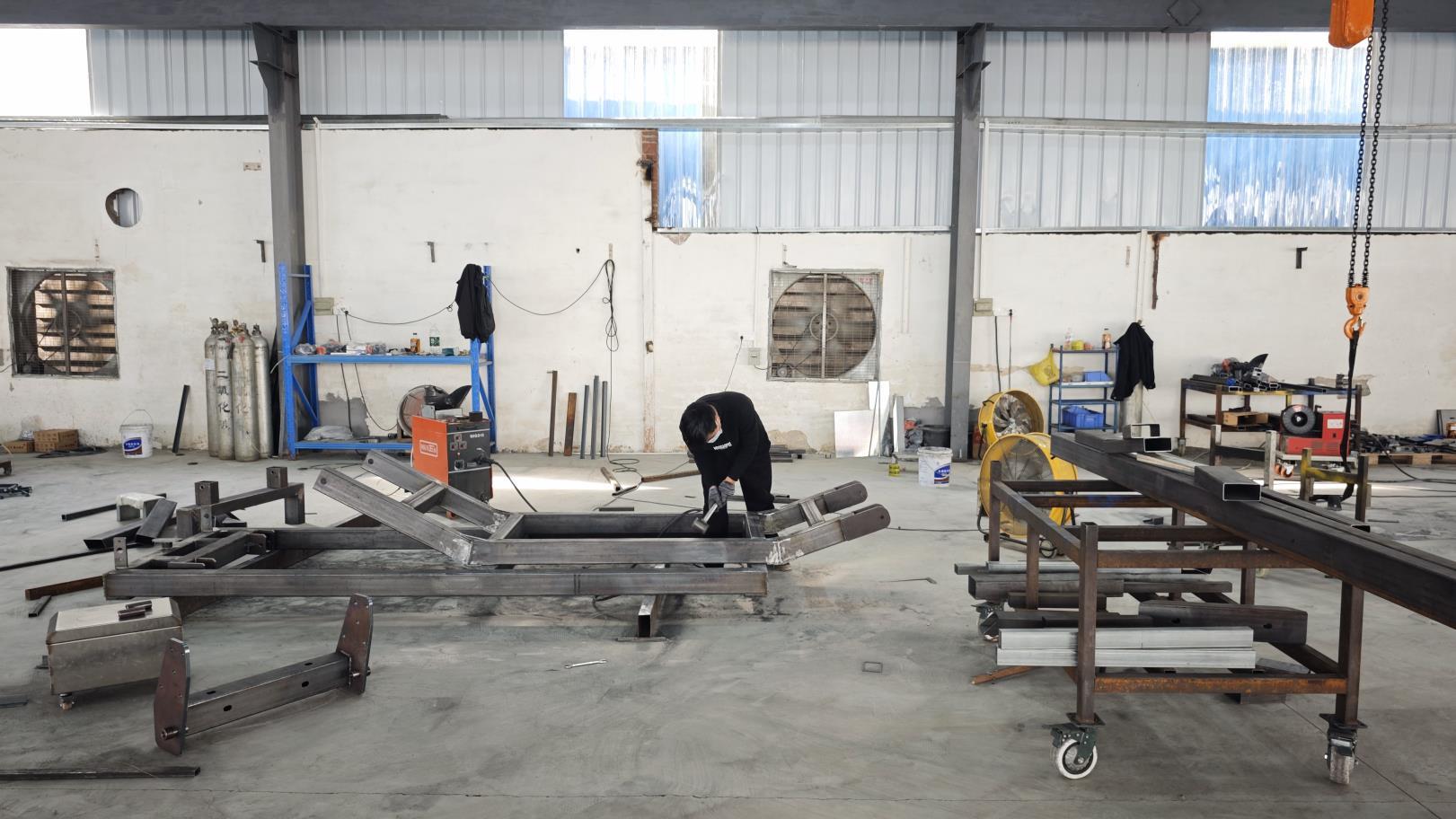
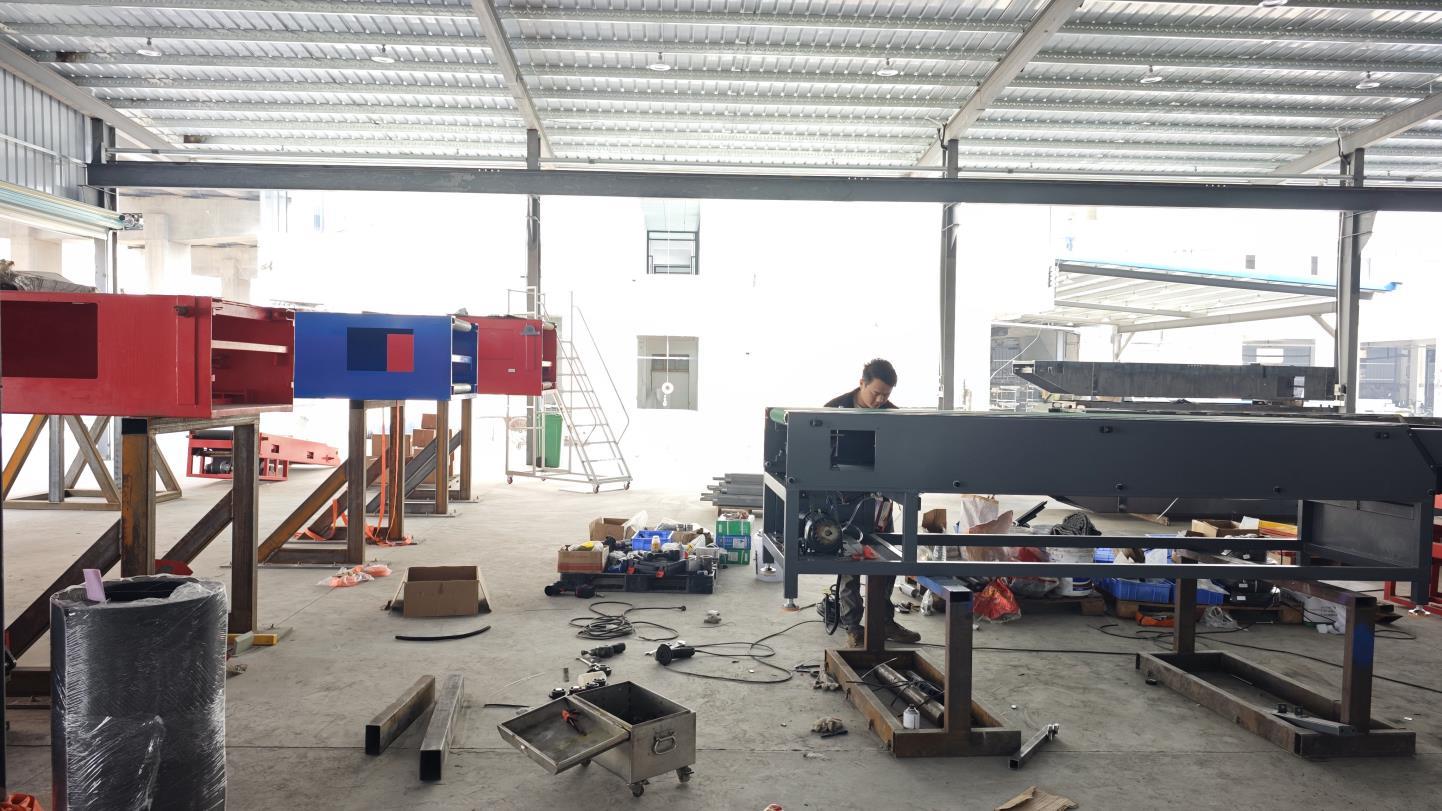
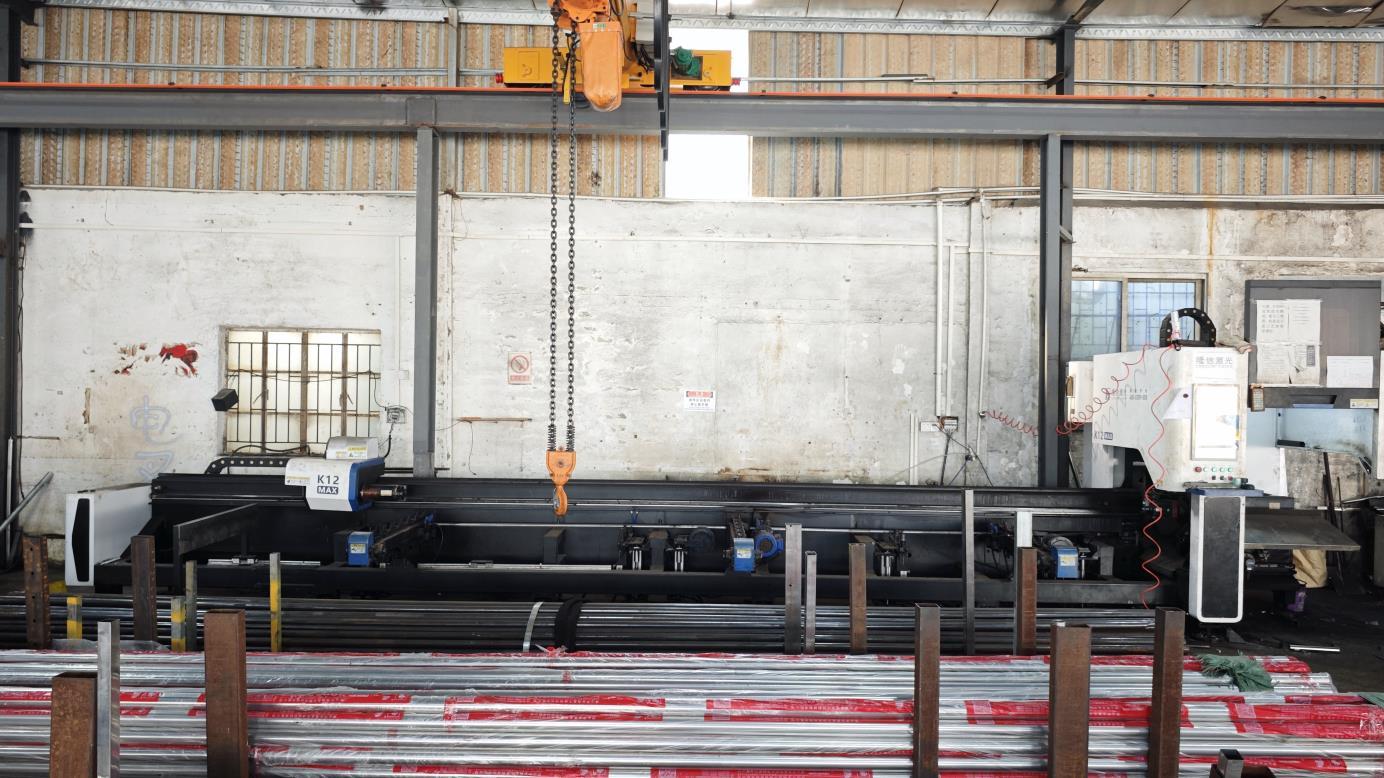
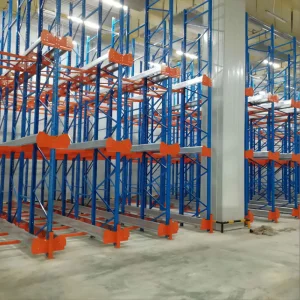
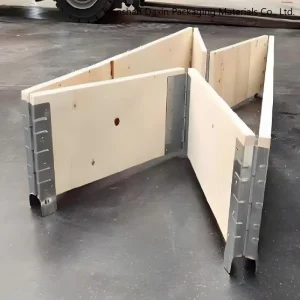
A premium cargo lift or storage system is only as good as the steel fabrication and assembly accuracy behind it. Below is an inside look at our advanced manufacturing facilities:
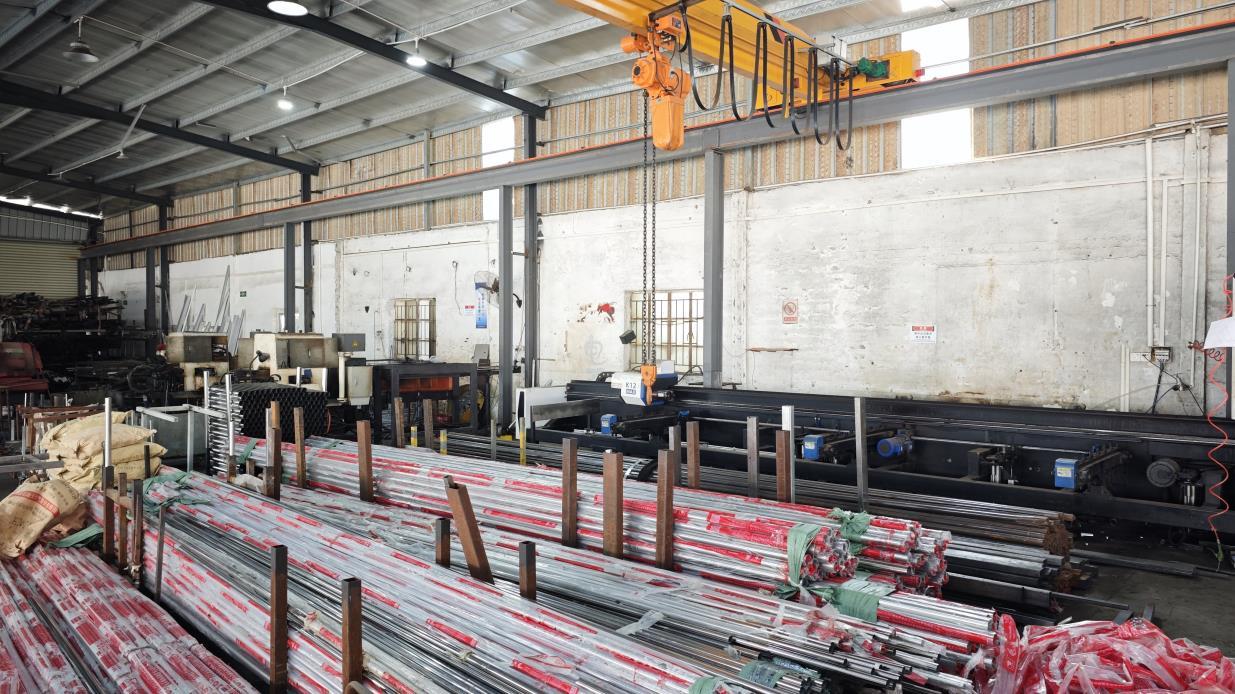
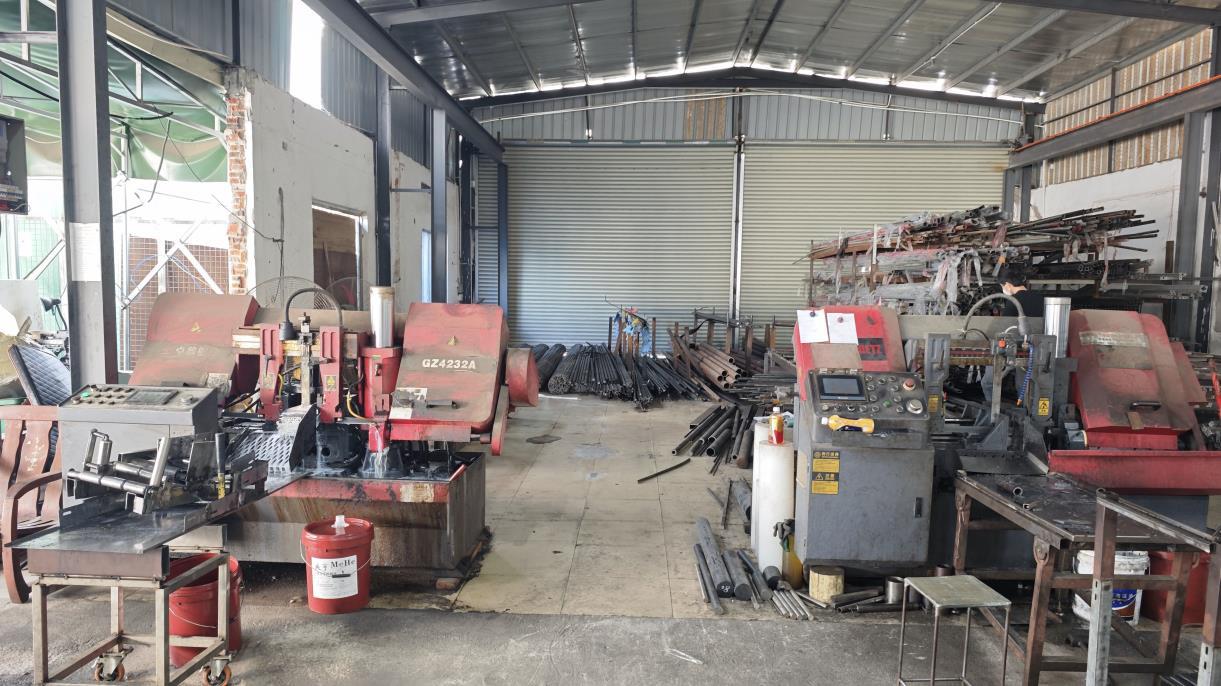
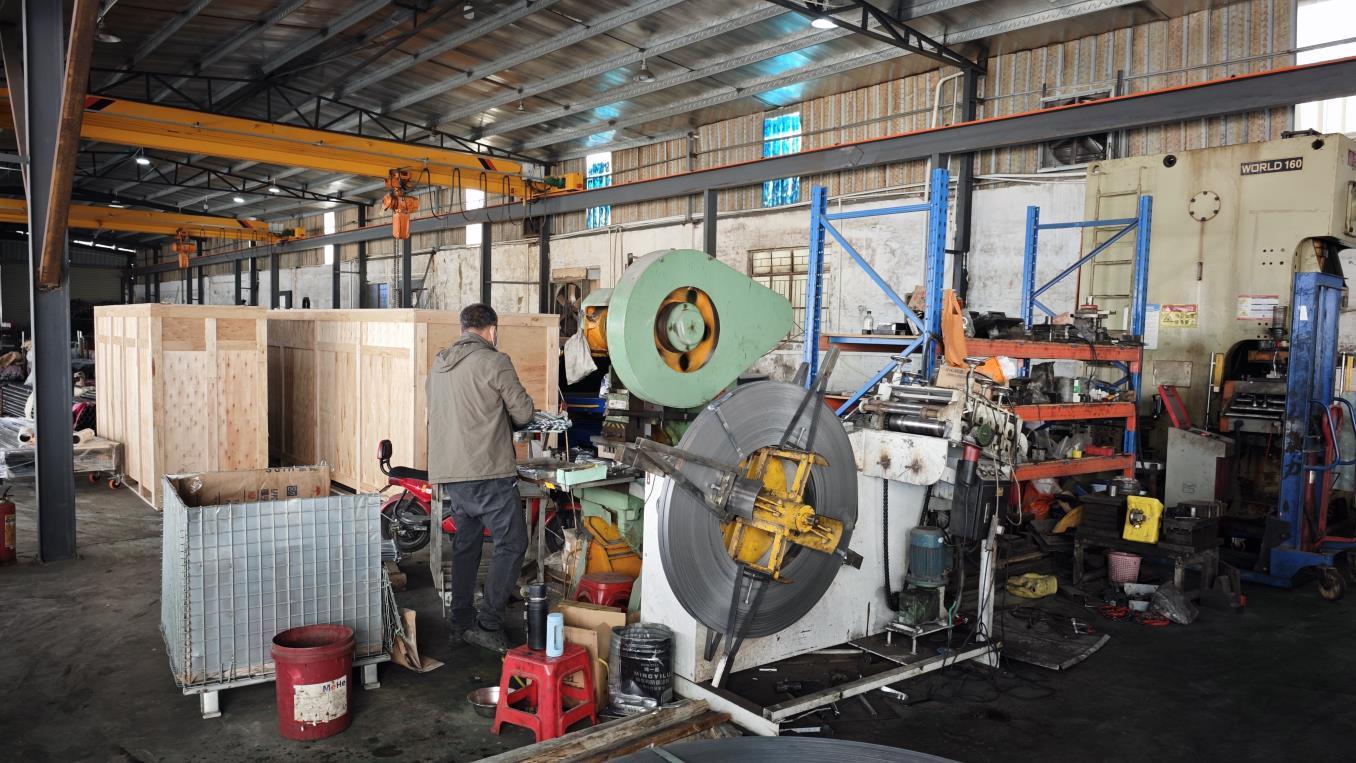
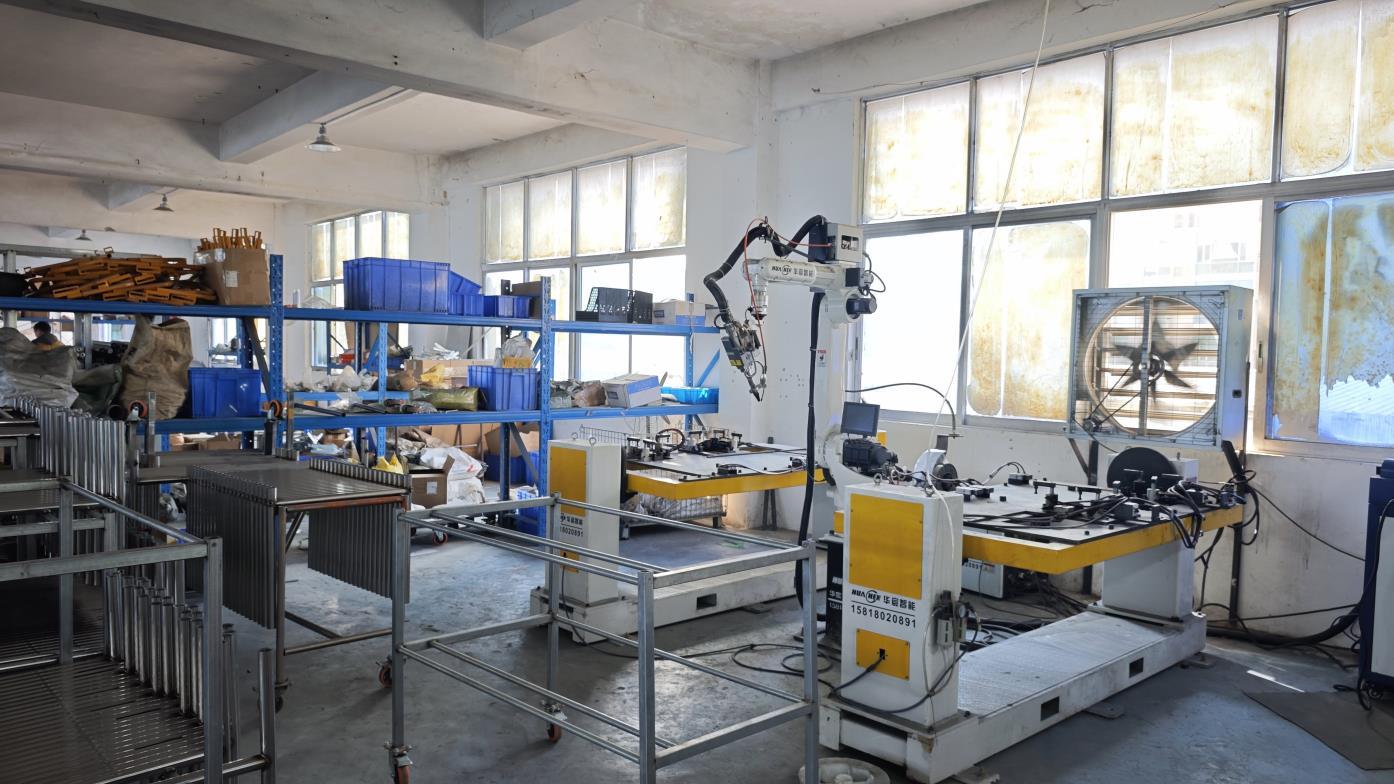
Ensuring global engineering standards match local regional code frameworks.
Heavy-duty lifts must satisfy stringent regional compliance certifications to protect site operators and prevent liability. When coordinating international shipments and project designs, our engineering teams build platforms adhering to standard global codes:
These harmonized European safety standards govern the design, calculation, verification, and testing of passenger and goods elevators. Strict adherence ensures reliable shaft dimensions, robust cabin designs, fire-resistant landing doors, and dependable safety gear mechanisms.
The safety code for elevators and escalators in the United States and Canada defines rules for load class calculations, seismic structural designs, emergency escape configurations, and electrical wire insulation safety ratings.
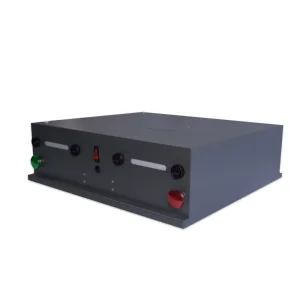
Our components, ranging from heavy steel frames to localized electrical control nodes (such as the Customized IP54/IP65 Distribution Boxes), undergo rigorous stress testing to resist dust, moisture, and chemical exposure in demanding industrial environments.
Get answers to critical design questions from our experienced application engineers.
These load classes are defined by elevator safety codes. Class A is for general cargo loading where the load is handled manually or via small hand trucks. Class B is specifically for motor vehicle transportation. Class C is designed for industrial truck loading (such as forklifts). Class C systems feature reinforced structures to handle high wheel loads and off-balance forces when a forklift enters the lift car.
Interfacing is accomplished by integrating the elevator controller (PLC) with the AMR Fleet Management System (FMS). Communication occurs via industrial protocols like TCP/IP Modbus, OPC UA, or wireless signal transceivers. When an AMR approaches, it requests the elevator, the lift opens, the AMR moves inside, and the elevator transports the cargo to the target level automatically.
Uneven floor leveling can damage materials, cause forklift operators to bounce, or prevent small-wheel AGVs from driving over the threshold. Using closed-loop encoder feedback and VVVF drives, modern lifts adjust floor levels dynamically to keep tolerances under ±2mm.
Choose hydraulic lifts for low-travel (under 15m), high-capacity applications where low maintenance complexity is desired. Choose traction systems when high travel height, high speeds, continuous operations, or optimized energy efficiency is required.
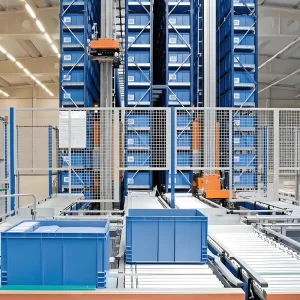
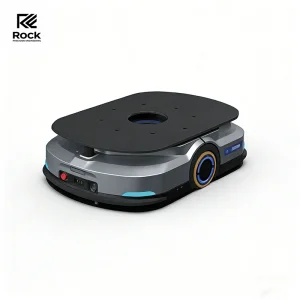
Explore matching technology options to build a integrated warehouse ecosystem.

 RAB Logistics