Deploy precision engineered load-bearing packaging and smart automated materials handling devices to transform modern distribution workflows.
In global supply chain management, cargo protection is paramount. Standard generic pallets and storage solutions often fail to support heavy-load equipment, high-sensitivity electronics, and irregular aerospace structures. Custom crating bridges this gap by offering engineered containment solutions that combine structural wood engineering, cushioning dampening materials, and automated system compliance.
High-grade custom wooden crates utilize finite element analysis (FEA) to confirm exact structural margins. This ensures structural integrity when subjected to extreme g-forces during sea transit, heavy container handling, or high-density vertical racking.
Modern export operations require strict compliance with international phytosanitary rules (ISPM 15). The integration of VCI (Vapor Corrosion Inhibitor) linings, vacuum barrier packaging, and desiccants prevents thermal cycling condensation from damaging critical electronics or metal structures.
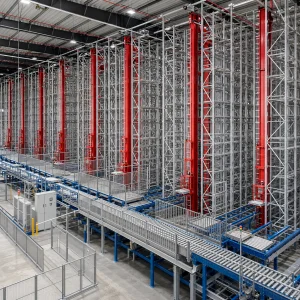
Custom crating is no longer just for transport; it must integrate with automated systems. Standard footprints, uniform center of mass placement, and optimized pick points are crucial for AS/RS stacker cranes, forklift pockets, and AGV interface alignments.
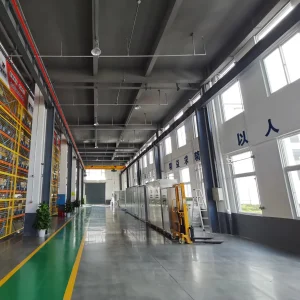
Hangzhou RAB Logistics Co., Ltd. is a professional provider of intelligent warehousing and modern logistics solutions. Built on years of industry experience and continuous technological innovation, RAB Logistics is committed to helping enterprises transform traditional warehouse operations into highly automated, data-driven, and efficient supply chain systems.
Since its establishment, the company has focused on integrating advanced logistics technologies such as Warehouse Management Systems (WMS), Automated Storage and Retrieval Systems (AS/RS), AGV/AMR robotics, intelligent sorting systems, and real-time data visualization platforms. These solutions enable clients to achieve higher operational accuracy, faster fulfillment speed, and significantly reduced logistics costs.
With strong capabilities in system consulting, solution design, equipment integration, software development, and project implementation, Hangzhou RAB Logistics Co., Ltd. delivers end-to-end intelligent logistics solutions tailored to diverse industry needs. Our expertise ensures seamless coordination between hardware and software, creating scalable and future-ready warehouse infrastructures.
RAB Logistics serves a wide range of industries including manufacturing, cross-border e-commerce, fast-moving consumer goods (FMCG), pharmaceuticals, and automotive parts. Our solutions are trusted for their stability, innovation, and proven performance in complex, high-demand environments. By choosing Hangzhou RAB Logistics Co., Ltd., you are selecting a long-term strategic partner dedicated to building smarter warehouses, optimizing supply chains, and empowering businesses with sustainable competitive advantages in the era of intelligent logistics.
As global companies optimize supply chain costs, sourcing custom crating solutions from specialized Chinese facilities offers distinct operational advantages. These advantages combine resource integration, processing technology, and scale efficiencies.
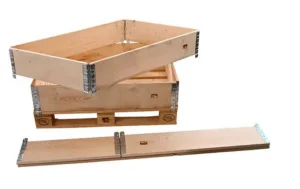
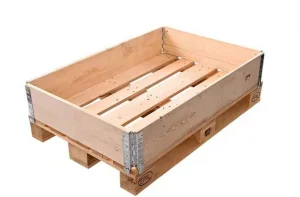
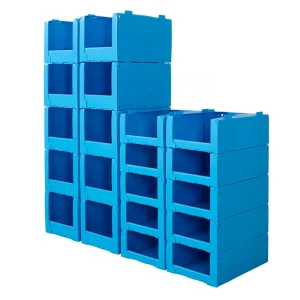
Our proximity to major forestry raw material networks, high-grade plywood mills, and performance polymer manufacturing centers guarantees continuous material supply. We offer certified Euro-standard EPAL timber, engineered multi-layered plywood, and durable ABS/PP structural plastics for collar boxes.
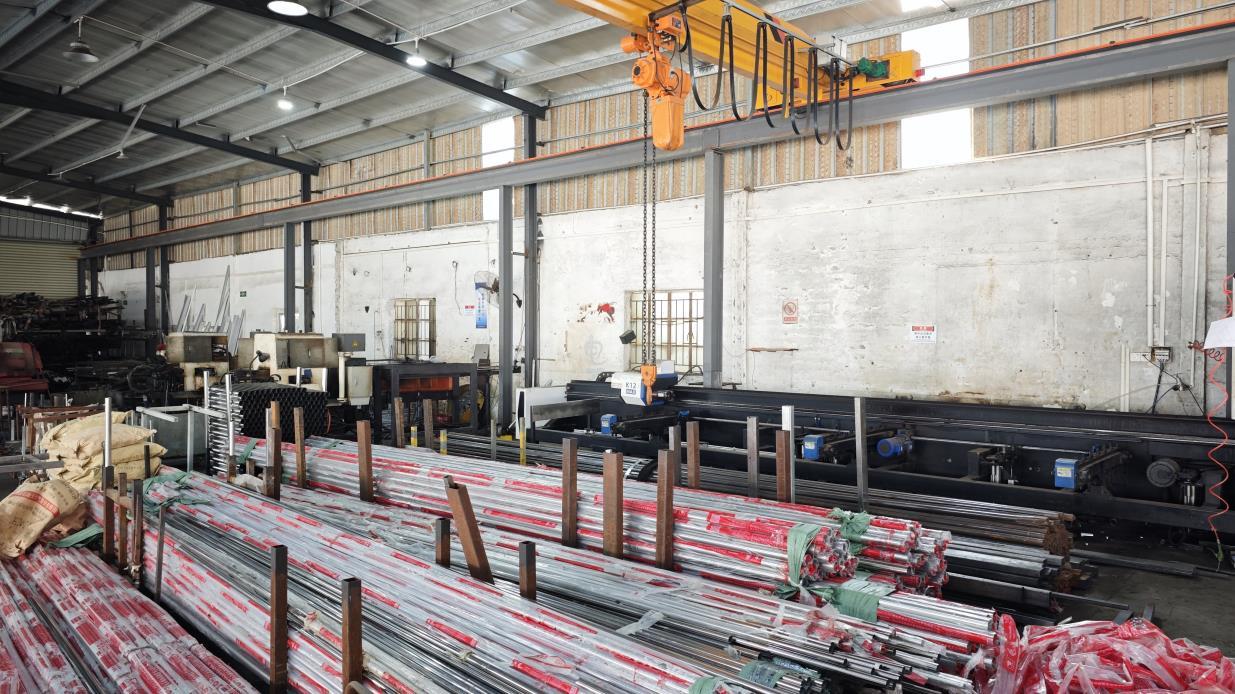
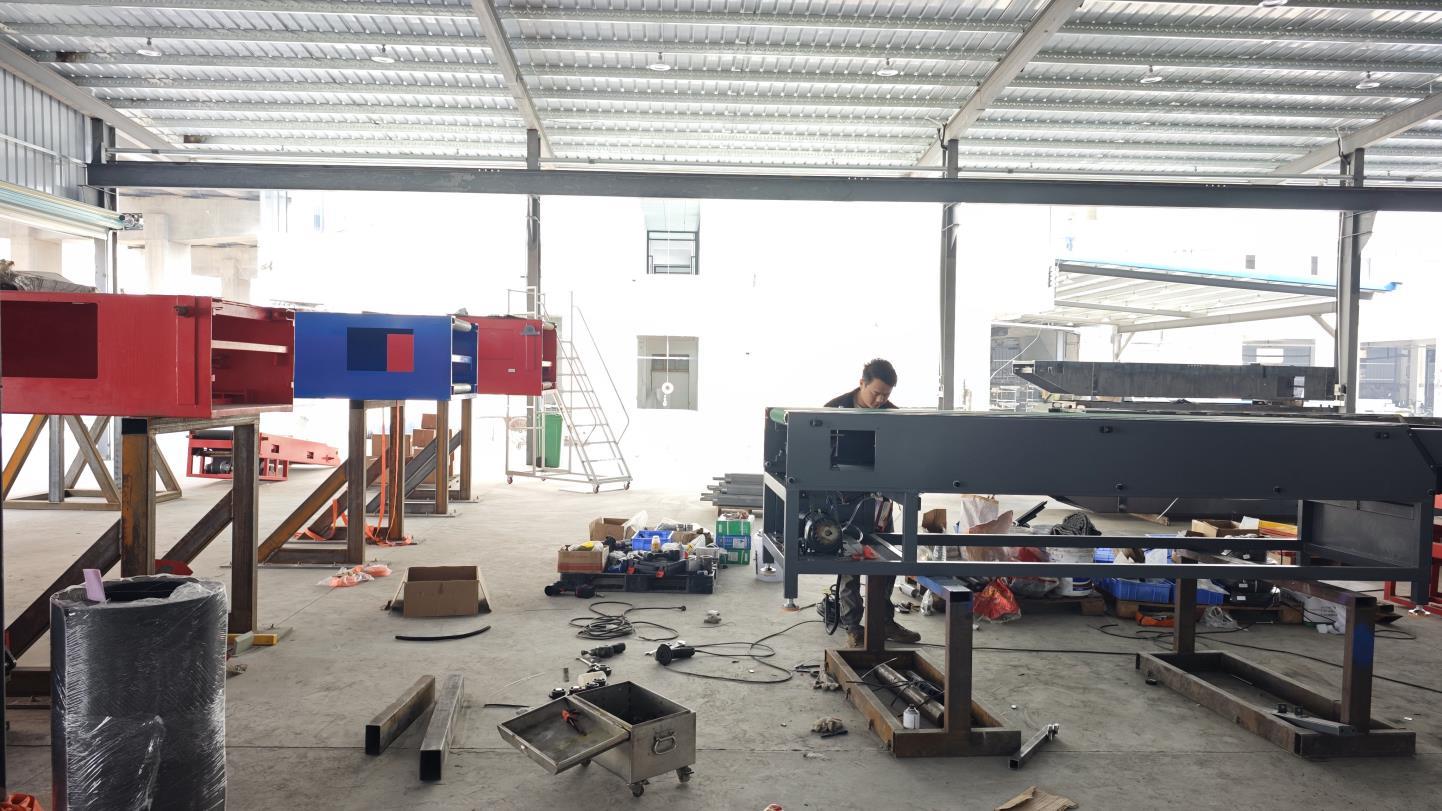
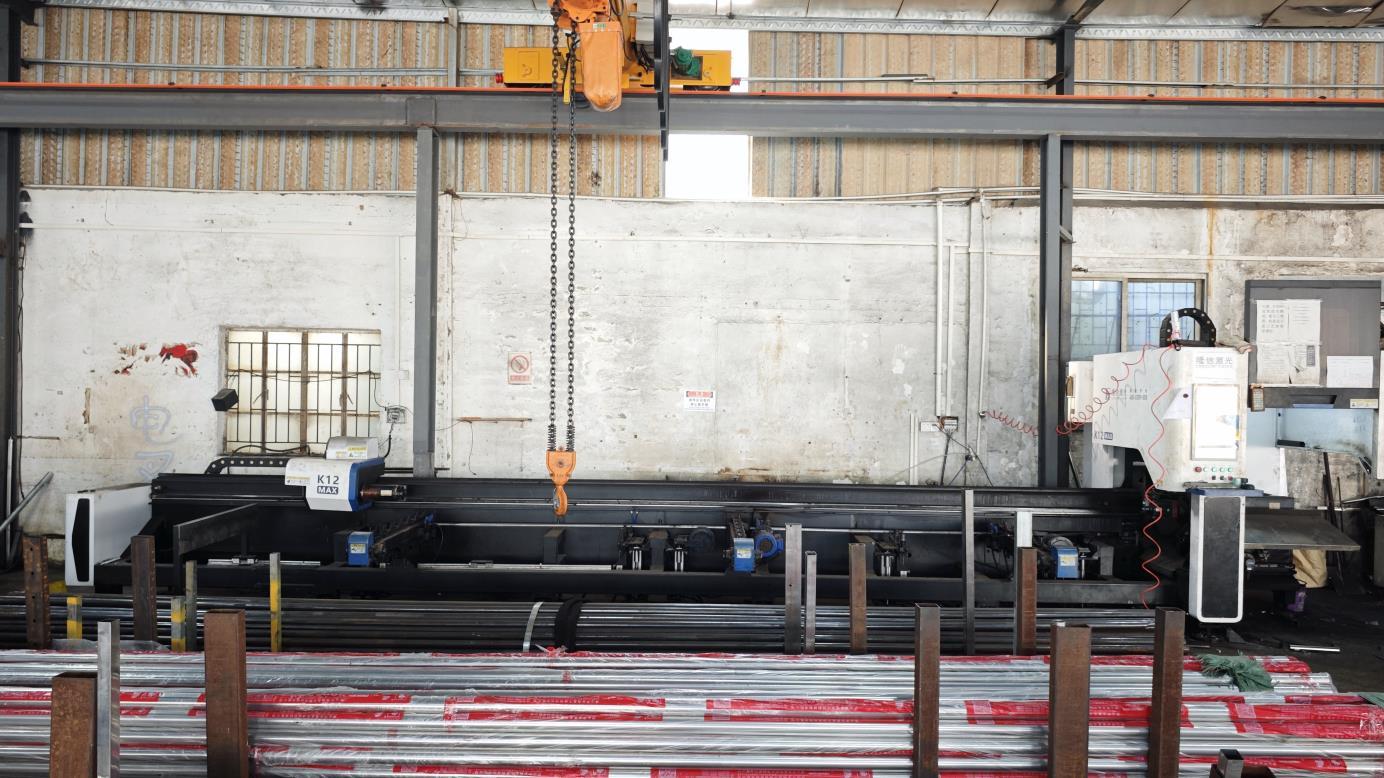
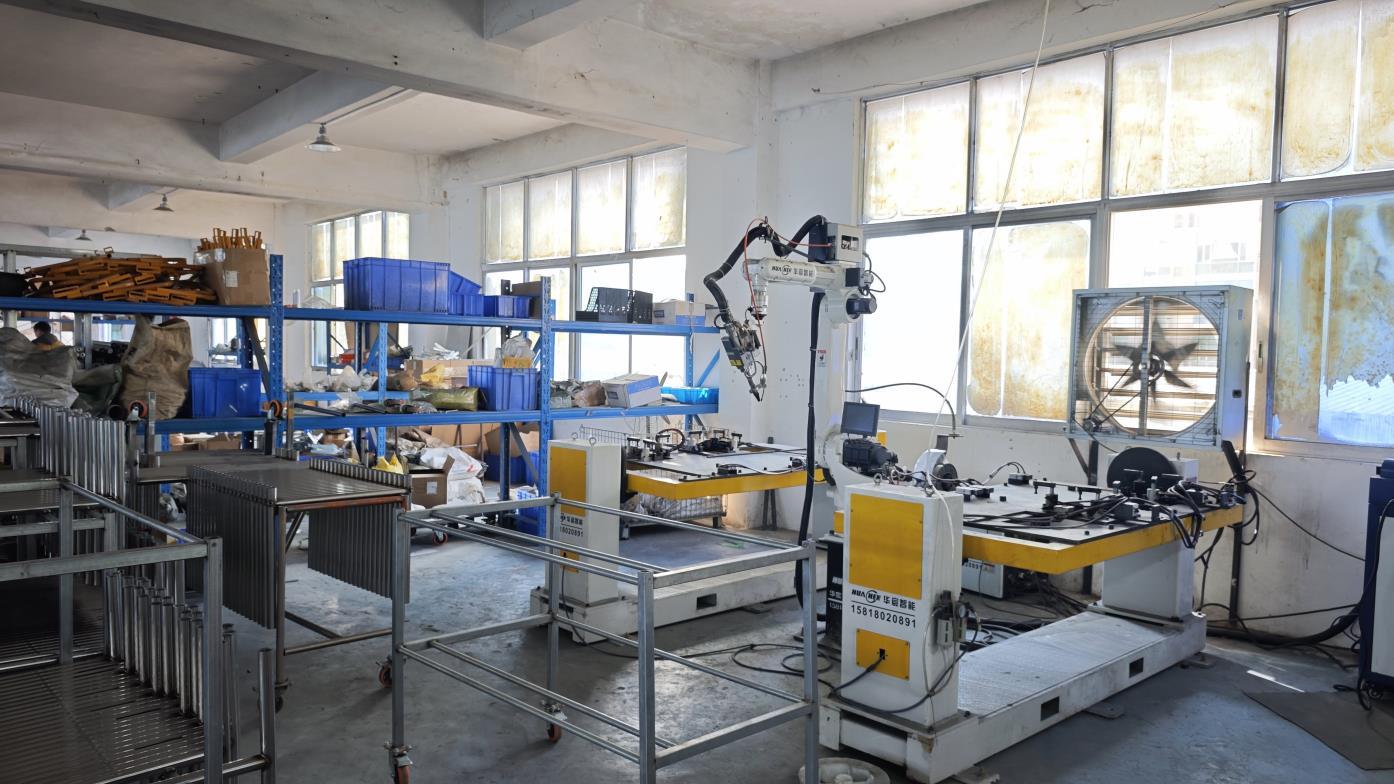
Chinese manufacturing facilities utilize advanced CNC automated cutting and robotic welding systems. This high degree of automation ensures mechanical consistency across production runs, holding dimensions to sub-millimeter tolerances for seamless compatibility with warehouse robotics.
Located in the Yangtze River Delta logistics corridor in Hangzhou, our close proximity to Ningbo-Zhoushan and Shanghai ports ensures fast customs clearance and reduced ocean freight costs. This optimizes total cost of ownership (TCO) for global buyers.
Our manufacturing facilities combine heavy-duty metal fabrication with precision wood and polymer engineering. We monitor and manage each step of our process to maintain consistent product quality and reliability.
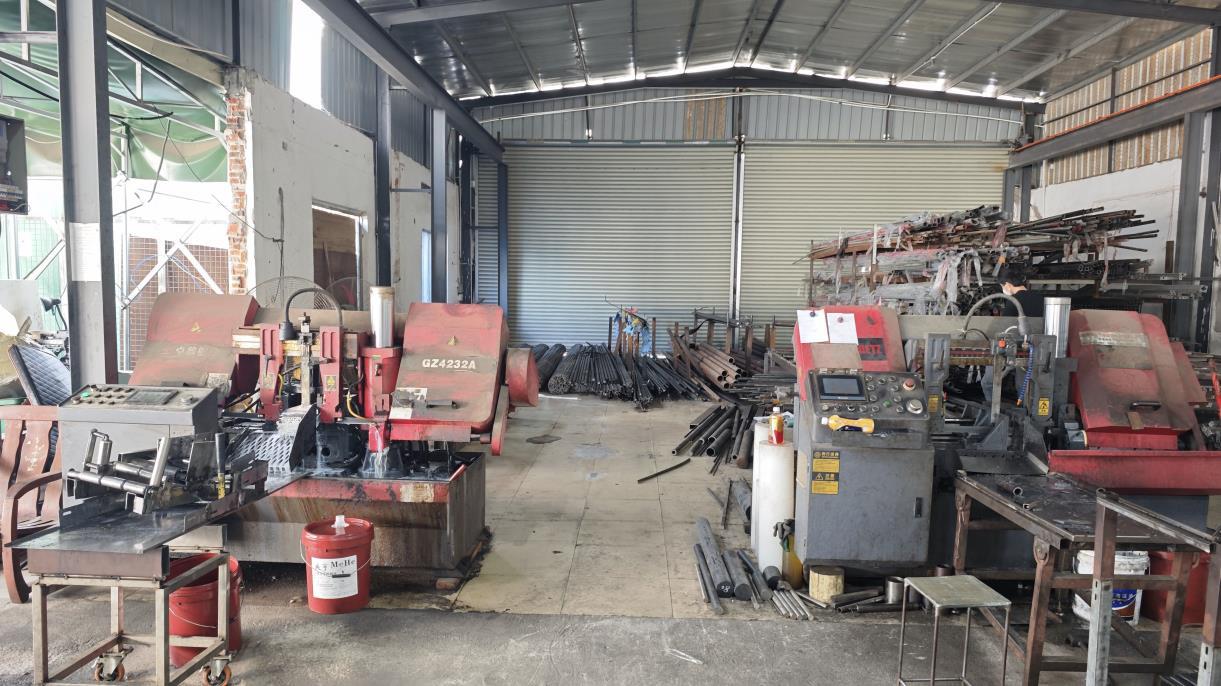
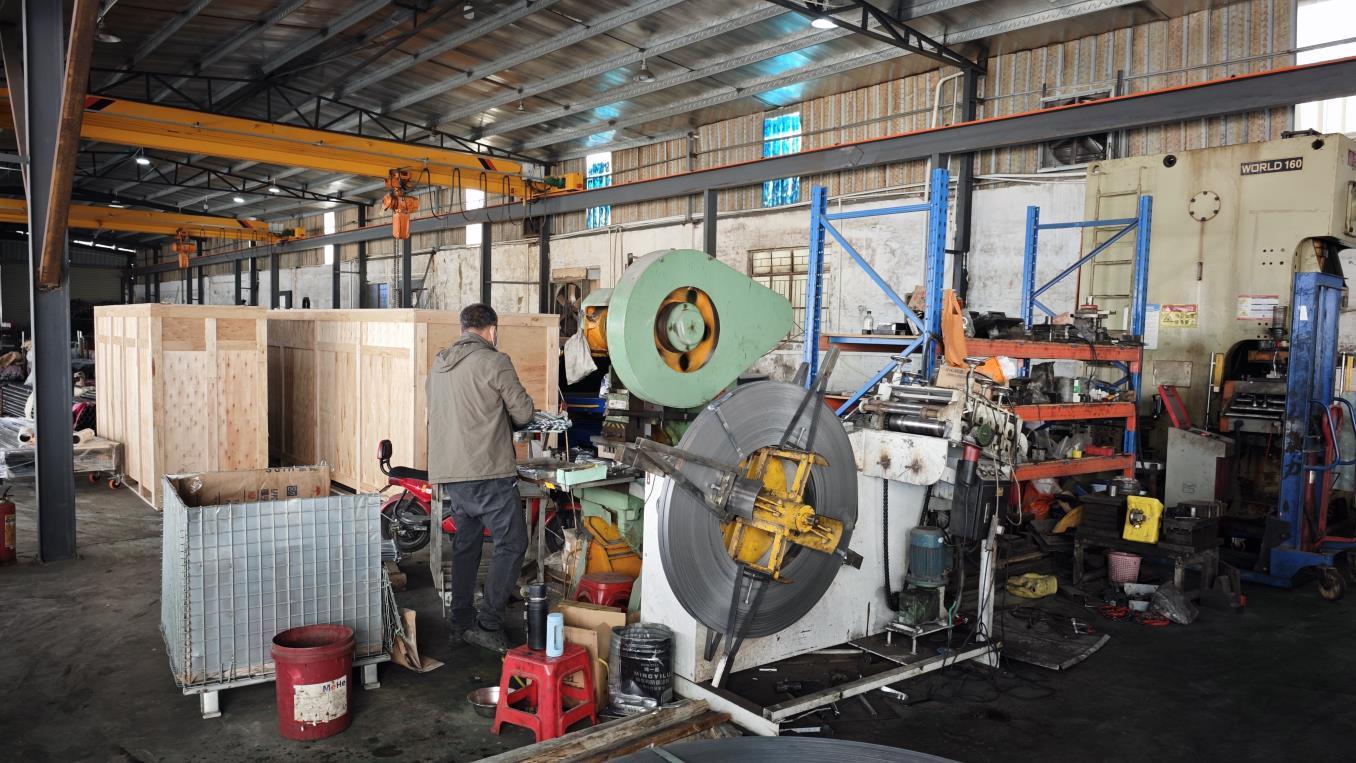
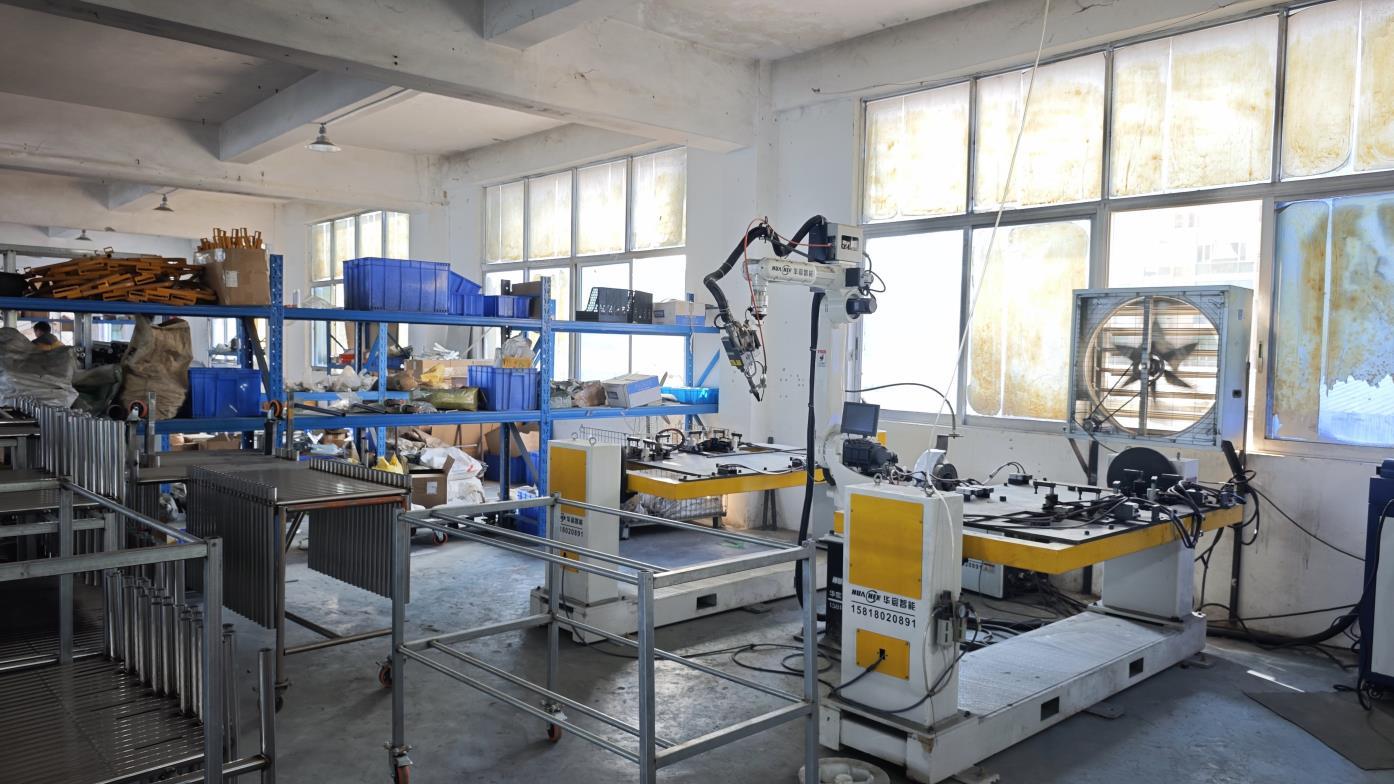
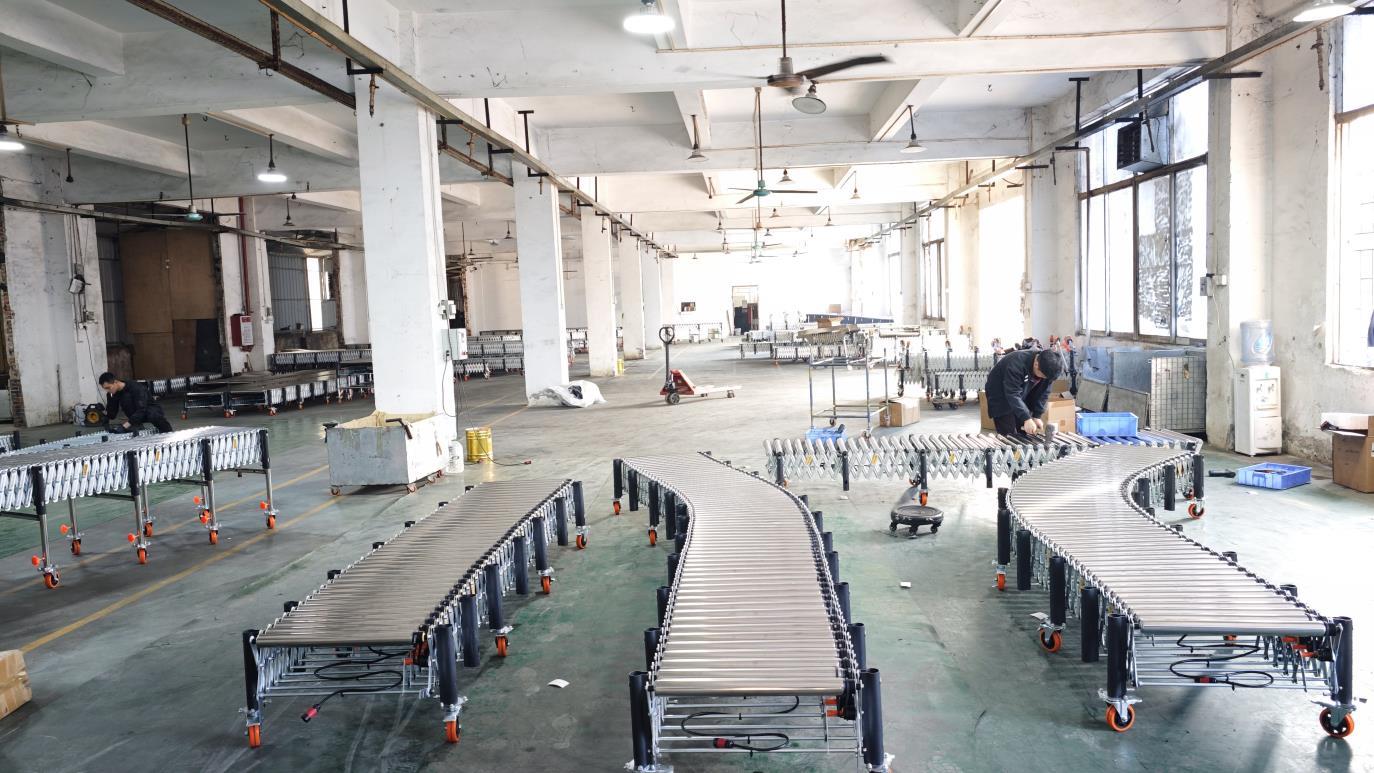
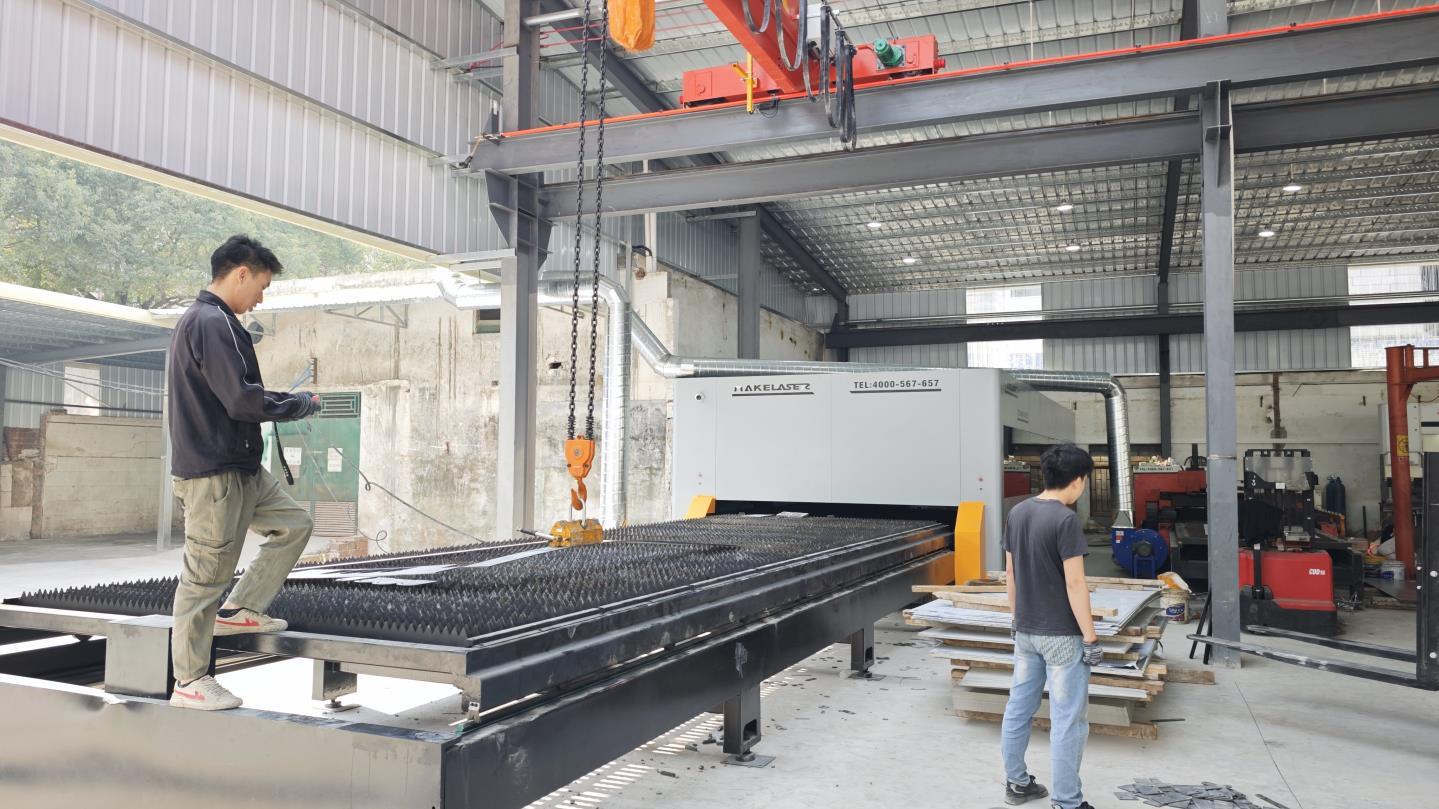
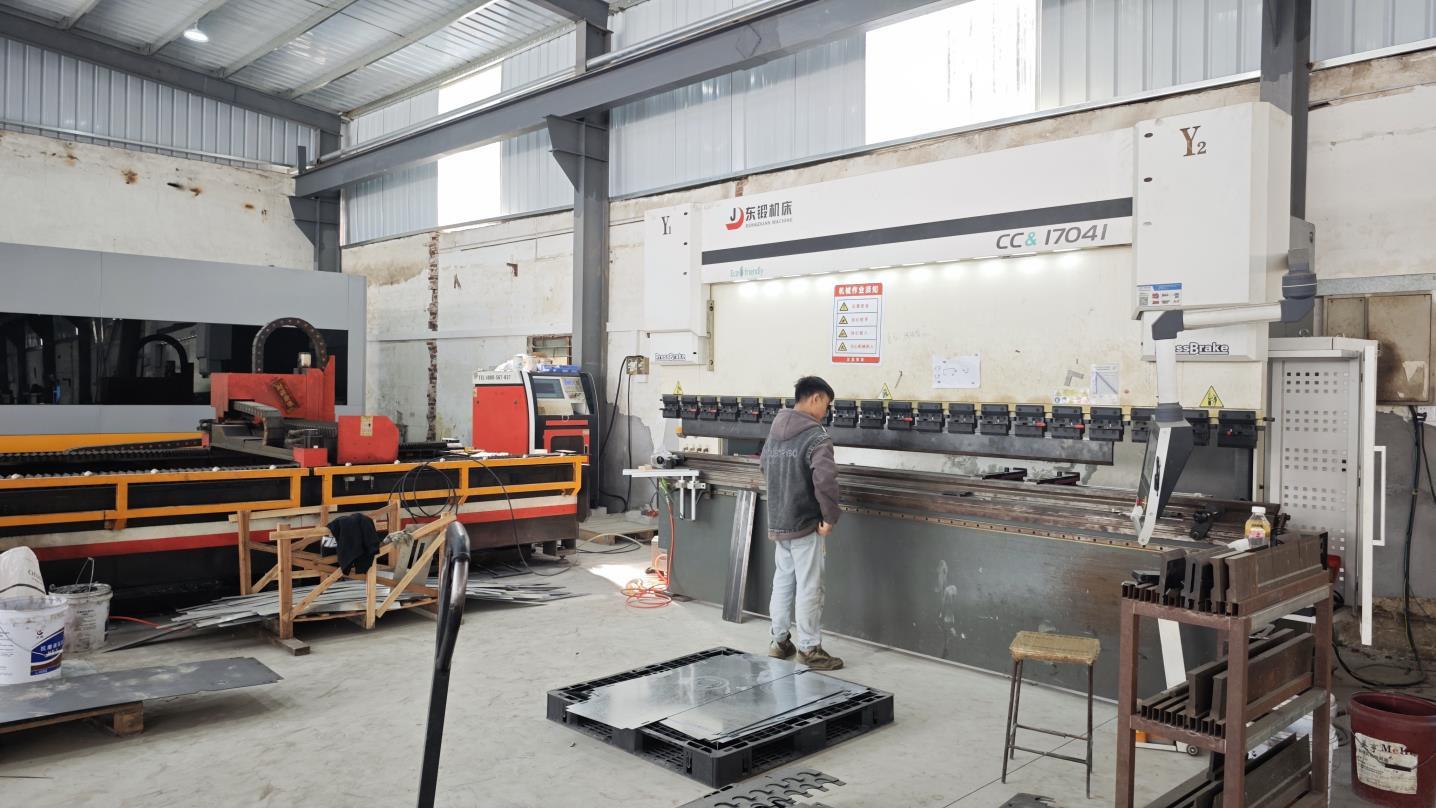
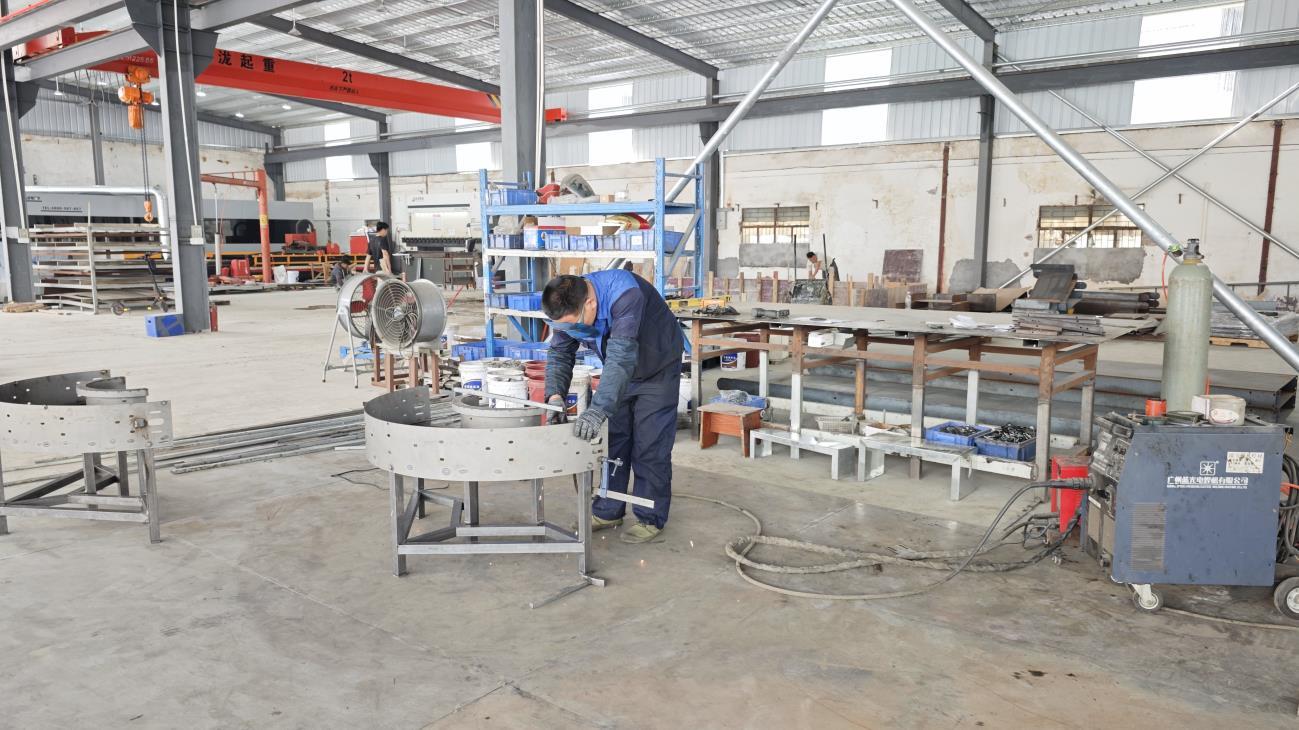
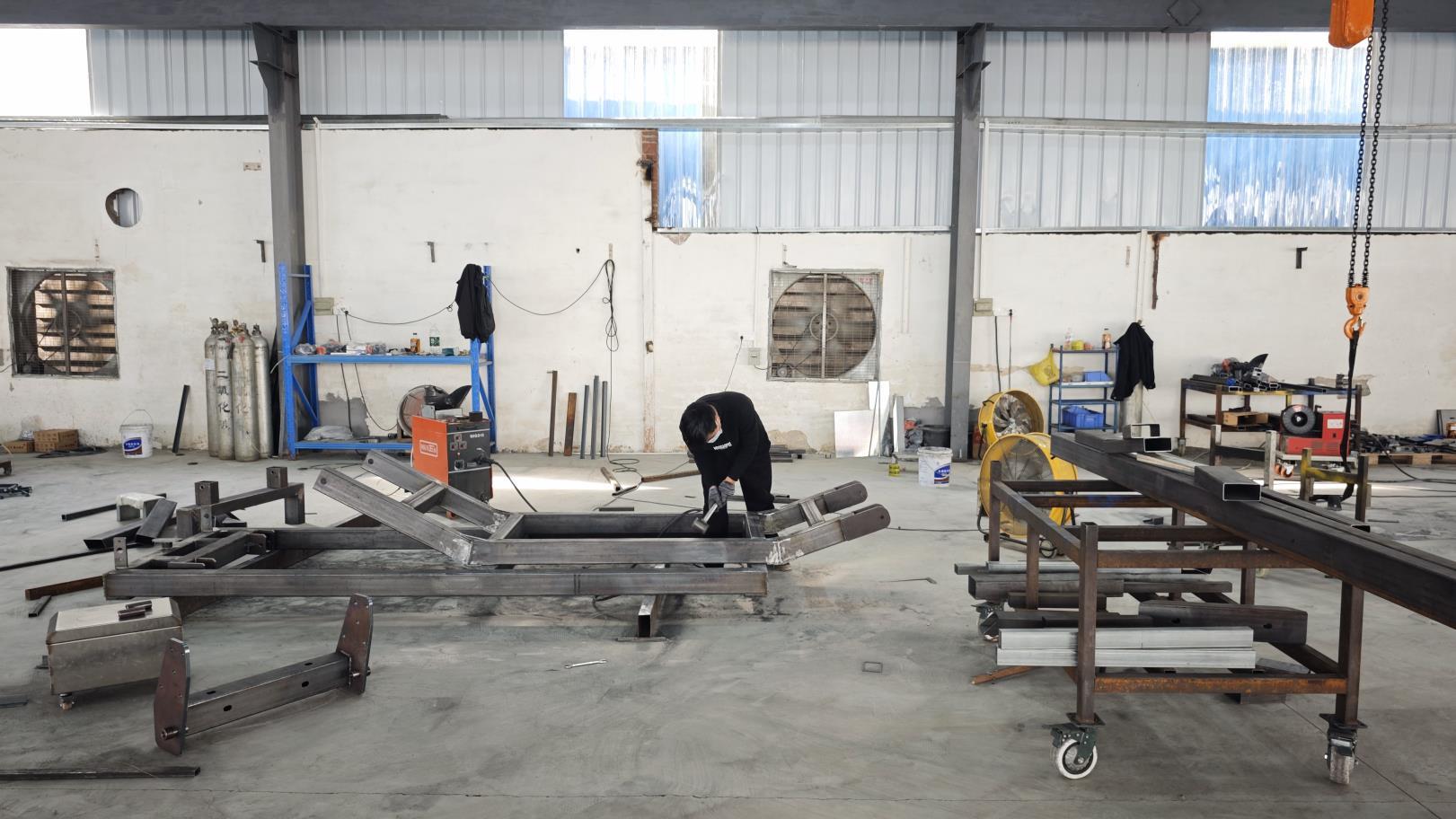
Global logistics networks are shifting toward standardized, returnable, and trackable systems. In response, modern custom packaging has evolved to integrate smart components that support real-time cargo monitoring and automated warehouse workflows.
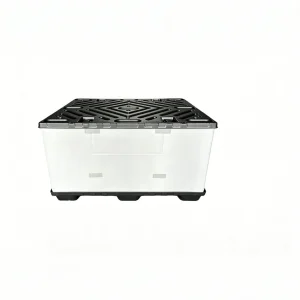
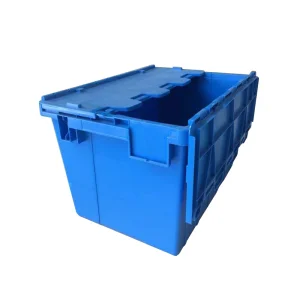
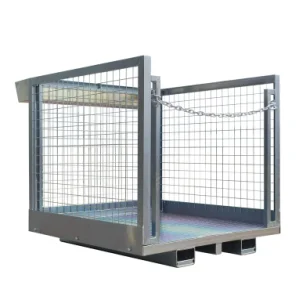
To reduce waste and support corporate sustainability goals, manufacturers are adopting reusable packaging loops. High-durability plastic pallet collar boxes and collapsible steel cages replace single-use crating, providing multi-year cycles in closed-loop supply chains.
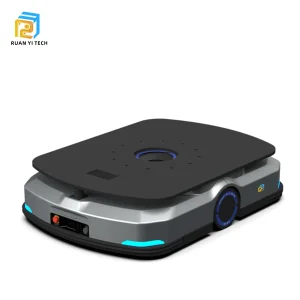
Packaging must match automated warehouse standards. This requires rigid, dimensional-stability designs for automated guided vehicles (AMR/AGV), stacker cranes, and automated conveyors. Deflection under load must be minimized to ensure conveyor sensor alignment.
Modern custom crates are designed to support embedded technology. Integrated cavities allow for the installation of GPS units, shock loggers, humidity sensors, and active RFID trackers, providing visibility throughout international logistics runs.
Custom packaging designs must match the specific handling and regulatory requirements of the target industry and regional logistics systems.
Scenario: Shipping powertrain subassemblies from component factories to assembly lines.
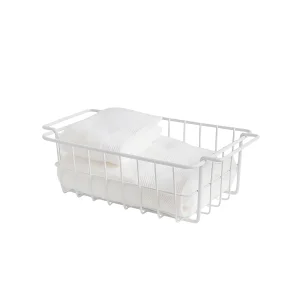
Solution: Custom-fitted steel wire containers and heavy-duty collar systems with thermoformed internal dunnage, designed for direct line-side supply chain presentation.
Scenario: Exporting precision lithography tools or data center server racks.
Solution: Wooden crates designed for shock mitigation, equipped with internal anti-vibration framing, VCI humidity barrier bags, and surface ESD protection.
Scenario: Transporting temperature-sensitive bio-agents or raw pharmaceuticals.
Solution: Stackable, insulated plastic tote boxes with integrated barcode and temperature logger mounts, designed to withstand routine sanitization protocols.
Key technical considerations for engineering, procurement, and supply chain managers.
ISPM 15 standards require all non-manufactured wood packaging materials (with thickness exceeding 6mm) to be debarked and heat-treated to a minimum core temperature of 56°C for at least 30 consecutive minutes. Certified products are stamped with the IPPC mark, listing the country code, regional producer identifier, and treatment type (HT). We provide full compliance documentation for all export wooden crates and pallet collars.
The Warehouse Management System (WMS) and Warehouse Control System (WCS) depend on dimensional uniformity to track inventory and manage mechanical routing. Crate footings, height clearances, and barcode or RFID placements must be standardized. This consistency ensures sensor arrays, scanners, and robotic pickers can reliably process unit loads without system faults.
Custom timber crates offer high vertical structural load capacities, capable of supporting static loads exceeding 10,000 kg and dynamic loads of 2,000 to 5,000 kg. High-durability plastic pallet collar boxes are typically rated for dynamic loads up to 1,000-1,500 kg, but offer advantages in washability, weather resistance, and collapse-to-return volume ratios.
ROI is determined by comparing the upfront cost of returnable crates against the cumulative cost of single-use timber boxes, including disposal fees and product damage rates. Typically, returnable shipping assets pay for themselves within 6 to 12 cycles in regional distribution loops, while also reducing total packaging waste.
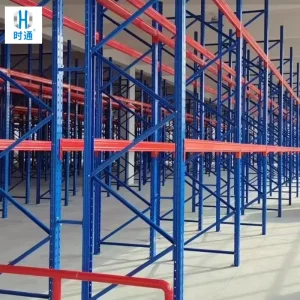
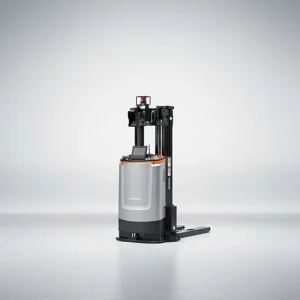
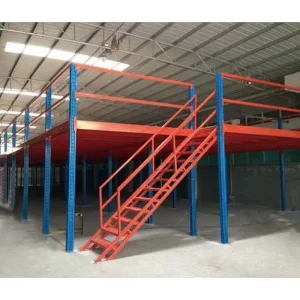
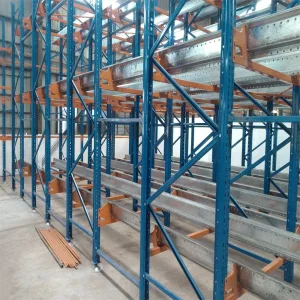
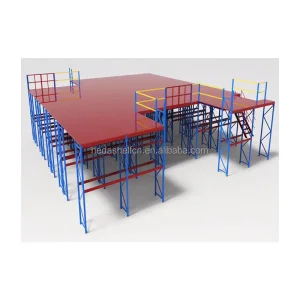
High-capacity structural racking, robotic transfer vehicles, and custom containment bins designed for industrial distribution operations.
Before confirming bulk manufacturing contracts, procurement teams should review and verify these structural and regulatory specifications:
Verify compliance with local import rules, specifically confirming heat treatment standards (HT) or fumigation certifications (ISPM 15) for wood packaging to prevent delays at international customs entry points.
Confirm fabrication tolerances (such as ±1.5mm) for cases used in automated warehouses. This ensures compatibility with AS/RS crane alignment sensors and standard forklift fork dimensions.
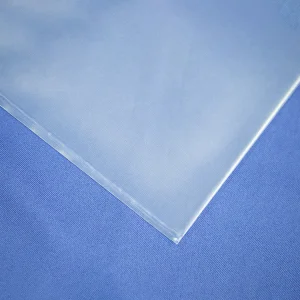
For ocean transit, confirm requirements for anti-corrosion protection. Check options for thick VCI internal barrier bags, heavy desiccants, and vacuum sealing to prevent condensation damage.
 RAB Logistics