Precision-engineered hardware facilitating intelligent supply chain logistics and assembly workspace optimization.
An in-depth analysis of ergonomics, robotics localization, modular scaling, and material optimization in global warehouse layouts.
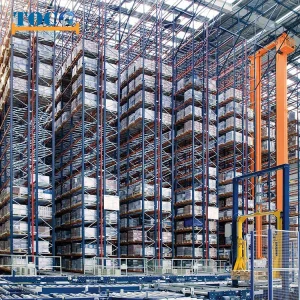
💡 Executive Abstract: Modern smart manufacturing hubs require a seamless physical interface connecting logistics pathways, robotic transporters (AMR/AGVs), high-density AS/RS systems, and human operators. An OEM/ODM Industrial Workbench System serves as this critical workspace hub. Designing these systems goes far beyond basic metallurgy; it demands deep compliance with ergonomic principles, ESD dissipation rules, localized PLCs, and seamless structural adaptability to automate material movement. This paper outlines procurement pathways, mechanical frameworks, and production dynamics behind world-class industrial workstations.
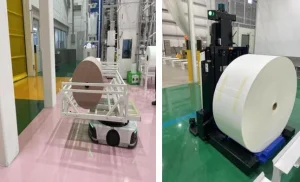
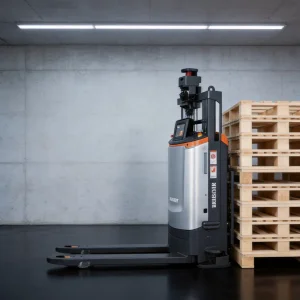
As factories transition from rigid, fixed assembly lines to dynamic, cell-based manufacturing, the demand for modular Industrial Workbench Systems has grown exponentially. Companies in North America, Europe, and the Asia-Pacific region are prioritizing reconfigurable designs. The integration of Automated Guided Vehicles (AGVs) and Autonomous Mobile Robots (AMRs) requires workbenches with precise physical clearance, specific docking hardware, and clean electrical interfaces to support collaborative human-robot environments.
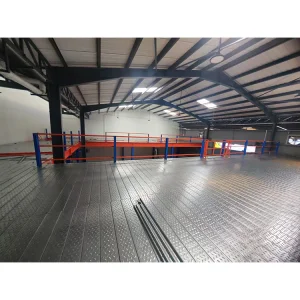
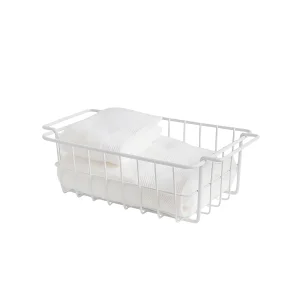
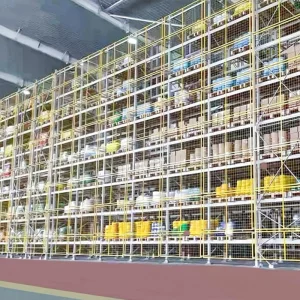
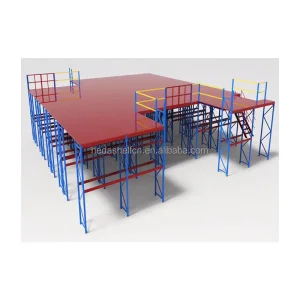
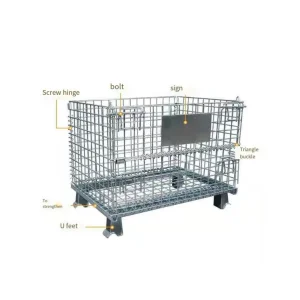
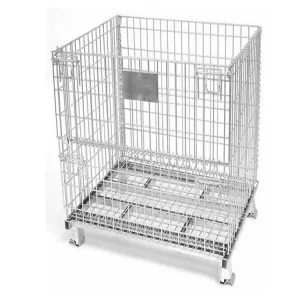
At the center of this transition is the optimization of the physical workspace. Standard static benches are being replaced by height-adjustable, power-integrated stations. This flexibility allows businesses to quickly adapt their workspaces when shifts in assembly layouts occur. Additionally, combining these systems with specialized storage, such as industrial wire mesh containers and mezzanine platforms, enables facilities to maximize space utilization. By keeping essential tools within arm's reach, operators can minimize transit times and reduce physical strain.
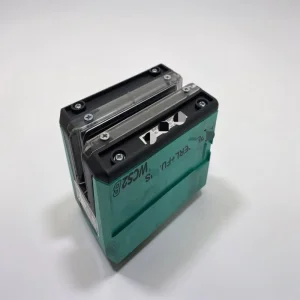
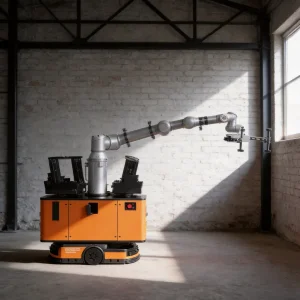
Modern workbenches must handle load transitions from AMRs, incorporate PLC control boxes like the WCS2B-LS211, and adapt to robotic arms for automated pick-and-pack applications.
Electric height-adjustable frames conforming to ISO and EN standards reduce musculoskeletal fatigue, lowering injury rates and improving assembly line throughput.
For microelectronics and automotive control assembly, integrated ESD laminates and conductive grounding paths prevent static damage to sensitive components.
Achieving structural integrity in high-throughput facilities requires precise engineering. Standard industrial workbenches must sustain uniform static loads from 500kg up to over 2000kg. The selection of materials directly impacts the lifecycle cost and structural performance of the unit.
Key design considerations include the choice of worktops (e.g., high-density laminate, ESD dissipative material, stainless steel, or heavy timber) and the frame geometry. C-frame designs offer optimal legroom and mobility, whereas 4-post frames provide maximum structural capacity. Below is an engineering comparison matrix showing common workbench configurations used in smart factory layouts.
| System Type | Load Capacity | Key Attributes | Best Integration Target | Standard Compliance |
|---|---|---|---|---|
| Heavy-Duty Structural Bench | 1500kg - 2500kg | Dual-welded steel frame, high-impact steel/timber top | Automotive assembly, mold repair, hydraulic building | Heavy Duty EN 13150 |
| Ergonomic Sit-Stand Station | 300kg - 600kg | Dual electric motors, anti-collision sensors, digital presets | Precision picking, assembly line inspection | Flex Fit BIFMA X5.5 |
| Smart PLC Assembly Hub | 500kg - 1000kg | Integrated power cabinet, PLC mount (WCS2B series), sensor arrays | E-Commerce pick stations, connected IoT assembly lines | Smart IoT CE / UL Support |
| ESD Safe Cleanroom Bench | 400kg - 800kg | 10^6 to 10^9 ohms resistivity, grounding loops, ionizer bars | Semiconductor packaging, medical device assembly | ESD Guard ANSI/ESD S20.20 |
Hangzhou RAB Logistics Co., Ltd. is a professional provider of intelligent warehousing and modern logistics solutions. Built on years of industry experience and continuous technological innovation, RAB Logistics is committed to helping enterprises transform traditional warehouse operations into highly automated, data-driven, and efficient supply chain systems.
Since its establishment, the company has focused on integrating advanced logistics technologies such as Warehouse Management Systems (WMS), Automated Storage and Retrieval Systems (AS/RS), AGV/AMR robotics, intelligent sorting systems, and real-time data visualization platforms. These solutions enable clients to achieve higher operational accuracy, faster fulfillment speed, and significantly reduced logistics costs.
With strong capabilities in system consulting, solution design, equipment integration, software development, and project implementation, Hangzhou RAB Logistics Co., Ltd. delivers end-to-end intelligent logistics solutions tailored to diverse industry needs. Our expertise ensures seamless coordination between hardware and software, creating scalable and future-ready warehouse infrastructures.
RAB Logistics serves a wide range of industries including manufacturing, cross-border e-commerce, fast-moving consumer goods (FMCG), pharmaceuticals, and automotive parts. Our solutions are trusted for their stability, innovation, and proven performance in complex, high-demand environments.
By choosing Hangzhou RAB Logistics Co., Ltd., you are selecting a long-term strategic partner dedicated to building smarter warehouses, optimizing supply chains, and empowering businesses with sustainable competitive advantages in the era of intelligent logistics.
Our state-of-the-art production facility relies on automated CNC systems, high-precision robotic welding arms, and strict quality control measures. We translate engineering designs into durable, high-performance structural steel solutions. Below is the step-by-step overview of our fabrication process.
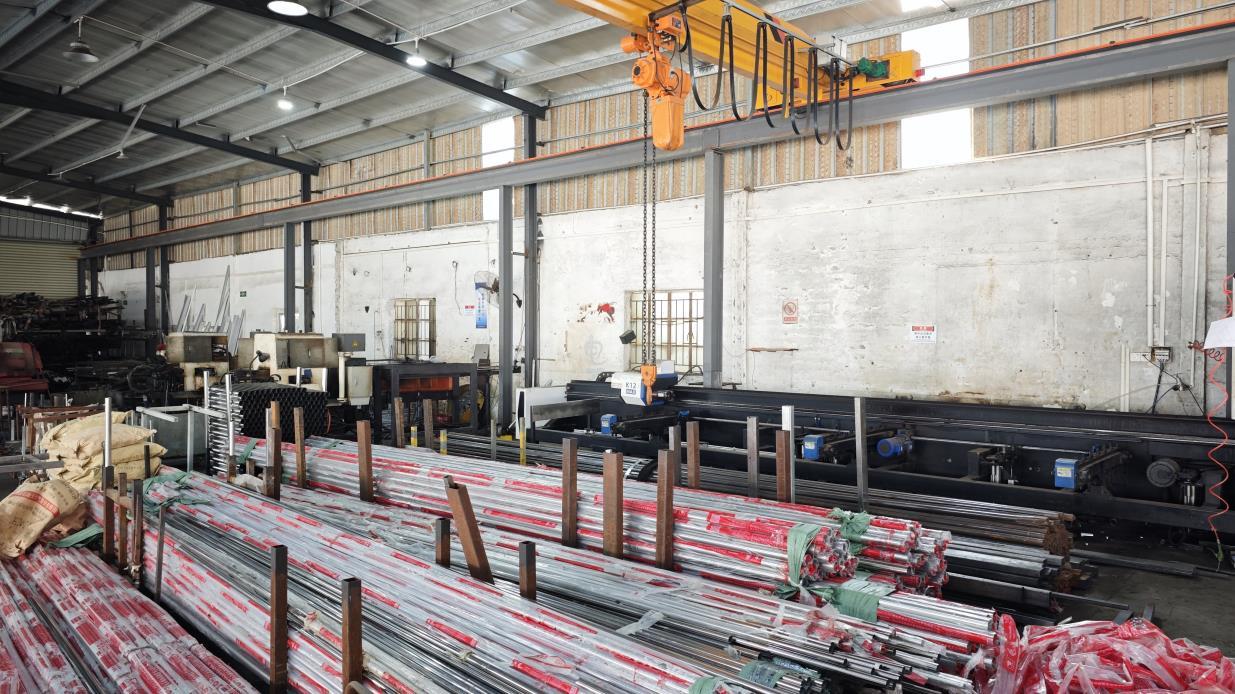
High-capacity shearing and laser cutting prepare raw steel channels for fabrication.
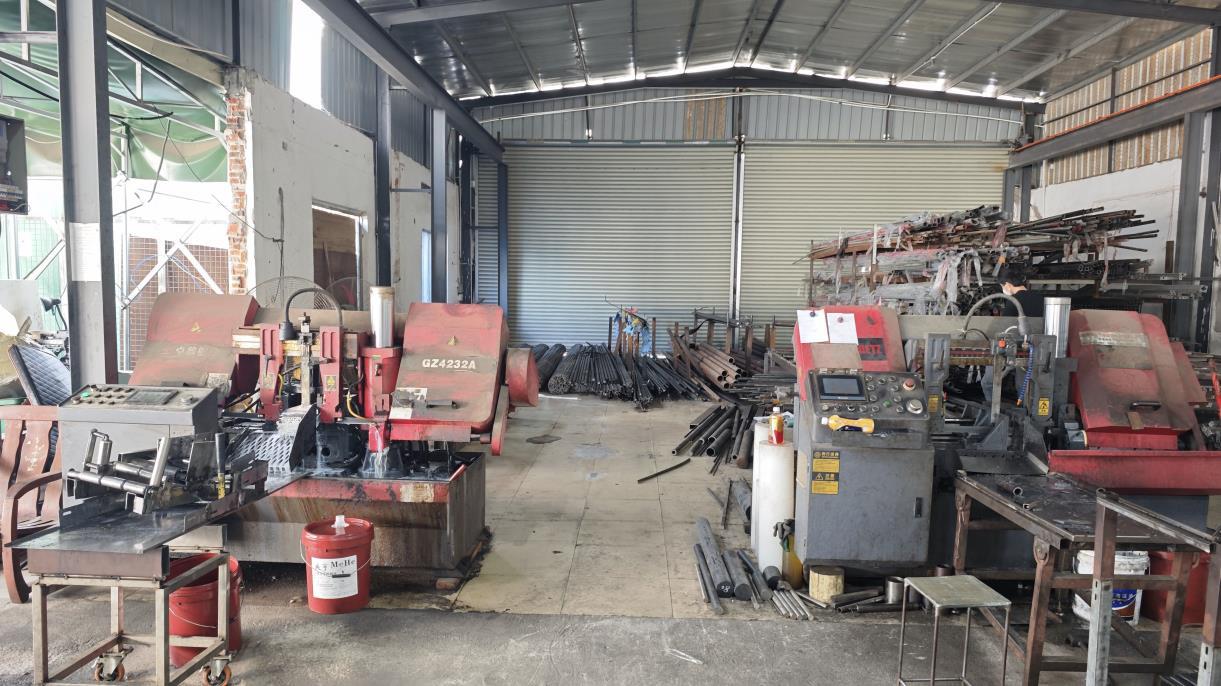
Maintains sub-millimeter tolerances for frame joints and structural crossbeams.
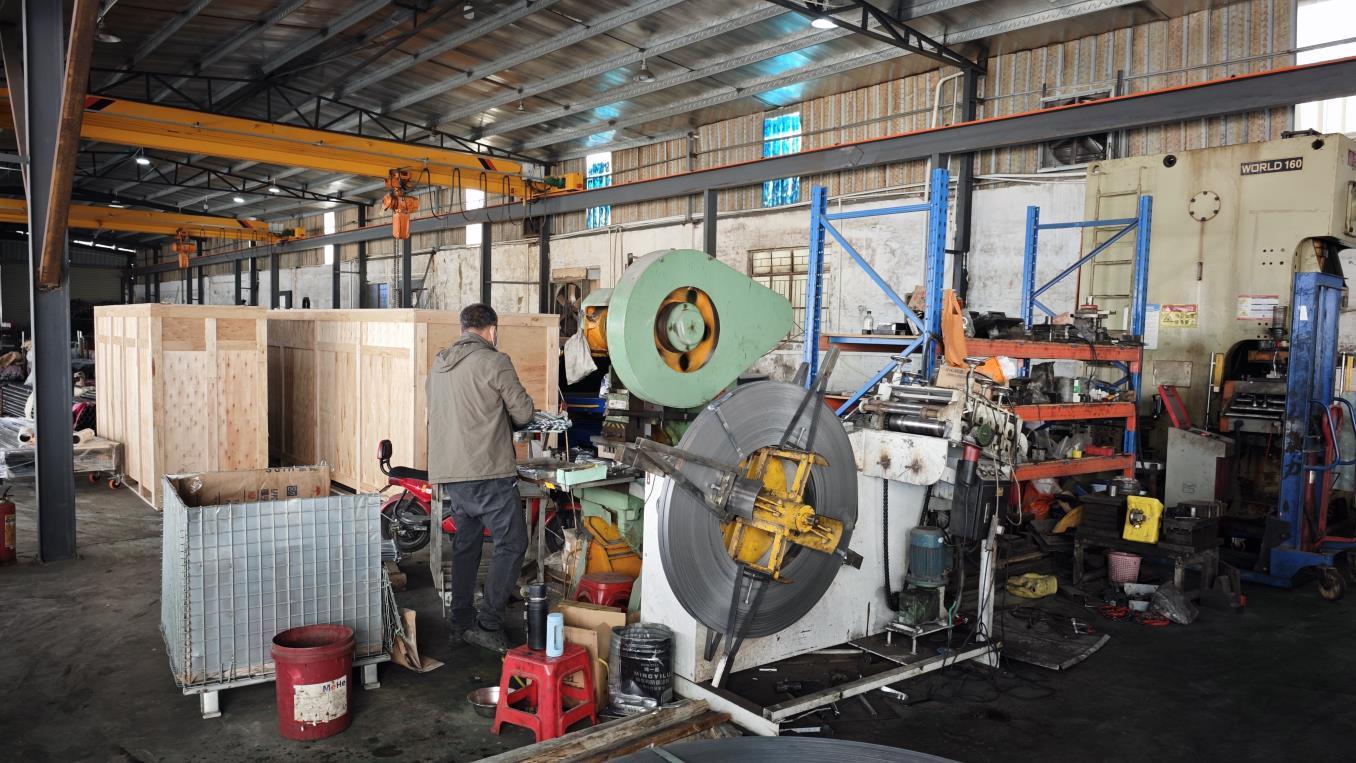
Fabricating support plates, connection joints, and structural mounting points.
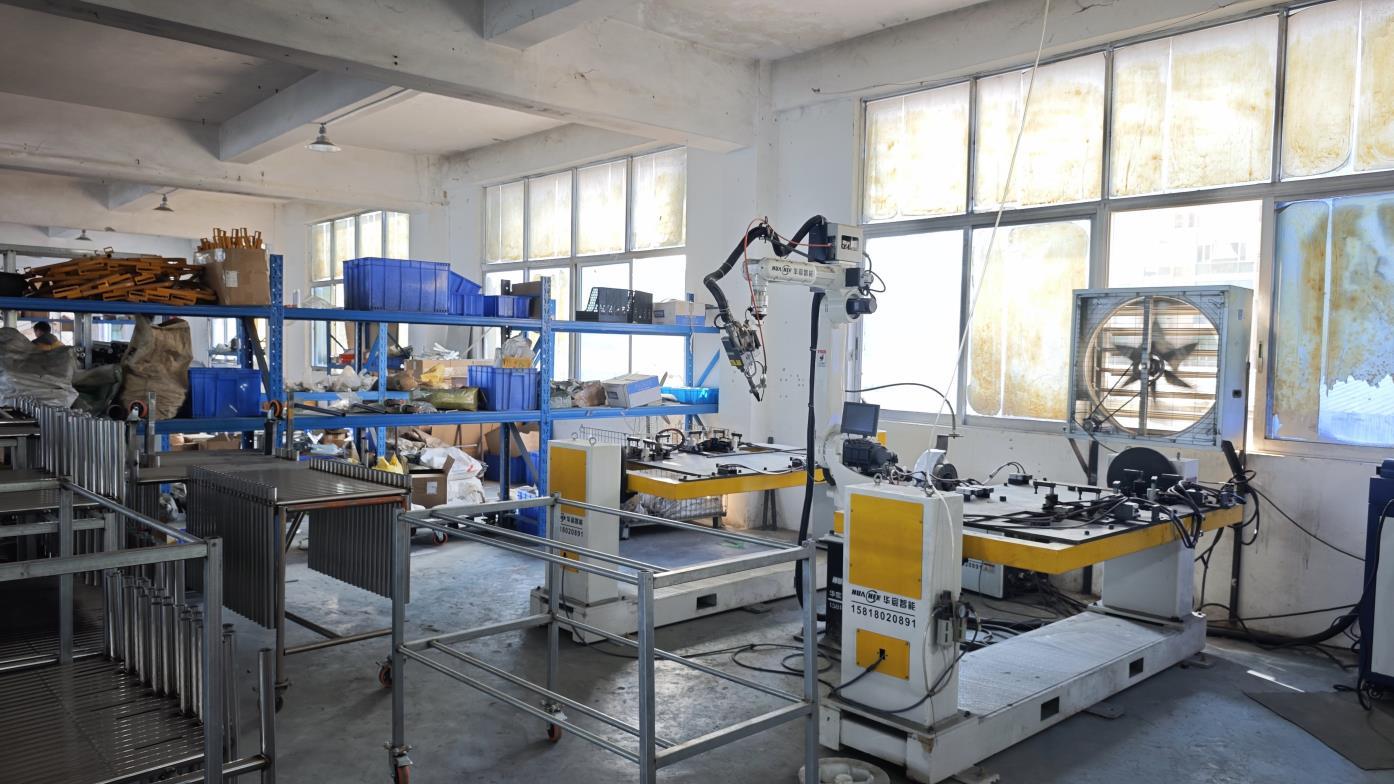
Certified weld processes guarantee strong joints that hold up under heavy industrial loads.
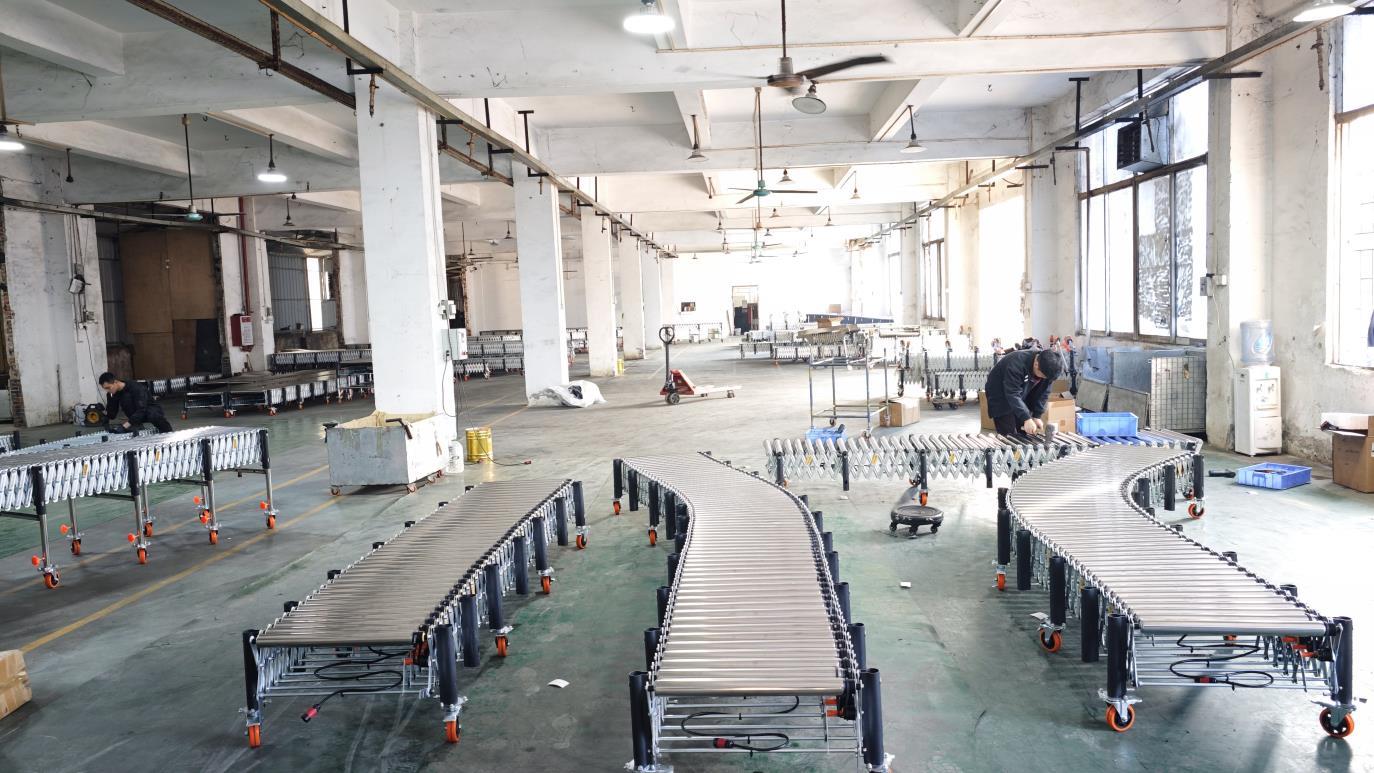
Fitting hardware accessories, leveling pads, and initial structural testing.
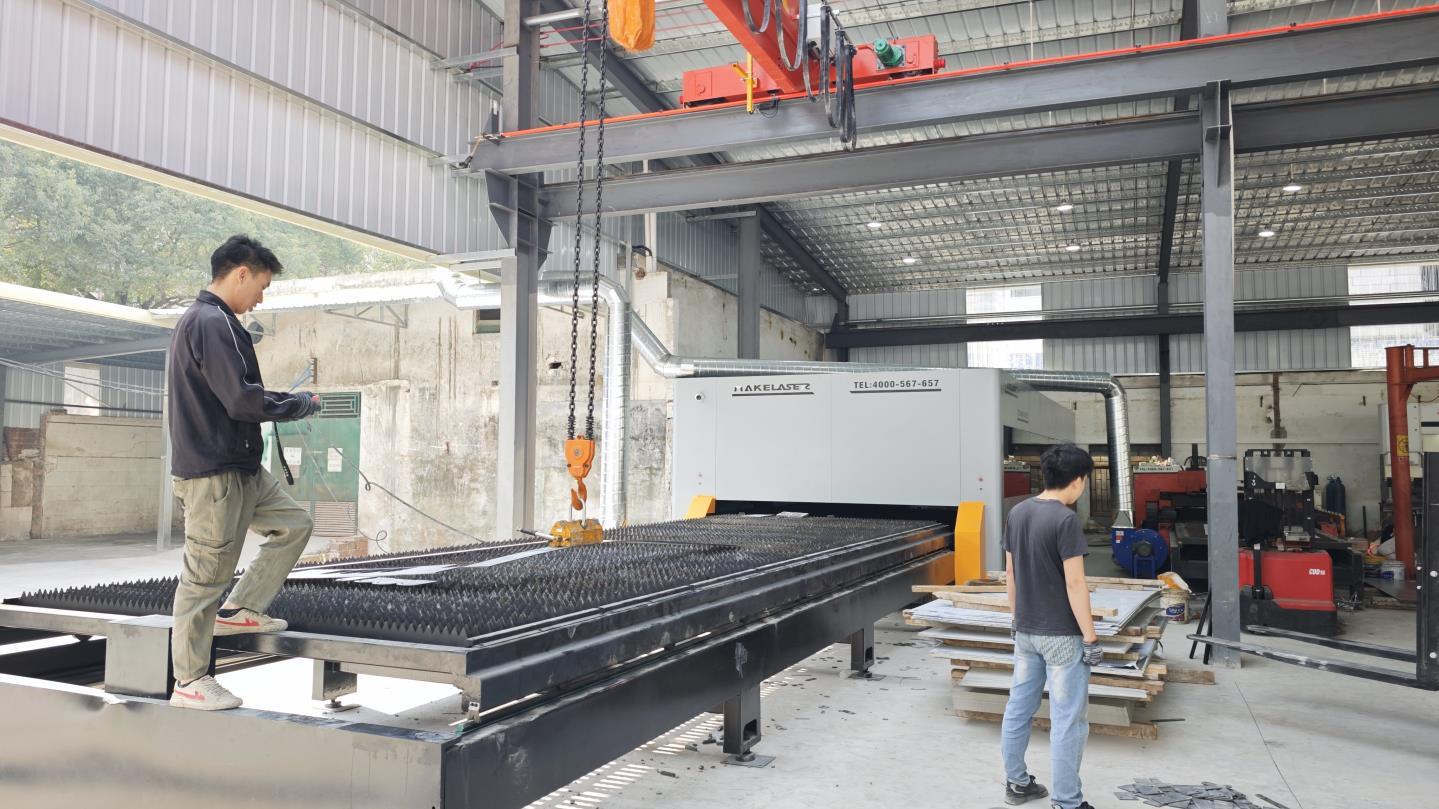
Perforating upright panels and custom accessory tracks with high precision.
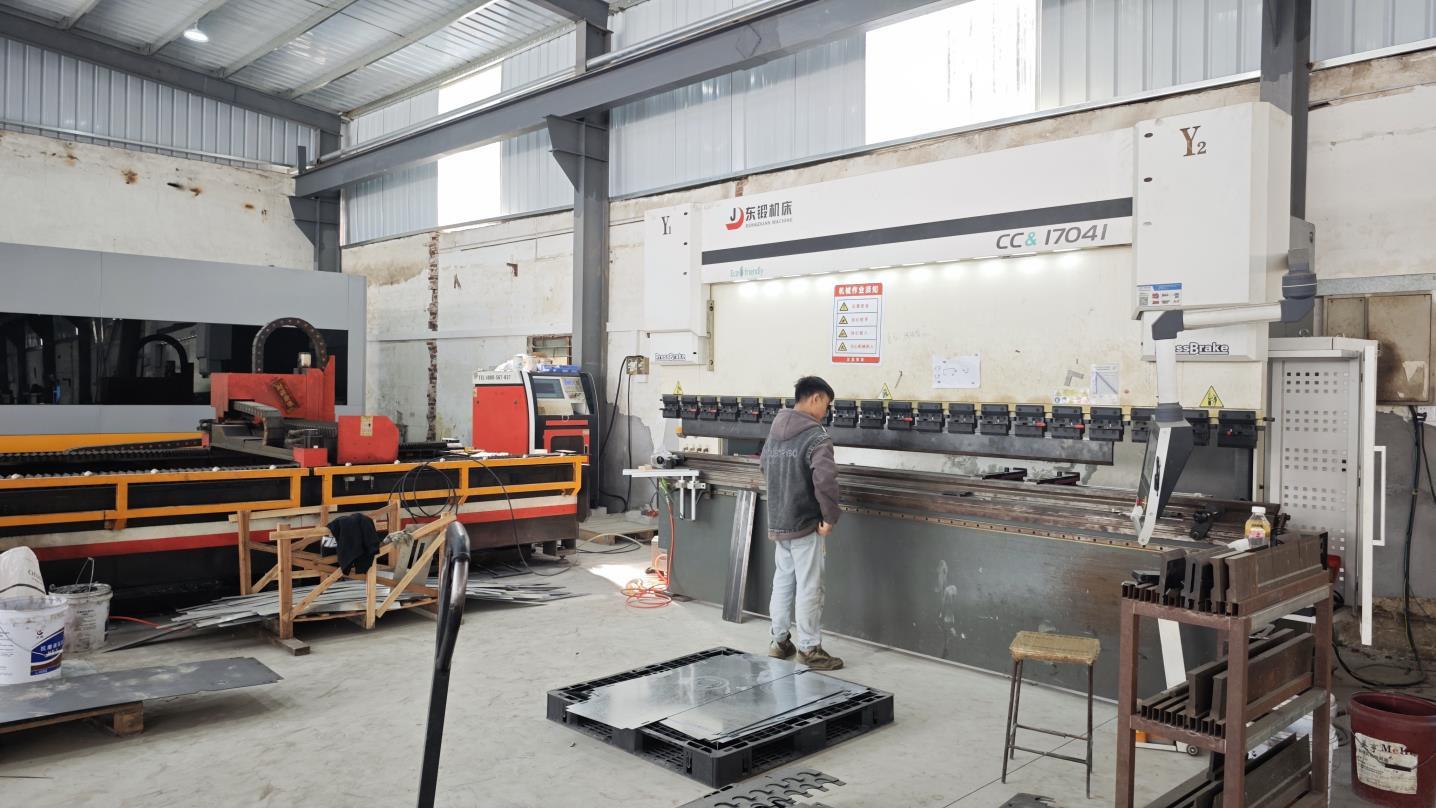
Forming sheet metal into functional shelves, cabinets, and tool storage units.
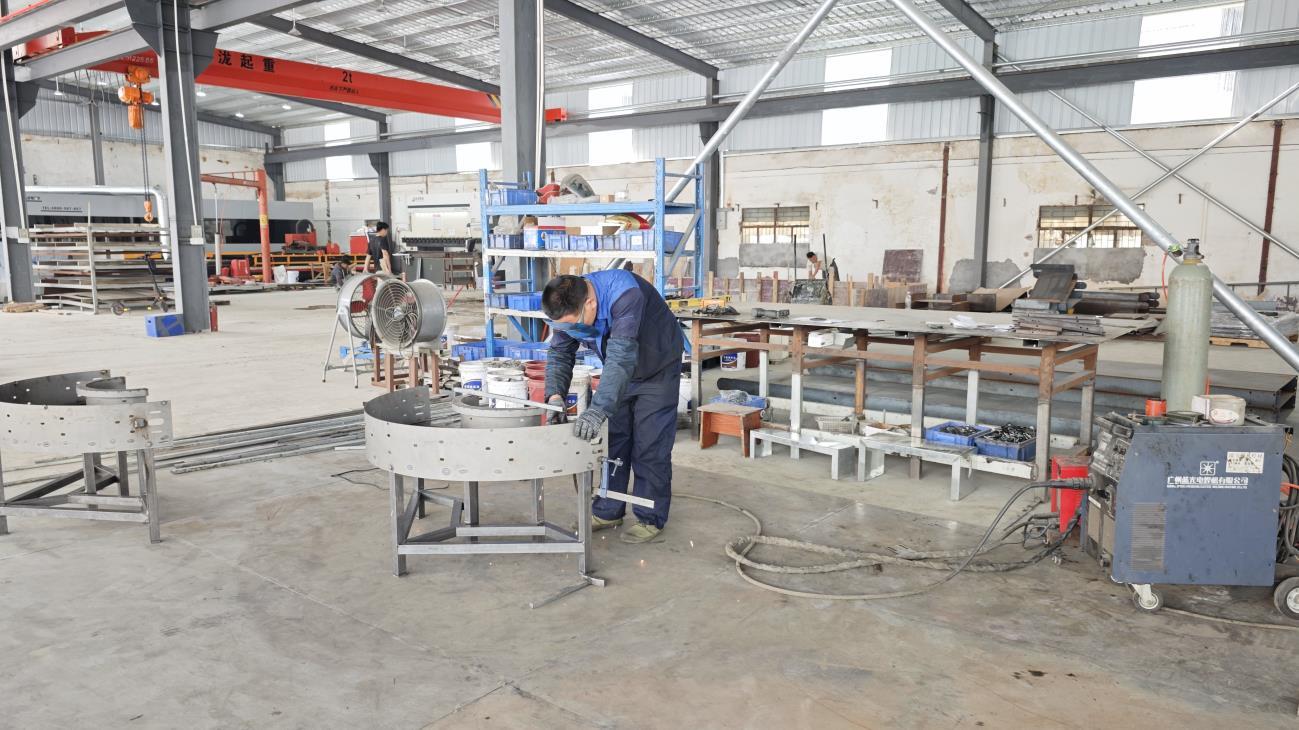
Custom fabrications and reinforcement welds for heavy-duty systems.
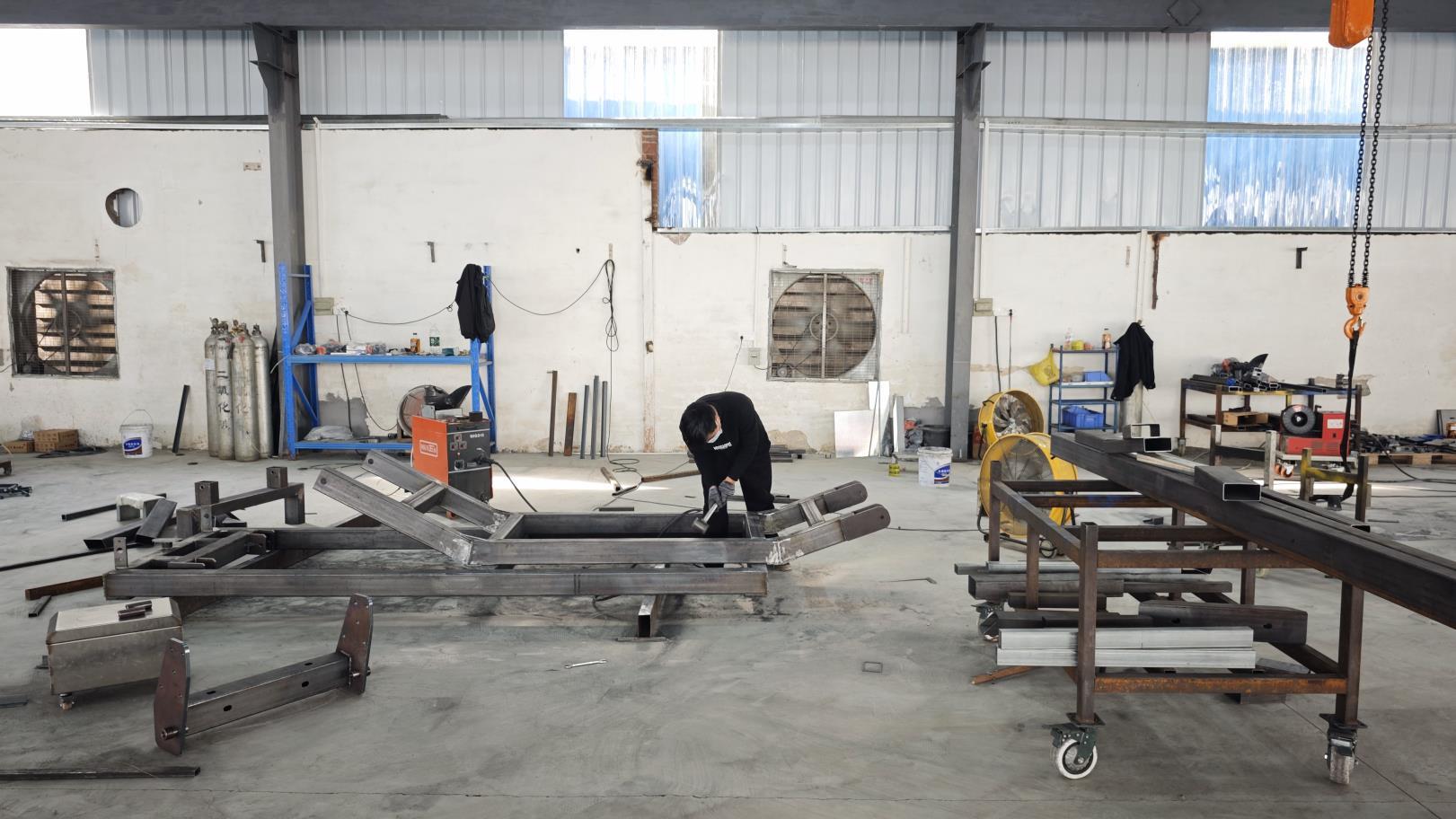
De-burring and finishing welds to ensure safe operation and a smooth powder-coating surface.
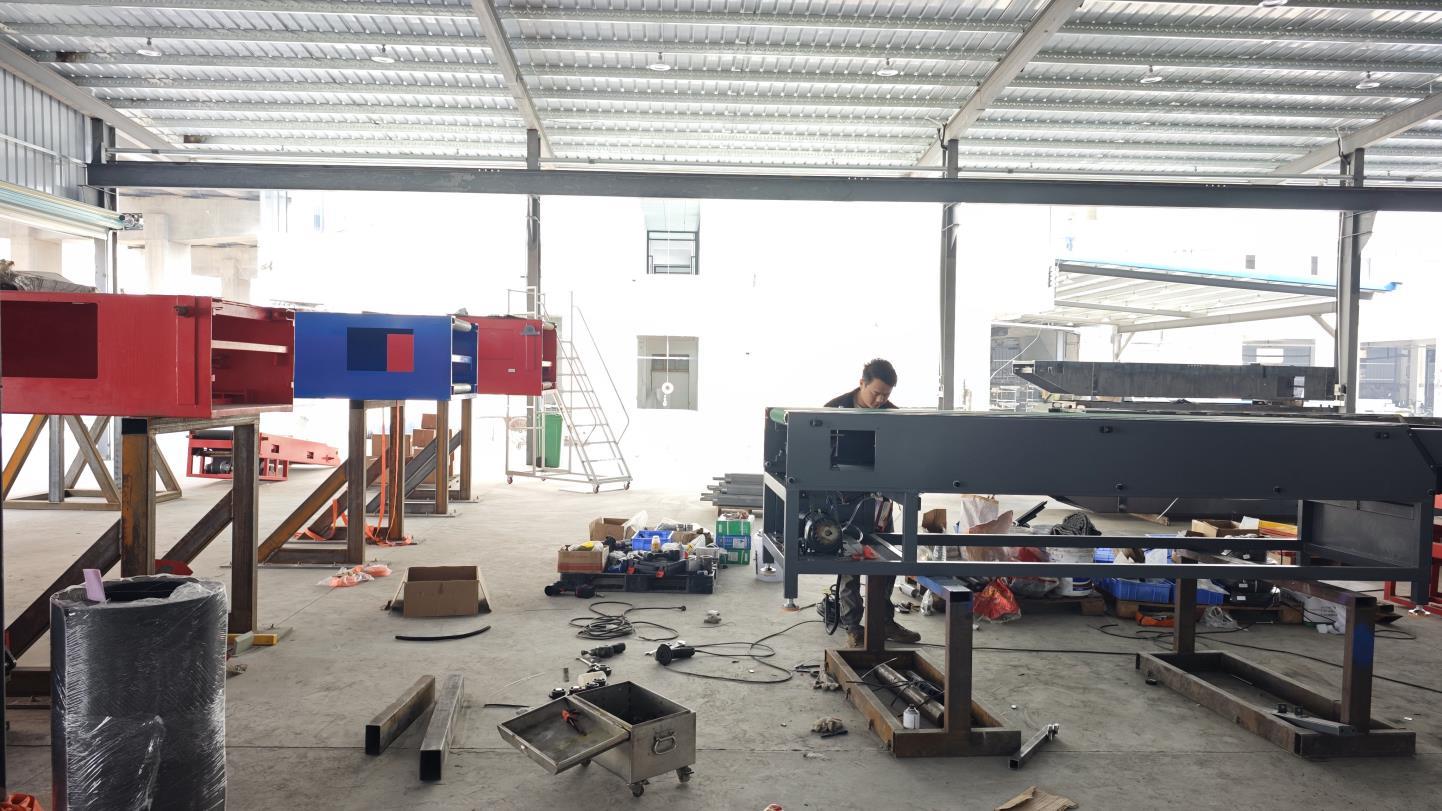
Aligning dual-power inputs and mechanical components for strict quality compliance.
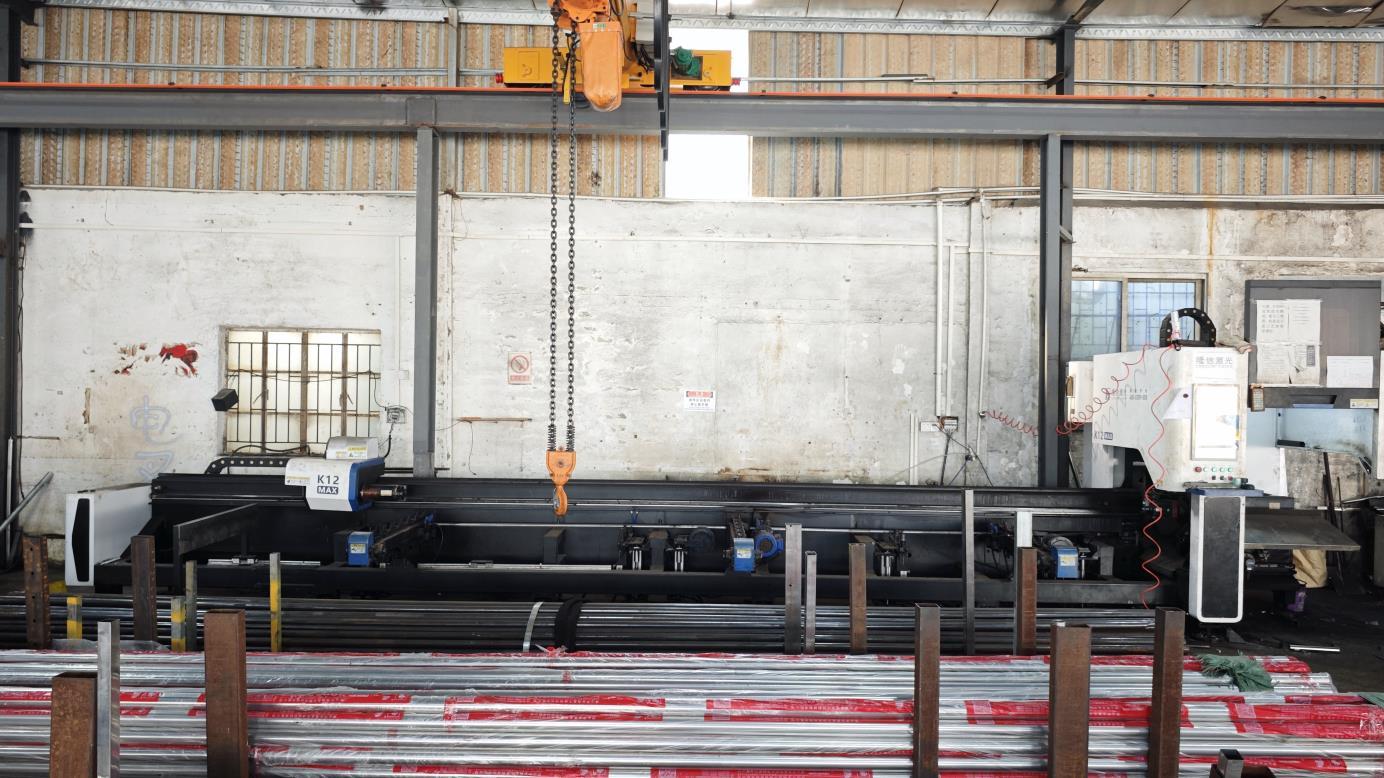
High-volume tube cutting optimized for consistent sizing and minimal material waste.
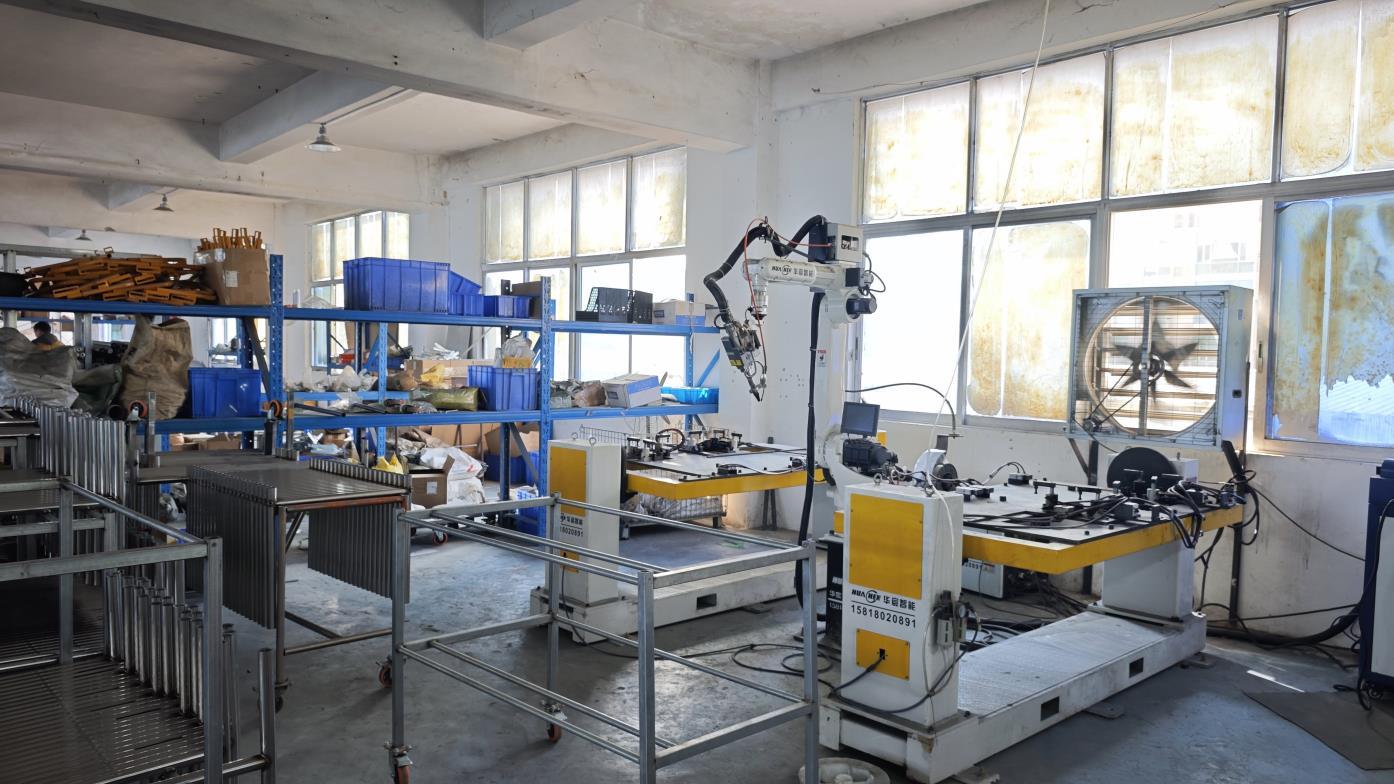
High-speed, multi-point welding for brackets, storage frames, and under-bench supports.
No two facilities share identical layouts or processes. Recognizing this, Hangzhou RAB Logistics offers a structured OEM/ODM design framework. This process transforms your custom layout blueprints into fully realized physical production systems.
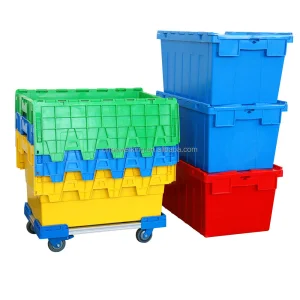
The design phase begins with analyzing material flow. We model the workstation’s surrounding space, studying how raw materials are delivered (e.g., via tote boxes or wire mesh containers) and how finished products are moved to racking or mezzanine zones. We then integrate support accessories like custom toolboards, power rails with ATS support, monitor arms, and pneumatic lines. This ensures every element is positioned to maximize worker productivity and streamline material handling.
Key technical details and engineering insights for supply chain managers and facility design leads.
Explore the electrical cabinets, digital controllers, and high-capacity storage boxes that complete your smart industrial workspace.

 RAB Logistics