Explore our core hardware modules engineered to streamline high-throughput distribution centers and manufacturing hubs worldwide.
The global logistics ecosystem is undergoing a generational shift. Faced with escalating labor shortages, skyrocketing real estate costs, and the consumer expectation of same-day fulfillment, logistics executives can no longer rely on manual material handling. Today, Fulfillment Center Automation stands as the primary driver of operational efficiency and bottom-line stability.
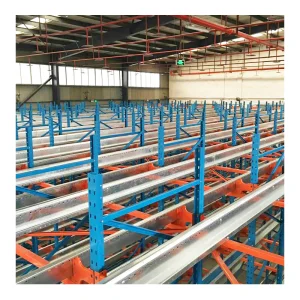
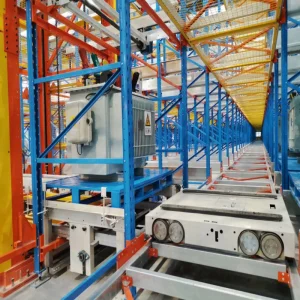
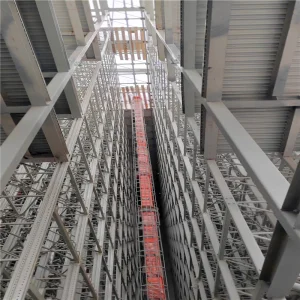
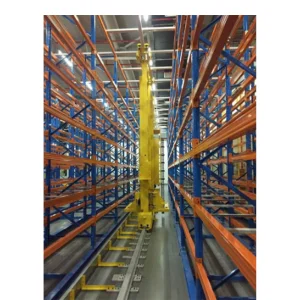
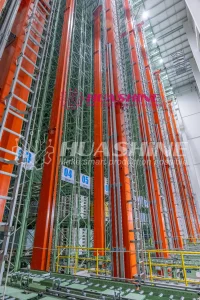
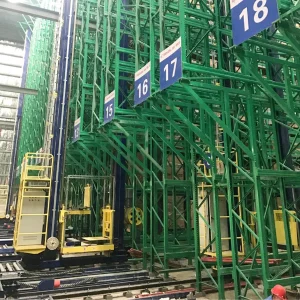
Traditional pallet storage networks operate with massive spatial waste. Modern Automated Storage and Retrieval Systems (AS/RS) replace wide aisles and manual forklifts with high-density vertical racking, crane systems, and automated shuttle fleets. By scaling vertically and utilizing intelligent slotting algorithms, automated facilities compress their footprint requirement by up to 60% compared to traditional distribution centers.
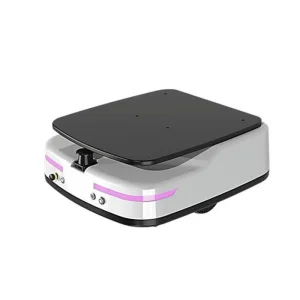
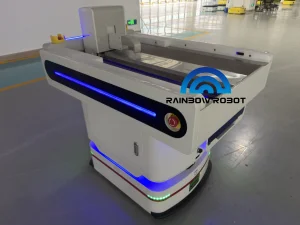
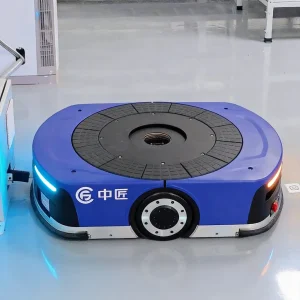
While traditional Automated Guided Vehicles (AGVs) requiring physical magnetic tapes or embedded wires remain highly effective for heavy payload linear routes, the industry is quickly adopting Autonomous Mobile Robots (AMRs). Operating with onboard LiDAR scanners, advanced SLAM (Simultaneous Localization and Mapping) navigation, and smart obstacles avoidance, modern AMRs require zero physical infrastructure alterations. This adaptability ensures that operations can reconfigure navigation routes in real-time as market demands change.
True optimization goes beyond hardware. Modern fulfillment architectures link WMS (Warehouse Management Systems) directly with WCS (Warehouse Control Systems) and PLC networks. In an Industry 4.0 context, these systems utilize SCADA and dynamic middleware to manage automated tasks. This orchestrates multi-agent tasks, tracks SKU location down to the centimeter, and schedules predictive maintenance intervals before mechanical failures disrupt the system.
Key technical advancements shaping the modern materials handling landscape.
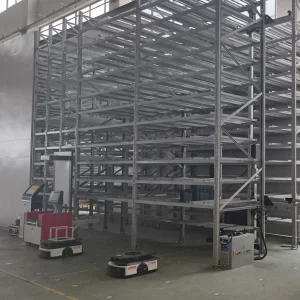
Shuttle systems have transitioned from single-level operations to multi-directional 3D systems. These shuttles move along X, Y, and Z axes, dynamically relocating and staging inventory to optimize throughput during peak order cycles.
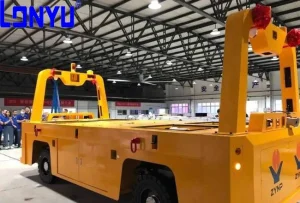
Advanced laser navigation systems provide highly accurate mapping, allowing fleets of heavy-duty AGVs and AMRs to operate safely alongside human workers in dynamic industrial environments.
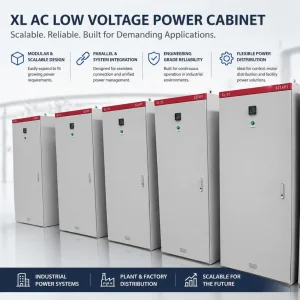
Modern platforms integrate PLC control cabinets and field device interfaces directly into real-time SCADA displays, providing operational visibility across entire supply chain networks.
Your Strategic Partner in Building Smarter Warehouses & Optimized Supply Chains
Hangzhou RAB Logistics Co., Ltd. is a professional provider of intelligent warehousing and modern logistics solutions. Built on years of industry experience and continuous technological innovation, RAB Logistics is committed to helping enterprises transform traditional warehouse operations into highly automated, data-driven, and efficient supply chain systems.
Since its establishment, the company has focused on integrating advanced logistics technologies such as Warehouse Management Systems (WMS), Automated Storage and Retrieval Systems (AS/RS), AGV/AMR robotics, intelligent sorting systems, and real-time data visualization platforms. These solutions enable clients to achieve higher operational accuracy, faster fulfillment speed, and significantly reduced logistics costs.
With strong capabilities in system consulting, solution design, equipment integration, software development, and project implementation, Hangzhou RAB Logistics Co., Ltd. delivers end-to-end intelligent logistics solutions tailored to diverse industry needs. Our expertise ensures seamless coordination between hardware and software, creating scalable and future-ready warehouse infrastructures.
RAB Logistics serves a wide range of industries including manufacturing, cross-border e-commerce, fast-moving consumer goods (FMCG), pharmaceuticals, and automotive parts. Our solutions are trusted for their stability, innovation, and proven performance in complex, high-demand environments.
By choosing Hangzhou RAB Logistics Co., Ltd., you are selecting a long-term strategic partner dedicated to building smarter warehouses, optimizing supply chains, and empowering businesses with sustainable competitive advantages in the era of intelligent logistics.
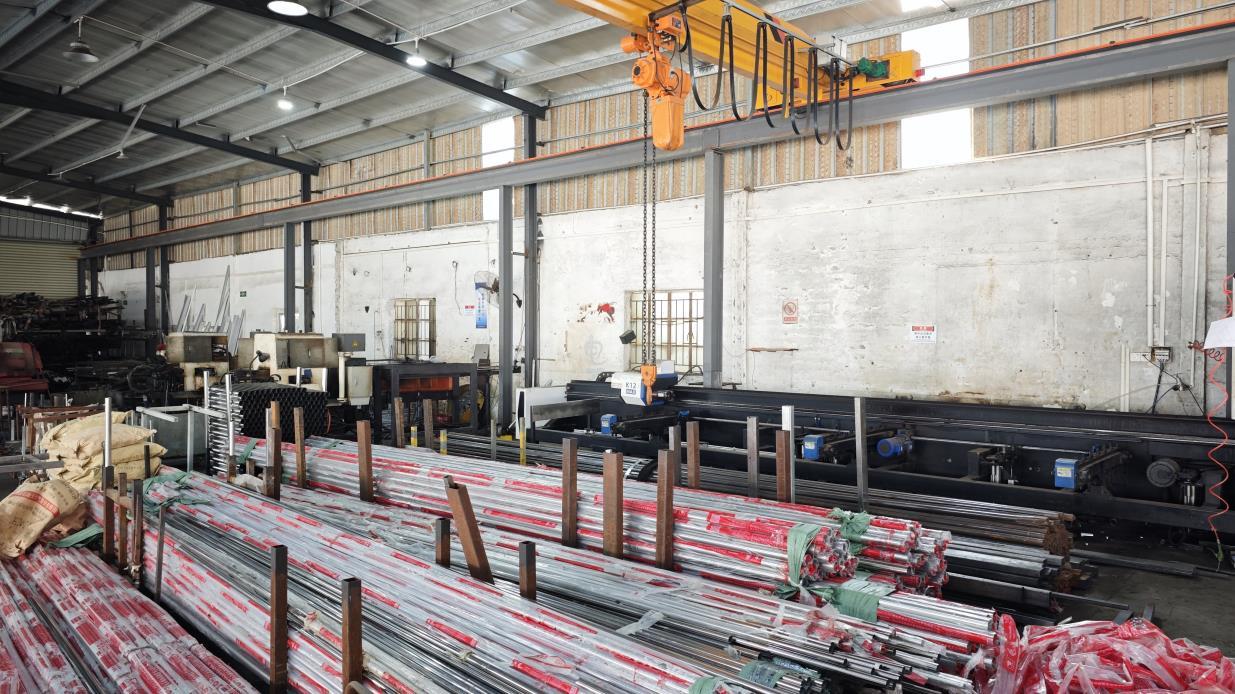
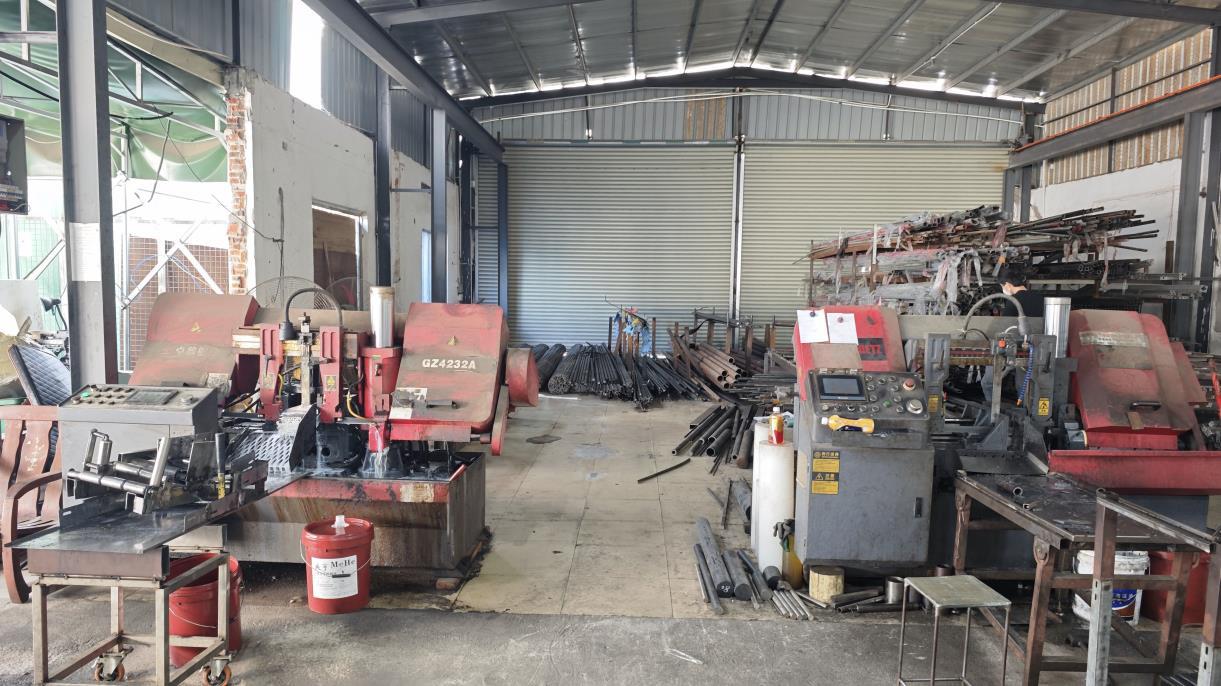
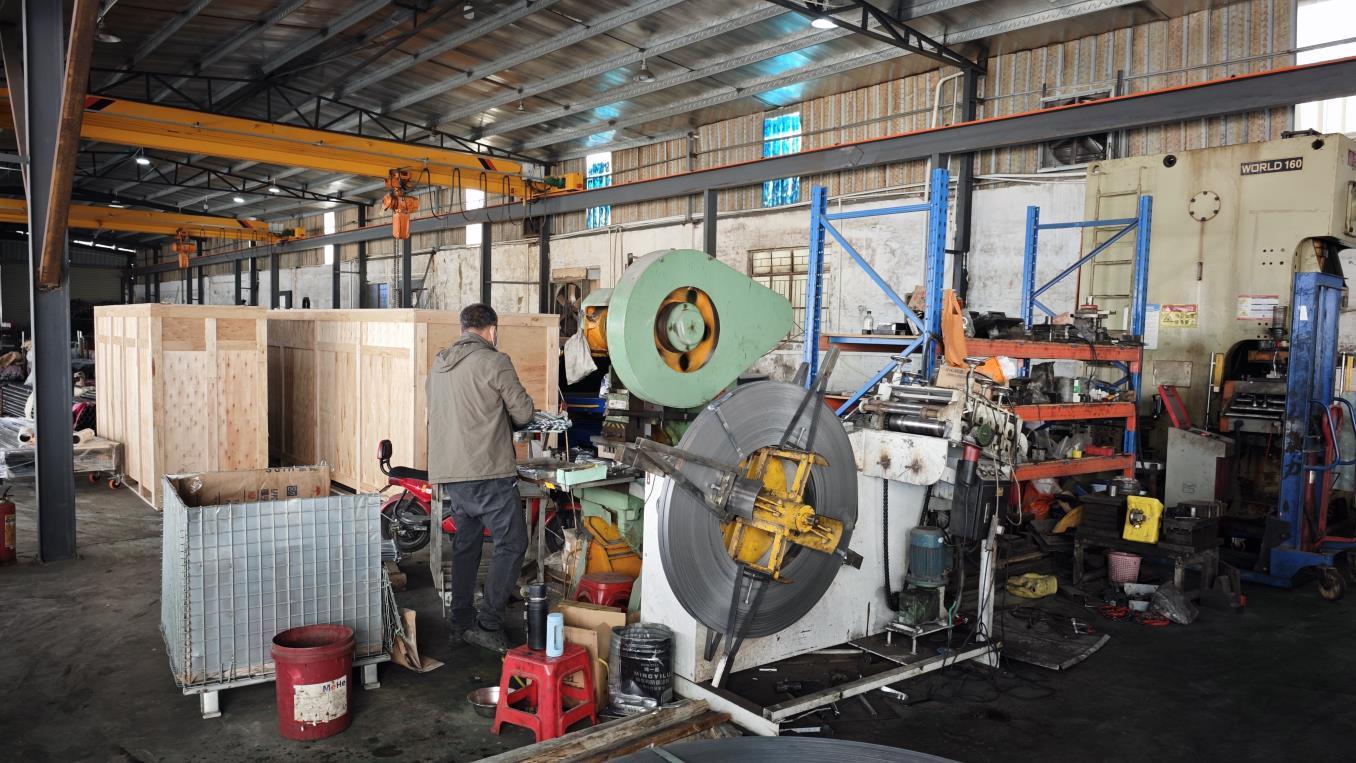
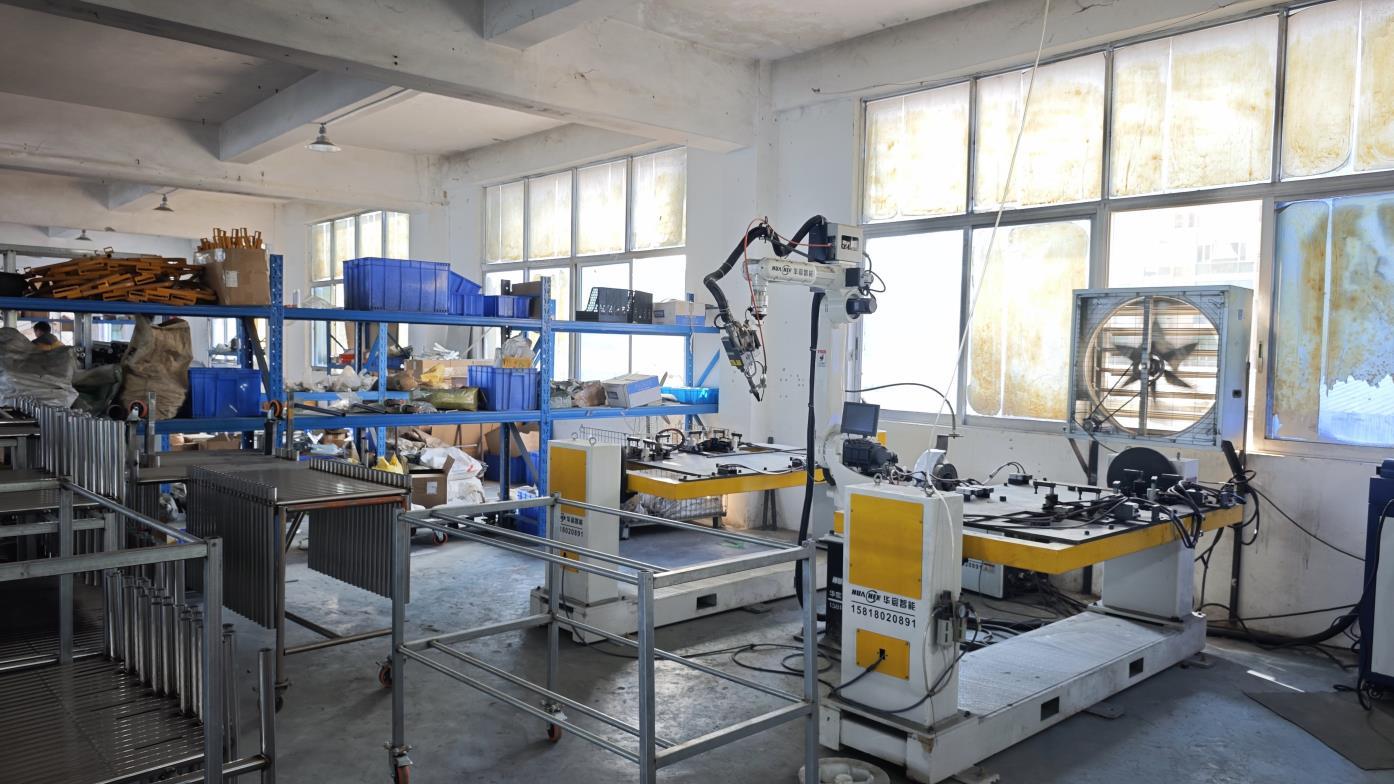
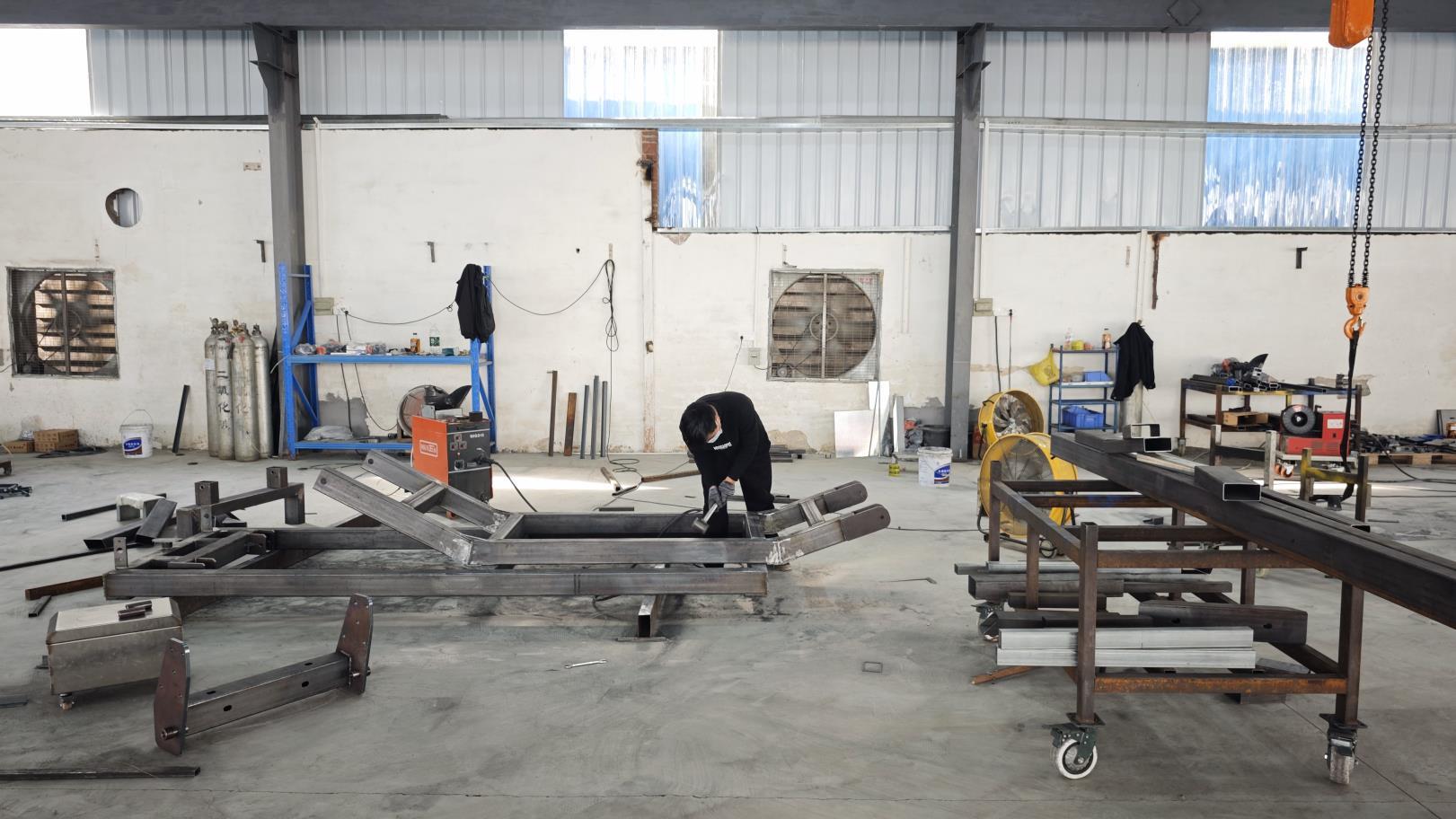
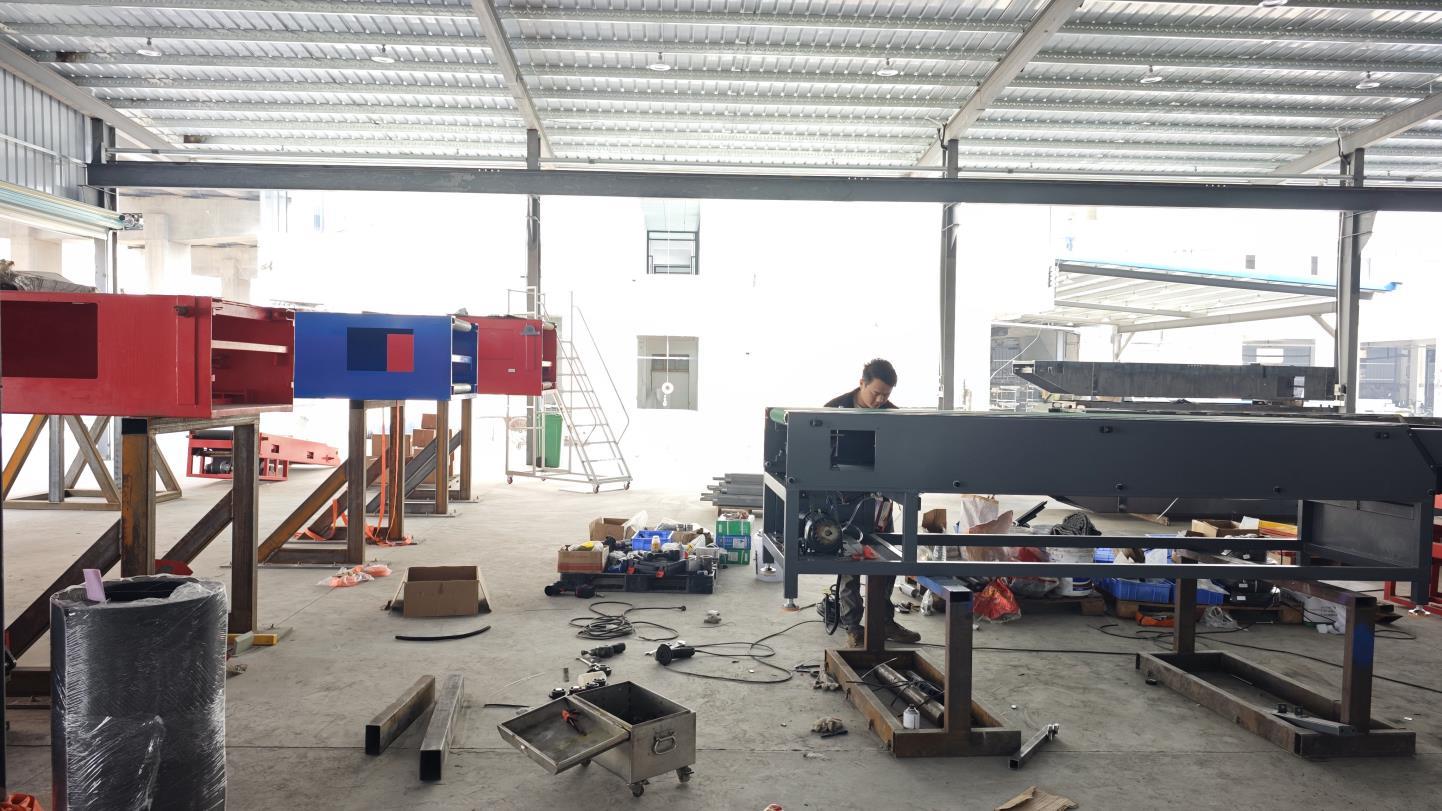
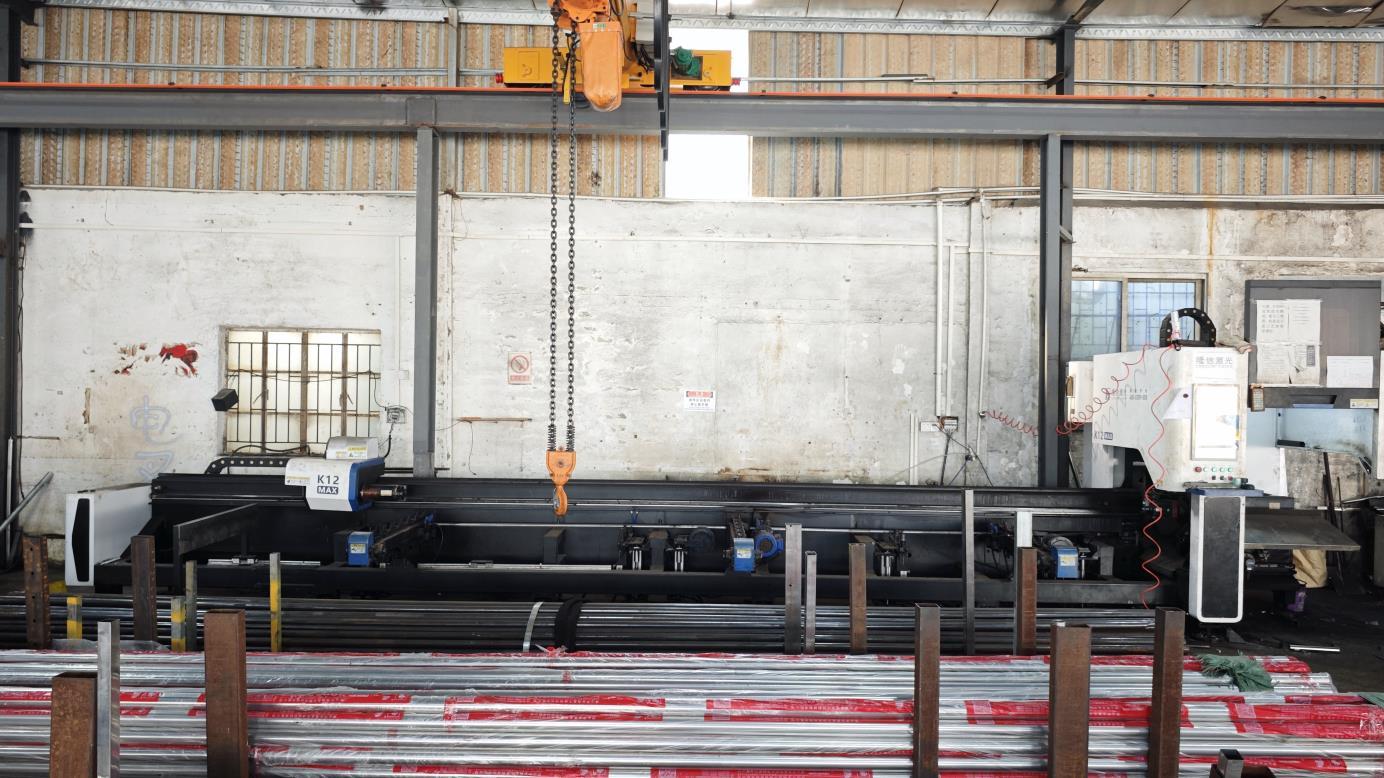
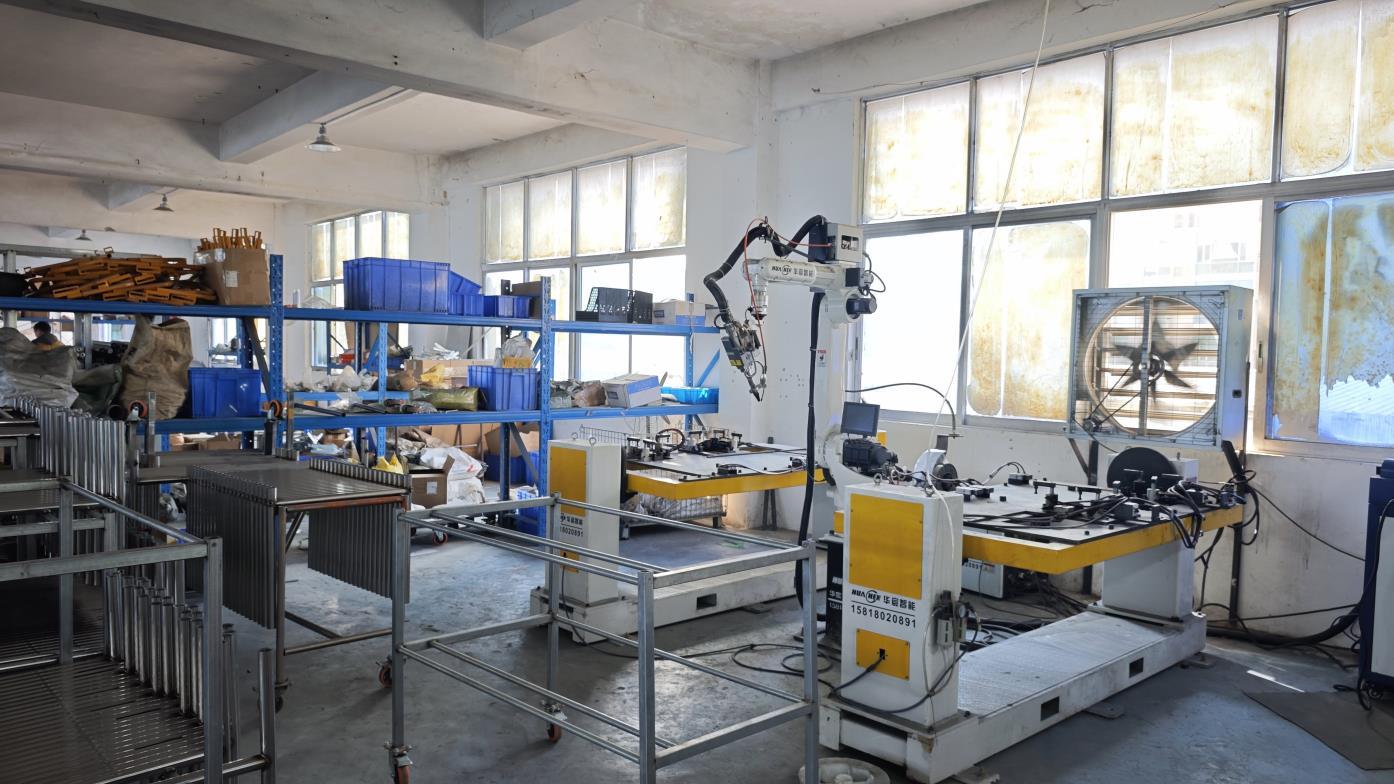
Every structural rack, precision chassis, and control system is produced in our certified manufacturing facilities using automated machinery.
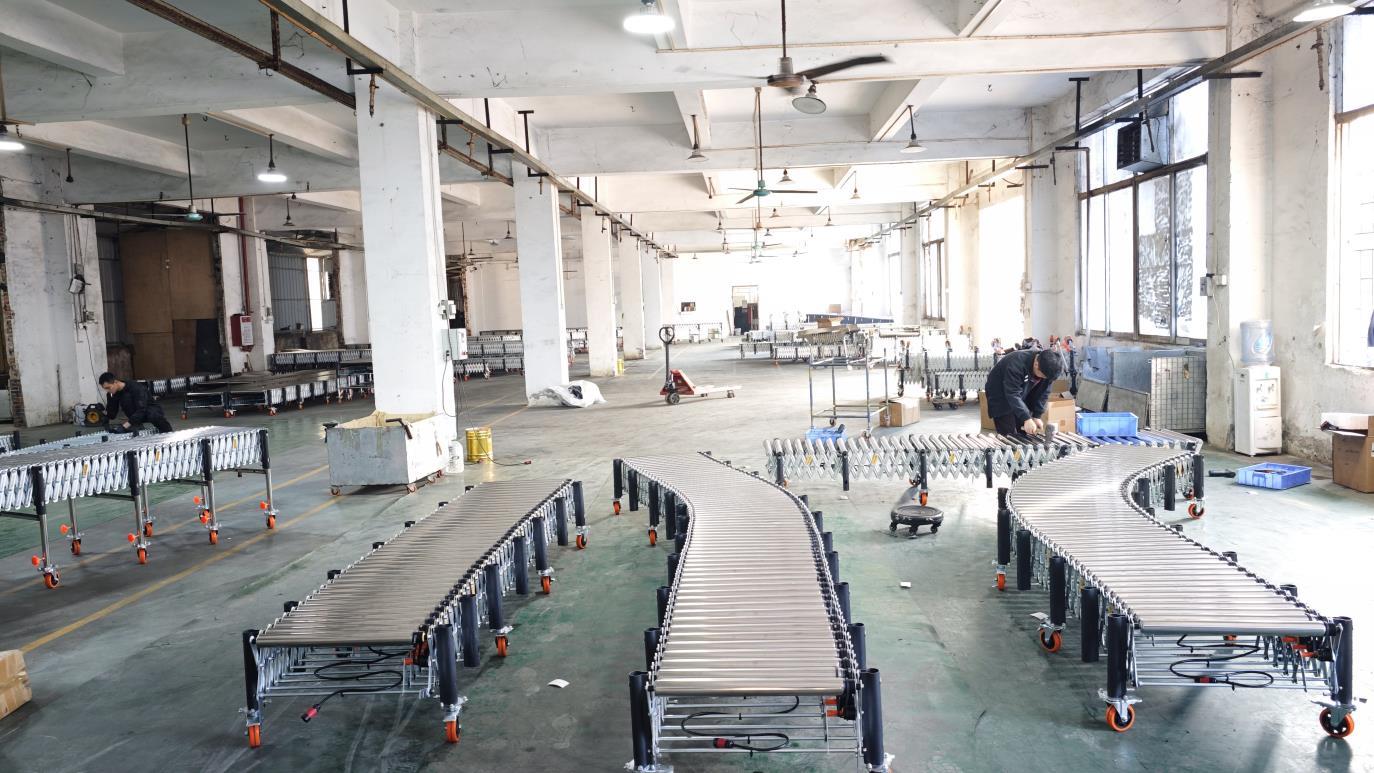
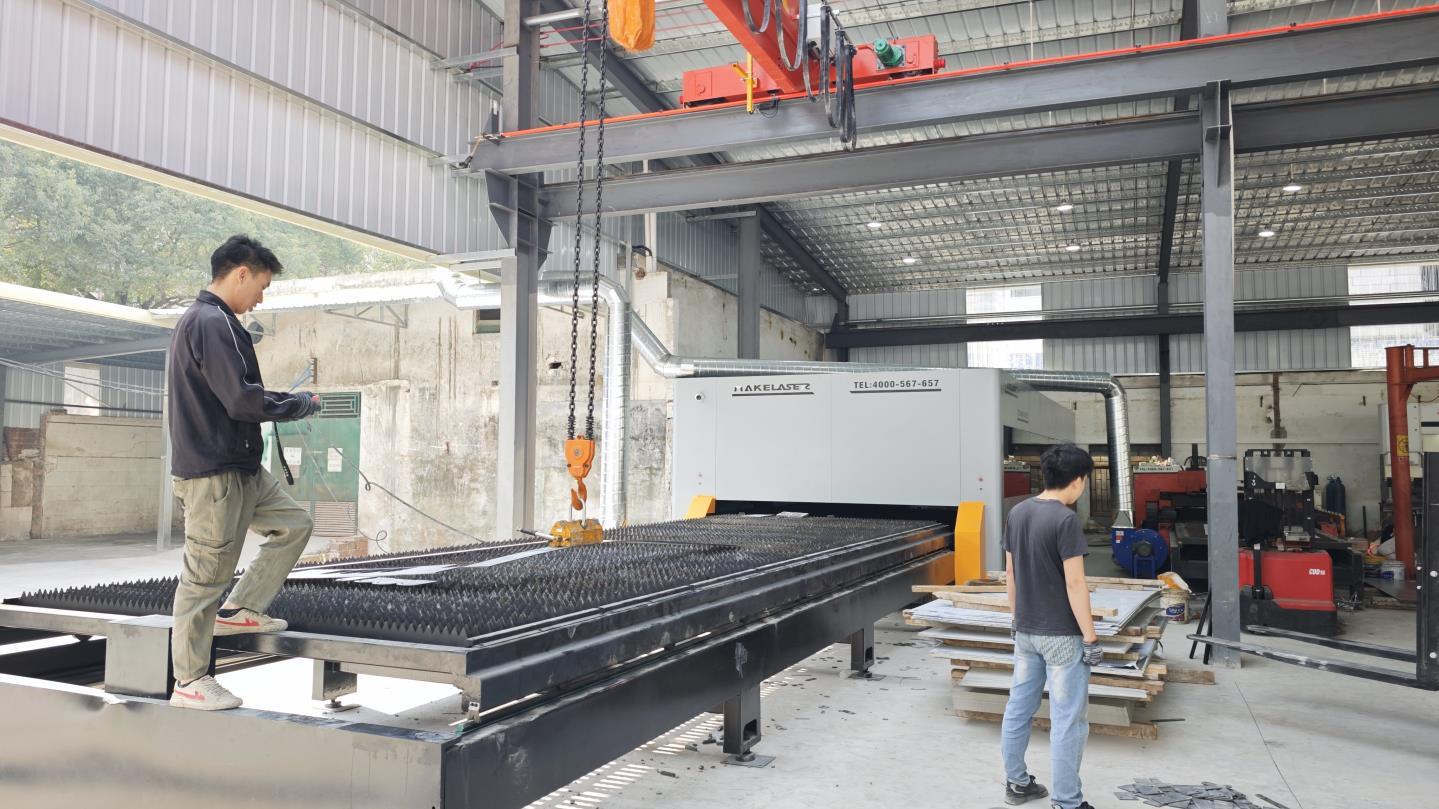
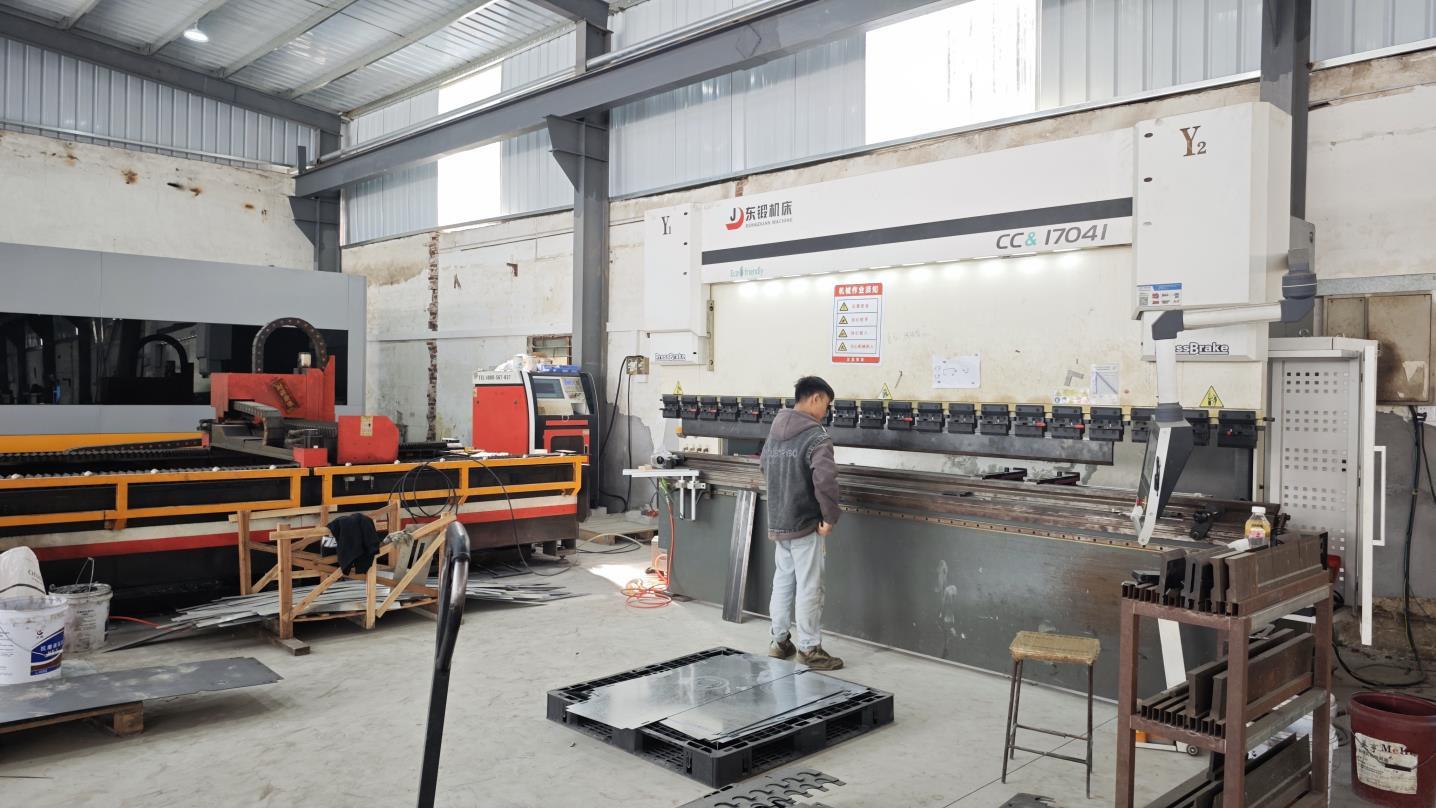
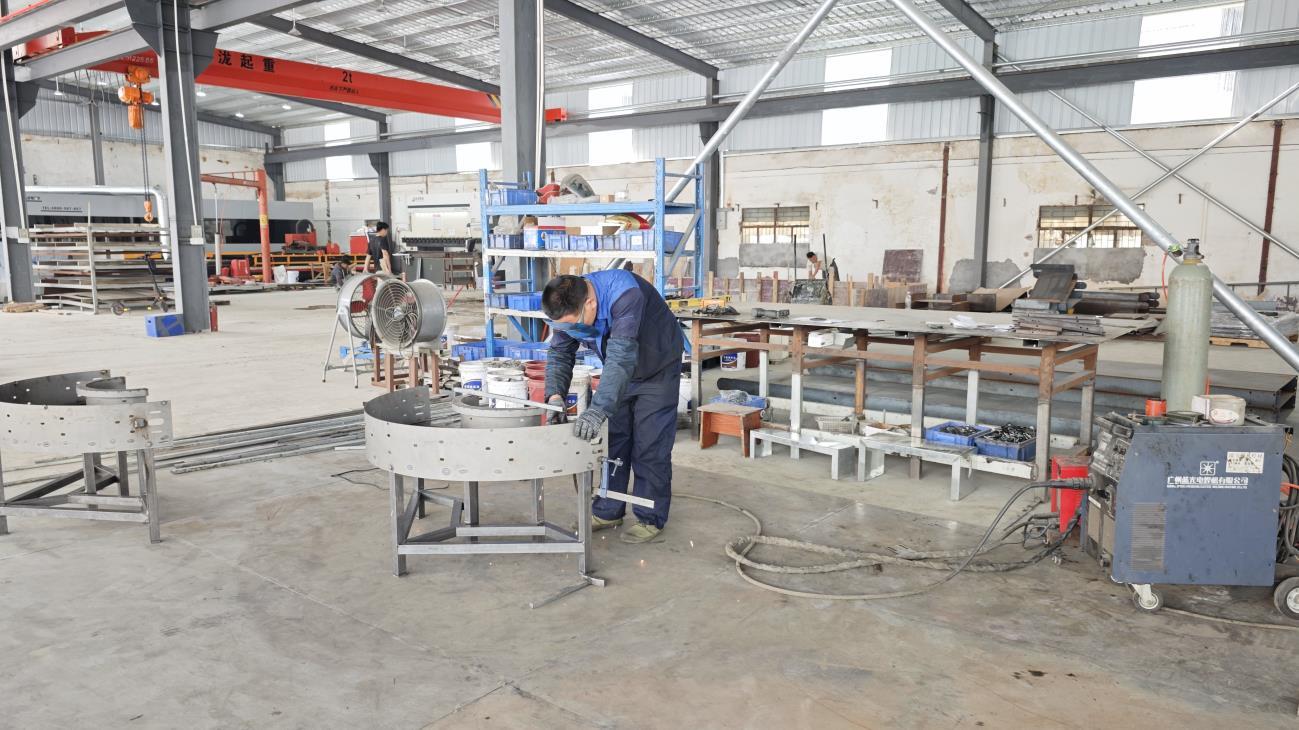
Integrated setups designed for specific industry challenges, load dynamics, and space constraints.
Optimized for processing thousands of multi-item orders daily. Our integrated WCS controls dynamic pick-to-light arrays, AGV fleets, and belt-driven sorters to reduce average cycle time from order entry to carrier handover.
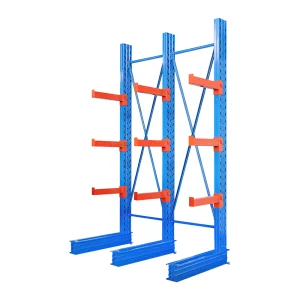
Featuring reinforced structural pallet systems and high-payload AGVs (handling up to 2000kg). Ideal for stamping plants, assembly lines, and heavy component storage, integrating seamlessly with local MES protocols.
Hygienic, corrosion-resistant storage options designed for low-temperature environments down to -25°C. Features automated PLC control cabinets that operate reliably in cold chain storage settings.
Ensuring mechanical reliability, functional safety, and interoperability across global supply chains.
Global logistics deployments require strict compliance. Our hardware and electrical integration platforms adhere to international quality systems, including ISO 9001, CE directives, and FEM structural guidelines (FEM 10.2.02). From dual-power source switching enclosures with automatic ATS protection to structural load simulations for earthquake zones, we design our systems to ensure high operational safety.
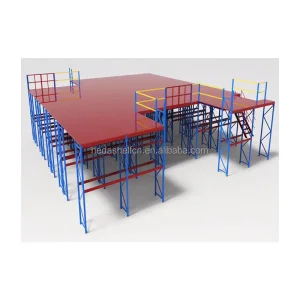
CNC cutting, automated spot welding, and structural FEA testing of racking, platforms, and load-bearing structures.
Installing LiDAR arrays, optical obstacle sensors, and programming Siemens PLCs for precise navigation and motion control.
Integrating WMS and WCS with customer ERP systems. Conducting multi-agent tests to optimize routing and task allocation.
Enabling remote diagnostics and secure cloud monitoring via IoT nodes to minimize unscheduled system downtime.
Answers to key technical and operational questions regarding automation integrations.
Support elements, automated electrical controls, and structural modules that complete the warehouse automation ecosystem.

 RAB Logistics