China Top Automated Inventory Auditing Manufacturers & Suppliers

Smart Intralogistics & Scalable Supply Chain Automation Solutions for Global Operations

White Paper: The Evolution of Automated Inventory Auditing in Global Logistics

Technological Convergence of Hardware Infrastructure, IoT Sensing, and Intelligent Software Control

In the modern globalized supply chain, real-time data visibility is no longer a luxury—it is an absolute operational mandate. Traditional manual inventory auditing methods, characterized by physical stock counting, manual data logging, and retrospective error correction, are increasingly unable to keep pace with the high-throughput demands of multi-channel distribution. The emergence of Automated Inventory Auditing Systems has revolutionized warehousing dynamics by bridging physical space with instantaneous digital intelligence.

"Automated inventory auditing is not merely about replacing clipboard counts with digital scanners; it is a holistic integration of automated storage configurations, high-density racking, intelligent software pipelines (WMS/WCS), and advanced robotic transport systems that constantly log and reconcile material flows."

99.9%
Inventory Accuracy
85%
Audit Time Reduction
40%+
Space Optimization
ROI
Under 24 Months

The Global Commercial and Industrial Status

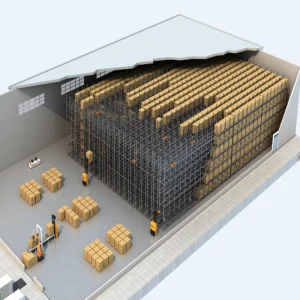
From North American e-commerce fulfillment hubs to European heavy industrial depots, the deployment of automated systems has seen exponential growth. Skyrocketing labor costs, urban warehousing space scarcity, and the zero-tolerance standard for shipping errors have forced enterprises to transition from static shelving units to high-density dynamic solutions. Globally, warehouse operators are investing heavily in technologies that combine high-density pallet systems (such as Radio Shuttle Systems and AS/RS) with automated diagnostic frameworks. By automating the auditing sequence—tracking inventory levels via integrated dimensioning and weighing systems (DWS) and PLC controllers—enterprises can realize an immediate reduction in inventory shrinkage, overstocking, and product obsolescence.

How China's Manufacturers Lead in Cost, Delivery & Customization

As the epicenter of global supply chain fabrication, China has developed unparalleled engineering and manufacturing ecosystems for automated logistics systems. The core competitive advantages of Chinese manufacturers and suppliers, particularly Hangzhou RAB Logistics Co., Ltd., rest on several critical pillars:

  • Vertical Supply Chain Integration: From sourcing premium structural steel (like Q355 hot-rolled steel) to local fabrication of high-tolerance components, the integration reduces transportation overhead and lead times.
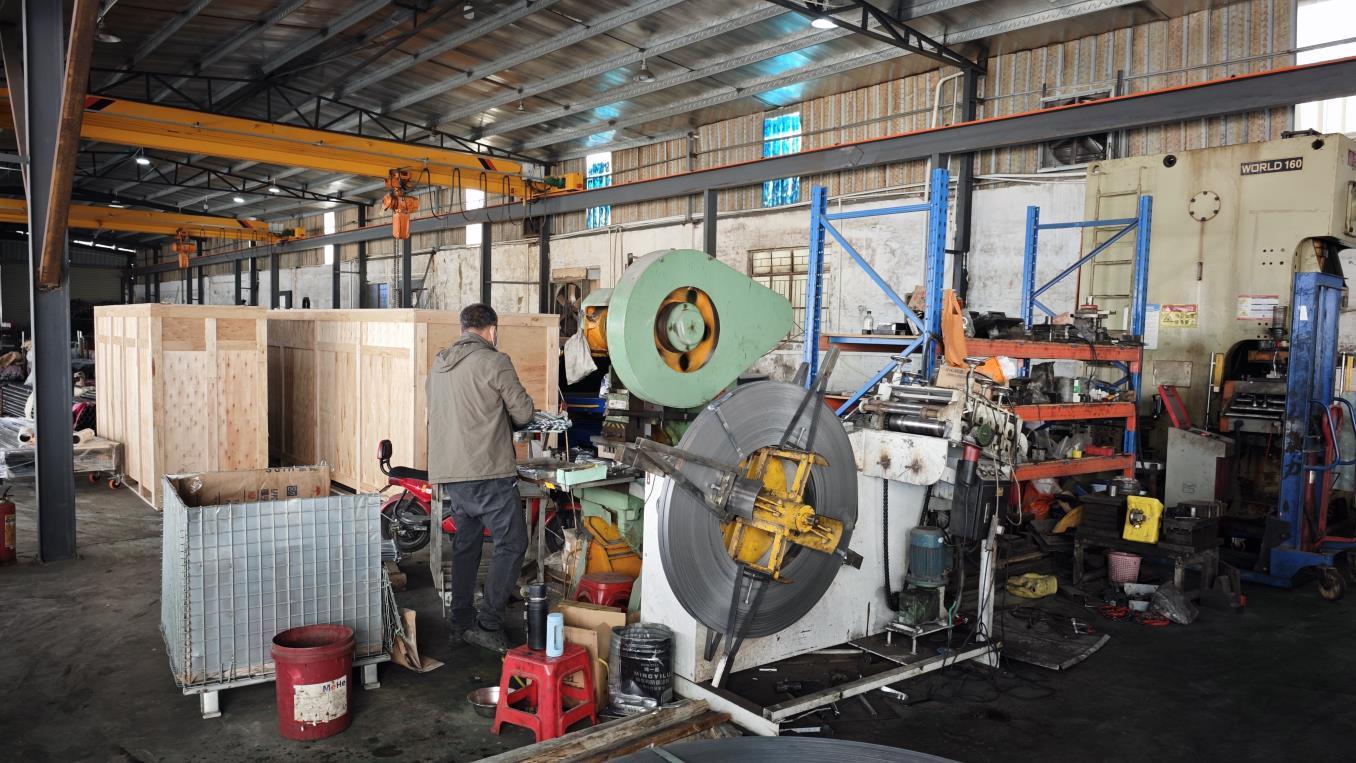
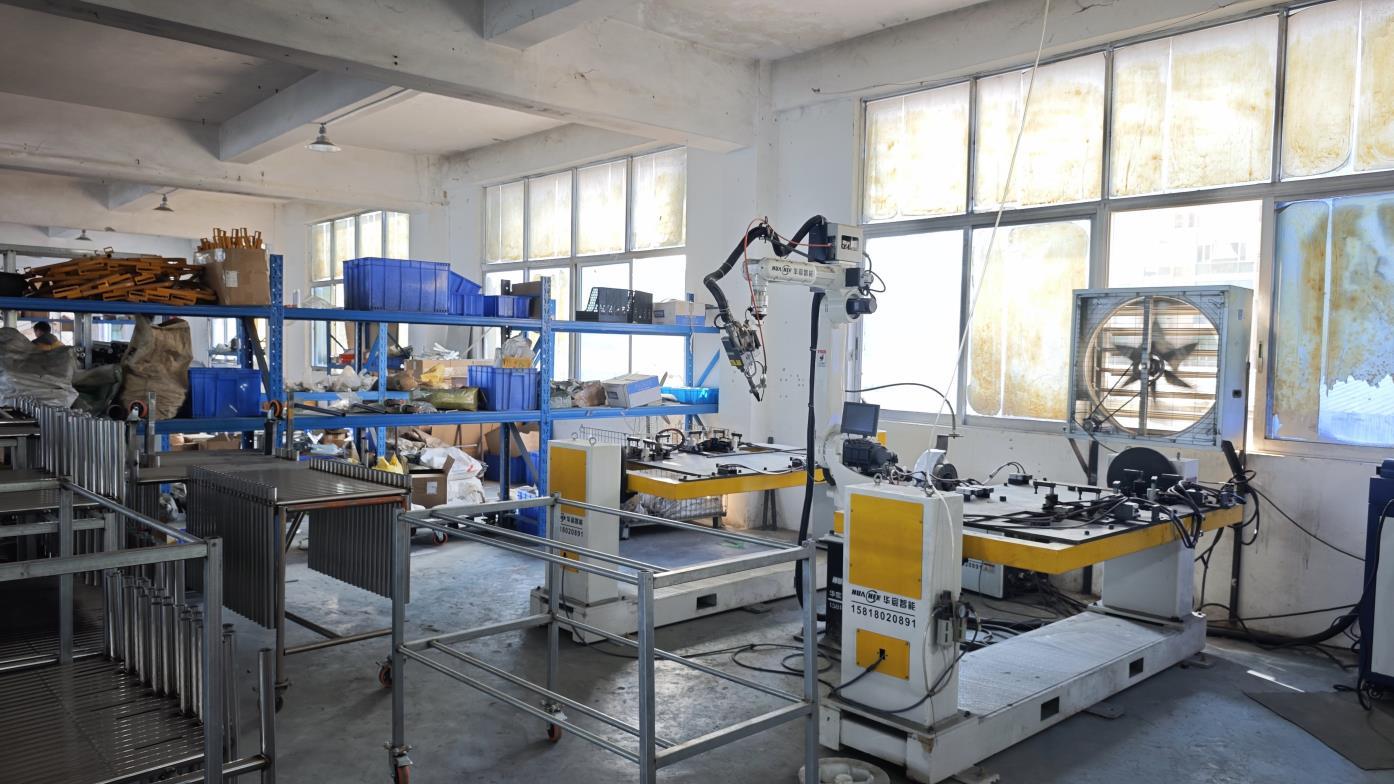
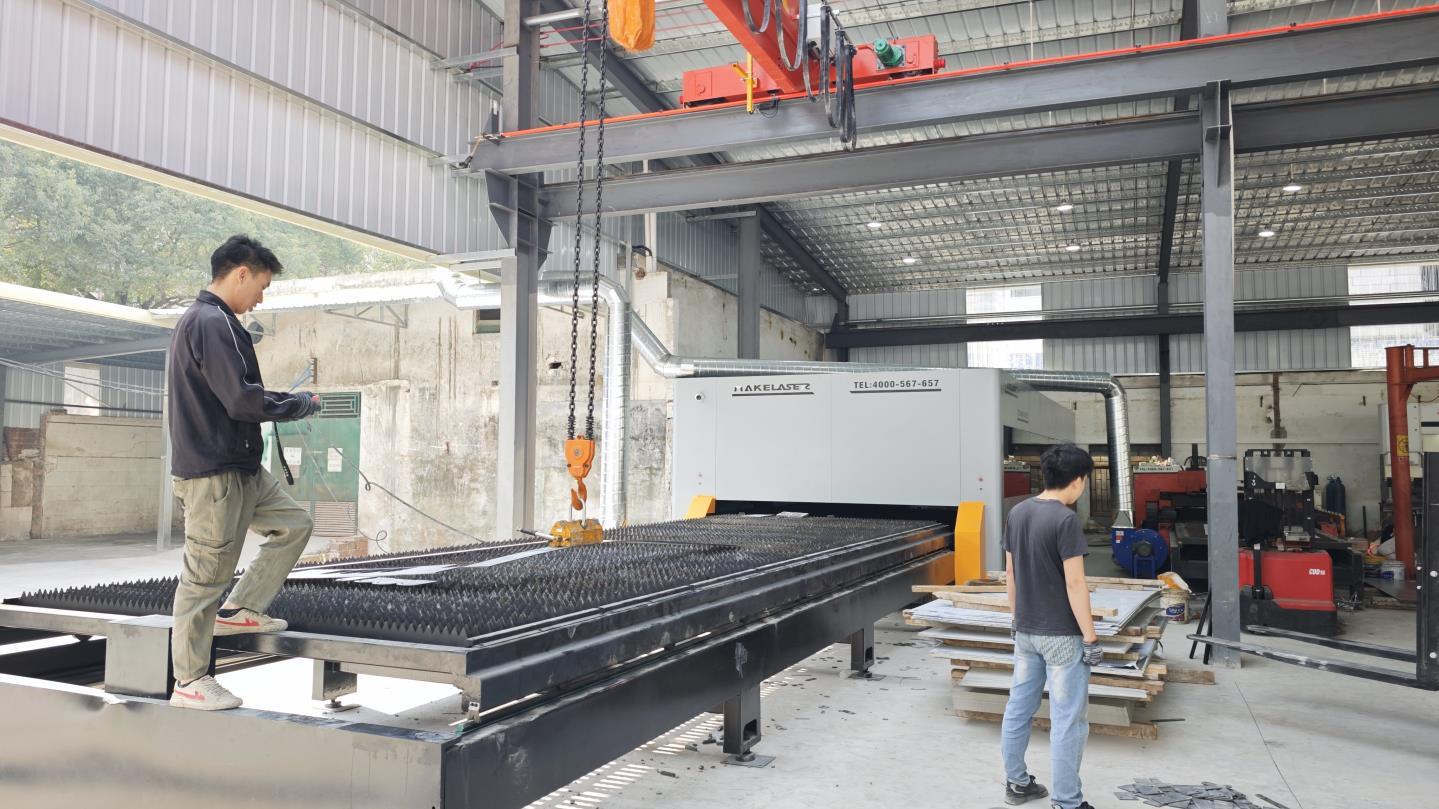
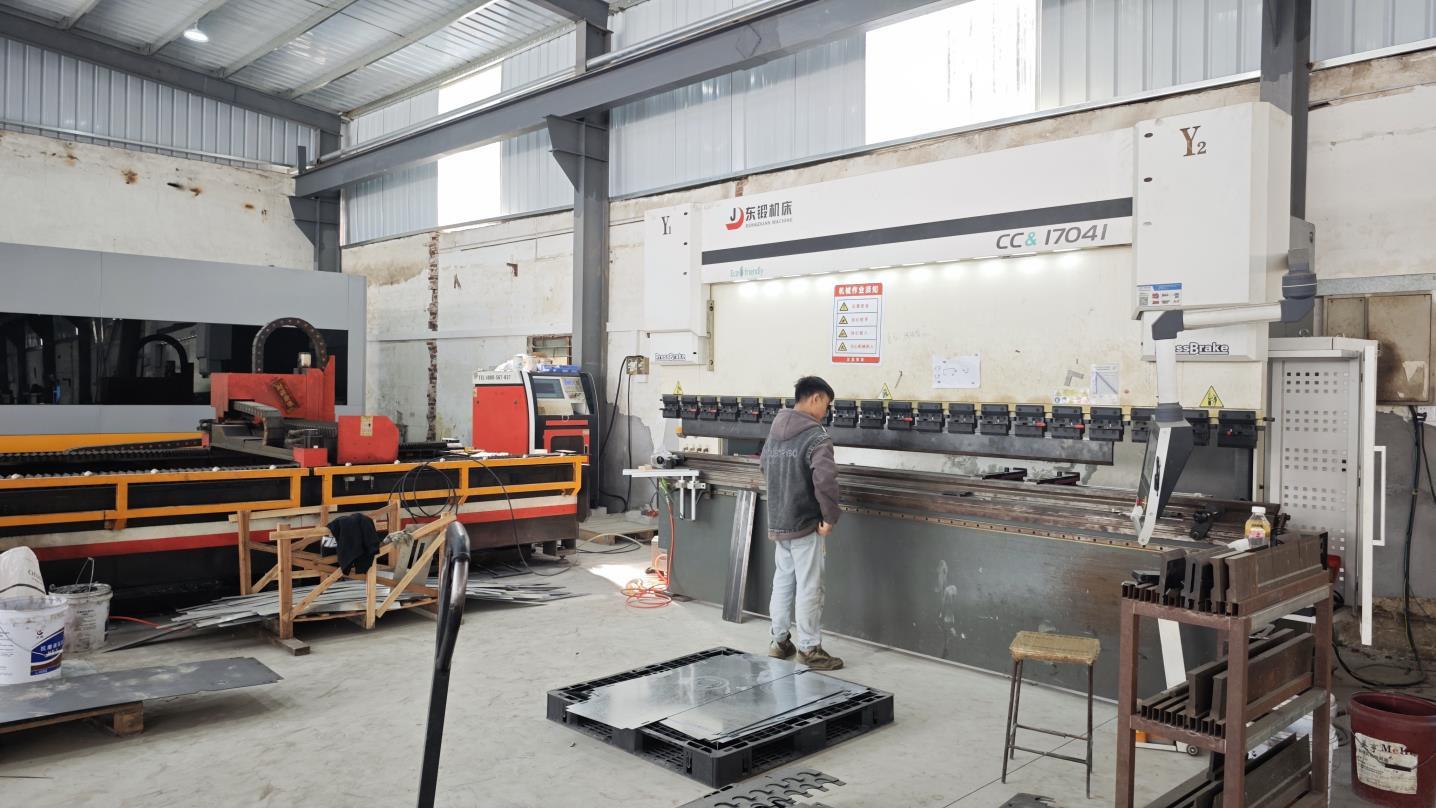
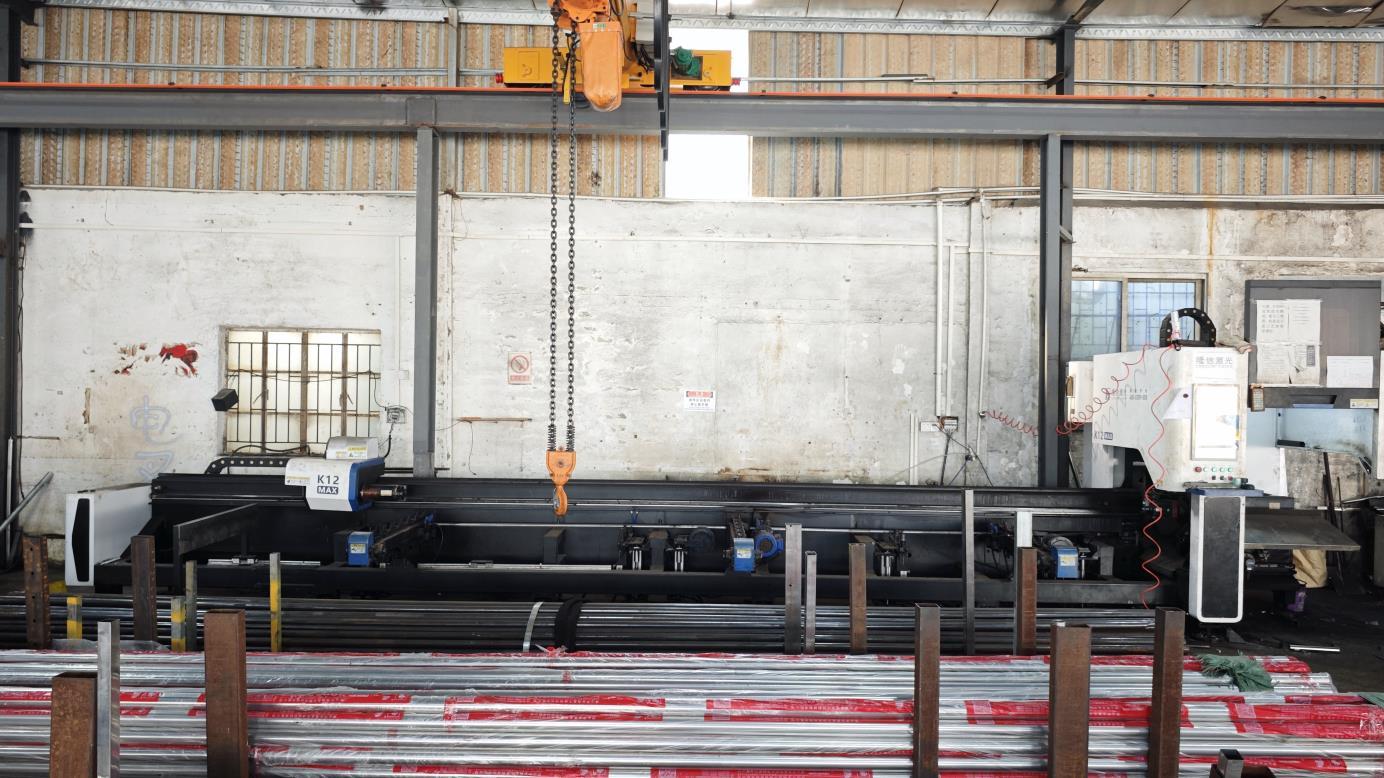
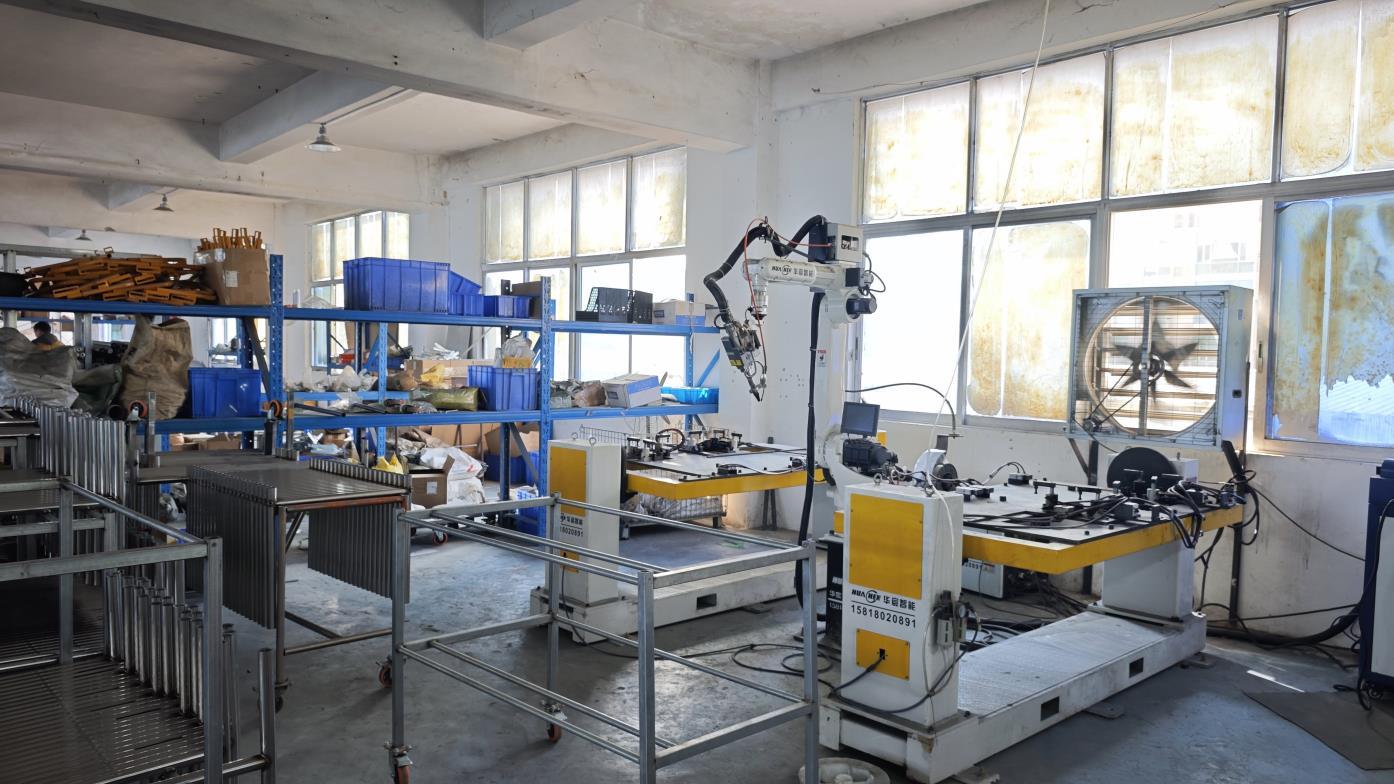
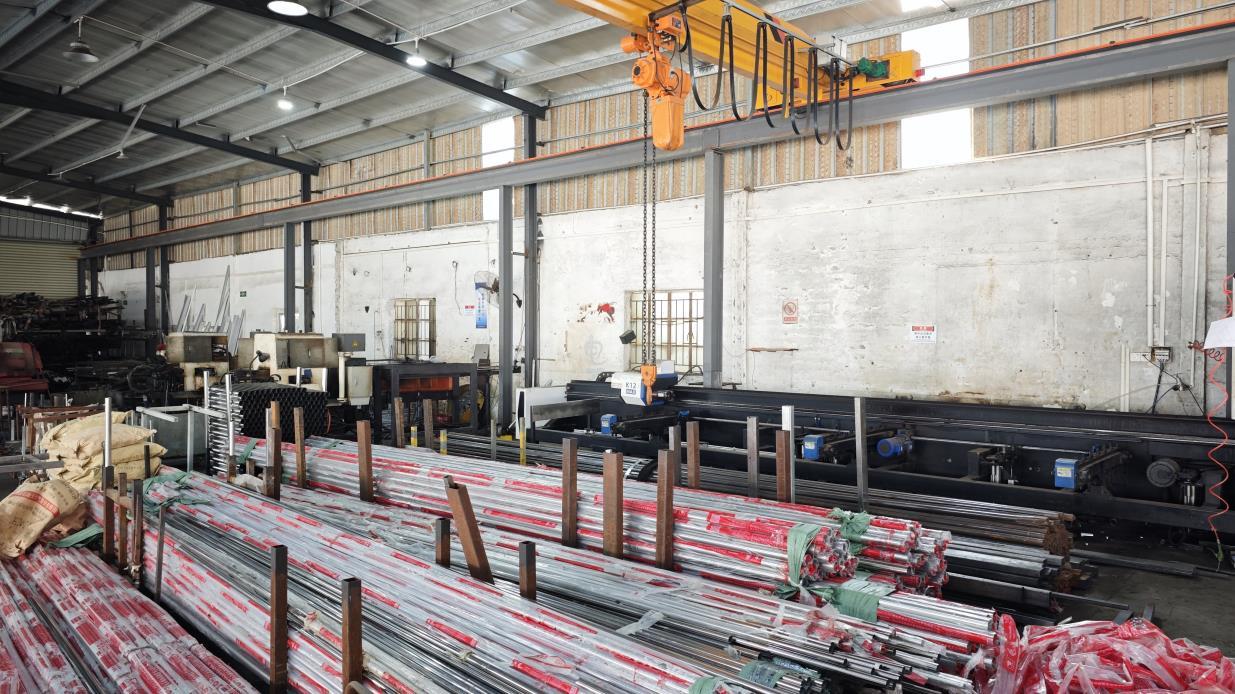
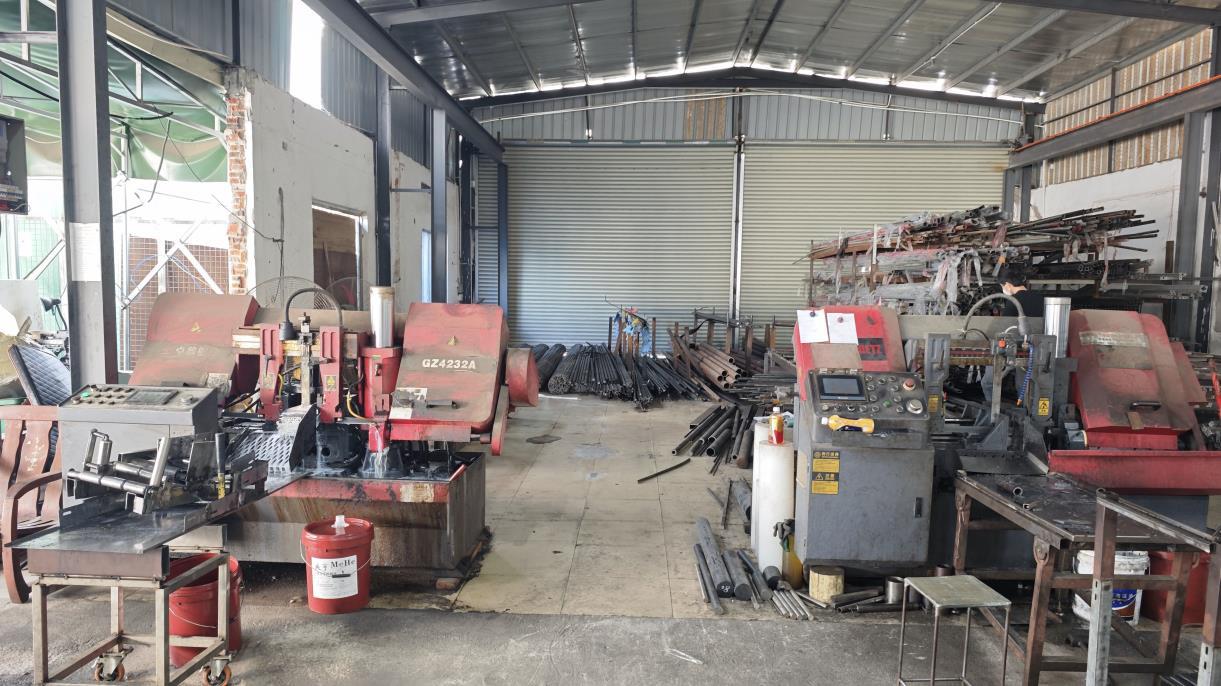
  • Advanced Production Infrastructure: The widespread deployment of fully automatic CNC sawing, precision laser-cutting, high-capacity stamping, and automated robotic spot welding guarantees structural integrity and system reliability under high-load cycles.
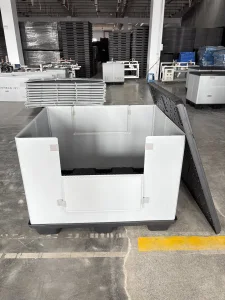
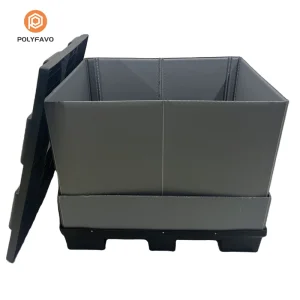
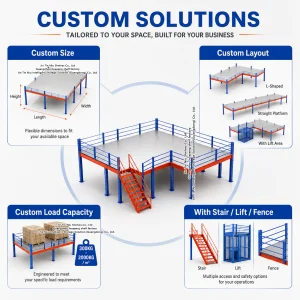
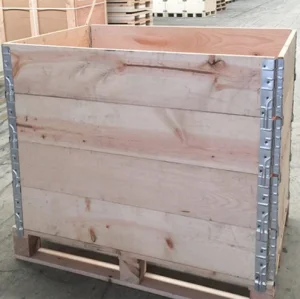
  • Custom Engineering & Scalability: Chinese manufacturers are highly adept at tailoring OEM/ODM designs. Whether you need specialized collapsible pallet boxes, reinforced edge pallet collar boxes, or bespoke automated guided vehicle (AGV) tracks, configurations can be modified dynamically to match existing spatial or mechanical constraints.
Why Choose Hangzhou RAB Logistics Co., Ltd.?

Empowering Enterprises with Future-Ready Logistics Infrastructure and System Integration

Hangzhou RAB Logistics Co., Ltd. is a professional provider of intelligent warehousing and modern logistics solutions. Built on years of industry experience and continuous technological innovation, RAB Logistics is committed to helping enterprises transform traditional warehouse operations into highly automated, data-driven, and efficient supply chain systems.

Since its establishment, the company has focused on integrating advanced logistics technologies such as Warehouse Management Systems (WMS), Automated Storage and Retrieval Systems (AS/RS), AGV/AMR robotics, intelligent sorting systems, and real-time data visualization platforms. These solutions enable clients to achieve higher operational accuracy, faster fulfillment speed, and significantly reduced logistics costs.

With strong capabilities in system consulting, solution design, equipment integration, software development, and project implementation, Hangzhou RAB Logistics Co., Ltd. delivers end-to-end intelligent logistics solutions tailored to diverse industry needs. Our expertise ensures seamless coordination between hardware and software, creating scalable and future-ready warehouse infrastructures.

RAB Logistics serves a wide range of industries including manufacturing, cross-border e-commerce, fast-moving consumer goods (FMCG), pharmaceuticals, and automotive parts. Our solutions are trusted for their stability, innovation, and proven performance in complex, high-demand environments.

By choosing Hangzhou RAB Logistics Co., Ltd., you are selecting a long-term strategic partner dedicated to building smarter warehouses, optimizing supply chains, and empowering businesses with sustainable competitive advantages in the era of intelligent logistics.

Our State-of-the-Art Production & Processing Capabilities

Cutting
Cutting
Fully Automatic CNC Sawing
Stamping
Stamping
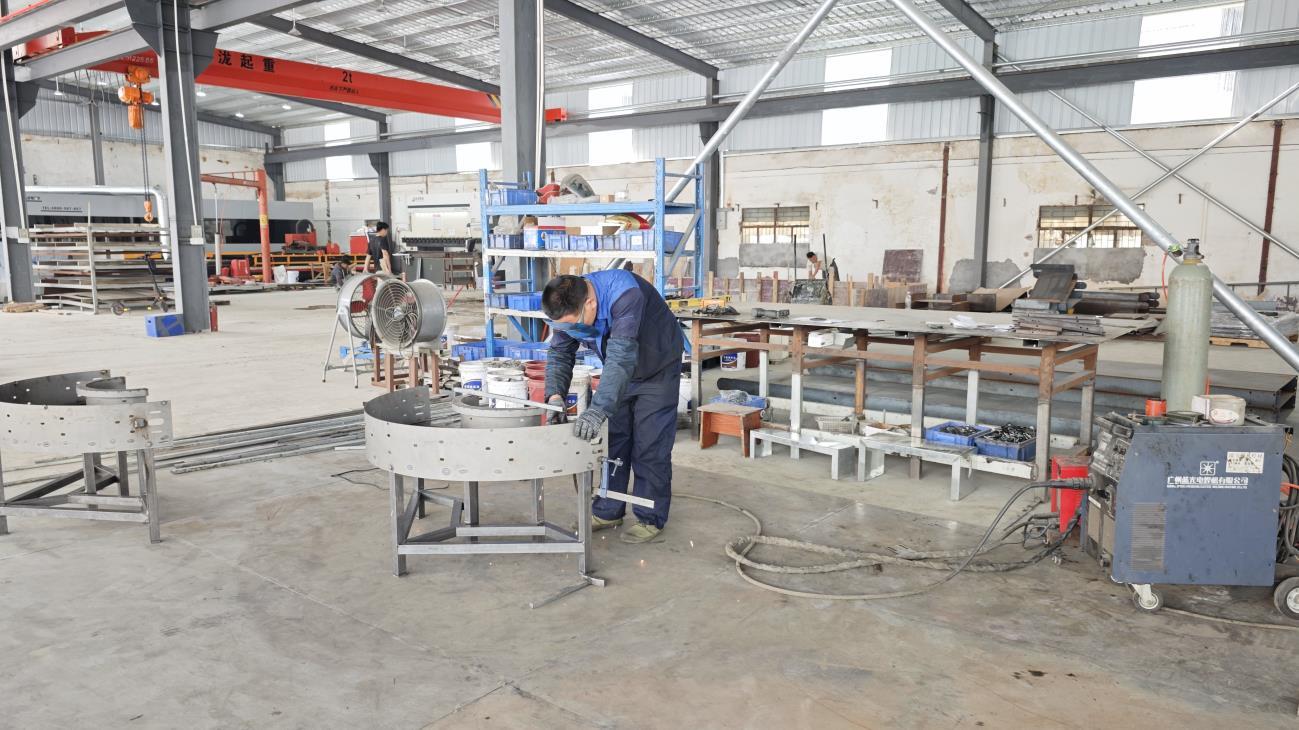
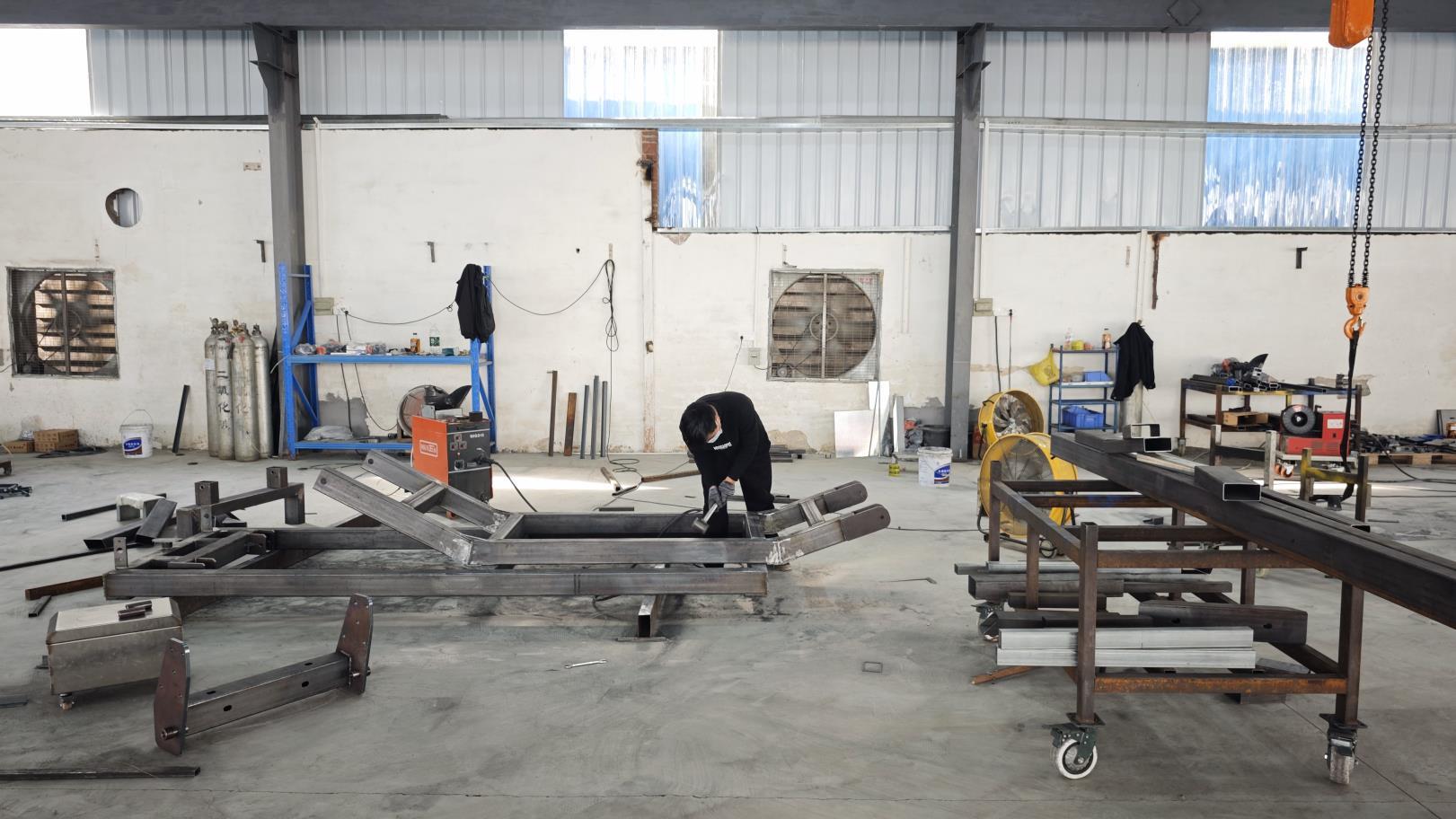
Welding
Welding
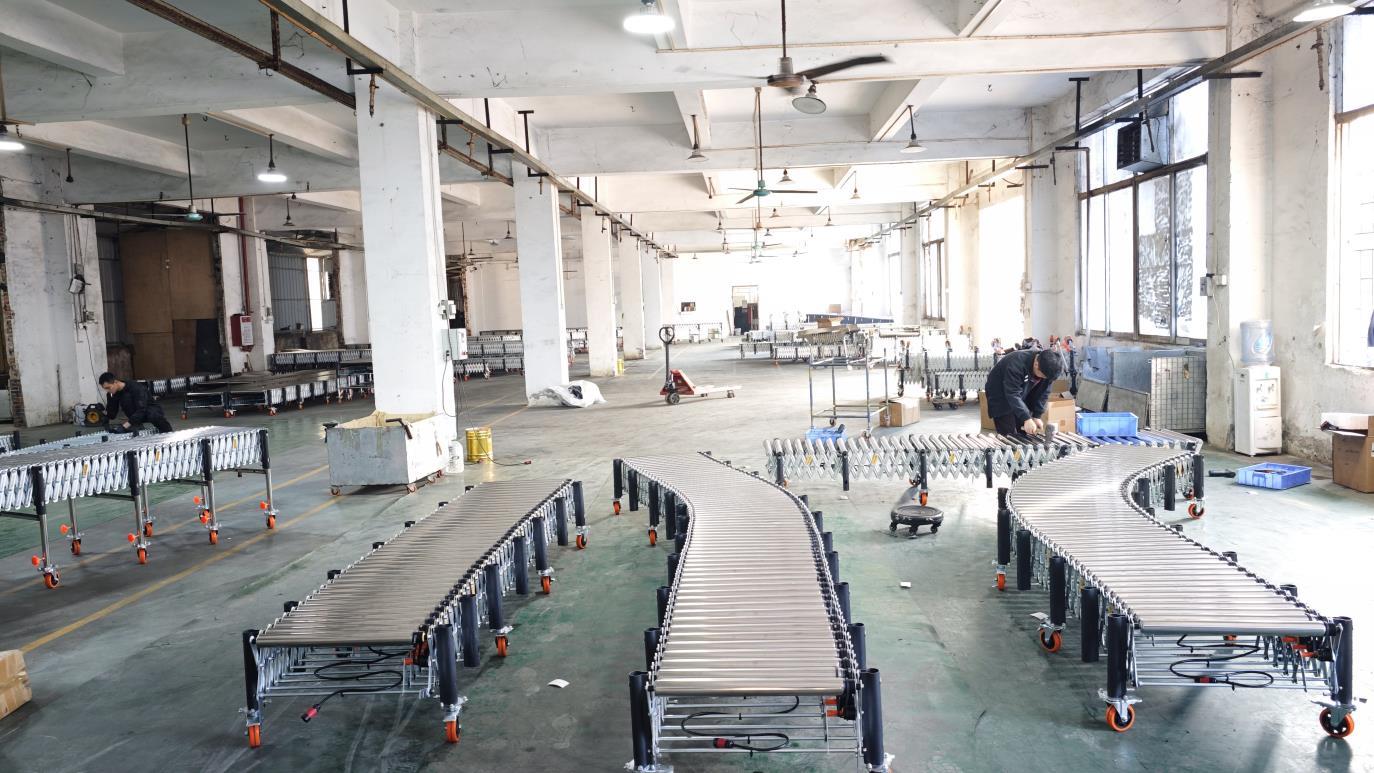
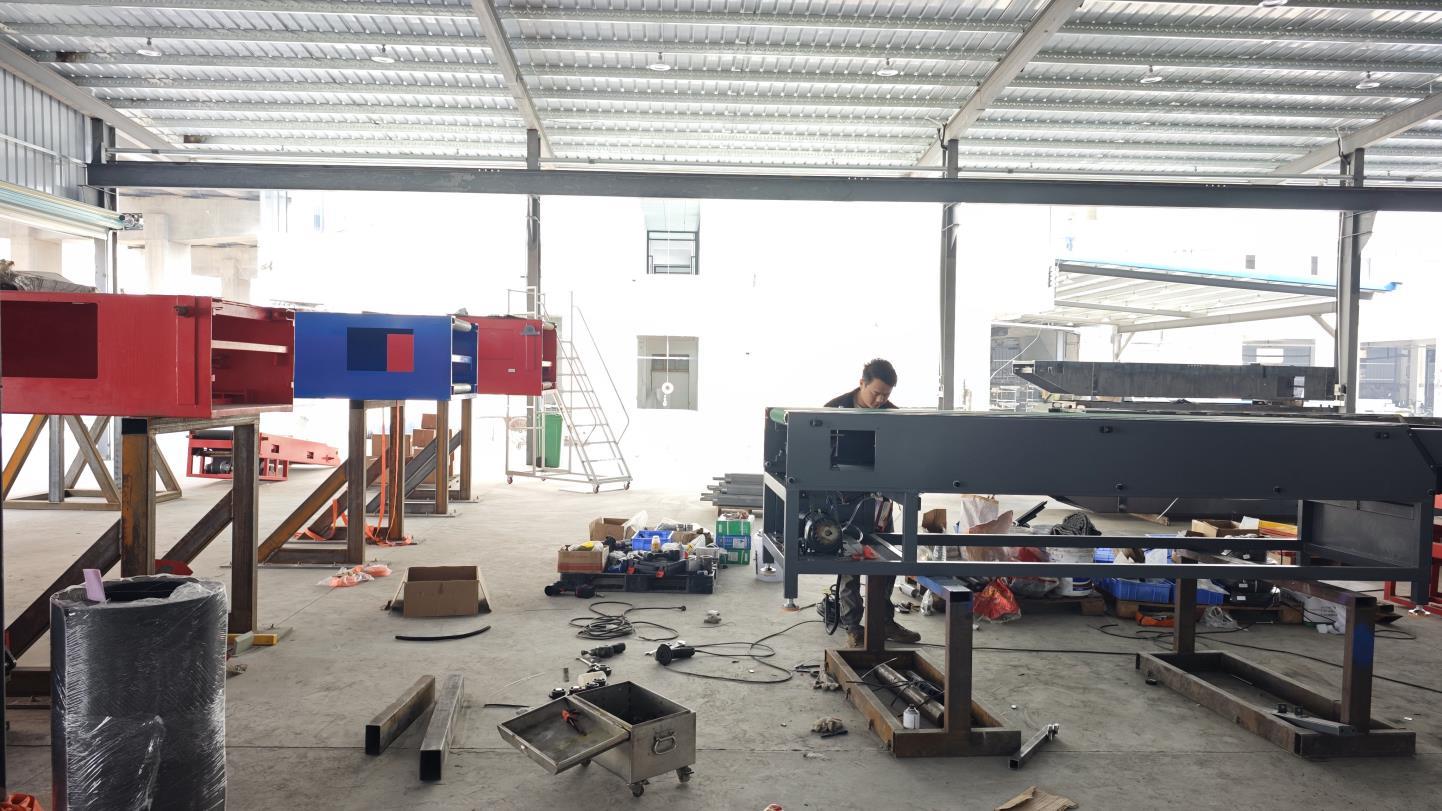
Assembling
Assembling
CNC Cutting
CNC Cutting
Bending
Bending
Welding
Welding
Polishing
Polishing
Assembling
Assembling
Automatic Cutting Machine
Automatic Machine Hand Spot Welding Machine

Localized Application Scenarios in Modern Operations

Developing robust automated inventory tracking requires aligning the configuration with the specific demands of the environment. Here is how specialized systems adapt across target industries:

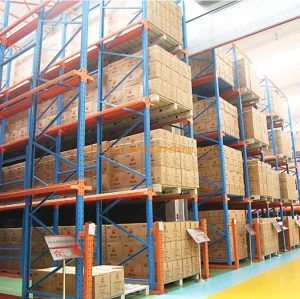
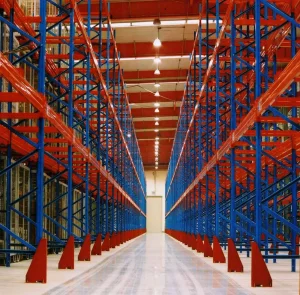
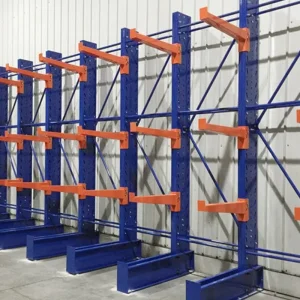
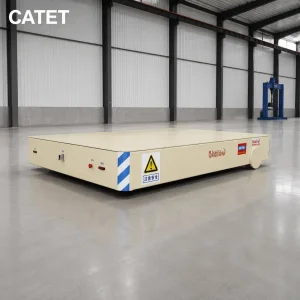
  1. Automotive Parts & Heavy Industry: High structural stress requires collision-resistant, modular infrastructure. Employing Reinforced Edge Pallet Collar Boxes and high-density, multi-deep cantilever and drive-in racks ensures heavy components are secure. Automated Guided Vehicles (AGVs) route parts between production bays while PLC-driven shuttle units log storage position offsets dynamically to eliminate discrepancies.
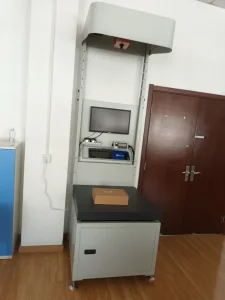
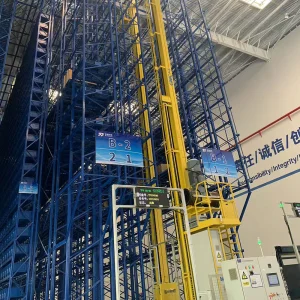
  2. Cross-Border E-Commerce & Third-Party Logistics (3PL): Speed is the primary operational metric. 3PL warehouses deploy AS/RS configurations for small parts alongside integrated Barcode and Weight Measurement (DWS) stations. Items are scanned, weighed, and verified within milliseconds of receipt, updating the WMS immediately to support sub-2-second retrieval times.
  3. FMCG & Cold Chain Distribution: High turnover rates demand automated inventory tracking to ensure efficient batch and FIFO (First-In, First-Out) management. The use of Siemens PLC controllers on heavy-duty Radio Shuttles optimizes movement without risking operator safety in extreme cold-room conditions.

The Evolving Future Trends in Intralogistics

As the industry moves closer to fully autonomous supply chain frameworks, three main developments will define the future of inventory auditing:

  • Real-time Sensor Fusion: The incorporation of IoT edge sensors and continuous weighing systems on structural racking. Rather than scheduling checks, systems continuously verify stored loads against simulated digital twins of the warehouse.
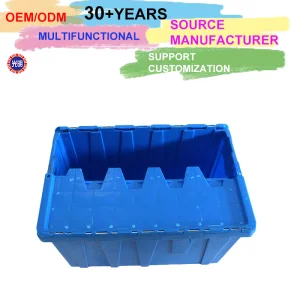
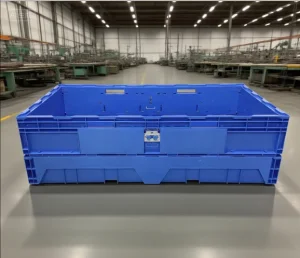
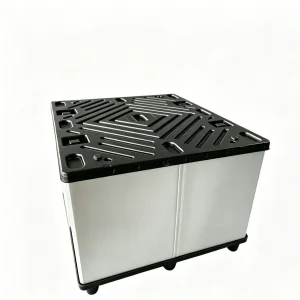
  • Decarbonized and Recyclable Logistics Media: Driven by environmental mandates, global enterprises are shifting from single-use wood configurations to highly durable, recyclable materials. Returnable transit packaging like collapsible PP plastic pallet boxes and nestable logistics storage totes reduce transport emissions and waste.
  • Deep-Learning Edge Vision: Integrating camera arrays with overhead gantries or AGVs to run autonomous OCR and object recognition. This allows systems to audit racks automatically by reading labels during routine transport cycles.

Key Considerations for Global Procurement Directors

Procuring warehouse systems from China requires balancing structural specifications with digital architecture compatibility. Keep these five criteria in mind during evaluation:

Metric Technical Standard Importance
Steel Grade Q355 High-Strength Structural Steel Ensures structural stability and load integrity under dynamic high-bay stress.
Control Units Siemens PLC Systems / EtherCAT Interfaces Guarantees compatibility with international WCS/WMS logic architectures.
Precision Fabrication CNC Cutting & Laser Welding (< 1.5mm tolerances) Critical for smooth, fault-free shuttle operation and high-tolerance AS/RS alignments.
Modularity Z-Fold & Collapsible Structures Reduces return-freight costs and maximizes workspace adaptability.

Frequently Asked Questions

Industrial Insights on Customization, Integration, and Global Deployments

How does a WMS Measuring Machine System with Barcode and Weight (DWS) prevent inventory errors?
A DWS system serves as the primary gateway for incoming and outgoing goods. By checking the package dimensions, barcode data, and weight automatically, the system compares the physical properties of the item against target records. Any discrepancy is flagged before storage, preventing downstream inventory errors.
Why is Q355 Steel preferred for high-bay and logistics structural configurations?
Q355 steel is a high-strength low-alloy structural steel with excellent yield strength (355 MPa) and superior weldability. It resists structural deformation under heavy static and dynamic loads, making it ideal for tall, narrow-aisle racking layouts and automated retrieval systems.
Can your Siemens PLC-controlled automated shuttle systems integrate with third-party WMS software?
Yes. The Siemens PLC framework uses standard communication protocols (such as PROFINET, Modbus, or TCP/IP) to link directly with Warehouse Control Systems (WCS) and Warehouse Management Systems (WMS). This ensures real-time control, monitoring, and automated position auditing.
What are the primary operational benefits of Z-Fold Collapsible Pallet Boxes?
Collapsible structures offer significant space savings on return transport. When empty, they collapse to a fraction of their assembled volume, reducing return shipping logistics costs. Their lightweight, high-strength build protects parts during transit while supporting robotic handling.
What is the typical deployment timeline for a complete AS/RS system?
A complete AS/RS deployment depends on layout size and system complexity. Generally, the process takes 4 to 8 months. This includes consulting, structural design, CNC manufacturing, shipping, on-site installation, PLC programming, and system integration.
How does Hangzhou RAB Logistics ensure the precision of its automated structures?
We maintain high precision through automated production methods. We utilize fully automatic CNC sawing, laser cutting, and robotic spot welding machines to maintain tolerances within 1.0mm to 1.5mm, ensuring smooth operation of shuttles and automated cranes.