How CE certified collaborative robots (Cobots) are bridging the gap between high-capacity automated storage and flexible manual operations.
As modern manufacturing and warehouse operations scale, the demand for CE certified collaborative robots (cobots) has reached unprecedented heights. Unlike traditional industrial robots that operate behind restrictive safety fences, cobots are engineered with advanced sensory arrays, force-limiting joints, and intelligent control units that allow them to work directly alongside human teams. As a premier exporter of automated solutions, Hangzhou RAB Logistics Co., Ltd. coordinates state-of-the-art warehousing structures with active robotics, creating a seamless environment where structural racking and smart mechanical systems operate as one unified mechanism.
When deploying collaborative robots in European markets, North America, and other global regions, strict adherence to international safety metrics is non-negotiable. Our collaborative robots are fully CE certified, designed to satisfy the rigorous requirements of ISO 10218-1 and ISO/TS 15066 safety specifications.
This standard guarantees that the cobot's power and force-limiting features are verified through comprehensive biomechanical hazard testing. If the arm contacts an object or human, its integrated torque sensors trigger an instantaneous stop, completely eliminating the risk of injury.
To support overseas partners, we offer a comprehensive global ecosystem that includes local integration consultancies, on-site commissioning, and rapid spares deployment. By aligning our hardware platforms with certified local technical teams, we guarantee that your robotic workcell meets both corporate productivity metrics and local safety legislation.
Dual-channel safety architectures monitoring velocity, payload limits, and protective stops in real-time, matching modern European regulatory demands.
Localized service partnerships to manage deployment troubleshooting, standard calibration adjustments, and emergency software maintenance.
Unmatched production speed, advanced materials, and vertical manufacturing integration optimized for export.
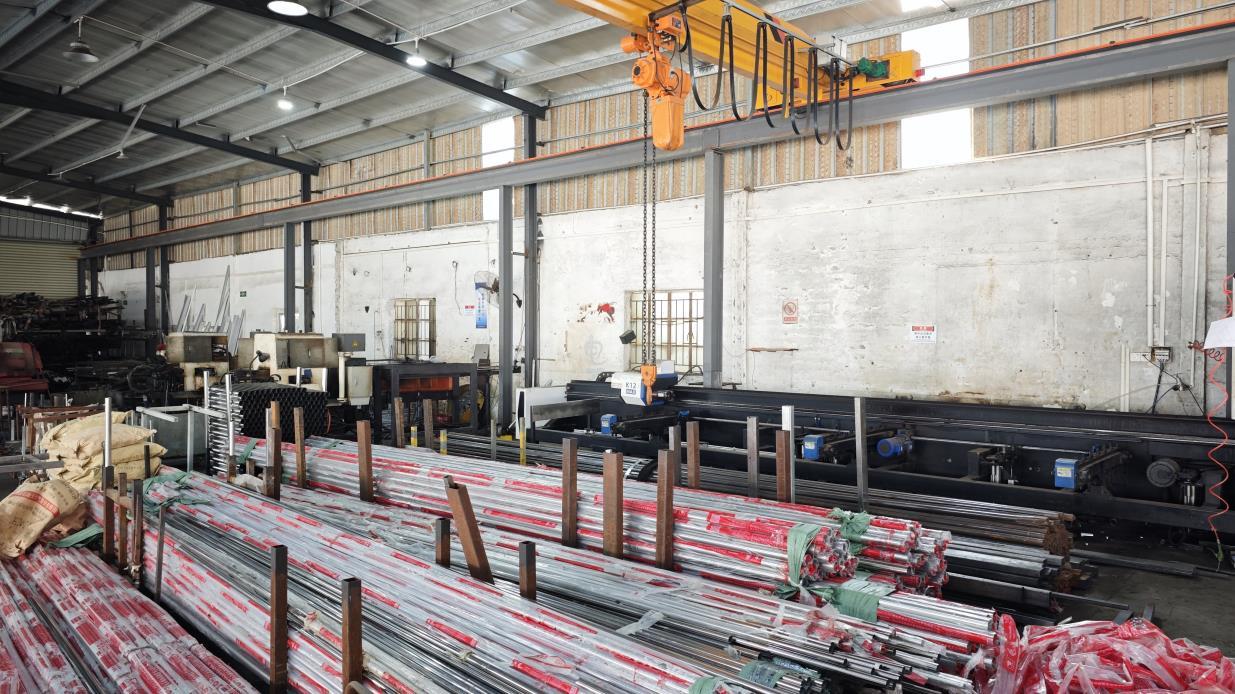
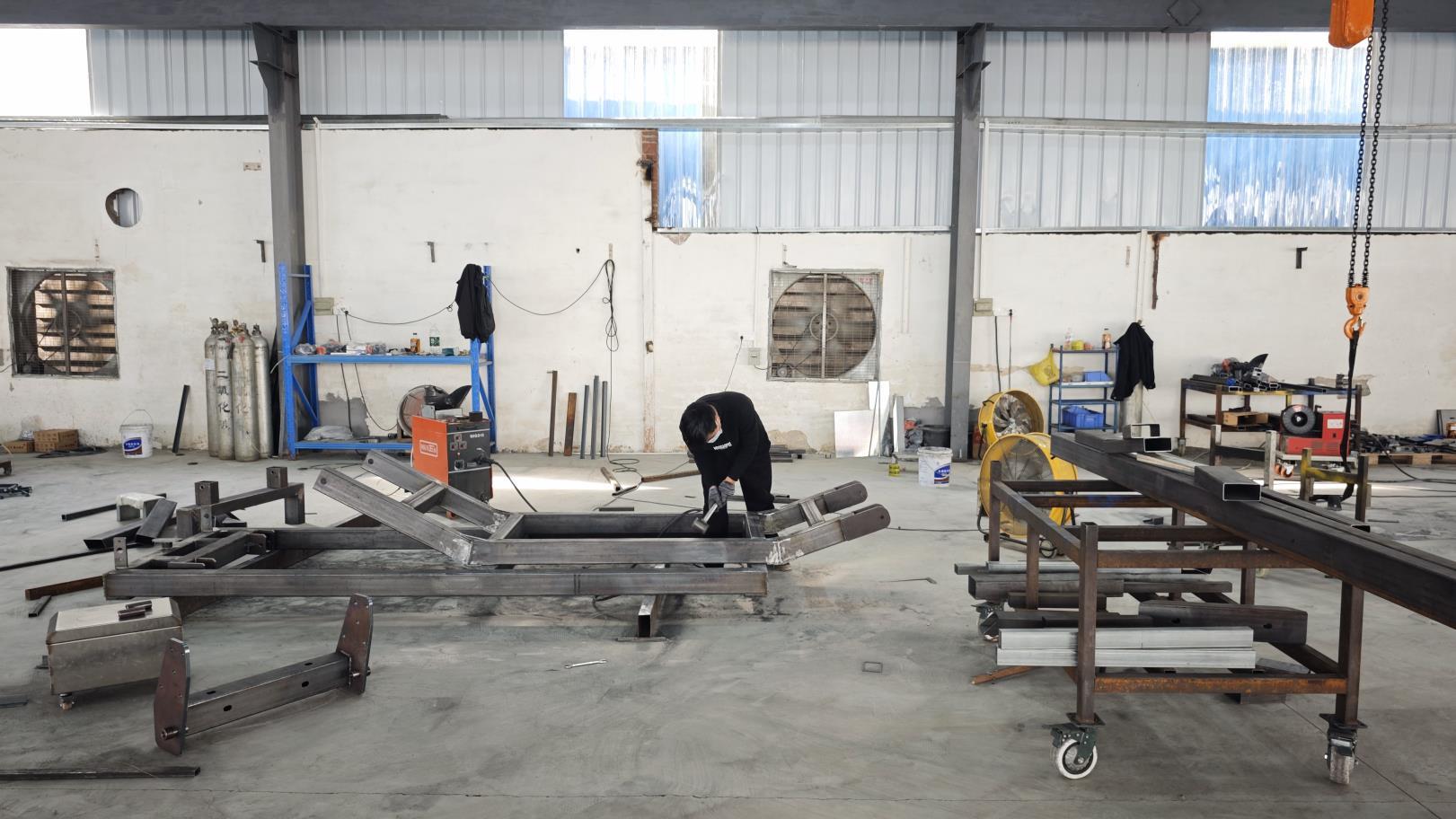
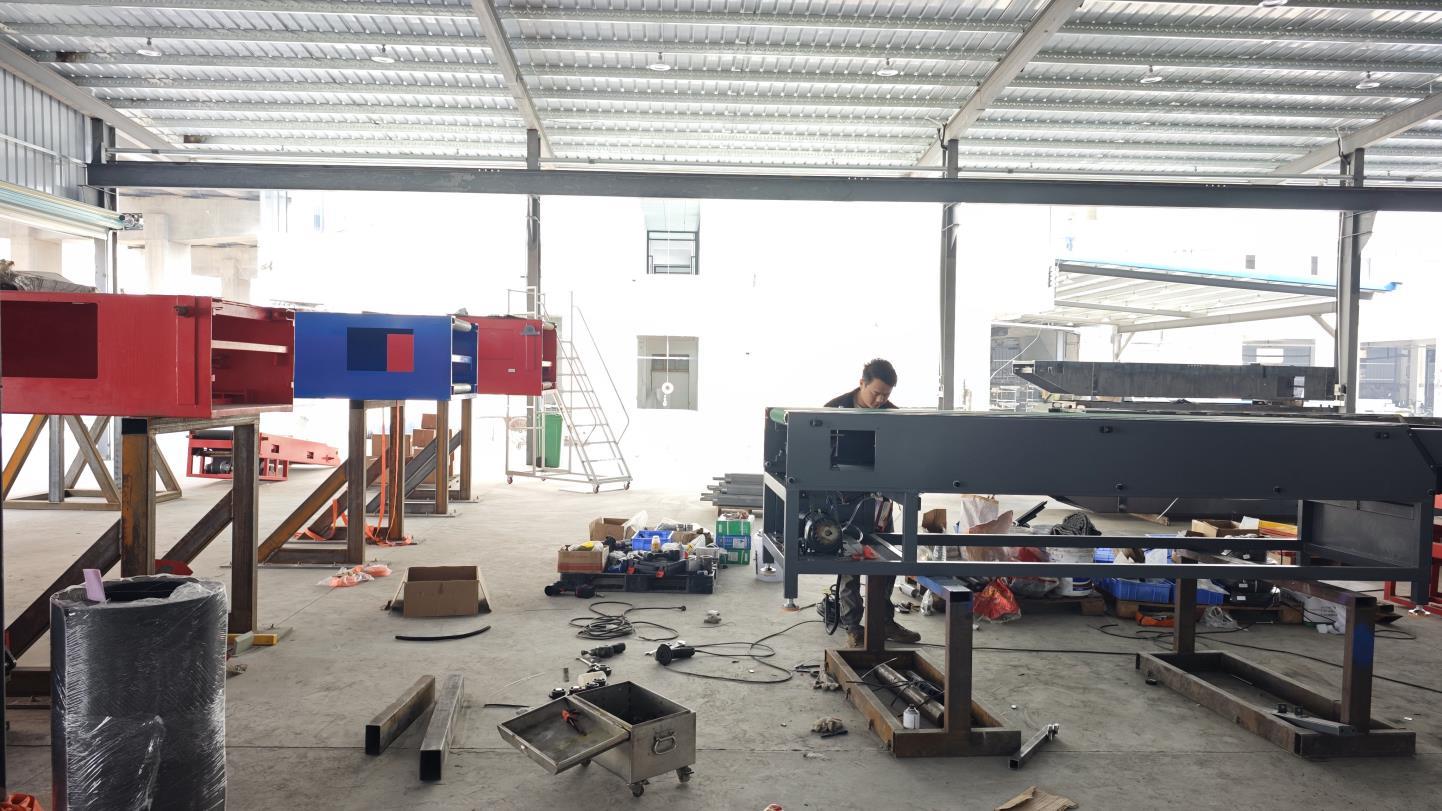
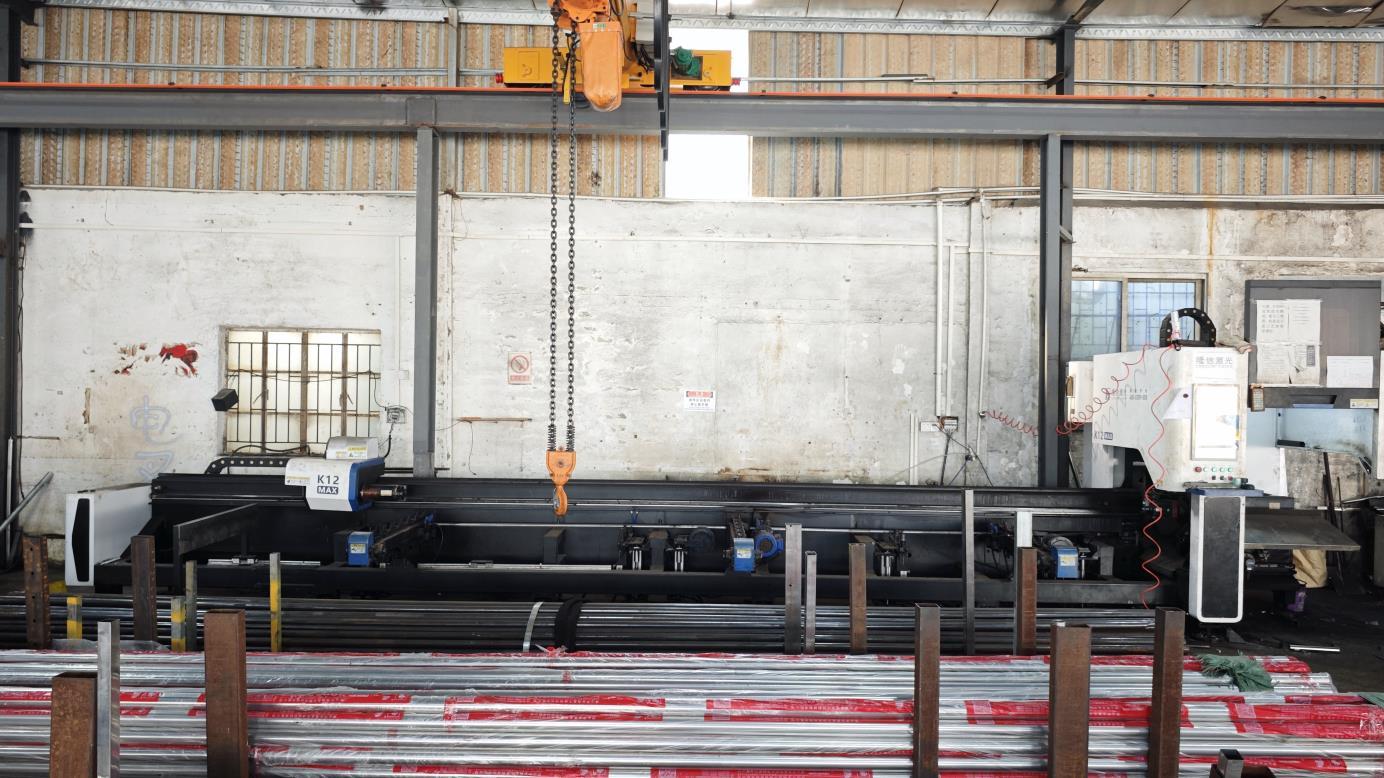
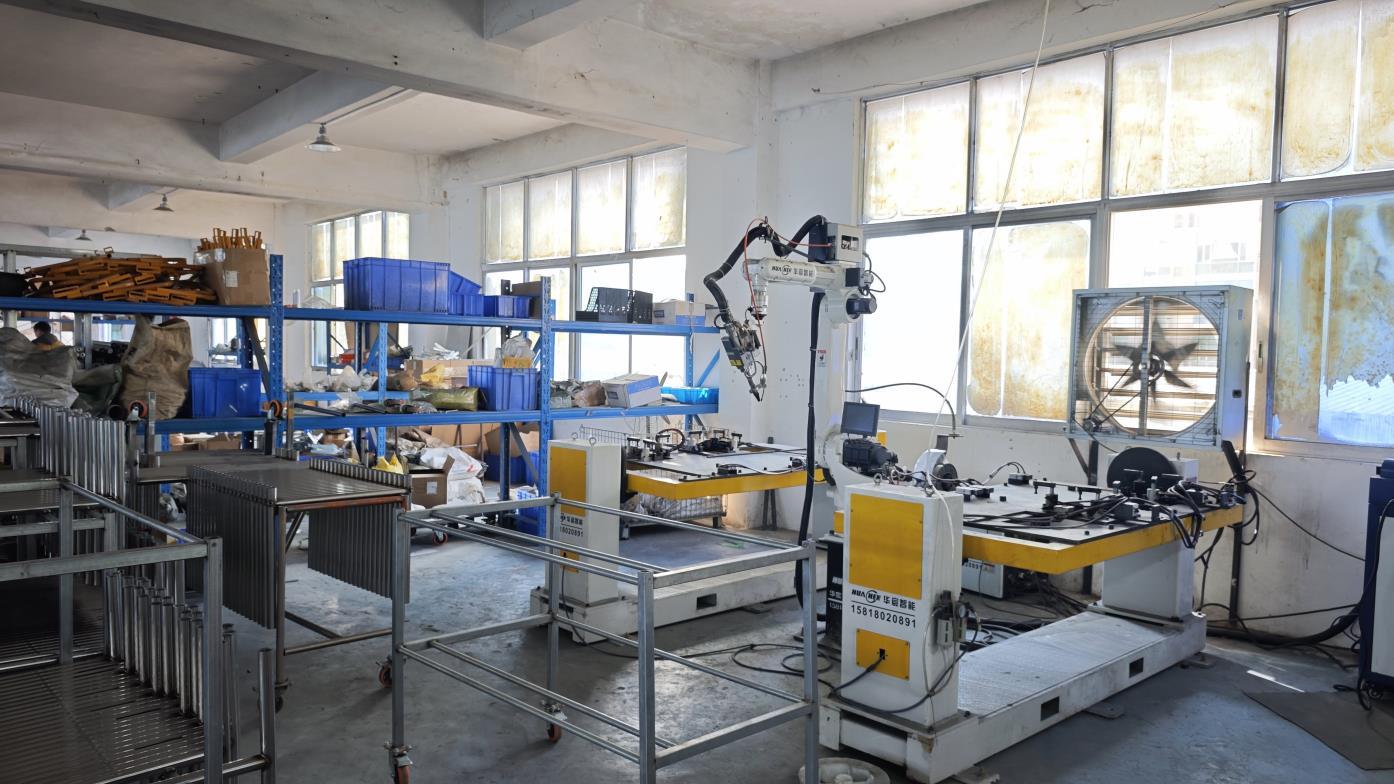
Direct partnerships with raw steel and high-durability alloy suppliers in Zhejiang ensure consistent material quality and immunity to global price fluctuations. From laser cutting to final structural assembly, quality controls remain unbroken.
Our localized engineering pipelines enable rapid modification of product payloads, structural layouts, and customized steel end-effectors. We go from customer specification reviews to functional prototyping in record time.
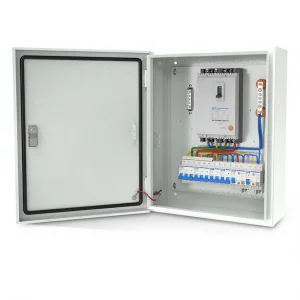
Based in Hangzhou, we exploit the advanced logistics network connected to the ports of Ningbo and Shanghai. Our global shipping pipelines minimize handling overheads, ensuring safe transit for heavy automated racking and complex control enclosures.
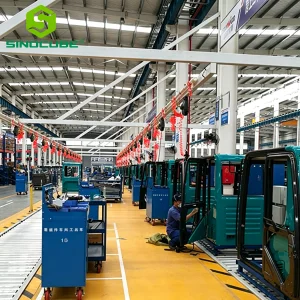
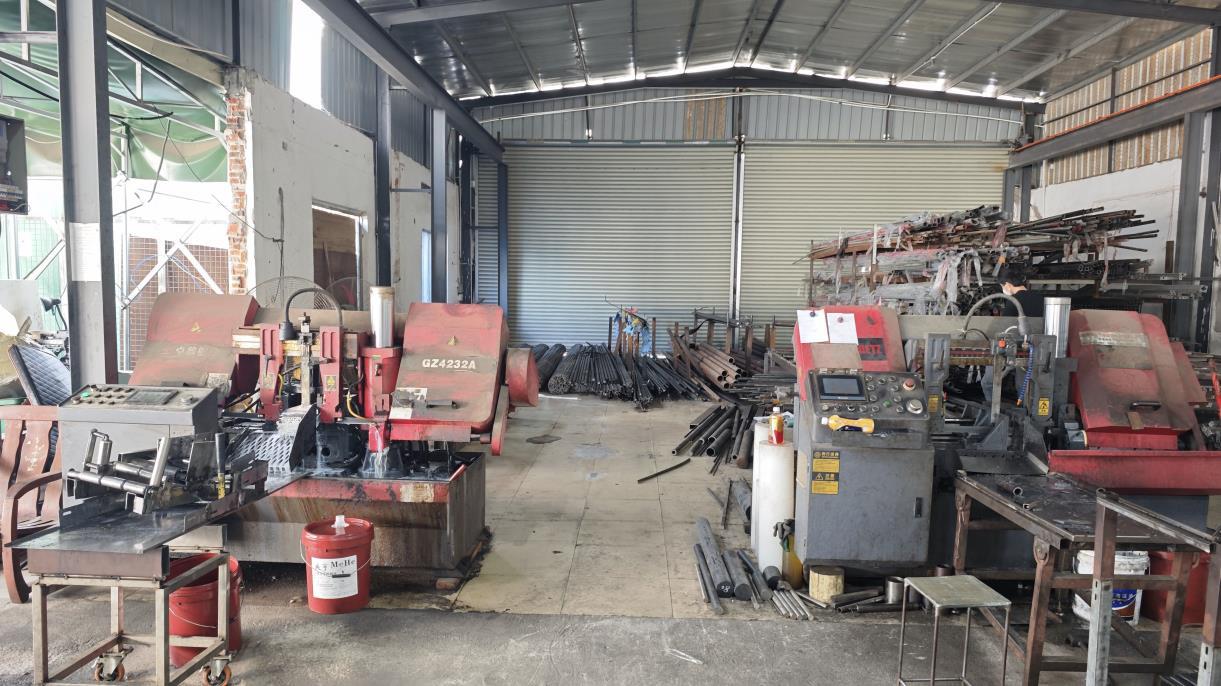
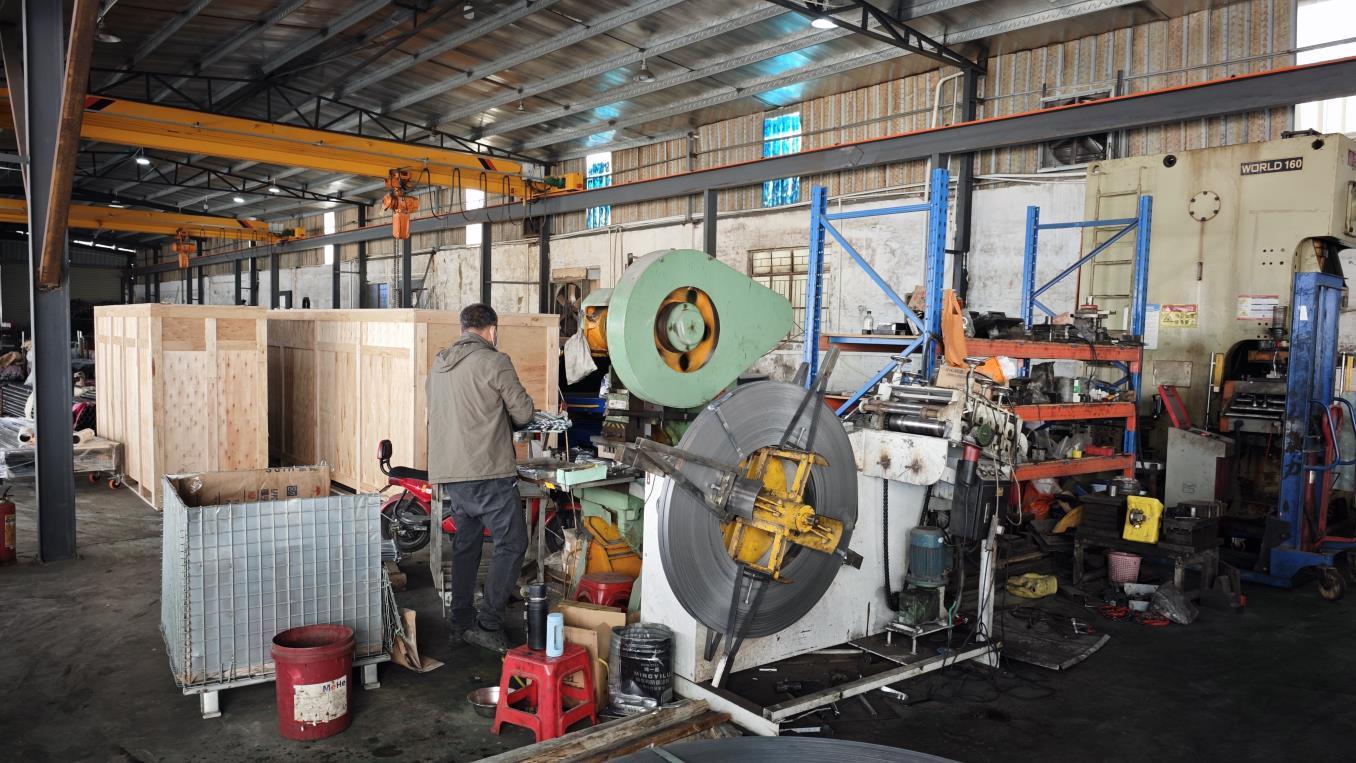
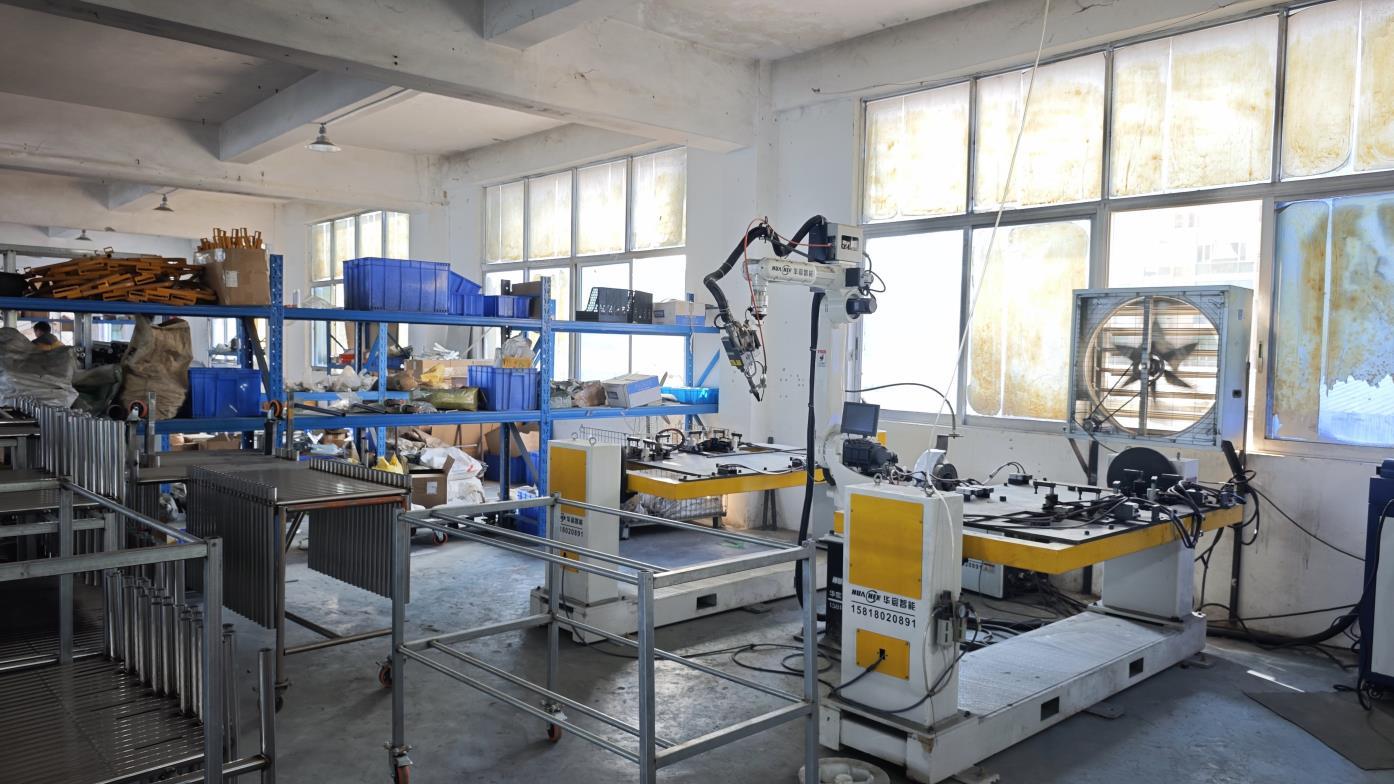
A comprehensive look at our internal fabrication, machining, and engineering phases that ensure structural compliance.
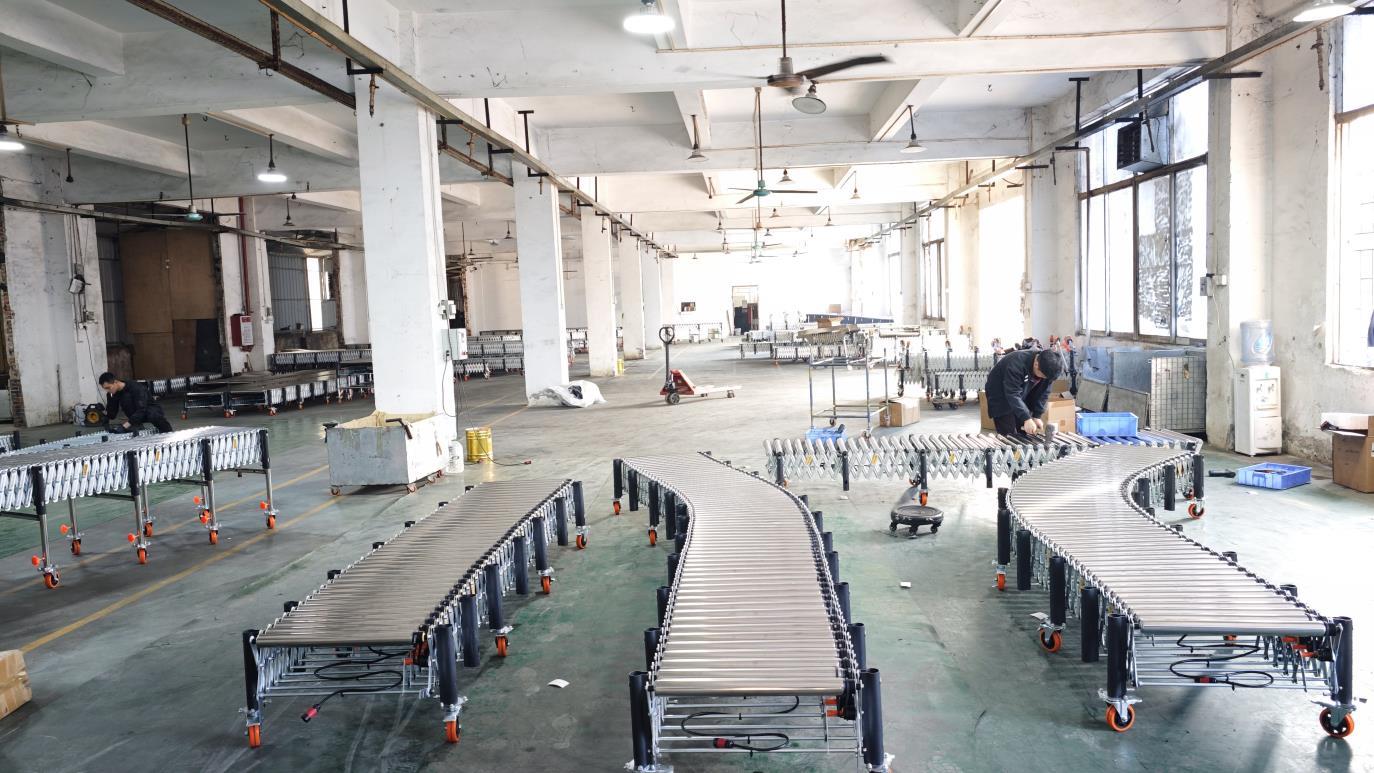
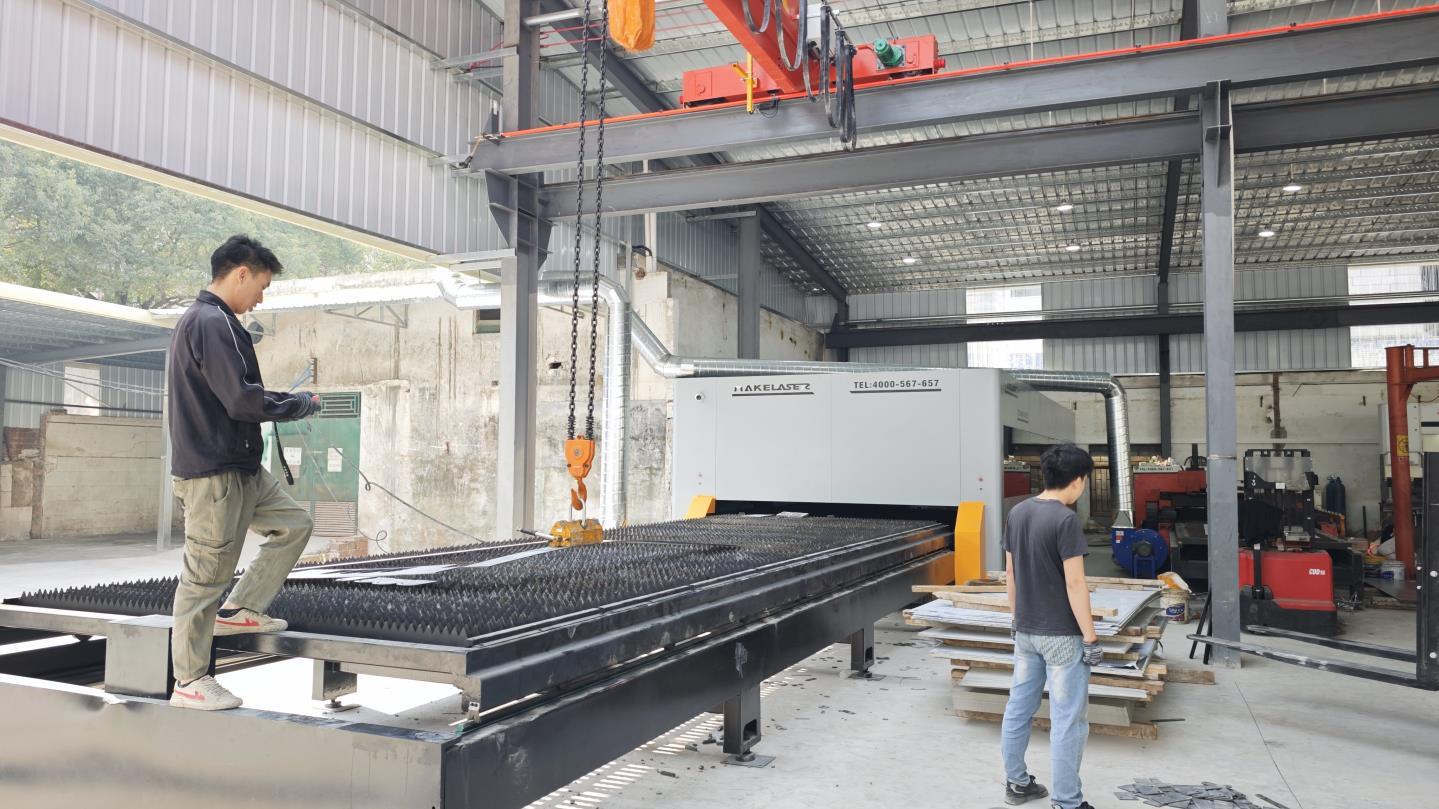
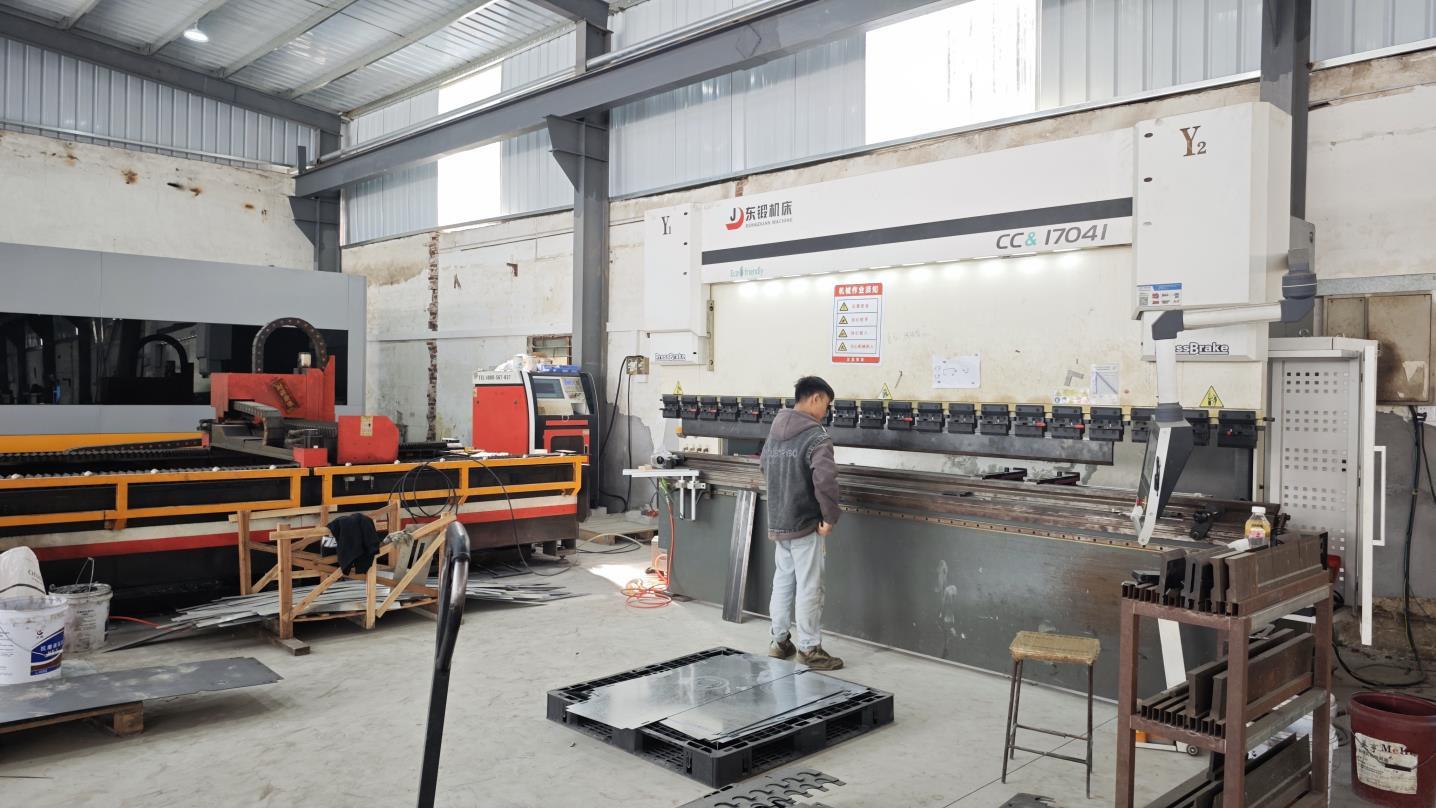
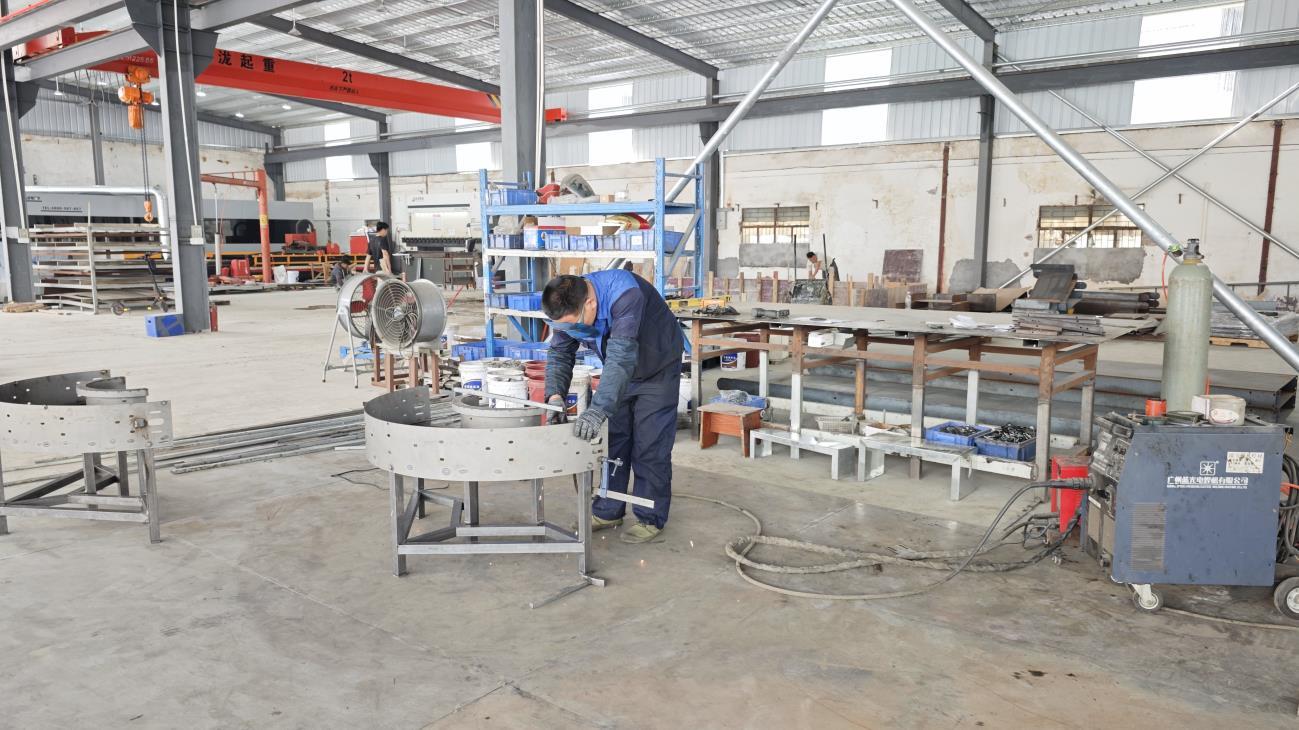
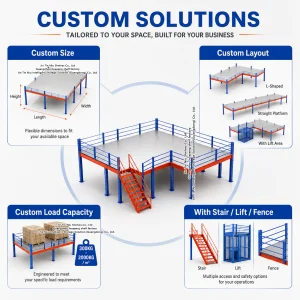
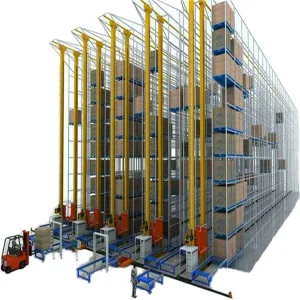
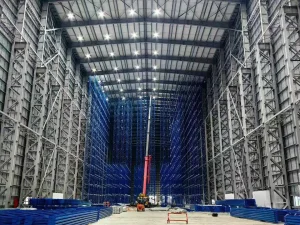
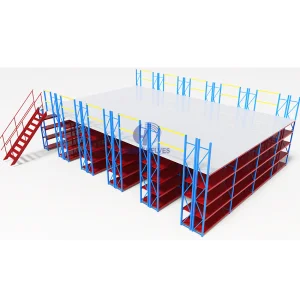
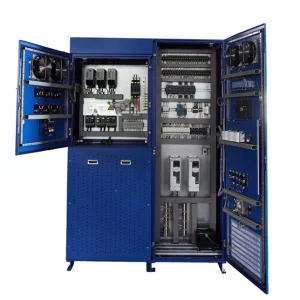
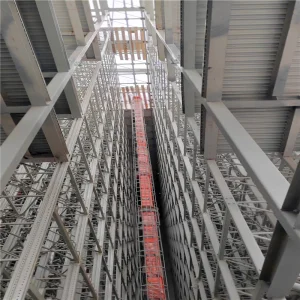
Modern procurement executives are looking for more than standalone robots; they require fully integrated ecosystems. Collaborative robots must seamlessly interface with Automated Storage and Retrieval Systems (AS/RS), smart vertical mezzanines, and central PLC panels to orchestrate real-time material handling workflows.
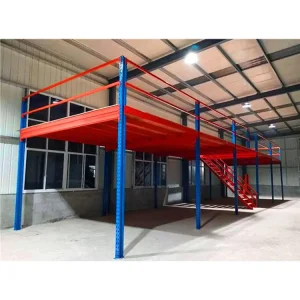
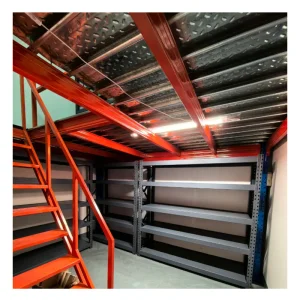
The industry trend is shifting towards hybrid automation, where robotic arms handle bin-picking, piece-picking, and automated kitting directly at the racking face. This eliminates the transit latency of older conveyors, delivering localized sorting and palletizing zones within high-density steel mezzanines.
Furthermore, energy conservation and space optimization have become core elements of corporate infrastructure audits. Integrating low-draw, highly flexible cobots within cold rooms, pharmaceuticals facilities, and automotive component staging warehouses allows operations to maximize usable cubic space while lowering daily operational expenditures.
How collaborative robotic units and intelligent racking platforms execute actual warehouse operations.
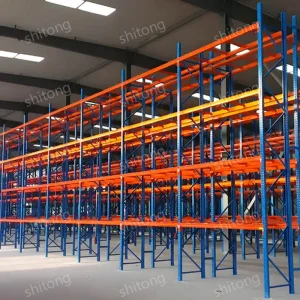
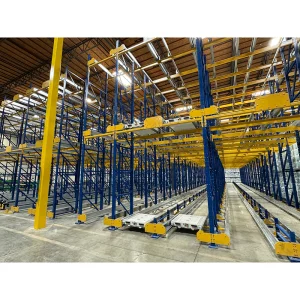
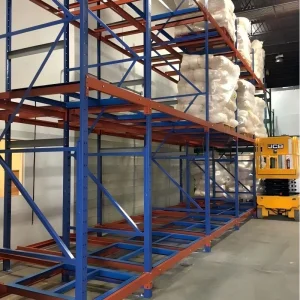
Deployed at the terminal point of production pipelines. Cobots systematically retrieve finished goods, stack them onto heavy steel racking systems, and ready them for stacker crane collection. This minimizes human handling in dense packing areas.
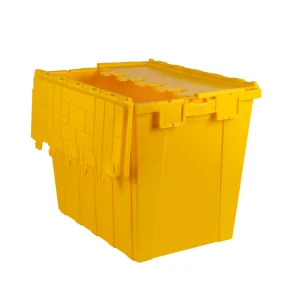
Operating inside highly restricted cold-room environments down to sub-zero temperatures. Because manual picking in cold chains is highly regulated due to health risks, cobots act as the main sorting force, picking and packing items directly into specialized insulated storage totes.
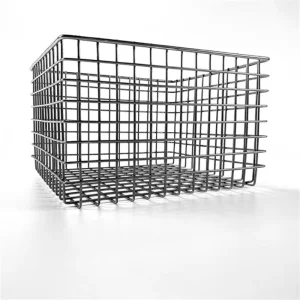
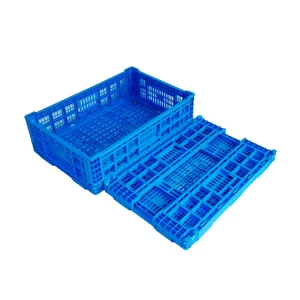
Feeding processing components directly into CNC machinery and hydraulic stamping systems. Working in tandem with PLC control boards, the robotic arm feeds raw metals, initiates production runs, and organizes finished outputs onto specialized sorting mesh baskets.
Hangzhou RAB Logistics Co., Ltd. is a professional provider of intelligent warehousing and modern logistics solutions. Built on years of industry experience and continuous technological innovation, RAB Logistics is committed to helping enterprises transform traditional warehouse operations into highly automated, data-driven, and efficient supply chain systems.
Since its establishment, the company has focused on integrating advanced logistics technologies such as Warehouse Management Systems (WMS), Automated Storage and Retrieval Systems (AS/RS), AGV/AMR robotics, intelligent sorting systems, and real-time data visualization platforms. These solutions enable clients to achieve higher operational accuracy, faster fulfillment speed, and significantly reduced logistics costs.
With strong capabilities in system consulting, solution design, equipment integration, software development, and project implementation, Hangzhou RAB Logistics Co., Ltd. delivers end-to-end intelligent logistics solutions tailored to diverse industry needs. Our expertise ensures seamless coordination between hardware and software, creating scalable and future-ready warehouse infrastructures.
RAB Logistics serves a wide range of industries including manufacturing, cross-border e-commerce, fast-moving consumer goods (FMCG), pharmaceuticals, and automotive parts. Our solutions are trusted for their stability, innovation, and proven performance in complex, high-demand environments. By choosing Hangzhou RAB Logistics Co., Ltd., you are selecting a long-term strategic partner dedicated to building smarter warehouses, optimizing supply chains, and empowering businesses with sustainable competitive advantages in the era of intelligent logistics.
Expert technical answers addressing core regulatory, integration, and procurement concerns.
 RAB Logistics