Enterprise hardware and software architectures tailored to modernize logistics centers in West Java and Banten provinces.
The Greater Jakarta area (Jabodetabek) is undergoing a monumental shift in supply chain dynamics. Rapid urbanization, fueled by a soaring middle class and a hyper-accelerated e-commerce sector (led by regional platforms like Tokopedia, Shopee, and Lazada), has placed unprecedented pressure on physical storage networks. Key industrial corridors—such as Cikarang, Karawang, Bekasi, and Tangerang—are morphing into high-density fulfillment clusters. However, this growth faces structural challenges: skyrocketing land costs, congested traffic bottlenecks surrounding Tanjung Priok Port, and the rising cost of manual operations.
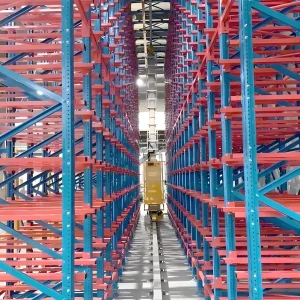
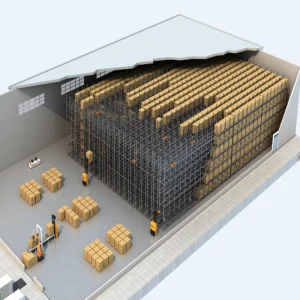
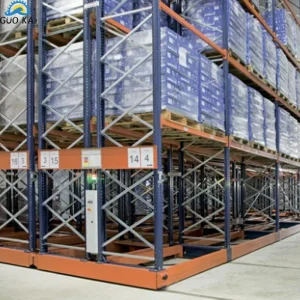
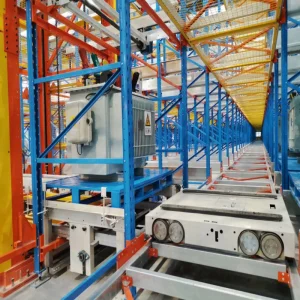
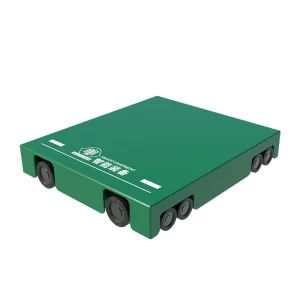
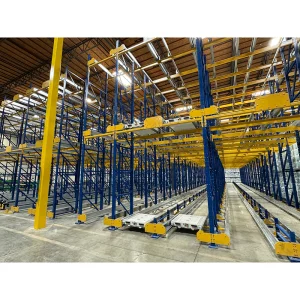
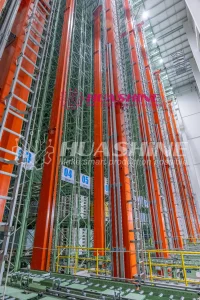
To preserve operational margins, modern enterprises are transitioning away from traditional, flat racking configurations toward vertical storage, specifically Automated Storage and Retrieval Systems (AS/RS). Within this context, a Warehouse Control System (WCS) acts as the vital bridge, linking top-tier Warehouse Management Systems (WMS) or ERPs with the physical automation hardware on the warehouse floor. By translating abstract inventory plans into real-time routing commands for PLC-controlled conveyors, radio shuttles, AGVs, and stacker cranes, our WCS guarantees maximum throughput with sub-millisecond latency.
A classic bottleneck in Indonesian warehousing is the disconnect between host software (which manages *what* is in inventory and *when* to ship it) and the physical mechanical drivers (which handle *how* to move the item). Without an intelligent WCS, high-bay warehouses suffer from throughput lag, collision-prone routing, and low equipment utilization. Our state-of-the-art WCS provides dynamic destination routing, real-time diagnostic reporting, and continuous traffic control. This ensures that every automated component—whether it is a German Siemens-PLC shuttle or an advanced robotic sorter—operates at peak mechanical efficiency.
For international corporations setting up local operations in Jakarta, standard off-the-shelf software packages often fail to integrate with legacy machinery or local power configurations. Our WCS is built on a highly modular, hardware-agnostic platform. It operates directly between the enterprise information systems (WMS, ERP, MES) and the local physical field buses.
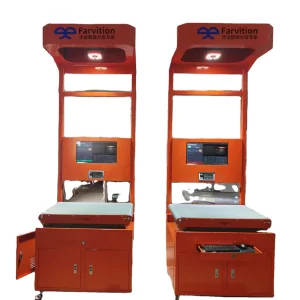
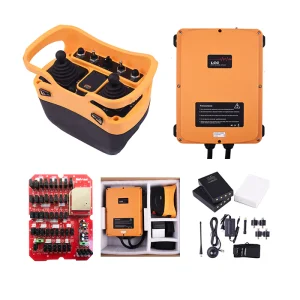
The routing engine translates high-level pick or put-away tasks from the host database into low-level telegrams. These telegrams are then transmitted via standardized communication protocols (such as TCP/IP sockets, REST APIs, OPC-UA, or directly through Profinet / EtherNet/IP) to the PLC controllers. The system continually receives feedback from optical sensors, RFID scanners, weighing scales, and barcode readers, providing real-time verification of product movement.
Delivering end-to-end intelligent logistics systems with a perfect synergy of software and physical engineering.
Hangzhou RAB Logistics Co., Ltd. is a professional provider of intelligent warehousing and modern logistics solutions. Built on years of industry experience and continuous technological innovation, RAB Logistics is committed to helping enterprises transform traditional warehouse operations into highly automated, data-driven, and efficient supply chain systems.
Since its establishment, the company has focused on integrating advanced logistics technologies such as Warehouse Management Systems (WMS), Automated Storage and Retrieval Systems (AS/RS), AGV/AMR robotics, intelligent sorting systems, and real-time data visualization platforms. These solutions enable clients to achieve higher operational accuracy, faster fulfillment speed, and significantly reduced logistics costs.
With strong capabilities in system consulting, solution design, equipment integration, software development, and project implementation, Hangzhou RAB Logistics Co., Ltd. delivers end-to-end intelligent logistics solutions tailored to diverse industry needs. Our expertise ensures seamless coordination between hardware and software, creating scalable and future-ready warehouse infrastructures.
RAB Logistics serves a wide range of industries including manufacturing, cross-border e-commerce, fast-moving consumer goods (FMCG), pharmaceuticals, and automotive parts. Our solutions are trusted for their stability, innovation, and proven performance in complex, high-demand environments.
By choosing Hangzhou RAB Logistics Co., Ltd., you are selecting a long-term strategic partner dedicated to building smarter warehouses, optimizing supply chains, and empowering businesses with sustainable competitive advantages in the era of intelligent logistics.
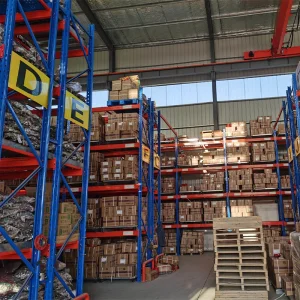
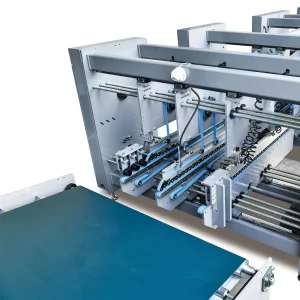
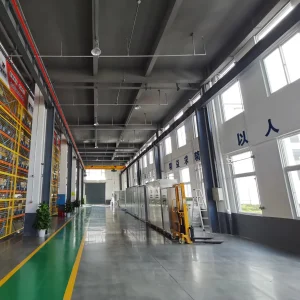
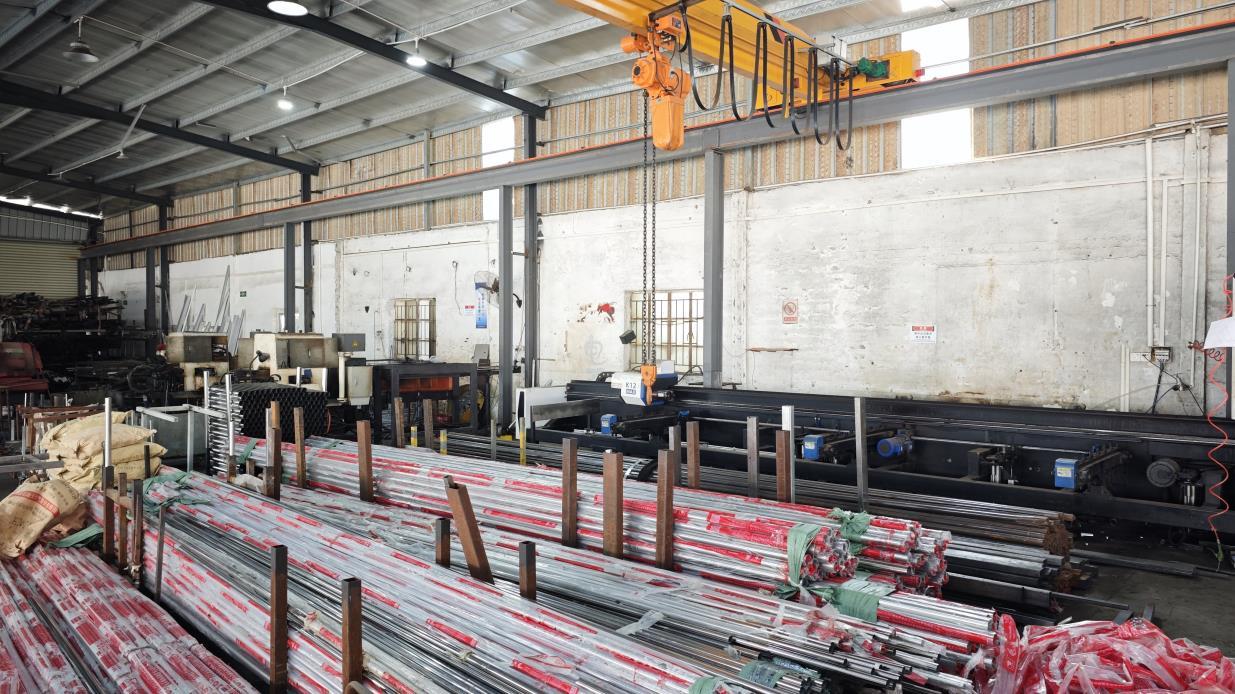
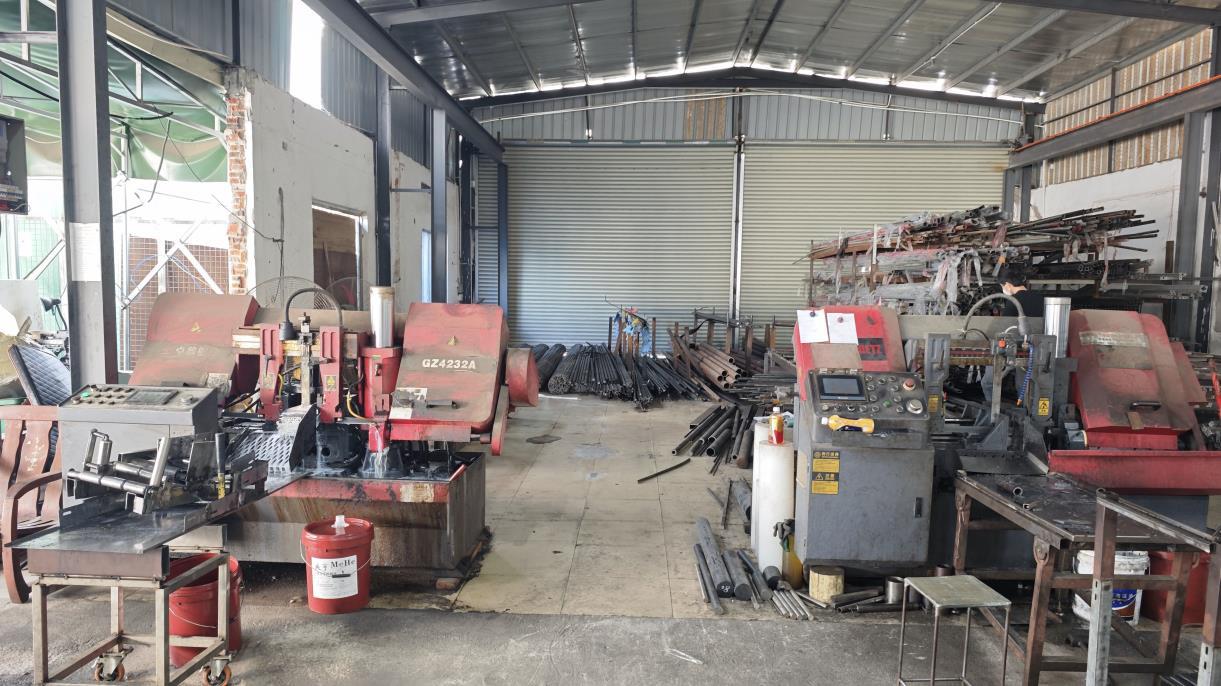
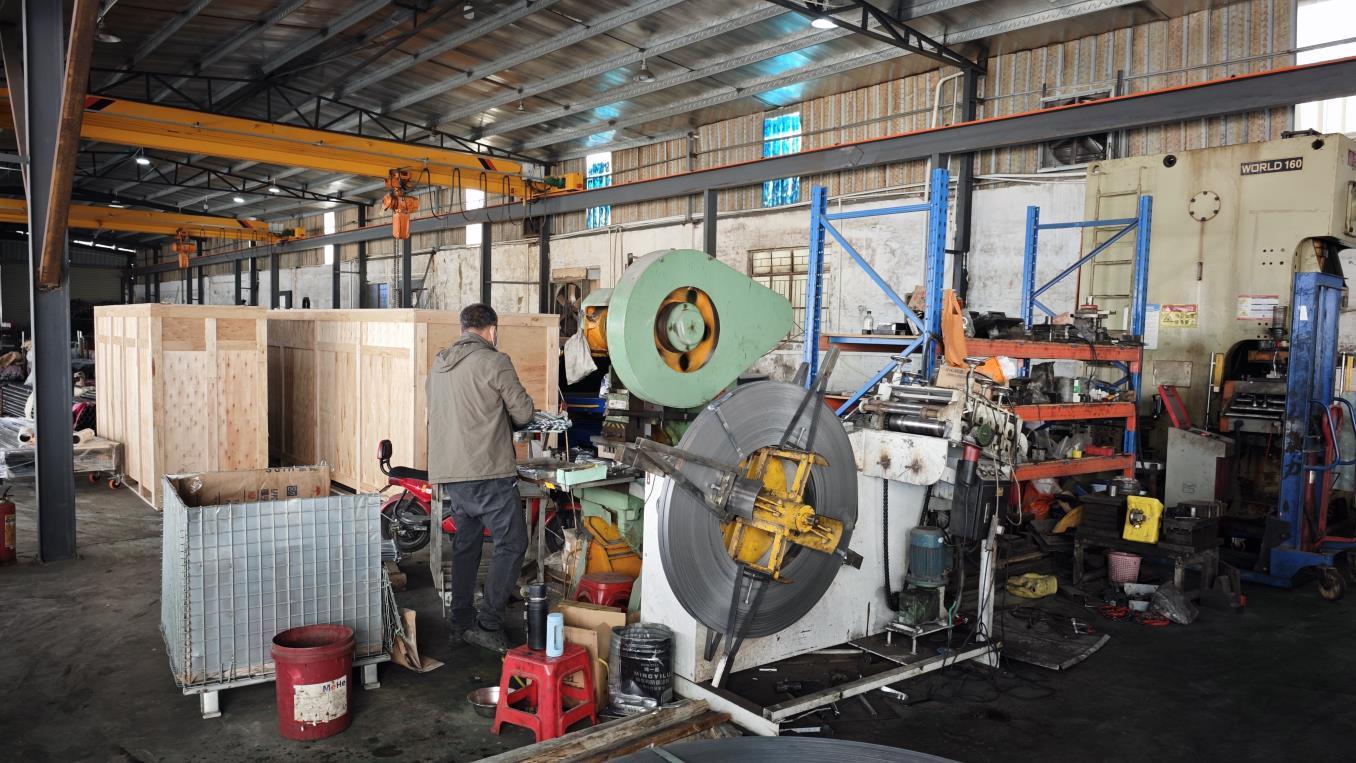
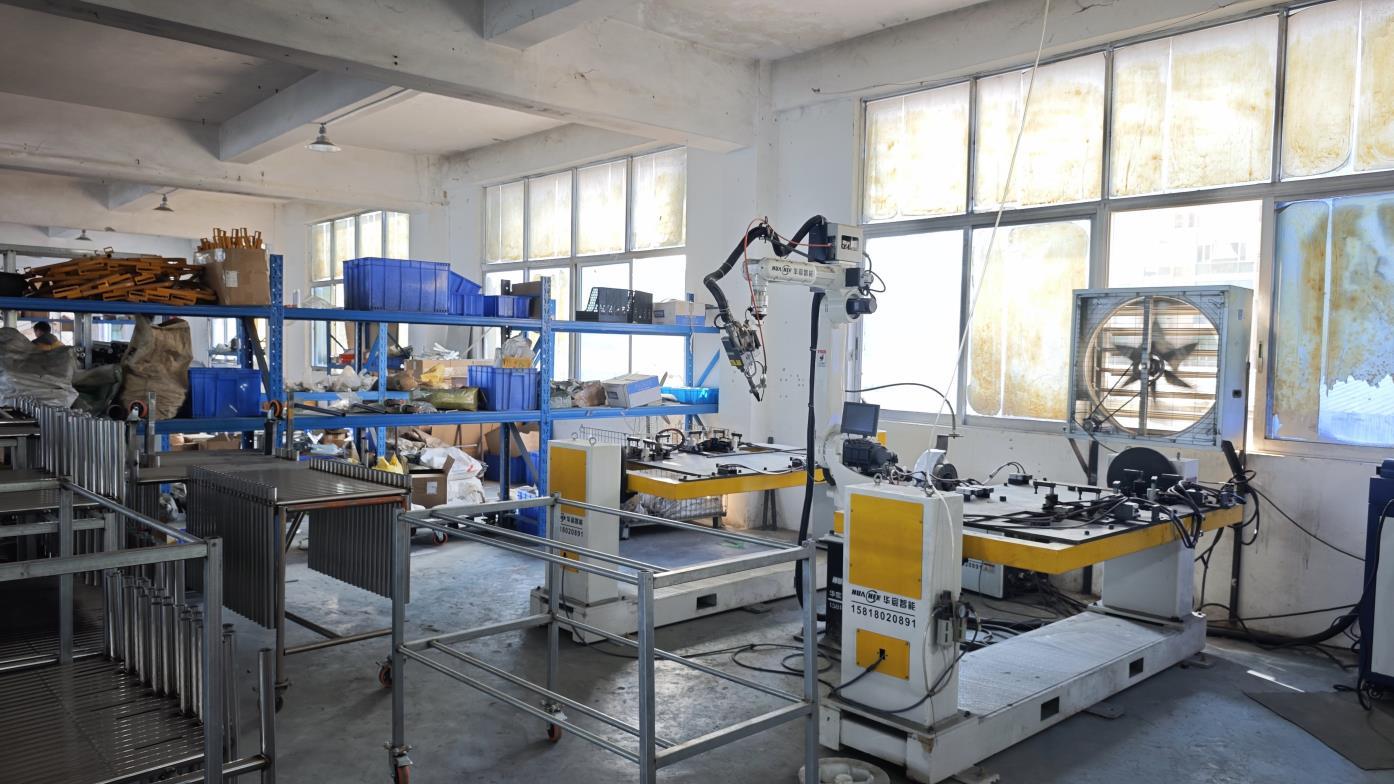
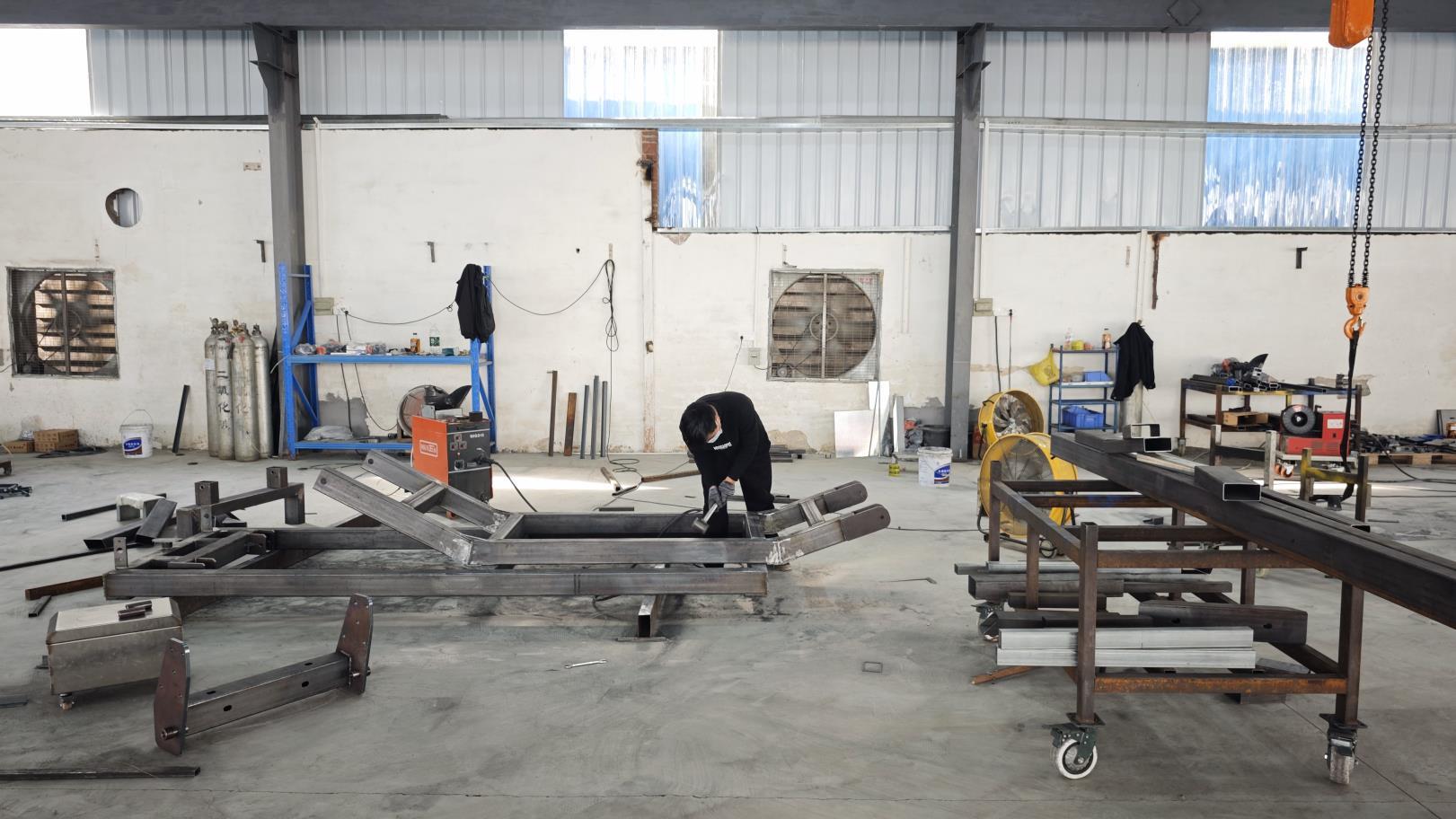
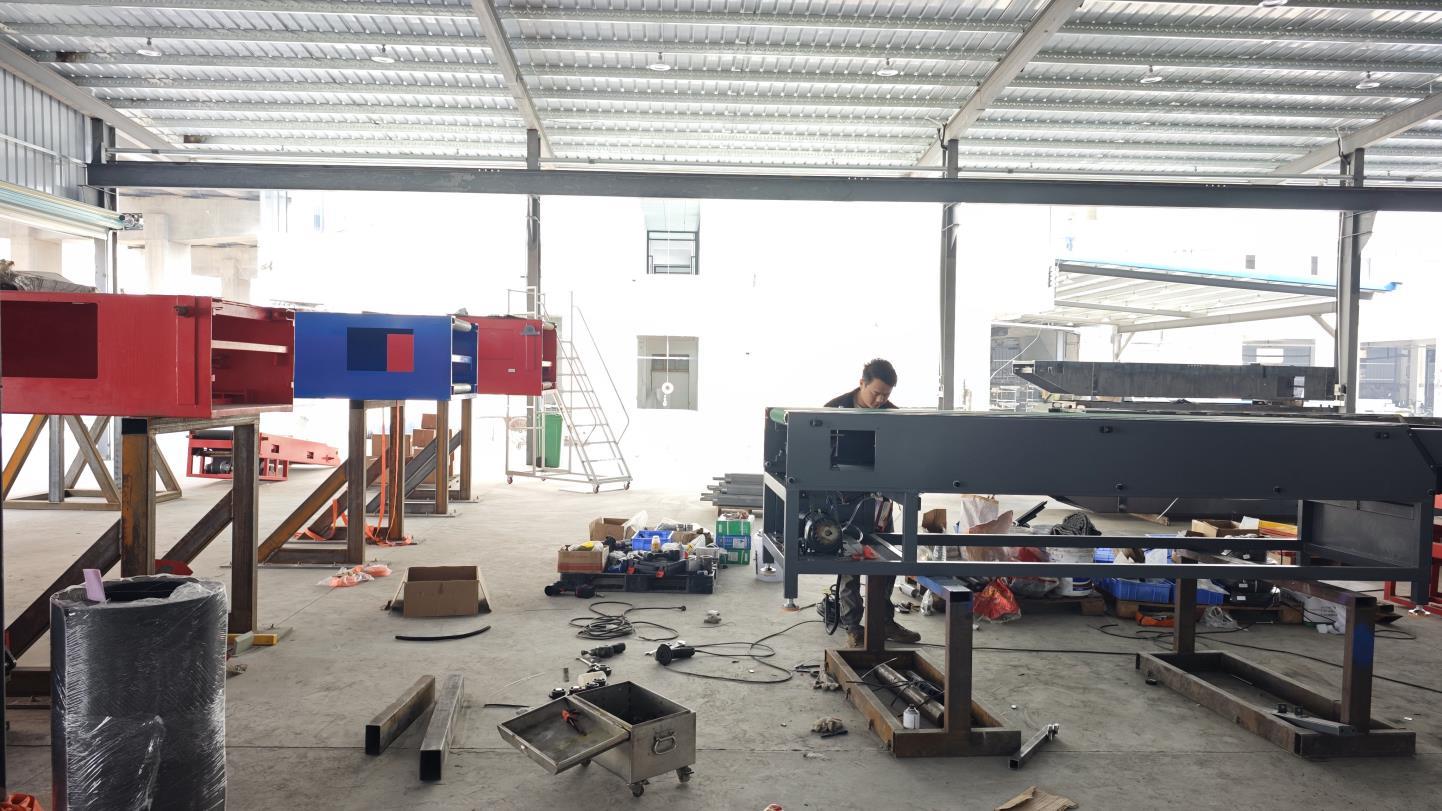
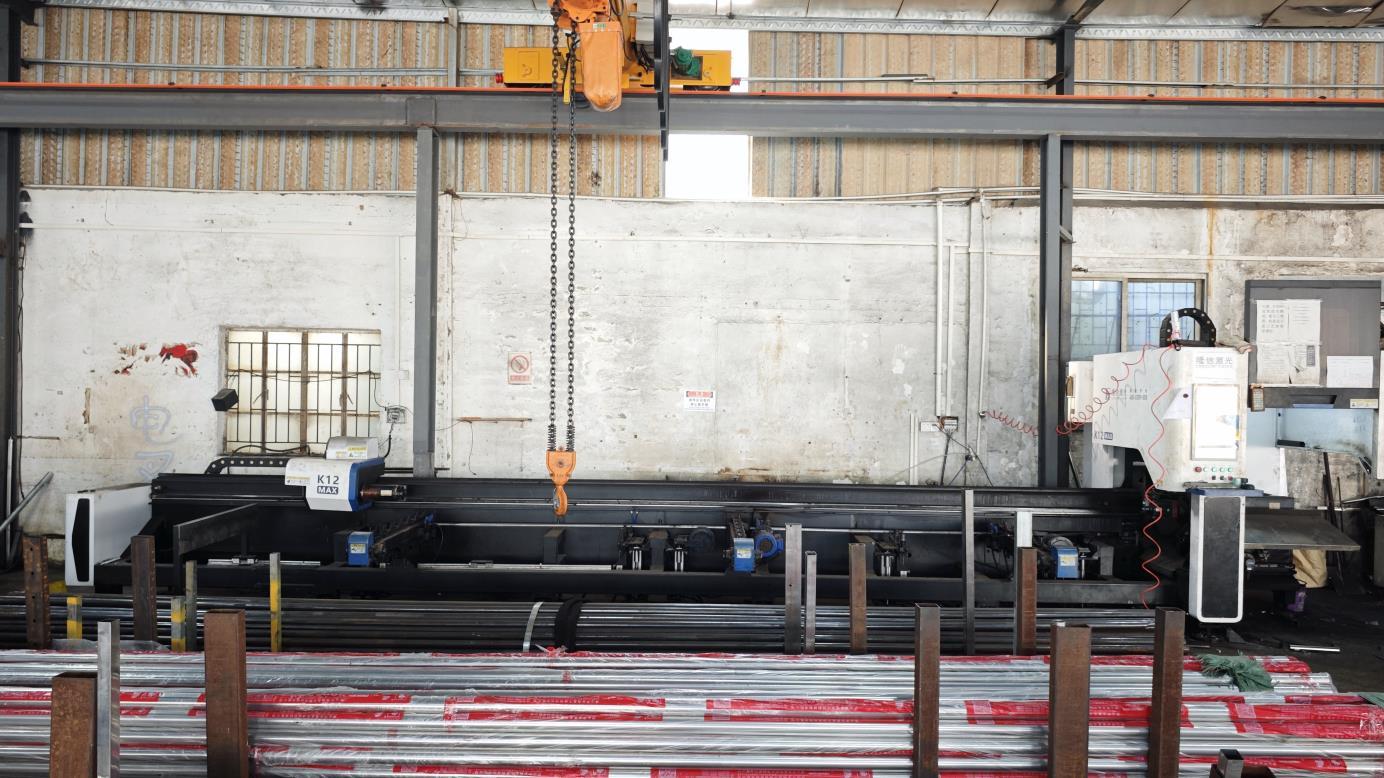
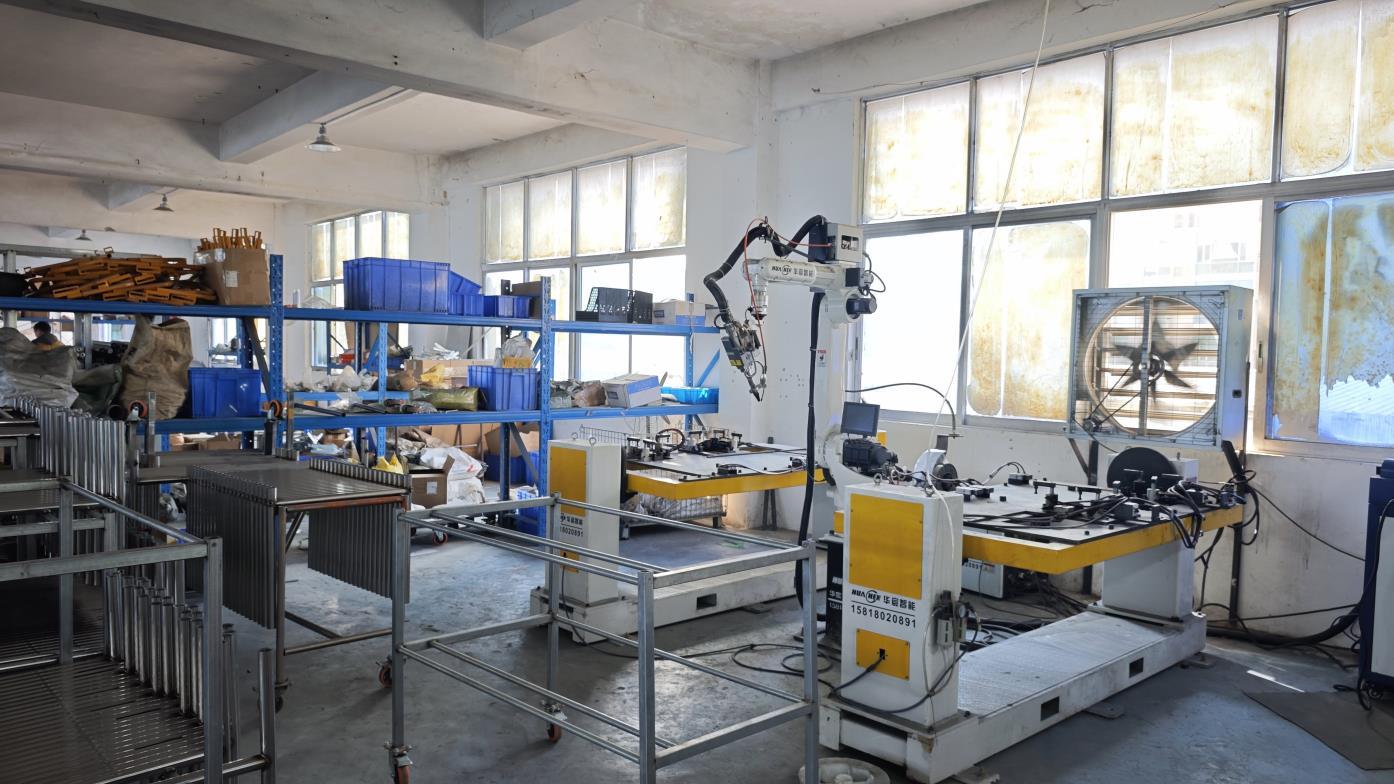
Underpinning our software is a world-class manufacturing operation, ensuring every rail, rack, frame, and panel is built to withstand high-volume, 24/7 warehouse workloads.
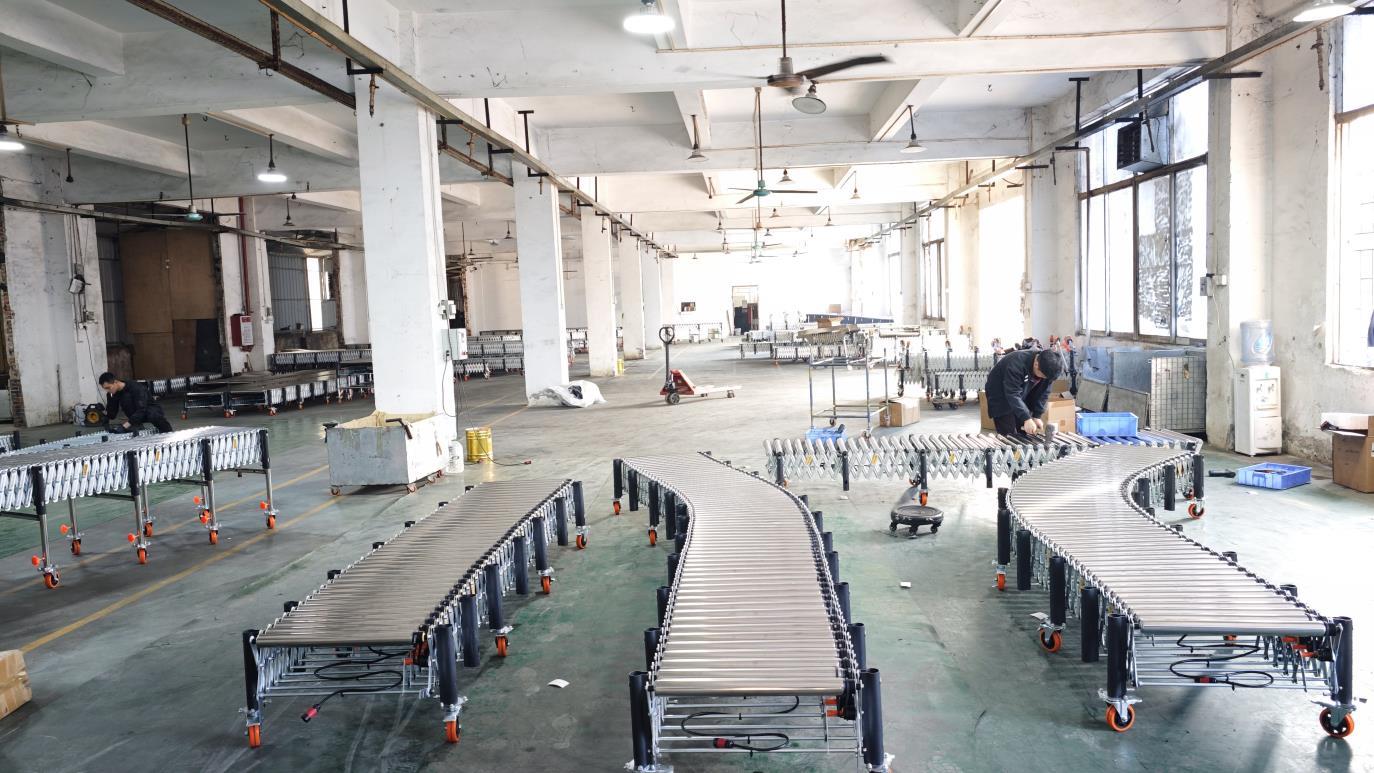
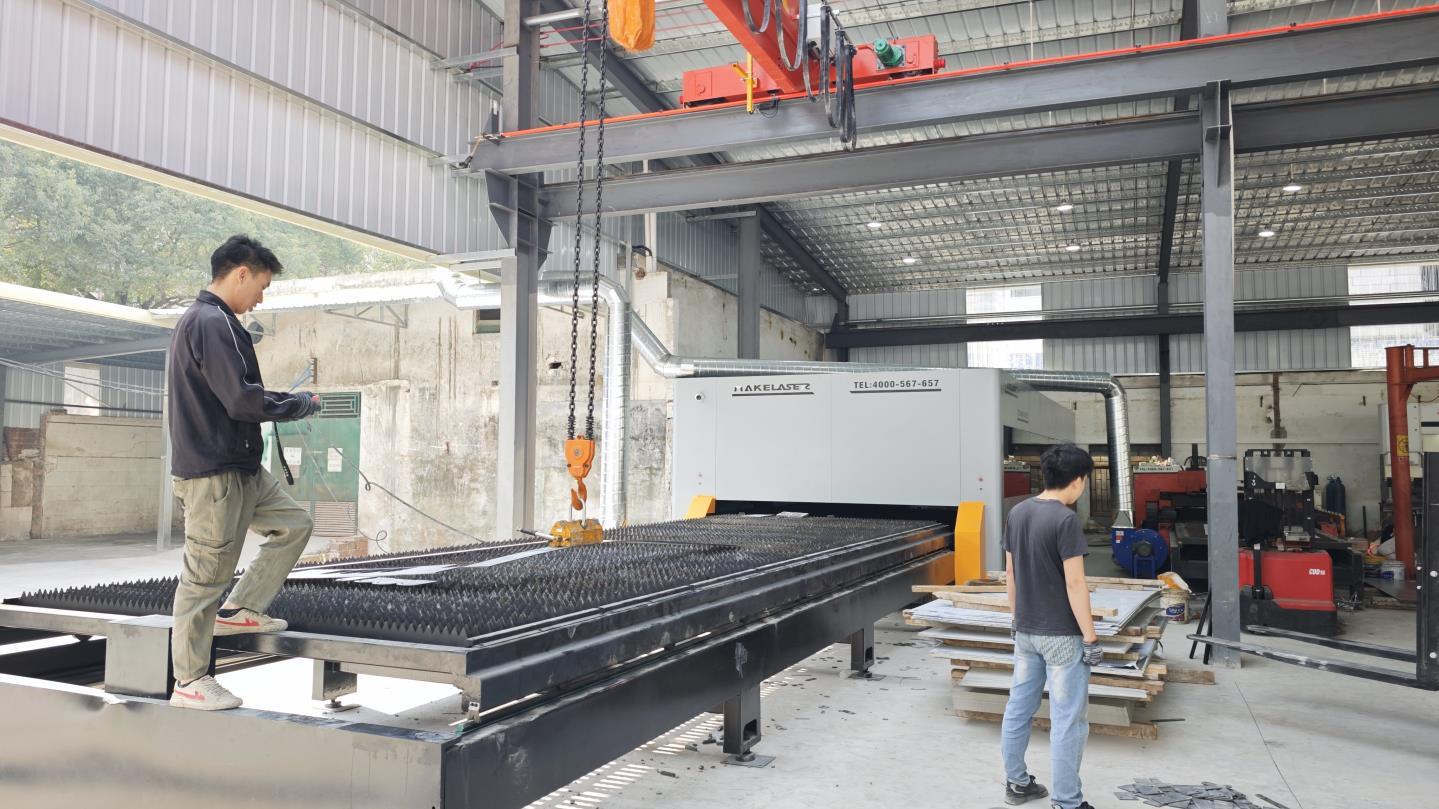
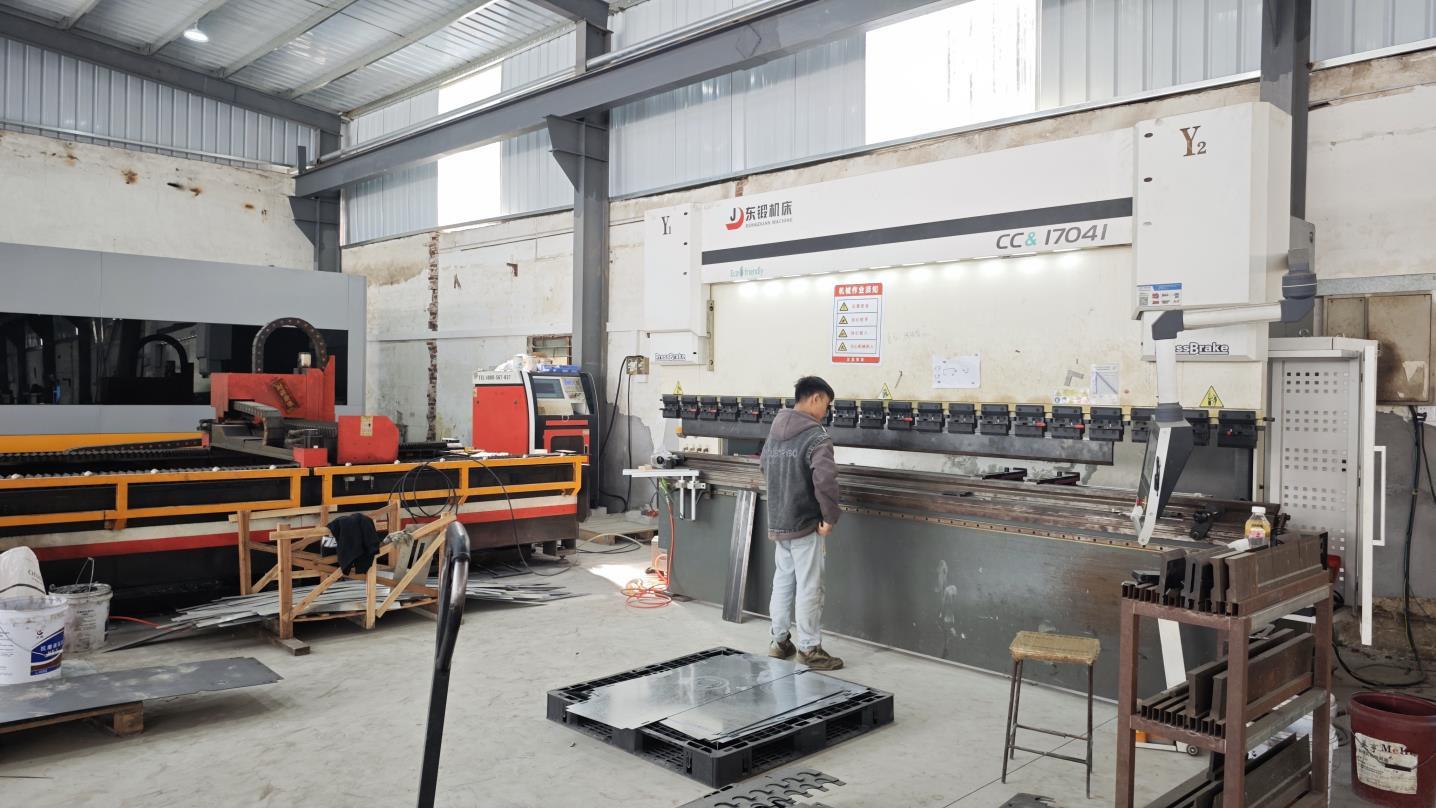
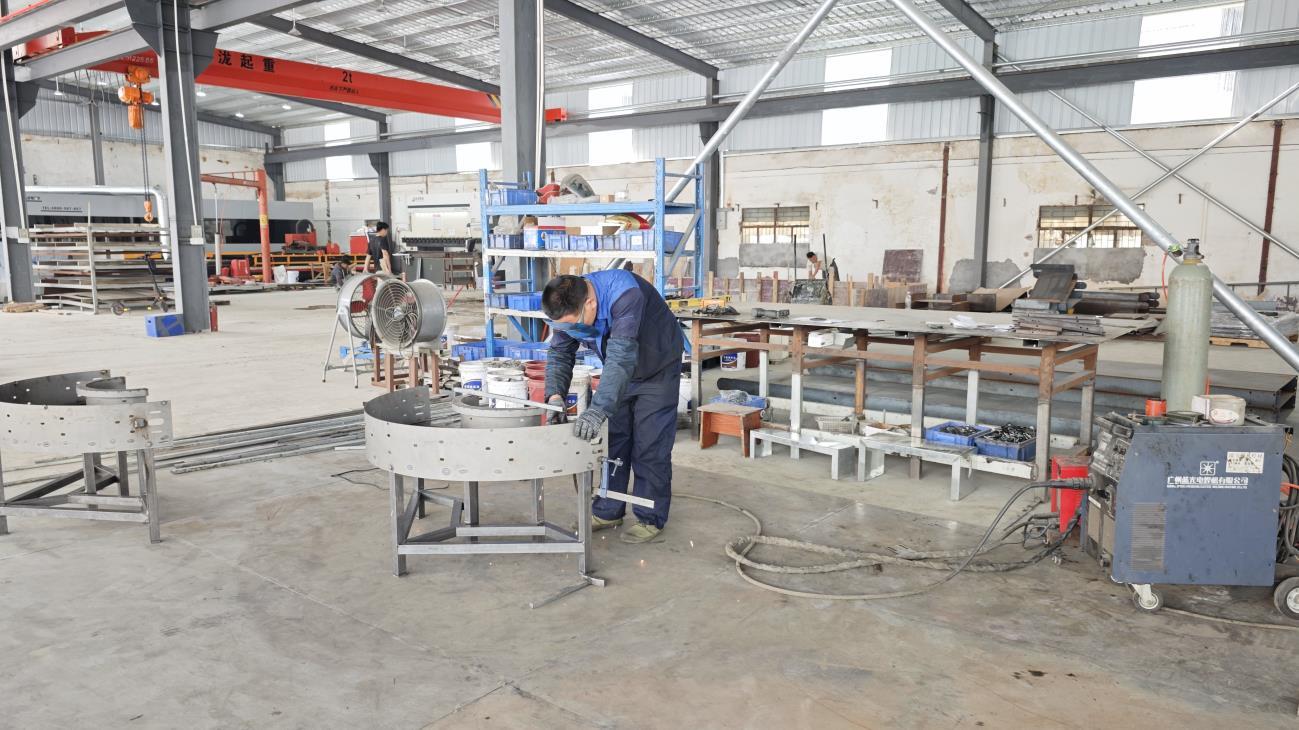
In Indonesia, warehouse management requires strict adherence to local regulations. Our WCS software includes customizable features designed specifically for the unique operational requirements of the Jakarta market.
Under the Indonesian Halal Product Assurance Agency (BPJPH) laws, logistics providers must guarantee that Halal-certified goods do not mix with non-Halal items at any stage of storage or transport. Our WCS addresses this by utilizing automated path routing and designated zone rules. If the WMS requests a storage operation that would place a Halal product on a rack shared with non-compliant items, the WCS automatically blocks the command, flags the error, and reroutes the pallet to a designated Halal zone, generating a digital compliance report.
Operating cold storage facilities in Greater Jakarta requires managing high outdoor temperatures and humidity. Our WCS optimizes material flow to minimize temperature loss. By coordinating high-speed high-bay AS/RS cranes with fast-closing interlock doors, the system minimizes the time doors remain open. It also monitors crane speeds and routing paths to reduce heat generation within chilled zones.
In high-velocity FMCG distribution centers, stock rotation is critical. By integrating directly with barcode and RFID scanners, the WCS actively tracks product batch numbers and expiration dates at the entry gate. If a pallet from a newer batch is dispatched ahead of an older batch, the WCS can flag the discrepancy, helping prevent product write-offs and waste.
Implementing an automated warehouse is a long-term investment. At RAB Logistics, we match our engineering quality with robust localized support and compliance programs, helping protect your operations from unexpected downtime.
System downtime can be highly disruptive, particularly for high-volume distribution centers. To support our clients, we offer localized maintenance services tailored to the Jakarta industrial corridor, including Cikarang, Karawang, and Tangerang. Our support packages feature guaranteed response times and access to a local parts inventory. We provide:
Our WCS is built with scalability in mind. The system is designed to support future upgrades, including integration with AI-driven predictive maintenance engines that monitor mechanical wear and tear, and 5G networks for low-latency wireless communication with automated guided vehicles (AGVs) and mobile robots.
Explore our comprehensive list of integrated systems, designed to automate and optimize industrial warehouses in Jakarta.
Detailed answers to help you navigate integration, deployment, and operation of Warehouse Control Systems.
 RAB Logistics