Engineered to optimize materials handling, storage throughput, and distribution workflows across New England.
Analyzing logistics shifts, automated warehousing needs, and regulatory requirements in New England.
Boston and the broader New England region serve as the historical and technological backbone of the Northeastern United States supply chain. With its high concentration of biotechnology research centers in Cambridge, seafood processing facilities at the Boston Fish Pier, high-tech manufacturing corridors along Route 128, and major regional e-commerce fulfillment hubs off Interstate 95 and 495, the demand for high-quality, durable, and standardized plastic storage totes and bins is scaling at unprecedented rates.
Unlike traditional distribution networks, Boston's unique commercial landscape requires warehousing systems to solve complex challenges: space optimization in high-cost metro storage facilities, strict sanitization compliances for pharmaceutical research labs, and low-temperature durability for cold-chain seafood exports. Rigid, single-use packaging is rapidly being replaced by closed-loop, reusable high-density polyethylene (HDPE) and polypropylene (PP) plastic totes designed for long life spans and structural integrity under heavy loads.
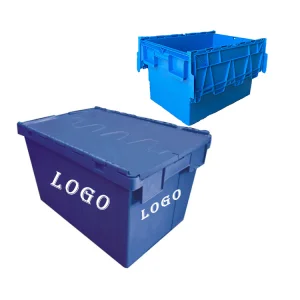
Boston's biopharma sector requires storage bins made from FDA-approved, virgin polypropylene that can withstand chemical disinfection, resist moisture, and ensure zero off-gassing. Standard commercial boxes fall short; specialized logistics totes with secure dust-proof lids are mandatory to preserve clinical trials and delicate equipment.
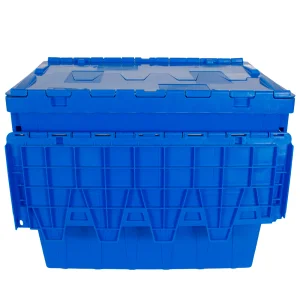
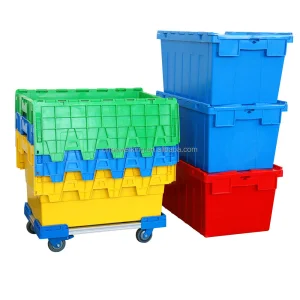
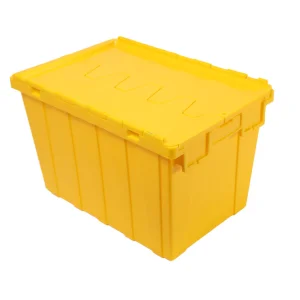
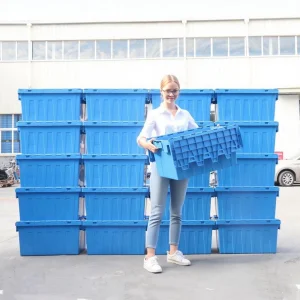
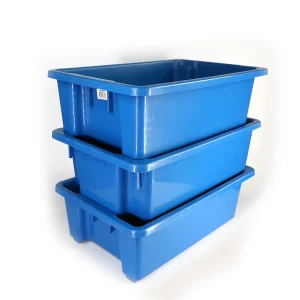
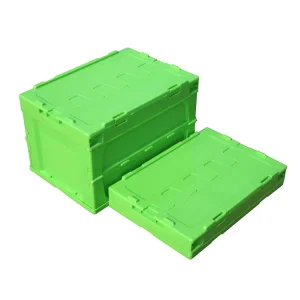
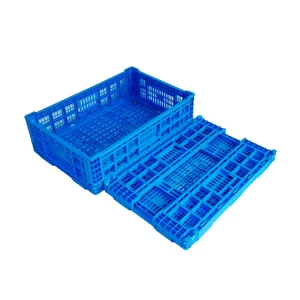
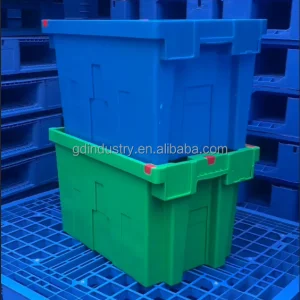
With warehouse rental rates in Boston exceeding national averages, space saving is equivalent to revenue generation. Nestable and stackable plastic totes allow warehouses to maximize vertical space when full, and reduce footprint by up to 75% when empty. The shift towards AGVs (Automated Guided Vehicles) and AS/RS (Automated Storage and Retrieval Systems) in modern New England logistics centers requires high dimensional stability in plastic crates. Our totes are engineered with precision flat-bottom designs and reinforced rib structures to guarantee seamless operation on conveyor lines without jamming or warping.
A professional provider of intelligent warehousing and modern logistics solutions built for global markets.
Hangzhou RAB Logistics Co., Ltd. is a professional provider of intelligent warehousing and modern logistics solutions. Built on years of industry experience and continuous technological innovation, RAB Logistics is committed to helping enterprises transform traditional warehouse operations into highly automated, data-driven, and efficient supply chain systems.
Since its establishment, the company has focused on integrating advanced logistics technologies such as Warehouse Management Systems (WMS), Automated Storage and Retrieval Systems (AS/RS), AGV/AMR robotics, intelligent sorting systems, and real-time data visualization platforms. These solutions enable clients to achieve higher operational accuracy, faster fulfillment speed, and significantly reduced logistics costs.
With strong capabilities in system consulting, solution design, equipment integration, software development, and project implementation, Hangzhou RAB Logistics Co., Ltd. delivers end-to-end intelligent logistics solutions tailored to diverse industry needs. Our expertise ensures seamless coordination between hardware and software, creating scalable and future-ready warehouse infrastructures. We serve a wide range of industries including manufacturing, cross-border e-commerce, fast-moving consumer goods (FMCG), pharmaceuticals, and automotive parts. Our solutions are trusted for their stability, innovation, and proven performance in complex, high-demand environments.
By choosing Hangzhou RAB Logistics Co., Ltd., you are selecting a long-term strategic partner dedicated to building smarter warehouses, optimizing supply chains, and empowering businesses with sustainable competitive advantages in the era of intelligent logistics.
From high-precision CNC cutting to automated robotic welding and assembly lines, we control every step to ensure global quality standards.
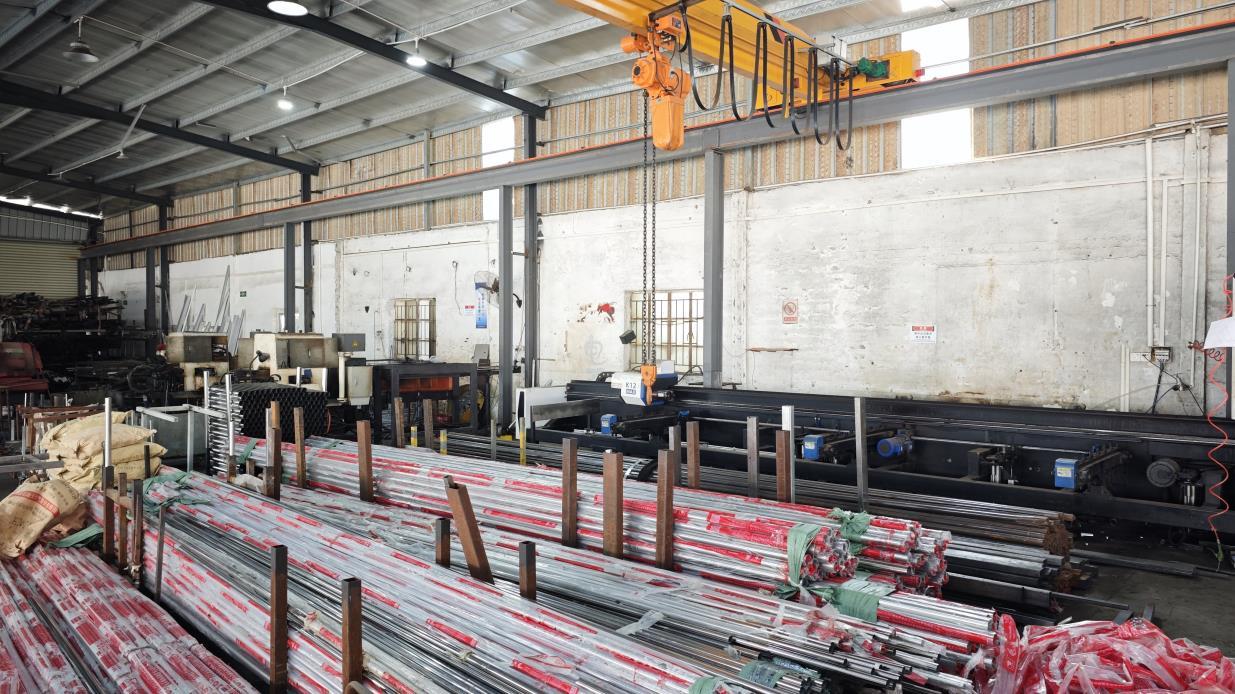
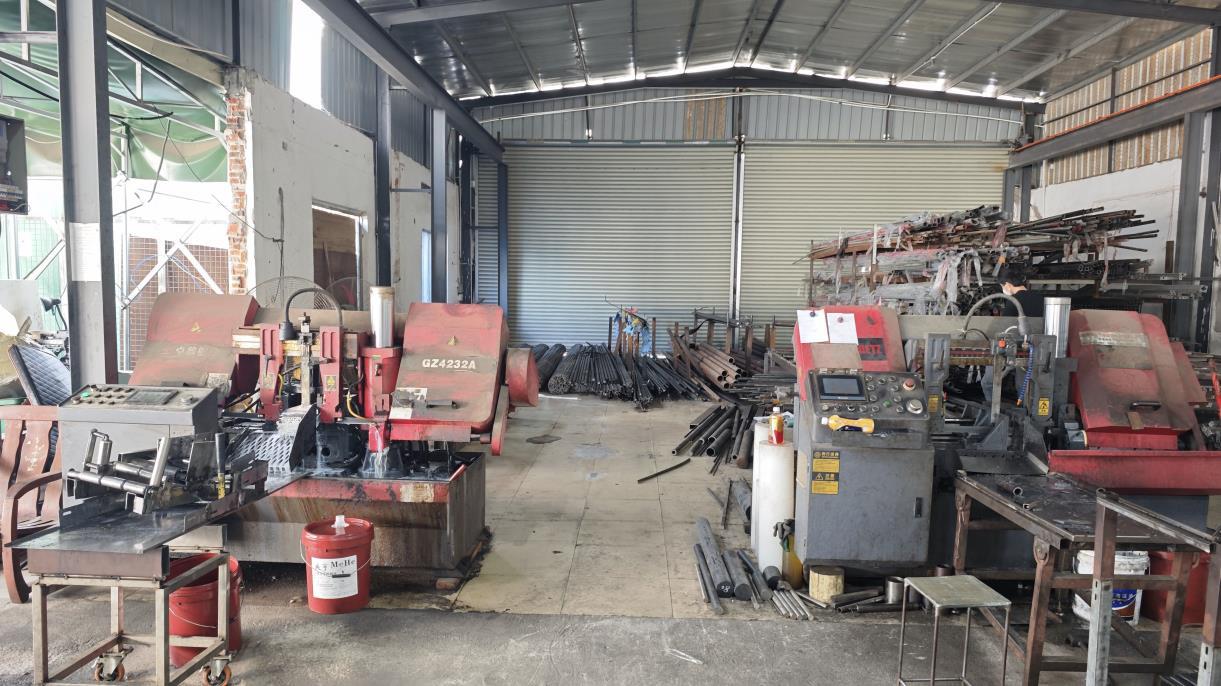
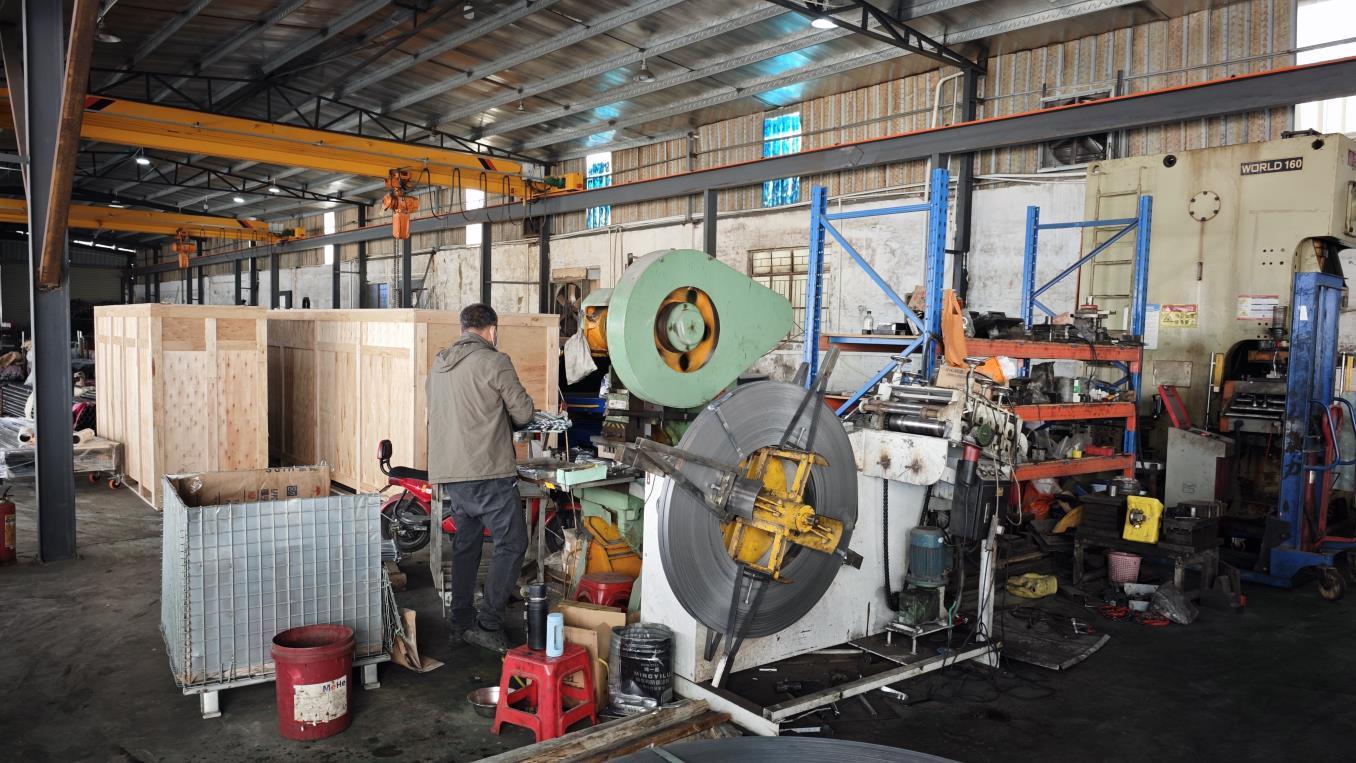
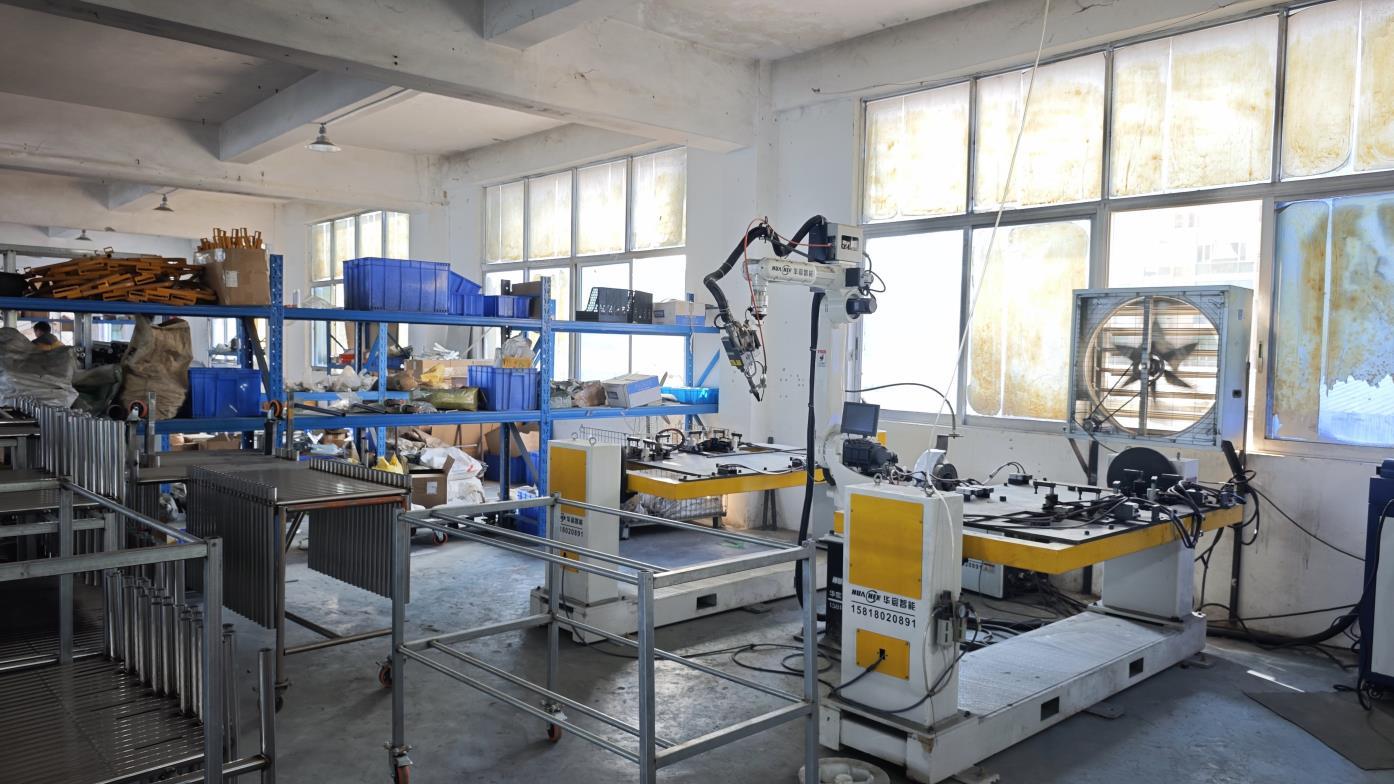
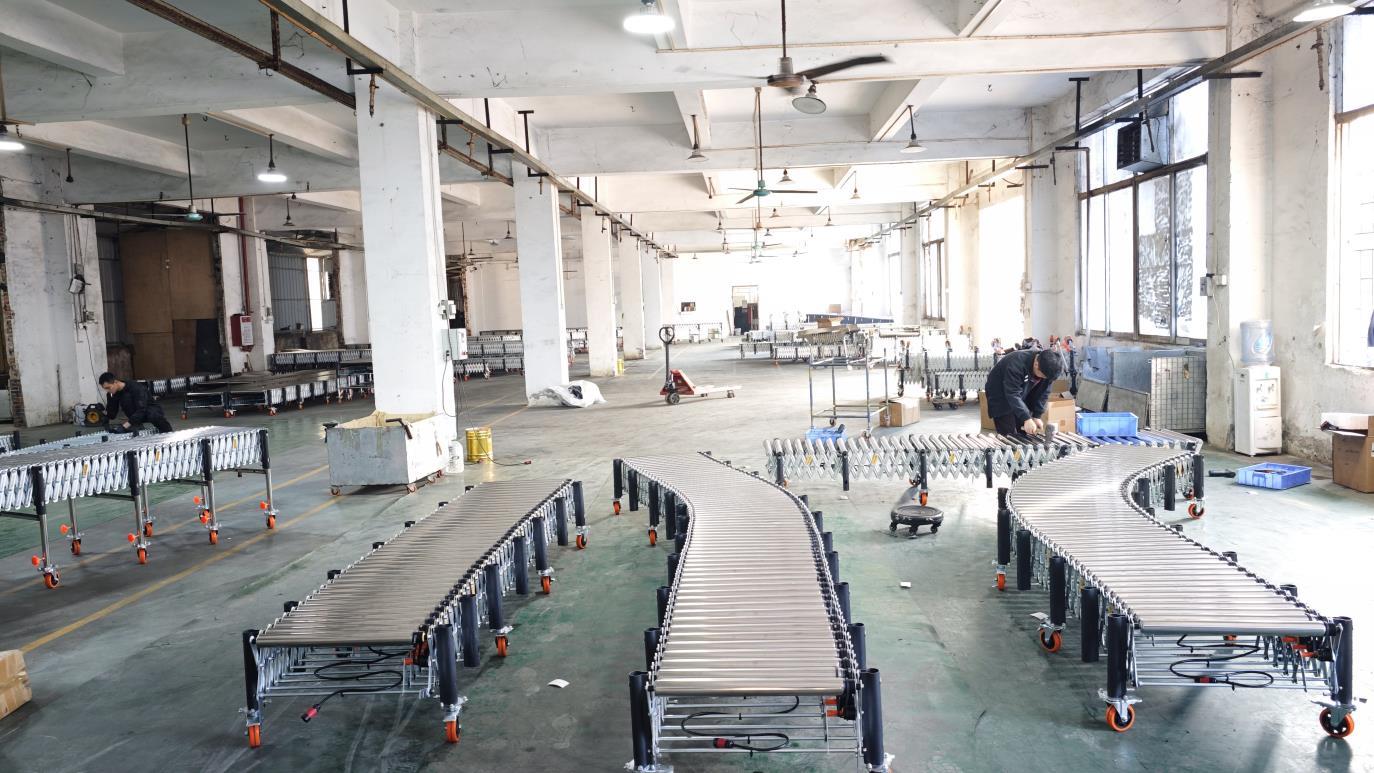
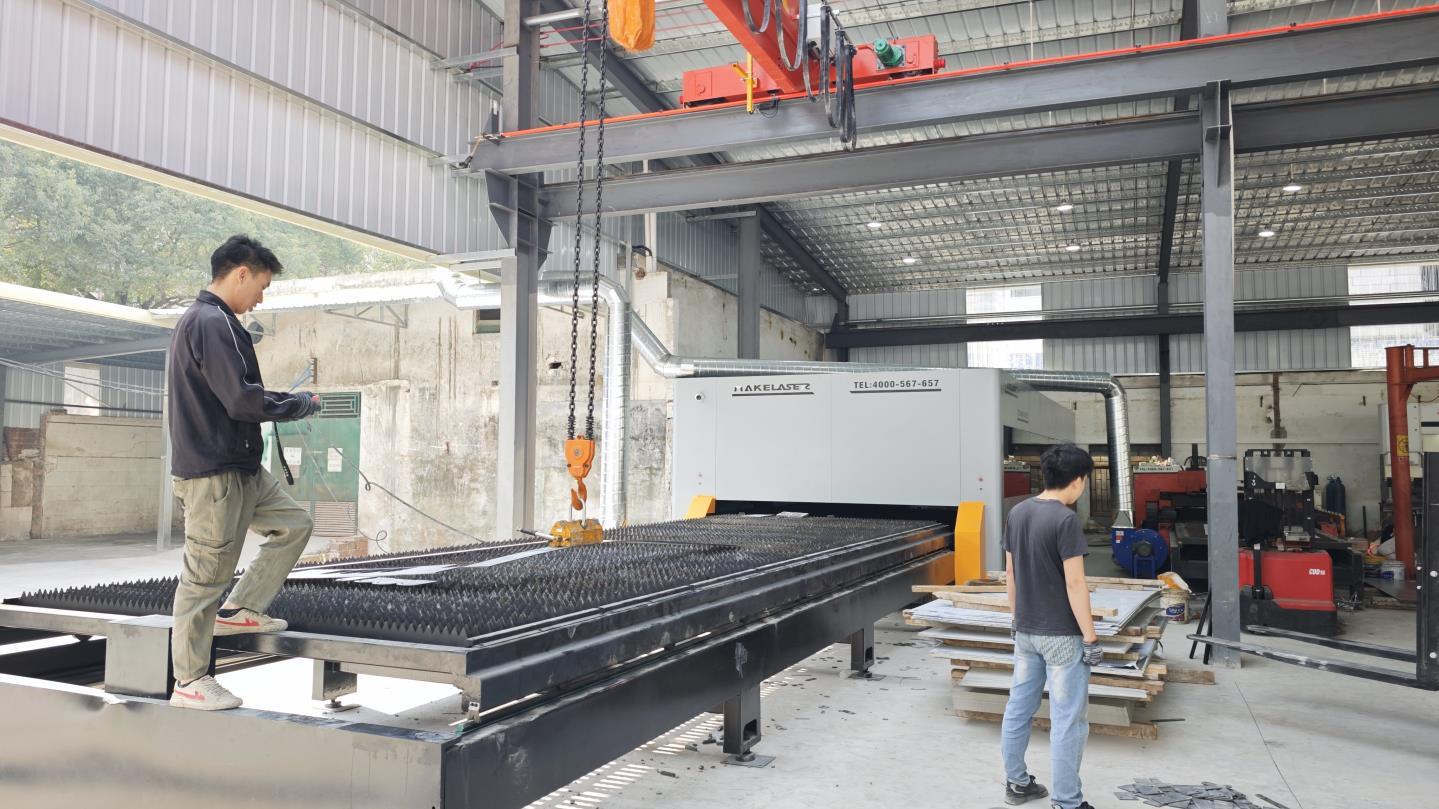
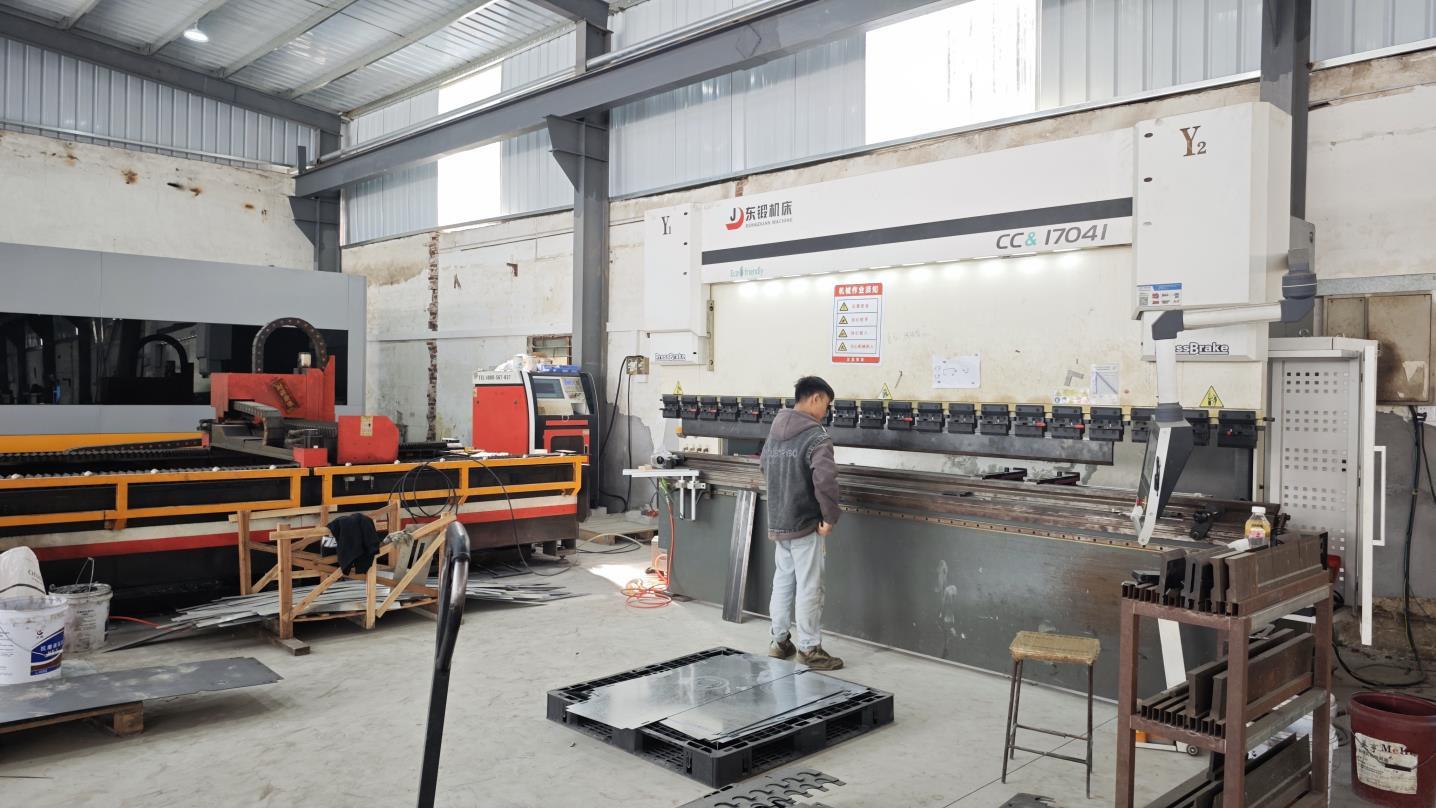
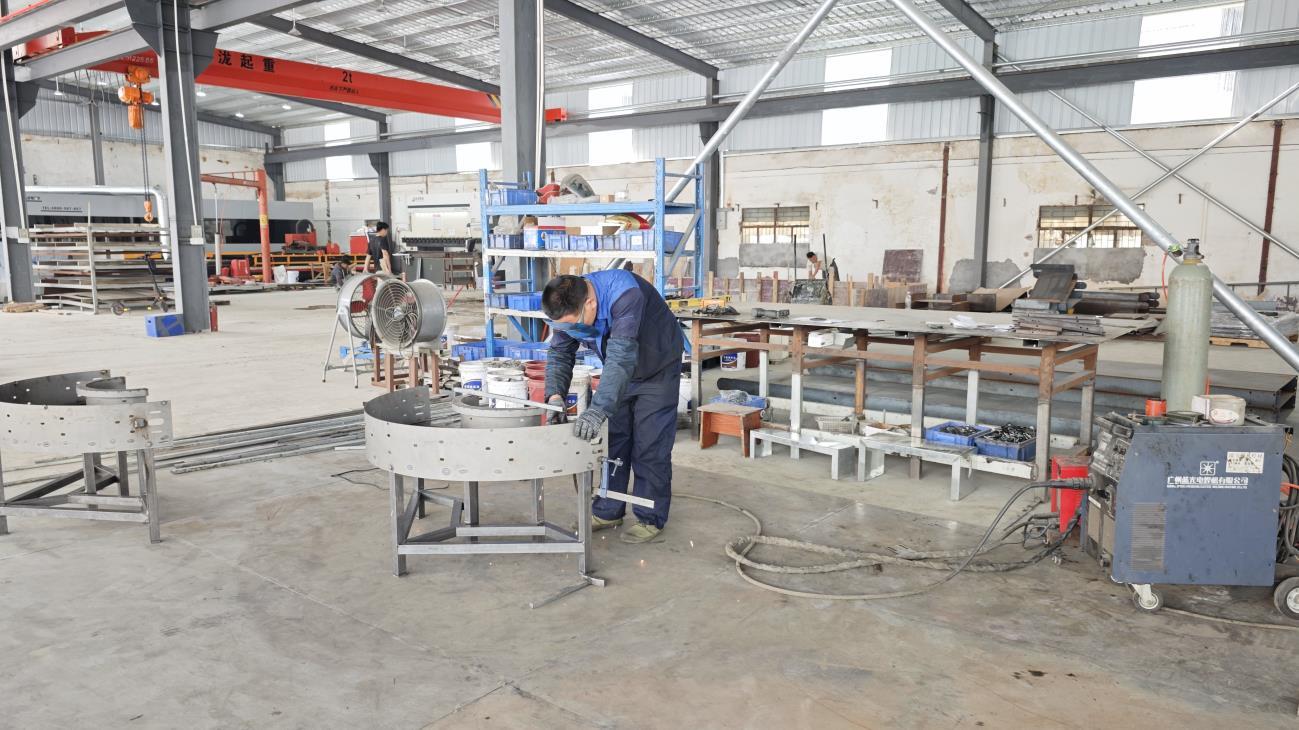
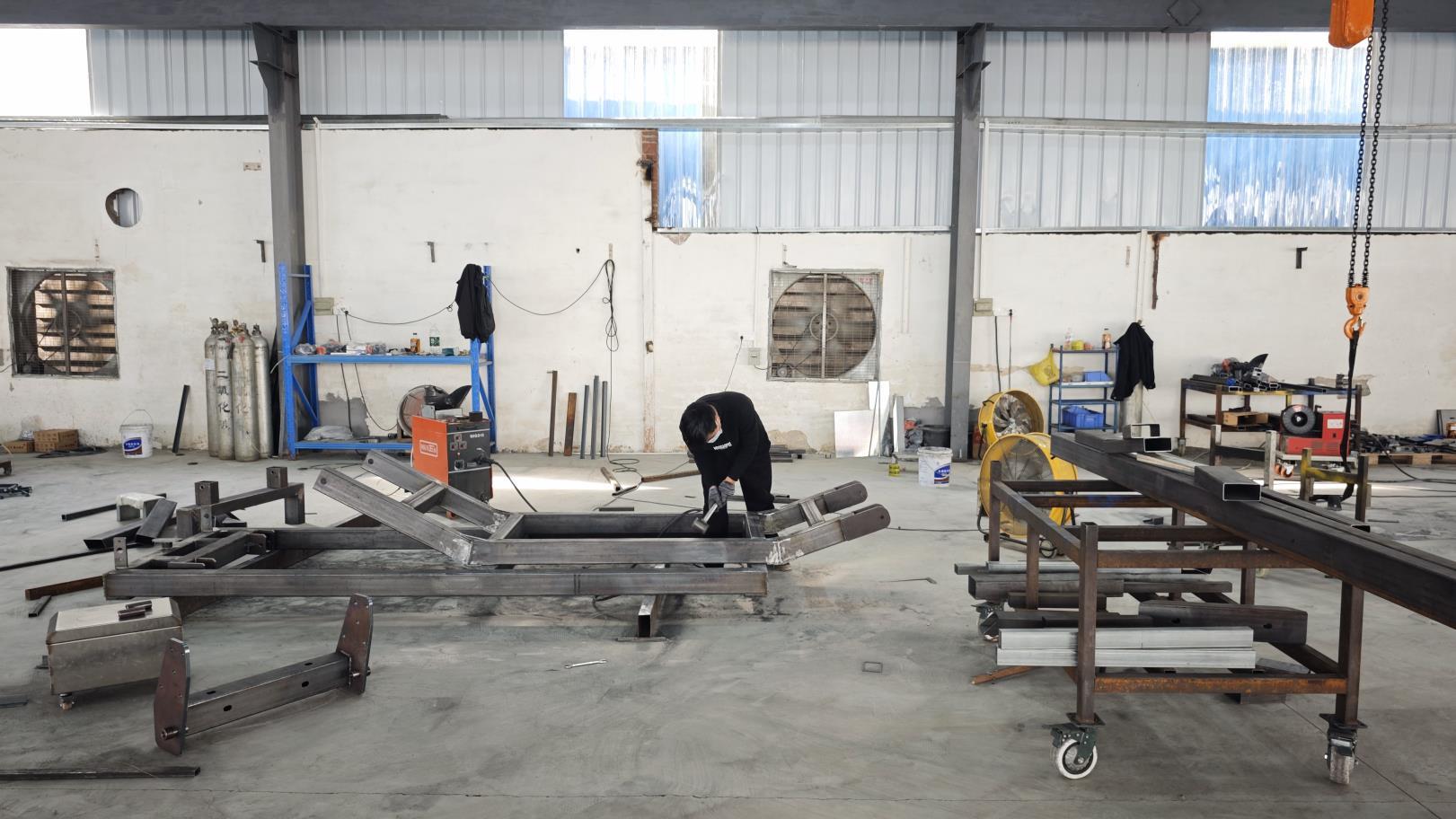
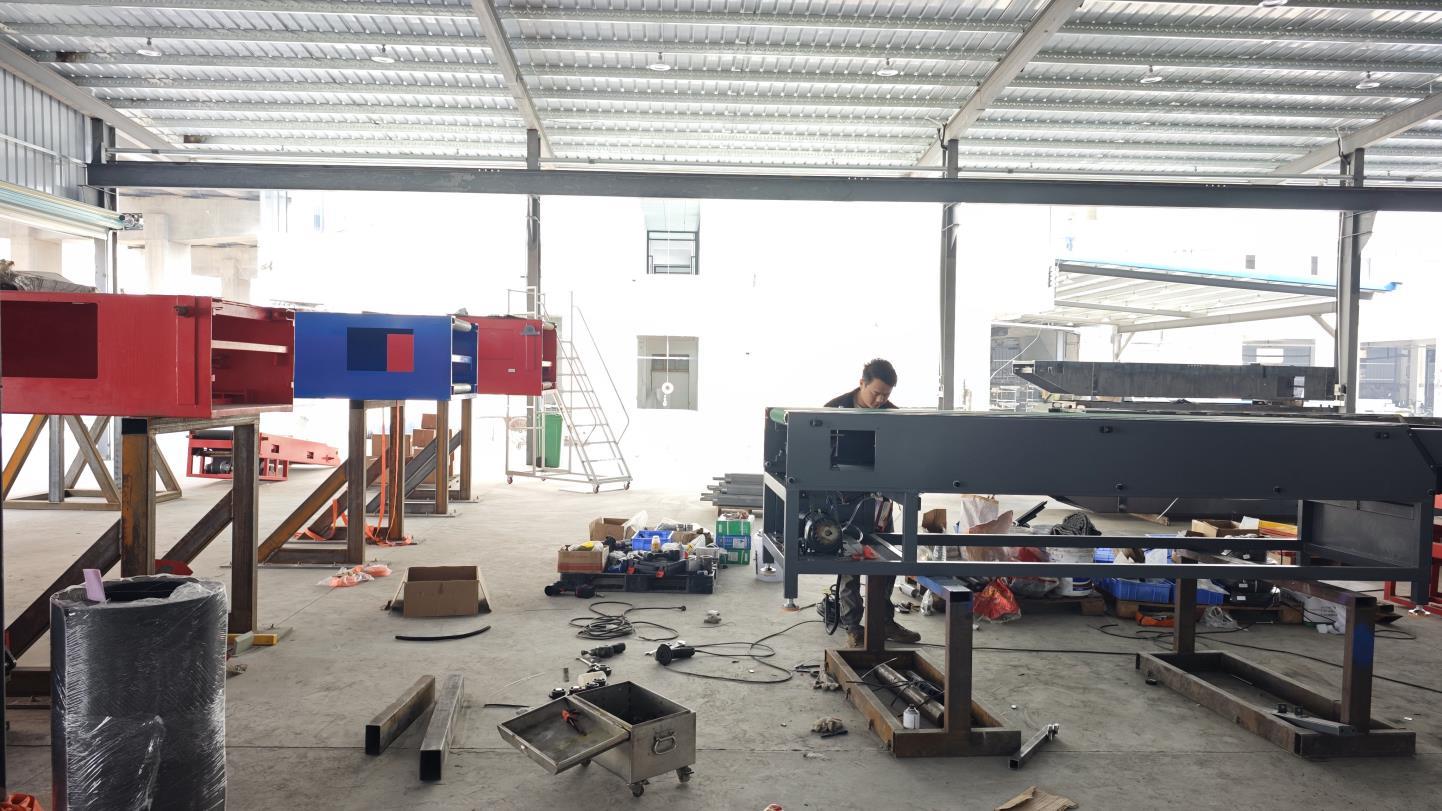
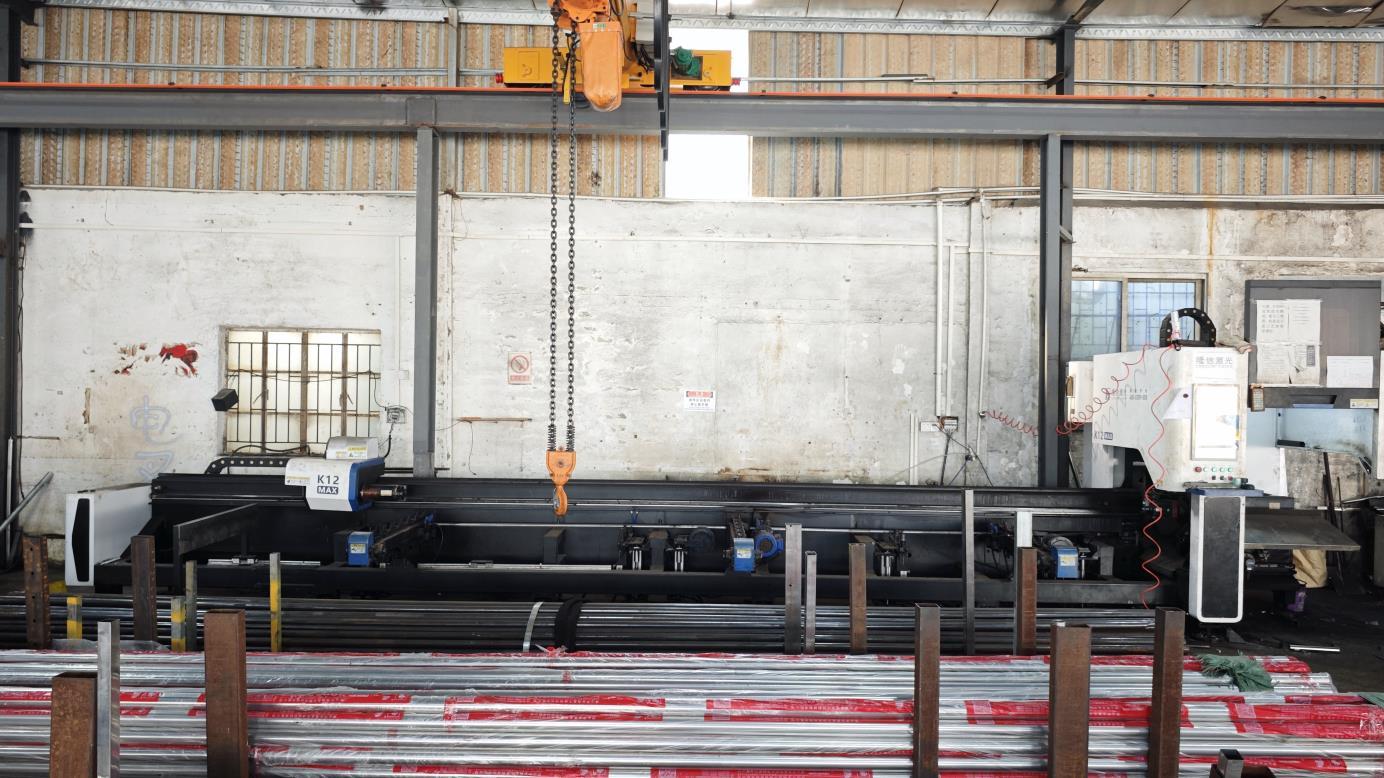
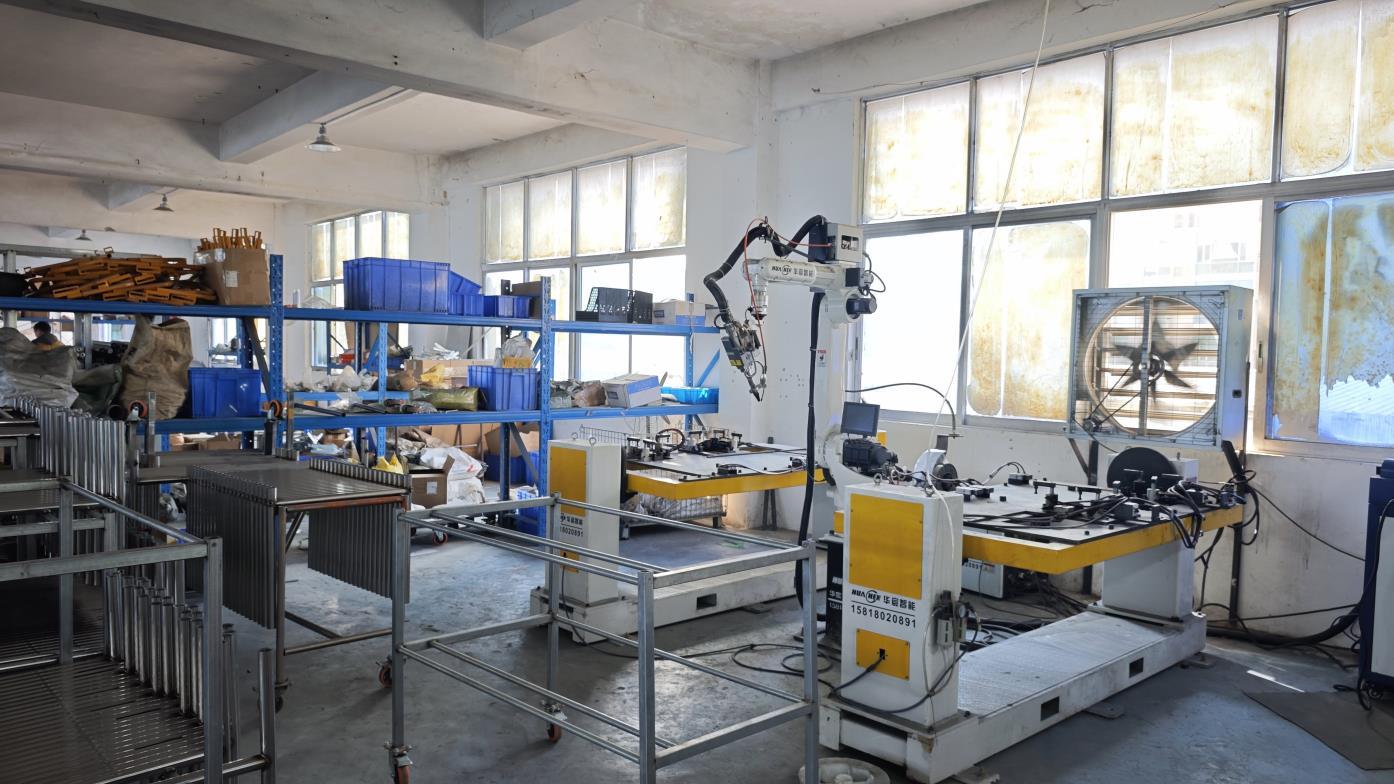
Optimized solutions for regional courier operations, inter-facility transit, and retail distribution.
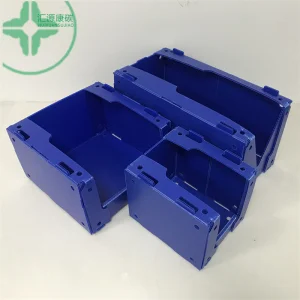
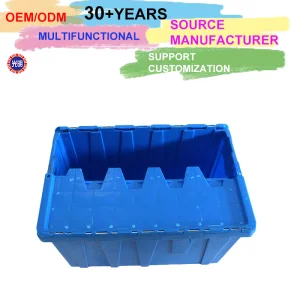
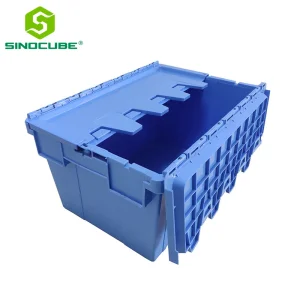
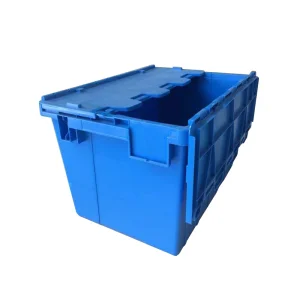
How direct-to-factory sourcing from China delivers significant cost advantages and high engineering standards.
Injection molds represent a massive capital expenditure in the US. Our Chinese manufacturing facilities benefit from mature domestic steel supply chains, reducing mold creation costs by up to 60% while maintaining H13 steel cores for long run-times.
From anti-static (ESD) additives for high-tech microelectronics in New England to UV stabilizers for outdoor distribution, our materials scientists optimize standard PP/HDPE blends to meet specific mechanical load profiles.
We design our nested crates with highly calculated draft angles. A 1:4 nesting ratio means that when shipped from our factory in China to the Port of Boston, we fit thousands more units per 40ft HQ container, slashing shipping overhead per unit.
Global procurement teams demand verifiable compliance. All products manufactured by Hangzhou RAB Logistics are subjected to rigorous stress tests including drop testing at sub-zero temperatures (essential for Boston winters), top-load compression tests to guarantee stack stability up to 5-high, and vibration testing simulated for sea and rail transit. By using advanced virgin raw materials and premium recycled polymers, we ensure our containers are 100% recyclable, helping Boston businesses comply with the Massachusetts Solid Waste Master Plan focusing on circular economies.
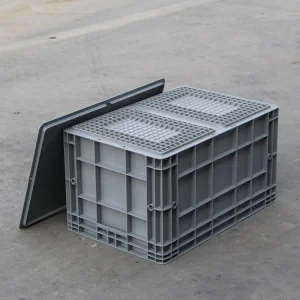
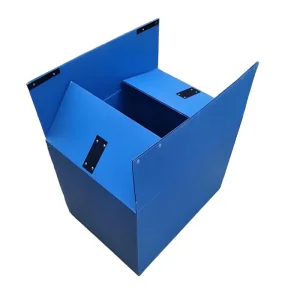
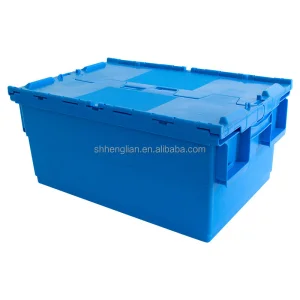
Select from our certified heavy-duty warehouse storage range designed for intensive logistics operations.
Stay ahead with technical innovations designed for New England's evolving commercial sectors.
As Boston warehouses face rising labor costs and a shortage of industrial land, automation is the standard solution. Standard plastic bins fail in automated systems if they deform under high load forces. Modern totes require reinforced ribbing on the floor to prevent deflection, standard sizing (e.g. Euro dimensions), and low-noise base profiles to move quietly along automated rollers. Integrated pick-to-light compatibility and structured surfaces for barcode labels are now basic requirements.
Tracking high-value pharmaceuticals or sensitive aerospace components in New England requires precise locating. Totes are increasingly configured with molded-in slots for RFID (Radio Frequency Identification) tags, smart trackers, and IoT sensors. This enables companies to monitor temperature, location, and humidity in cold-chain logistics in real time.
High-Density Polyethylene (HDPE) and Polypropylene (PP) remain the dominant materials due to their impact resistance. However, custom compounds containing specialized additives are growing:
Answers to crucial technical and logistical questions for Boston buyers sourcing plastic storage totes.
 RAB Logistics