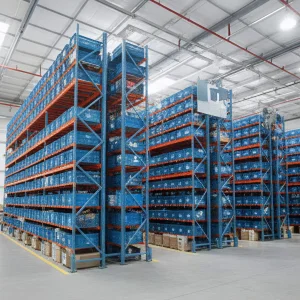
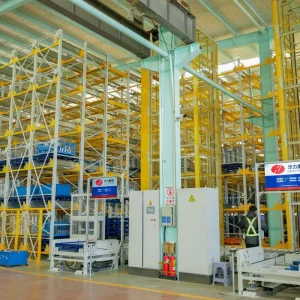
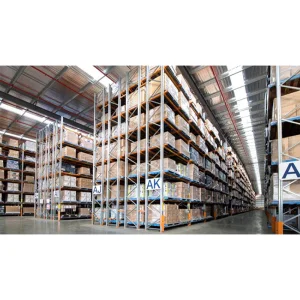
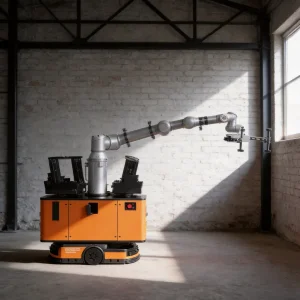
High-performance equipment engineered to scale throughput and storage density during intense peak demand cycles.

Modern supply chains are highly vulnerable to volatile shifts in customer demand. E-commerce spikes, holiday sales periods, agricultural harvests, and cyclical industrial manufacturing demands consistently overload traditional warehouse capacities. When physical volume outpaces local facility limits, enterprises experience operational gridlocks, drop-offs in order fulfillment metrics, and elevated demurrage penalties. Resolving this requires modular, scalable, and dynamically deployable physical and automated asset solutions.
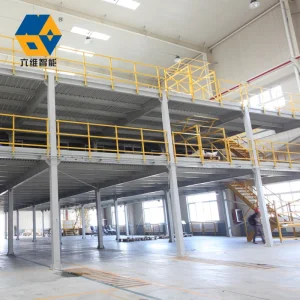
Historically, organizations relied on leasing local fixed-lease storage spaces to manage excess inventory. Today, leading enterprises utilize structural steel systems, intelligent hardware platforms, and highly flexible warehouse automation systems. These structural designs convert existing underutilized air space (via heavy-duty industrial mezzanine systems and vertical ASRS configurations) into dense, high-yield storage zones. Integrated modular sorting, automated material handling (such as high-capacity AGVs/AMRs), and robust containerized units allow for rapid setup and dismantling to meet changing demands.
Transforming underutilized vertical air space into high-density storage zones using structural steel mezzanine systems and long-span racking structures, doubling floor footprint capacity.
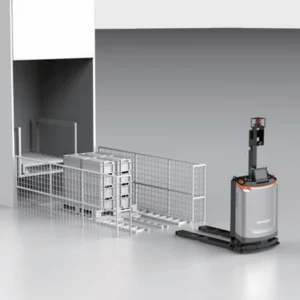
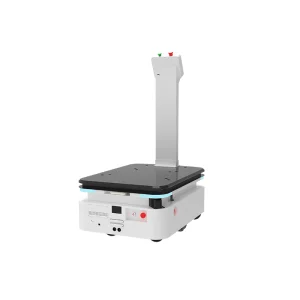
Deploying self-routing Autonomous Mobile Robots (AMRs) and Automated Storage and Retrieval Systems (AS/RS) that scale dynamic throughput during peak shopping and shipping seasons.
Adhering to international safety codes (EN, FEM, OSHA) to prevent structural failures under intense load pressures during peak utilization periods.
When selecting a systems provider or component manufacturer for temporary or permanent seasonal overflow projects, procurement teams evaluate mechanical reliability, software integration capabilities, global compliance certifications, and total cost of ownership (TCO). Below is an analytical review of the top technologies and manufacturing suppliers leading the international space optimization sector:
| Supplier Category | Primary Solutions Provided | Key Performance Indicators (KPIs) | Compliance & Export Target Markets |
|---|---|---|---|
| Hangzhou RAB Logistics Co., Ltd. | ASRS Systems, WMS/WCS Integration, Heavy-duty Mezzanines, AGV/AMRs, Custom Metal & Plastic Containers | Turnkey Integration High accuracy, low TCO, rapid custom fabrication. | Europe, North America, Southeast Asia, South America (CE, ISO9001 certified) |
| Intralogistics Automation Specialists | Automated Storage & Retrieval Systems (AS/RS), high-speed crane systems | High-throughput cycles per hour, minimal footprint loss. | Global markets, specialized cold-chain operations |
| Structural Steel Mezzanine Fabricators | Multi-tier rack-supported platforms, structural steel beams, heavy-duty floor systems | High load capacities (up to 2000kg/sqm), rapid bolt-together construction. | North America (OSHA/ANSI compliant), UK, EU |
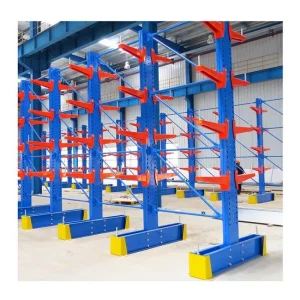
| Industrial Pallet Racking Manufacturers | Selective racking, drive-in systems, double-deep and push-back racking | Structural flexibility, fast installation times. | Central & South America, APAC regions |
| Automated Guided Vehicle (AGV) Developers | Laser/SLAM guided forklift AGVs, under-ride AMRs, conveyor deck vehicles | System uptime percentage, safety sensor response speeds, battery recharge speeds. | Global (UL, CE, FCC certified markets) |
| Warehouse Management Software Houses | Dynamic slotting engines, WMS, WCS middleware controller modules | Real-time inventory visibility, easy API integrations. | Enterprise global architectures |
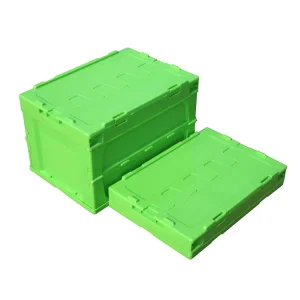
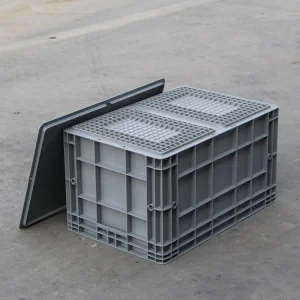
| Heavy Duty Storage Box Manufacturers | Nestable plastic boxes, collapsible bulk bins, turnover crates | Optimal nesting ratios for return transport, high impact resistance. | Global distribution networks |
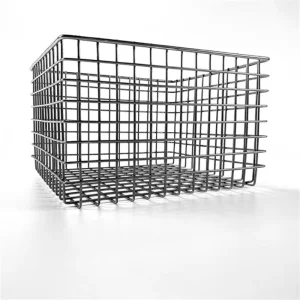
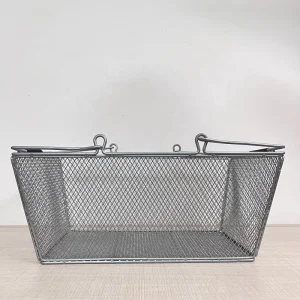
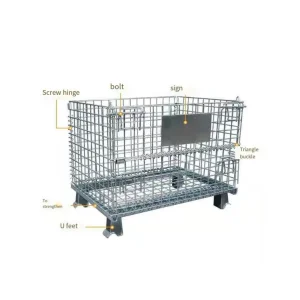
| Metal Container & Wire Basket Suppliers | Collapsible steel mesh boxes, stackable transport baskets | Rust resistance, long service lives in harsh conditions. | Industrial manufacturing clusters |
| Logistical Mobile Robot Manufacturers | Material delivery robots, parcel sorting robot fleets | High positioning accuracy, ease of integration. | High-density e-commerce hubs |
| Specialized Wooden Pallet & Collar Suppliers | Modular wooden collars, industrial plywood pallet containers | ISPM 15 heat treatment compliance, flexible height options. | Cross-border logistics & export transit |
Within this ecosystem, the integration of hardware (racking, platforms, and containers) with software control systems (WMS, WCS, PLCs) defines the modern standard for warehousing operations. A provider like Hangzhou RAB Logistics Co., Ltd. offers a distinct advantage by manufacturing the structural metalware while also designing and integrating the robotics, PLC systems, and software layers (such as the WCS-IS311 controllers). This end-to-end integration reduces mechanical-software incompatibilities that often delay seasonal warehouse setups.
China's industrial infrastructure offers significant advantages for the production of warehousing components. In regions like Zhejiang and Jiangsu, closely integrated industrial clusters gather raw steel suppliers, automated tooling manufacturers, surface treatment facilities, and major shipping ports in close proximity. This geographic concentration reduces transport times and logistics costs during production.
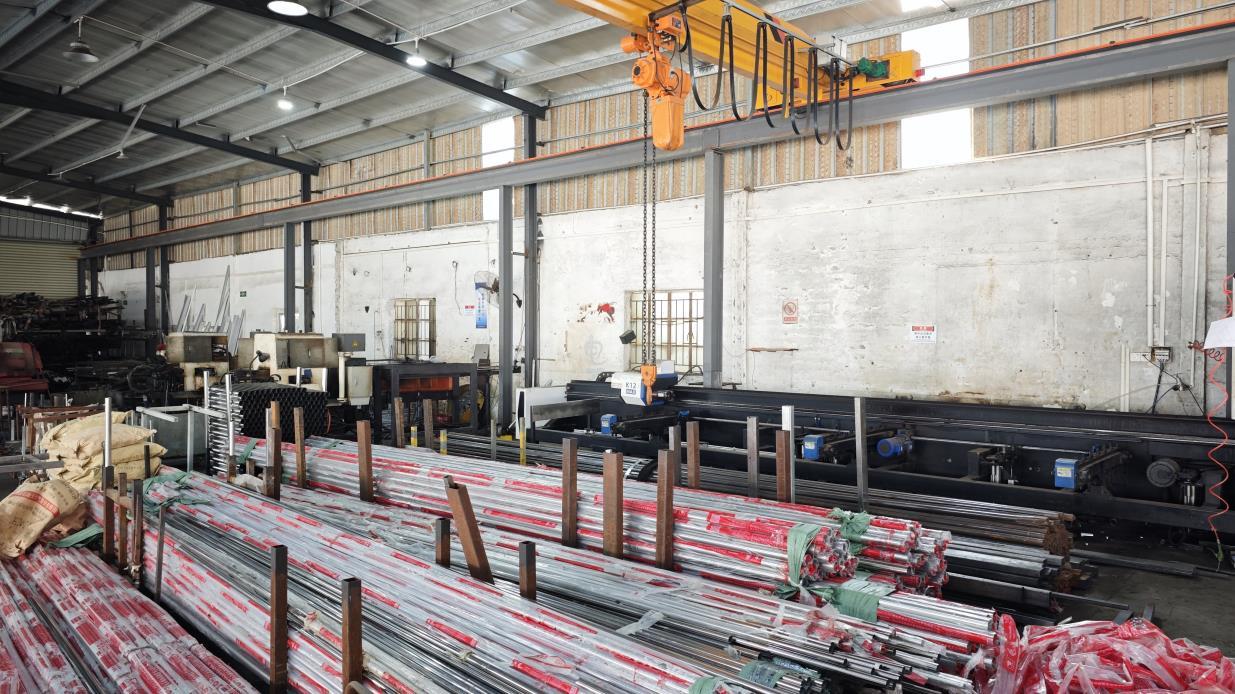
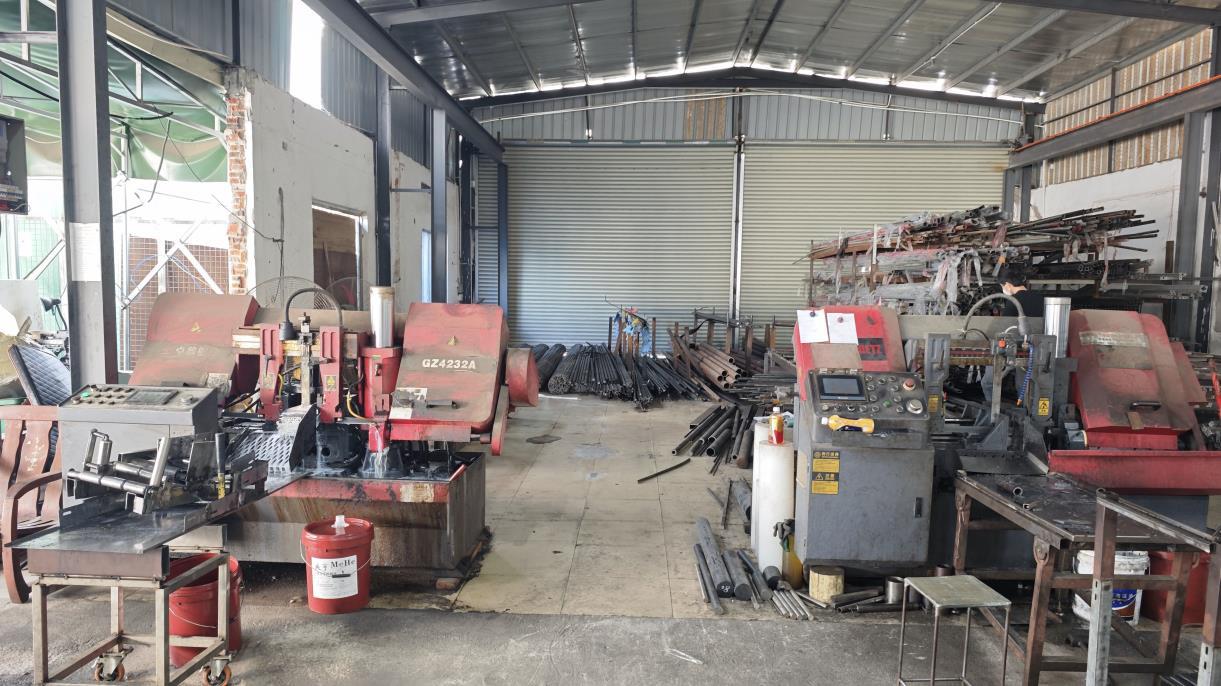
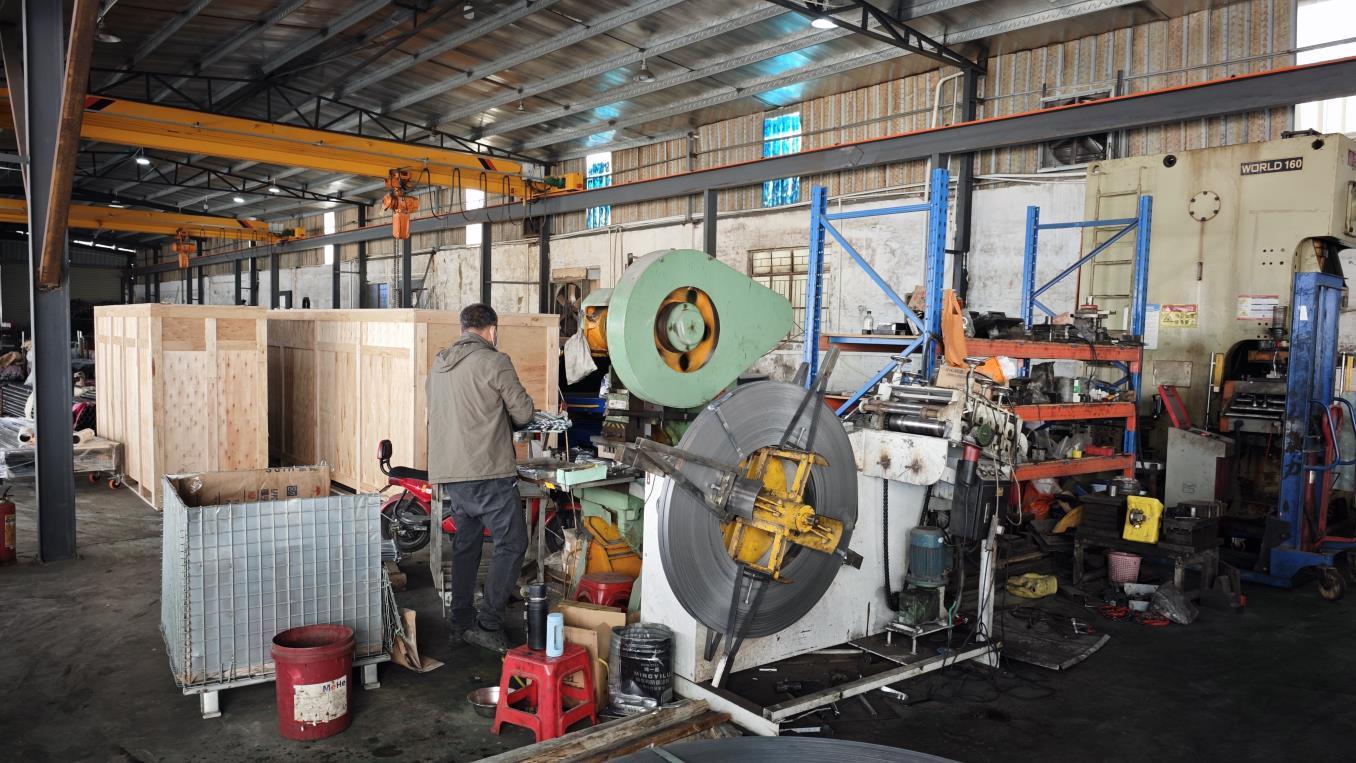
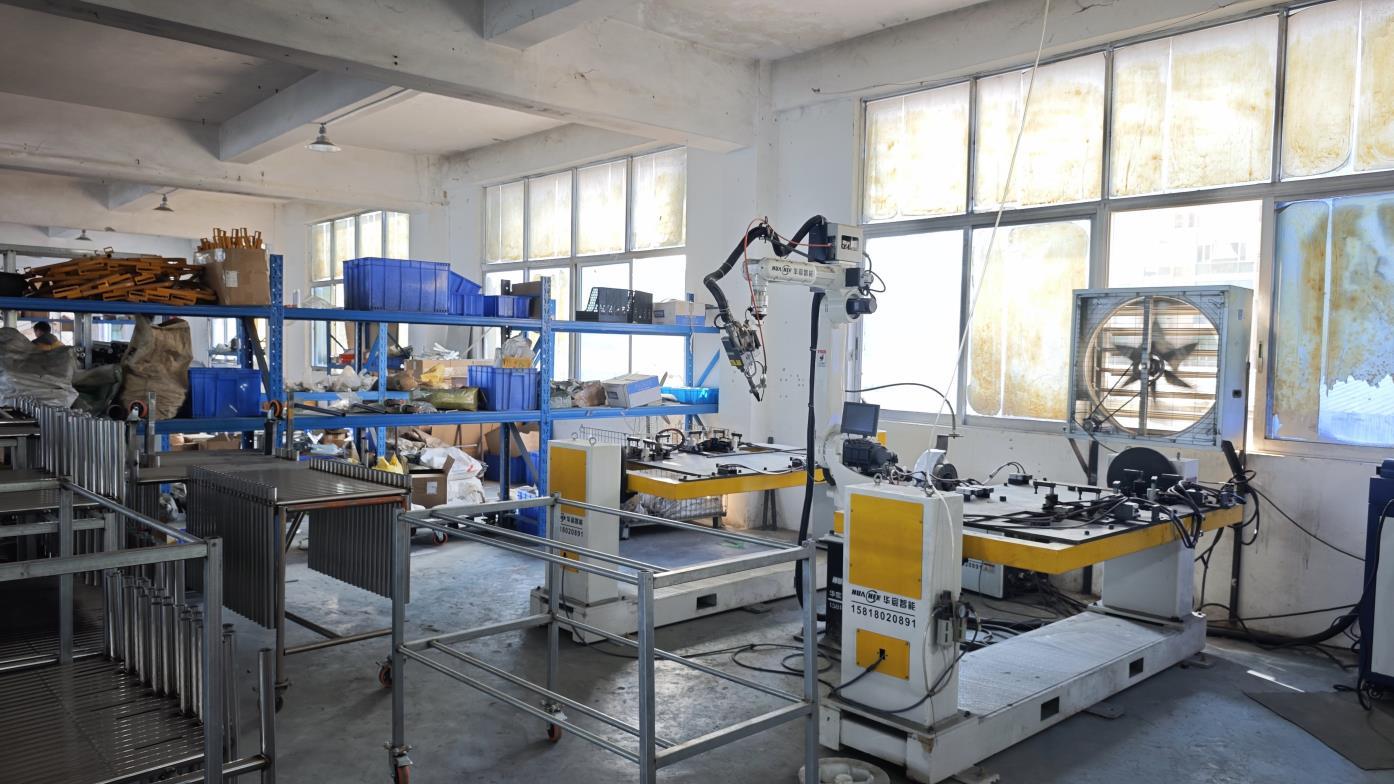
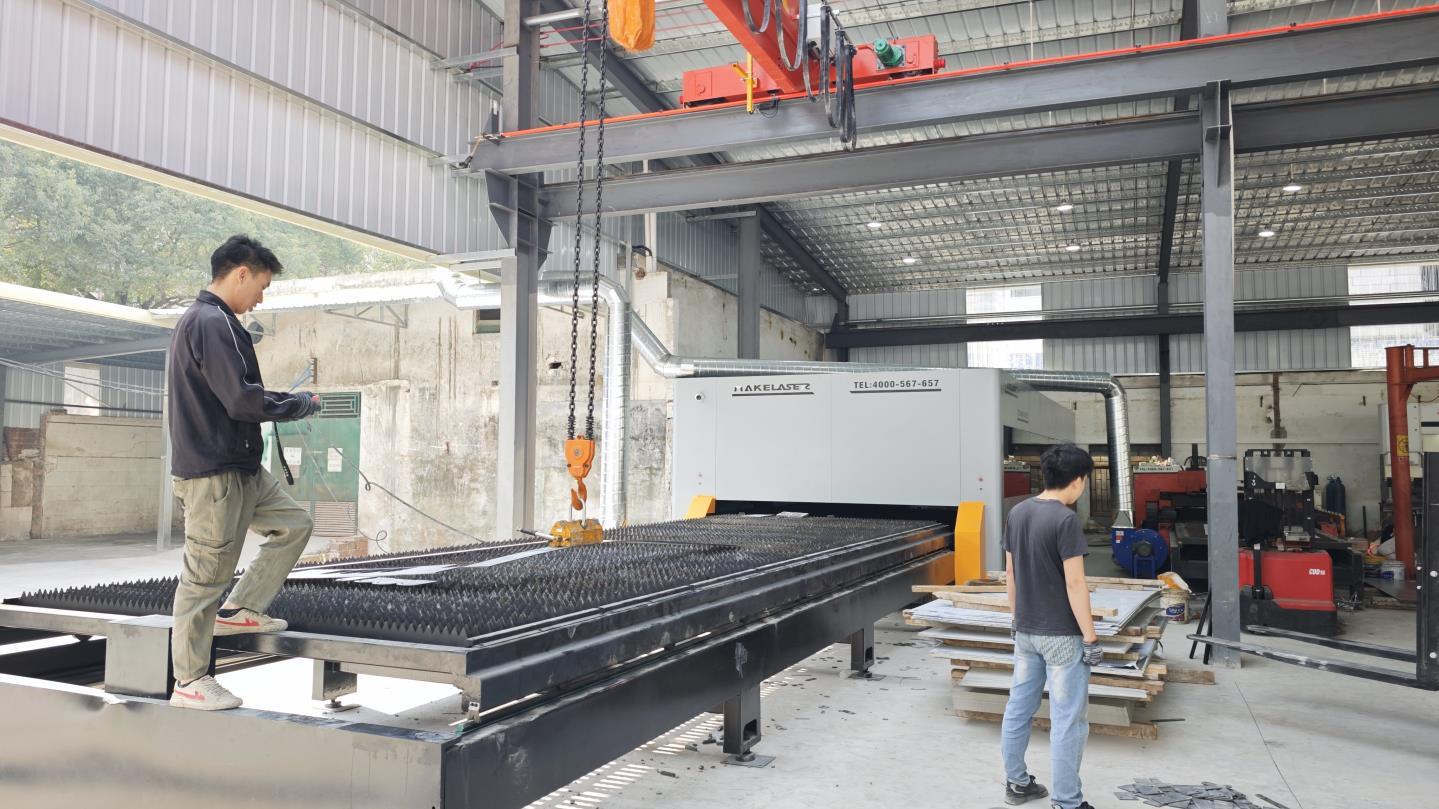
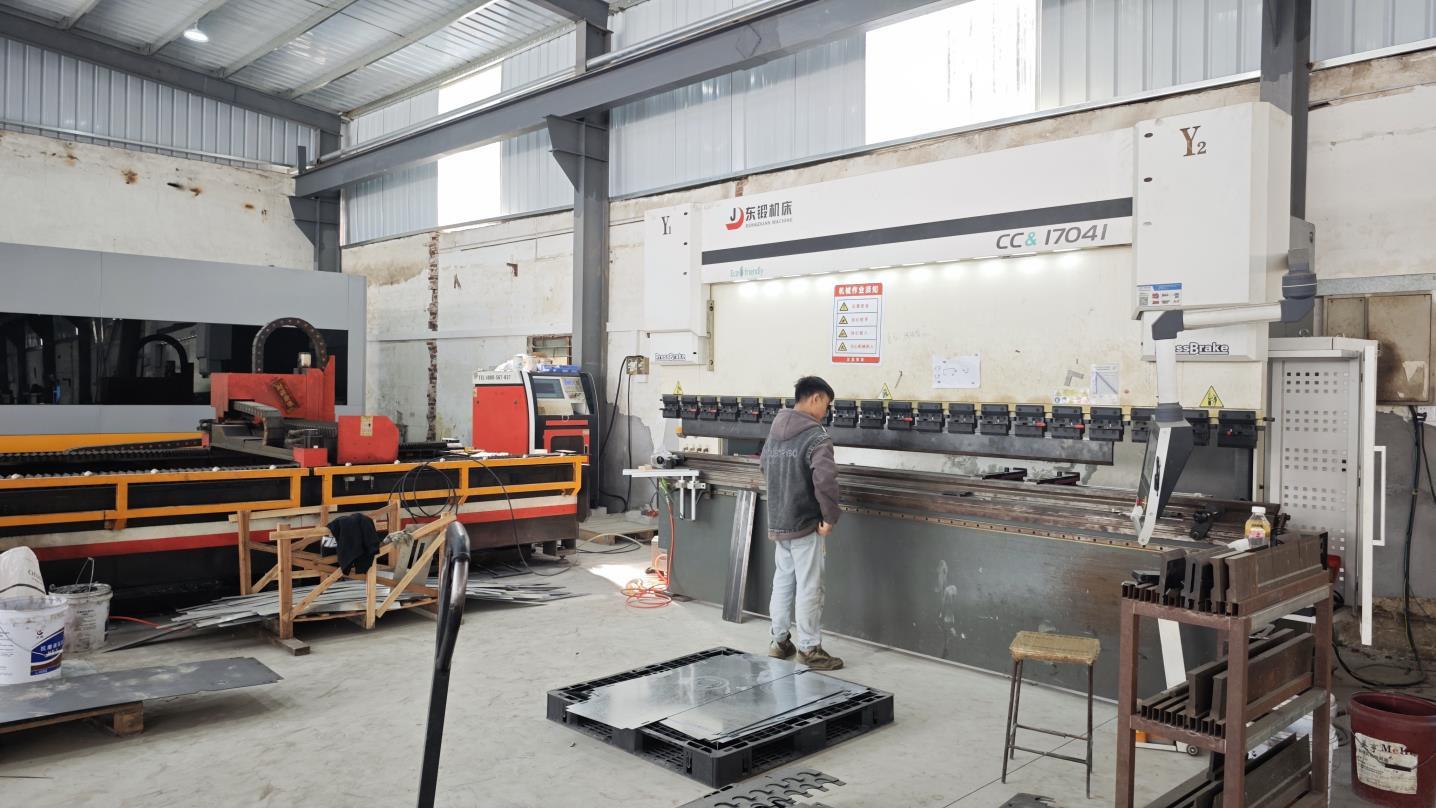
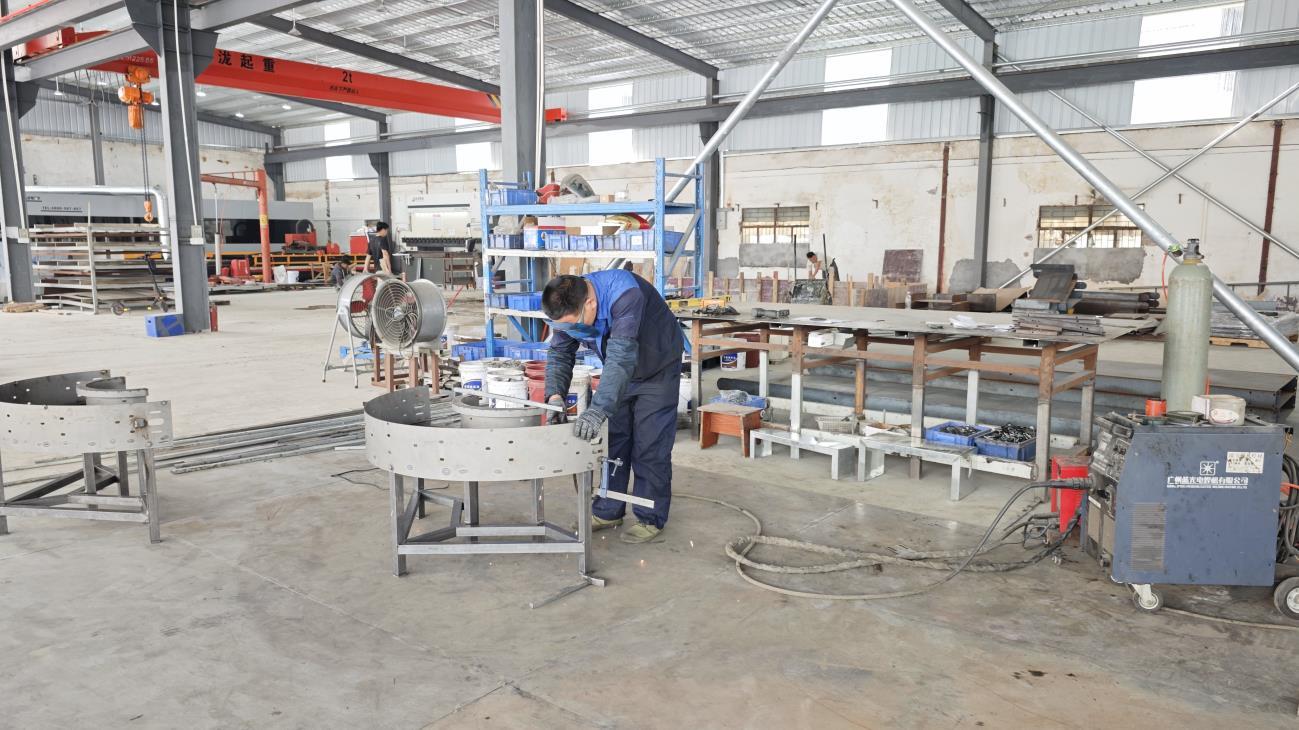
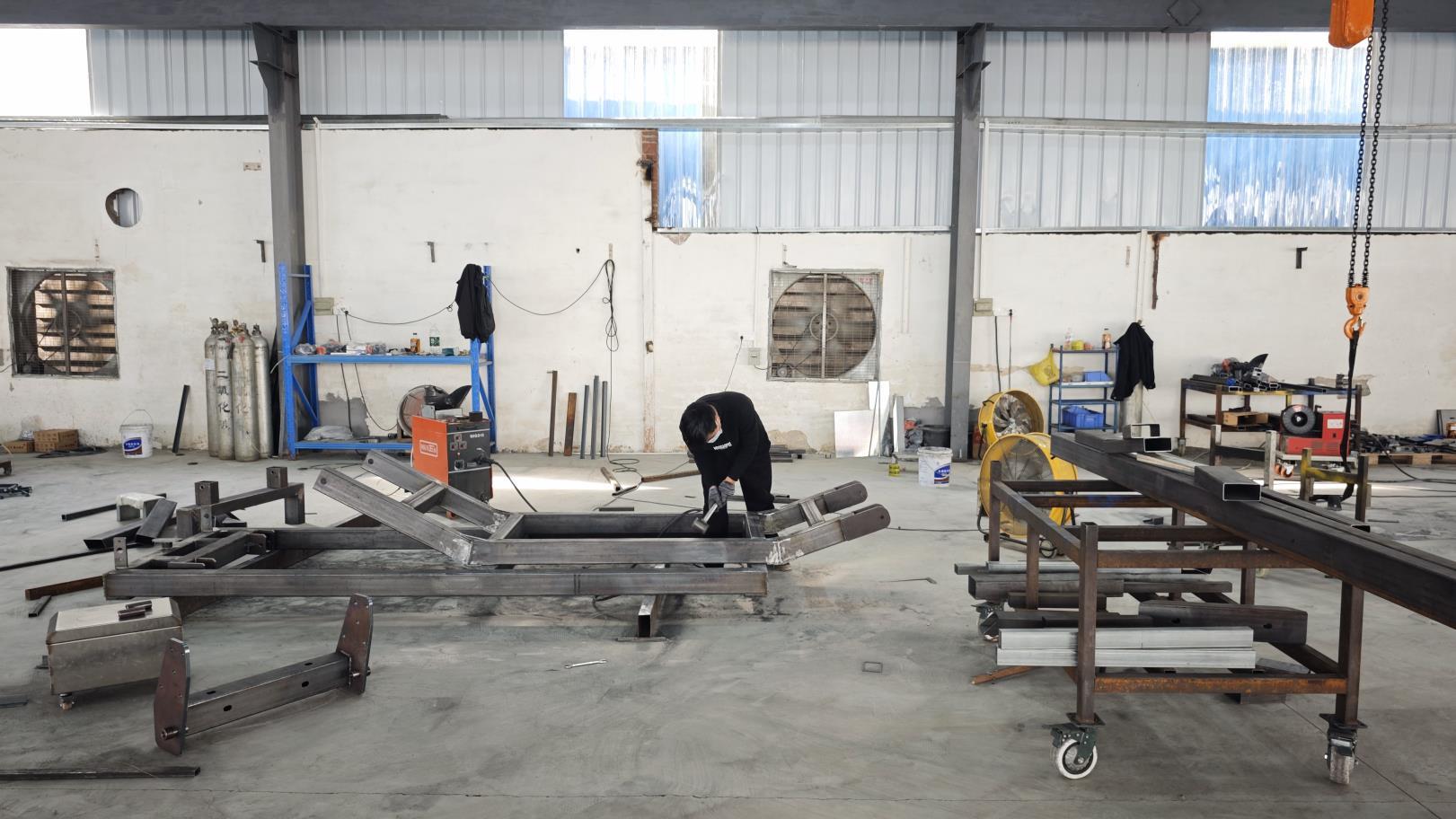
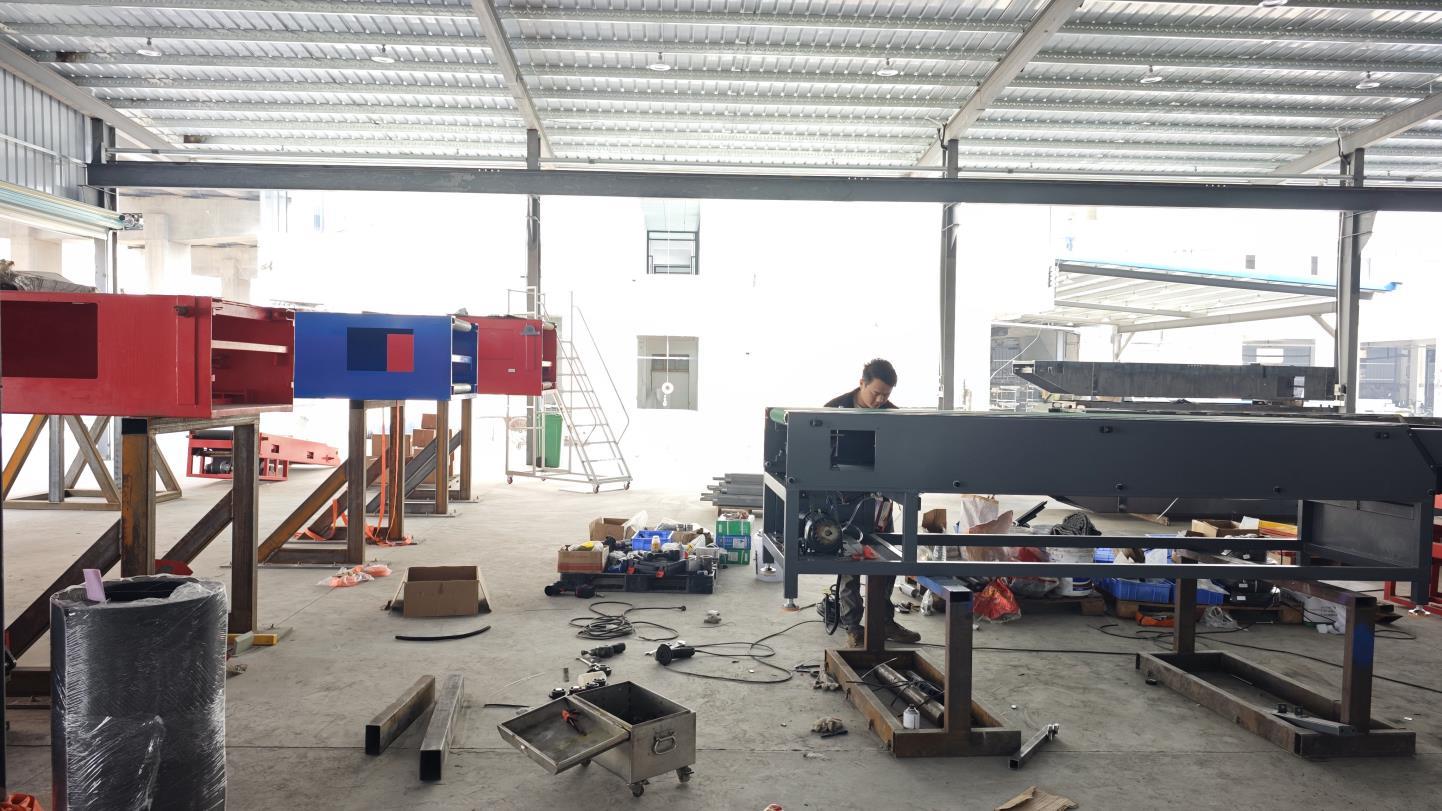
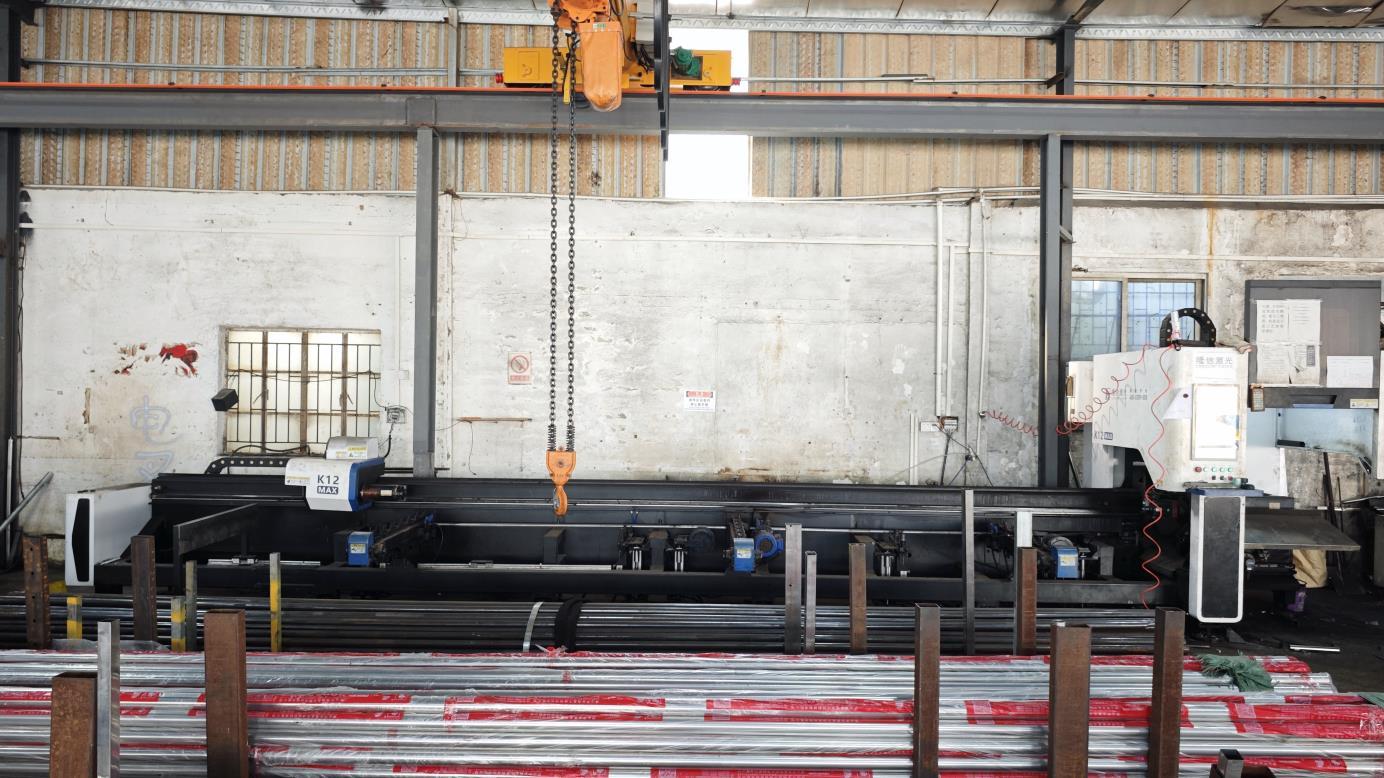
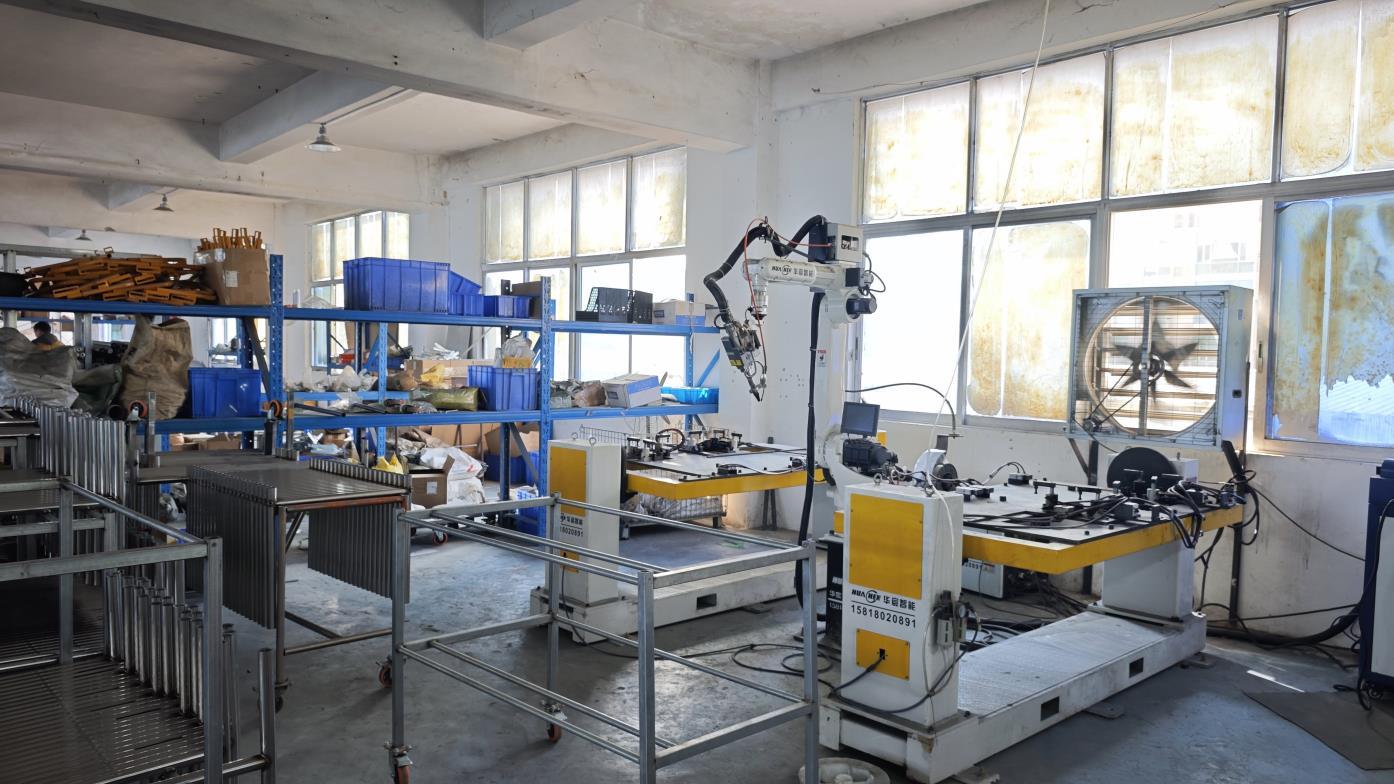
Manufacturers like RAB Logistics leverage this ecosystem to build advanced production lines equipped with automatic CNC sawing, multi-point spot welding, high-precision stamping, and automated powder coating. This automation ensures high dimensional accuracy, uniform structural integrity, and consistent load ratings across production runs.
Additionally, this cluster-based supply chain provides the flexibility needed to quickly adjust production volumes. When international clients face sudden inventory surges, Chinese suppliers can scale production of racking systems, wire mesh containers, and plastic crates far faster than regional Western fabricators, helping businesses adapt to shifting market conditions.
Operating structural racking, industrial mezzanines, and robotic equipment within municipal jurisdictions requires strict compliance with safety codes. High-quality manufacturers design, simulate, and test their products to meet major international standards:
These compliance measures reduce the risk of structural collapses and workplace injuries under peak loading. They also streamline the engineering approval process for global logistics companies working with local municipal building departments.
Different industries require specialized approaches to handle seasonal volume spikes. Below are four key scenarios showing how these systems operate in practice.
During year-end shopping peaks, order volumes can increase up to tenfold. E-commerce operators deploy mobile racking, automated sorting robots, and multi-tier mezzanines to handle the surge without expanding their physical warehouse footprint.
Seasonal harvests and summer beverage demand spikes put pressure on temperature-controlled storage facilities, where operating costs are exceptionally high. Maximizing storage density is critical to control energy consumption.
Automotive assembly plants run on precise just-in-time schedules. They require secure buffer storage for large components like body panels and tires to prevent production lines from stalling when shipping schedules fluctuate.
International distribution centers face frequent delays from shipping bottlenecks, customs clearances, and shifting trade routes. They need modular, stackable storage systems that can adapt to variable wait times.
Hangzhou RAB Logistics Co., Ltd. is a professional provider of intelligent warehousing and modern logistics solutions. Built on years of industry experience and continuous technological innovation, RAB Logistics is committed to helping enterprises transform traditional warehouse operations into highly automated, data-driven, and efficient supply chain systems.
Since its establishment, the company has focused on integrating advanced logistics technologies such as Warehouse Management Systems (WMS), Automated Storage and Retrieval Systems (AS/RS), AGV/AMR robotics, intelligent sorting systems, and real-time data visualization platforms. These solutions enable clients to achieve higher operational accuracy, faster fulfillment speed, and significantly reduced logistics costs.
With strong capabilities in system consulting, solution design, equipment integration, software development, and project implementation, Hangzhou RAB Logistics Co., Ltd. delivers end-to-end intelligent logistics solutions tailored to diverse industry needs. Our expertise ensures seamless coordination between hardware and software, creating scalable and future-ready warehouse infrastructures.
RAB Logistics serves a wide range of industries including manufacturing, cross-border e-commerce, fast-moving consumer goods (FMCG), pharmaceuticals, and automotive parts. Our solutions are trusted for their stability, innovation, and proven performance in complex, high-demand environments.
By choosing Hangzhou RAB Logistics Co., Ltd., you are selecting a long-term strategic partner dedicated to building smarter warehouses, optimizing supply chains, and empowering businesses with sustainable competitive advantages in the era of intelligent logistics.
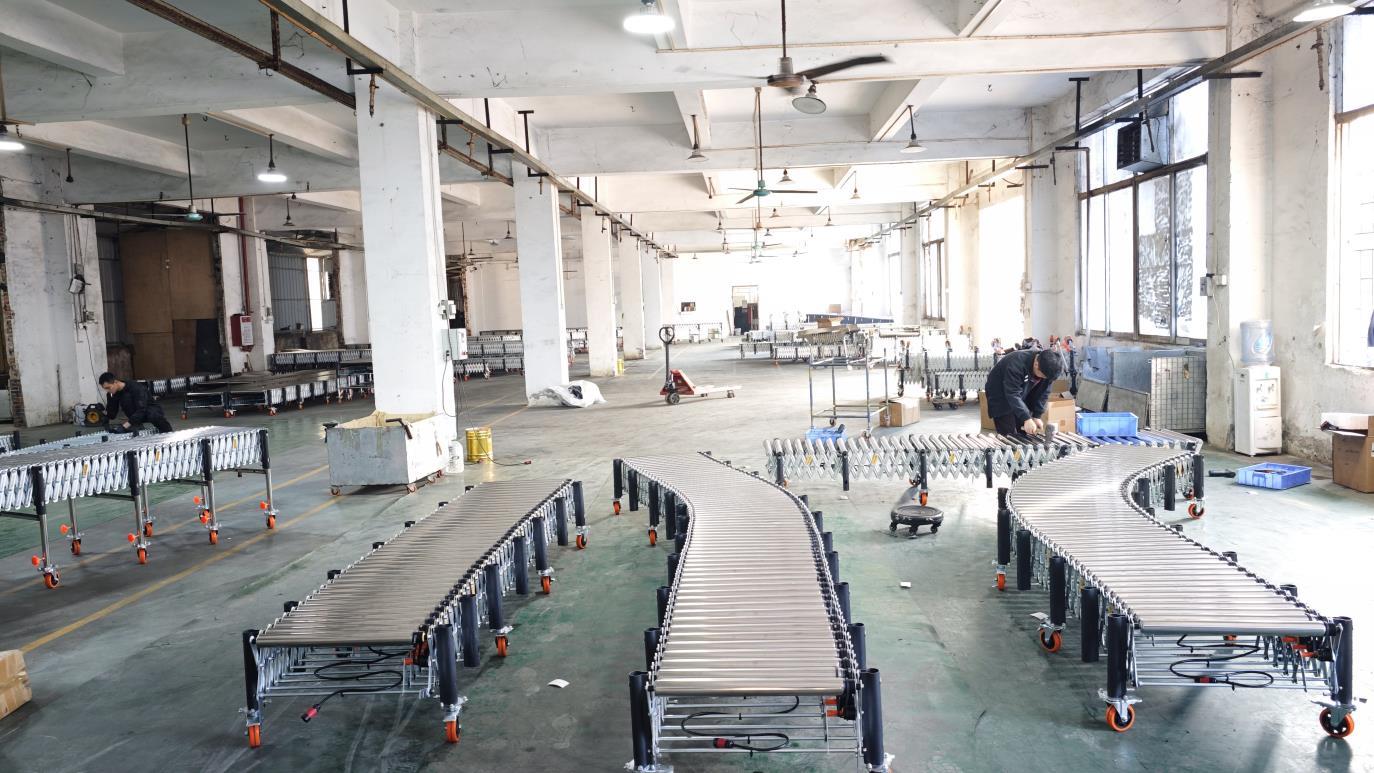
A transparent look at our precision manufacturing workflows, from raw material cutting to final component assembly.
Answers to common structural, financial, and operational questions for engineering and purchasing departments.
Commercial-grade equipment designed to streamline storage, transport, and inventory handling across international supply chains.
 RAB Logistics