Integrating structural heavy-duty load units, automated sorting boxes, and structural assemblies that form the backbone of modern physical product identification systems.
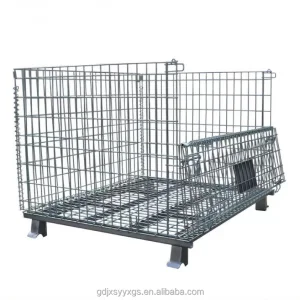
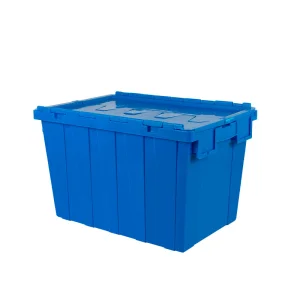
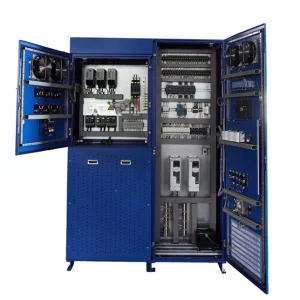
Modern commercial industries are undergoing a massive transition from manual sorting to fully automated, data-driven frameworks. The concept of Product Identification Solutions has expanded far beyond barcode labels. Today, it encapsulates the integrated design of high-tolerance storage structures, programmable control nodes (PLCs), high-speed sorting cages, and automated mobile robotics (AGVs) that work in perfect synchrony to identify, route, and report the physical location and state of inventory in real-time.
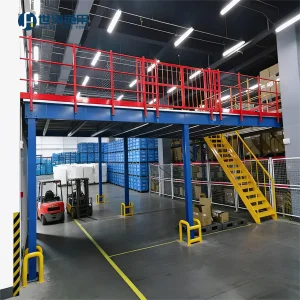
Globally, supply chain managers require micro-level traceability. Product identification is now coupled with structural resilience. When structural items like customized mezzanine platforms, automated bins, or guided vehicles are integrated, they form a cohesive physical network. Each SKU must be instantly identifiable via structural positioning systems, smart optical sensors, or RF transponders embedded inside the automated transport structures. Sourcing managers are looking for end-to-end suppliers who can design physical storage footprints that are compatible with intelligent identification and sorting mechanisms.
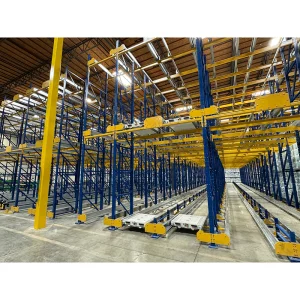
By marrying industrial automation control panels (PLC) with automated guide vehicles (AGVs) and structural shuttle racks, our product identification ecosystems establish frictionless data streams that decrease processing bottlenecks.
Heavy-duty structural components, built from carbon steel and high-tensile wire mesh, undergo rigorous load testing. This ensures continuous storage structural safety, avoiding line down situations.
All packaging solutions, dynamic bins, and high-precision box counters conform directly to ISO, CE, and RoHS international certifications, facilitating quick integration at domestic and foreign target ports.
Global procurement teams in automotive, FMCG, cross-border e-commerce, and industrial pharmaceuticals face severe operational pressures. Sourcing is no longer just about searching for the lowest price point; it is centered around systemic dependability, long-term scalability, and engineering verification. When looking for OEM/ODM Product Identification Solutions Suppliers, international procurers focus on several core metrics:
By positioning Hangzhou RAB Logistics Co., Ltd. as a direct strategic manufacturing partner, enterprises bypass third-party trading agencies. Our vertically integrated structural steel factories and electronic control assembly lines provide clear pathways for custom design approvals, transparent scheduling, and verified structural calculations.
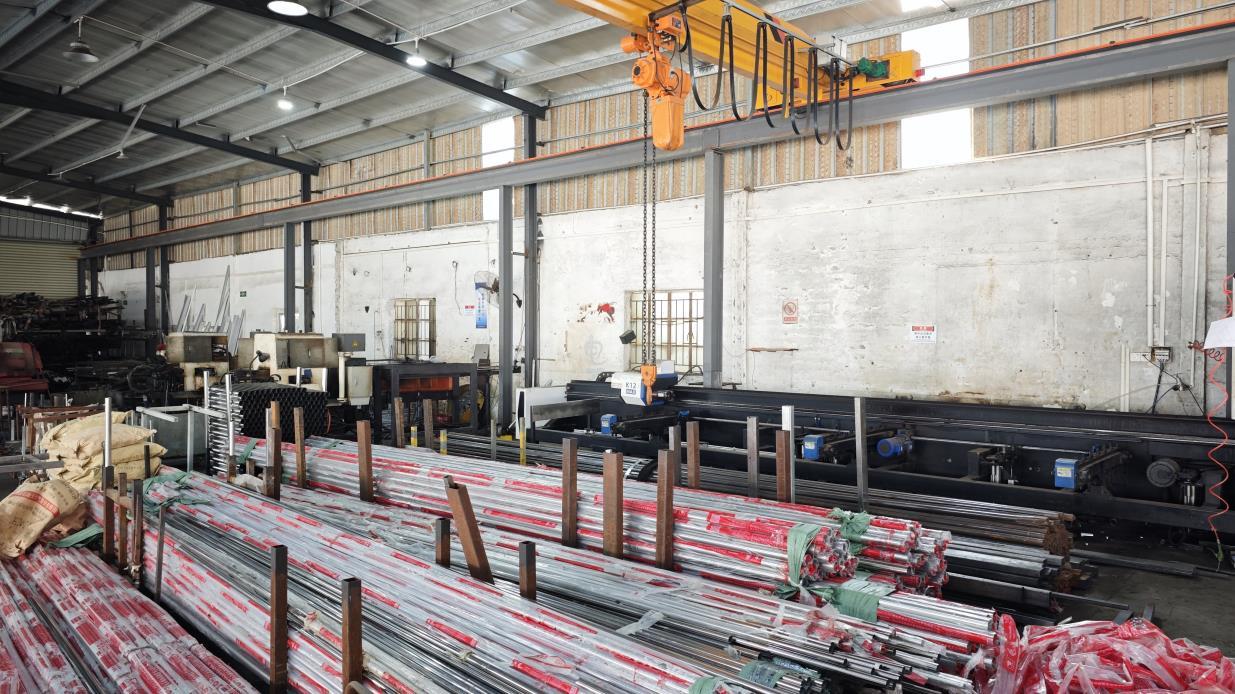
The transition toward Smart Manufacturing (Factory 4.0) has elevated China's industrial producers to systemic technology providers. Unlike traditional component factories, our facility integrates digital automation at every phase of the fabrication process. Automated CNC cutting machines, intelligent structural steel stamping rigs, and robotic multi-axis spot-welding networks operate continuously, ensuring structural components are built to sub-millimeter tolerances.
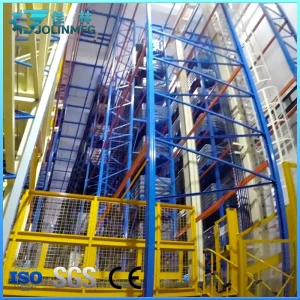
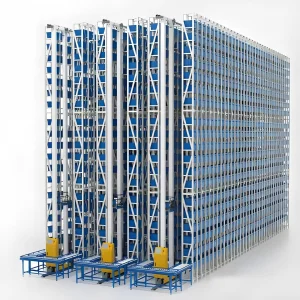
This deep level of process automation guarantees structural repeatability. In applications like Automated Storage and Retrieval Systems (AS/RS), slight deviations in racking geometry can lead to stacker crane operational failures or tracking misalignments. By using automated laser profiling, precise cold bending, and computerized quality checks, we maintain structural stability across production runs of thousands of metric tons.
Furthermore, our supply chain resilience is rooted in local industrial cluster integration. Based in Hangzhou, Zhejiang, we utilize direct access to premium regional raw material suppliers (sheet steel, polymers, components), minimizing lead times. This allows us to pivot designs quickly when clients request adjustments for specific regional configurations, such as high-density seismic mezzanine floors or custom automated guide vehicle (AGV) load chassis configurations.
We control the complete manufacturing pipeline to ensure structural reliability, mechanical precision, and long-term durability of our logistics equipment.
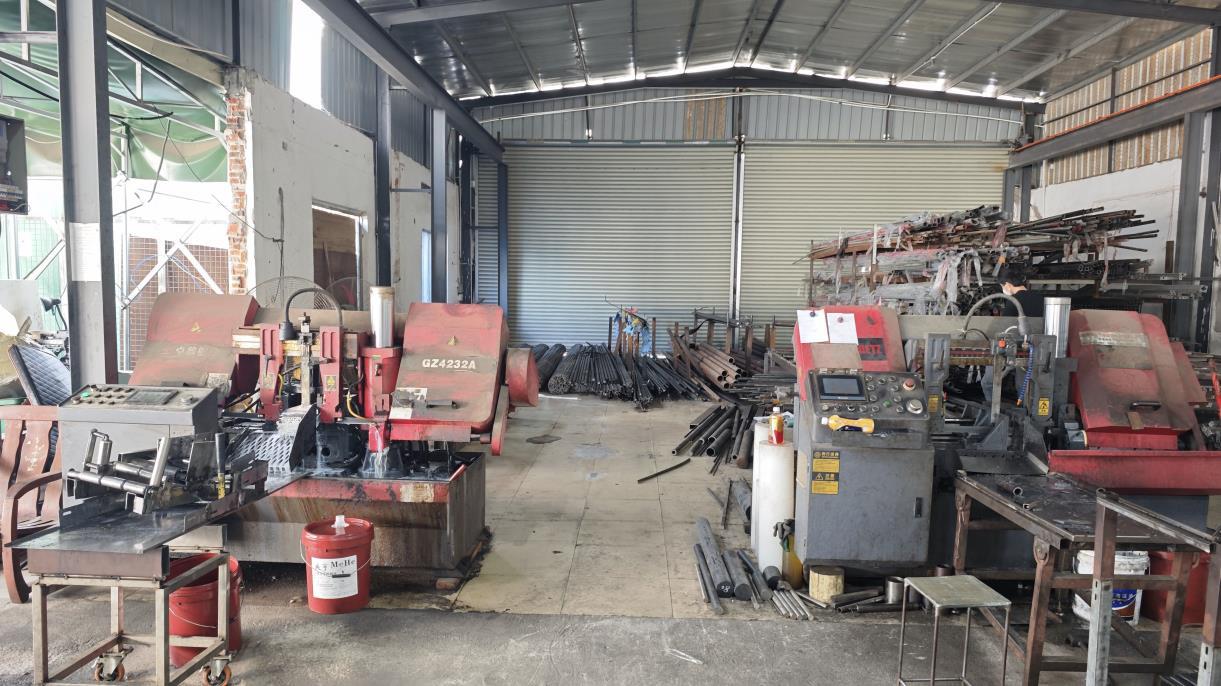
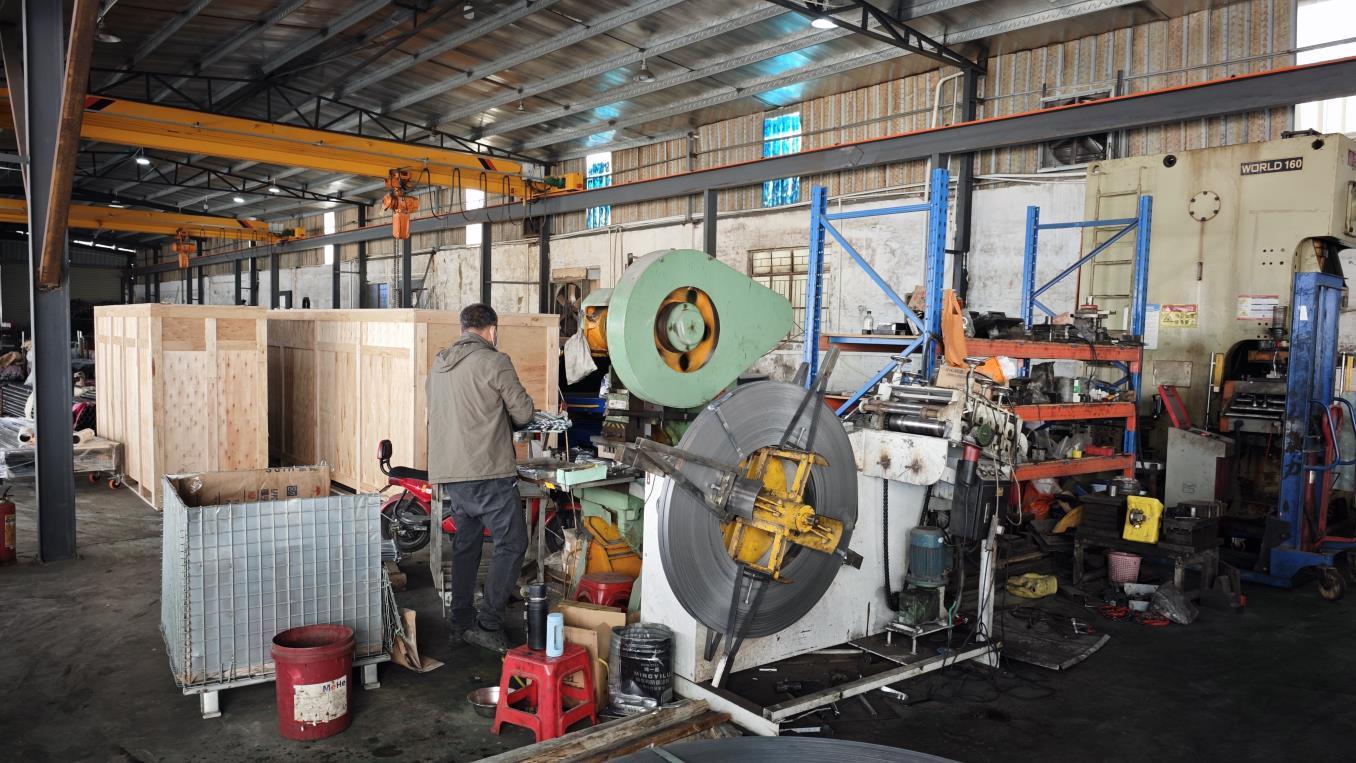
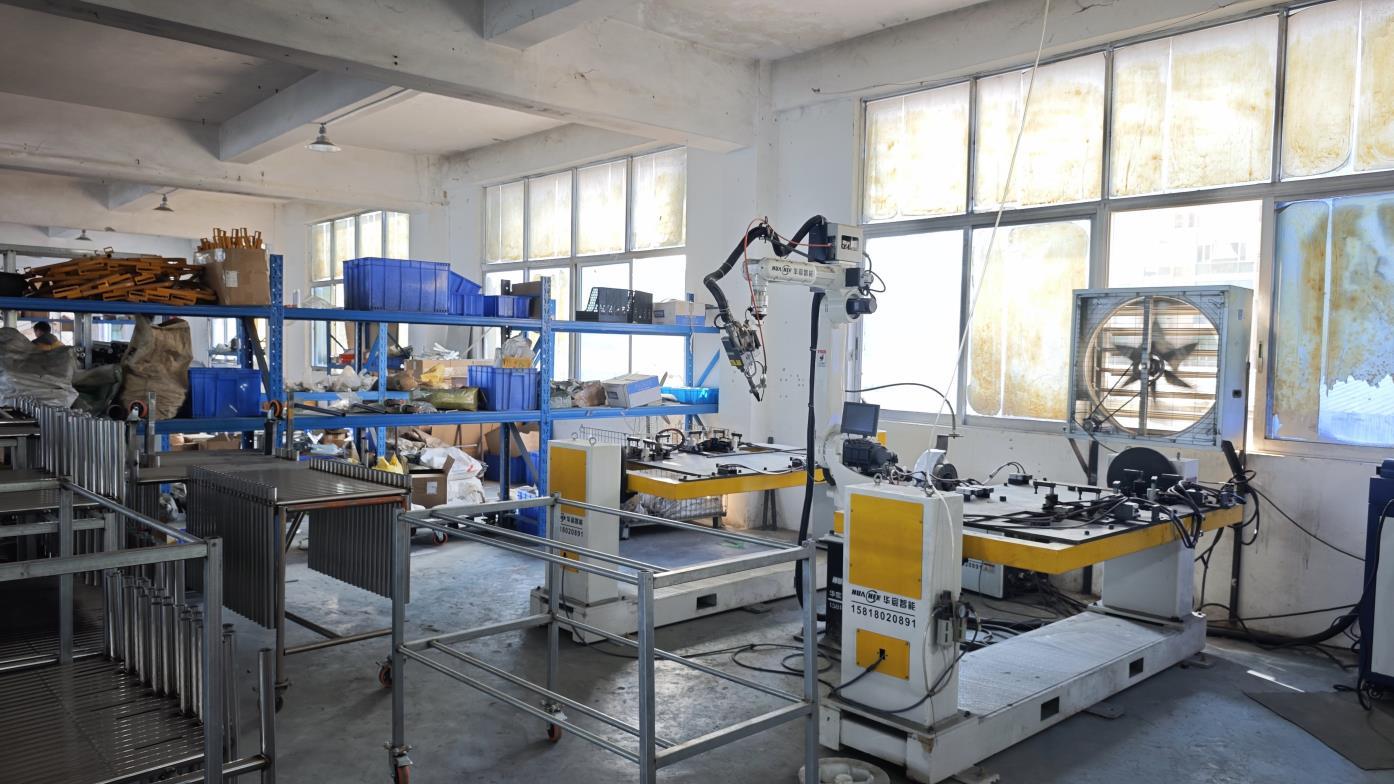
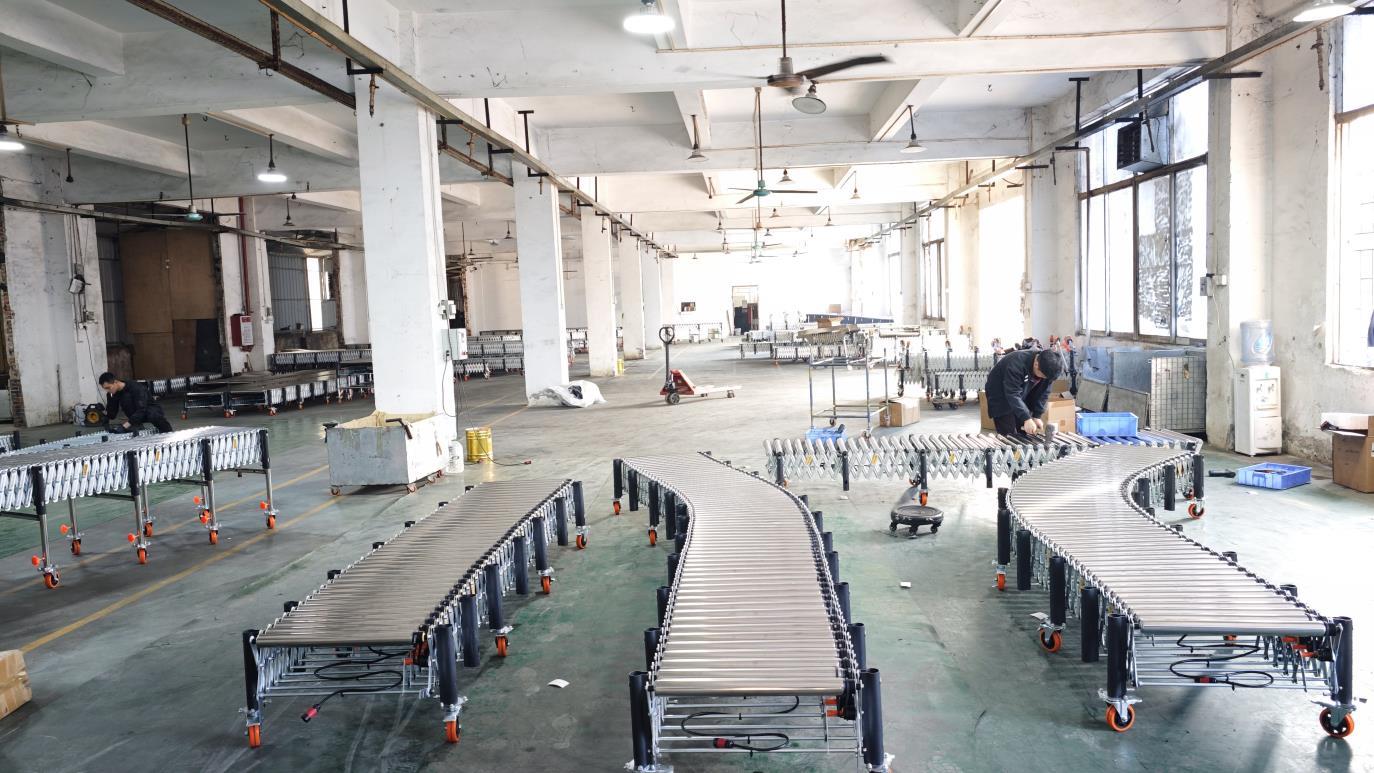
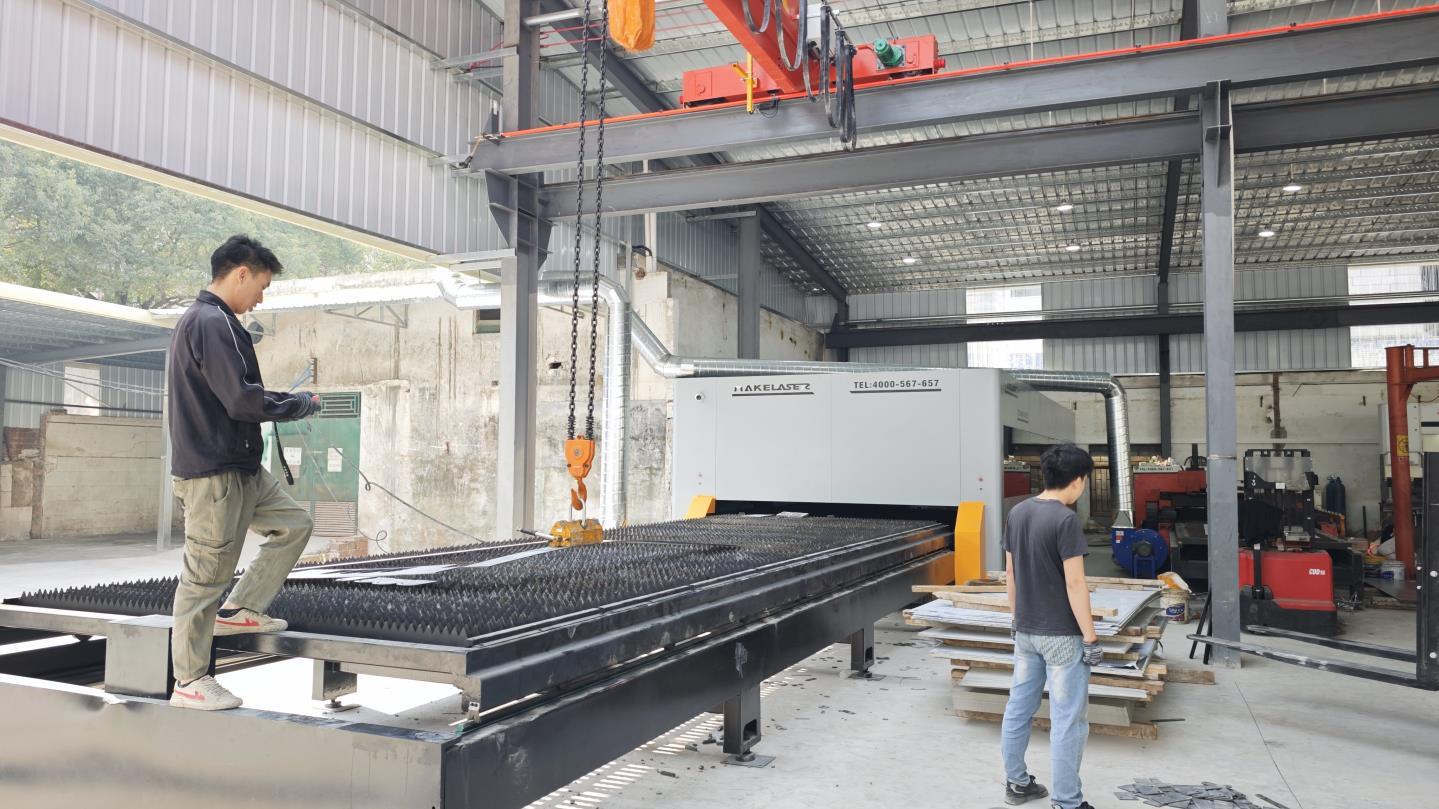
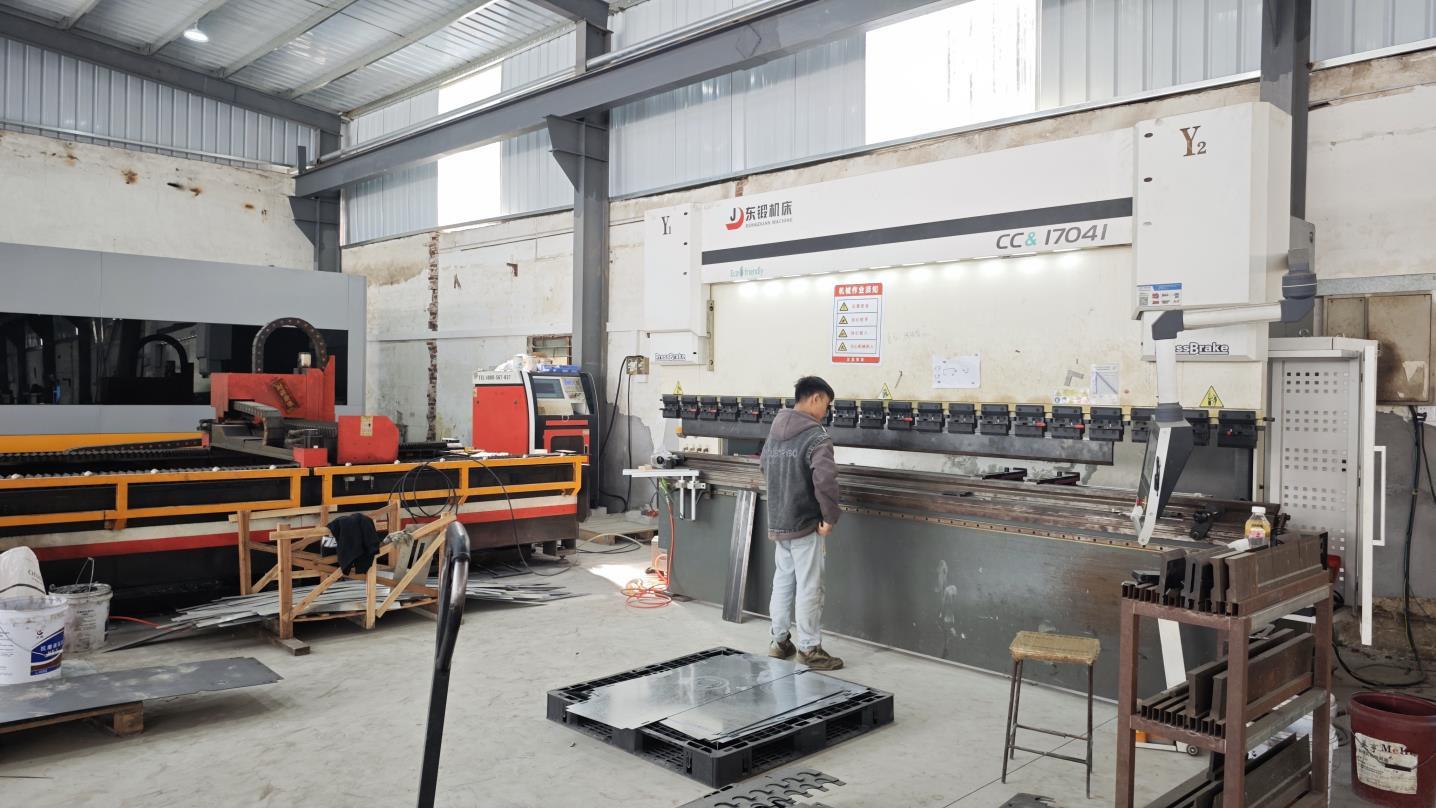
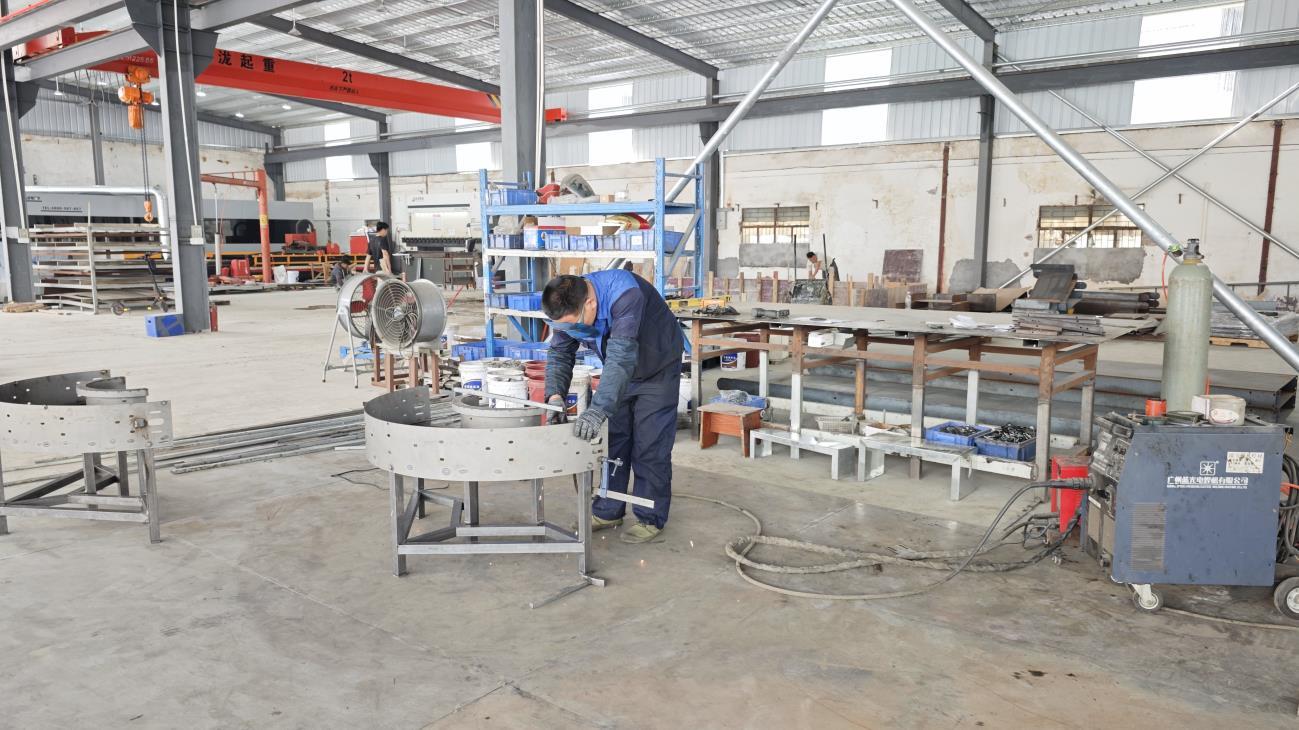
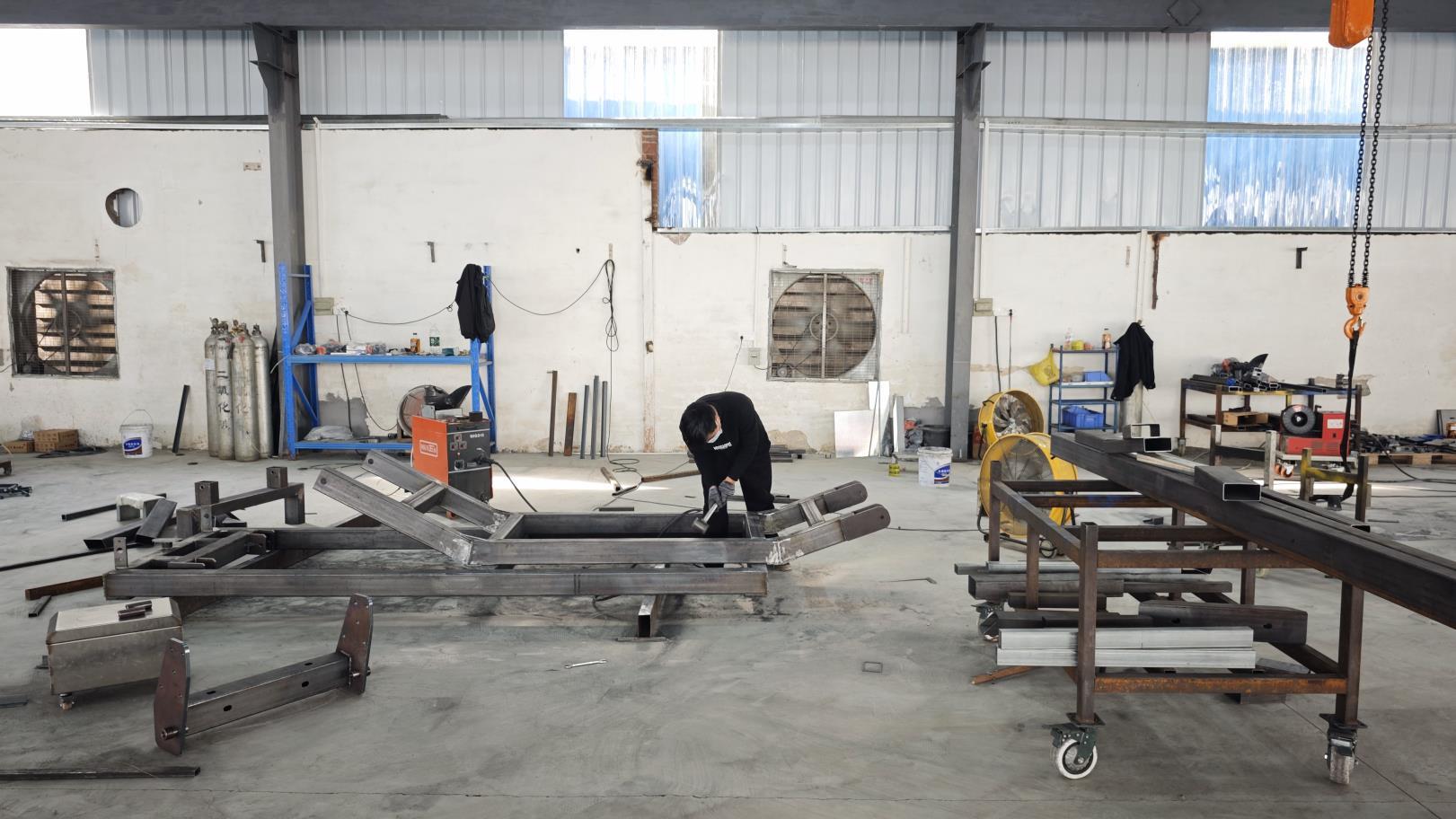
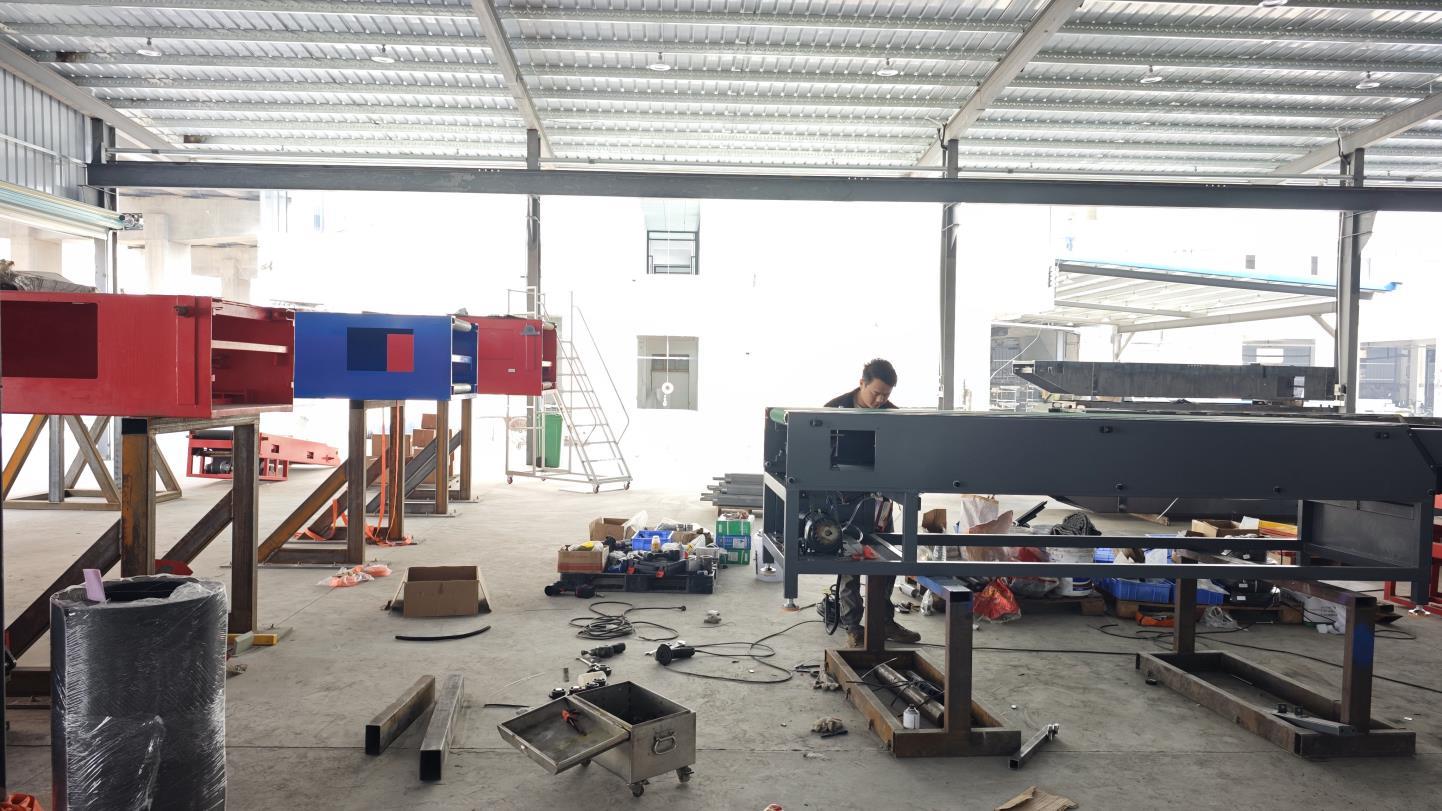
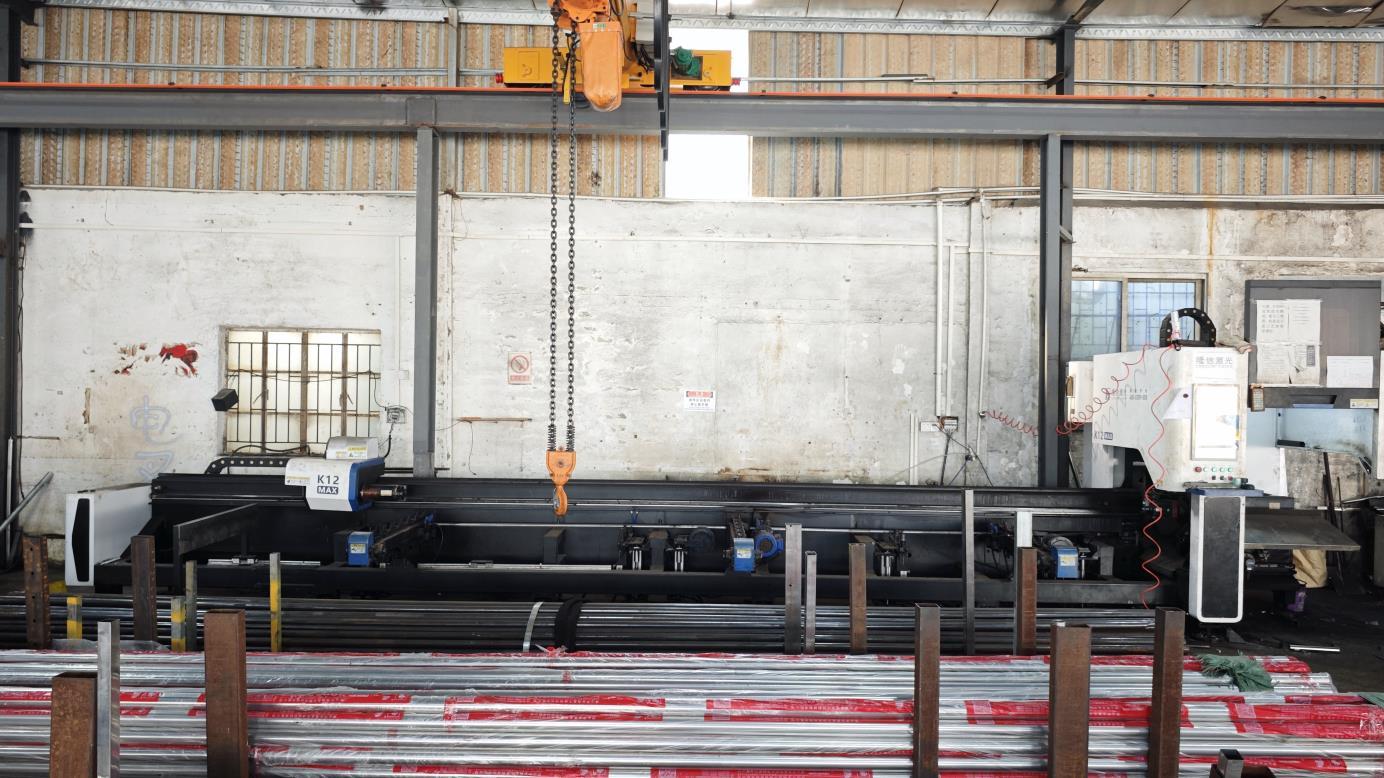
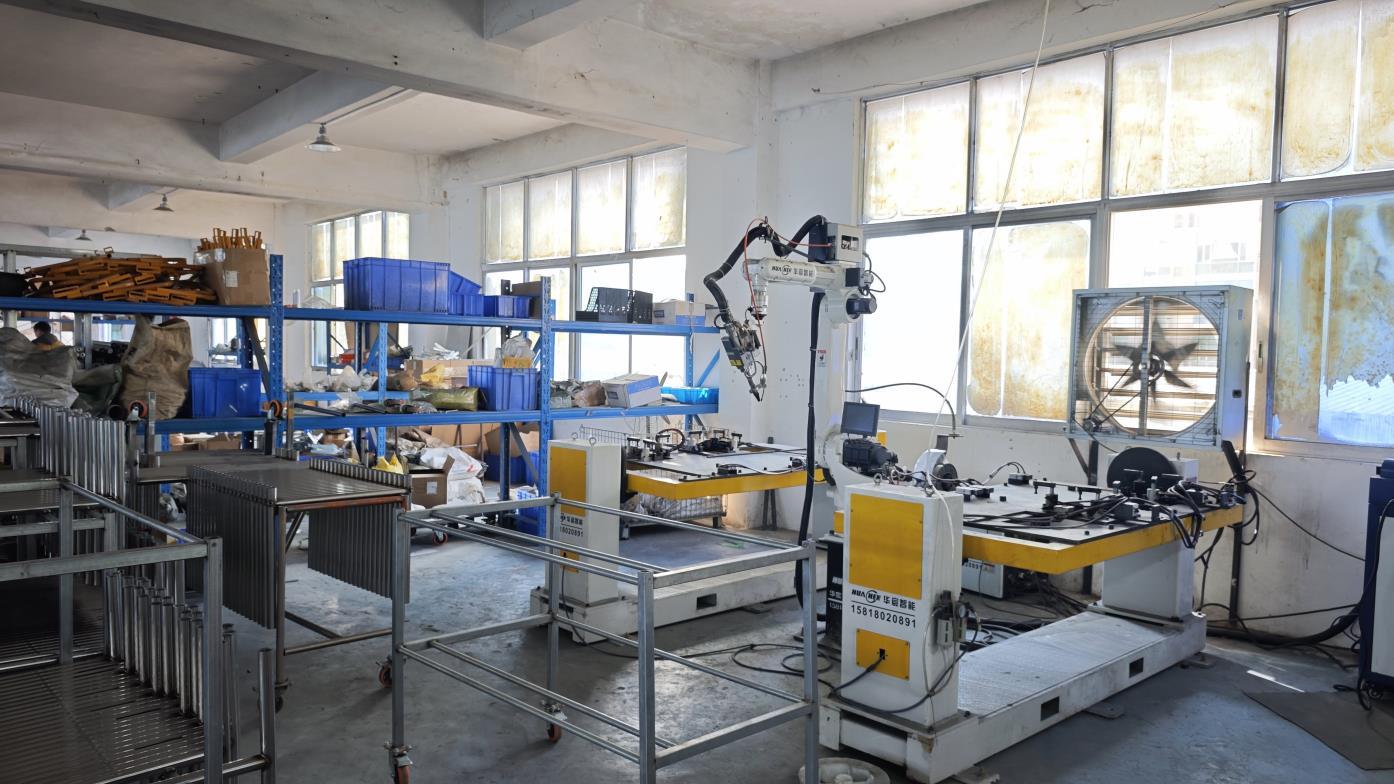
Practical integration requirements vary significantly by industry and geographical location. Designing systems to match these requirements prevents unexpected operational issues:
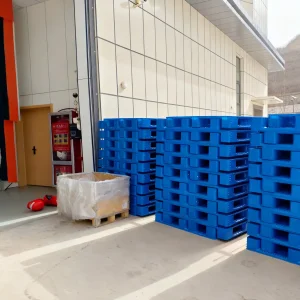
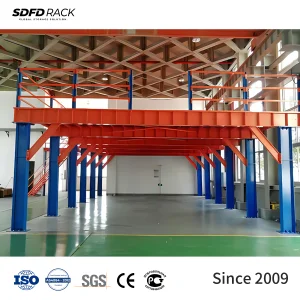
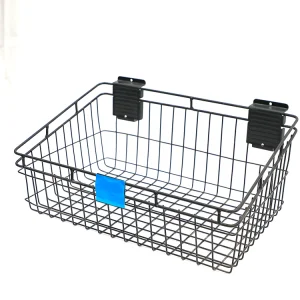
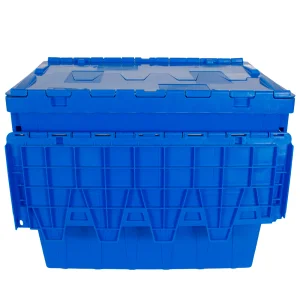
High-turnover distribution centers rely on continuous product identification systems. To optimize vertical space, companies utilize multi-tier mezzanine floor structures combined with modular plastic storage tote boxes. These boxes feature integrated RFID tag mounts, enabling automatic identification by overhead sensor gates. In cold storage facilities, materials must endure low temperatures without becoming brittle. Our customized, impact-resistant PP storage totes and galvanized wire baskets are designed to maintain physical integrity down to -30°C.
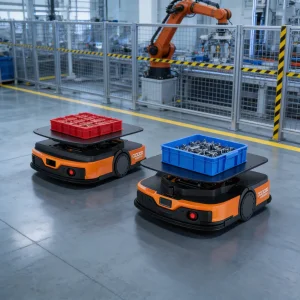
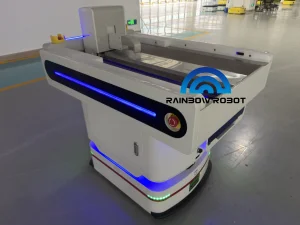
Within high-density manufacturing, heavy-duty AGVs must transport chassis assemblies to precise locations. These automated vehicles communicate directly with station PLC control cabinets. By using pre-tested integration systems, parts are scanned automatically upon retrieval. This ensures assembly lines receive the exact components needed, reducing cycle times and minimizing human sorting errors.
Modern commercial agricultural facilities rely on automated systems to monitor stock, raw materials, and feed distribution. Integrating automated layer and duck cage arrays with specialized material handling equipment ensures consistent resource allocation and reliable tracking across complex operations.
Hangzhou RAB Logistics Co., Ltd. is a professional provider of intelligent warehousing and modern logistics solutions. Built on years of industry experience and continuous technological innovation, RAB Logistics is committed to helping enterprises transform traditional warehouse operations into highly automated, data-driven, and efficient supply chain systems.
Since its establishment, the company has focused on integrating advanced logistics technologies such as Warehouse Management Systems (WMS), Automated Storage and Retrieval Systems (AS/RS), AGV/AMR robotics, intelligent sorting systems, and real-time data visualization platforms. These solutions enable clients to achieve higher operational accuracy, faster fulfillment speed, and significantly reduced logistics costs.
With strong capabilities in system consulting, solution design, equipment integration, software development, and project implementation, Hangzhou RAB Logistics Co., Ltd. delivers end-to-end intelligent logistics solutions tailored to diverse industry needs. Our expertise ensures seamless coordination between hardware and software, creating scalable and future-ready warehouse infrastructures.
RAB Logistics serves a wide range of industries including manufacturing, cross-border e-commerce, fast-moving consumer goods (FMCG), pharmaceuticals, and automotive parts. Our solutions are trusted for their stability, innovation, and proven performance in complex, high-demand environments.
By choosing Hangzhou RAB Logistics Co., Ltd., you are selecting a long-term strategic partner dedicated to building smarter warehouses, optimizing supply chains, and empowering businesses with sustainable competitive advantages in the era of intelligent logistics.
Answers to key structural, technical, and logistics integration questions from procurement directors and warehouse engineers.
Physical storage systems (like mezzanine floors, pallet racks, and wire baskets) provide the spatial coordinates for inventory. Digital identification systems (using RFID, QR codes, or barcode tracking) locate items relative to these structures. By designing racking platforms to support sensors, routing rails, and automated shuttle systems, we enable real-time tracking from entry to dispatch.
Our industrial automation control panels utilize standard PLC architectures (such as Siemens or Omron) equipped with I/O modules and data memory. These units communicate with AGVs over industrial Wi-Fi or Bluetooth protocols. The PLC monitors sensor states along the track and sends routing instructions, keeping physical transit aligned with system inventory records.
For high-moisture or cold storage conditions, hot-dip galvanization is highly recommended. This process creates a thick zinc-iron alloy layer that protects against corrosion. Powder coating is also an option for dry indoor settings where color-coded sorting or branding is required.
Yes. Our modular steel mezzanine platforms are designed with bolted connections rather than welded links. This allows for adjustments, relocations, or vertical expansions as your facility's requirements evolve over time.
We supply flat-packed or modular systems designed to fit standard sea freight containers. Every shipment includes clear assembly drawings and component labeling. For large-scale projects, we can provide remote engineering support or dispatch on-site supervisors to assist with installation and system commissioning.
Deploying automated stackers, intelligent AGV robots, control terminals, and high-capacity storage units to build future-ready facilities.
 RAB Logistics