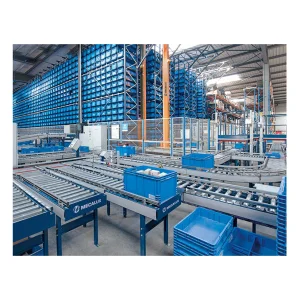
Engineered for high density storage, dynamic material routing, and automated retrieval workflows.
Hangzhou RAB Logistics Co., Ltd. is a professional provider of intelligent warehousing and modern logistics solutions. Built on years of industry experience and continuous technological innovation, RAB Logistics is committed to helping enterprises transform traditional warehouse operations into highly automated, data-driven, and efficient supply chain systems.
Since its establishment, the company has focused on integrating advanced logistics technologies such as Warehouse Management Systems (WMS), Automated Storage and Retrieval Systems (AS/RS), AGV/AMR robotics, intelligent sorting systems, and real-time data visualization platforms. These solutions enable clients to achieve higher operational accuracy, faster fulfillment speed, and significantly reduced logistics costs.
With strong capabilities in system consulting, solution design, equipment integration, software development, and project implementation, Hangzhou RAB Logistics Co., Ltd. delivers end-to-end intelligent logistics solutions tailored to diverse industry needs.
RAB Logistics serves a wide range of industries including manufacturing, cross-border e-commerce, fast-moving consumer goods (FMCG), pharmaceuticals, and automotive parts. Our solutions are trusted for their stability, innovation, and proven performance in complex, high-demand environments.
Our expertise ensures seamless coordination between hardware and software, creating scalable and future-ready warehouse infrastructures. By choosing Hangzhou RAB Logistics Co., Ltd., you are selecting a long-term strategic partner dedicated to building smarter warehouses, optimizing supply chains, and empowering businesses with sustainable competitive advantages in the era of intelligent logistics.
An in-depth analysis of structural shifts, optimization bottlenecks, and algorithmic routing systems in global warehousing.
In the era of hyper-velocity supply chains, traditional material handling schemes have encountered absolute physical limits. The explosive growth of global cross-border e-commerce, combined with volatile market demands (SKU proliferation) and chronic warehouse labor deficits, has catalyzed a massive industrial migration toward Smart Routing Solutions. Smart routing is no longer simply about programming AGVs to move along a magnetic tape; it represents a unified orchestration layer where real-time computational geometry, artificial intelligence (AI), sensor fusion, and high-density structural engineering intersect.
Fulfillment cycles have shrunk from days to hours. Smart routing dynamically calculates picking paths, cutting down empty travel time by up to 45% in complex multistory distribution hubs.
Land costs in major urban nodes demand high-density footprints. AS/RS and multi-tier shuttle systems utilize vertical space up to 30 meters, maximizing cubic capacity by 400% over flat layouts.
Automating horizontal and vertical transport decouples operational throughput from labor availability, ensuring 24/7 continuous operations during demand surges.
Globally, Europe and North America have focused heavily on integrating legacy WMS architectures with highly flexible AMR (Autonomous Mobile Robot) fleets. Meanwhile, Asia-Pacific—led by China's advanced manufacturing clusters—has pioneered hardware-software co-design. This approach blends cost-effective, heavy-duty structural steel racking with high-end control mechanisms (such as Siemens PLC automated platforms and advanced AGVs). As a premier exporter, China's smart routing solutions provide global partners with unparalleled pricing efficiency, fast deployment timelines, and industrial-grade durability.
Modern smart routing relies on the integration of hardware precision and computational algorithms. Historically, warehouses operated on static routing: goods followed fixed paths via conveyor belts or basic wire-guided AGVs. This method was brittle; a single conveyor failure could halt the entire operation. Today's architectures feature dynamic, decentralized routing networks:
At the core of smart routing is the Warehouse Control System (WCS) and Fleet Management System (FMS). Leveraging mathematical algorithms like Dijkstra's, A* (A-Star), and heuristic dynamic pathfinders, these systems calculate the most efficient path for AMRs and radio shuttles in real-time. By tracking traffic density across warehouse aisles, the system dynamically reroutes robots to avoid bottleneck zones, preventing deadlocks and minimizing travel times.
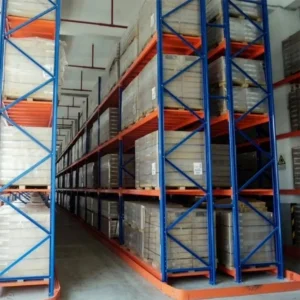
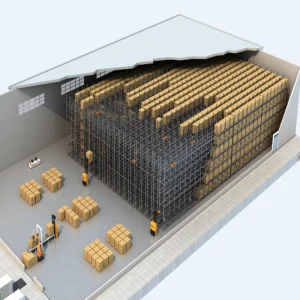
Smart software requires high-performance hardware to deliver results. Systems like Radio Shuttle automated warehouses and adjustable heavy-duty pallet racks serve as the structural framework. Heavy-duty radio shuttles receive instructions via Siemens PLC networks, moving pallets at speeds up to 1.5 m/s within deep storage lanes. This design combines the benefits of high-density storage with automated, high-velocity throughput.
Modern AGVs utilize LiDAR, 3D depth cameras, and tactile sensors to build real-time spatial maps (SLAM). These tools enable 360-degree rotation, obstacle detection, and automatic detouring in active human-robot environments, maintaining high safety standards without compromising operational speed.
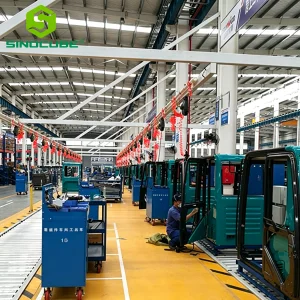
Our state-of-the-art production facilities combine CNC precision, automated welding, and rigorous quality control to manufacture world-class intralogistics hardware.
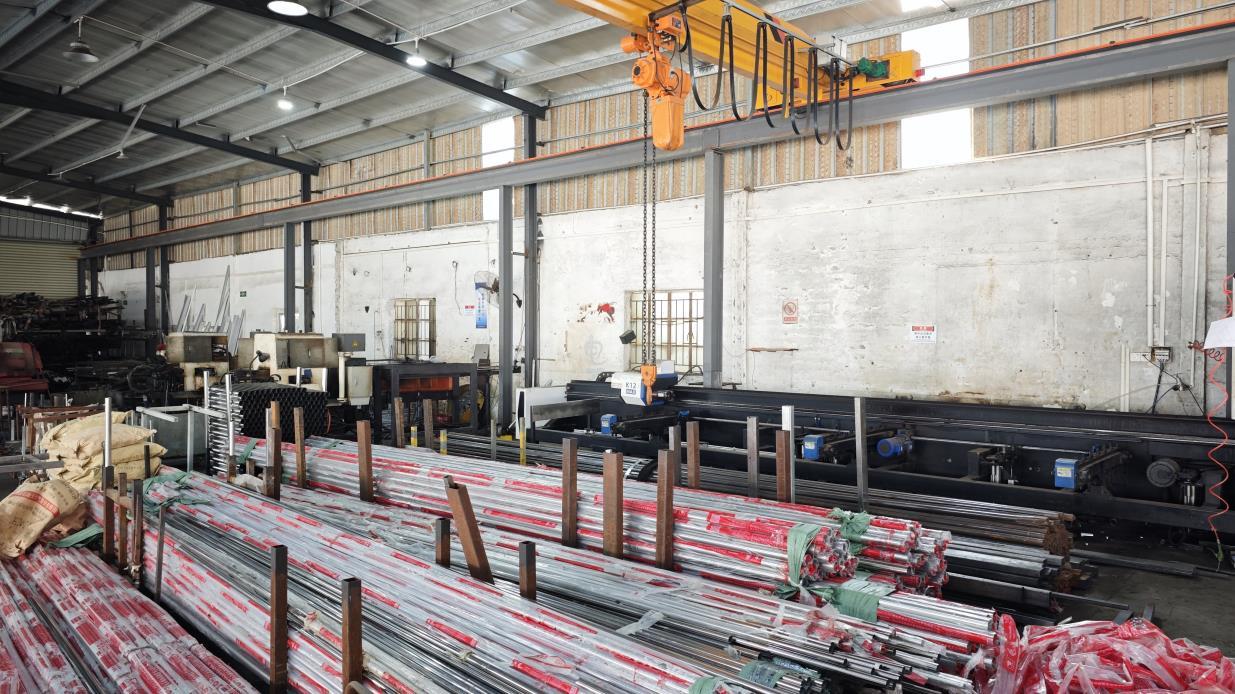
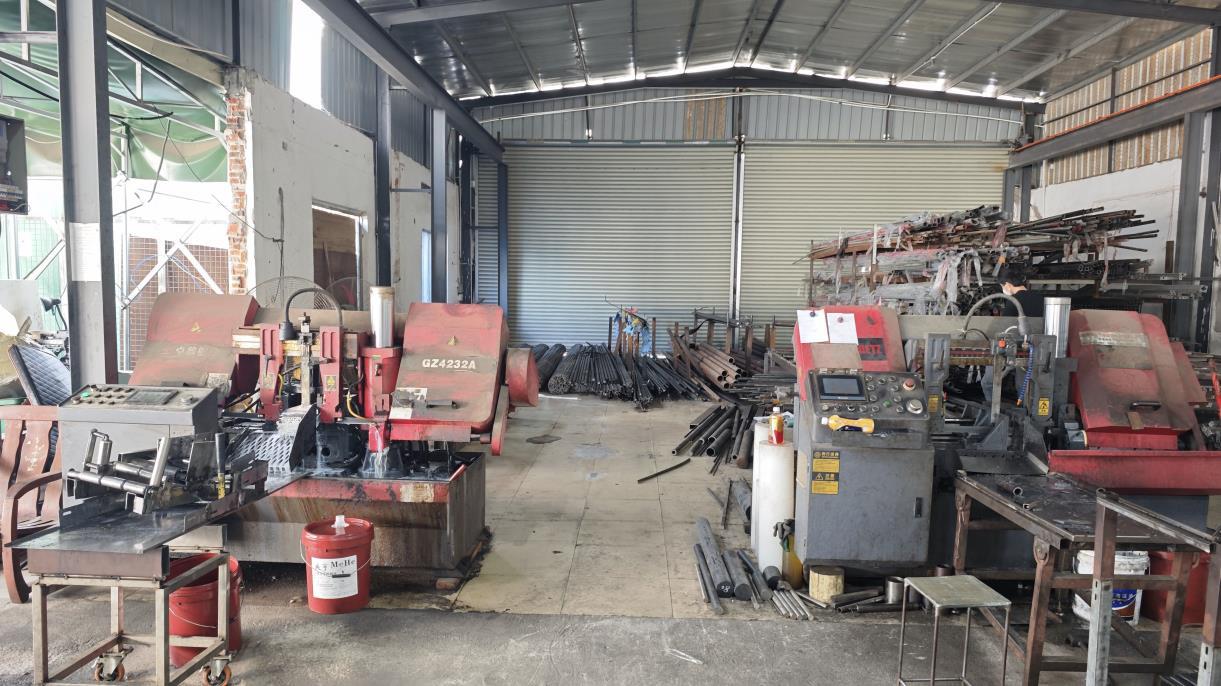
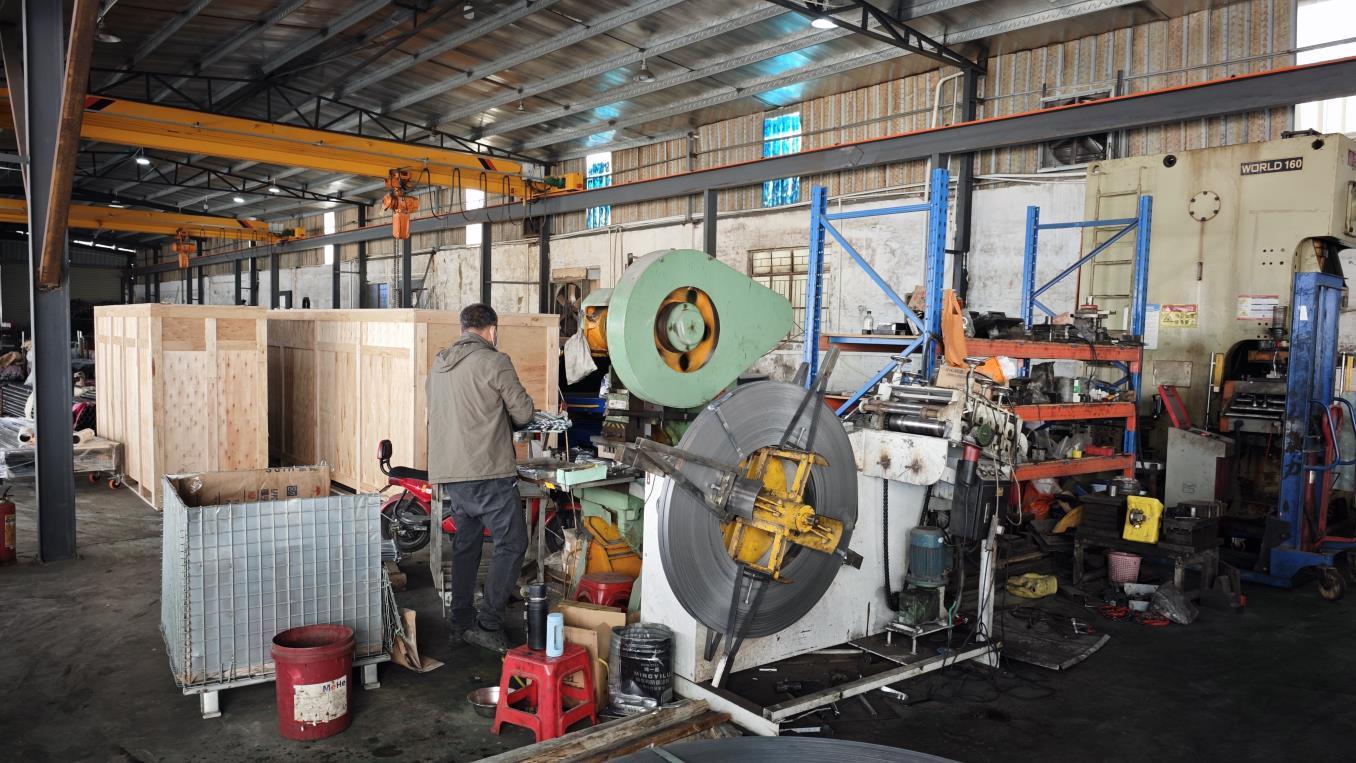
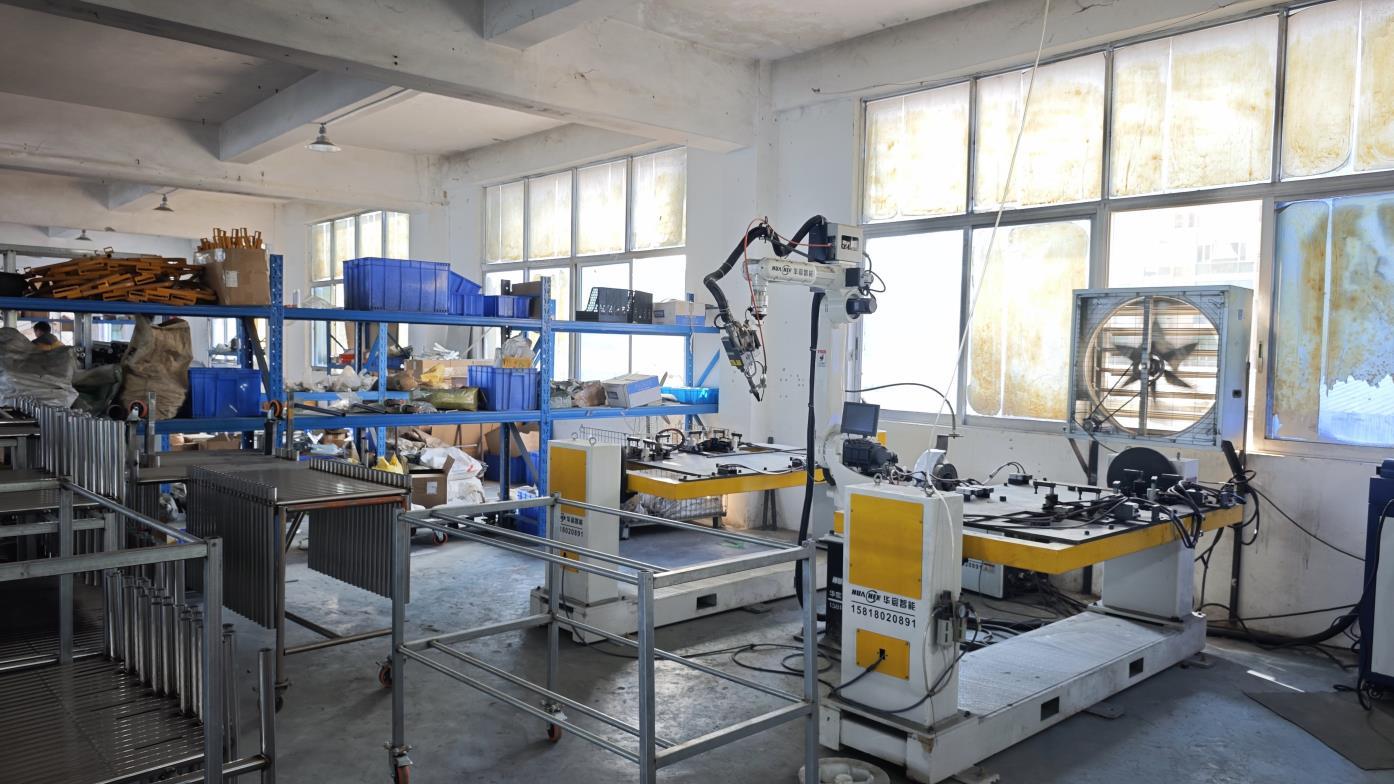
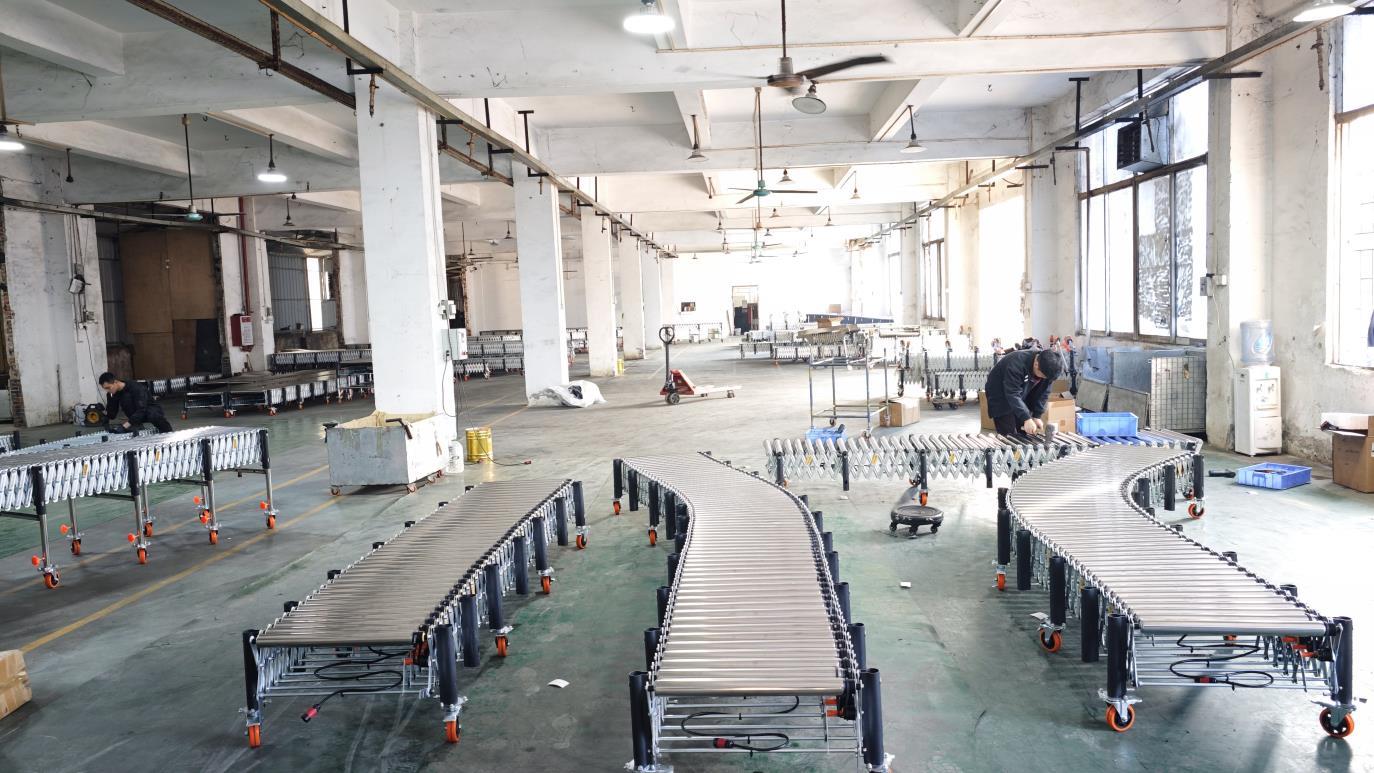
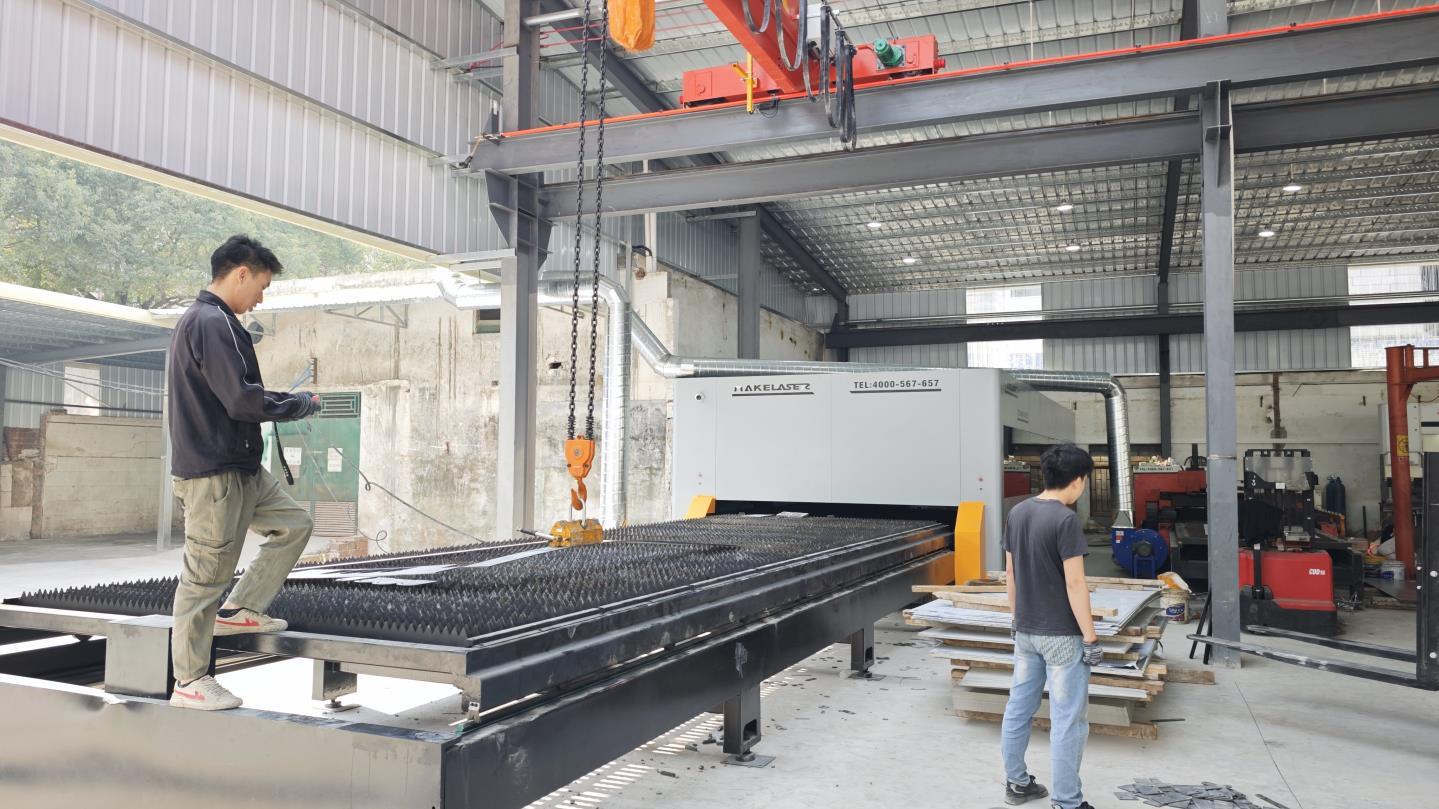
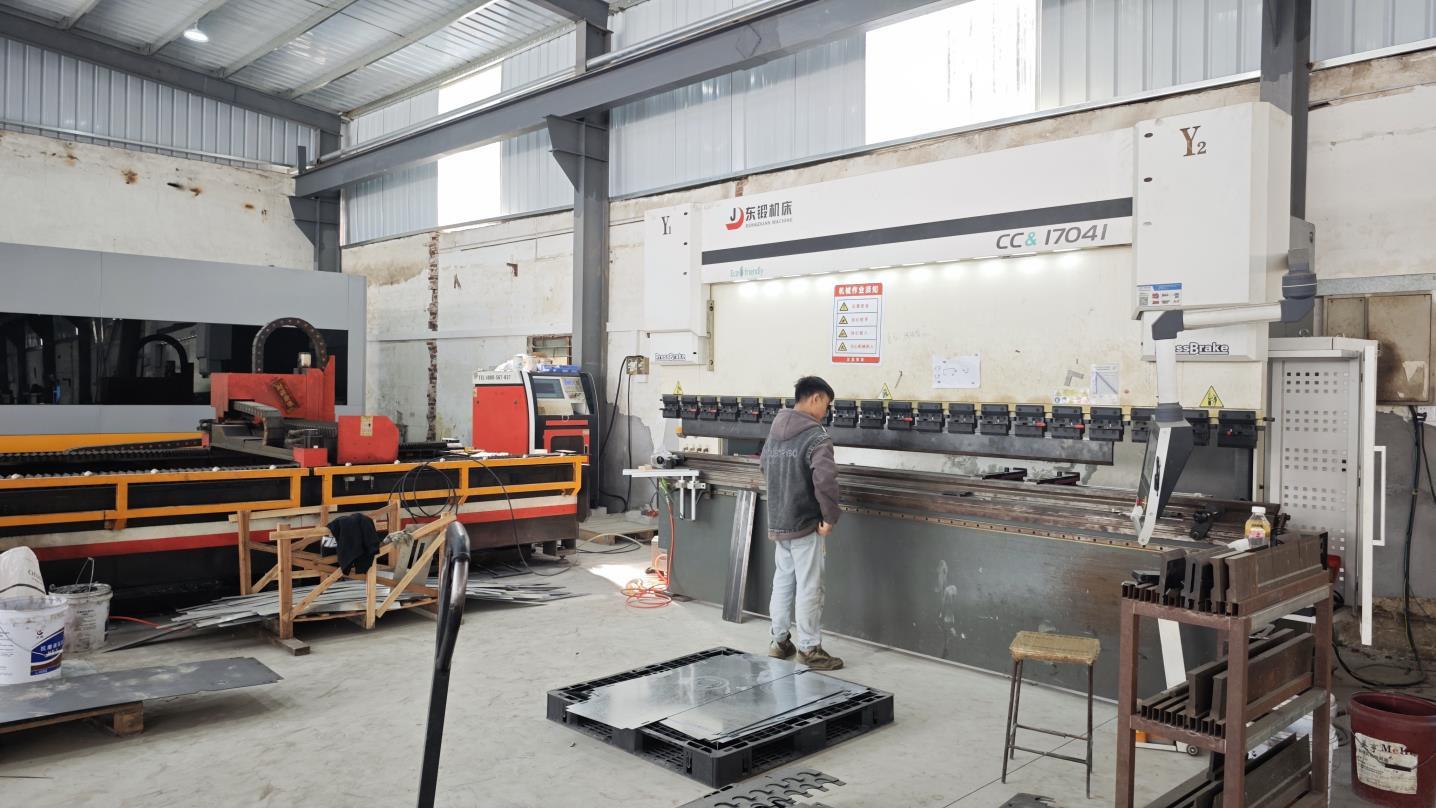
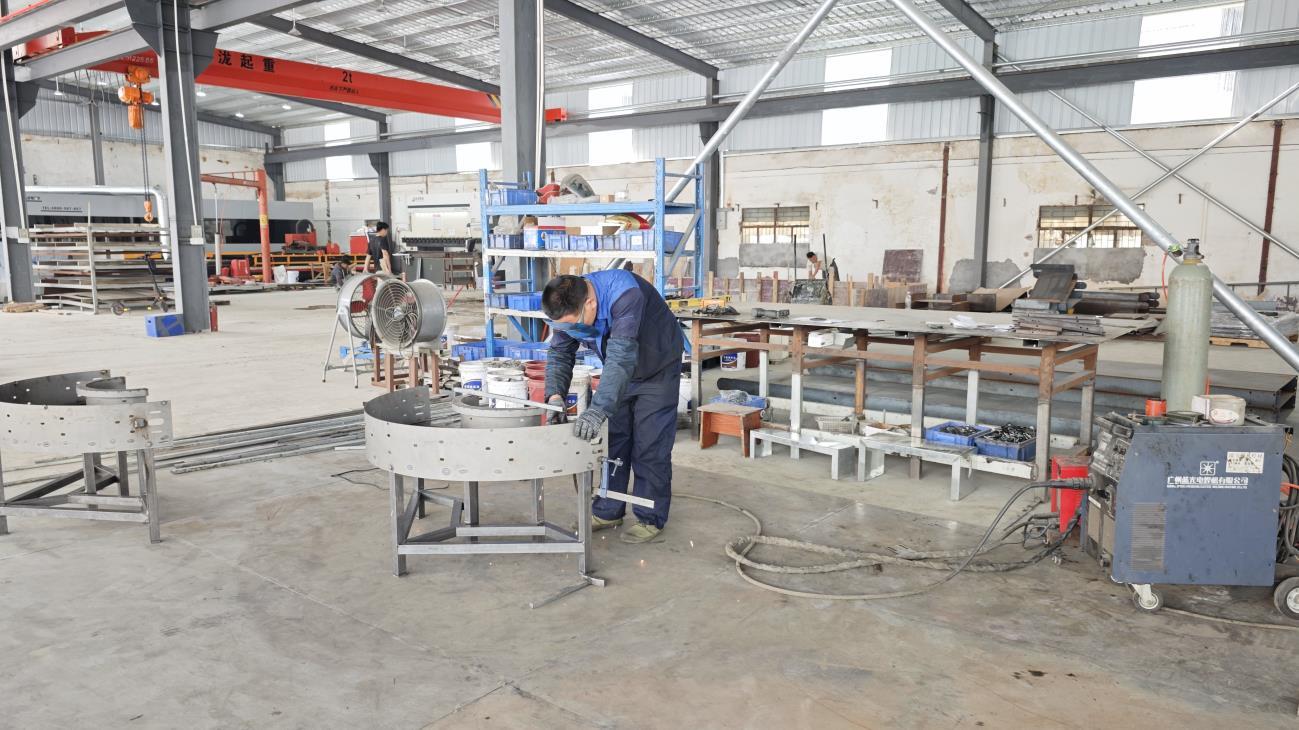
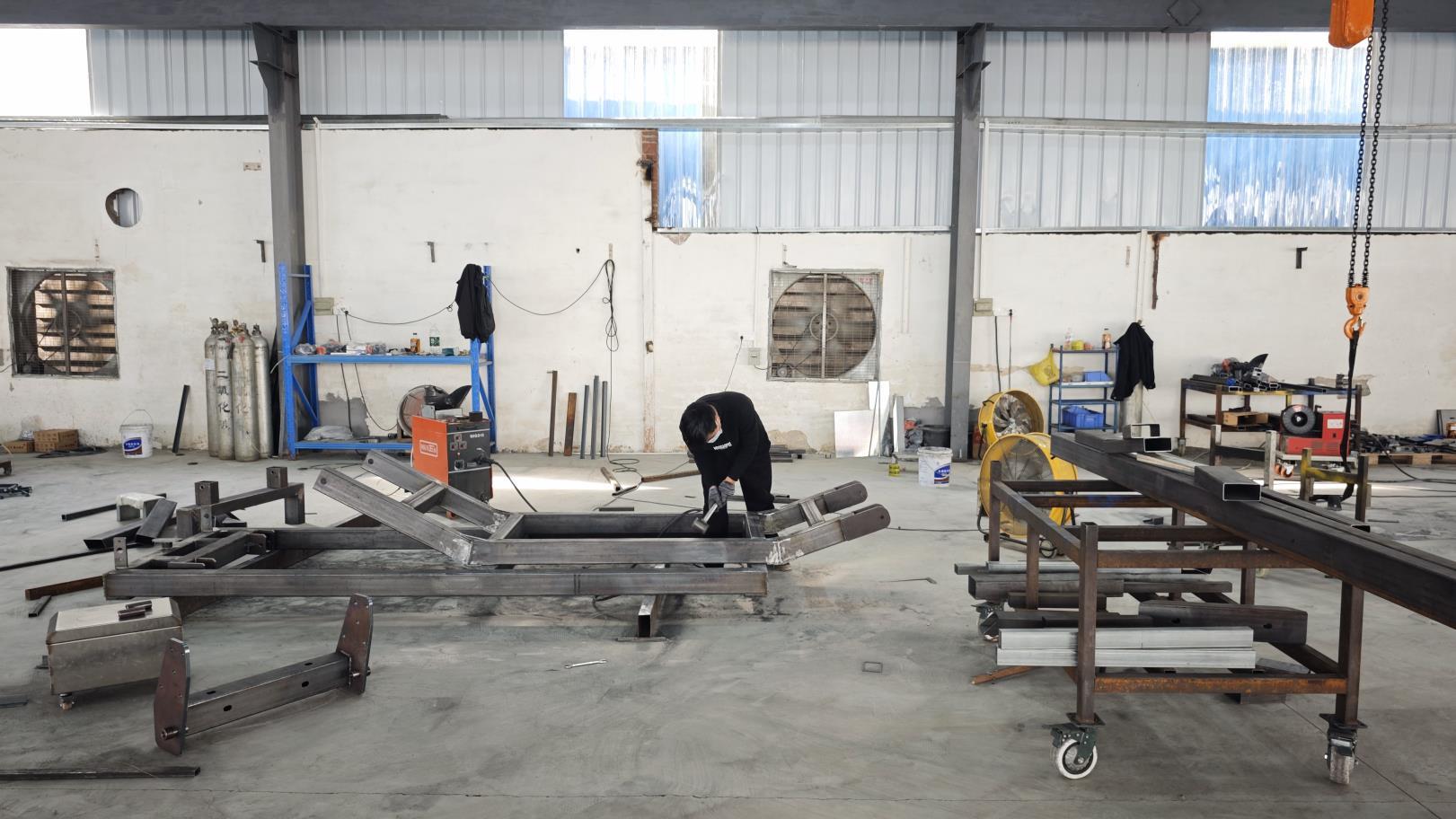
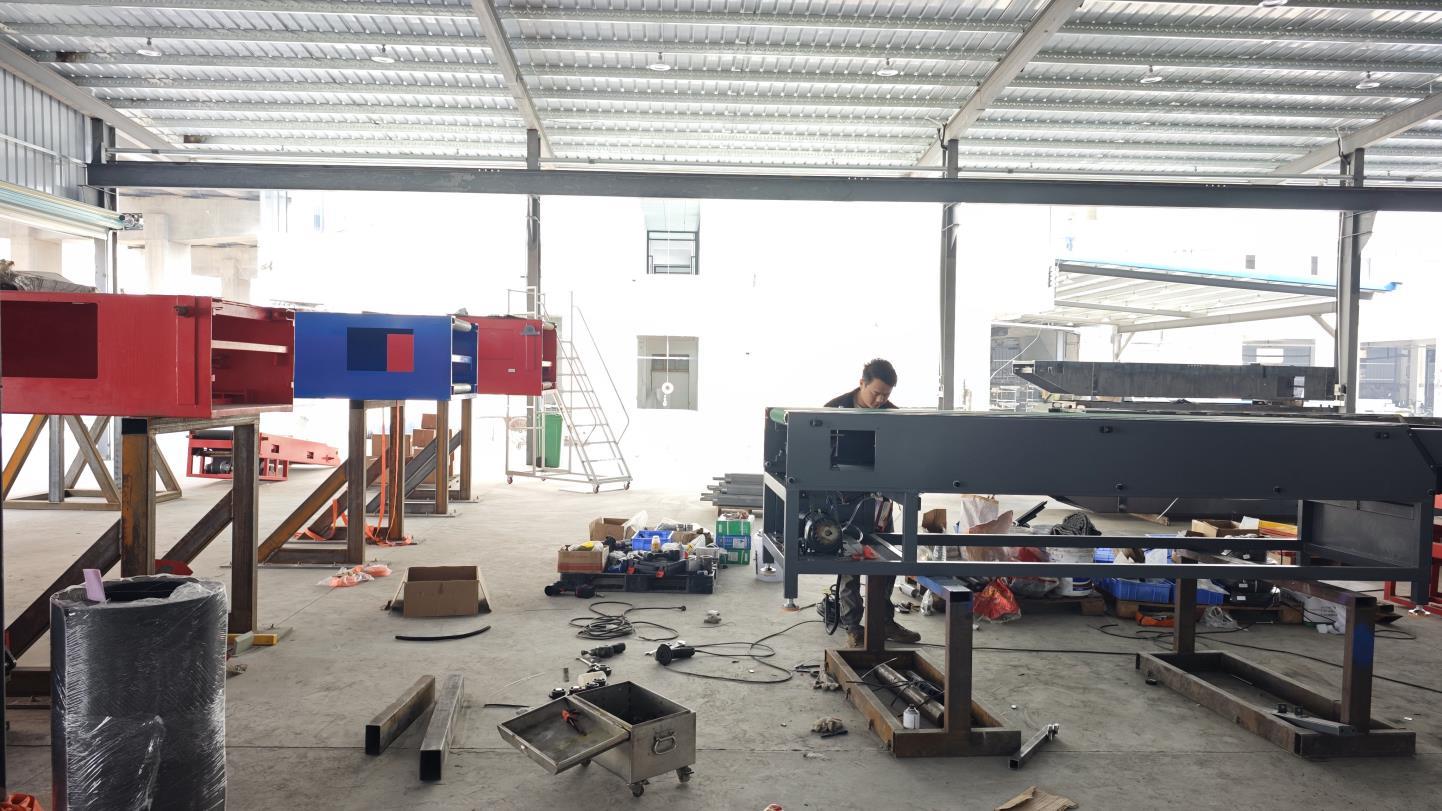
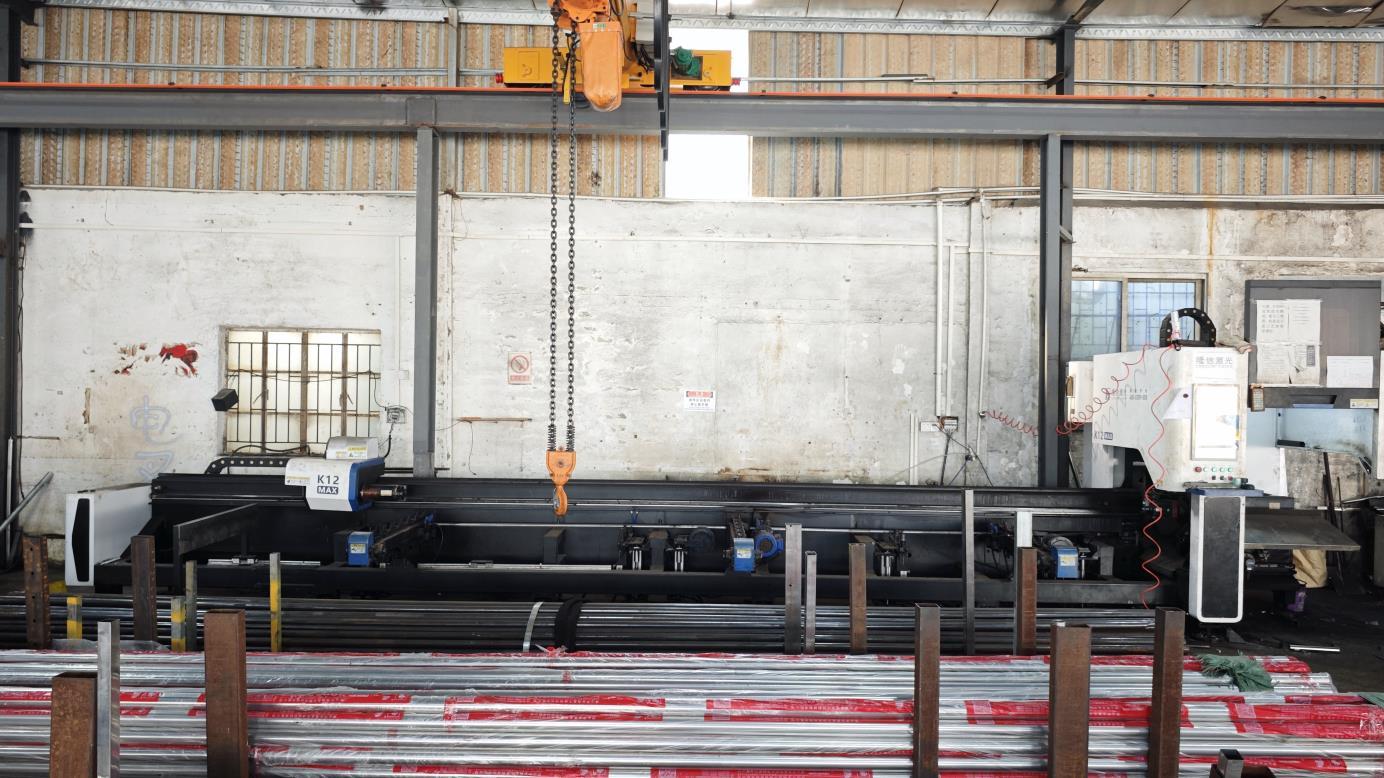
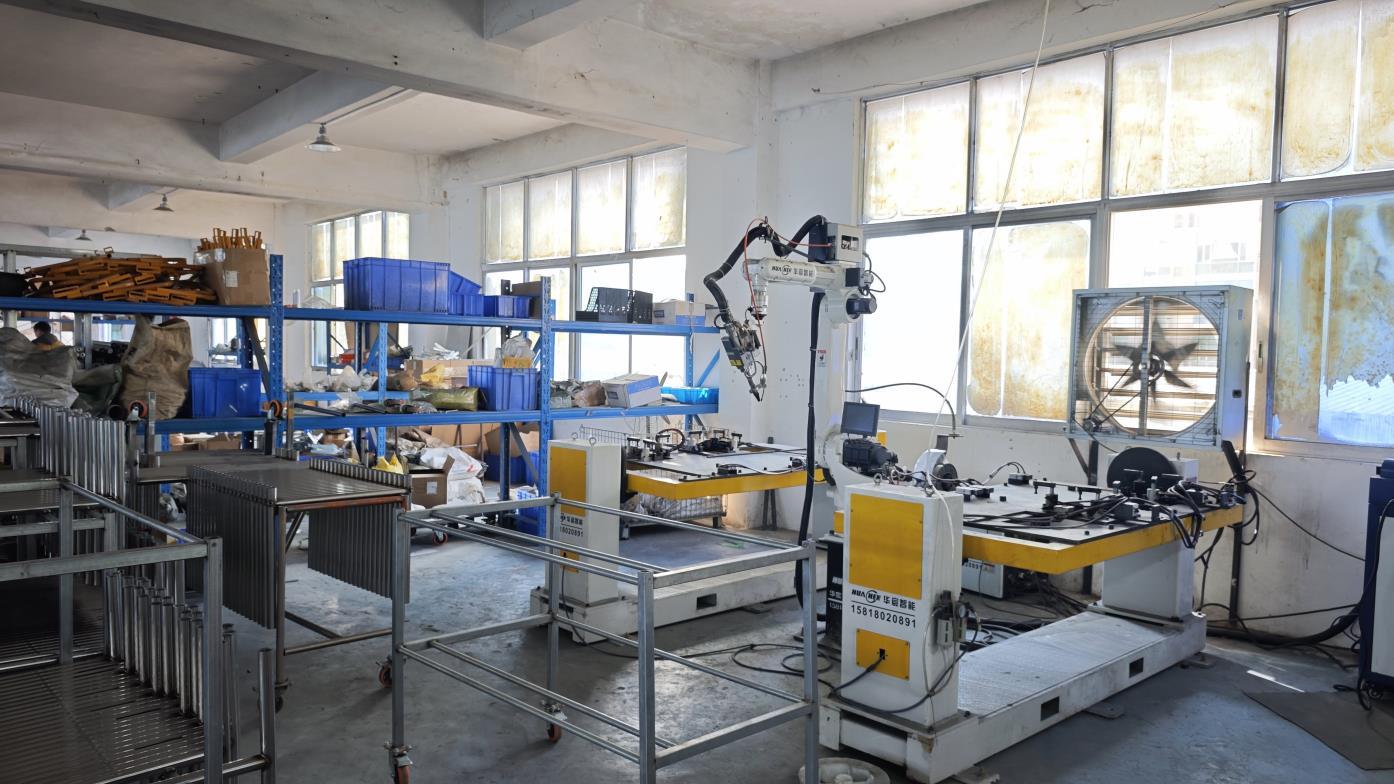
RAB Logistics delivers customized solutions engineered for specific operating environments, storage densities, and throughput requirements.
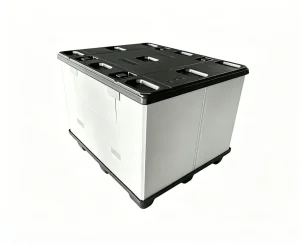
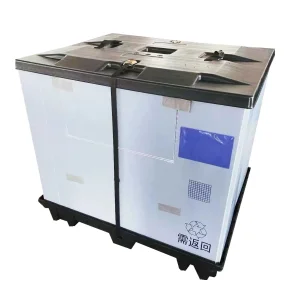
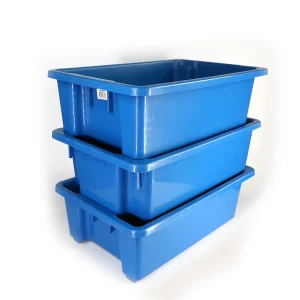
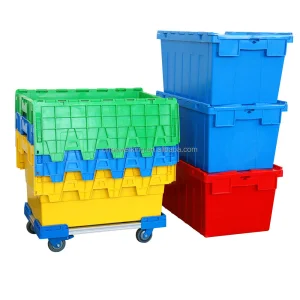
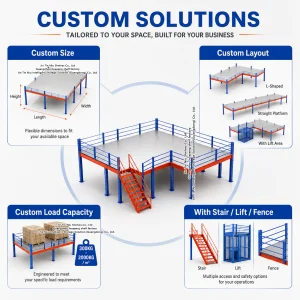
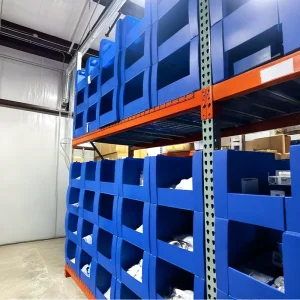
Designed for e-commerce and retail fulfillment hubs handling high SKU counts, this solution pairs structural steel mezzanine platforms with PP Coroplast storage boxes and heavy-duty plastic totes. It supports multi-level manual picking and automated vertical conveyors, maximizing usable floor space while maintaining fast, organized access to smaller inventory items.
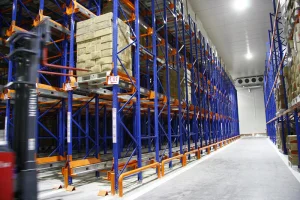
Engineered for high-volume cold storage and industrial warehousing. Pallets are handled by radio shuttle carts running inside heavy-duty racking channels, coordinated by a central Siemens PLC system. This configuration reduces reliance on manned forklifts, minimizes thermal loss in temperature-controlled spaces, and maintains high throughput and storage density.
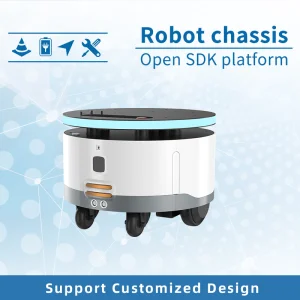
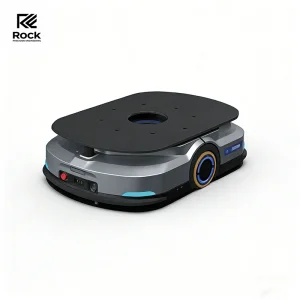
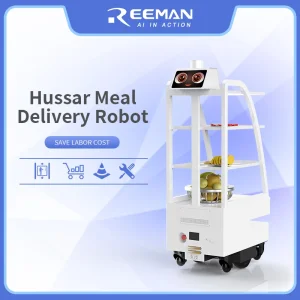
Designed for lean manufacturing plants and high-speed distribution hubs. By deploying autonomous robot mobile bases with 360-degree rotation and payloads up to 600kg, facilities can establish flexible, map-free material routes. The fleet control software recalculates paths on the fly, responding dynamically to changing floor plans and production priorities.
The next generation of smart routing solutions will transition from reactive execution to predictive orchestration. Hangzhou RAB Logistics Co., Ltd. is actively aligning its engineering roadmap with these industry developments:
By building complete virtual replicas of active warehouses, operations managers can simulate routing layout updates and stress-test automated shuttle configurations before making physical changes. This strategy helps identify and resolve potential workflow bottlenecks early.
Future distribution centers will require seamless communication between diverse robotic assets. We are developing unified control protocols to allow AGVs, robotic arms, and radio shuttles from different platforms to safely and efficiently share navigation paths on a single operational map.
Modern smart logistics is focused on reducing waste. By pairing intelligent routing systems with reusable, recyclable plastic pallet collars and sleeve boxes, companies can establish sustainable closed-loop distribution networks, cutting down single-use packaging waste.
Expert insights on system integration, load capacities, architectural planning, and technology migration.
Maximize your spatial utilization and inventory control through high-precision containment and automated transport systems.
 RAB Logistics