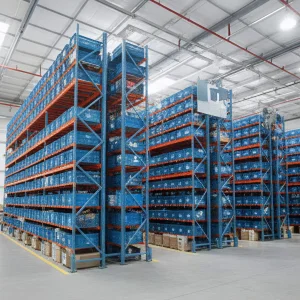
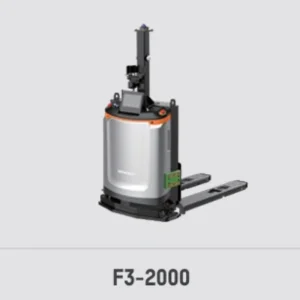
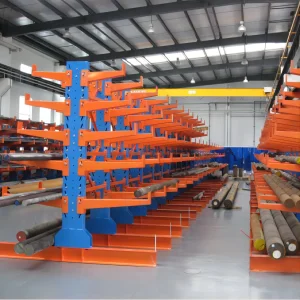
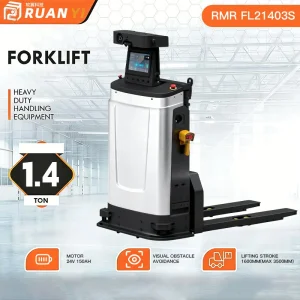
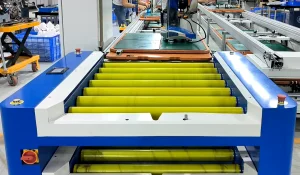
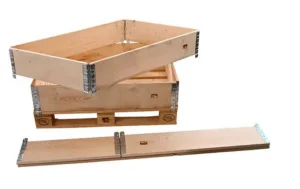
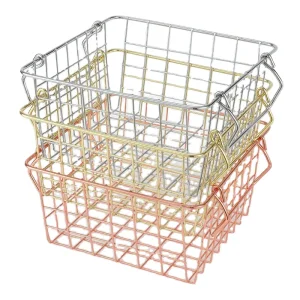
Explore our leading systems designed for high-density logistics, automated robotic transportation, and heavy-duty industrial storage.
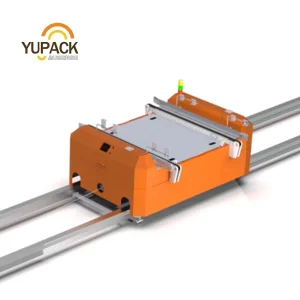
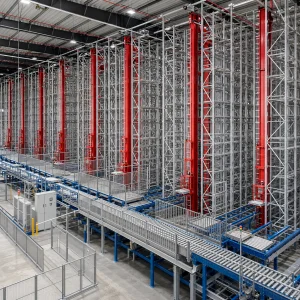
The manufacturing landscape is undergoing a structural transition where precision manufacturing and zero-defect quality control are no longer optional. Automated Inspection Systems (AIS) have transformed from simple post-production checkpoints into integrated, real-time feedback loops. Modern production facilities are merging material transportation, computerized optical verification, and automated storage. This convergence enables factories to identify and isolate anomalies early in the assembly process, reducing cost-to-defect ratios and securing structural efficiency.
For smart logistics operations, automated inspection ensures that storage conditions, item integrity, and pallet orientation are continuously monitored. Systems like high-capacity Automated Storage and Retrieval Systems (AS/RS) and Laser-guided Autonomous Mobile Robots (AMRs) work alongside smart sensors. Together, they create a data-rich operational web that tracks products, ensures physical safety, and maintains complete traceability from raw material entry to final dispatch.
To operate at peak efficiency, an automated facility requires tight synchronization between hardware execution and software decision-making. The technical architecture relies on three primary pillars:
By routing sensor data back to the processing unit, modern operations can adjust tolerances dynamically. This allows the system to accommodate minor material variations while maintaining high safety standards across the facility floor.
China is a hub for industrial automation and mechanical systems due to its mature supply chains, skilled technical workforce, and rapid production cycles. The country's specialized industrial clusters allow for quick prototyping, efficient material sourcing, and scaled manufacturing. The integration of structural steel fabrication with electronic controller assembly enables Chinese factories to deliver durable, high-capacity warehousing systems.
By streamlining operations from raw material processing to final assembly, Chinese suppliers can handle large-scale projects without compromising delivery times. The local supply chain network reduces component transit times, allowing factories to source, machine, and assemble complex machinery efficiently. This geographic and operational centralization helps global clients secure high-performance industrial equipment while keeping capital costs manageable.
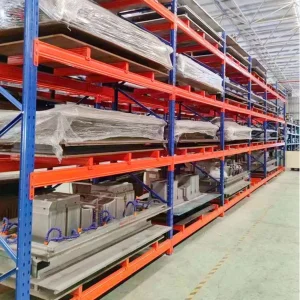
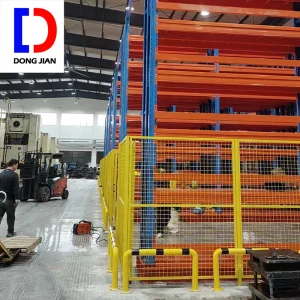
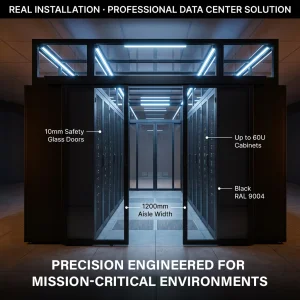
To highlight the practical utility of automated inspection and logistics equipment, we look at several specialized, high-performance environments:
Your strategic partner in building smarter warehouses, optimizing supply chains, and driving long-term operational growth.
Hangzhou RAB Logistics Co., Ltd. is a professional provider of intelligent warehousing and modern logistics solutions. Built on years of industry experience and continuous technological innovation, RAB Logistics is committed to helping enterprises transform traditional warehouse operations into highly automated, data-driven, and efficient supply chain systems.
Since its establishment, the company has focused on integrating advanced logistics technologies such as Warehouse Management Systems (WMS), Automated Storage and Retrieval Systems (AS/RS), AGV/AMR robotics, intelligent sorting systems, and real-time data visualization platforms. These solutions enable clients to achieve higher operational accuracy, faster fulfillment speed, and significantly reduced logistics costs.
With strong capabilities in system consulting, solution design, equipment integration, software development, and project implementation, Hangzhou RAB Logistics Co., Ltd. delivers end-to-end intelligent logistics solutions tailored to diverse industry needs. Our expertise ensures seamless coordination between hardware and software, creating scalable and future-ready warehouse infrastructures.
RAB Logistics serves a wide range of industries including manufacturing, cross-border e-commerce, fast-moving consumer goods (FMCG), pharmaceuticals, and automotive parts. Our solutions are trusted for their stability, innovation, and proven performance in complex, high-demand environments.
By choosing Hangzhou RAB Logistics Co., Ltd., you are selecting a long-term strategic partner dedicated to building smarter warehouses, optimizing supply chains, and empowering businesses with sustainable competitive advantages in the era of intelligent logistics.
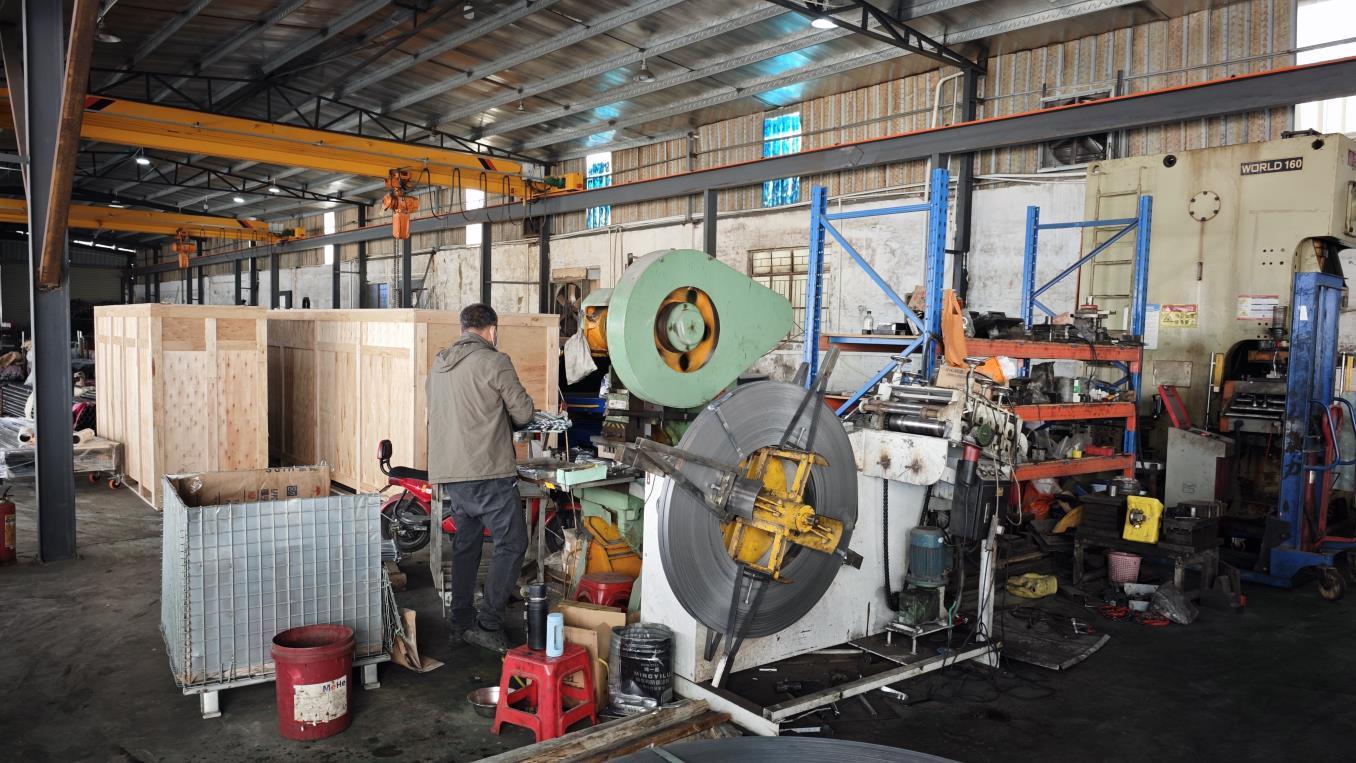
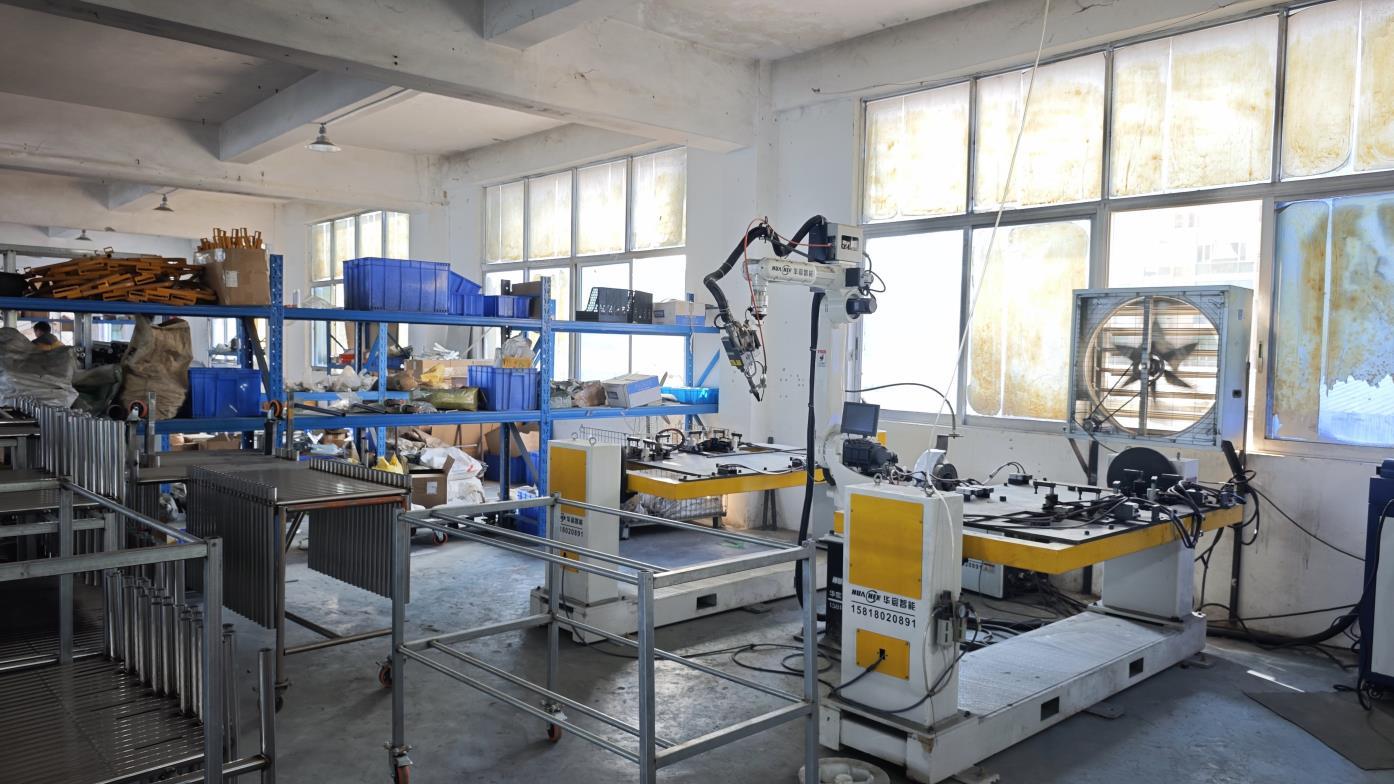
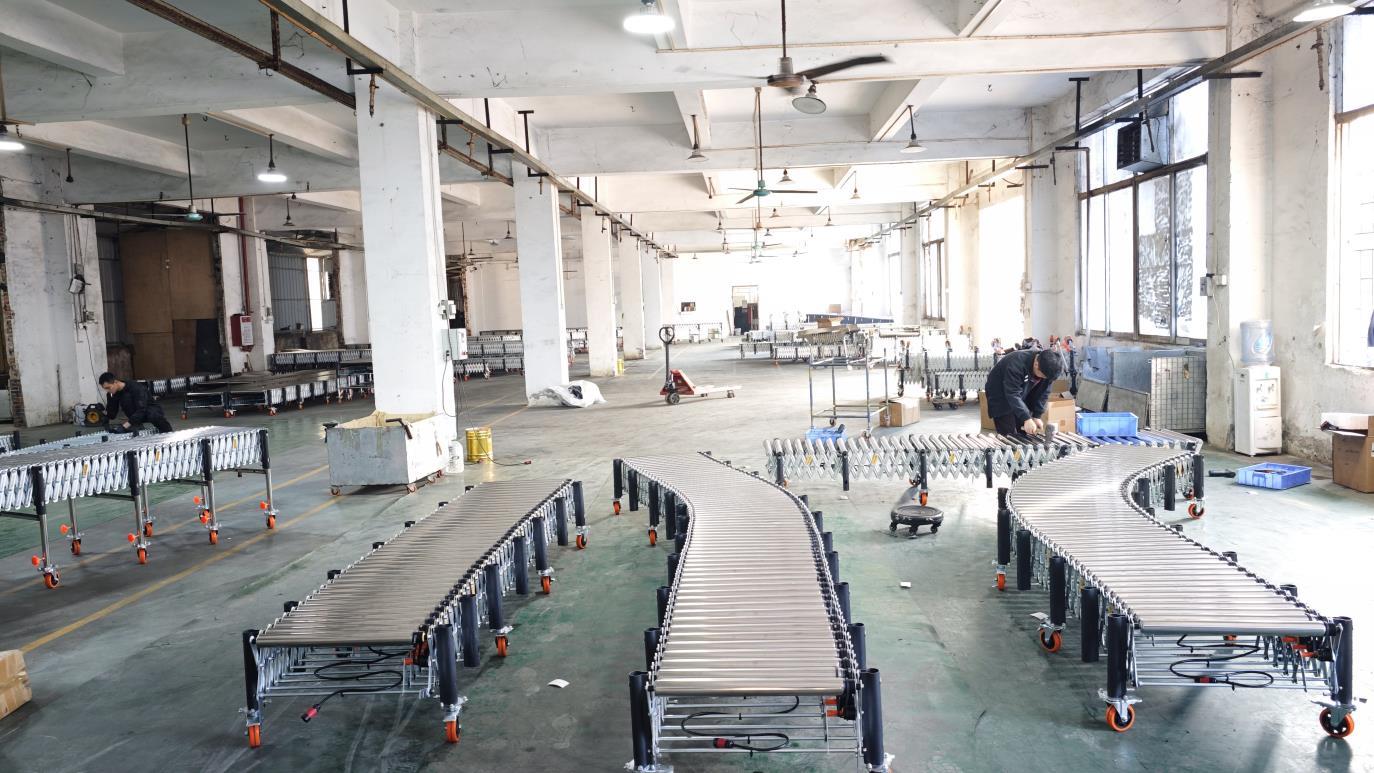
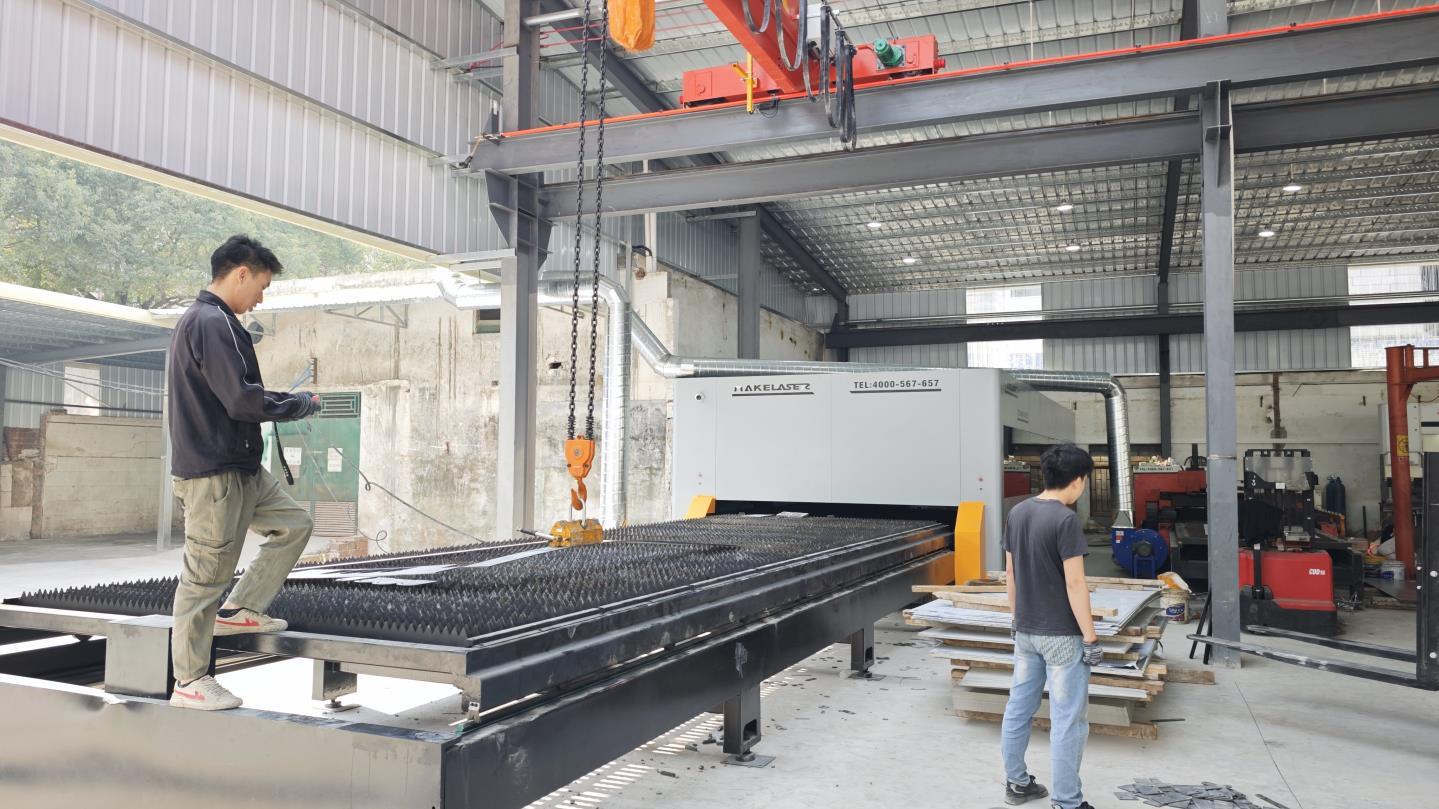
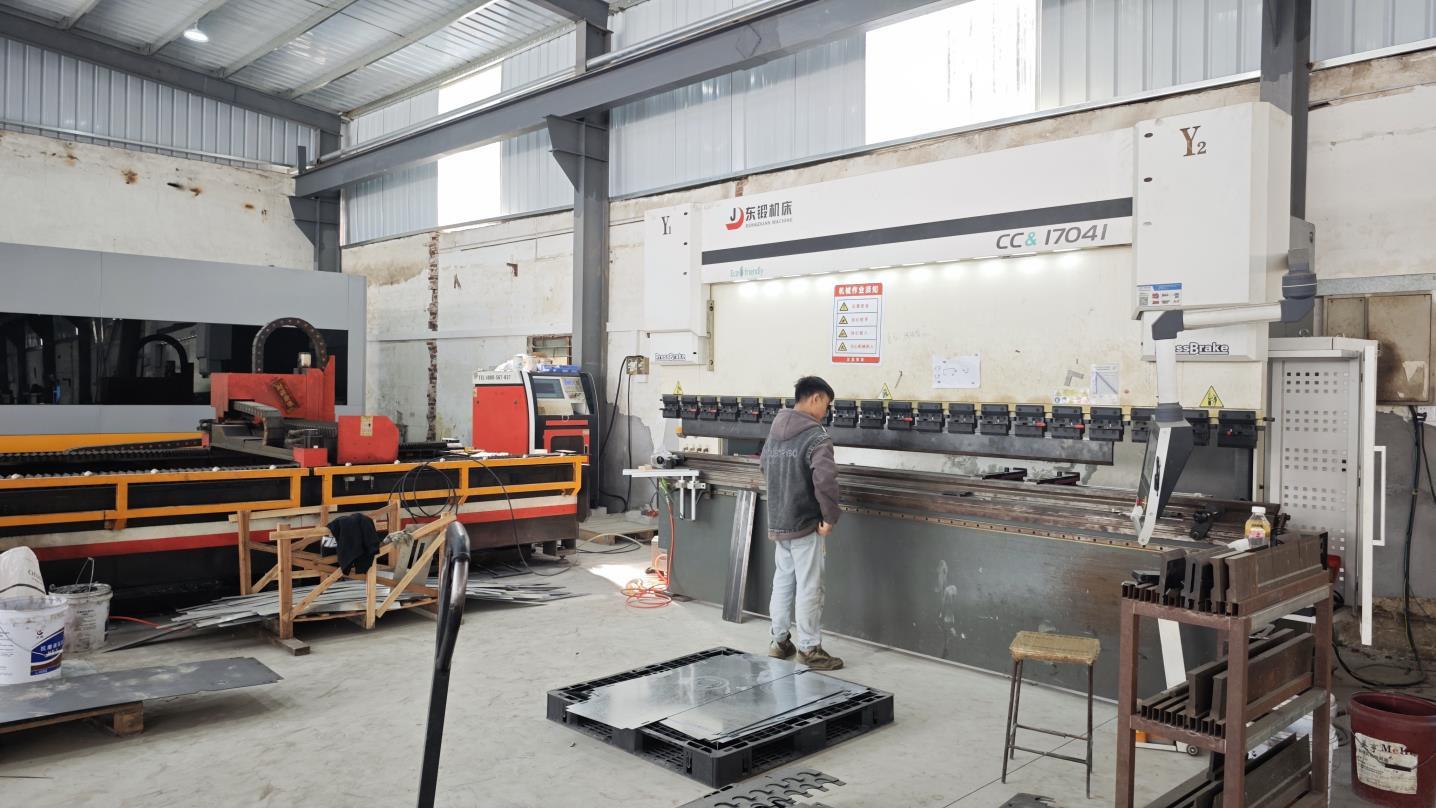
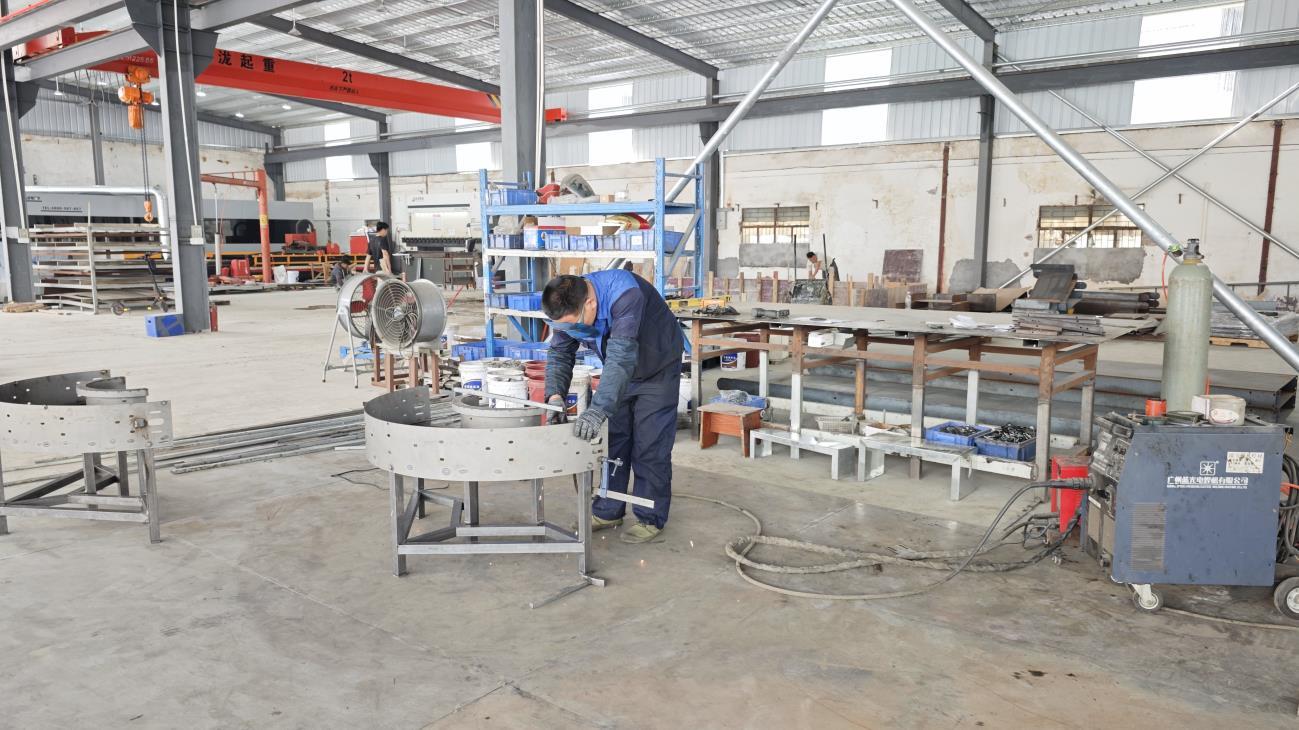
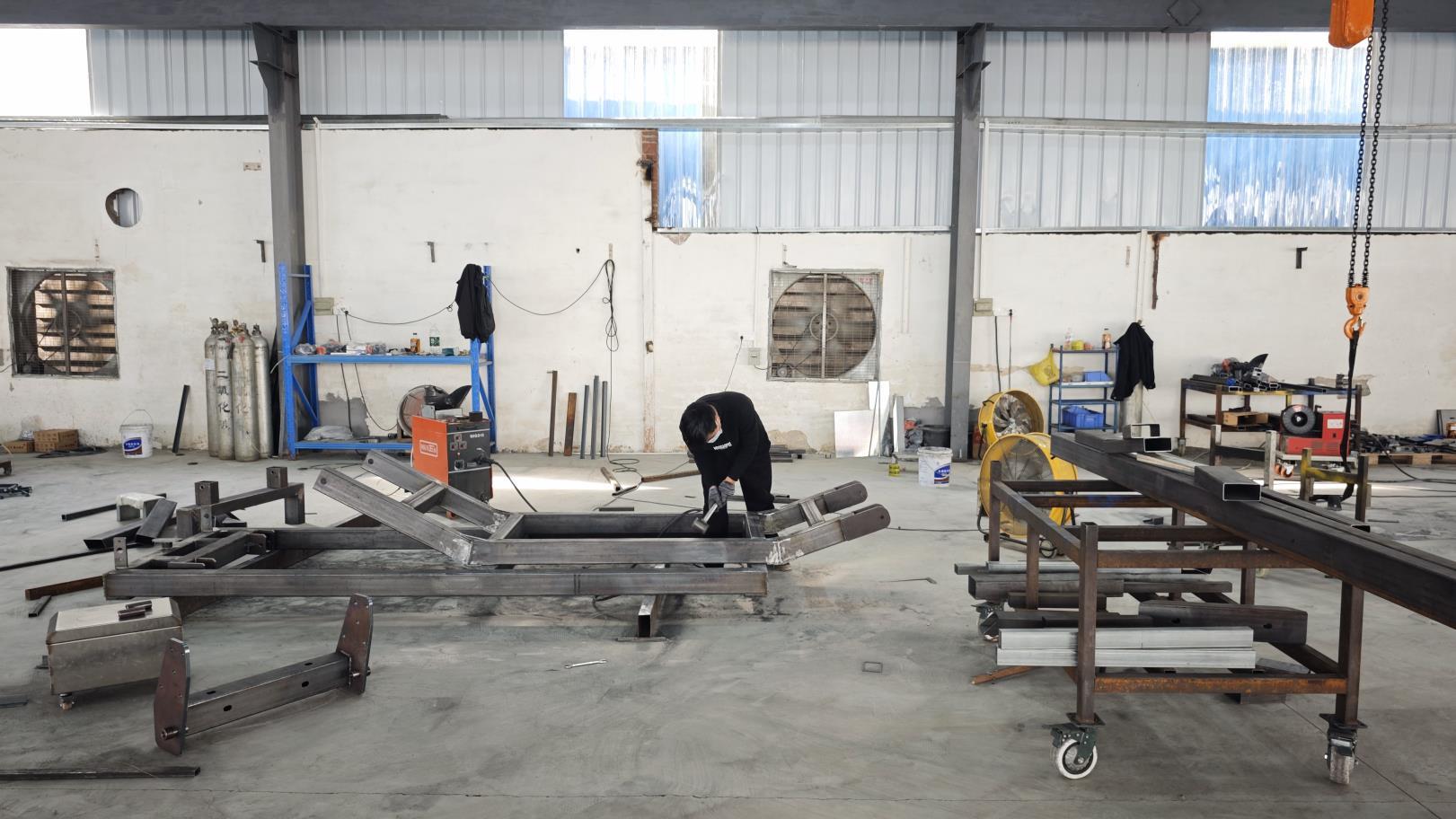
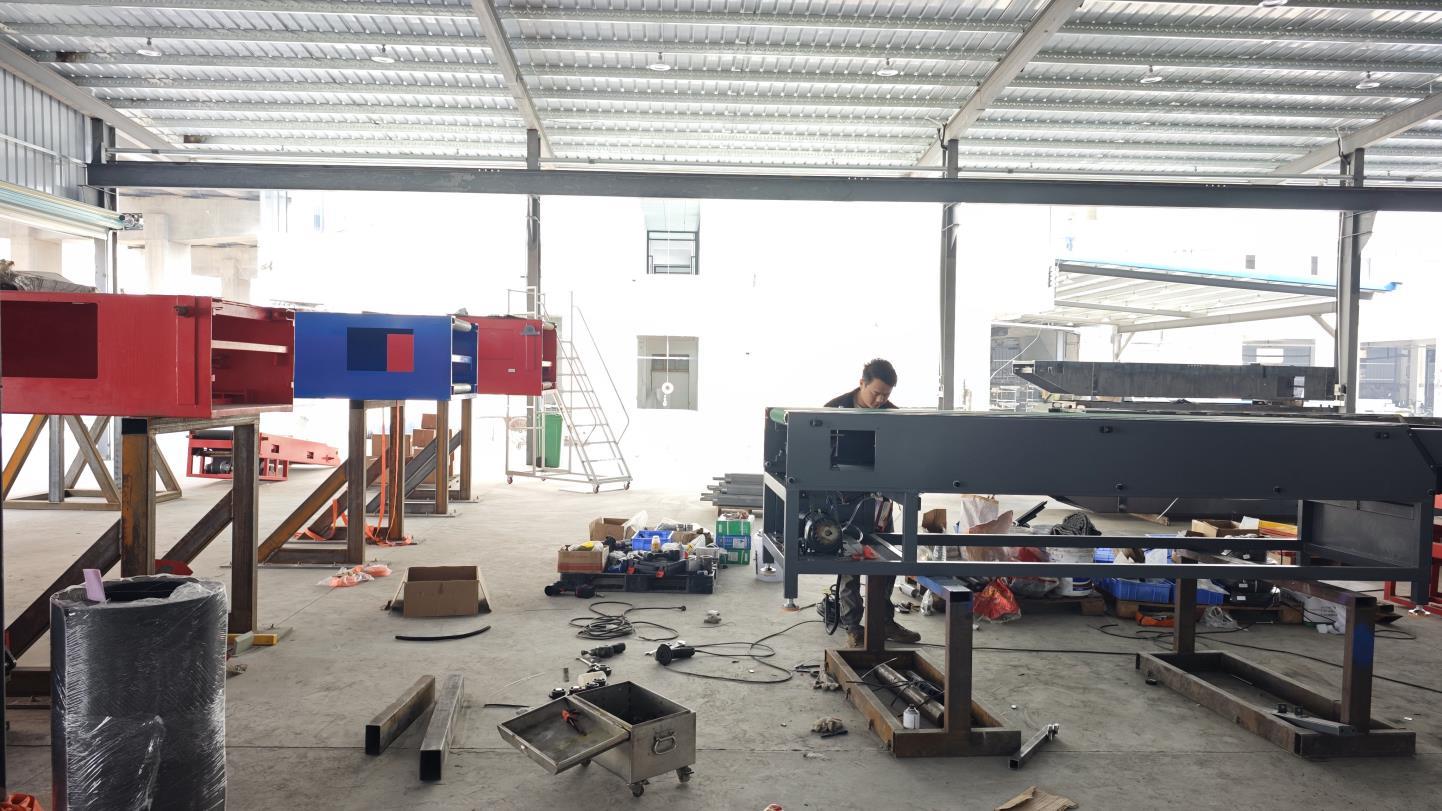
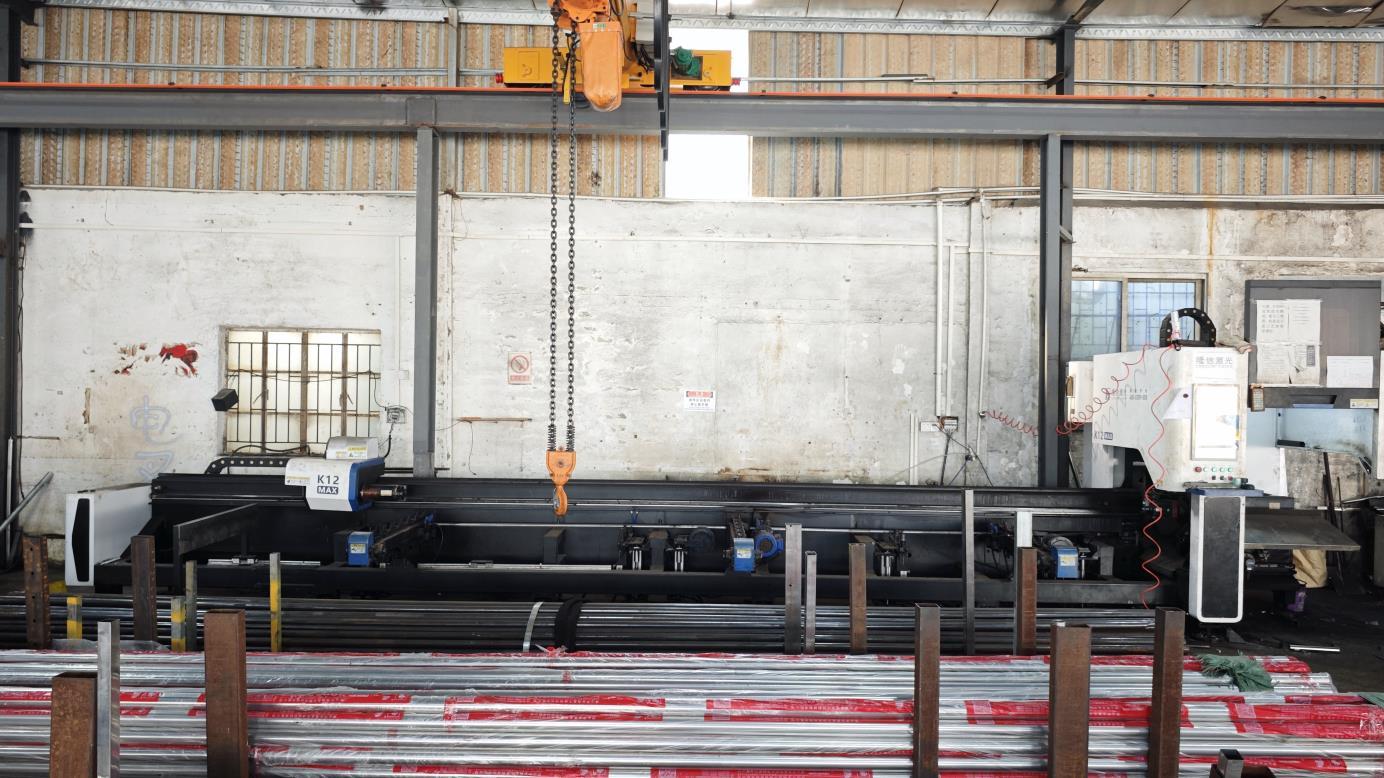
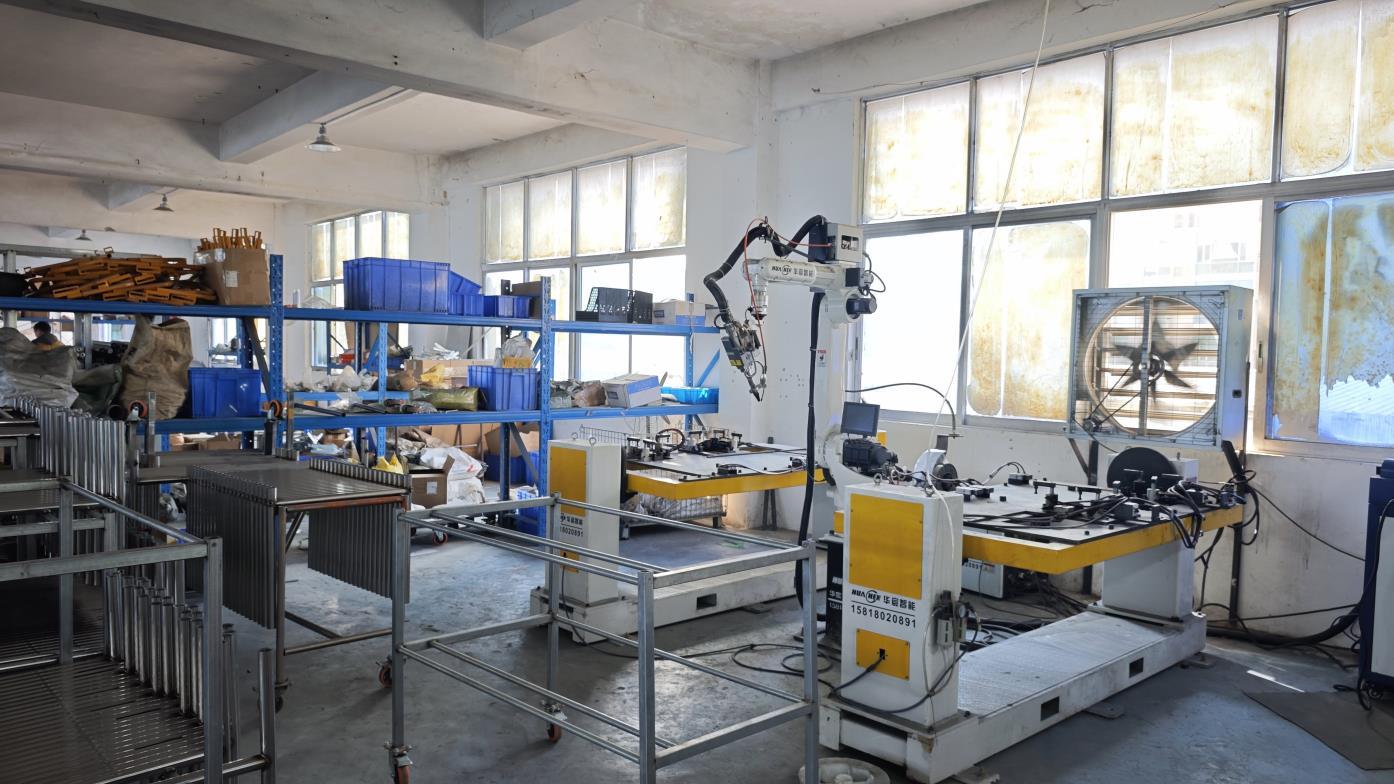
Take a closer look at our production floor, where modern CNC machinery and skilled engineering teams build durable logistics equipment.
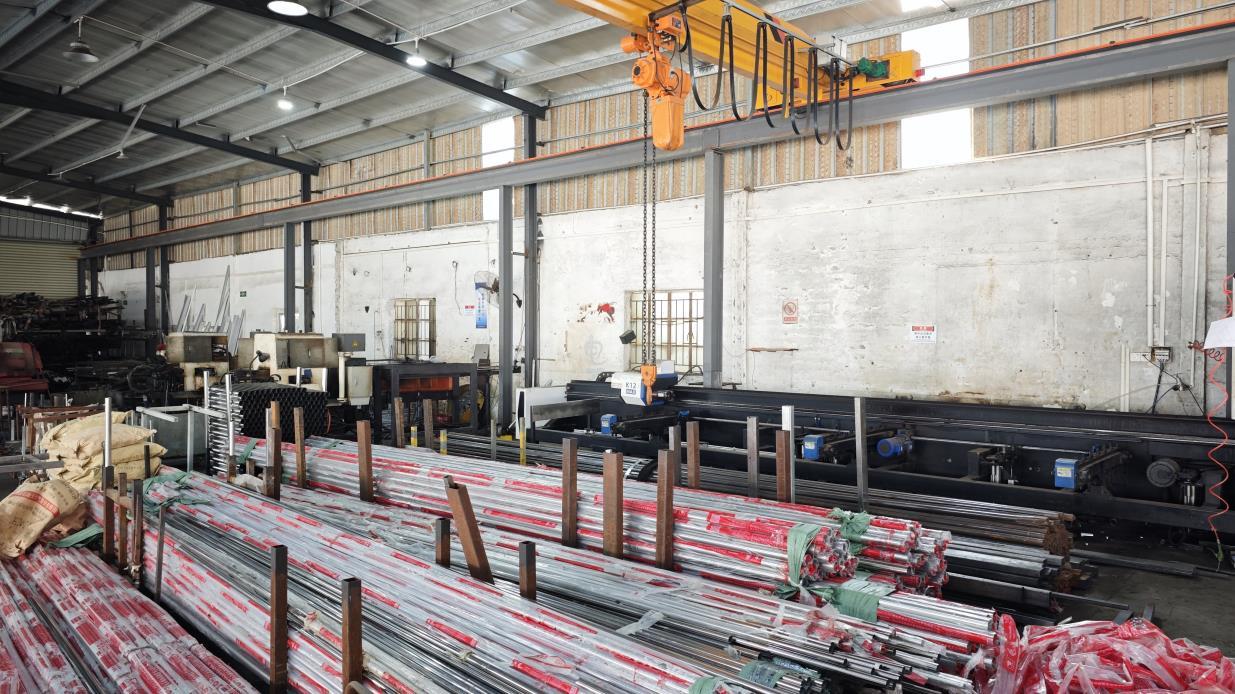
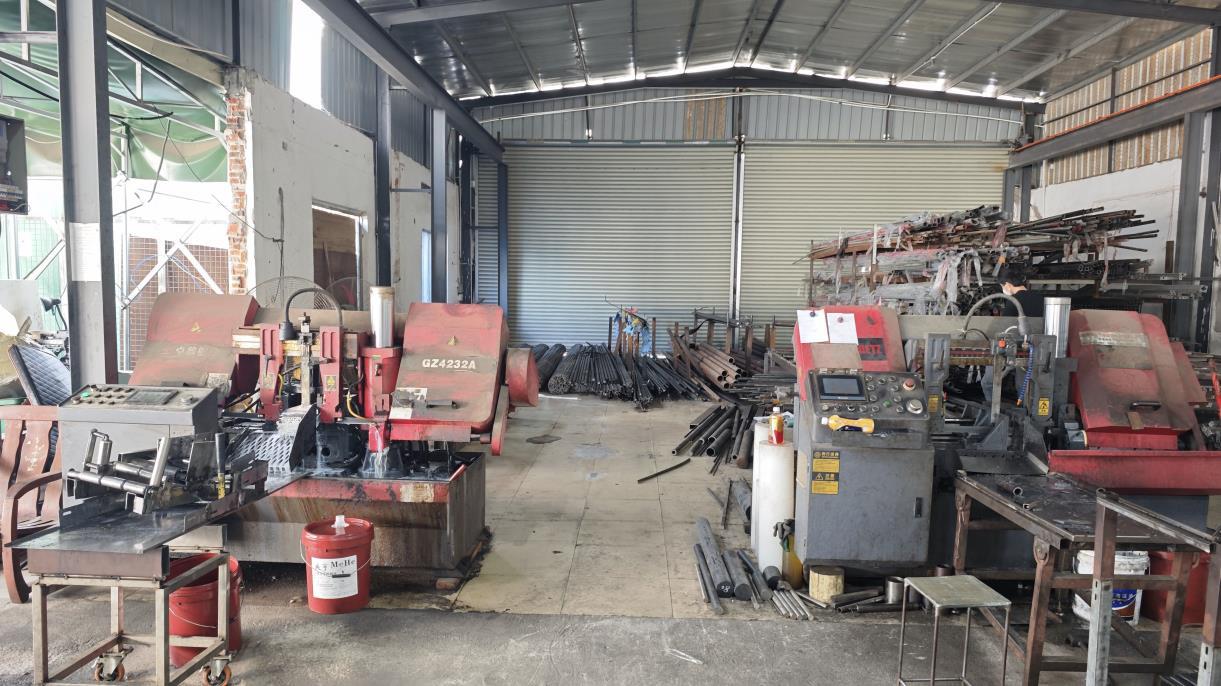
Deploying automated logistics systems in global markets requires adherence to international safety and structural standards. High-density racking systems, AGVs, and AS/RS installations must comply with strict mechanical load, software integration, and structural guidelines to operate safely and effectively.
Our global services cover the entire project lifecycle, helping clients build reliable warehouse infrastructures:
Answers to common questions regarding automated logistics systems, integration steps, and factory customization options.
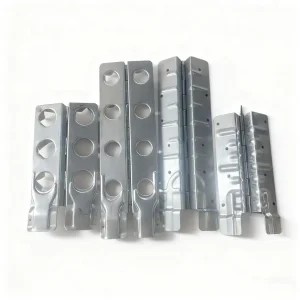
Browse our selection of specialized logistics equipment, high-density storage solutions, and durable hardware components.
 RAB Logistics