As the logistics landscape evolves, the question arises: when should a warehouse switch to automation? Industry experts suggest that automation can boost efficiency by up to 30%, significantly impacting operational costs and productivity. Reports indicate that warehouses using automated systems experience a 50% reduction in labor costs. The decision timeline varies depending on several factors, such as order volume, workforce availability, and inventory complexity.
Many warehouses struggle with manual processes, often leading to errors and delays. These inefficiencies can hinder growth and customer satisfaction. In this context, assessing when to adopt automation becomes critical. A recent study found that over 70% of warehouses lack automated solutions, which may be a missed opportunity. However, the transition is not without challenges. It requires investment in technology and training, which can be daunting for some operations.
Understanding when to make this shift involves careful evaluation. Market conditions, scalability, and long-term goals play vital roles. Ultimately, determining the right moment to integrate automation can set a warehouse on a path to enhanced performance and competitiveness.
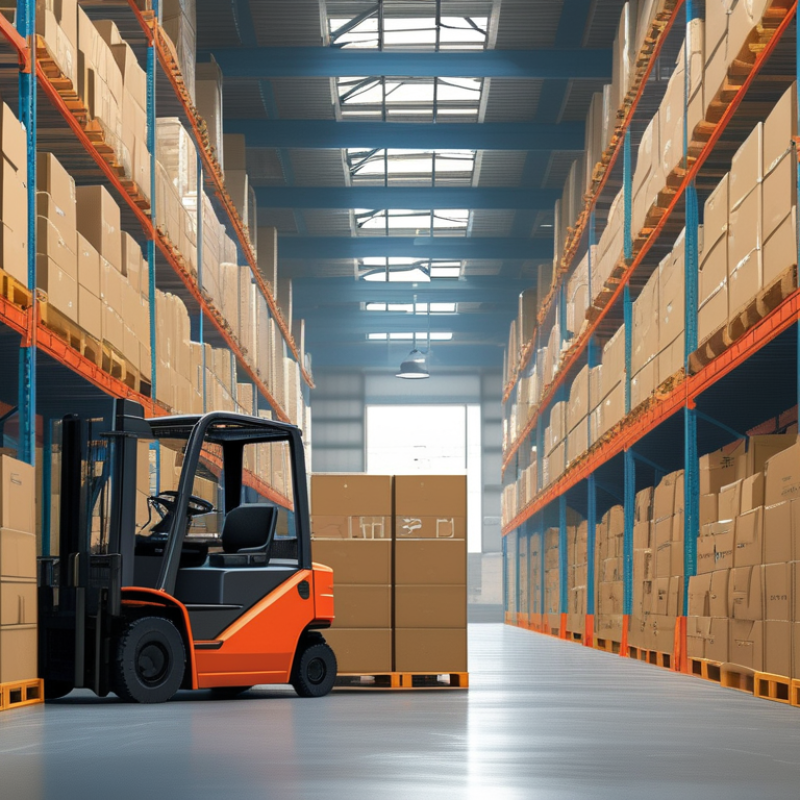
Recognizing the need for warehouse automation in operations is crucial for enhancing efficiency. Look for signs that indicate an overwhelmed workforce. If staff frequently work overtime to meet demands, it may be time to consider automation solutions. Manual tasks can lead to fatigue and errors, ultimately hindering productivity. Striking a balance is essential, especially as order volumes grow.
Analyze operational bottlenecks closely. Are there persistent delays in picking and packing processes? Identifying repetitive tasks is important. Automation can streamline these areas and reduce the time taken to process orders. However, not every operation is ready for a complete overhaul. A gradual transition might be more effective, and there can be hurdles in integrating new technology.
Cost is another factor to reflect on. Initial investment can be high, yet long-term savings from increased efficiency are often significant. Evaluate current systems meticulously. Assess your capacity for training staff on new technology. It’s important to ensure that everyone is on board with the changes to avoid disruption. Each warehouse is unique; what works for one may not suit another.
As warehouses face increasing demands, knowing when to switch to automation becomes crucial. Key efficiency metrics provide insight into this decision. One important metric is order fulfillment time. When fulfilling orders takes longer than expected, it's time to evaluate options. Long lines and waiting times affect customer satisfaction.
Another metric is inventory accuracy. If stock discrepancies are frequent, this creates costly issues. Automated systems can enhance inventory tracking, minimizing errors. Additionally, consider labor costs. If wages are rising or skilled labor is scarce, automation can offset expenses, ensuring profitability.
Despite benefits, automation isn't without challenges. Initial investment can be significant. Integration with existing systems often brings unforeseen complications. Understanding these dynamics is essential for making informed decisions. Evaluate your warehouse's unique needs carefully before taking the plunge. Reflect on questions about potential disruptions and training needs. Balancing risk and reward is crucial for effective warehouse operations.
| Metric | Current Value | Industry Benchmark | Recommended Action |
|---|---|---|---|
| Order Fulfillment Rate | 70% | 90% | Consider automation to improve efficiency |
| Average Order Processing Time | 2 days | 1 day | Implement automation solutions to streamline processes |
| Inventory Accuracy | 85% | 98% | Upgrade to automated inventory systems |
| Labor Costs as a Percentage of Revenue | 30% | 20% | Consider automation for cost reduction |
| Space Utilization | 60% | 75% | Assess automated storage solutions |
When considering automation in warehousing, evaluating labor costs versus automation investment is crucial. Labor costs have risen steadily. This trend has led many warehouses to analyze their workforce expenses. For instance, hiring skilled workers often incurs higher costs. Additionally, employee turnover rates can be unpredictable and costly. Automation, on the other hand, requires significant upfront investment. Initial costs for technology and equipment may seem daunting. Yet, the long-term savings in operational efficiency can be substantial.
Implementing automated systems can streamline processes. These systems can reduce human error and speed up order fulfillment. However, switching to automation poses challenges. Staff may resist change, fearing job loss. Training employees to work alongside new technologies can also be time-consuming. Businesses must weigh these factors carefully. A thoughtfully planned transition can lead to increased productivity.
Costs and efficiency must be evaluated constantly. The return on investment may not be immediate. Over time, automation may yield significant benefits. However, it’s essential to possess the expertise to manage this transition. In the end, each warehouse must find its balance between human labor and automation to optimize efficiency.
The decision to automate a warehouse largely hinges on order volume. When the number of orders rises significantly, so does the need for speed and efficiency. A warehouse managing thousands of orders daily may struggle without automation. Manual processes can slow down operations, leading to delayed deliveries. This situation risks customer dissatisfaction.
To determine if it's time to automate, let’s focus on specific metrics. If order fulfillment time exceeds the company’s targets, automation could provide a solution. Automation reduces human error in picking and sorting tasks. Automated systems can work around the clock, increasing productivity. This is particularly crucial during peak seasons when order volume surges dramatically.
However, not all warehouses benefit from automation immediately. Transitioning to automated processes requires planning and investment. In some cases, it may create disruptions. Staff might require training to adapt. Evaluating the true impact of automation must include these aspects. A warehouse should assess both current and projected order volumes before making a decision. Balancing potential efficiency gains with operational challenges is crucial.
Warehouse automation is reshaping logistics, driven by rapid technological advancements. New tools like automated guided vehicles (AGVs) and robotic pickers enhance efficiency. These innovations streamline operations, reduce labor costs, and increase accuracy in order fulfillment. An automated system can minimize human error, leading to improved customer satisfaction and quicker delivery times.
However, not all warehouses see immediate success with automation. Initial investment costs can be high, making it crucial to analyze long-term benefits. Training staff to work alongside automation is necessary but can bring its own challenges. Some employees may resist change, fearing job loss or adapting to new systems. Realistically, integration is a gradual process that demands time and patience.
Continuous improvements in software and AI also present both opportunities and challenges. While predictive analytics can optimize inventory management, the data must be accurate to be effective. Additionally, outdated infrastructure can hinder automation efforts. Each warehouse must weigh its unique circumstances against the benefits of adopting advanced technology. Balancing the potential for efficiency with practical execution is key.
: Order fulfillment time is crucial. If it exceeds expectations, reevaluate options.
Frequent stock discrepancies can lead to costly issues. Automation can enhance tracking and minimize errors.
Rising wages and skilled labor shortages make automation attractive. It can offset staffing expenses.
Initial investment can be high. Integration complications may arise, requiring careful consideration.
Employees may resist change. Providing training is essential for smooth integration with new technologies.
Consider potential disruptions, training needs, and balance between risk and reward for effective operations.
No, the benefits of automation may take time to materialize. Continuous evaluation is necessary.
Rising labor costs and inefficiencies in current operations play significant roles in this decision.
Yes, automated systems streamline processes, reduce errors, and can speed up fulfillment times.
Balance is crucial. Each warehouse must optimize efficiency by finding a mix of both.
Deciding when should a warehouse switch to automation is a critical consideration for improving operational efficiency. The recognition of the need for automation often stems from key efficiency metrics, such as order accuracy, processing speed, and inventory turnover. As these metrics indicate declining performance, businesses must evaluate labor costs against the potential investment in automated solutions.
Additionally, the impact of order volume plays a significant role in this decision-making process. High order volumes can accelerate the need for automation to maintain service levels, while technological advancements continuously introduce innovative solutions that can enhance warehouse operations. Ultimately, understanding these factors allows warehouse managers to make informed decisions about the timing and extent of automation in their facilities.

RAB Logistics