How to Transition from Manual to Automated Warehousing in 5 Easy Steps?

Time:2026-07-25 Author:Sophia
0%

The shift from manual to automated warehousing is more than a trend; it's a necessity. In today's fast-paced logistics environment, companies face pressure to enhance efficiency. According to a report by Gartner, 65% of supply chain leaders believe automation will improve their operational performance. Yet, transitioning can be daunting. It requires careful planning and execution.

Expert Mark McCarthy states, "To successfully transition from manual to automated warehousing, businesses must focus on scalable solutions tailored to their specific needs." His insight emphasizes the importance of customization over a one-size-fits-all approach. Organizations should evaluate their operations closely. They need to identify which processes benefit most from automation.

However, the journey is not without challenges. Resistance from staff, funding issues, and integration with existing systems can hinder progress. Companies must be ready to adapt and rethink strategies. Real-world examples show that successful transitions involve ongoing training and adjustment periods. The path to automation is complex, but the rewards are significant. Implementing these changes thoughtfully can lead to substantial improvements in productivity.
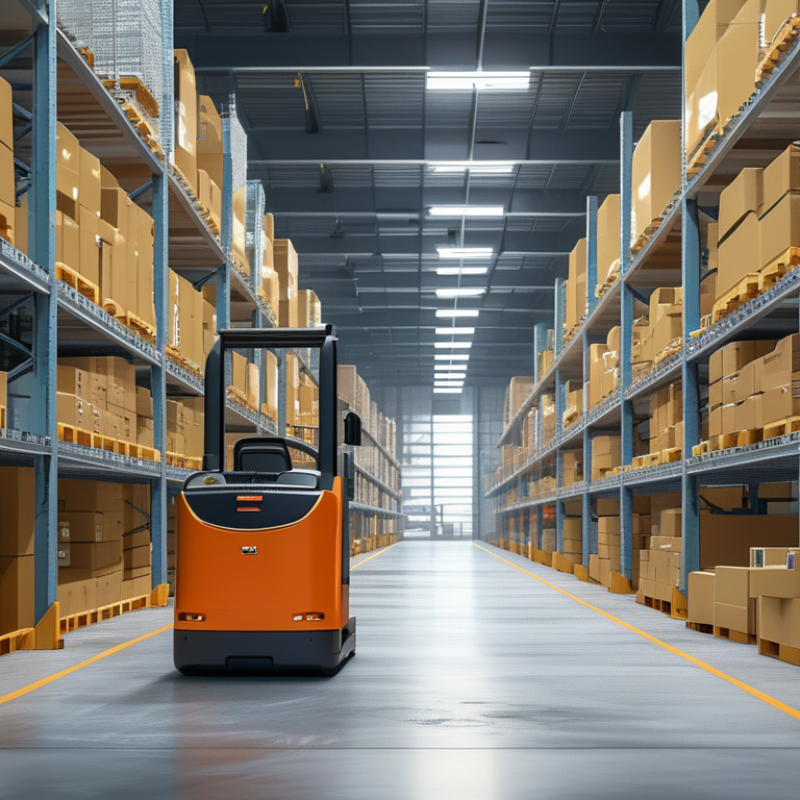
How to Transition from Manual to Automated Warehousing in 5 Easy Steps?

Understanding the Current State of Manual Warehousing and Its Limitations

The current state of manual warehousing presents several notable challenges. A study by the Warehousing Education and Research Council (WERC) indicates that nearly 70% of warehouses still rely heavily on manual processes. These traditional methods can lead to inefficiencies, including slower order fulfillment and increased error rates. For instance, manual picking processes have an accuracy rate of around 75%. A single mistake can lead to costly returns and lost customer trust.

Moreover, labor costs continue to rise. A report from the Bureau of Labor Statistics shows that warehouse worker wages increased by 4.6% last year. As workforce demands grow, many companies struggle to maintain productivity levels. High turnover rates further complicate this issue, as it often takes weeks to train new employees. Consequently, businesses must confront the reality that manual systems may not meet future scalability needs.

Importantly, manual warehouses lack the data-driven insights that automation technology can provide. Without real-time tracking and comprehensive analytics, companies miss opportunities for process optimization. For example, 47% of warehouses without automated systems struggle to manage inventory effectively. This reliance on outdated practices makes it difficult to adapt to market changes. These limitations highlight the pressing need for a transition towards automated solutions.

How to Transition from Manual to Automated Warehousing in 5 Easy Steps? - Understanding the Current State of Manual Warehousing and Its Limitations

Step Action Outcome Limitations of Manual Warehousing
1 Assess Current Processes Identify inefficiencies High labor costs, prone to errors
2 Evaluate Automation Solutions Select appropriate tools Limited scalability
3 Plan Integration Streamline workflows Limited visibility on inventory
4 Train Staff Empower with new skills Resistance to change
5 Implement Automation Increase efficiency Inflexibility in process handling

Assessing Your Warehouse Needs and Identifying Automation Opportunities

Transitioning from manual to automated warehousing begins with a thorough assessment of your current operations. Understanding the strengths and weaknesses of your warehouse is crucial. Identify bottlenecks in your processes—are items frequently misplaced? Is there a backlog in shipping? These questions point to automation opportunities.

Evaluate the technology available. Automated systems can increase efficiency and accuracy in inventory management. Look for solutions that mesh well with your existing processes. Consider whether robotics or software integration could help streamline operations. Implementing small-scale automation can serve as a test run before committing to larger changes.

Tips: Focus on training staff alongside automation. Employee engagement is vital. If team members feel alienated by new systems, productivity can decline. Emphasize open communication. Regularly seek feedback to fine-tune processes. Always be prepared for challenges. Not every solution will fit perfectly; be ready to adapt and improve as you transition.

Evaluating Automated Solutions: Robotics, Software, and AI Integration

Transitioning to automated warehousing is a strategic move for many businesses. Evaluating automated solutions is a crucial part of this process. Robotics, software, and AI integration can optimize operations effectively. According to a report by McKinsey, automation can increase warehouse productivity by up to 30%. These technologies help in reducing human error and improving inventory accuracy.

When considering robotics, start by assessing the specific tasks you want to automate. Warehouse robots can handle picking, packing, and transporting goods. Ensure that the chosen robots integrate smoothly with existing systems. AI-driven software analyzes data in real-time. This capability allows for smarter decisions, such as optimizing routes and managing stock levels.

Tip: Evaluate your current systems before investing in new tools. Understanding your infrastructure ensures compatibility with automated solutions. Also, review employee feedback on processes; they can highlight areas for improvement.

Implementing automation isn't without challenges. Some businesses struggle with integration issues or resistance from staff. Consider soft-launching technologies to gather insights and address concerns. This phased approach can ease the transition and build trust among your teams.

Developing a Step-by-Step Implementation Plan for Automation

Transitioning from manual to automated warehousing requires a clear strategy. Start by evaluating your current processes. Identify bottlenecks and inefficiencies. Gather input from your team. They understand daily challenges best. This collective insight can guide your automation goals.

Next, develop a step-by-step implementation plan. Break down tasks into manageable phases. Prioritize areas that need immediate attention. Consider integrating automated systems gradually. Testing each phase can uncover unexpected issues. Review performance metrics to assess improvements.

Be prepared for setbacks along the way. Automation may expose gaps in training or infrastructure. Adjust your approach as you learn. Engage your workforce throughout the process. Their engagement can ease the transition. Automation is a powerful tool but requires a reflective mindset for long-term success.

Automation Transition in Warehousing: Manual vs. Automated Tasks

Measuring Success: Key Performance Indicators for Automated Warehousing

Transitioning to automated warehousing requires careful measurement of success. Key Performance Indicators (KPIs) create a framework for this evaluation. Focus on efficiency, accuracy, and cost savings. Track the time taken for order fulfillment. Establish benchmarks to ensure progress.


Monitoring accuracy is also crucial. Measure order picking accuracy regularly. Errors can lead to customer dissatisfaction. A small mistake in a large order can amplify issues. Automation can improve these metrics, but only if consistently monitored.


Cost reduction is vital for any operation. Compare operational costs before and after implementation. It’s essential to address areas where expenses remain high. Reflect on these findings. Are there still inefficiencies? Improvement comes from ongoing assessment and adaptation, ensuring your automated warehouse meets its goals effectively.

FAQS

: What are the main challenges in manual warehousing?

: Manual warehousing faces inefficiencies, slower fulfillment, and high error rates. Accuracy in picking is often around 75%.

How do rising labor costs affect manual warehousing?

Labor costs have increased, complicating productivity. High turnover leads to longer training periods, impacting operational efficiency.

What insights do manual warehouses lack?

They lack data-driven insights. Without real-time tracking, warehouses miss optimization opportunities and struggle with inventory management.

How does automation improve warehouse productivity?

Automation can boost productivity by up to 30%. It reduces human error and enhances inventory accuracy, leading to smoother operations.

What should businesses consider when implementing automation?

Assess specific tasks for automation and ensure robots integrate with current systems. Employee feedback is crucial for identifying improvement areas.

What challenges might arise during automation implementation?

Resistance from staff and integration issues can arise. A soft launch can help gather insights and alleviate concerns among teams.

How can a step-by-step plan aid in transitioning to automation?

Developing a clear plan helps identify bottlenecks and manage phases. Testing each step allows for adjustments and insight into performance.

Why is employee engagement important in automation transitions?

Engaging the workforce can ease the transition. Their insights can lead to better strategies and smoother implementation processes.

Conclusion

Transitioning from manual to automated warehousing involves a strategic approach to enhance efficiency and productivity. First, it's essential to understand the current limitations of manual processes, which can hinder operations. Next, assessing your warehouse needs allows you to identify specific areas where automation can provide significant benefits. Evaluating suitable automated solutions, such as robotics, software, and AI integration, is crucial to ensure they align with your operational goals.

To effectively manage how to transition from manual to automated warehousing, developing a robust implementation plan is necessary. This plan should be step-by-step, facilitating a smooth integration of new technologies. Finally, measuring success through key performance indicators will help track the improvements brought by automation, ensuring that the transition leads to desired outcomes and optimizing overall warehouse performance.

Sophia

Sophia

Sophia is a dedicated marketing professional with an exceptional depth of knowledge about her company's products and services. With a keen understanding of market trends and customer needs, she crafts insightful blog posts that not only inform but also engage readers, enriching the company’s online......