In today's fast-paced warehouse environment, minimizing order picking errors is essential. Experts have identified that improving accuracy can significantly enhance overall efficiency. David Smith, a seasoned logistics consultant, once stated, "A single picking error can lead to lost sales and damaged customer relationships." His insight highlights the profound impact of mistakes on business success.
When evaluating methods on how to reduce order picking errors in warehouse operations, it becomes clear that several strategies can be employed. For instance, implementing advanced warehouse management systems can streamline processes. Additionally, staff training is crucial. Employees must comprehend the importance of precision in their tasks.
However, even with resources dedicated to error reduction, human mistakes can still occur. It's vital for warehouses to foster a culture of continuous improvement. Reflecting on mistakes is a critical step toward enhancing operational effectiveness. By understanding where errors originate, warehouses can create targeted interventions that lead to lasting improvements.
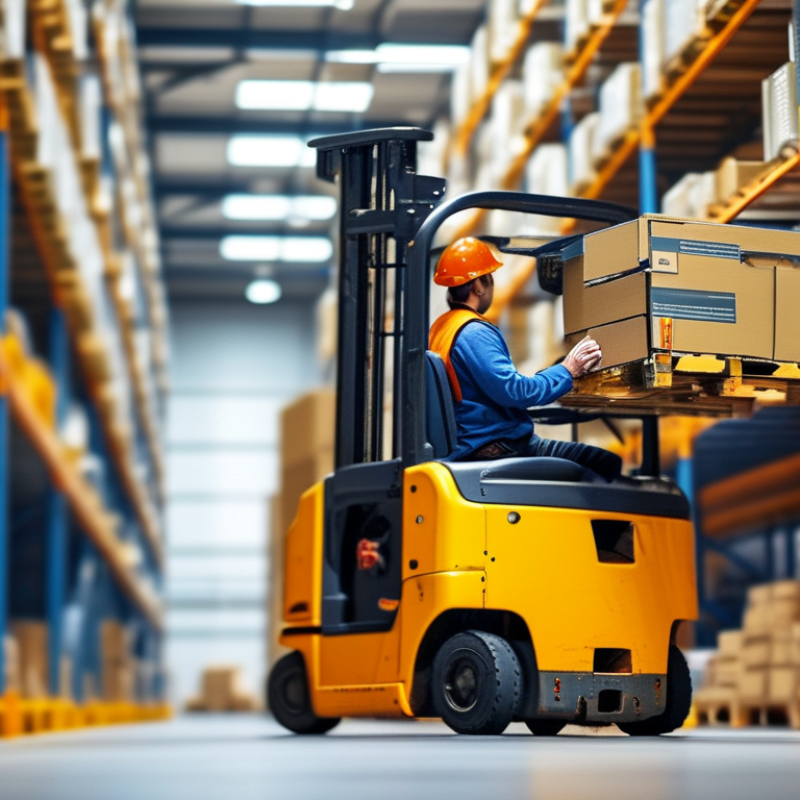
Understanding Order Picking Errors and Their Impact on Warehouse Efficiency
Order picking errors can significantly hinder warehouse operations. These mistakes lead to incorrect shipments, unsatisfied customers, and wasted resources. Understanding the root causes of these errors is essential for improving efficiency. Common issues include poor training, unclear labelling, and inadequate inventory management. Each mistake can spiral, affecting overall productivity and morale.
Effective training programs are vital. Ensure all staff understand processes and technology. Regular refresher courses can keep skills sharp. Invest in user-friendly technology to streamline the picking process. It should be intuitive, reducing the chances for mistakes. Regular audits can help identify areas needing improvement.
Incorporating a real-time inventory management system is crucial. This helps ensure accurate stock levels and reduces the risk of picking incorrect items. Clear labelling and organized shelving can further minimize errors. Encourage an open feedback culture. Workers should feel comfortable reporting issues. This not only enhances efficiency but fosters a collaborative environment. Addressing these factors proactively can transform warehouse performance.
Common Causes of Order Picking Errors in Warehouse Operations
Warehouse operations are often plagued by order picking errors. These mistakes can stem from several common causes. A key issue is insufficient employee training. According to a report from the Warehouse Education and Research Council, about 60% of errors come from a lack of proper training. Employees may misunderstand pick lists or misinterpret inventory locations. When workers are not fully aware of the system, mistakes become frequent, leading to increased costs.
Another significant factor contributing to picking errors is poor warehouse layout. A study from the Material Handling Industry of America indicates that inefficient layouts can increase picking time by up to 25%. When items are not organized logically, workers expend unnecessary energy and time searching. This confusion not only leads to errors but can also affect overall productivity.
Additionally, inventory inaccuracies play a crucial role. The 2021 State of Inventory Management report shows that 70% of warehouses experience discrepancies between recorded and actual stock levels. These inaccuracies can lead to items being picked that are out of stock or incorrect. Addressing these common causes is essential for improving order accuracy and operational efficiency.
Why Reducing Order Picking Errors is Crucial for Your Warehouse?
| Error Type |
Description |
Common Causes |
Impact on Operations |
| Picking Errors |
Incorrect items are picked instead of the ordered ones. |
Poor labeling, inadequate training, rushed picking. |
Customer dissatisfaction, returns, reduced efficiency. |
| Quantitative Errors |
Incorrect quantities are picked for an order. |
Miscommunication, distractions, manual counting errors. |
Operational delays, increased shipping costs, customer complaints. |
| Shipping Errors |
Incorrect items are shipped instead of those ordered. |
Cross-docking issues, labeling mistakes, software errors. |
Return processing complexities, lost credibility, financial losses. |
| Timing Errors |
Delay in dispatching orders due to inaccuracies. |
Inefficient processes, lack of real-time tracking. |
Missed deadlines, unsatisfied customers, loss of business. |
Strategies for Reducing Order Picking Errors in Your Warehouse
Reducing order picking errors is essential for warehouse efficiency. Research shows that errors can lead to 30% increased operational costs. To minimize these mistakes, implementing robust strategies is key.
One effective method is to streamline the picking process. Using technology, such as barcode scanners, can enhance accuracy. A study from the Supply Chain Management Review found that automation reduces picking errors by up to 40%. Staff training also plays a crucial role. Regular training sessions ensure employees are familiar with protocols and systems, decreasing the chance of mispicks.
Tips: Encourage your team to double-check orders before finalizing them. Create a culture where questioning discrepancies is welcomed. Another suggestion is to organize inventory logically. A well-structured layout reduces confusion and accelerates picking.
Establishing feedback loops can also highlight areas for improvement. By analyzing pick error data, warehouses can adjust processes accordingly. It’s important to recognize that even small changes can have significant impacts on overall operational performance. Investing in error reduction not only enhances service quality but also strengthens customer trust.
Order Picking Errors in Warehouse Operations
This bar chart illustrates the number of order picking errors recorded in a warehouse over six months. Reducing these errors is essential for improving efficiency and customer satisfaction.
The Financial Implications of Order Picking Errors on Business Profitability
Order picking errors can significantly impact a warehouse's financial health. When items are mispicked, it costs businesses more than just the price of the goods. Incorrect orders lead to higher shipping costs, dissatisfied customers, and potential returns. Each mistake can trigger a ripple effect, decreasing overall efficiency and profitability. Miscommunications and errors in inventory can also strain relationships with suppliers.
The ramifications extend beyond immediate losses. Warehouses that struggle with picking accuracy may face increased labor costs. Employees spend more time correcting mistakes rather than fulfilling new orders. This wasted time reduces their productivity and can lead to employee frustration. Additionally, frequent order errors can damage a brand's reputation. Once trust is lost, winning back customers becomes a challenging endeavor.
Investing in better training and technology is essential. However, many warehouses fall short in these areas, leading to a cycle of repeated errors. It's important to evaluate current practices regularly. Reflection on past mistakes can reveal underlying issues. A proactive approach to order accuracy can ultimately foster a more profitable and reliable warehouse operation.
Implementing Technology Solutions to Minimize Order Picking Errors
Implementing technology solutions in warehouses can significantly reduce order picking errors. These errors can lead to customer dissatisfaction and increased operational costs. By integrating systems like warehouse management software, facilities can track inventory in real-time. This transparency helps ensure accurate order fulfillment.
Automated solutions, such as barcode scanning and RFID technology, provide immediate feedback during the picking process. Staff can quickly verify items against the order list. This not only speeds up the picking process but also minimizes human error. Regular training sessions on these tools are crucial. They help employees stay updated on best practices.
Yet, technology is not infallible. Over-reliance on automated systems can introduce new challenges. Workers may become complacent, leading to lapses in attention. It’s vital to balance technology with solid training. Reflection on these practices can help maintain high picking accuracy levels. The aim should always be to create a cooperative environment where technology and human diligence complement each other.
Conclusion
Reducing order picking errors is essential for enhancing warehouse efficiency and overall business profitability. Understanding the nature and impact of these errors allows warehouse managers to identify common causes, such as inadequate training, poor layout, and lack of standardized processes. By addressing these issues, companies can implement effective strategies for reducing order picking errors in warehouse operations.
Adopting technology solutions, such as automated picking systems and real-time inventory tracking, can significantly minimize human error. Investing in employee training and developing clear operational procedures are also key steps in this process. Ultimately, by focusing on how to reduce order picking errors in warehouse environments, businesses can improve accuracy, enhance customer satisfaction, and positively affect their financial outcomes.

 RAB Logistics