How to Prevent Forklift Accidents Near Storage Racks?

Time:2026-09-13 Author:Sienna
0%

Forklifts and storage racks share limited space, creating risks that can escalate within seconds. A reversing truck may strike a rack upright, dislodge a pallet, or trap a nearby worker. The danger is often hidden.

The U.S. Occupational Safety and Health Administration reports that forklifts cause approximately 85 fatal accidents and 34,900 serious injuries annually. OSHA also emphasizes operator training, safe travel practices, and workplace inspections. These figures show why “how to prevent forklift accidents near storage racks” requires more than reminding drivers to slow down. It requires coordinated controls around people, equipment, traffic, and rack design.

The National Institute for Occupational Safety and Health identifies overturns, falling loads, and pedestrian impacts as recurring forklift hazards. Near racks, poor visibility makes each hazard more difficult to control. A tall pallet can block the operator’s view. A damaged upright can remain unnoticed behind shrink wrap. One careless turn may create a larger failure.

Small details matter.

Effective prevention begins with practical observation. Marked travel lanes, protected rack ends, working warning lights, and clear sightlines can reduce exposure. Trained operators still need support from supervisors, maintenance teams, and warehouse planners. Training alone is not enough.

A useful safety program also examines near misses, not only injuries. That is where many weaknesses appear. A near miss may reveal speeding, unclear pedestrian routes, uneven floors, or overloaded pallets before someone gets hurt. No warehouse is perfectly predictable. However, disciplined inspections and honest reporting can make rack-side forklift operations safer, more consistent, and easier to improve.
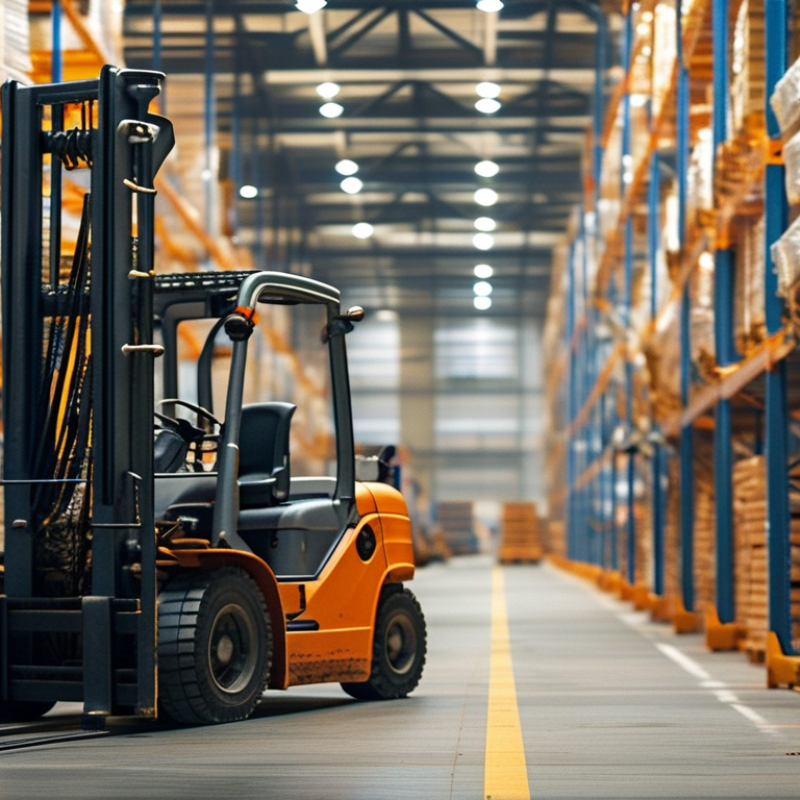
How to Prevent Forklift Accidents Near Storage Racks?

Identify Forklift Hazards Around Storage Racks

How to Prevent Forklift Accidents Near Storage Racks?

Identify forklift hazards around storage racks before choosing controls. Walk every aisle at the operator’s eye level. Then repeat the inspection as a pedestrian. Blind corners, blocked sightlines, and narrow turning spaces can hide people and pallets. Protruding loads may catch rack beams or strike nearby workers. Damaged uprights, loose guards, uneven floors, and fallen shrink wrap also deserve immediate attention.

The U.S. Occupational Safety and Health Administration estimates that powered industrial trucks cause about 85 workplace deaths and 34,900 serious injuries each year. Its safety guidance also notes that many incidents involve poor visibility, unstable loads, and inadequate operator training. Mark rack-end protection, pedestrian crossings, and no-standing zones clearly. Keep forks low while traveling, maintain safe clearance, and never assume a horn makes an intersection safe. Mirrors help, but they do not remove the blind spot.

Use daily inspections to record impact marks, bent components, leaking batteries, and damaged pallets. Review near misses with operators and pedestrians, not only supervisors. The uncomfortable truth: a clean aisle can still contain a hidden hazard. Teams sometimes repair the rack but ignore the traffic pattern that caused the impact. Temporary barriers may also become permanent, creating another obstruction. OSHA’s Powered Industrial Trucks Safety Fact Sheet supports site-specific training, regular inspections, and separating vehicle routes from pedestrian movement. Practical observations should guide those controls.

Separate Forklift Traffic from Pedestrian Walkways

Forklift accidents often happen where traffic routes meet storage racks. Blind corners, narrow aisles, and stacked pallets can hide pedestrians from drivers. Separate forklift traffic from pedestrian walkways with physical barriers whenever space allows. Use guardrails, raised curbs, or fixed posts near rack ends and crossing points. Floor markings should remain clear, but paint alone is not enough.

Pedestrian paths need defined entrances and exits. Keep them away from reversing areas and turning zones. Install crossing points where drivers can see people early. Mirrors, warning lights, and audible signals can improve awareness, but they cannot replace controlled movement. Set practical speed limits for each aisle. A busy loading area may need a slower limit than an open warehouse. Supervisors should inspect routes daily, especially after rack changes or floor repairs.

Tips: Mark walkways in a color that contrasts with the floor. Keep pallets outside pedestrian lanes. Add stop signs at blind intersections. Train workers to make eye contact before crossing. Review near misses, not only injuries. A painted line may look effective during inspection, yet disappear under dust or poor lighting. That weakness deserves attention. Routes should be tested during peak activity, when visibility and patience are both reduced.

Set Safe Operating Rules for Rack Aisles

Forklift accidents near storage racks often begin with unclear aisle rules.

Set a written traffic plan for every rack aisle. Mark travel lanes, pedestrian crossings, and no-go zones with durable floor lines. Use one-way travel where aisle width is limited.

Keep intersections visible and free from pallets, wrapping, and empty cartons. Operators should slow down before blind corners and sound the horn when visibility is restricted. Speed limits must match load weight, floor conditions, and aisle design.

Tips:

Require operators to stop fully before entering cross-aisle traffic. Keep forks low while traveling, usually just above floor level. Do not turn with a raised load. Maintain a clear view of the rack beam and pallet openings. If the load blocks visibility, travel in the safer direction required by your site procedure. Supervisors should observe real movements, not only review written rules.

Daily checks should cover brakes, steering, tires, warning devices, forks, and overhead guards. Rack aisles also need regular inspections for damaged frames, loose loads, and fallen products.

Isolate any unsafe area immediately. A rule can look complete on paper. Rushed shifts may still expose gaps, especially during replenishment or shift changes.

Review near misses without blaming workers, then adjust signs, routes, staffing, or training. Storage operations improve when aisle rules remain practical, visible, and consistently enforced.

Protect Racks with Barriers and Clearance Markings

Forklift accidents near storage racks often begin with small clearance errors. A pallet overhangs by a few centimeters. A driver turns too tightly. Then steel, products, and people occupy the same unsafe space. Rack protection should start with physical barriers, not warnings alone. Install guardrails, end-of-aisle barriers, and upright protectors where trucks approach rack legs. Use anchored systems rated for expected impact energy, and inspect their fixings regularly. A loose barrier can create false confidence.

Painted clearance markings should make the safe path obvious from the driver’s seat. Mark a visible buffer around each rack face, corner, and pedestrian crossing. Keep this zone free from pallets, waste bins, and charging cables. Use contrasting floor colors and refresh the markings after cleaning or floor repairs. Measure the truck’s turning envelope with its largest normal load, then add a conservative margin. Do not rely on an empty forklift test. Loads change visibility and braking distance.

Supervisors should observe real routes during busy shifts, not only scheduled inspections. Look for tire marks crossing the buffer, bent barriers, and mirrors blocked by stored materials. Record each near miss and adjust the layout when the same mistake repeats. Training helps, but it cannot compensate for a narrow aisle or faded line. Our plans are often cleaner than reality. Leave room for human hesitation, uneven floors, and rushed decisions. Recheck the arrangement after every rack change.

Train Operators and Inspect Rack Areas Regularly

How to Prevent Forklift Accidents Near Storage Racks?

Safe rack operations begin with practical operator training. New drivers should learn turning limits, braking distance, load stability, and visibility restrictions. Training should happen in the actual storage area, not only in a classroom. Let operators practice near empty rack bays before handling full pallets. Use floor markings and realistic traffic routes. Keep speed low at aisle corners. Stop completely when sightlines disappear. Small habits matter.

Refresher training is necessary after a near miss, equipment change, or long absence. Supervisors should watch driving behavior and correct unsafe shortcuts immediately. A short conversation can reveal pressure, confusion, or poor lighting. Do not assume experienced operators need no support. That assumption causes problems.

Inspect rack areas before each shift. Look for bent uprights, loose anchors, damaged beams, missing safety pins, and unstable pallets. Check whether loads extend into travel lanes. Remove damaged pallets from service. Isolate unsafe bays until a competent person assesses them. Record findings with clear photos and dates. A checklist helps, but it can become routine paperwork. We have all seen forms completed too quickly. Encourage workers to report small defects without fear of blame. Review reports during team briefings, then adjust routes, training, or storage practices when repeated hazards appear.

How to Prevent Forklift Accidents Near Storage Racks?

Train Operators and Inspect Rack Areas Regularly

OSHA estimates that forklifts are involved in approximately 85 fatalities, 34,900 serious injuries, and 61,800 non-serious injuries each year in the United States. Regular operator training, safe travel practices, and routine inspections of storage racks can help reduce struck-by, collision, and falling-load risks.

Source: U.S. Occupational Safety and Health Administration (OSHA), “Powered Industrial Trucks.”

FAQS

Why should forklift routes be separated from pedestrian walkways?

Physical barriers reduce contact between trucks and people. Use guardrails, raised curbs, or fixed posts near rack ends. Paint alone is not enough.

What makes a pedestrian walkway safer?

Define clear entrances, exits, and crossing points. Keep paths away from reversing zones and turning areas. Keep pallets outside marked lanes.

How can workers improve visibility at blind corners?

Install mirrors, warning lights, and audible signals. Add stop signs at hidden intersections. Drivers should slow down and seek eye contact before crossing.

What rules should apply in narrow rack aisles?

Use one-way travel when space is limited. Require a full stop before cross-aisle traffic. Keep forks low while traveling. Never turn with a raised load.

How should speed limits be decided?

Match limits to aisle width, load weight, floor condition, and visibility. Busy loading areas need slower movement. One limit may not fit every aisle.

What should daily forklift and rack inspections include?

Check brakes, steering, tires, forks, warning devices, and overhead guards. Inspect rack frames, loose loads, and fallen products. Isolate unsafe areas immediately.

How can racks be protected from vehicle impact?

Install anchored guardrails, end barriers, and upright protectors. Check their fixings regularly. A loose barrier looks protective, but it may not be.

Why are clearance markings important around racks?

Mark a visible buffer around rack faces, corners, and crossings. Keep bins, pallets, and cables outside it. Measure turning space with the largest normal load.

How should near misses affect warehouse safety?

Review near misses without blaming workers. Adjust routes, signs, staffing, or training when mistakes repeat. Written plans may look complete. Busy shifts reveal weaknesses.

Conclusion

Learning how to prevent forklift accidents near storage racks begins with identifying hazards such as blind corners, unstable loads, damaged rack components, limited visibility, and congested aisles. Forklift routes should be clearly separated from pedestrian walkways with physical barriers, floor markings, signs, and controlled crossing points. In rack aisles, operators should follow safe speed limits, maintain adequate stopping distances, keep loads stable, sound warnings where visibility is restricted, and avoid carrying loads that block their view.

Storage racks should be protected with impact barriers, corner guards, and clearly marked clearance zones to reduce collision risks. Regular inspections can reveal damaged uprights, loose components, blocked exits, or unsafe stacking before they cause an incident. Finally, operators need practical training, including safe turning, load handling, parking, and pedestrian awareness. Supervisors should reinforce these procedures and routinely inspect both forklift activity and rack areas to maintain a safe, organized workplace.

Sienna

Sienna

Sienna is a skilled marketing professional with a deep expertise in our company’s core products and services. With a passion for innovation and detail, she plays a pivotal role in crafting insightful blog posts that not only highlight the unique features of our offerings but also provide valuable......