In today's competitive market, mastering how to optimize warehouse space utilization is crucial. Experts agree that effective space management directly impacts efficiency and cost savings. According to John Smith, a renowned logistics consultant, “Maximizing space is not just about fitting more; it’s about fitting better.” This perspective challenges many businesses to rethink their approach.
Many warehouses operate below capacity, leading to wasted resources. Poor layout and inadequate shelving systems can create chaos. Managers often neglect to analyze their space regularly. Without a fresh assessment, achieving optimal utilization remains a distant goal.
Real-world examples show that simple changes can yield significant results. Implementing vertical storage solutions or investing in automation can enhance flow and cut down clutter. However, strategizing requires more than just common sense; it demands specialized knowledge. Finding the right balance is not easy. Each warehouse has unique needs that must be considered to truly streamline operations.
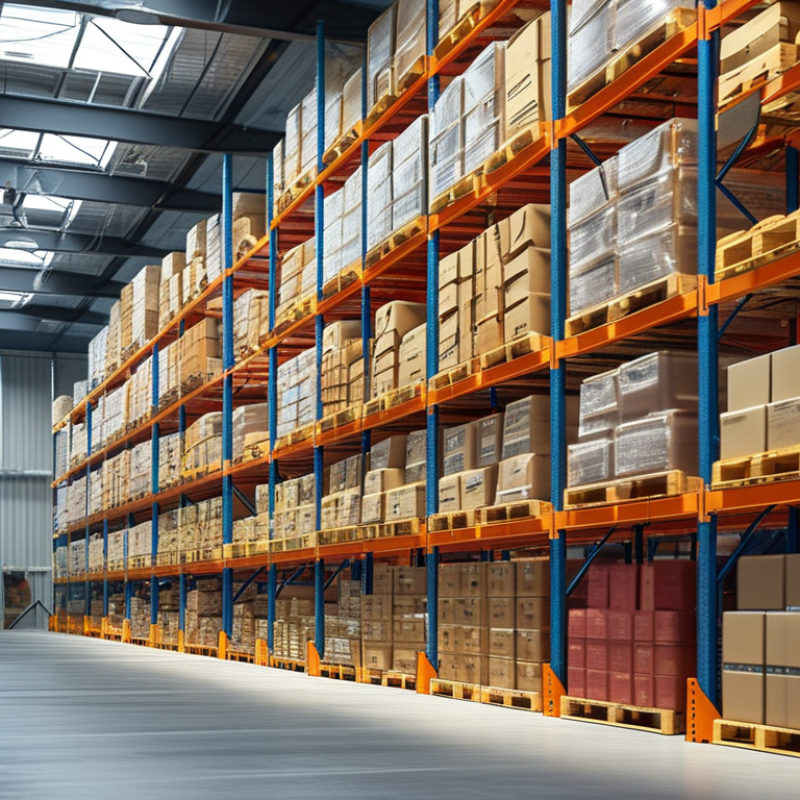
Assessing current warehouse layout and inventory management practices is crucial for optimizing space utilization. According to a report by the Warehousing Education and Research Council, inefficiencies in warehouse layouts can result in up to 30% more space needed than necessary. Many warehouses still rely on outdated designs, which can hinder product accessibility and flow. This forceful reality demands a reevaluation of existing setups.
Analyzing inventory management practices is equally important. The Supply Chain Optimization Report indicates that proper inventory tracking can reduce excess stock by 20%. Employing tools such as RFID and advanced software can streamline this process. However, many facilities still struggle with manual inventory counts. This often leads to miscalculations and overstocking. Regular audits and real-time data can boost accuracy and efficiency.
Adapting to changing market needs can be daunting. Flexibility in layout and technology integration are key. A rigid approach may cause warehouses to lag, ultimately affecting profit margins. Regularly reviewing layout effectiveness and inventory control methods can significantly improve overall warehouse performance. Embracing change and reflection can result in substantial gains.
Warehouse space utilization is a critical factor in achieving operational efficiency. According to a report by the Warehousing Education and Research Council (WERC), optimizing space can improve efficiency by up to 30%. Understanding the key factors contributing to space utilization is essential for maximizing storage capacity.
One significant factor is layout design. Studies show that a well-planned layout can reduce travel time by up to 20%. Selecting the right shelf systems or racking solutions is vital. For example, utilizing vertical space can significantly enhance capacity. Yet, many warehouses overlook this point, leading to wasted space.
Technology also plays a crucial role in efficiency. Implementing inventory management systems can provide real-time data on stock levels. A report from the International Warehouse and Logistics Association (IWLA) indicates that warehouses using advanced technology can achieve a 25% increase in throughput. However, transitioning to such systems can present challenges, like employee training and integration issues. Highlighting these reflections can guide warehouses in their optimization journey.
| Factors | Description | Impact on Efficiency (%) | Optimization Strategies |
|---|---|---|---|
| Storage Layout | Arrangement of storage units to maximize space | 25% | Use slotting optimization |
| Inventory Management | Techniques to manage stock levels effectively | 30% | Implement ABC analysis |
| Technology Utilization | Use of automation and software | 20% | Adopt warehouse management systems |
| Employee Training | Ensuring staff are proficient in processes | 15% | Regular training sessions |
| Space Measurement | Assessment of occupied versus available space | 10% | Conduct regular space utilization audits |
In today’s fast-paced logistics world, optimizing warehouse space utilization is crucial. Implementing technology solutions can significantly enhance space tracking and overall efficiency. Advanced software can provide real-time data on space usage, allowing managers to make informed decisions. For instance, using RFID tags can automate inventory tracking. This reduces the time spent locating items and minimizes errors.
Consider integrating automated storage and retrieval systems (AS/RS). These systems can maximize vertical space, reducing the warehouse footprint. They also speed up retrieval times, ensuring faster order fulfillment. Regular audits using this technology can identify under-utilized areas. This can lead to the reconfiguration of layouts for better performance.
Tips for optimizing warehouse space: Regularly assess your inventory turnover. Items with low turnover can take up valuable space. Implement a dynamic storage method. This involves placing fast-moving products closer to shipping areas. Finally, train staff to use technology effectively. Misuse or underutilization can lead to wasted space and resources. Consistently evaluate your strategies for continuous improvement.
Designing flexible storage solutions is essential for maximizing warehouse space efficiency. A well-planned layout can adapt to changing inventory needs. Consider using modular shelving units. These can be reconfigured as inventory levels fluctuate. This flexibility can significantly increase storage capacity. Utilize vertical space effectively. High shelves can store infrequently used items, freeing up lower spaces for fast-moving products.
Tips: Assess your inventory's turnover rate. Knowing which items move quickly allows you to allocate space wisely. Seasonal items should also have designated areas that are easy to access. Regularly review and reorganize your storage layout. Inefficient arrangements can lead to wasted space and time.
Invest in technology for inventory management. Automation tools can provide real-time data. This insight helps in optimizing space usage. Observe patterns in your stock levels. This information can pinpoint potential storage issues. You may find yourself stuck in a configuration that no longer serves your purpose. It’s essential to adapt continually.
Training staff effectively is crucial for optimal warehouse space utilization. Employees must understand best practices and the importance of space management. Reports indicate that proper training can increase space efficiency by up to 30%. Well-trained staff can make quicker decisions about storage options, ultimately minimizing wasted space.
Hands-on training helps staff visualize effective layouts and inventory management. Realistic simulations of warehouse operations can highlight the shortcomings in existing processes. A study revealed that improper aisles and shelving layouts could waste over 20% of available space. Staff should routinely assess these areas. Regular training sessions can reinforce the need for constant evaluation and adaptation.
Proper training improves not only storage techniques but also employee morale. When staff feel equipped with knowledge, they become more confident in their roles. Yet, training might sometimes overlook specific nuances of an operation. Regular feedback loops can identify gaps in training and processes. Staff should feel empowered to suggest improvements. By fostering a culture of continuous learning, organizations can adapt to changing demands and enhance operational efficiency.
: Inefficient layouts can increase space needed by up to 30%. Optimizing layout improves product flow and accessibility.
Proper tracking tools can reduce excess stock by 20%. Real-time data and regular audits enhance accuracy.
Outdated designs hinder accessibility and can waste valuable space. Regular reevaluation is necessary for efficiency.
Flexible solutions, like modular shelving, adapt to inventory changes, increasing storage capacity significantly.
Automation tools provide real-time insights, optimizing space use and identifying storage issues effectively.
Designate easy-access areas for seasonal items. This strategy prevents clutter and enhances efficiency.
Relying on manual counts often leads to miscalculations. Automation can help avoid these errors.
Regular reviews of layout and inventory methods can significantly improve overall performance and efficiency.
A rigid approach can lead to inefficiencies and increased costs. Adapting to change is crucial for success.
Inefficient arrangements waste time and space. Regular reorganizing is needed to maintain effectiveness.
In the quest to understand how to optimize warehouse space utilization, it's essential to begin with a thorough assessment of the current warehouse layout and inventory management practices. This involves identifying inefficiencies and key factors that directly impact space utilization and operational efficiency. By implementing advanced technology solutions for enhanced space tracking, warehouses can gain better visibility and control over their inventory, leading to smarter decisions and improved space management.
Moreover, designing flexible storage solutions allows for maximizing available space to accommodate changing inventory needs. Alongside these strategies, training staff on best practices for optimal space utilization ensures that all team members are equipped with the knowledge to maintain efficiency and adapt to new systems. This comprehensive approach not only maximizes storage capacity but also drives overall productivity within the warehouse environment.

RAB Logistics