When facing issues with conveyor belts, many operators wonder, "why does my conveyor belt keep slipping?" This frustrating problem can significantly disrupt workflow and productivity. According to industry expert John Smith, “A slipping belt can stem from several factors, including improper tension and misalignment.” Understanding these causes is crucial for quick fixes.
Slipping can result from worn-out belts or incorrect installation. Additionally, environmental factors like moisture can affect grip. Regular maintenance checks are essential to prevent unexpected downtimes. Implementing preventive measures helps maintain operational efficiency.
Addressing the cause of a slipping belt requires diligence and experience. Sometimes, even minor adjustments can make a significant difference. Operators often overlook these small changes, leading to ongoing issues. Reflecting on maintenance practices may reveal areas needing improvement. Thus, knowing "why does my conveyor belt keep slipping" becomes vital for a smoother operation.
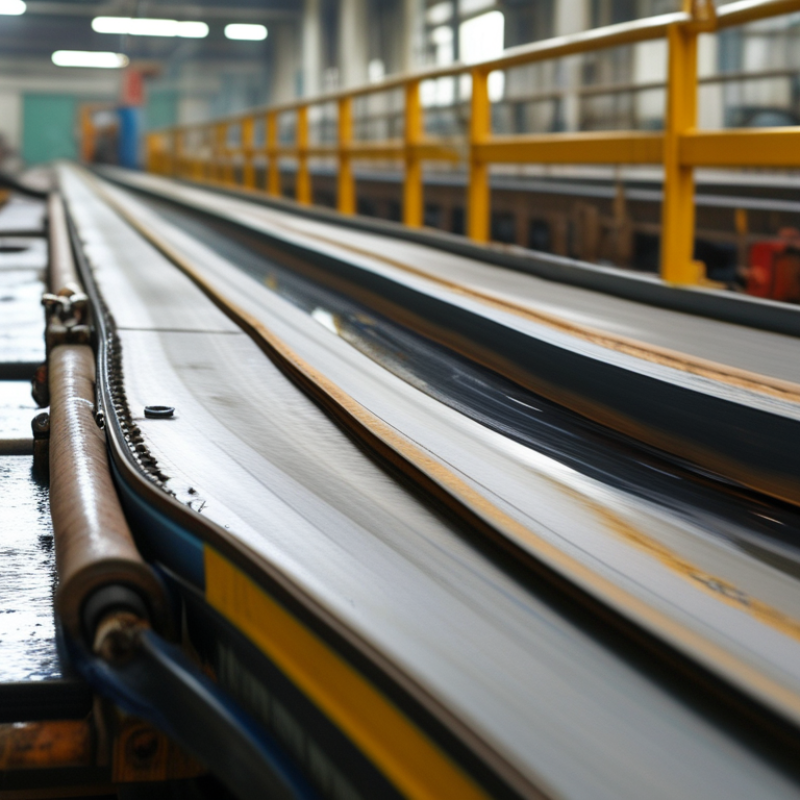
A slipping conveyor belt can cause significant disruption in operations. Identifying the symptoms early on can save time and resources. One common sign is inconsistent movement. If items are not traveling at a steady pace, it’s a clear indicator that something is wrong. Another symptom is visible belt wear. Cracks or fraying edges mean it’s time for an inspection.
Watch for unusual sounds, too. If the belt squeaks or vibrates excessively, it could indicate misalignment or tension issues. These sounds are not just annoying; they signal potential failures that need immediate attention. Ignoring them can lead to unexpected downtime.
**Tip:** Regular maintenance is key. Check for proper tension and alignment. Keep the belt clean to prevent debris buildup.
Understanding these signs can lead to faster resolutions. If you notice slippage, troubleshoot immediately. Delaying repairs might result in costly replacements.
**Tip:** Document any changes you observe. Tracking these details can help identify patterns over time. Consider involving a professional for complex issues.
To tackle the issue of belt slippage, it’s crucial to identify the underlying causes. Slippage often stems from improper tension. If the belt is too loose, it cannot grip the pulleys effectively. If it's too tight, it could lead to premature wear. Adjusting tension is a simple first step that can yield immediate results.
Another common cause is surface wear on the belt or pulleys. Check for signs of abrasion or glazing, which can reduce friction. A clean surface is vital for optimal performance. Dirt and debris can also contribute to slippage, so regular cleaning is necessary.
Finally, misalignment between the pulleys can cause uneven wear and slippage. Inspect the alignment regularly and make adjustments as needed. It’s important to consider these factors and reflect on your maintenance schedule. Regular checks can prevent significant downtime and costly repairs down the line.
Proper tension and alignment are crucial for the efficient operation of conveyor belts. When conveyor belts slip, productivity can suffer significantly. Studies indicate that misalignment can cause up to 30% of the energy used in the system to be wasted. This inefficiency can lead to increased operational costs.
To adjust the tension, ensure proper belt sag. Too much sag can lead to slipping. Conversely, over-tensioning may cause unnecessary wear on components. Regular tension checks should be part of a maintenance routine, as they can prolong the life of your conveyor system.
Alignment plays a key role in reducing friction during operation. According to a report by the Conveying Equipment Manufacturers Association, poorly aligned belts can reduce efficiency by 15%. Use guides or tracking mechanisms to ensure that the belt runs straight throughout its path. Regular visual inspections help identify alignment issues early. Remember, these adjustments are not just about fixing problems but also about optimizing performance.
A slipping conveyor belt can disrupt operations in various industries. Regular inspection is crucial to address this issue. One major factor in conveyor belt reliability is the condition of its components. According to a recent industry report, over 35% of conveyor failures are due to worn or damaged parts.
When inspecting your conveyor system, pay special attention to rollers, pulleys, and bearings. These components should be free of wear or damage. If you see any signs of deterioration, replace them promptly to avoid further complications. A proactive approach can reduce downtime by up to 20%, as identified in maintenance studies.
**Tip:** Implement a regular inspection schedule. This helps identify issues early. Aim for quarterly checks or more frequent ones in high-usage settings.
In addition, report any unusual noises or vibrations from the conveyor system. These can indicate deeper issues with components. Data shows that ignoring such warning signs can lead to increased repair costs and extended downtime.
**Tip:** Train your team to recognize these warning signs. They can help catch problems before they escalate, enhancing overall efficiency and safety in operations.
This chart represents the wear percentage of various components of a conveyor belt system. Regular inspection and timely replacement of these worn components can prevent further issues and ensure efficient operation.
Regular maintenance is crucial for preventing conveyor belt slippage. According to industry reports, approximately 30% of production downtime is linked to belt slippage. High tension can lead to rapid wear. If tension is too low, the belt may slide. Regularly checking and adjusting tension is key.
Inspection of belt surfaces is equally important. A visual check can reveal fraying or foreign debris. Clean belts enhance grip and efficiency. Experts recommend cleaning the conveyor system at least once a month. This practice can prevent potential slipping issues in the long run.
Regular lubrication and alignment checks support optimal belt performance. Misalignment can cause uneven wear. According to a study, properly aligned belts can reduce wear rates by up to 25%. Scheduled maintenance minimizes long-term costs and operational disruptions. It is essential to develop a consistent maintenance routine. Mistakes in this area can lead to serious breakdowns.
: Belt slippage often results from improper tension, worn surfaces, or misalignment. Check these areas first.
Adjust the tension by loosening or tightening the belt. Aim for balanced grip on the pulleys.
Look for signs like abrasion or glazing. These affect the belt’s ability to grip properly.
Dirt and debris can cause slippage. Keep surfaces clean to maintain optimal performance.
Regularly inspect rollers, pulleys, and bearings for wear or damage. This helps avoid larger issues.
Aim for quarterly checks, or more often in busy environments. Early detection helps prevent downtime.
Report any strange noises immediately. They might indicate deeper problems that need attention.
Yes, being proactive can reduce downtime by up to 20%, saving on costly repairs in the long run.
Provide training on common warning signs. This preparation can help catch problems early and boost efficiency.
Ignoring warning signs can lead to higher repair costs and longer downtime, impacting operations.
A slipping conveyor belt can disrupt operations and lead to inefficiencies, prompting the question: "why does my conveyor belt keep slipping?" To address this problem effectively, it’s crucial to first identify the symptoms of slippage, such as irregular movement or loss of traction. Next, examine the underlying causes, which may include improper tension, misalignment, or worn components.
Once the causes are assessed, adjusting the belt's tension and alignment is essential for restoring functionality. Additionally, inspecting for and replacing any damaged parts will help mitigate further issues. Lastly, implementing regular maintenance practices can prevent future slippage and ensure optimal performance of the conveyor system. By following these steps, you can quickly resolve slipping issues and maintain a smooth operation.

RAB Logistics