What is the Best Layout for a Fulfillment Center Design?

Time:2026-07-30 Author:Mason
0%

Designing an efficient fulfillment center is crucial for businesses aiming to streamline their operations. Experts often debate, "what is the best layout for a fulfillment center?" Philip Cheng, a logistics consultant, emphasizes that a well-planned layout can significantly impact workflow efficiency. He states, “The layout should be designed to support the speed of operations and ease of access.”

Understanding the best layout involves more than just aesthetics. It requires a deep understanding of the operational processes involved. Are you focusing on high-speed order processing? Or perhaps prioritizing space for inventory management? Each choice affects overall performance.

Flexibility is also essential. As market demands change, the layout must adapt too. It’s important to regularly evaluate how well the current design serves the goals. Mistakes can lead to bottlenecks, inefficiencies, and increased costs. Reflecting on these aspects can lead businesses closer to answering the pivotal question: what is the best layout for a fulfillment center?
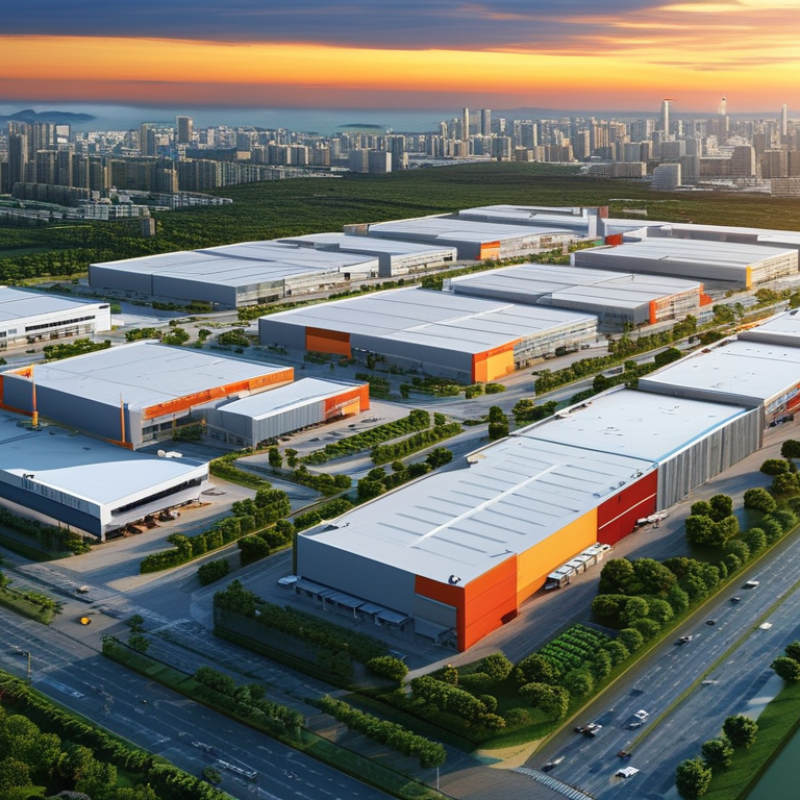
What is the Best Layout for a Fulfillment Center Design?

Key Factors in Designing an Effective Fulfillment Center Layout

Designing an effective fulfillment center layout requires careful consideration of several key factors. Location plays a critical role in logistics efficiency. Proximity to major transport hubs can significantly reduce shipping times and costs. Additionally, analyzing local workforce availability can influence your operational capacity. A center located near a skilled labor pool can enhance productivity and reduce training times.

Another crucial aspect is the flow of goods within the facility. An optimal layout minimizes unnecessary movement. Design the layout to ensure smooth transitions between receiving, storage, picking, and shipping areas. Use clearly marked paths for both goods and staff. This prevents congestion. Inefficiencies can arise if areas are poorly planned. Regularly reassess the flow and make adjustments as needed to accommodate changing demands.

Technology integration is also essential in modern designs. Automated systems can increase accuracy and speed. However, over-reliance on technology can lead to vulnerabilities. A backup plan is necessary. Balancing human oversight with automation will enhance reliability. Ensure the design can adapt to technological advancements and changing market needs over time. Always be ready to reflect on your design, looking for areas to improve.

What is the Best Layout for a Fulfillment Center Design? - Key Factors in Designing an Effective Fulfillment Center Layout

Factor Description Importance Level (1-5)
Space Utilization Maximizing available space for storage and operations. 5
Workflow Design Creating a logical flow for receiving, picking, packing, and shipping. 5
Technology Integration Utilizing WMS and automation tools for efficiency. 4
Inventory Management Strategies for tracking and managing stock levels effectively. 5
Flexibility Ability to adapt layout for changes in product lines or volumes. 4
Safety Measures Implementation of safety protocols and equipment placement. 5
Employee Accessibility Ease of access to workstations and resources for staff. 4

Types of Fulfillment Center Layouts: Pros and Cons

When designing a fulfillment center, layout plays a crucial role in efficiency. Various layouts serve different needs and purposes. The most common types include U-shaped, straight-line, and island layouts. Each has distinct benefits and drawbacks.

The U-shaped layout promotes smooth workflow and effective communication among staff. A 2022 industry study showed that centers using this design improved order picking speed by 15%. However, this layout can lead to space constraints for larger operations. The straight-line layout provides a clear product flow, reducing handling time. Yet, its inflexibility can hinder adaptation to changes in demand or product type.

On the other hand, island layouts facilitate storage accessibility. They enable easy adaptation to varying inventory levels. Still, they can create inefficiencies if not properly managed, leading to increased travel times for employees. Industry reports indicate that poor layout choices can diminish productivity by up to 25%. Ultimately, selecting the right layout hinges on numerous factors, including operational goals and market demands. Each option demands careful consideration to optimize performance.

Optimizing Space Utilization in Fulfillment Center Designs

In the realm of fulfillment center design, optimizing space utilization is critical. Studies show that efficiently designed facilities can increase productivity by 30% or more. Space layout impacts workflow, affecting everything from receiving to shipping. A well-organized center enhances order accuracy and minimizes processing times.

Utilizing vertical space is an effective strategy. High-density storage systems, such as stackable shelving, make better use of available height. According to industry reports, maximizing vertical storage reduces the facility's footprint by up to 40%. However, this requires careful planning to ensure that workers can access products safely and efficiently.

Flexibility in layout is also vital. Modular designs can adapt to changing inventory and order volumes. A recent analysis revealed that centers with adjustable shelving or movable workstations saw a 15% increase in order fulfillment rates. It's important, though, to find the right balance. Overly complex layouts can lead to confusion and errors in picking tasks, which directly impacts overall efficiency.

Space Utilization in Fulfillment Centers

Technology Integration in Fulfillment Center Layout Planning

Technology plays a crucial role in the design of fulfillment center layouts. Modern technologies like automated sorting systems enhance efficiency in order processing. These systems can drastically reduce the time it takes to fulfill orders. Integrating robotics in storage and retrieval tasks minimizes human error. However, reliance on technology can pose challenges.

Flexibility is key when incorporating technology. A layout that works today may need adjustments for future advancements. Planning for tech integration requires a forward-thinking approach. It's important to consider space for new equipment in your design. Not all technologies will seamlessly fit into existing structures. Sometimes, trial and error is necessary to find the best solutions. Testing different setups can reveal unforeseen issues.

Training staff to adapt to new technology is vital. Employees must understand how to operate and troubleshoot equipment. Their feedback can lead to insights that improve layout design. Neglecting this aspect may lead to decreased productivity. An optimal layout should not only accommodate technology but also foster a culture of continuous improvement. Balancing tech and human elements creates a resilient fulfillment center.

Future Trends in Fulfillment Center Design and Layout Strategies

The future of fulfillment center design is evolving rapidly. Recent studies predict that automation will dominate warehouse operations. By 2025, it is estimated that robotic systems could handle over 75% of warehouse tasks. This shift prompts a reconsideration of layout strategies.

A more flexible design will likely become essential. Traditional fixed layouts may not accommodate the fast-paced changes in consumer demand. In fact, reports indicate that 80% of retailers are prioritizing adaptable spaces. These designs allow for better inventory management and quicker response times.

Visibility and accessibility are crucial factors. With the integration of augmented reality, workers can navigate large spaces more efficiently. Improved design reduces travel time and increases productivity. These trends reflect a broader shift towards seamless operations in fulfillment centers. Investing in smart layouts is no longer optional but essential for staying competitive.

FAQS

: Why is space optimization important in fulfillment centers?

: Optimized space can increase productivity by 30% or more. It influences workflow from receiving to shipping.

How can vertical space be utilized in these centers?

High-density storage systems help utilize available height effectively. This can reduce the facility's footprint by 40%.

What are some flexible design options for fulfillment centers?

Modular designs with adjustable shelving aid in adapting to inventory changes. They can increase order fulfillment rates by 15%.

What might future fulfillment center designs look like?

Future designs will likely emphasize flexibility to respond to consumer demands. Traditional layouts may become outdated quickly.

How will automation impact fulfillment center operations?

By 2025, robotic systems may handle over 75% of tasks. This requires rethinking layout strategies.

Why is visibility important in fulfillment centers?

Enhanced visibility helps workers navigate spaces efficiently. This reduces travel time and boosts overall productivity.

What risks are associated with complex layout designs?

Overly complex layouts can confuse workers. Mistakes in picking tasks might occur, hurting overall efficiency.

How does augmented reality help in fulfillment centers?

Augmented reality improves navigation through large spaces. It makes accessing products easier and more efficient.

Are adaptable designs a trend among retailers?

Yes, 80% of retailers prefer adaptable spaces. These designs support better inventory management and response times.

What should businesses consider for future designs?

Integrating smart layouts is essential. Investing in these designs helps maintain competitiveness in the market.

Conclusion

Designing an effective fulfillment center layout is crucial for optimizing efficiency and productivity. Key factors to consider include workflow, inventory management, and space utilization. When exploring what is the best layout for a fulfillment center, various types such as U-shaped, L-shaped, and grid layouts each offer distinct advantages and drawbacks. Efficient space utilization is essential to maximize productivity while minimizing operational costs, enabling better inventory flow and quicker order processing.

Incorporating technology is also vital in modern fulfillment center design, allowing for automation and real-time tracking to enhance operations. As businesses evolve, future trends indicate a move towards more flexible and scalable layouts that prioritize adaptability in response to changing market demands. Ultimately, a well-planned fulfillment center can significantly impact a company's overall success, ensuring timely and accurate deliveries to meet customer expectations.

Mason

Mason

Mason is a seasoned marketing professional with a deep expertise in the company's offerings and a passion for driving brand awareness. With a strong background in digital marketing strategies, he has an innate ability to connect with diverse audiences and effectively communicate product benefits.......