When considering warehouse automation, one of the most pressing questions is, "what is the average cost of warehouse automation?" According to industry expert John Smith, a supply chain specialist with over 20 years in logistics, “Understanding costs is crucial for decision-making.” Automation can streamline operations, but it requires careful planning and investment.
Automation costs vary widely based on technology choices and facility size. Simple upgrades may range from a few thousand to hundreds of thousands of dollars. Advanced systems like automated storage and retrieval systems (ASRS) can escalate costs significantly. Buyers must think critically about long-term savings versus initial expenditures.
While the benefits of automation are compelling, it’s not always straightforward. Assessing a company’s unique needs is essential. Investing in automation could lead to operational efficiencies, but a clear understanding of expected costs is necessary to avoid surprises. Many buyers find themselves revisiting their budget plans and reconsidering their priorities. In this evolving industry, having guidance is key.
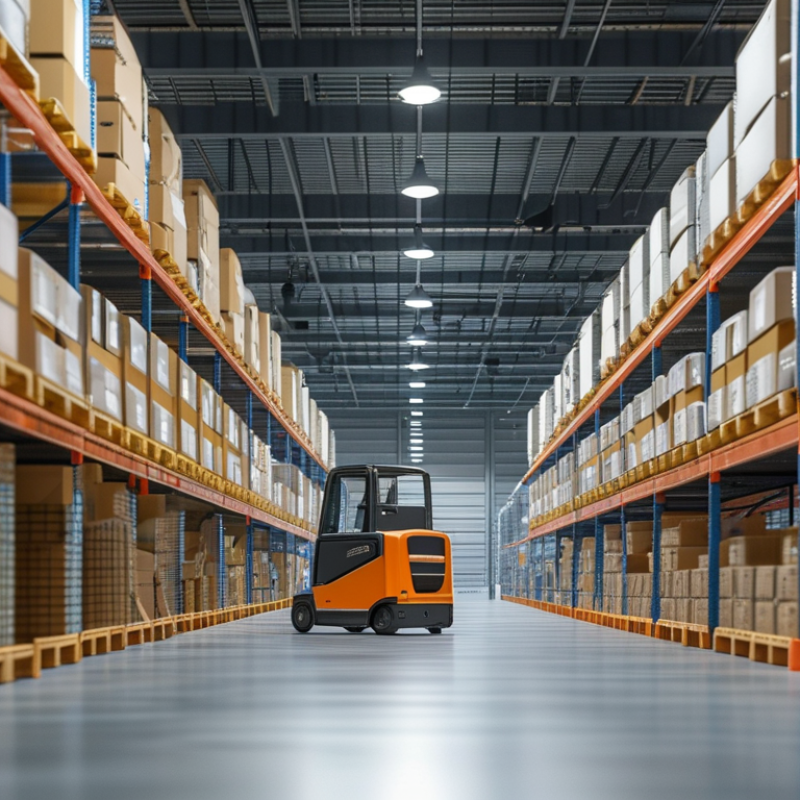
Warehouse automation is transforming the logistics industry, offering a variety of benefits. It enhances efficiency, reduces labor costs, and improves accuracy in order fulfillment. The integration of technologies such as Automated Guided Vehicles (AGVs) and robotics can streamline operations. Companies can handle higher volumes with fewer errors, leading to better customer satisfaction.
Understanding the core concepts of warehouse automation can help buyers make informed decisions. Assess your specific needs before investing. Consider the layout of your warehouse and the types of products you handle. A customized solution often leads to higher returns. However, not all businesses benefit equally from automation. Smaller warehouses may struggle with the upfront costs, while larger operations might see quicker payoffs.
Investing in warehouse automation requires careful planning. Make sure to involve your team in the discussion. Their insights can uncover potential challenges you might overlook. Balancing immediate costs with long-term gains is crucial. Automation's success often relies on continuous training and reassessment of processes. This reflection can help ensure that your automated systems remain relevant and efficient.
Warehouse automation can significantly enhance efficiency, but costs vary widely due to several factors. A report by the MHI (Material Handling Industry) found that companies can spend anywhere from $500,000 to $5 million to automate a warehouse, depending on specific needs and solutions. The type of automation technology is a crucial factor. For instance, while robotic systems can provide flexibility, they often require higher initial investments compared to conveyor systems.
Another key factor is the size of the operation. Larger warehouses may require more complex automation systems, increasing costs. A study from the Warehousing Education and Research Council (WERC) noted that labor costs account for about 65% of total warehouse expenses. This makes automation a compelling option in labor-intensive facilities. However, it’s important to conduct a detailed cost analysis, as hidden costs can arise, including maintenance and software updates, which may influence overall return on investment (ROI).
Moreover, existing infrastructure plays a role in determining expenses. Integrating new technology into outdated facilities can lead to unexpected challenges and costs. Successful automation requires careful planning and an assessment of future needs. It's vital to consider how these elements influence the average cost of warehouse automation before making any decisions.
As the demand for warehouse efficiency surges, automation becomes vital. Buyers must approach this landscape with care. A comprehensive report from the Warehouse Automation Study highlights that automation solutions can decrease operational costs by up to 30%. However, the initial investment and ongoing maintenance can be daunting.
Understanding the ROI is crucial. A study by ARC Advisory Group found that 60% of companies reported a return on investment within two years of automating their warehouses. Frequent maintenance can escalate costs and disrupt operations. Additionally, integrating systems requires expertise. Many buyers underestimate the complexities involved in transitioning to automated systems. Failing to address these pitfalls can lead to further complications.
Consider not just the financial costs but also the training implications for staff. Workforce adaptability is key, as 72% of workers cite fears about job security when automation is introduced. Clear communication and training programs can mitigate these concerns. Ultimately, making informed choices in warehouse automation demands a thorough assessment of technology, workforce readiness, and cost structures.
| Automation Solution | Average Cost (USD) | Implementation Time (Months) | Maintenance Cost (Yearly) | Expected ROI (Years) |
|---|---|---|---|---|
| Automated Storage and Retrieval Systems (AS/RS) | $100,000 | 6 | $10,000 | 3 |
| Conveyor Systems | $50,000 | 4 | $5,000 | 2 |
| Automated Guided Vehicles (AGVs) | $75,000 | 5 | $7,500 | 4 |
| Robotic Picking Systems | $200,000 | 12 | $20,000 | 5 |
| Warehouse Management Systems (WMS) | $25,000 | 3 | $2,500 | 1 |
In the world of warehousing, automation technologies offer various solutions that can transform operations. Robots, conveyor systems, and software solutions are three main technologies in this space. Each has unique benefits and challenges. Adopting robotic systems can enhance efficiency but comes with high initial costs. On the other hand, conveyor systems provide speed but may limit flexibility.
Software solutions play a crucial role in managing inventory and coordinating tasks. However, integrating these systems can be complex. Companies often face unexpected hurdles during implementation. Employee training becomes essential to ensure a smooth transition. Overlooking this aspect can lead to frustration and inefficiencies.
While automation can significantly reduce operational costs, buyers must assess long-term impacts. Balancing initial investment with ongoing maintenance is critical. Not all technologies suit every warehouse. One must carefully consider the specific needs and constraints of their operations. The wrong choice can lead to wasted resources and missed opportunities.
Budgeting for warehouse automation can be complex. Buyers should start by assessing their specific needs and goals. Automation can reduce labor costs and increase efficiency. However, upfront investments might seem overwhelming. Identifying essential technologies is key.
Consider the types of automation that fit your operations. Options range from automated storage systems to robotics. Each choice varies in cost and maintenance. Buyers often overlook the hidden costs, such as training staff or downtime during implementation. It's crucial to account for these factors in your budget.
Additionally, evaluating the return on investment is necessary. Create a realistic timeline for when cost savings will materialize. Take time to weigh all options. Consulting with experts can provide valuable insights. This can help avoid costly mistakes later on. Balancing initial expenditure with long-term gains is vital for any warehouse automation project.
: Warehouse automation involves using technology to improve logistics efficiency. It can streamline operations and reduce labor costs.
Automation enhances order fulfillment accuracy and increases customer satisfaction. It allows handling of higher volumes with fewer errors.
Costs can range from $500,000 to $5 million. Factors include operation size, technology type, and installation complexity.
Businesses should evaluate their specific needs and warehouse layout. Customized solutions often provide better returns.
Smaller warehouses may face high upfront costs. Not all operations benefit equally from automation, leading to potential financial challenges.
Team insights can uncover overlooked challenges. Their input helps ensure smoother implementation and addresses potential issues.
Integrating new technology into outdated facilities can introduce unexpected expenses. Proper planning is essential to avoid these pitfalls.
Software helps manage inventory and coordinate tasks. However, integration can be complex and requires thorough employee training.
Continuous training and process reassessment are crucial. Reflection on system relevance can aid ongoing efficiency.
Yes, choosing the wrong technology can waste resources. Understanding specific operational needs is vital to avoid mistakes.
Warehouse automation is increasingly recognized for its potential to enhance operational efficiency and reduce labor costs. However, when considering automation, a key question remains: what is the average cost of warehouse automation? Several factors influence this cost, including the scale of operations, the complexity of automation solutions, and the technology selected.
For buyers exploring warehouse automation solutions, essential tips include conducting a comparative analysis of various technologies and understanding their specific benefits in relation to costs. Additionally, budgeting for warehouse automation should take into account not only the initial investment but also long-term savings and potential return on investment. By comprehensively assessing these elements, buyers can make informed decisions that align with their operational goals.

RAB Logistics